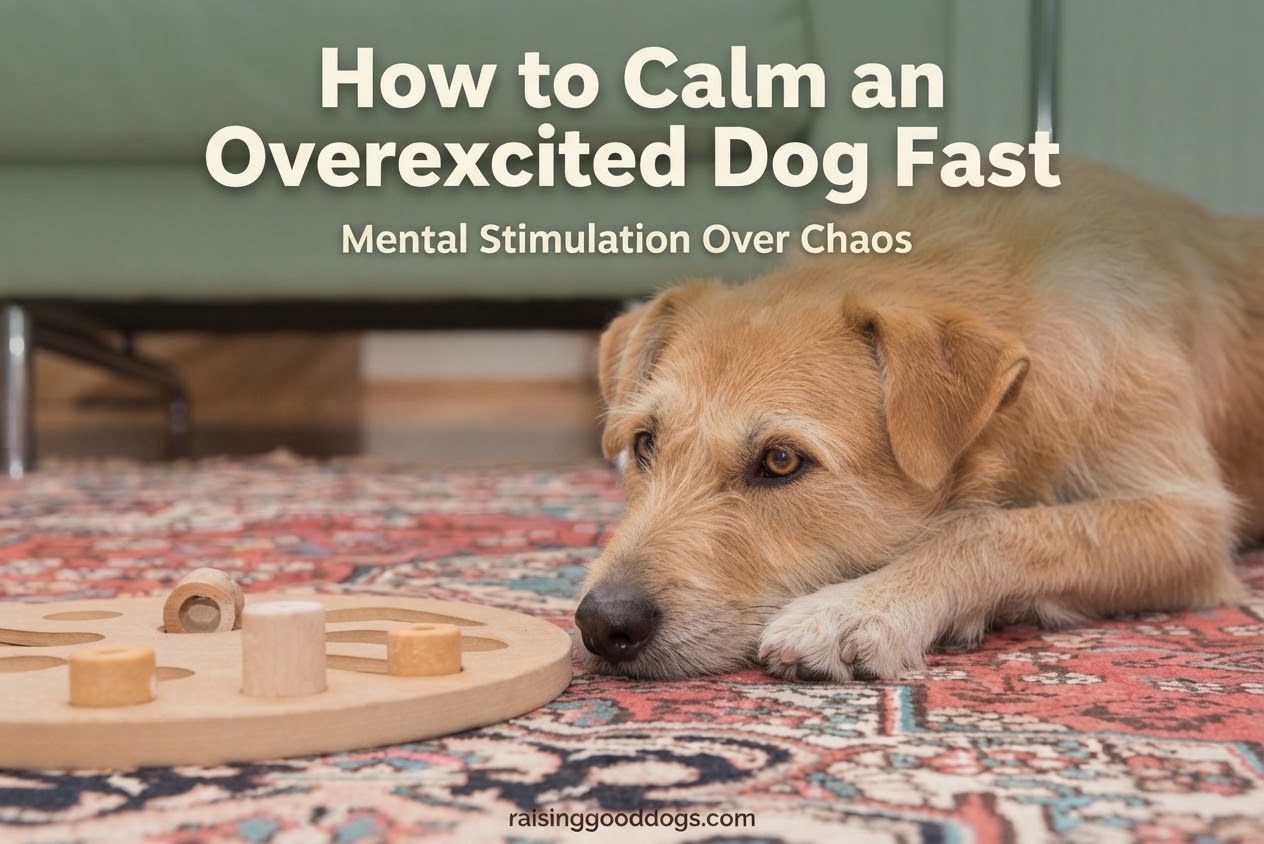
Living with a dog who launches into every greeting like a rocket can be exhausting. I have worked with plenty of these dogs, and the first thing I look at is not obedience but what the excitement is telling us. A dog who cannot settle is usually showing us a skill gap, not giving us a hard time.
My approach starts with preventing the wild rehearsals, then teaching calm choices in small pieces. This is not a three-day transformation; most dogs need weeks of consistent practice before the new habits feel automatic.
Recognizing Signs of an Overexcited Dog
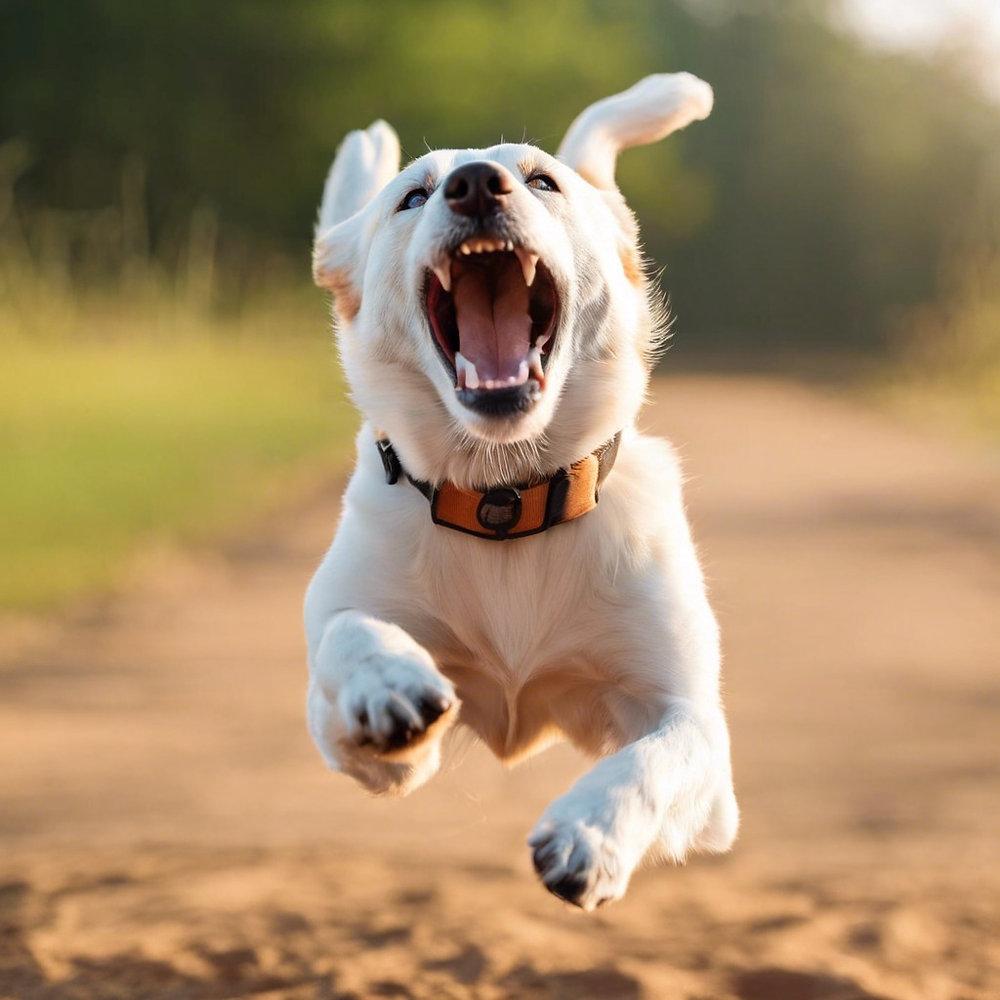
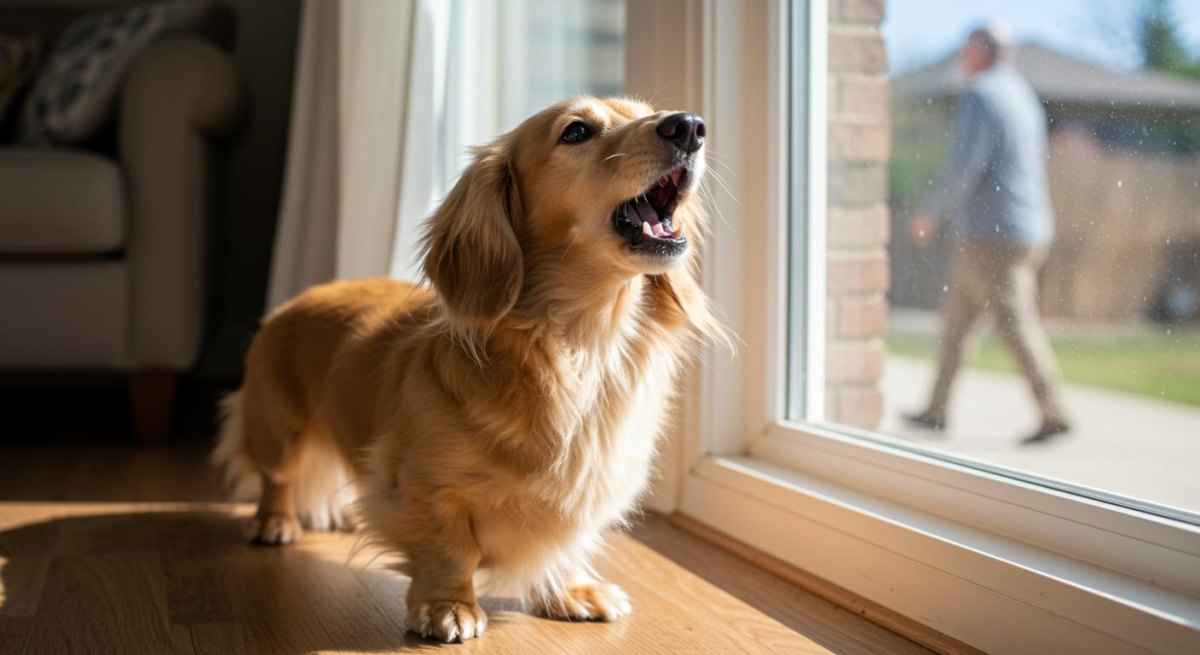
Before I change a behaviour, I watch the dog in front of me. Excitement can look obvious, but the quieter signals matter too: tight muscles, fast breathing, fixed attention, frantic movement, lip licking, or a sudden change in posture. Dogs communicate through their whole body, including ears, eyes, mouth, posture, and tail.
I often tell clients to stop waiting for the explosion. The best training moment is usually the ten seconds before the jumping, barking, or spinning starts. Look for early body language clues and lower the intensity before your dog is over threshold.
My practical tip
Film a normal exciting moment at home. Watching it back often reveals the tiny signs we miss while being pulled into the chaos.
Using Calm Energy During Greetings
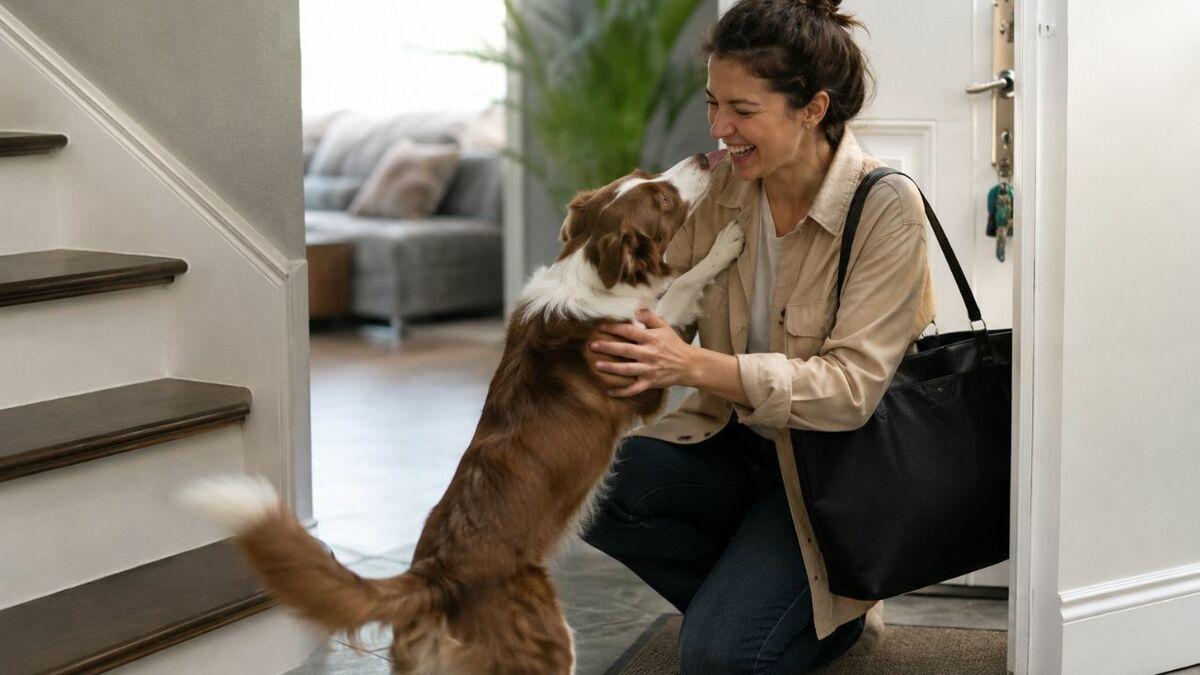
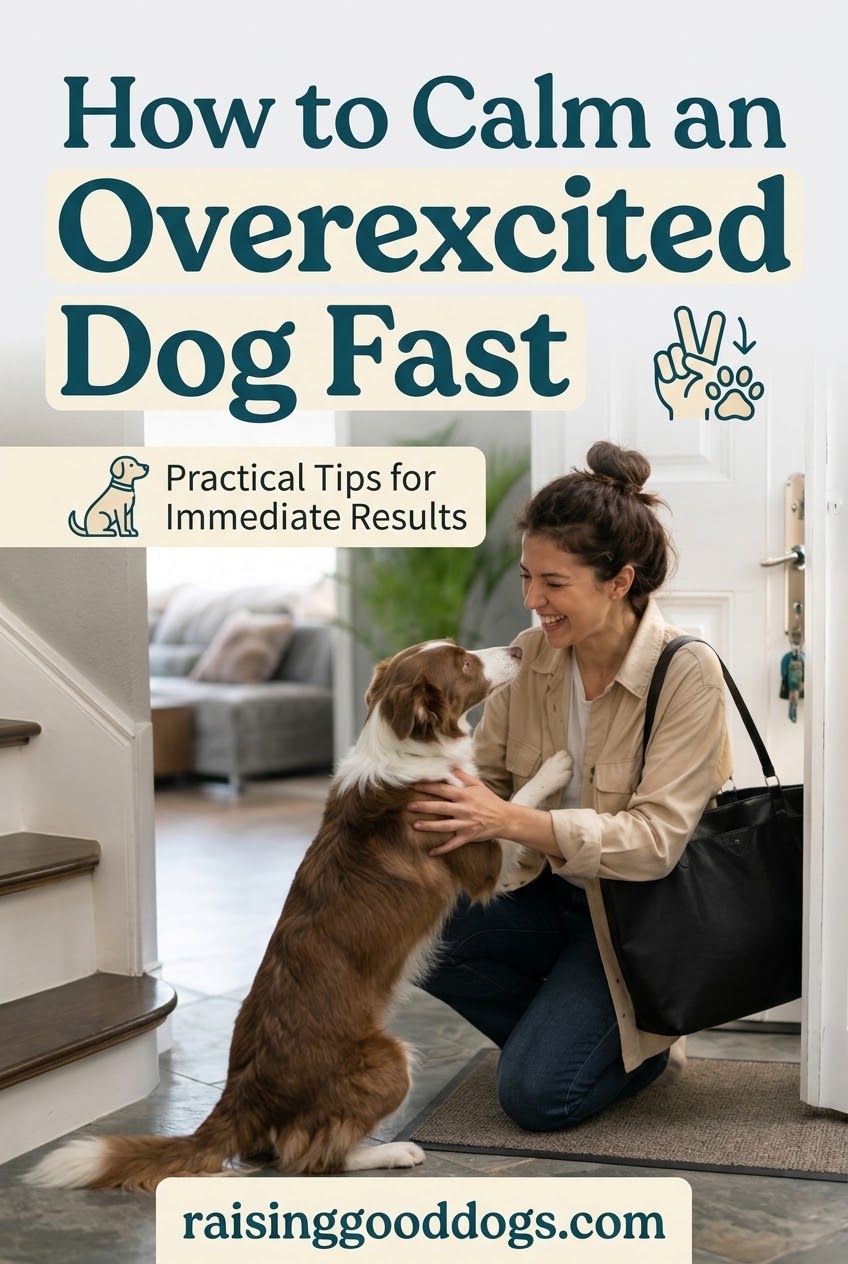
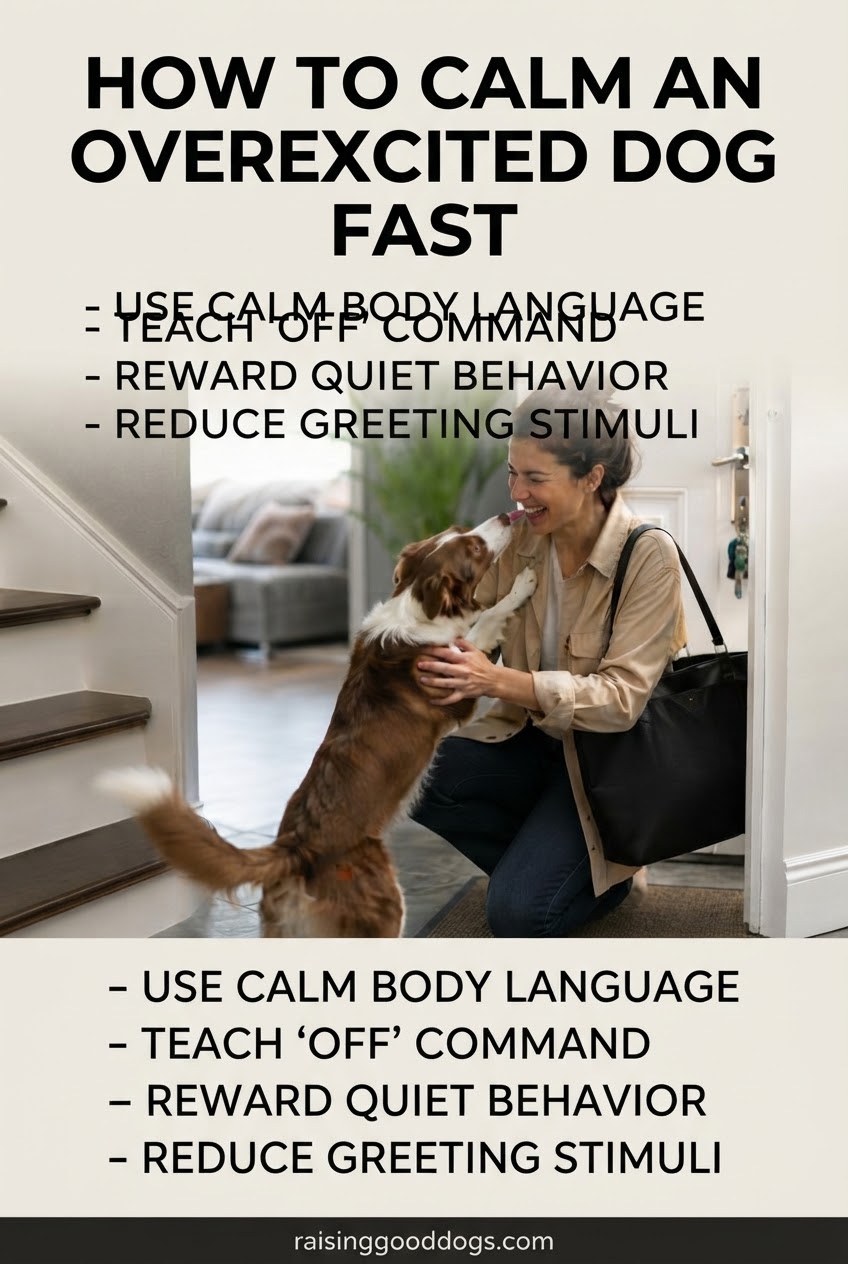
Door greetings are where many dogs practice being overexcited every single day. If jumping works because it creates attention, the dog learns that jumping is part of the greeting routine. I start by changing the picture: calm behaviour makes the good things happen. Four paws on the floor becomes the behaviour we reward.
My greeting plan is intentionally boring. I move slowly, keep my voice quiet, and avoid accidentally turning the arrival into a party. A dog who is already bouncing off the walls is not ready for a lecture; they need a simpler choice. Reward-based training helps dogs repeat behaviours that bring predictable rewards.
Common mistake
Many people ask for a perfect sit while the dog is already overwhelmed. I build calm first, then add the cue.
Teaching Relaxation Through Training Exercises
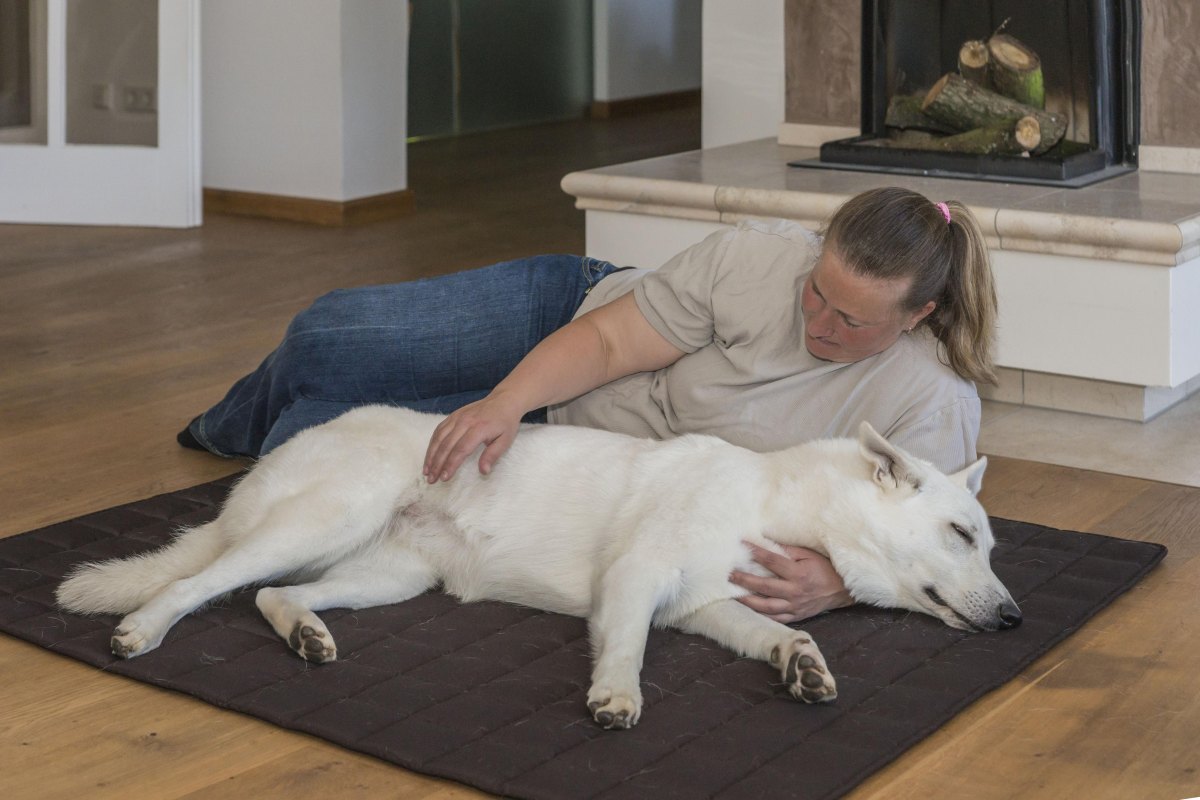
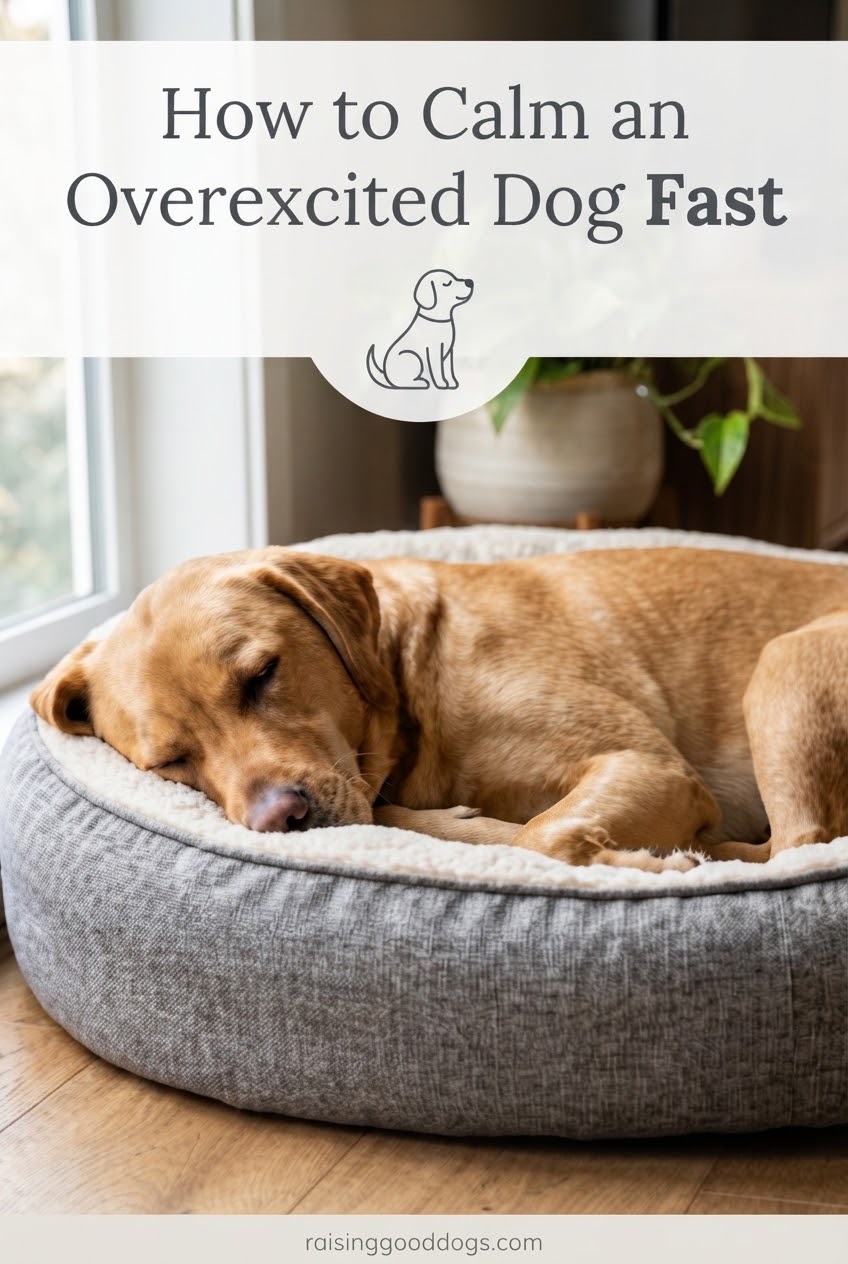
Relaxation is a skill, and I treat it like any other skill. Some dogs are naturally good at switching off; others need us to teach them what resting feels like. A mat or bed can become a clear signal for quiet behaviour practice when it is built with rewards and patience.
I usually begin in the easiest possible environment. A dog who cannot relax in the kitchen will not magically settle at a busy café. Build the behaviour where success is likely, then slowly add distractions. Small calm repetitions beat long training battles every time.
| Training stage | My focus |
|---|---|
| Quiet room | Reward looking at and relaxing on the mat |
| Normal home activity | Build duration while life happens |
| New locations | Add distractions gradually |
Calm is something we teach, not something we demand from a dog who has never learned it.
Reducing Overstimulation With Mental Activities
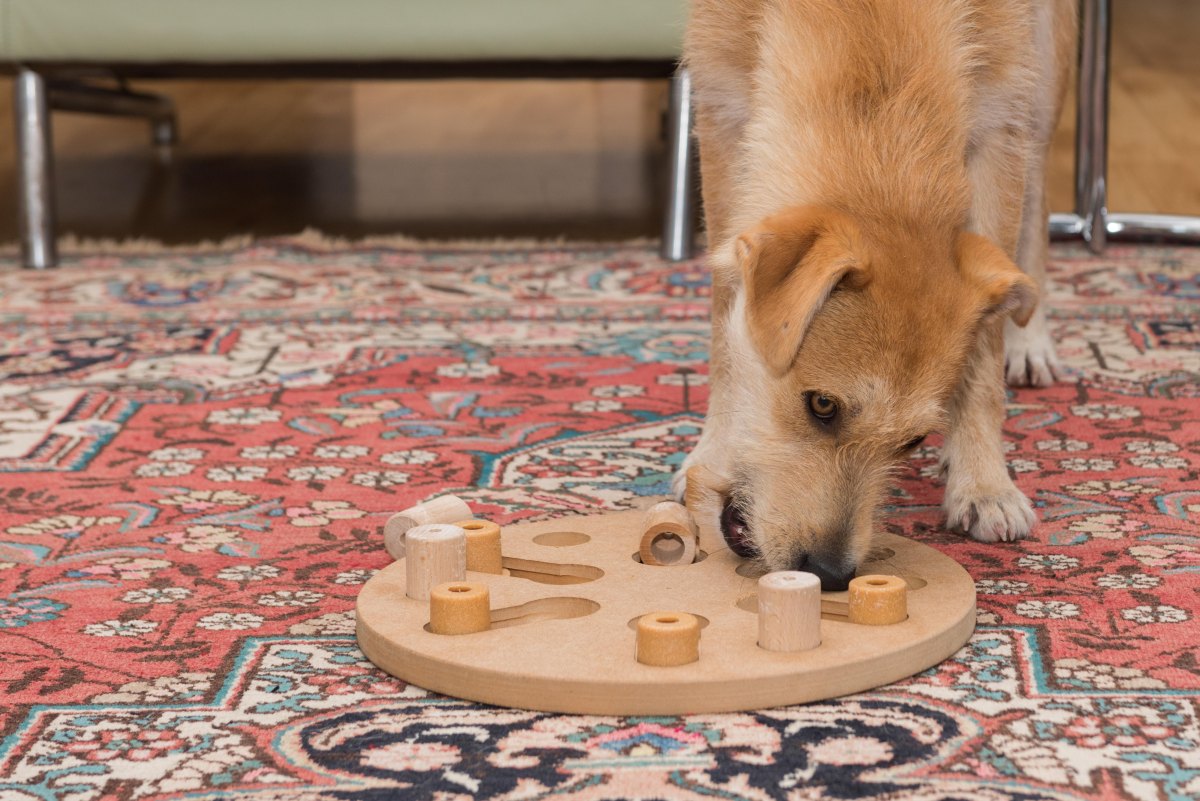
When a dog is constantly revved up, my first question is not always “how much exercise?” Sometimes the answer is better balance: sniffing, problem-solving, rest, and predictable activities. Mental work gives many dogs a healthier outlet than simply adding more physical intensity. Thoughtful enrichment can help create calmer days.
I like activities where the dog can make choices without getting frantic. Food puzzles, sniffing games, and simple training sessions can encourage focus. If an activity sends your dog into a bigger frenzy, it is too difficult or too exciting right now, so I lower the challenge.
Helpful enrichment
- Sniffing walks at the dog's pace
- Short reward-based training games
- Food searches around the home
Things I avoid
- Activities that constantly increase arousal
- Using exhaustion as the only strategy
- Skipping rest periods
Remember
A tired dog is not automatically a calm dog. The ability to relax is its own behaviour.
Creating a Peaceful Daily Routine
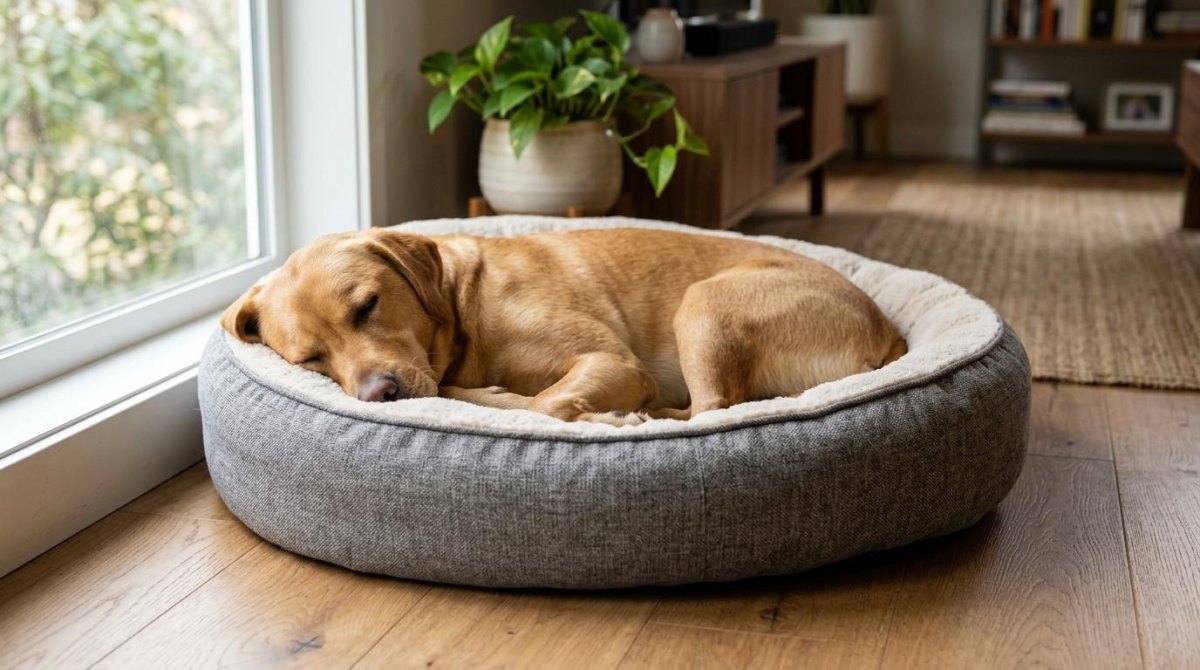
The dogs I see improve most are not the ones with the most complicated plans. They are the ones whose humans create predictable days. A routine gives the dog information about what happens next: when to rest, when to train, and when to explore. Consistency reduces confusion for many dogs.
I build routines around the real household, not an imaginary perfect one. A morning walk before work, a short training game after dinner, and a protected rest period can be more valuable than a schedule nobody can maintain. With older dogs like my Bruno, I also pay attention to changes in comfort and behaviour because sudden changes deserve a veterinary check before assuming it is a training issue.
The takeaway
- Prevent the frantic rehearsal before training calm.
- Reward the behaviours you want to see more often.
- Give your dog enough practice becoming relaxed.

More Pinterest Visuals