I still remember how humbling a bad walk can feel. A dog pulling toward every smell, squirrel, and passing dog can make a five-minute trip around the block feel like a full-body workout. I learned this personally with Bruno, and I now teach owners that loose leash walking is a skill, not something dogs magically understand.
This guide is how I approach leash pulling with real dogs: prevent the pulling practice first, then teach a better habit in small pieces. Expect progress over weeks and months, not overnight, because changing a well-practiced behaviour takes time.
What you will learn
- Why dogs pull and what keeps the habit going
- How to choose comfortable walking equipment
- How I teach calm leash walking without force
- How to build focus when the world gets interesting
Understanding Why Dogs Pull on the Leash

Before I train leash manners, I look at what the dog is getting from pulling. Usually the dog is not trying to be difficult; pulling has simply been rewarded because it gets them closer to the exciting thing ahead. Forward movement is often the reward, which is why management comes first.
I start by reducing rehearsals: quieter routes, more distance from triggers, and walks at times when the environment is manageable. If a dog is already lunging, barking, or panicking, the leash plan needs to address that emotional state too. A sudden behaviour change, pain-related movement issue, or unusual sensitivity deserves a vet check before training.
- Choose routes where your dog can succeed.
- Watch for tight mouths, freezing, weight shifts, or staring.
- Do not practice pulling for an entire walk and expect training to undo it later.
Choosing the Right Leash and Walking Equipment
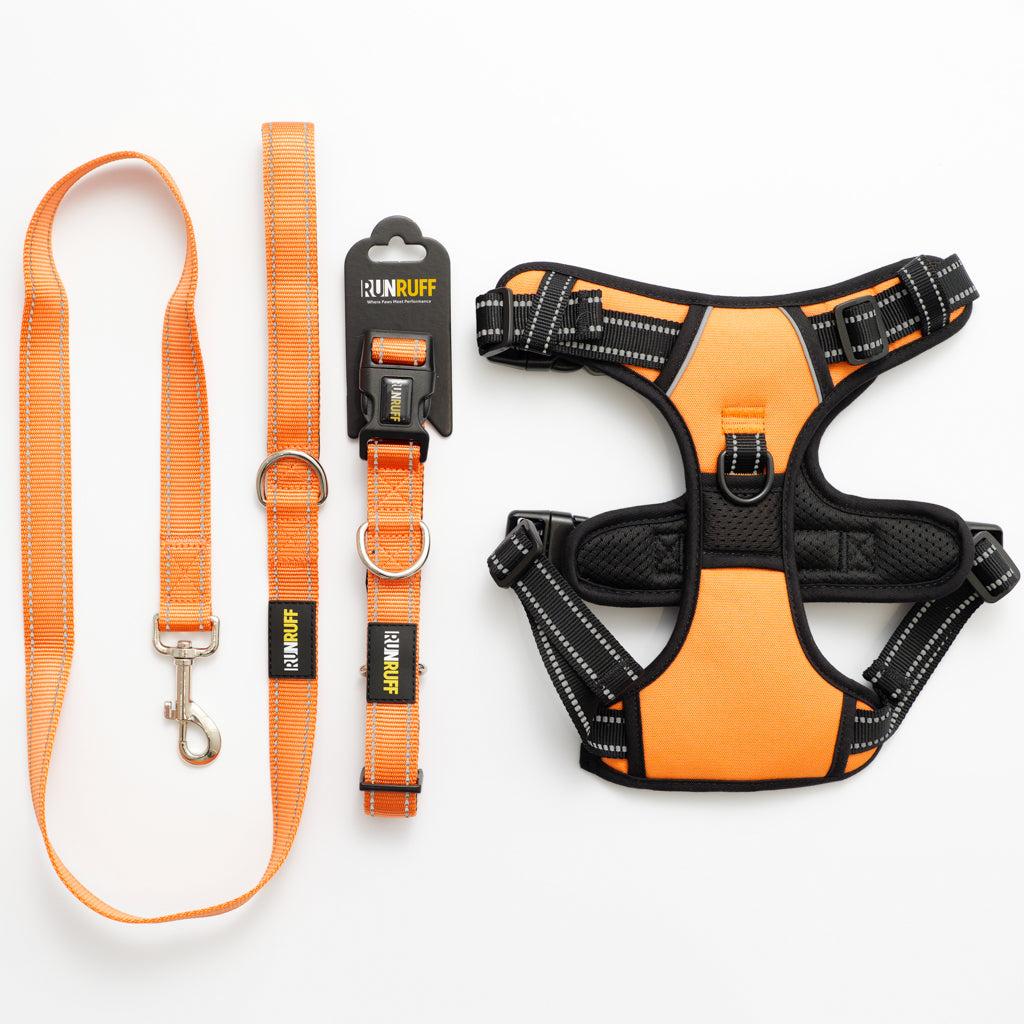
Equipment will not train your dog by itself, but the right setup can make learning safer and easier. I prefer tools that give the dog comfort and the handler control without causing pain. A well-fitted harness is often a useful starting point for dogs that pull, especially when neck pressure is a concern.
I avoid equipment designed to create discomfort or fear. My goal is not to overpower a strong dog; it is to teach a dog that walking beside me pays better than dragging me toward the world.
| Equipment | My training view |
|---|---|
| Flat collar | Simple, but may not give enough comfort or control for heavy pullers. |
| Front-clip harness | Can help manage pulling while training continues. |
| Standard leash | Choose a length that allows safe movement and communication. |
Teaching Loose-Leash Walking Basics
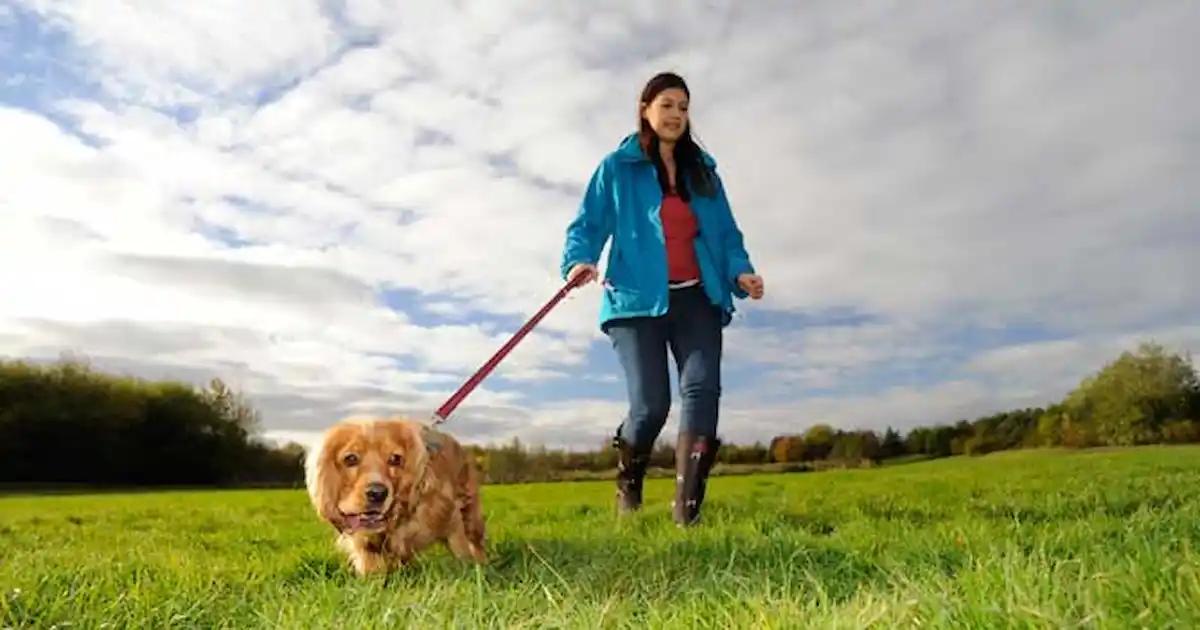
The first two weeks of leash training are usually the slowest walks you will ever take. That is normal. I am not trying to cover miles; I am teaching the dog that walking near me creates rewards. Loose leash walking is a learned behaviour, not an instinctive one.
- Reward. Mark and reward a few steps with a relaxed leash.
- Pause. When the leash becomes tight, stop and wait for slack.
- Build. Increase distance and distractions gradually.
I tell clients to measure success by calm moments, not by distance travelled. A ten-minute training walk where your dog learns is more valuable than a frustrated mile-long march.
Using Positive Reinforcement to Reduce Pulling
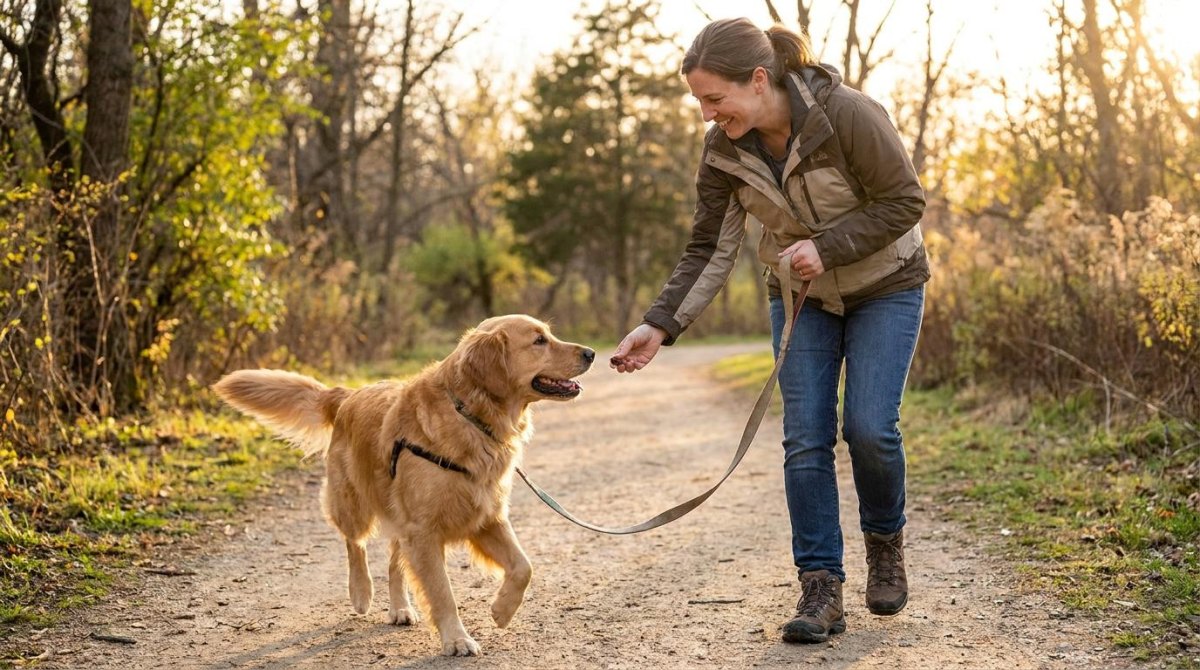
Reward-based training is the foundation of how I work. I want the dog to understand what behaviour earns reinforcement instead of only hearing what they should stop doing. Reward the behaviour you want and it becomes more likely to happen again.
I use treats, praise, movement, and access to safe sniffing opportunities. For a dog who loves smelling every mailbox in the neighbourhood, being allowed to sniff can become part of the reward system.
A practical tip
Start rewarding earlier than you think. Catch the loose leash before your dog reaches the end of it, because prevention beats correction.
Practicing Focus and Impulse Control on Walks
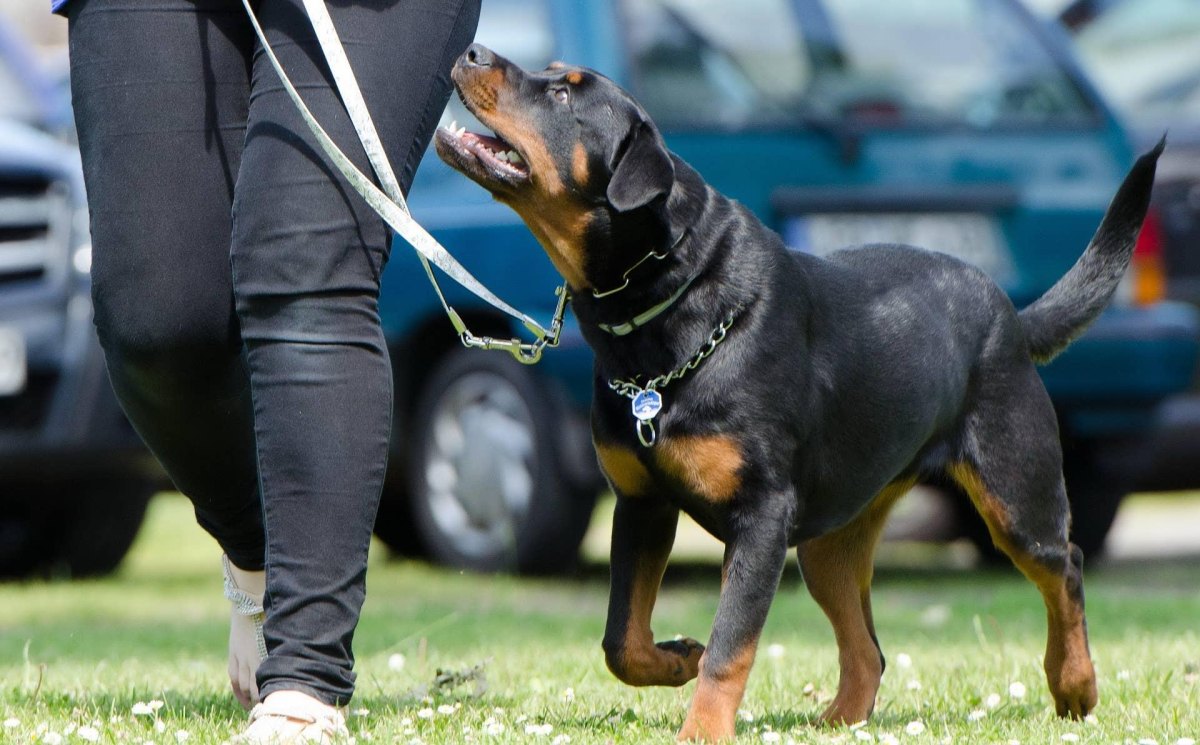
A dog who cannot look away from a distraction cannot learn through it. I teach focus in easy places first, then slowly add harder environments. Attention is a trained skill, not a personality trait your dog either has or lacks.
My favourite early exercise is simple: every glance toward me earns reinforcement. I am building a habit of checking in before the dog is overwhelmed.
- Easy stage: Practise in a quiet yard or empty space.
- Medium stage: Add mild movement and sounds.
- Hard stage: Practise around real-world distractions.
Handling Distractions and Building Reliable Walking Skills
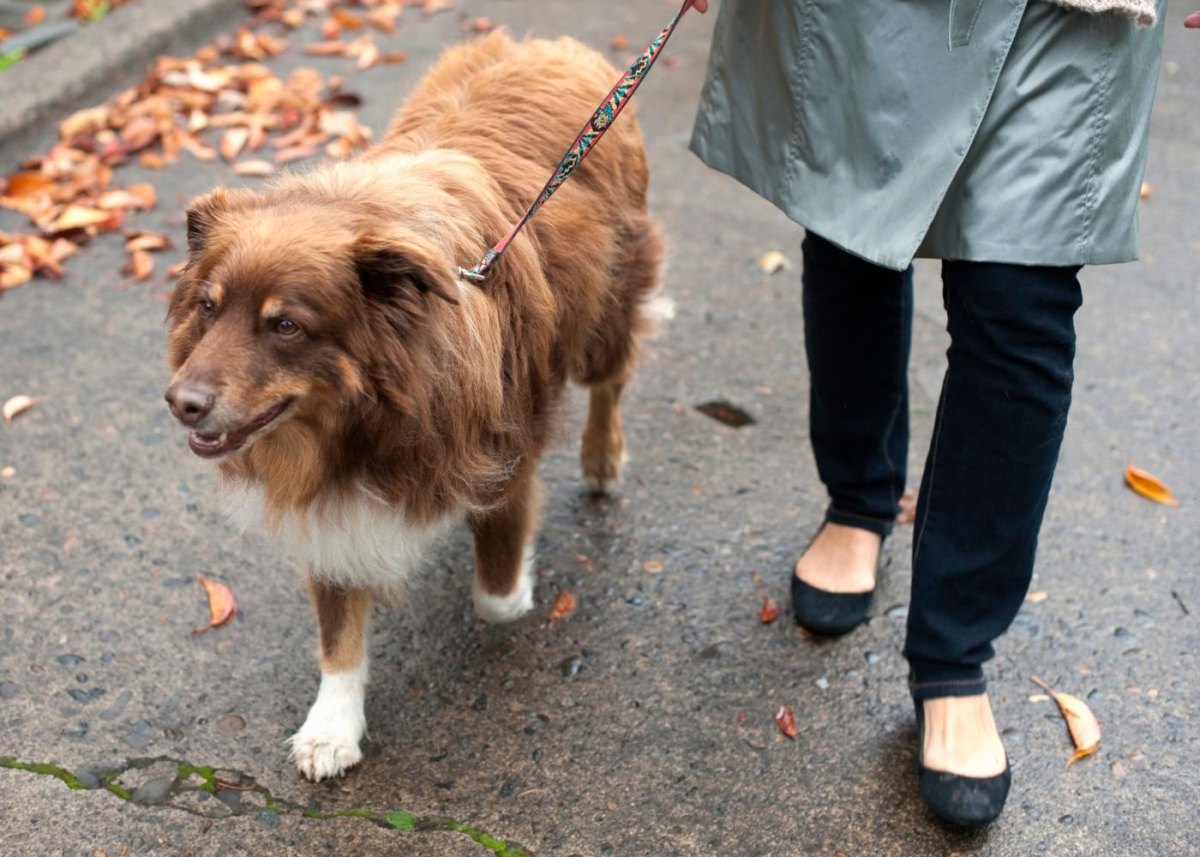
The real test is not whether your dog walks nicely in your kitchen. It is whether they can make good choices when the world is full of smells, dogs, bikes, and people. I build reliability by changing one challenge at a time. Gradual exposure prevents overwhelm.
With Bruno, I learned that better did not mean perfect. He became a wonderful companion, but I still chose quiet routes and sensible management because that was what helped him succeed.
Signs you are progressing
- Your dog checks in with you.
- Your walks have more relaxed moments.
- Recovery after distractions is faster.
Common setbacks
- Adding distractions too quickly.
- Expecting every walk to be training.
- Ignoring stress signals.