A puppy can hear your voice and still have absolutely no idea that you are the most interesting thing in the room. I see this every week with young dogs who are curious, busy, and wonderfully distracted. Attention is not something puppies arrive with; it is a skill we build through short, successful games.
I use these attention-building games with clients because they fit real life. They work in kitchens, on walks, in parking lots, and on those rainy Tuesdays when your puppy has decided the rug is more exciting than you. Keep sessions short, reward generously, and lower distractions when your puppy struggles rather than asking for impossible focus. Positive reinforcement approaches to name response, recall, and enrichment are widely recommended in modern training resources.
Treat Toss Focus Game
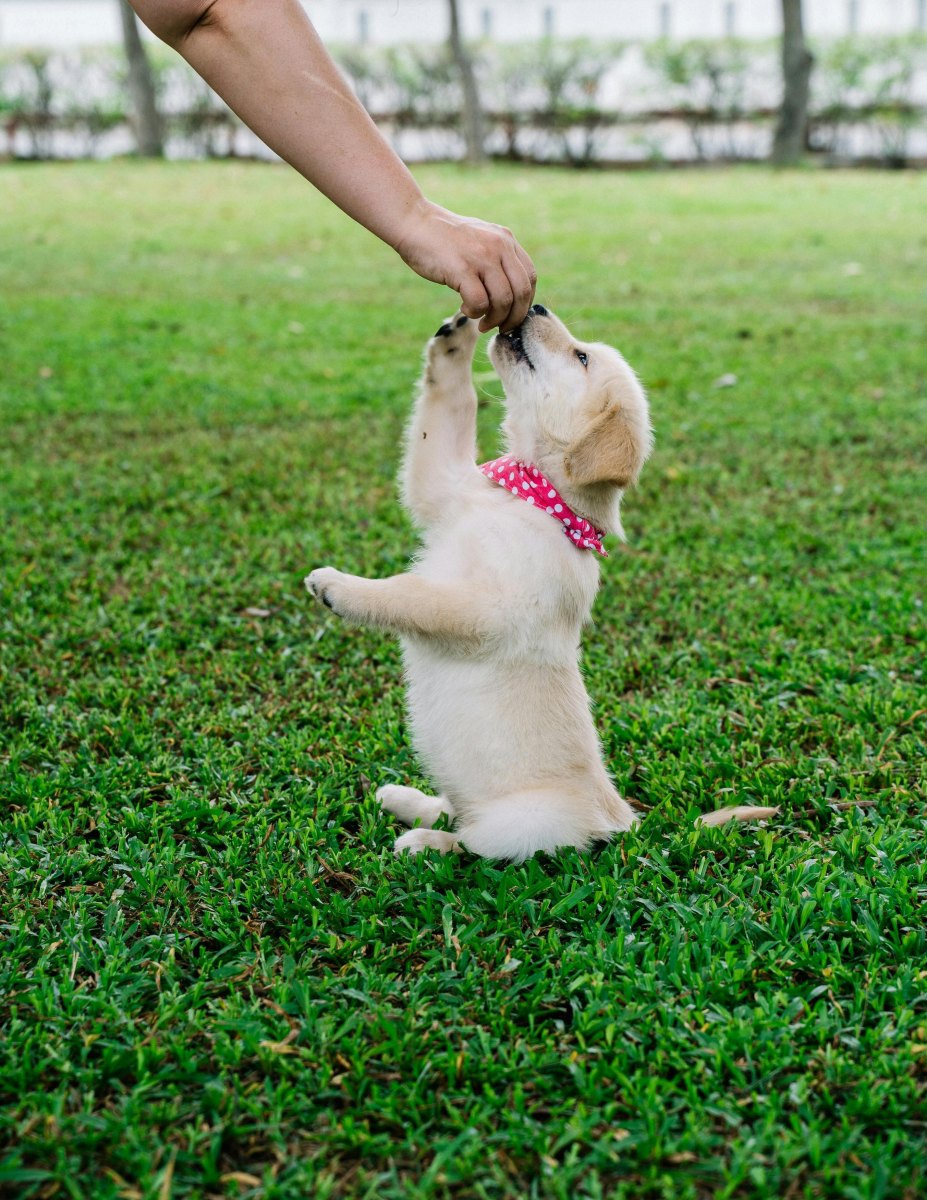
I start many puppies with a simple treat toss because it teaches them that returning their attention to me pays well. Toss a treat a short distance, let your puppy find it, then wait for them to turn back toward you before rewarding again. This builds voluntary check-ins without nagging.
The prerequisite is a calm space where your puppy can think. If they are bouncing off the walls, take a break first. Two minutes of successful practice beats ten minutes of frustration. Name recognition and attention games are commonly built through this kind of reward pattern.
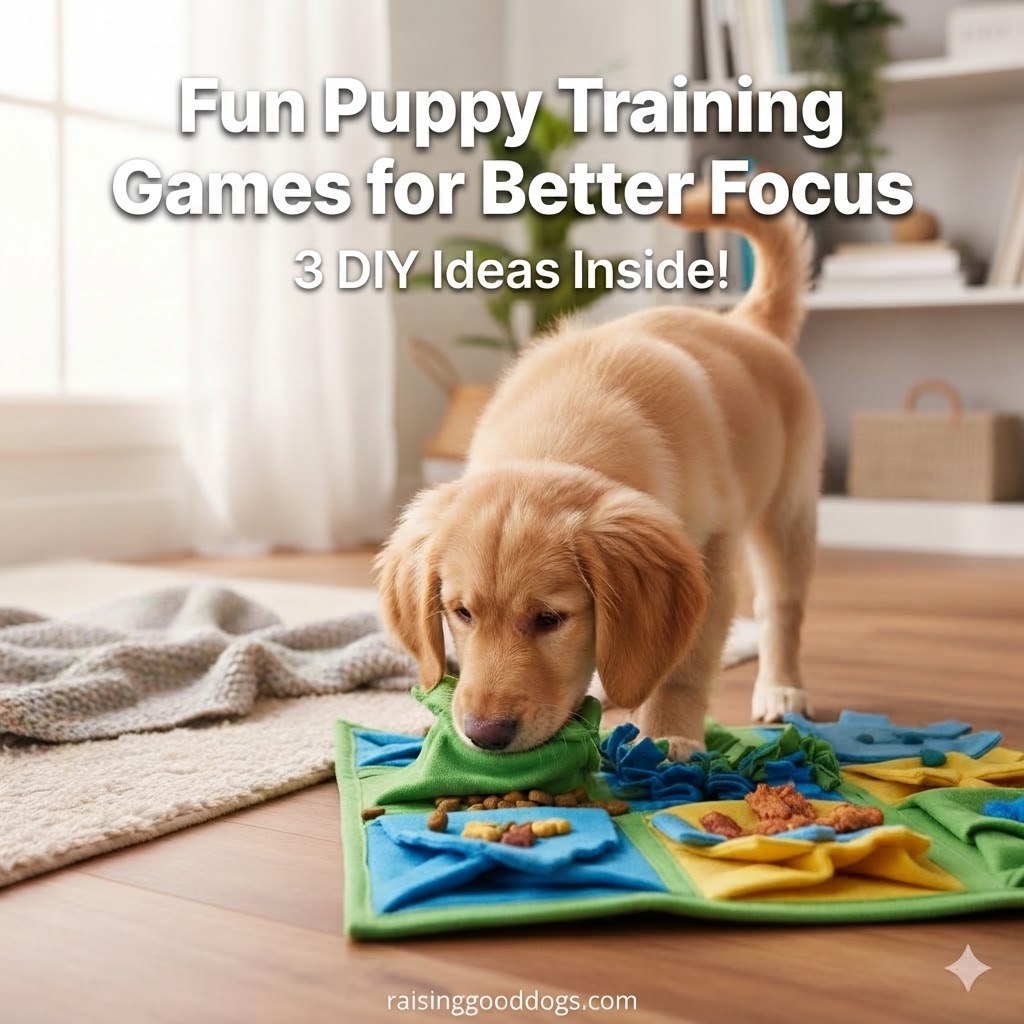
Find the Hidden Treat Game
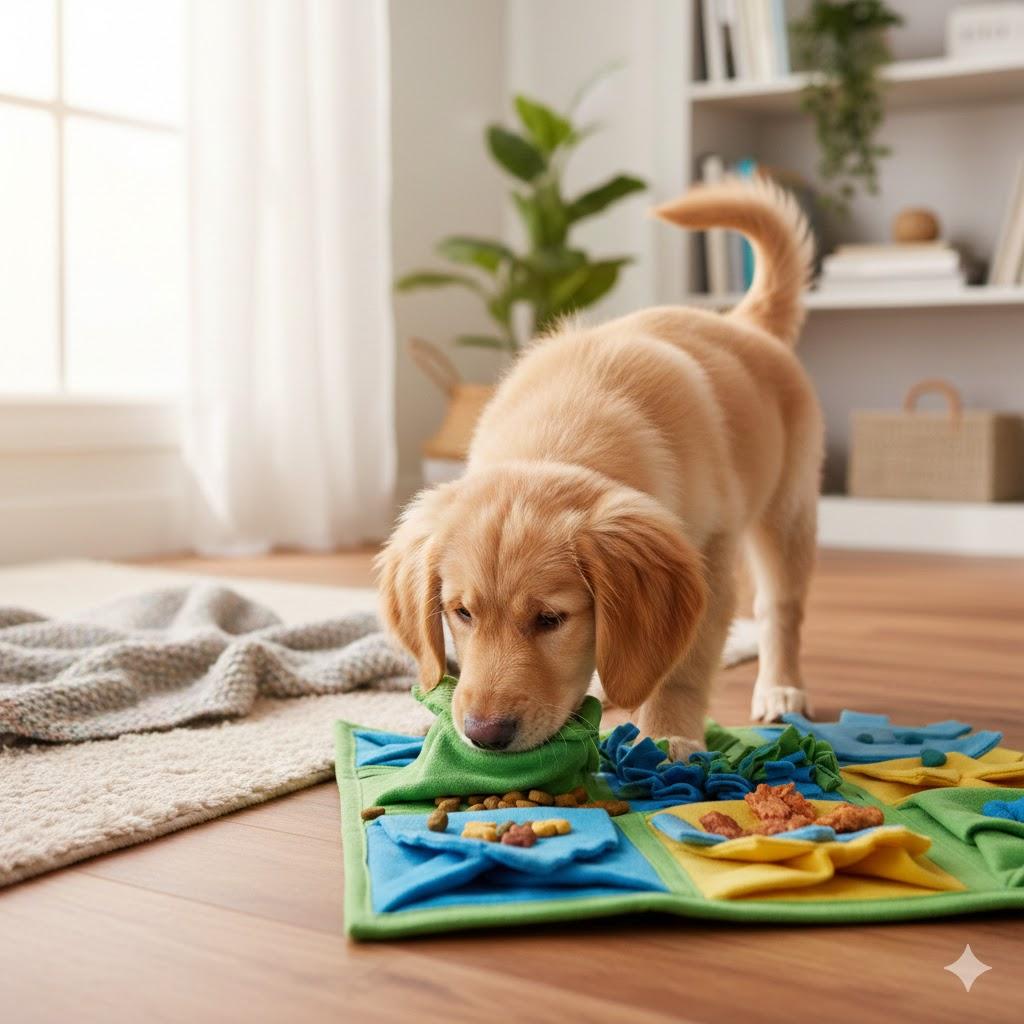
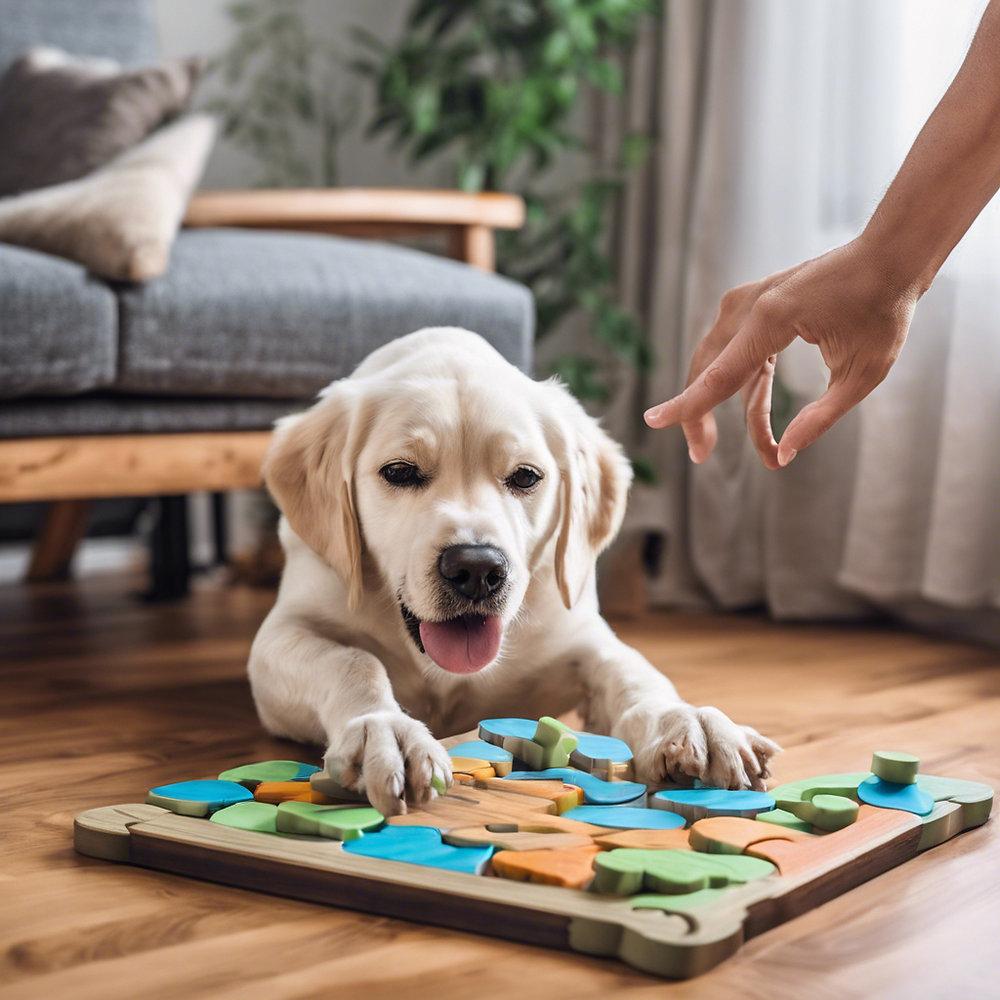
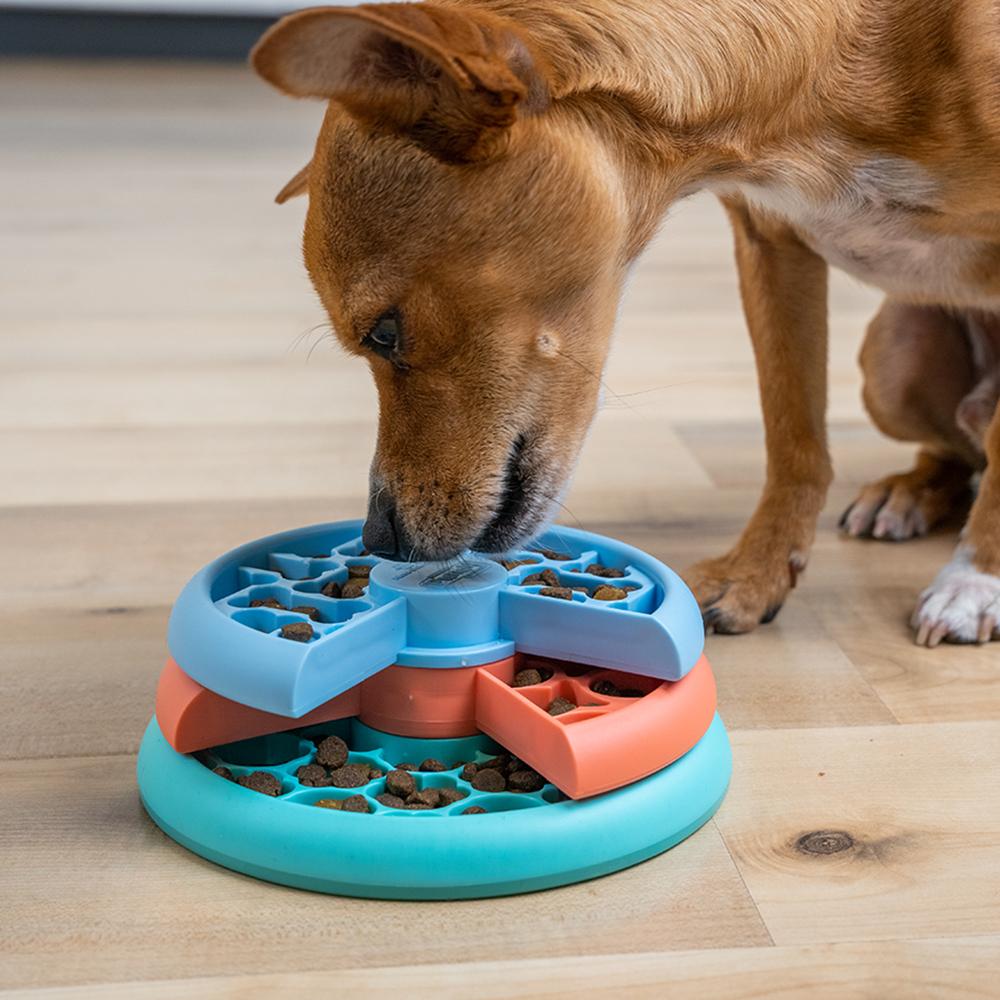
Sniffing games are one of my favourite rainy-day tools. I hide tiny treats around an easy area and let the puppy search. This is not just entertainment; it gives their brain a job and encourages problem-solving skills.
Start with obvious hiding places. I would rather see a puppy succeed quickly than become frustrated. Food puzzles and foraging activities are often used as enrichment because they encourage natural behaviours like searching and exploring.
Follow the Leader Puppy Game
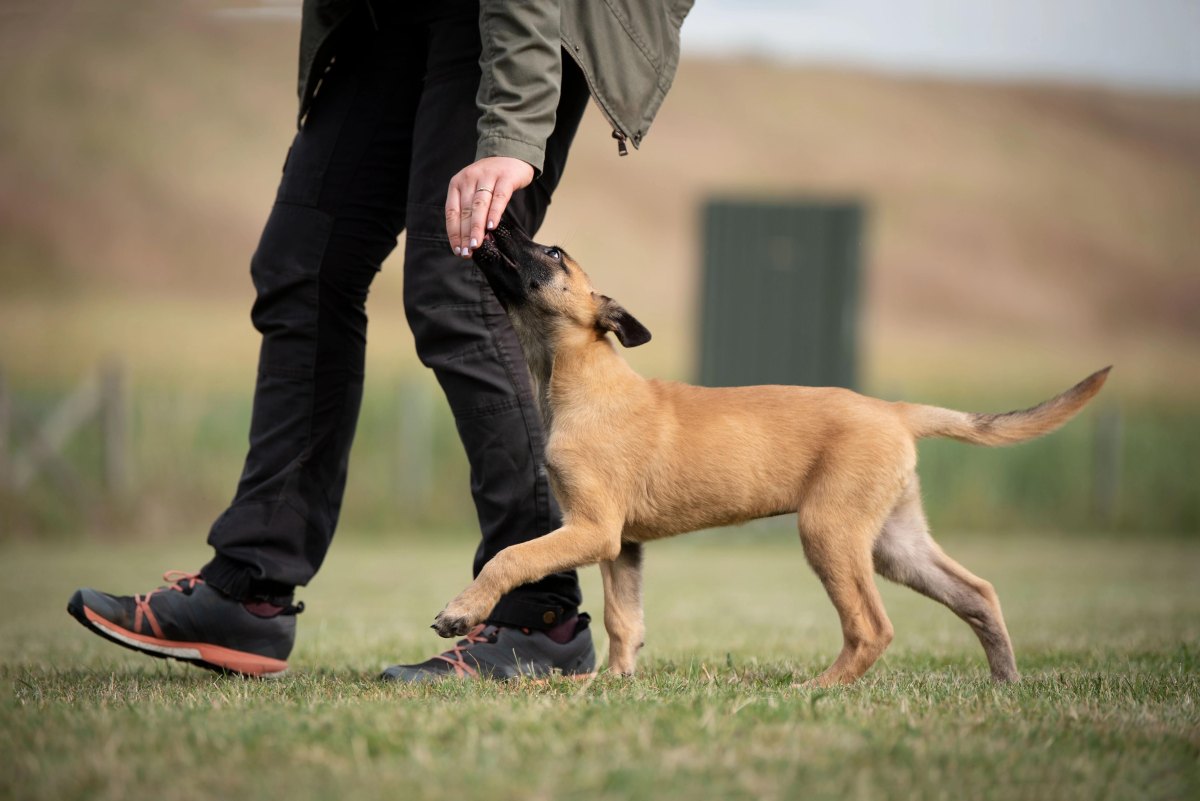
This game turns your movement into a reward. I walk around the room, change direction, and reward my puppy whenever they choose to follow. The goal is not perfect obedience; it is creating a habit of staying connected.
Keep this easy at first. A puppy who follows you in the kitchen is not automatically ready to follow you past squirrels or bicycles outside. Difficulty should increase gradually.
Hand Target Touch Game
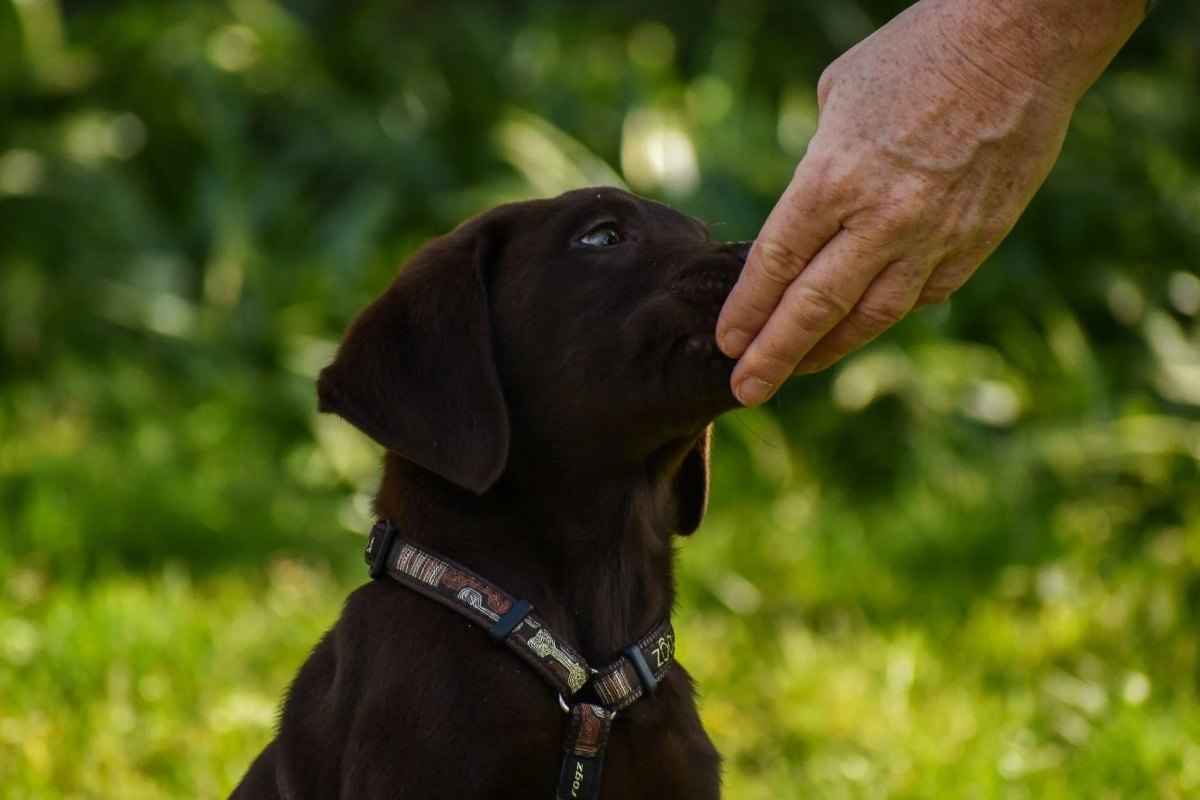
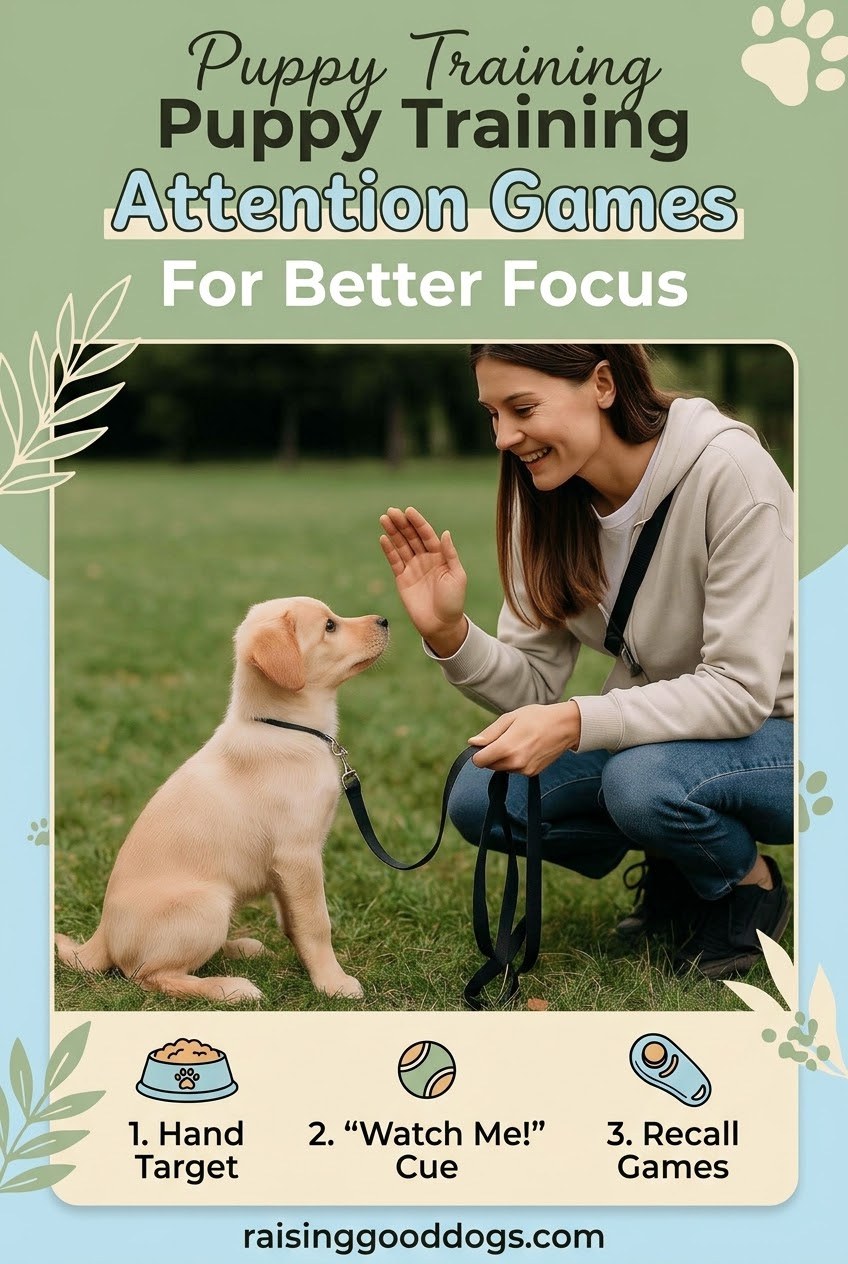
Hand targeting is one of those small skills that becomes useful everywhere. I teach the puppy that touching my hand with their nose earns a reward. It gives them a clear way to engage with me instead of guessing.
I use nose-to-hand targeting for focus, movement, and helping puppies learn to move with their person calmly.
Puppy Recall Chase Game
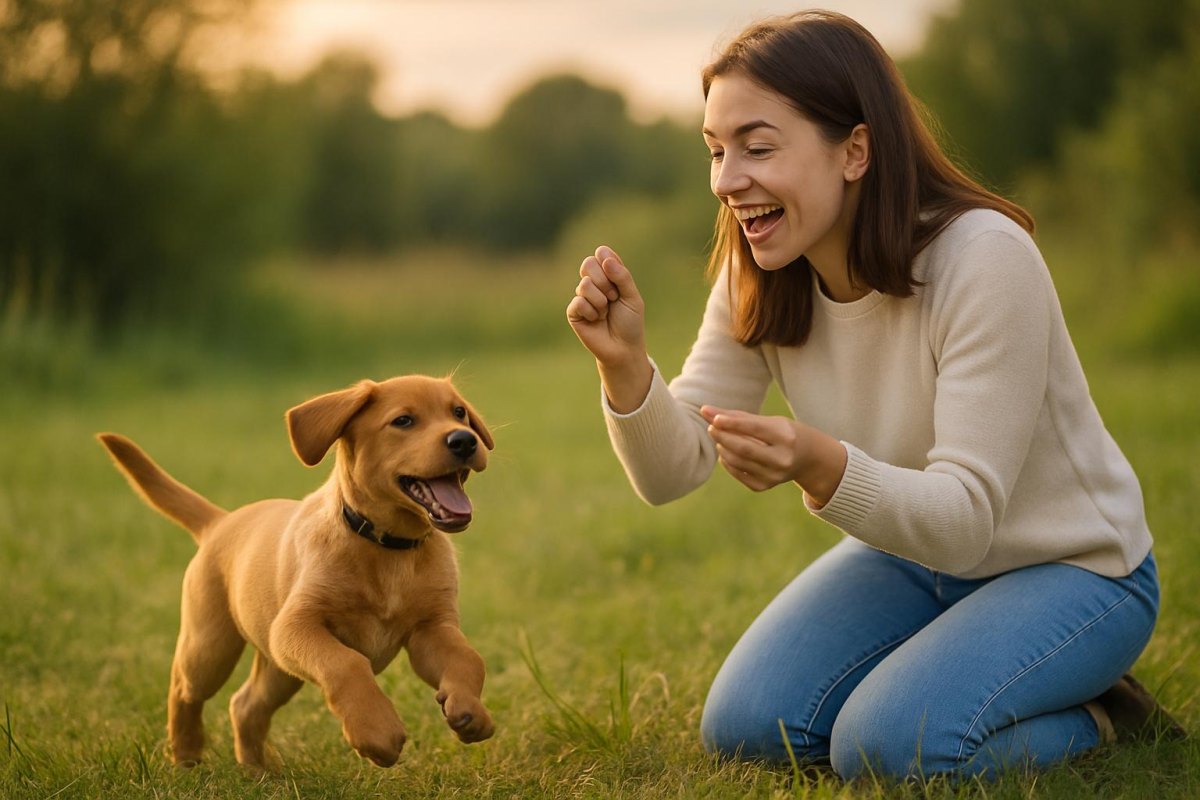
Recall should feel like a party, not a punishment. I often move away from puppies so they naturally chase me, then reward when they catch up. Coming to you should never mean the fun always ends.
A strong recall takes repetition over weeks and months. Starting indoors or in quiet areas helps puppies learn before distractions become overwhelming.
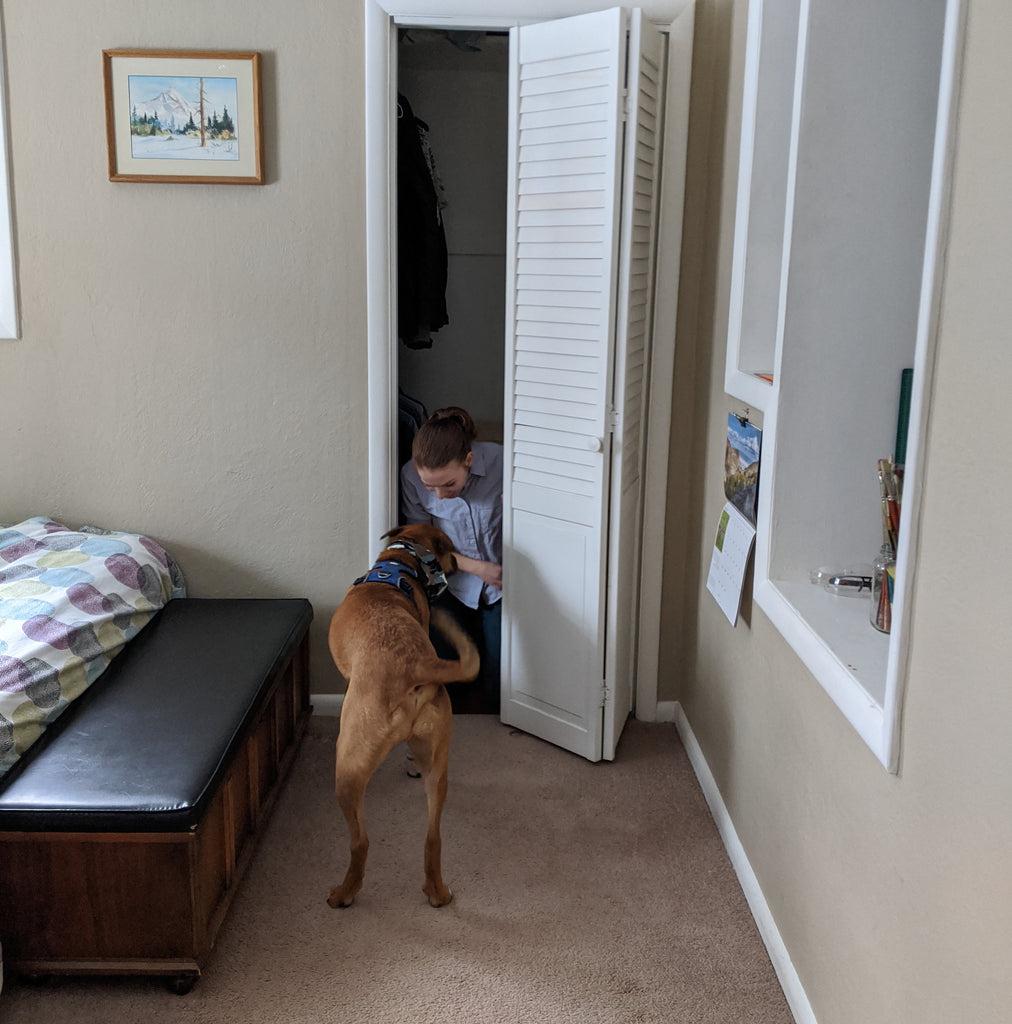
Hide and Seek Attention Game
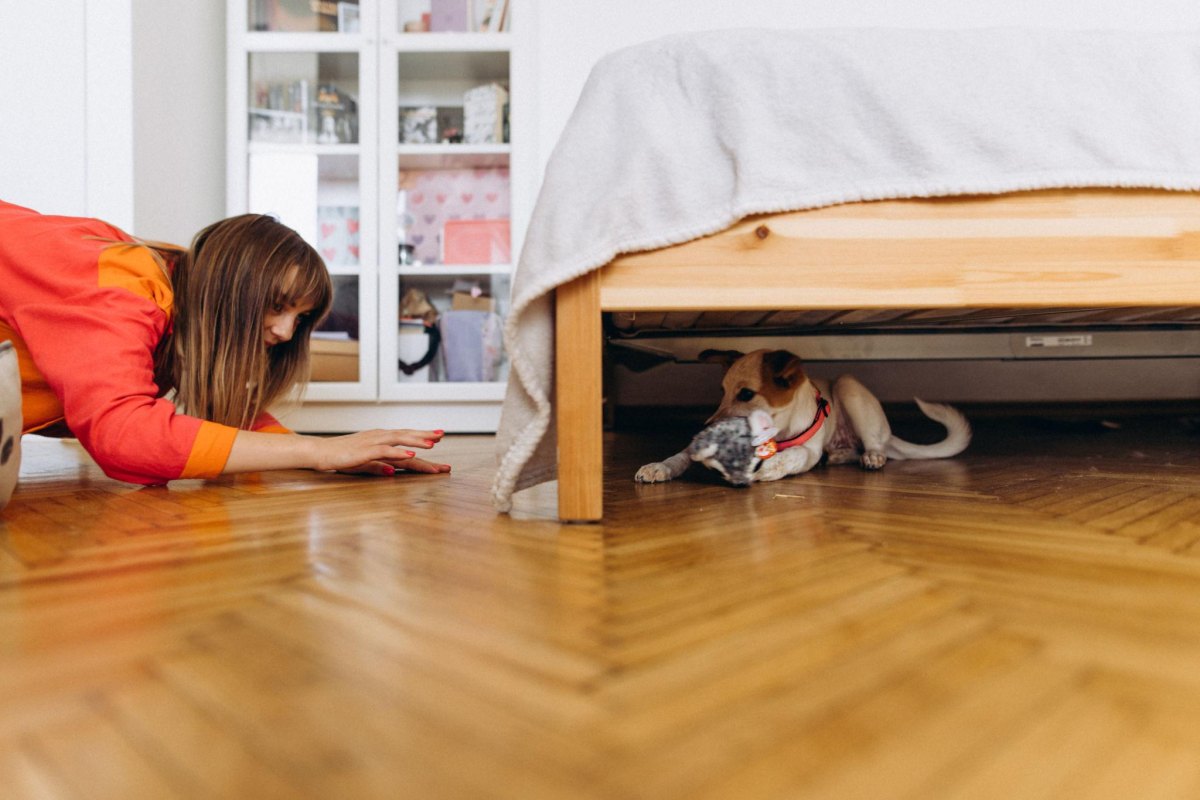
Hide and seek is brilliant for puppies who need to learn that finding their person is rewarding. I begin with easy hiding spots and a cheerful voice. This game builds orientation toward you.
Do not use this game to test a puppy who is already scared or overwhelmed. Confidence comes first, and the environment should allow success.
The Watch Me Command Game
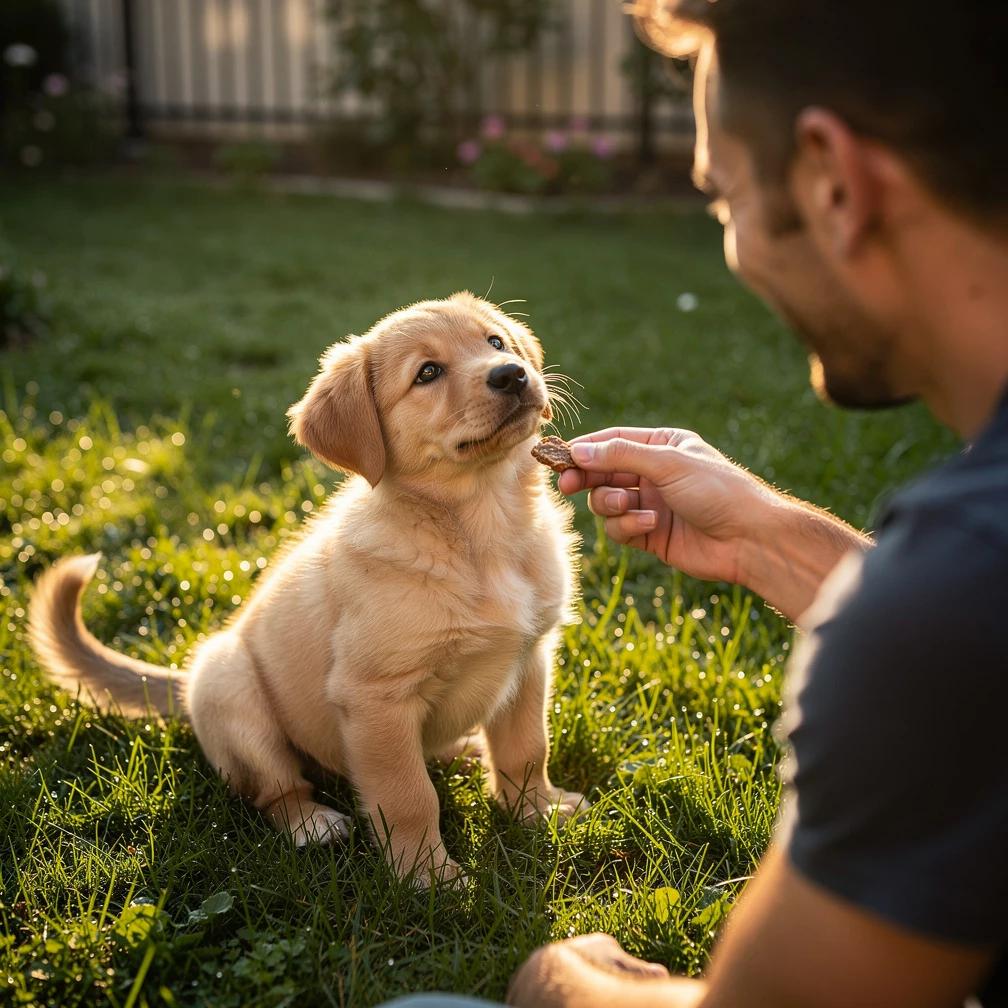
I teach watch me as a useful communication tool, not as a demand for a puppy to stare forever. A brief glance at your face is enough at the beginning.
Reward small moments of focus and gradually add distractions. Dogs learn attention through successful repetitions, not by being corrected for looking elsewhere.
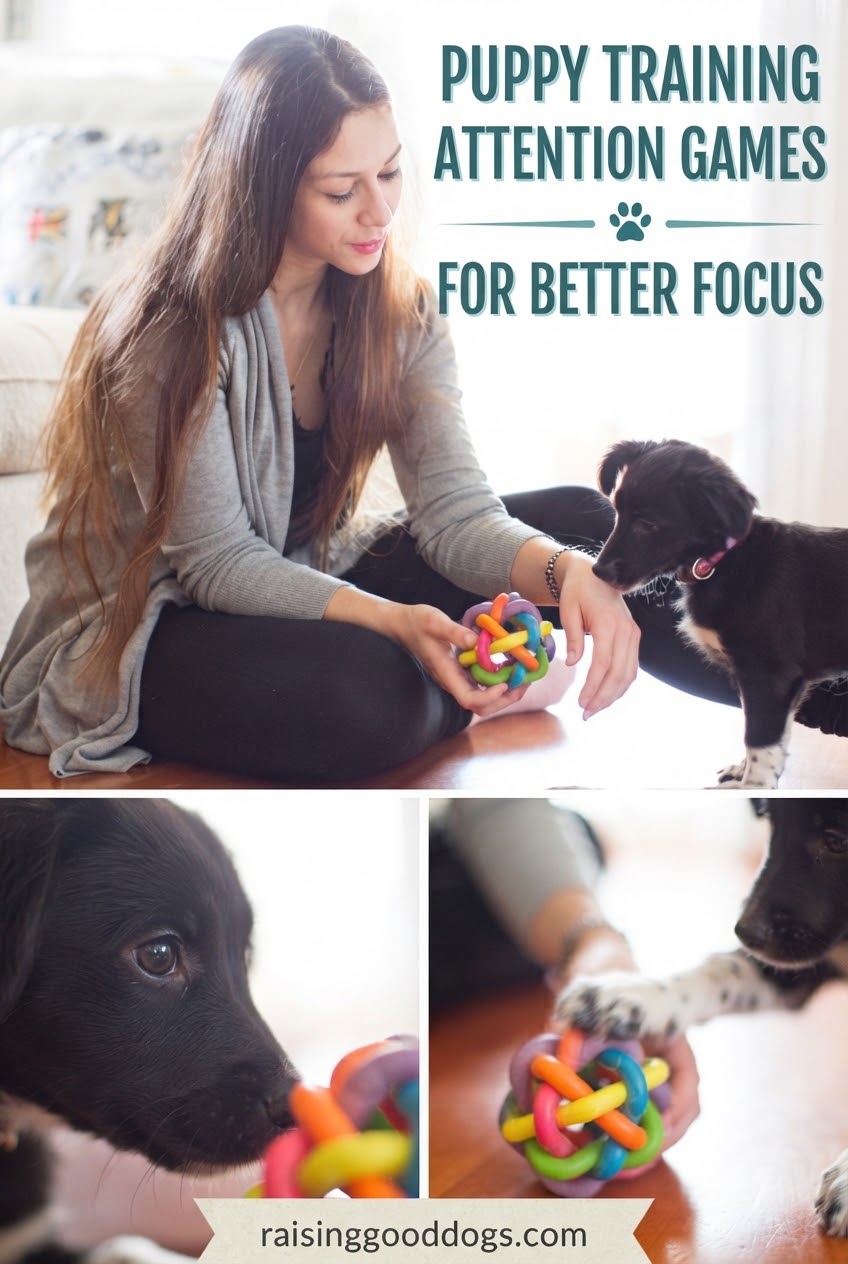
Toy Switch Attention Game
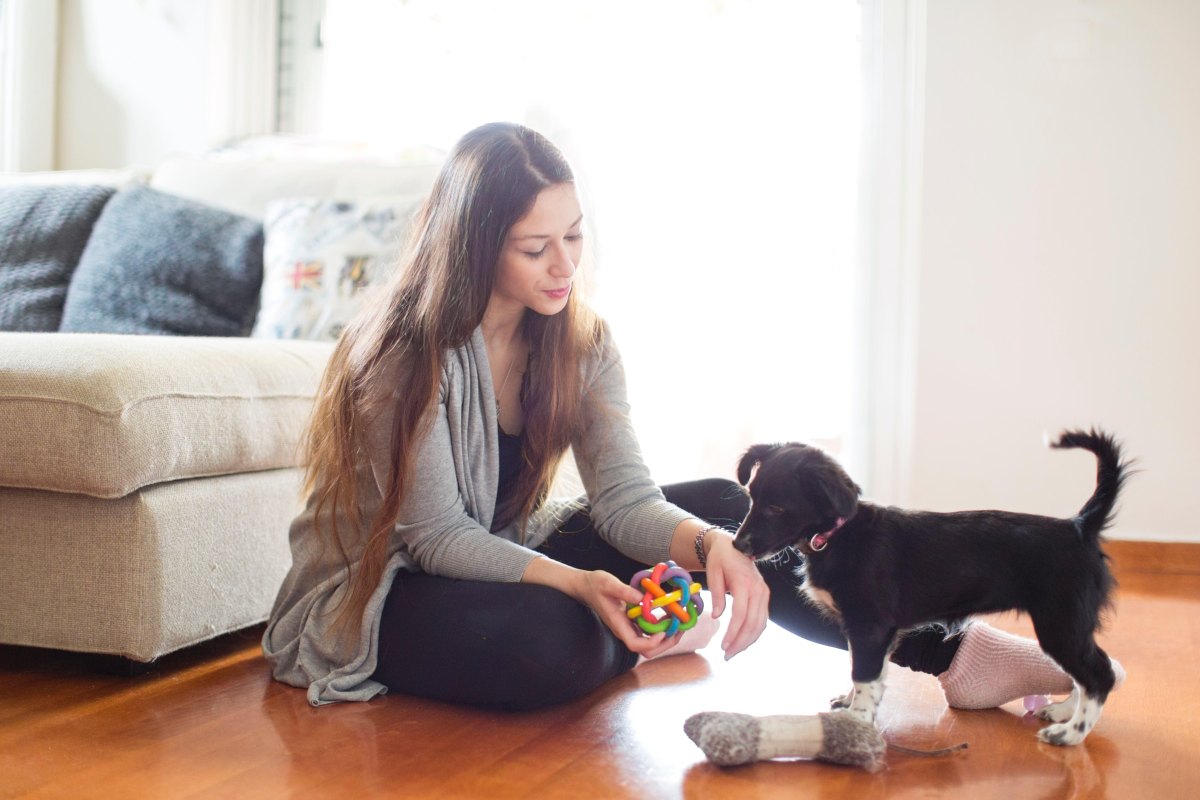
Some puppies love toys more than food. I use that enthusiasm by switching between play and attention. The puppy learns that engaging with me keeps the game going.
Choose toys safely for your puppy's size and chewing style. Enrichment should challenge the brain without creating frustration or unsafe chewing habits.
Impulse Control Wait Game
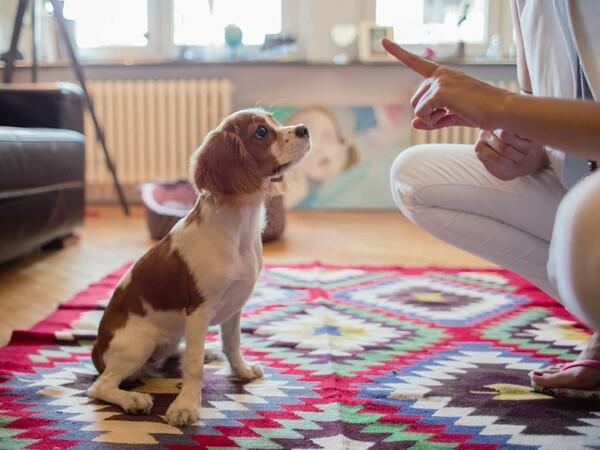
Waiting is not about making a puppy sit perfectly while life happens around them. It is about teaching them that pausing creates opportunities. I reward tiny moments of self-control.
Start with easy situations like waiting for a treat bowl or toy. If your puppy struggles, reduce the difficulty instead of repeating the cue louder.
Follow the Finger Game
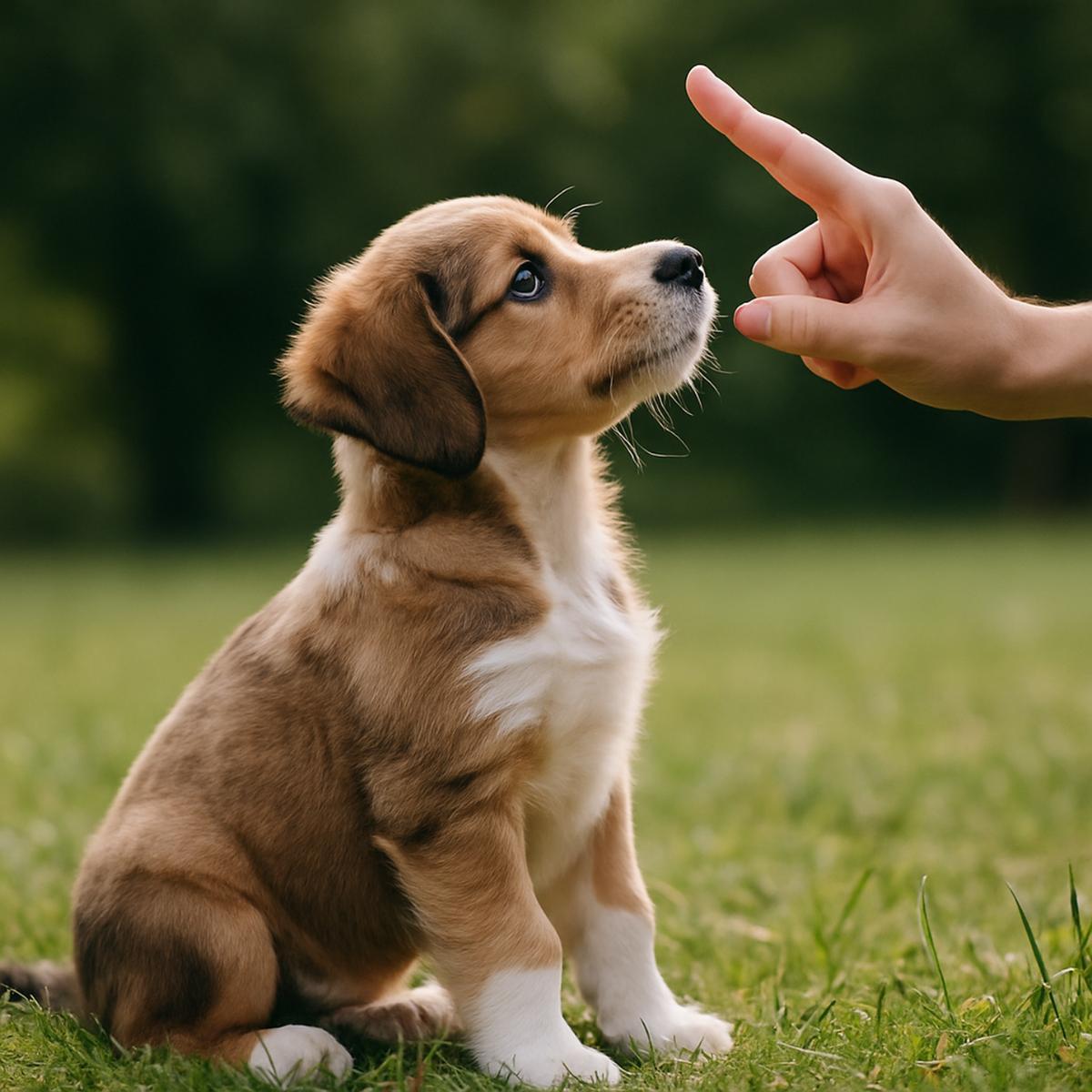
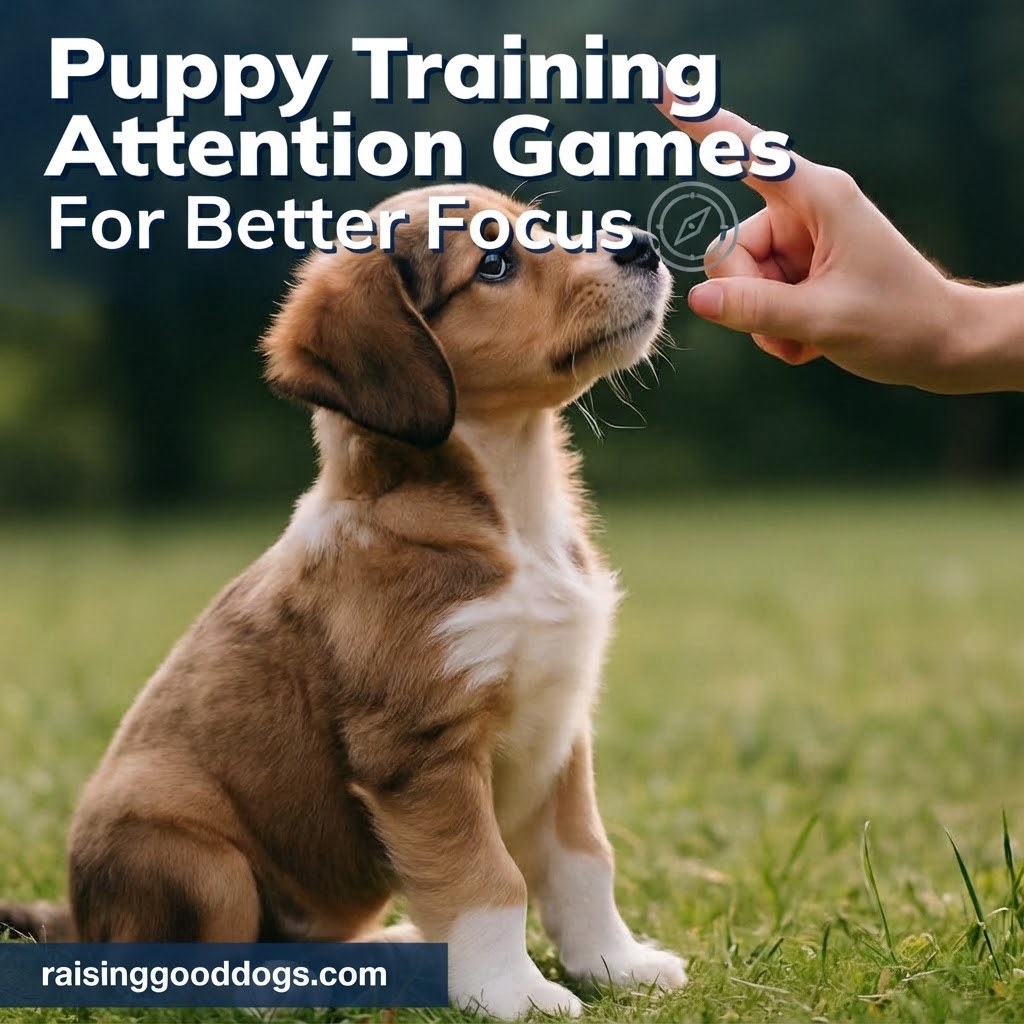
This is a simple movement game that teaches puppies to notice small signals from you. I move my finger slowly, reward following, and build attention before adding words.
Young puppies often learn best through clear body language first. Once they understand the movement, verbal cues become easier.
Name Game With Distractions
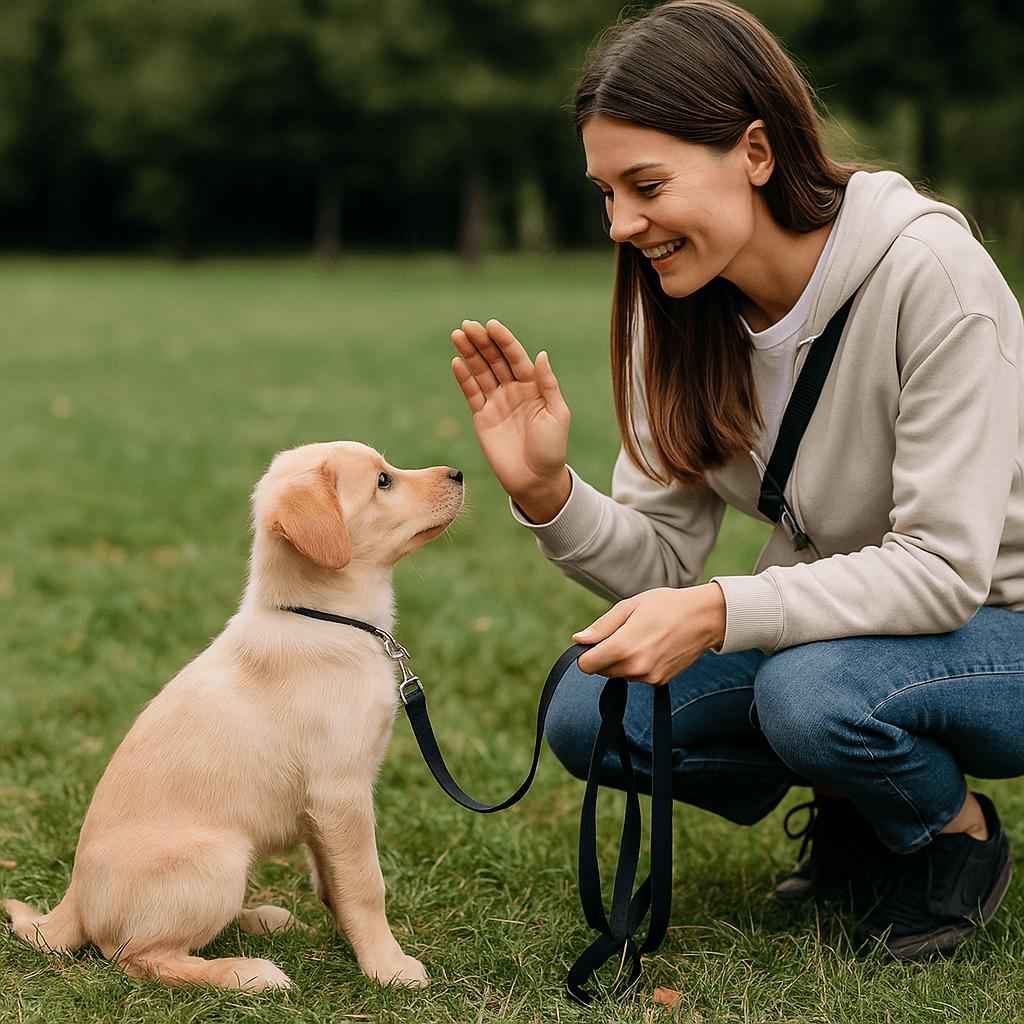
A puppy's name should mean something wonderful. I practise in quiet rooms first, then slowly add real-world distractions. If your puppy ignores you outside, that is information about the difficulty level, not stubbornness.
I avoid repeating names over and over because I want the name to create a quick attention response. Reward-based name training is a common foundation skill for puppies.
Puppy Obstacle Course Attention Game
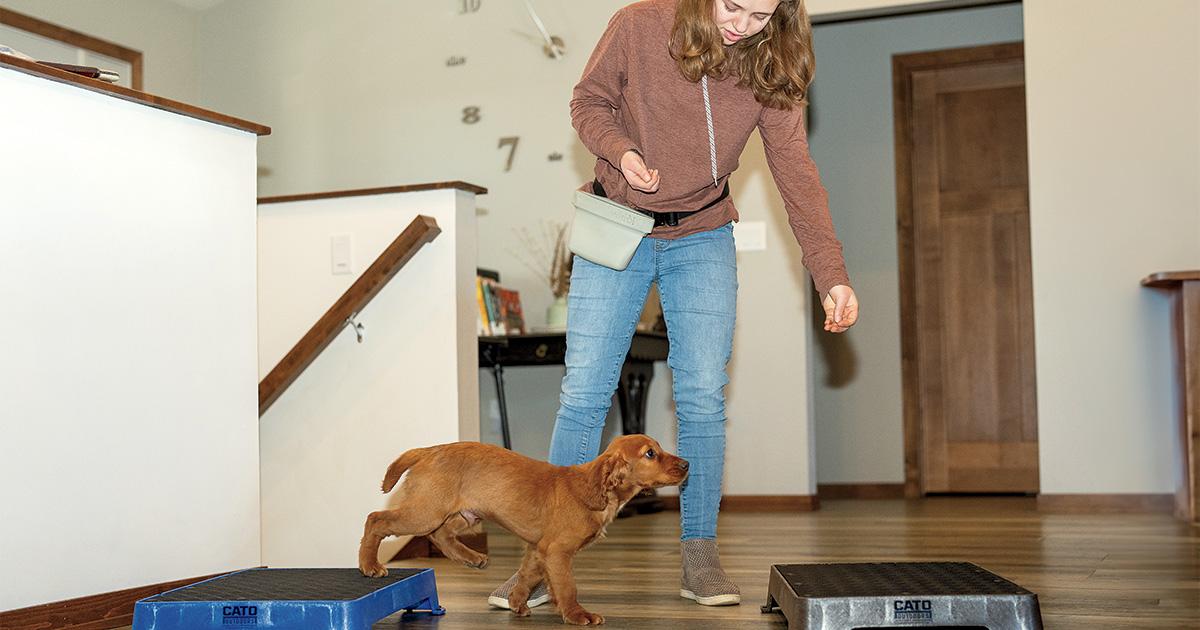
I build simple obstacle courses with household objects: walking around a chair, stepping over a cushion, or following me through a hallway. The goal is connection, not athletic performance.
Keep surfaces safe and movements appropriate for your puppy's age. Growing bodies need sensible exercise, not exhausting challenges.
Capture Calm Behavior
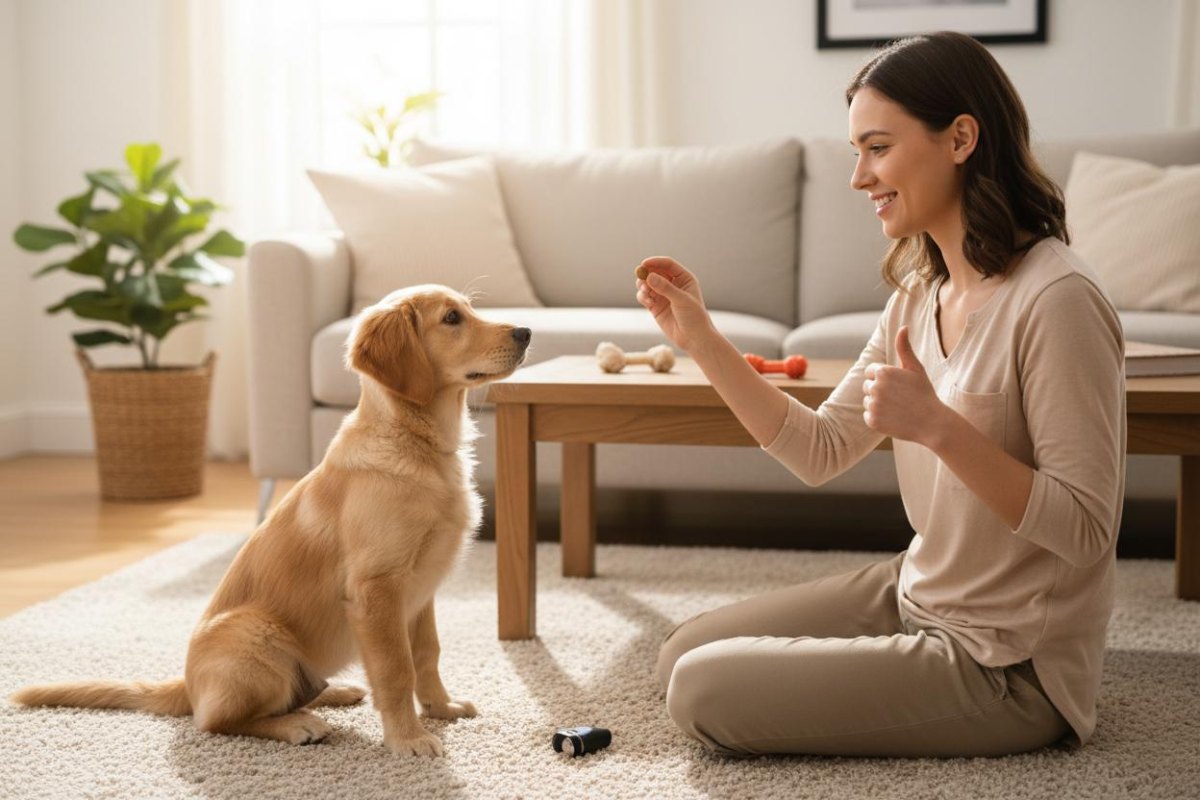
Many owners accidentally reward chaos because calm behaviour happens quietly. I watch for the moments when a puppy chooses to lie down, relax, or settle and I quietly reinforce them.
This teaches a valuable off switch. Calm is a behaviour, and puppies need practice learning it.
Scent Trail Attention Game
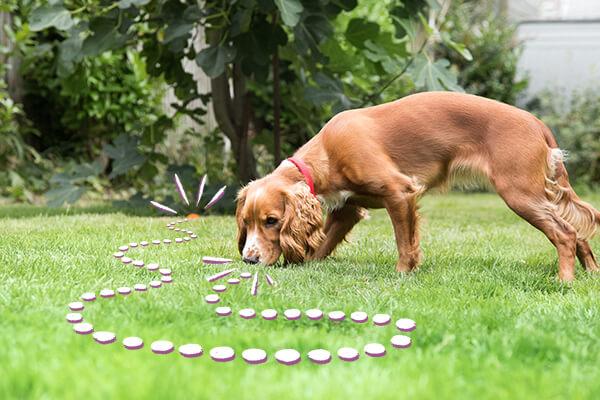
I love scent trails because they let puppies use their noses while still working independently. I create a short trail with treats and let the puppy follow the path.
Sniffing and foraging can be excellent enrichment choices when they match the puppy and the environment.
Copy Me Movement Game
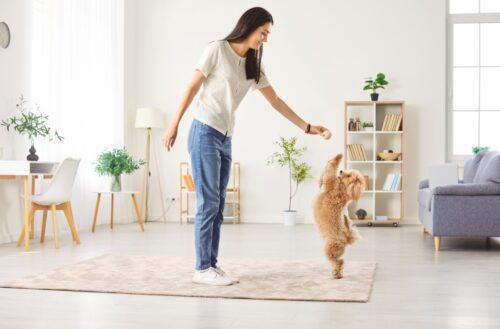
This game is about relationship. I reward puppies for noticing my movements and choosing to move with me. It creates a puppy who pays attention without constant instructions.
Begin somewhere boring. The harbour path is not where I start this skill; that comes much later when the foundation is solid.
Distraction Recall Game
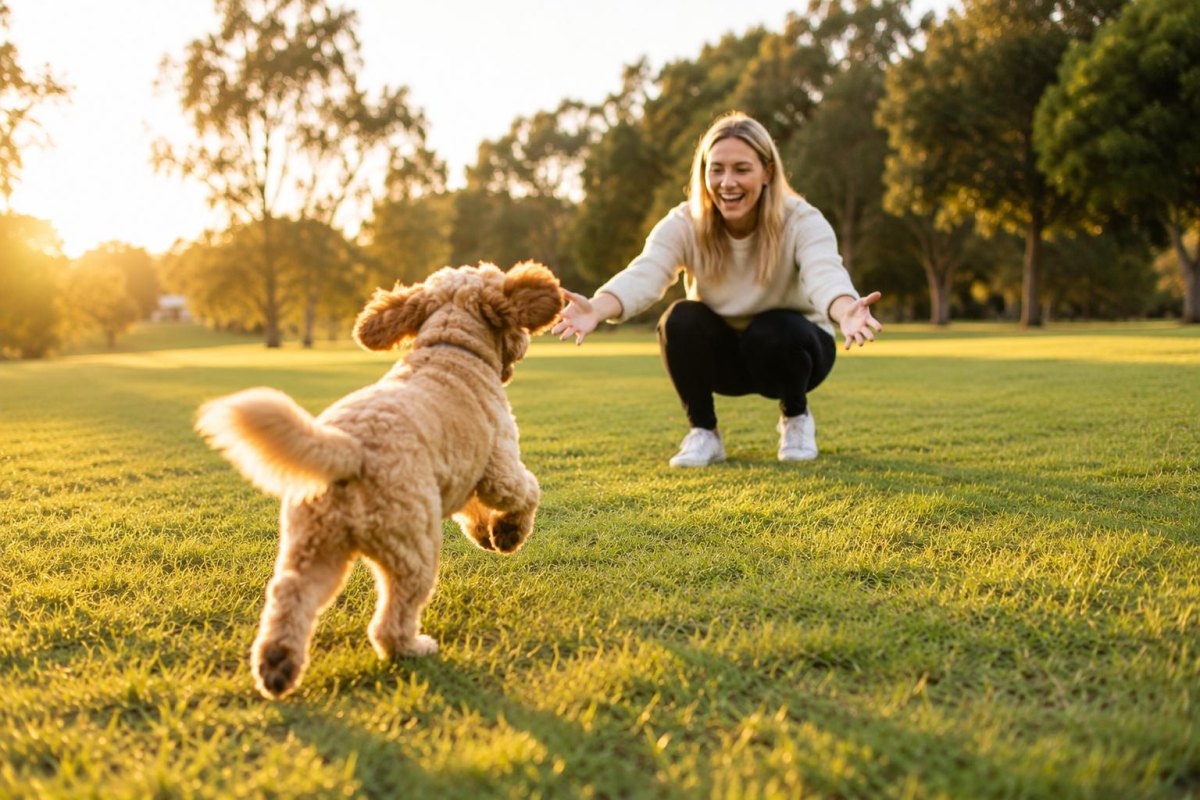
Recall around distractions is built slowly. I start with small distractions and make returning to me worthwhile. A puppy cannot ignore a fascinating world until they have practised the skill.
If recall falls apart, I go back a step. A setback is usually a sign that the environment became too difficult, not that training failed.
Calm Greeting Attention Game
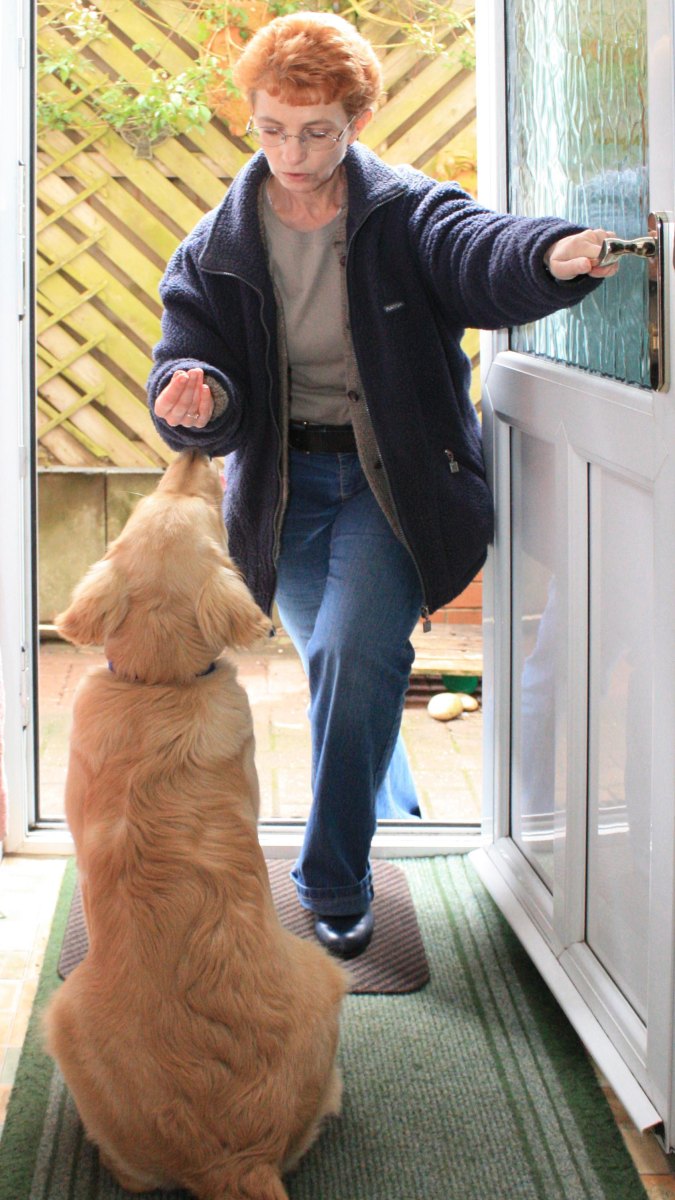
Greetings are where many puppies lose their brains. I reward four paws on the floor and attention toward me before saying hello to people.
Management matters here: use distance, barriers, or a quieter setup when needed. Practising a behaviour is much easier when the puppy is not already overwhelmed.
Daily Attention Building Game Routine
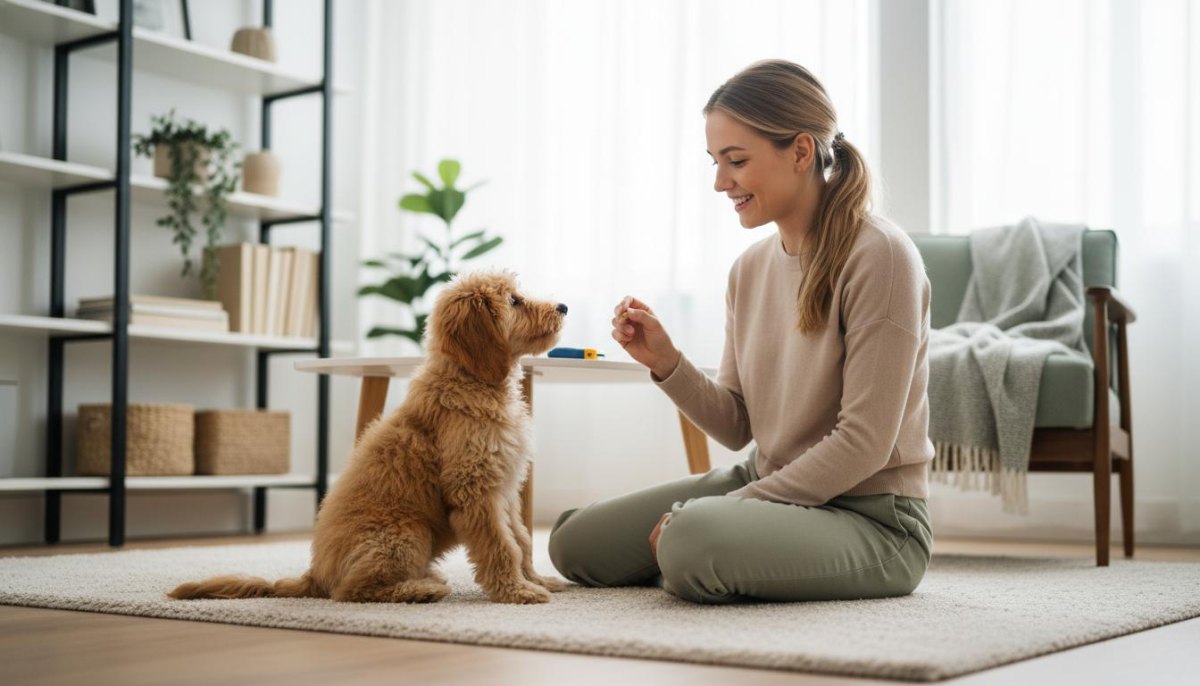
I do not expect puppies to become focused through one long training session. I build attention with tiny moments throughout the day: waiting for breakfast, checking in on walks, and playing short games.
A realistic routine might be five minutes here and two minutes there. Consistency creates the attention habit that follows your puppy into everyday life.
More Pinterest Visuals