Most dogs do not need another hour of frantic exercise. They need a chance to think. I have seen plenty of tired dogs who are still restless because their brains never got a job. These dog brain training exercises are the games I reach for when I want a dog to slow down, make choices, and build confidence.
I keep sessions short and achievable. A dog who succeeds learns faster than a dog who is overwhelmed. Start where your dog can win, then make the challenge slightly harder.
Hide and Seek for Mental Stimulation
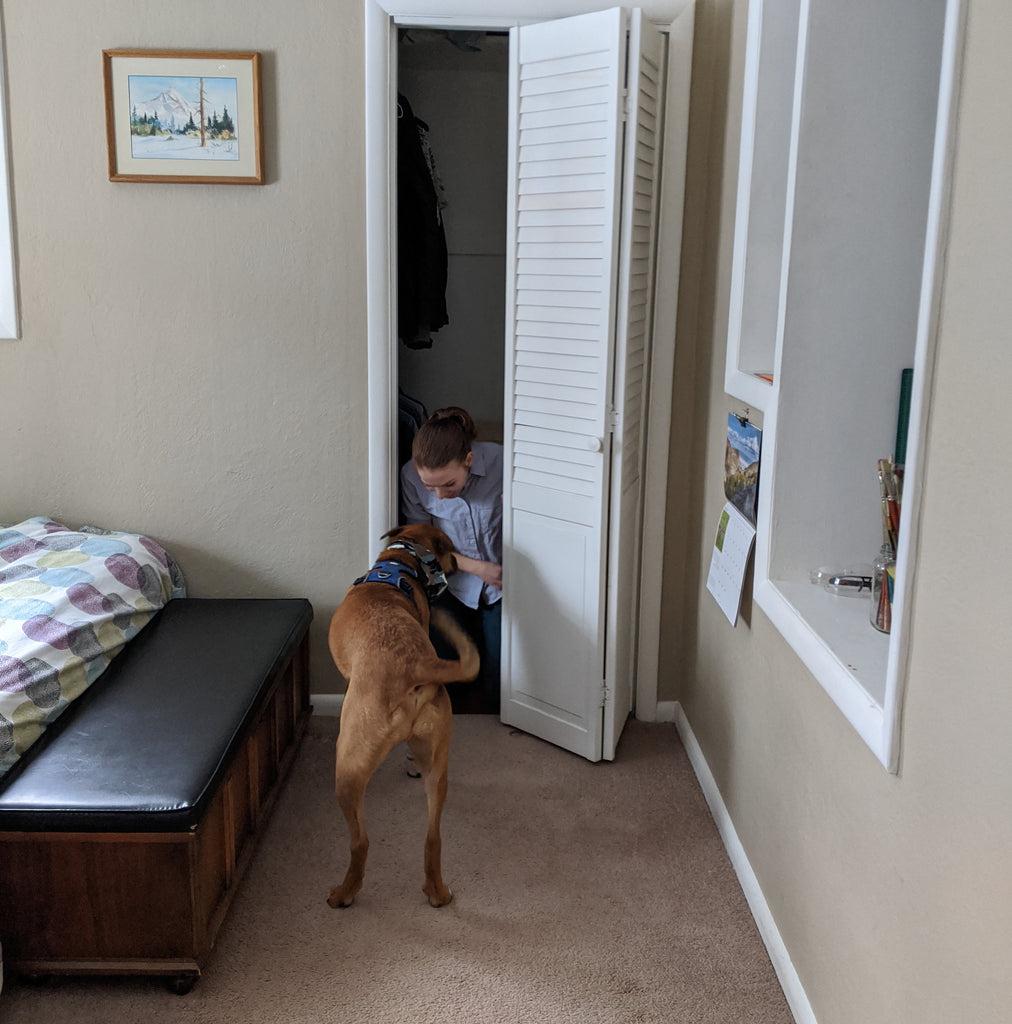
Hide and seek is one of my favourite beginner games because it turns your dog’s natural searching skills into a cooperative activity. I start with an easy hiding place and reward the moment my dog finds me. The goal is engagement and confidence, not making the search frustrating.
For dogs who are new to brain games, I keep this at a low difficulty level. If your dog is panting, scanning wildly, or giving up, the hiding spot is too hard. Bring it back to simple wins and build gradually.
Puzzle Toys for Problem-Solving Skills
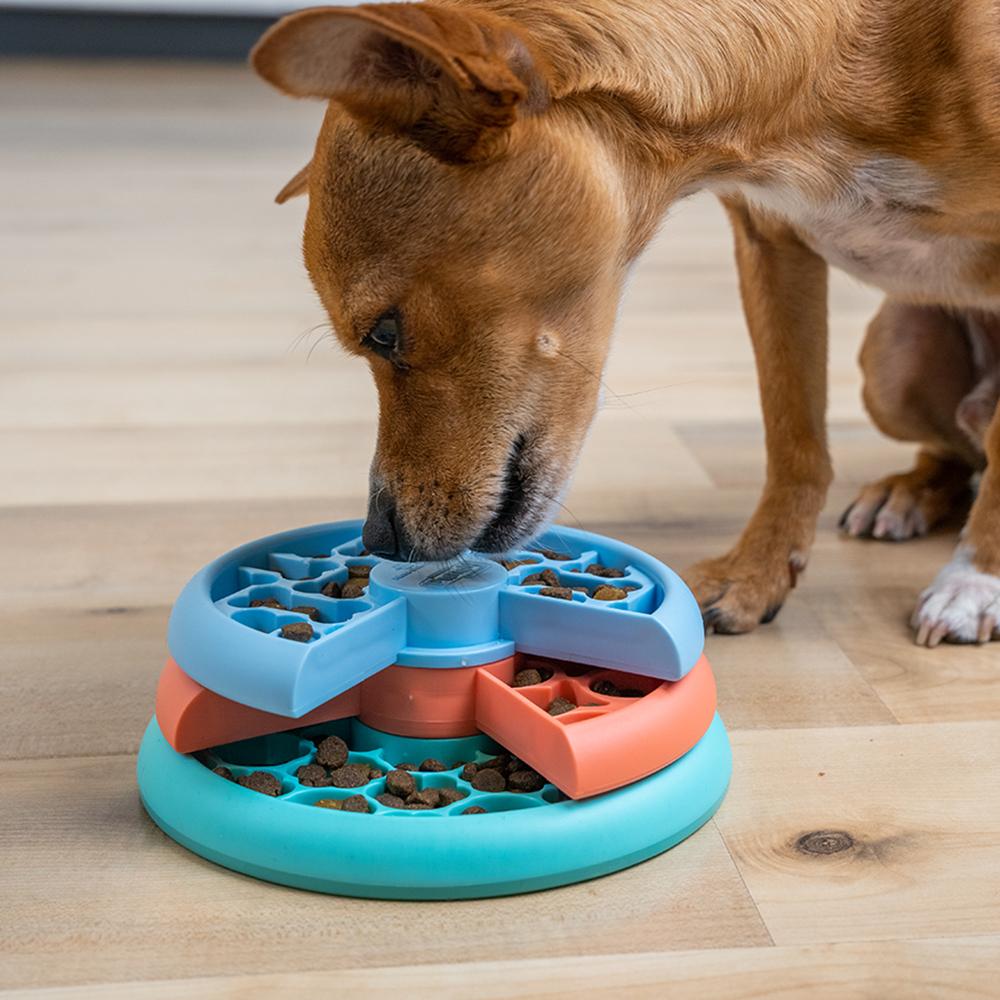
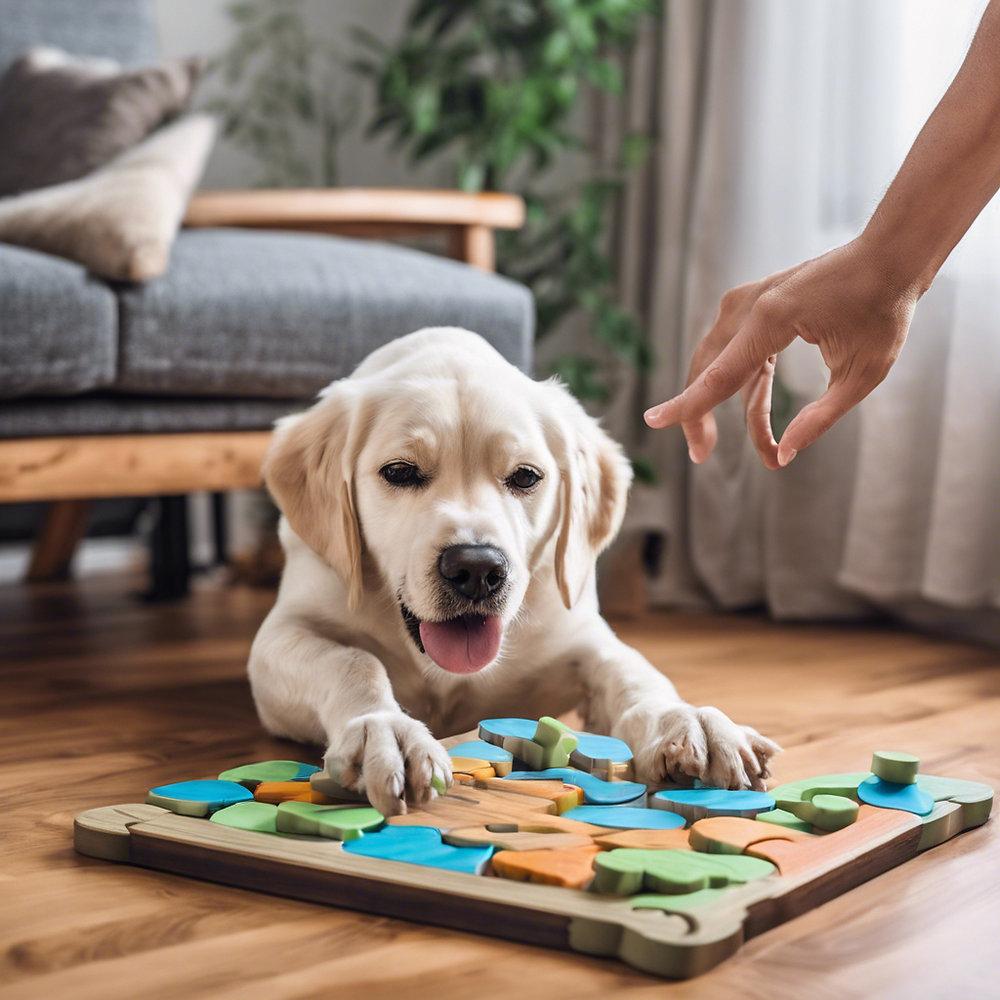
Puzzle toys give dogs a safe way to experiment and solve problems. I like them because the dog gets to make choices instead of simply following instructions. Research has found that training experience can influence how dogs approach problem-solving tasks.
I choose puzzles that match the individual dog. Bruno, at twelve, does not need a complicated challenge anymore; he needs something rewarding that respects his older body and slower pace.
Training tip
Supervise new puzzle toys. Frustration is not a sign your dog needs to try harder; it is usually a sign the puzzle needs adjusting.
Scent Work and Nose Games
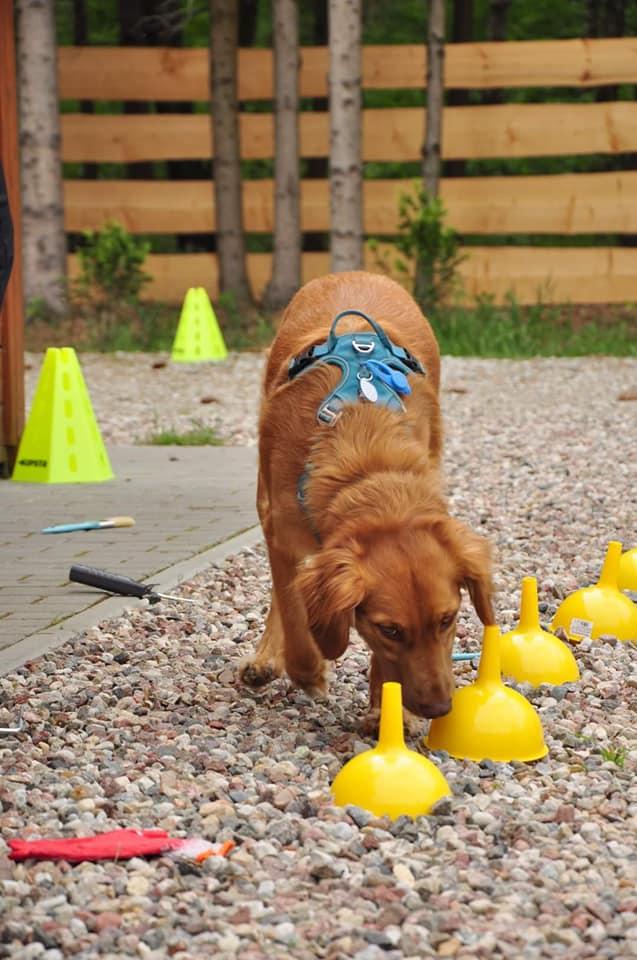
A dog’s nose is an incredible tool, and scent games let them use it in a calm, focused way. I often recommend simple searches because they work for many ages and energy levels. Nose work can provide enrichment and encourage independent problem-solving.
I begin with treats hidden in easy places, then slowly increase the difficulty. The important part is letting the dog search rather than pointing out every answer.
Obedience Training Challenges
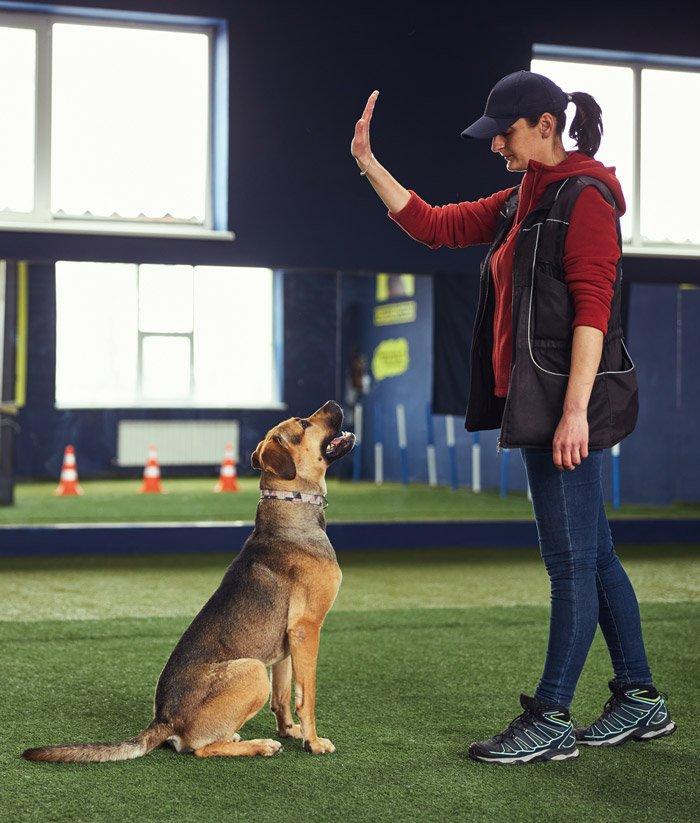
Obedience work is not just about perfect sits and stays. Done well, it teaches a dog to listen, think, and communicate with you. I use short challenges that build attention and self-control rather than drilling the same cue repeatedly.
If your dog struggles, I look at the environment first. Too much noise, too much distance, or too much difficulty can make a simple cue feel impossible.
| Exercise | Skill |
|---|---|
| Wait at doors | Impulse control |
| Hand target | Focus |
Trick Training for Cognitive Growth
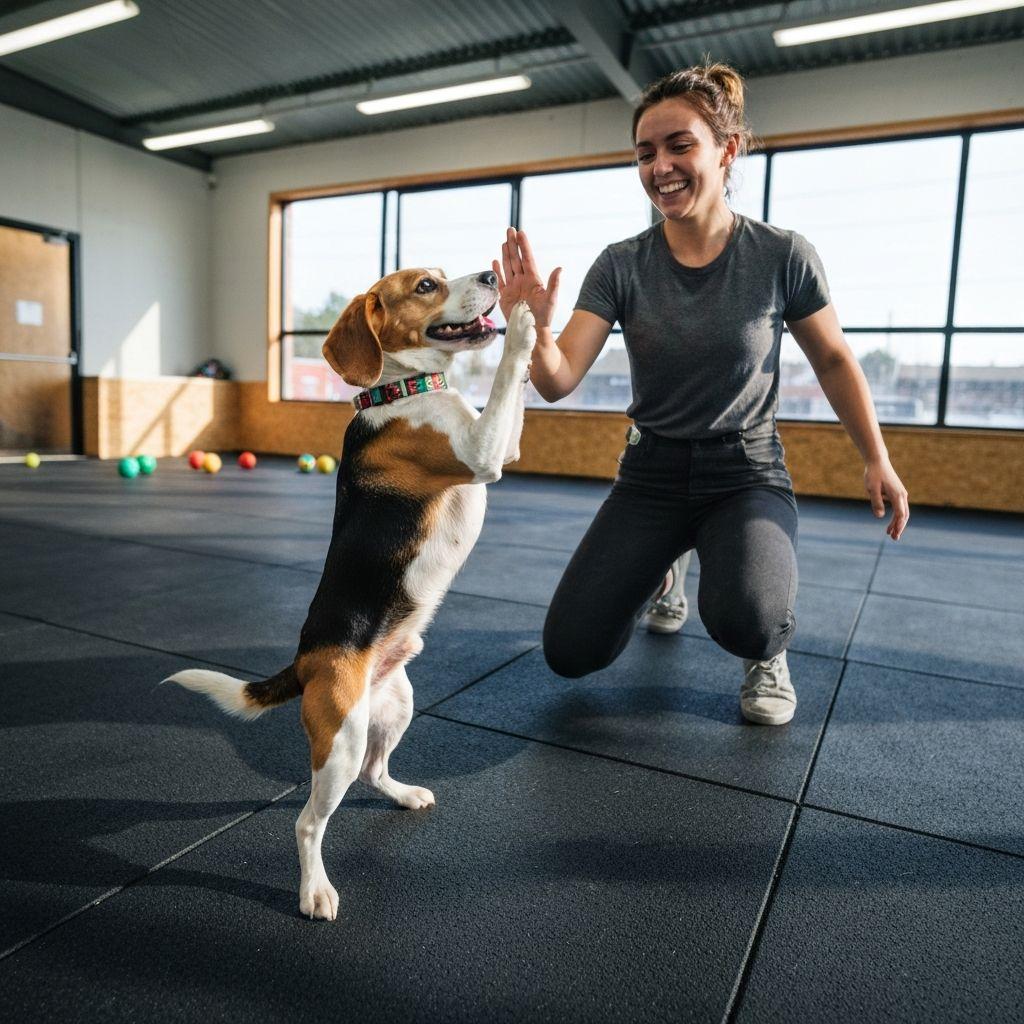
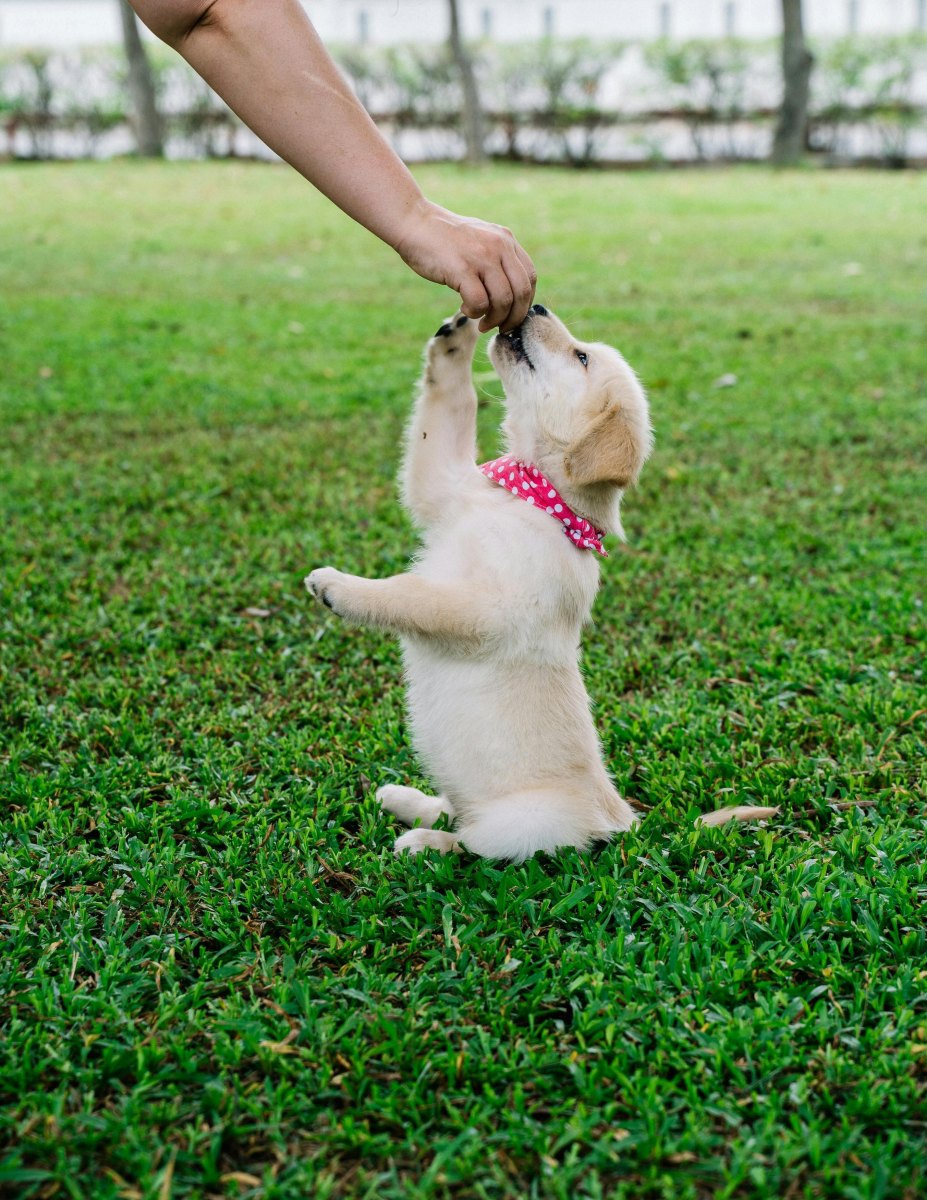
Teaching tricks gives dogs a reason to think creatively. I love tricks because they are often easier for owners to practise at home than formal training sessions. A simple behaviour chain can become a mental workout.
I break every trick into tiny pieces. Dogs learn best when the next step feels obvious, not when they are guessing what went wrong.
Benefits
- Builds communication
- Creates confidence
Watch for
- Too much repetition
- Frustration signals
Interactive Fetch Variations
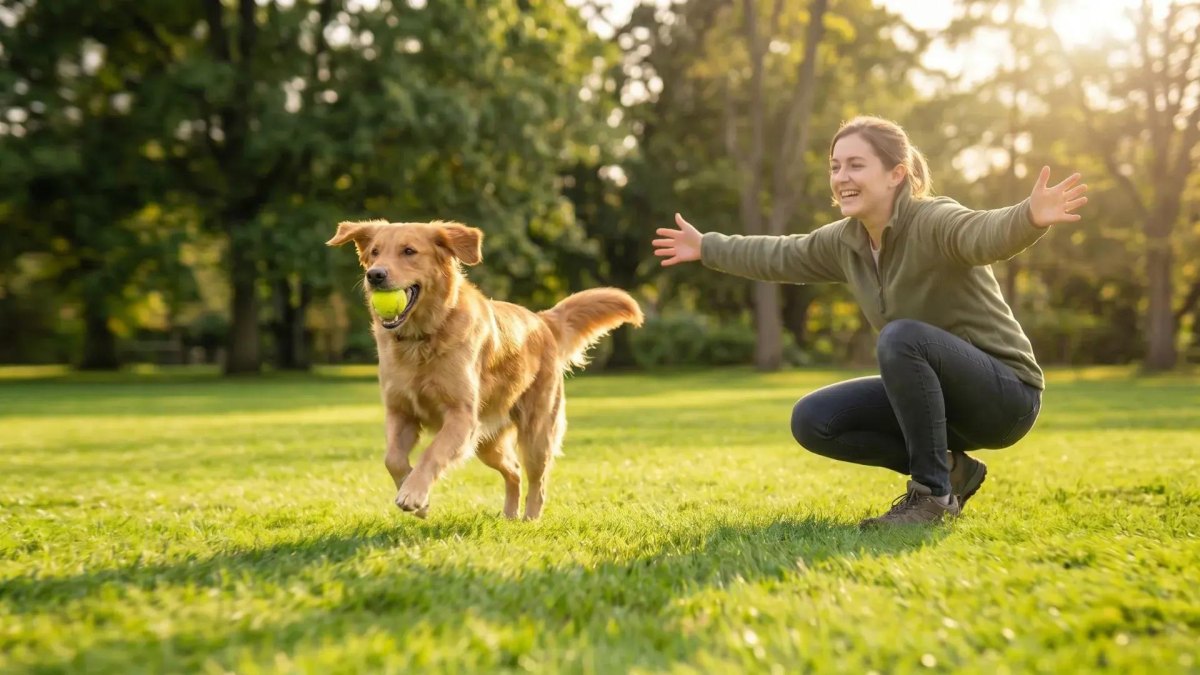
Fetch does not have to be a mindless sprint across the yard. I like adding choices, such as asking a dog to find the toy or pause before chasing. These variations create thinking during play.
Watch your dog’s body language. A loose body and playful movement tell me the game is working; frantic grabbing or inability to settle tells me we need a calmer version.
Name Recognition and Object Identification
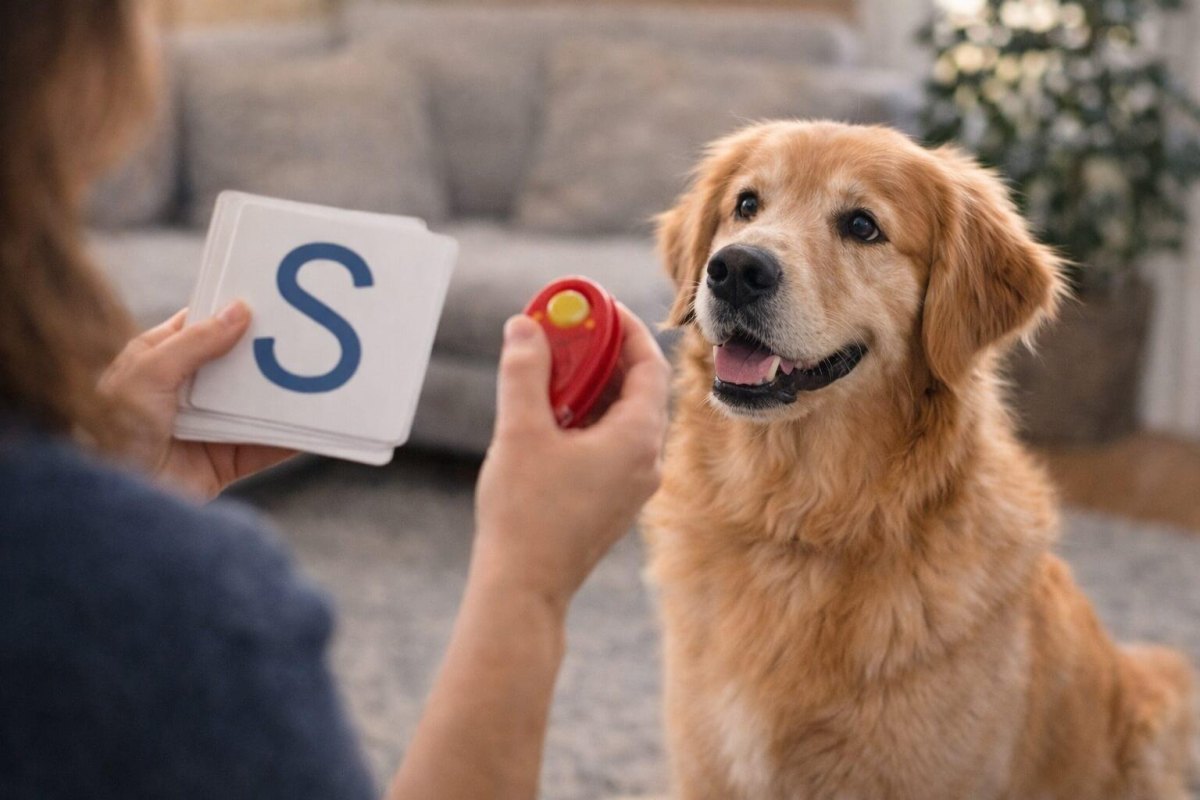
Teaching your dog names for toys turns everyday objects into a learning game. I start with one item and reward clear choices. This builds listening skills without making training feel like homework.
Keep expectations realistic. Some dogs love sorting objects, while others prefer scent or movement games. Good training fits the dog in front of you.
Food Dispensing Games
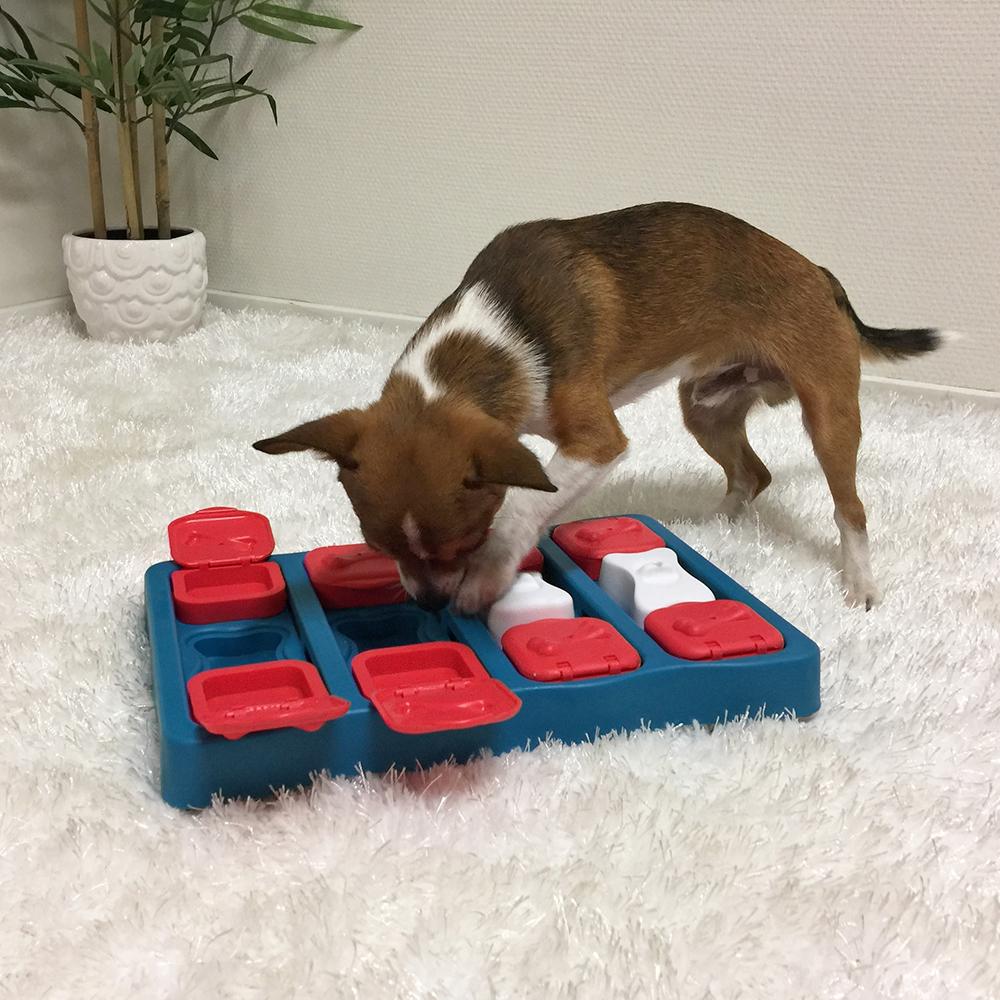
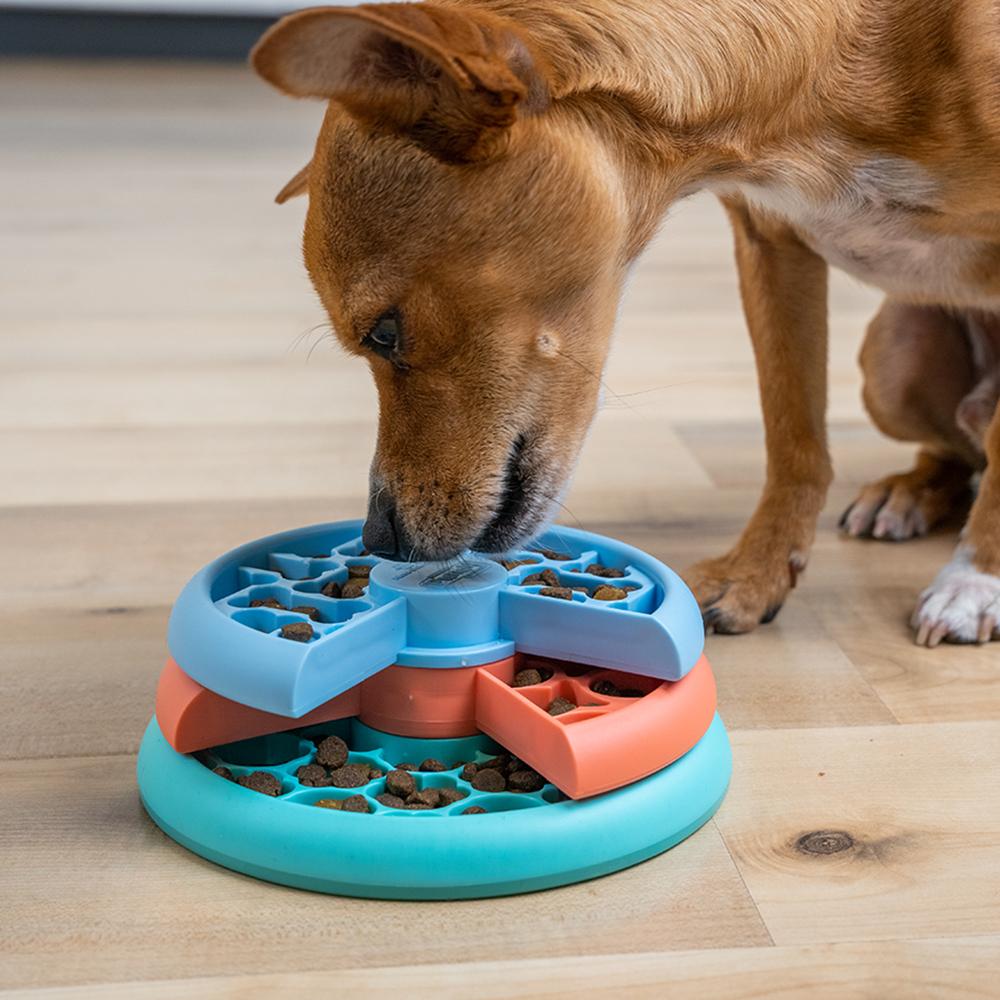
Food dispensing games slow down eating and give dogs a chance to work for part of their meal. I use them as enrichment, not as a replacement for walks, training, or social interaction.
The right difficulty depends on the dog. A confident problem solver may enjoy a challenge, while a worried dog needs an easy win first.
My approach
I want dogs to leave enrichment feeling successful, not defeated.
Balance and Coordination Exercises
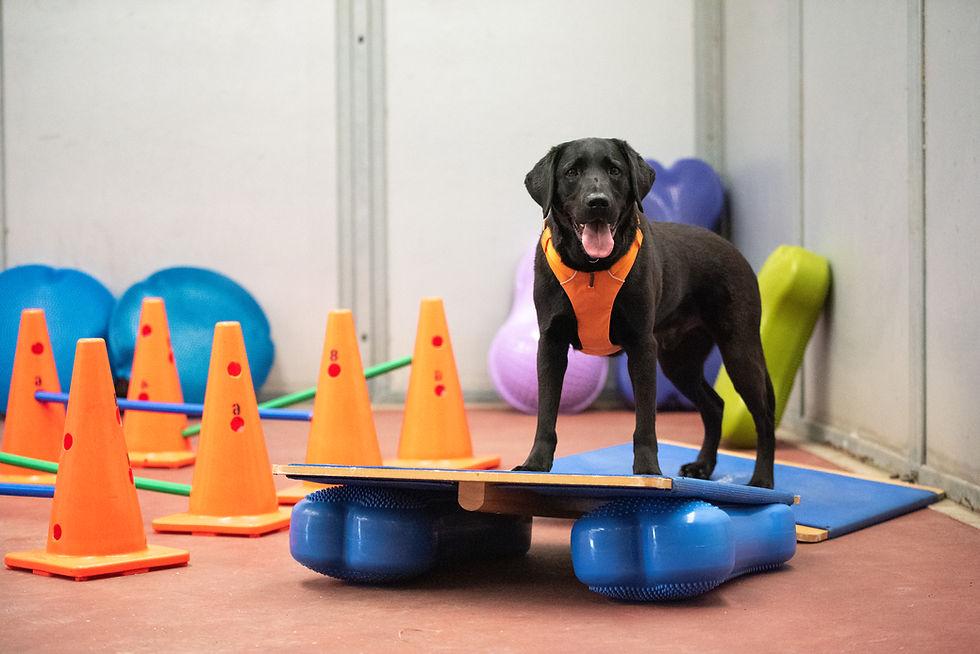
Balance exercises can improve body awareness when taught carefully. I use slow movements, stable surfaces, and rewards for calm choices. The aim is confidence in movement, not forcing a dog into uncomfortable positions.
For older dogs or dogs with pain, I always check with a veterinarian before adding physical challenges. A sudden change in movement deserves medical attention first.
Memory Training Activities
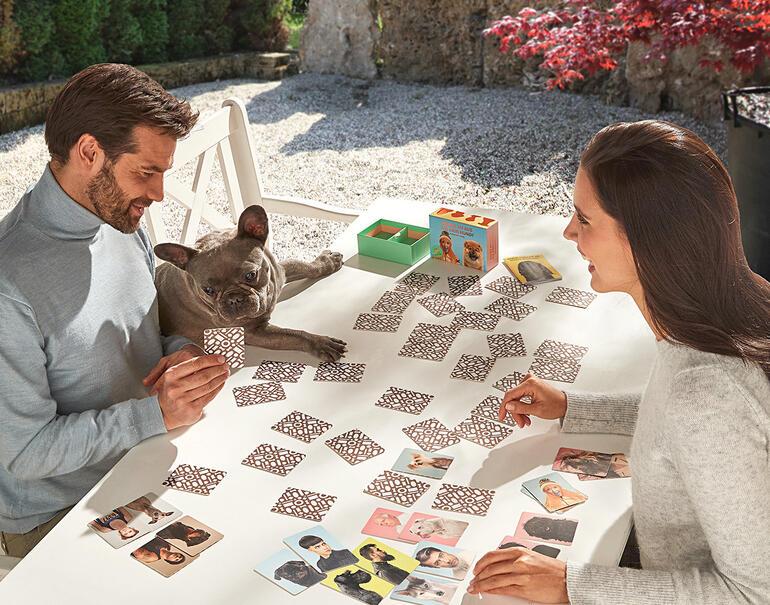
Memory games are simple ways to make your dog pause and think. I might hide a toy, change a routine, or ask the dog to remember where a reward was placed. These games encourage problem-solving habits.
Short sessions work best. I would rather finish with a dog eager for tomorrow than push until they lose interest.
Agility Training for Focus and Confidence
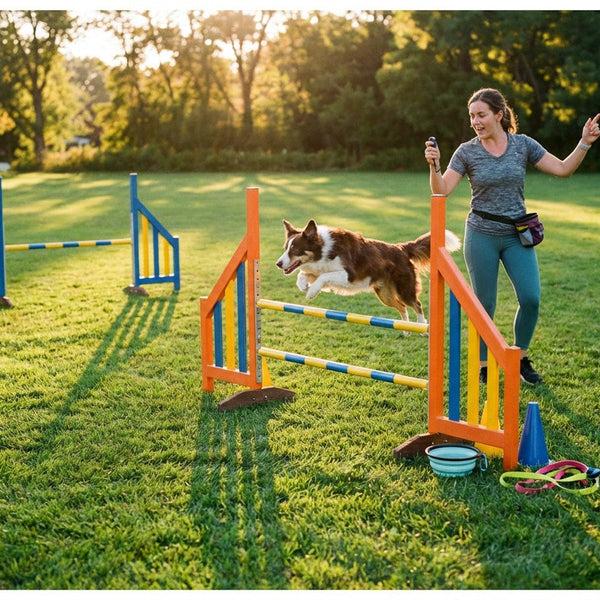
Agility is more than running through obstacles. It is a teamwork exercise that asks dogs to pay attention to their handler and make choices. Positive agility training can help build focus and confidence when introduced at the dog’s pace.
I never rush a nervous dog through equipment. Confidence comes from choosing to participate, not being pushed into a situation.
Social Learning and New Experiences
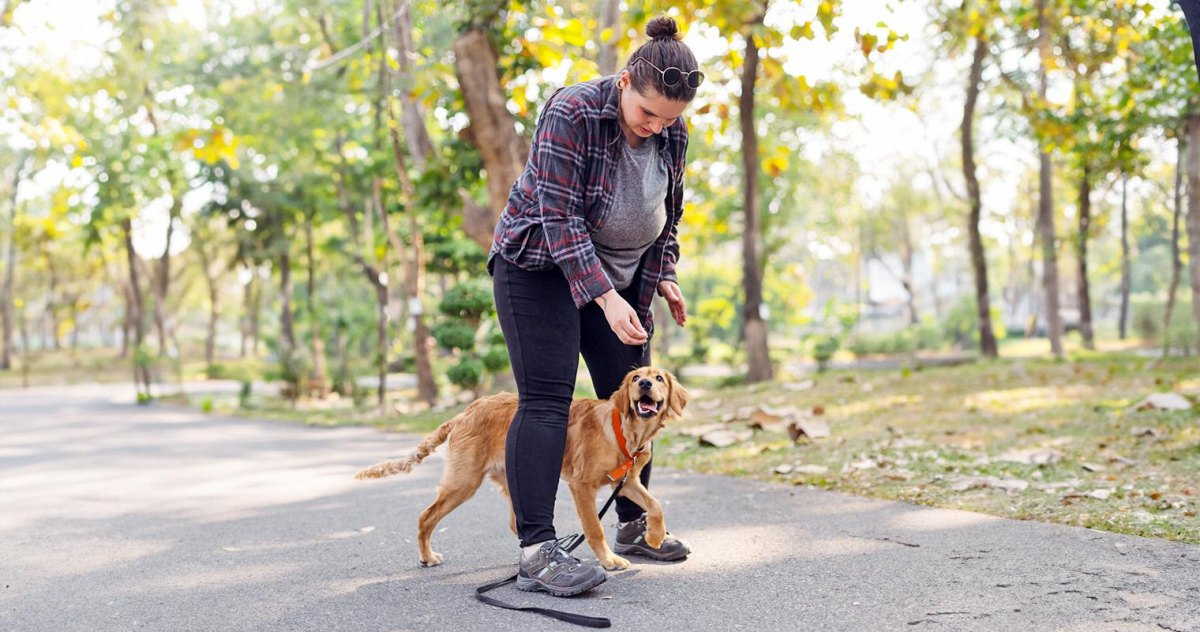
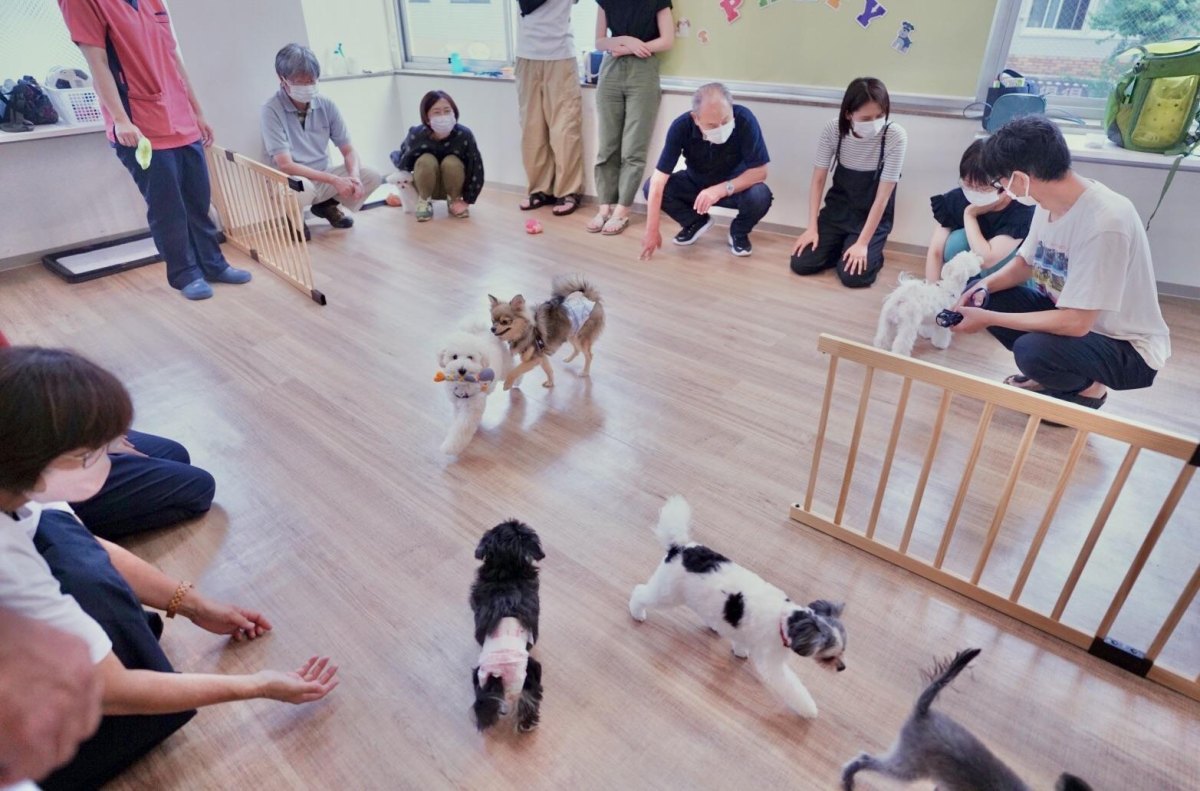
New experiences are valuable when they are introduced carefully. I want dogs to notice the world without feeling overwhelmed. Positive exposure to new sights, sounds, and surfaces helps create comfortable curiosity.
The best socialisation is not forcing a dog to meet everything. It is allowing them to observe, process, and walk away feeling safe.
Remember
If a behaviour change appears suddenly, especially with an older dog, I rule out medical causes with a veterinarian before assuming it is a training issue.
More Pinterest Visuals