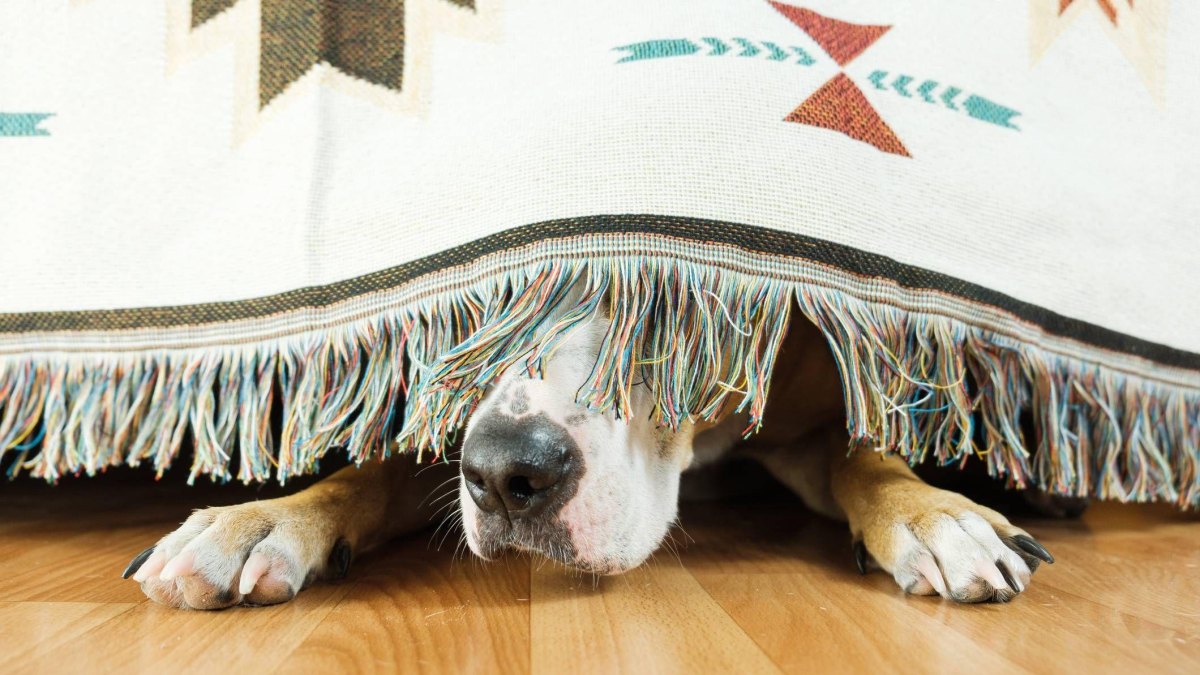
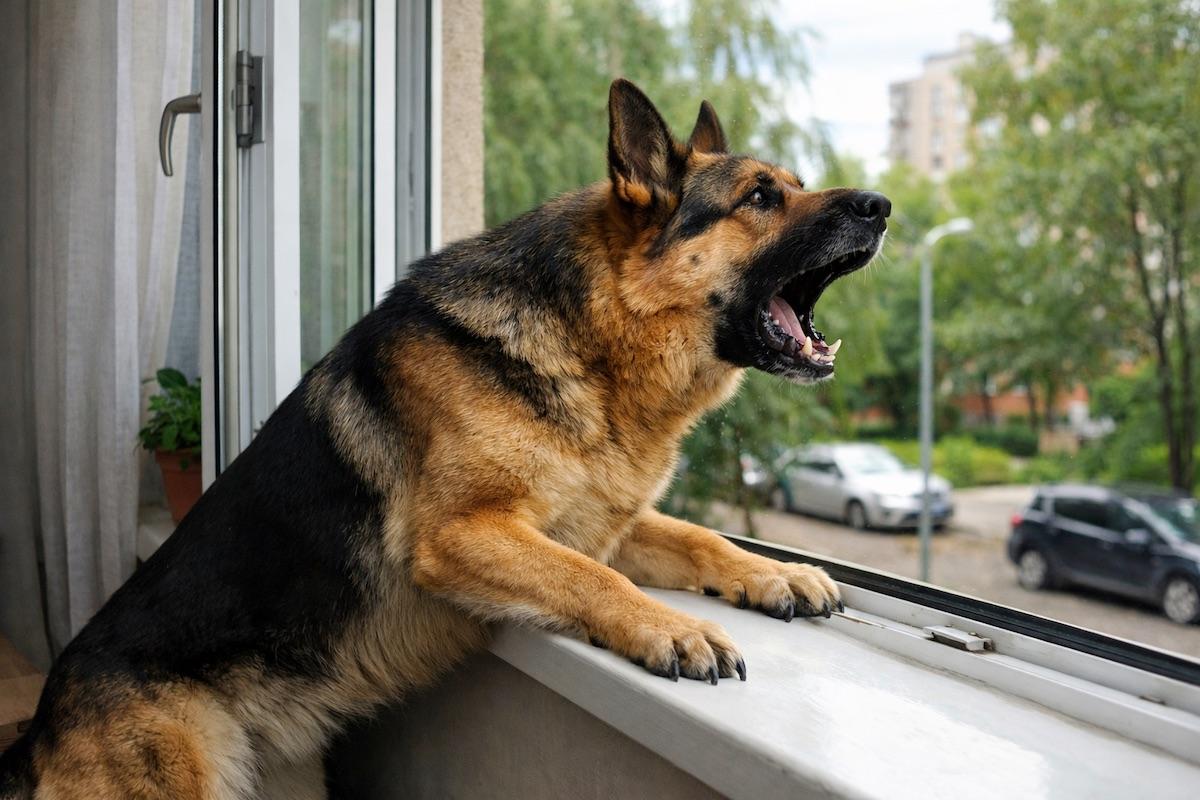
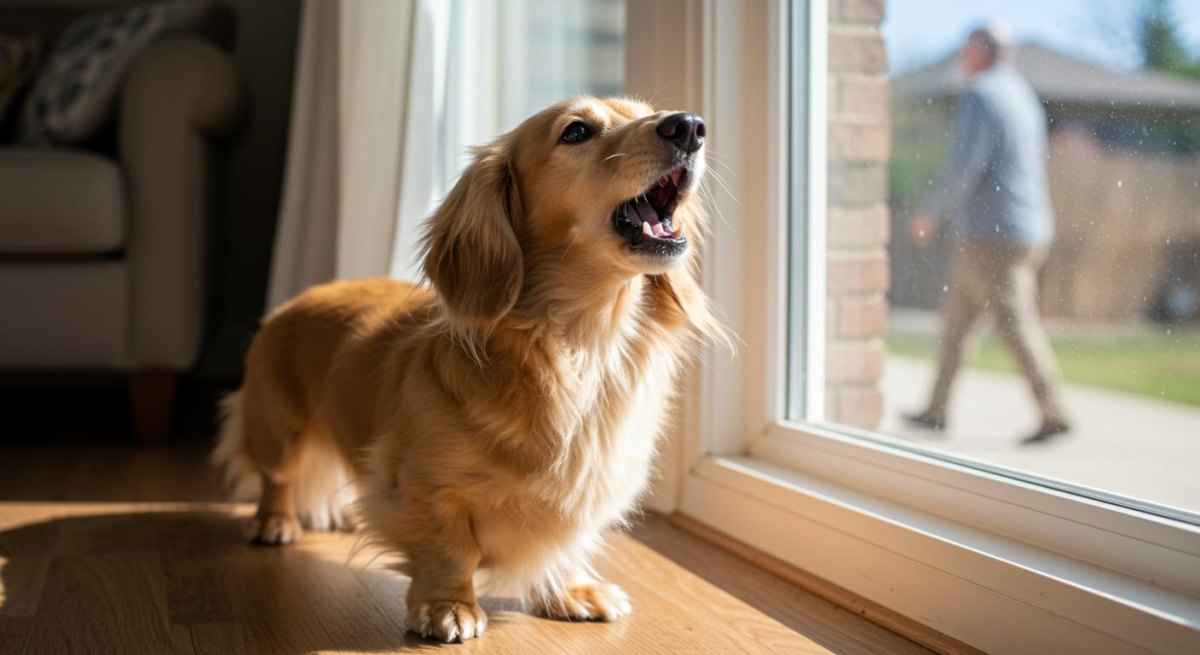
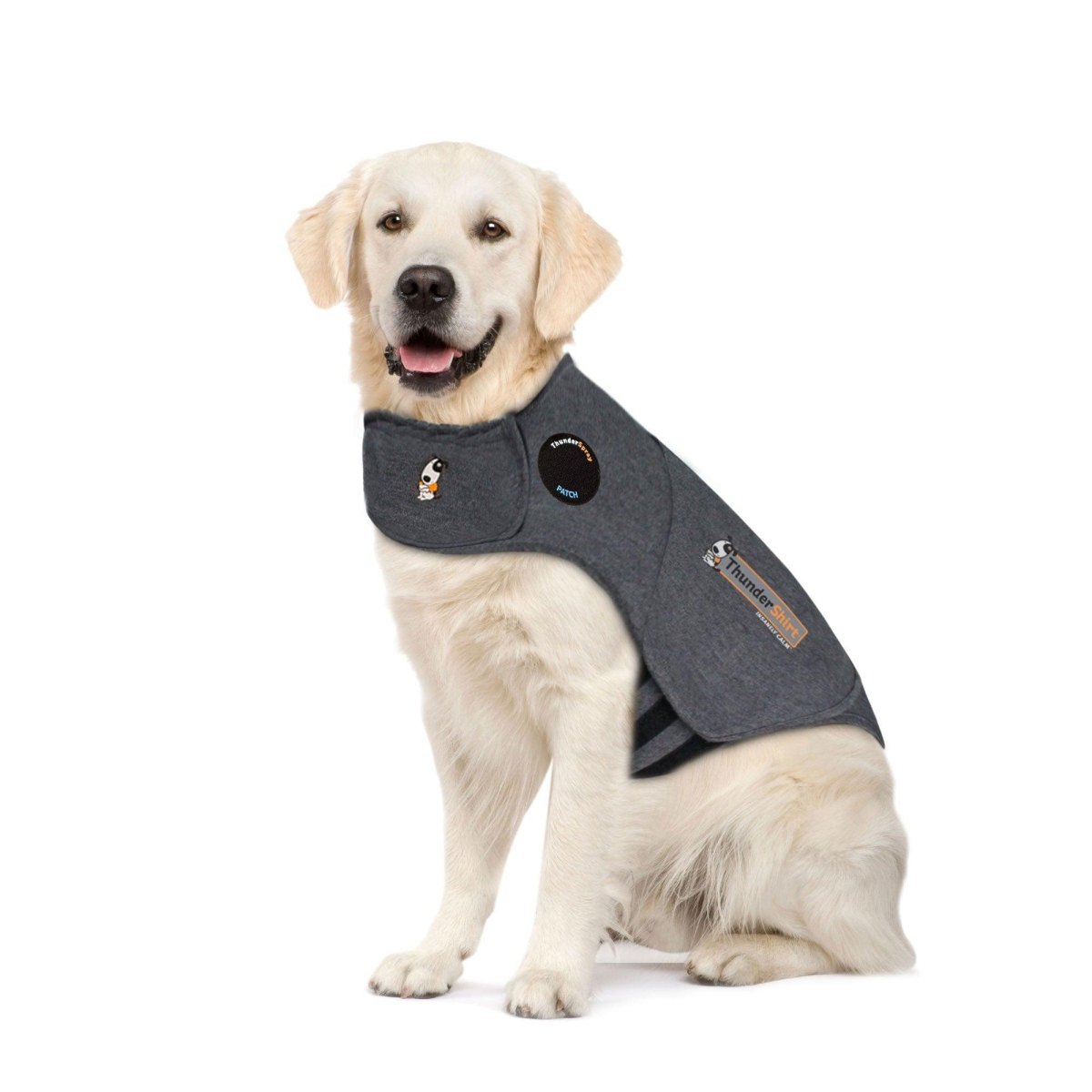
A fearful dog does not need a busier calendar. They need experiences they can actually handle. I have worked with many dogs who looked "stubborn" on the end of a leash but were really trying to tell us the world felt too loud, too close, or too unpredictable.
My approach is simple: lower the pressure first, then teach new skills. Socialization is not forcing greetings or collecting as many encounters as possible. Current behavior guidance emphasizes safe, positive exposure that keeps the dog below the point of panic.
Build Trust Through Calm, Positive Interactions

The first thing I change with a fearful dog is the environment. Before we ask a dog to make friends, I make sure they are not spending every walk practicing fear. That might mean more distance from strangers, quieter routes, or a visual barrier at home. Management creates breathing room for learning.
I watch the tiny details because they arrive before the bark or retreat. A dog who freezes, closes their mouth, shifts weight backward, licks their lips, or pins their ears is already communicating. Body language is the early warning system I trust most.
What I focus on first
- Predictability instead of forced interaction
- Choice instead of pressure
- Small wins instead of dramatic breakthroughs
Trainer tip
If your dog is suddenly fearful, painful, or showing a major behavior change, I start with a veterinary check before assuming it is only a training issue.
Introduce New People Slowly and Safely
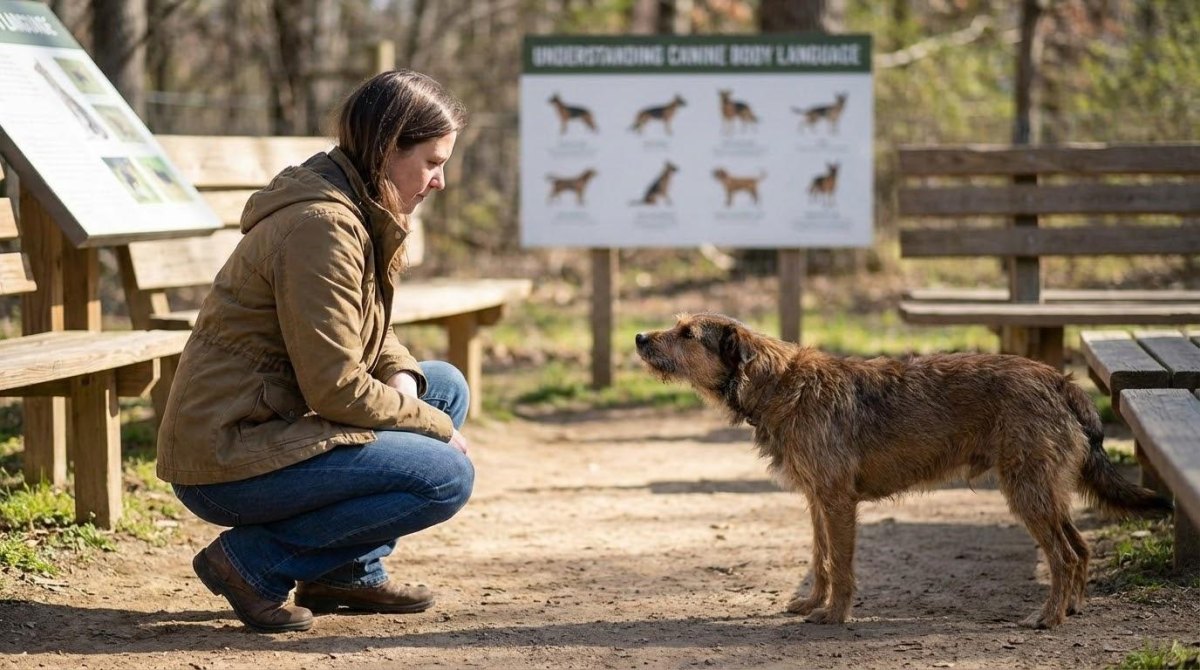
A stranger leaning over a nervous dog and reaching for their head is one of the fastest ways to confirm that strangers are scary. I teach visitors to ignore the dog at first and let the dog decide whether to approach. Choice builds confidence much faster than coaxing.
With my clients, I often begin with a person standing sideways, avoiding eye contact, and tossing treats without asking for contact. The goal is not a petting session. The goal is a dog thinking, “That person predicts good things.” Reward-based counterconditioning is widely used to change fearful associations.
Common mistake
I never recommend making a fearful dog “get used to it” by holding them in a greeting. Flooding can increase fear rather than solve it.
Use Gradual Exposure to New Environments
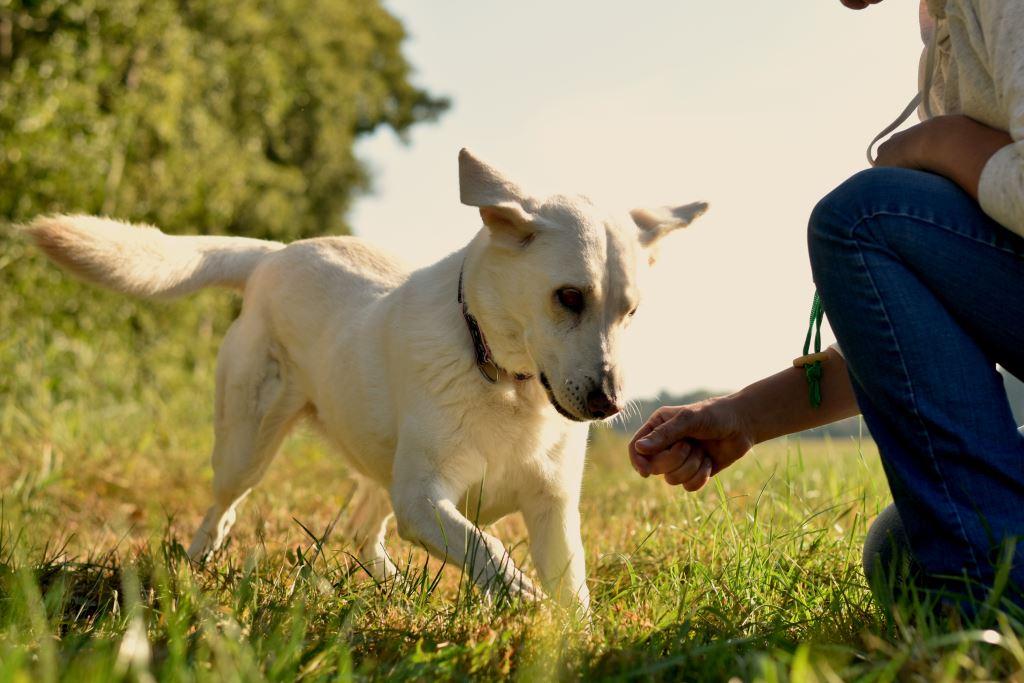
A new environment is not just a place. It is a pile of information: smells, sounds, surfaces, movement, and people. I start where the dog can still think. Successful exposure happens below threshold, not in the middle of the scary thing.
For one dog, a quiet parking lot at 7 a.m. is a perfect classroom. For another, it is already too much. I increase difficulty slowly by changing one thing at a time. Desensitization works by controlled exposure that does not trigger a full fear response.
| Too much | Better starting point |
|---|---|
| Crowded dog-friendly event | Quiet outdoor area with distance |
| Busy sidewalk | Watching people from a comfortable spot |
Reward Brave Behavior With Positive Reinforcement
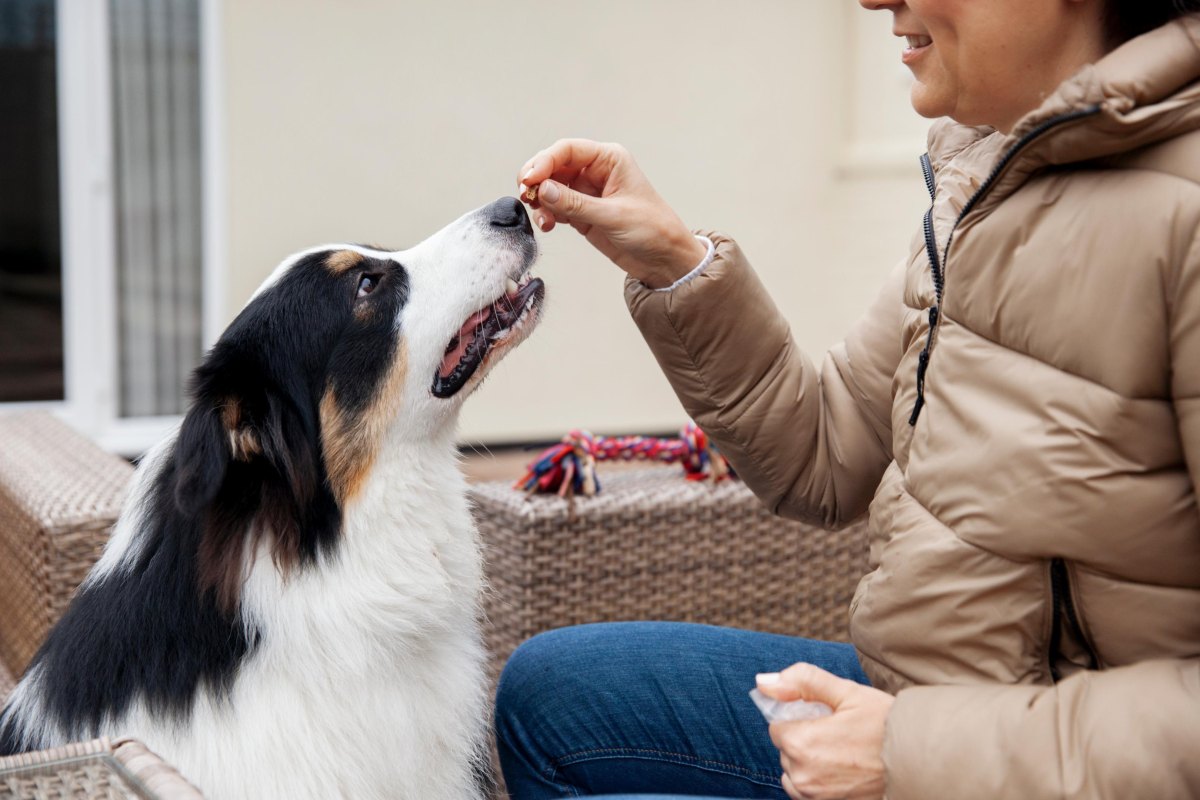
Bravery is usually tiny. It might be looking at a person and then looking back at you, walking past a new object, or relaxing after hearing a strange sound. I mark those moments because confidence grows through repetition.
I do not wait for a fearful dog to become perfectly calm before rewarding them. We reinforce the choices we want repeated while keeping the challenge manageable. AVSAB guidance supports reward-based training methods for behavior problems.
Helpful rewards
- Tiny food treats
- Sniffing opportunities
- Play when appropriate
Things I avoid
- Forcing interaction
- Punishing fear signals
- Rushing progress
Help Your Dog Socialize With Other Dogs Carefully
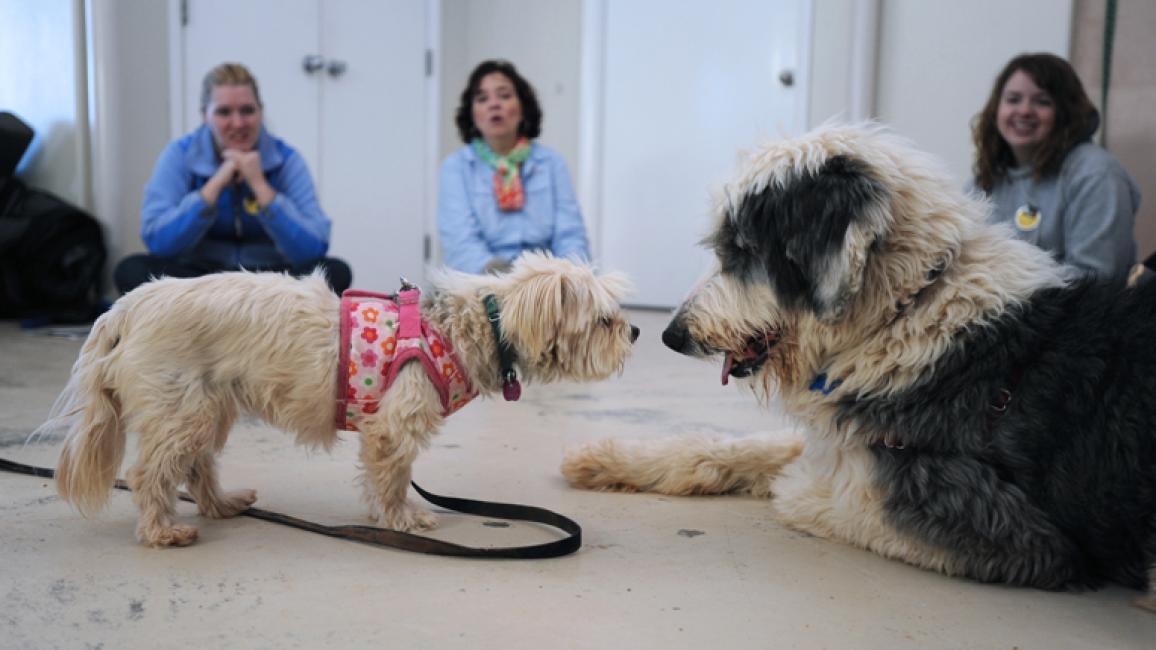
Not every dog needs a crowded play group. Some fearful dogs need a calm walking partner, not a dozen enthusiastic greetings. I often look for a neutral, polite dog rather than the social butterfly who charges over saying hello. The right match matters.
My own terrier mix Pickle has done this work as a neutral dog, which is a job she accepts with the expression of someone who believes she should be paid in cheese. A calm helper dog can make progress possible when introductions are controlled.
Safety first
If a dog has caused injury, has a serious bite history, or someone may be at risk, I move from general advice to an in-person qualified professional and veterinary behavior support.
Create a Safe Routine for Long-Term Confidence
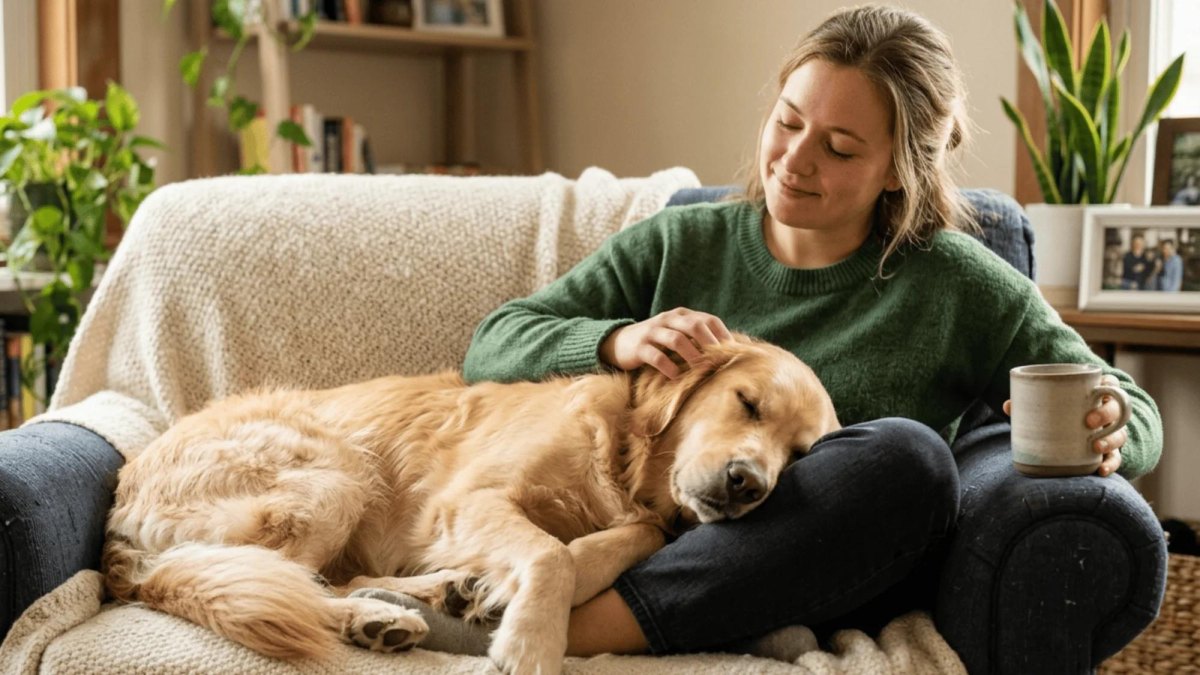
Confidence is not built in one heroic outing. It comes from hundreds of ordinary moments where the dog learns they are safe. With Bruno, my German Shepherd, improvement came slowly, and even now I choose environments that suit him. Better does not mean perfect.
I like routines because fearful dogs often benefit from knowing what happens next. Predictable walks, rest, enrichment, and realistic expectations give the nervous system a chance to settle. Most behavior change takes months, with plateaus and setbacks along the way.
Months
is a realistic timeframe for many fear-based behavior changes, not days
The goal I use with clients
I am not trying to create the dog who loves every person and every dog. I am trying to create the dog who can move through the world feeling safe.