A dog who ignores a recall cue is not trying to embarrass you in the park. I have watched plenty of lovely dogs forget their name exists when a squirrel appears, and the answer is usually not a louder voice. Calm recall training starts by making coming back the best choice your dog can make.
I teach recall the same way I approach most behaviour work: first prevent the dog from practising the wrong choice, then build the right habit in small pieces. Reliable recalls take repetition, not a single dramatic breakthrough.
What helps recall stick
- Build the behaviour in easy environments before adding distractions.
- Reward your dog for choosing to return to you.
- Use management tools while the recall is still developing.
Build a Calm Recall Foundation
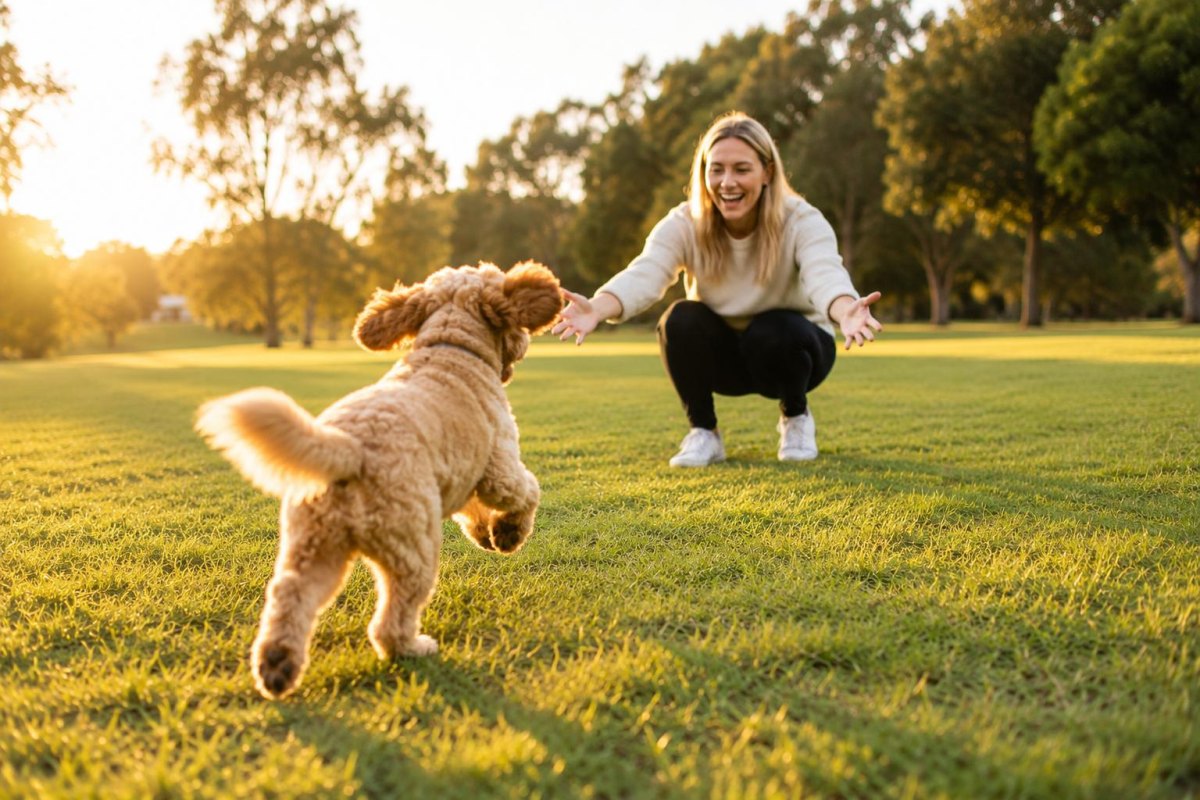
Before I ask for a recall outdoors, I make sure the dog understands that moving toward me is worthwhile. The first recall skill is not distance; it is the habit of turning toward a person when called.
I start somewhere boring, because boring is where learning happens. A quiet room, a hallway, or a fenced space lets the dog practise without competing against every smell in the neighbourhood. Easy repetitions build confidence before difficulty arrives.
Trainer tip
Choose a recall word carefully and protect it. A recall cue should stay valuable, not become the sound that predicts the end of every fun activity.
- Reward. Pay your dog every time they happily move toward you.
- Repeat. Practise many short successes instead of one exhausting session.
- Increase. Add distance only when the current step feels easy.
Use Positive Reinforcement Instead of Shouting
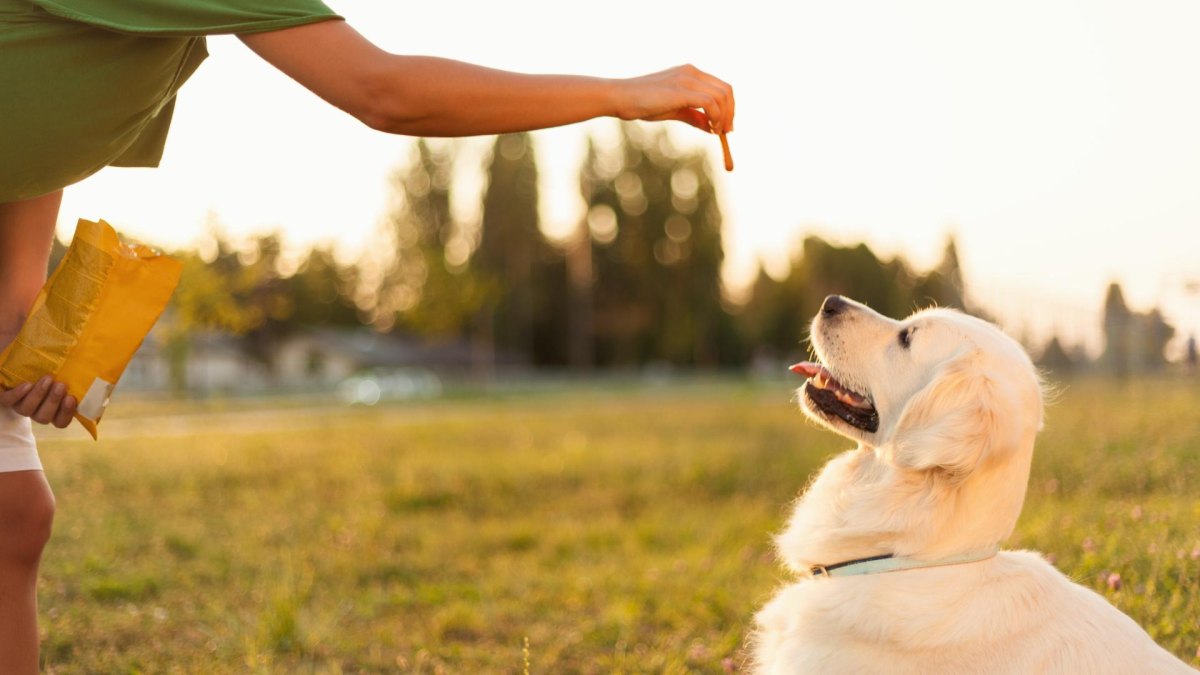
I understand the frustration of standing in a field calling a dog who appears to have become selectively deaf. I have been there. But shouting usually adds pressure without teaching the behaviour we actually need. Reward-based recall gives the dog a clear reason to return.
Current guidance from veterinary behaviour professionals supports reward-based training rather than methods built around fear or discomfort. I want my dogs running toward me because they trust me, not because they are worried about what happens if they do not. Trust improves training over time.
| Approach | What the dog learns |
|---|---|
| Calling and rewarding | Coming back predicts good things |
| Yelling after ignoring | The recall cue may feel stressful |
Avoid this mistake
Do not save your recall word only for unpleasant moments. Recall should not mean trouble every time your dog hears it.
Practice Short Distance Recall Games
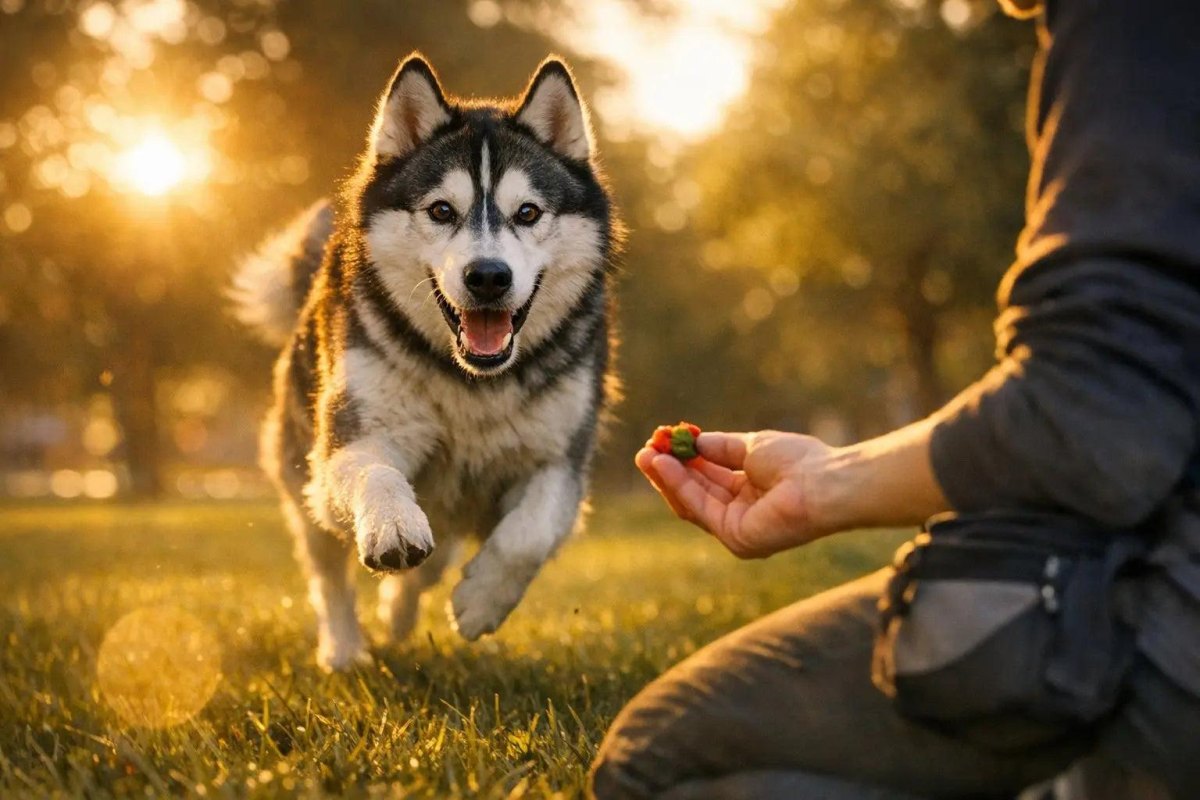
When I teach recall games, I am looking for enthusiasm before distance. A dog sprinting three feet toward you is building the same skill as a dog crossing a field later. Short recall games create a strong foundation without overwhelming the learner.
My favourite early games involve movement, happy voices, and rewards that matter to that individual dog. Some dogs work for food; others light up for a toy or a quick chase game. Motivation makes recall stronger because the reward matches the dog.
- Name game: Reward your dog for looking at you when called.
- Back-and-forth: Take turns calling between two people.
- Follow me: Make moving toward you naturally rewarding.
- My dog turns toward me when I call.
- My dog returns without hesitation in easy places.
- I can reward generously before adding distractions.
Avoid Turning Recall Into a Negative Experience
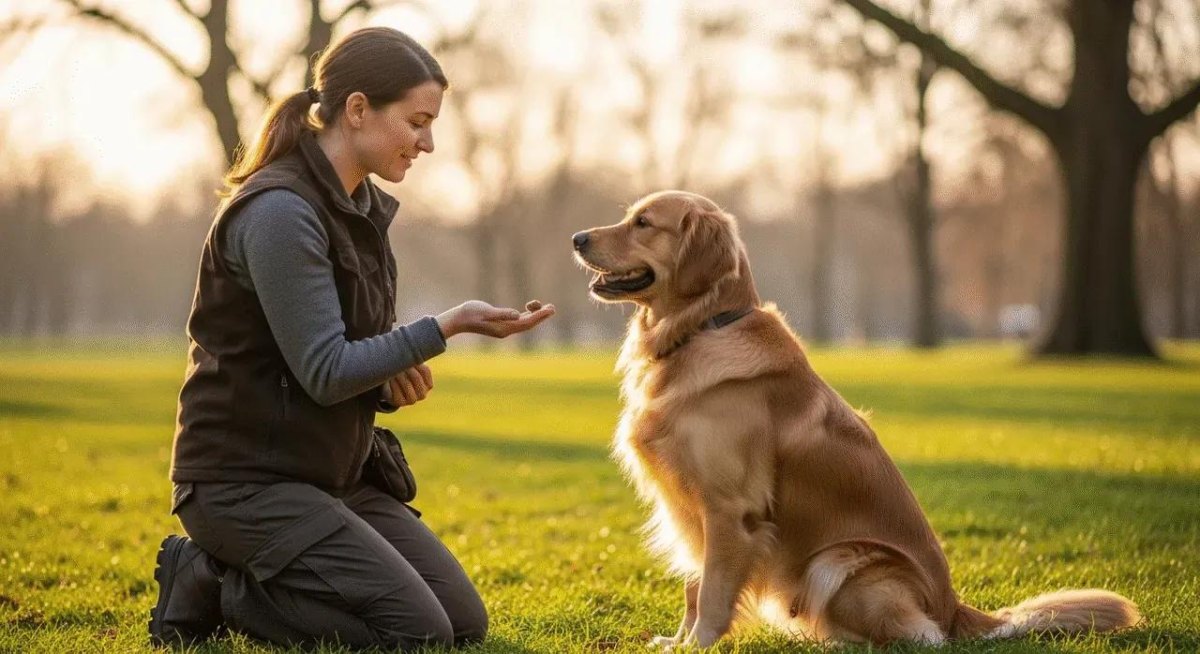
A recall can disappear if it becomes a predictor of things dogs dislike. I see this often when owners only call their dog to end play, leave the park, or do something unpleasant. Protect the recall meaning by mixing training with ordinary happy moments.
I also watch body language closely. A dog who slows down, lowers their body, turns their head away, licks their lips, or freezes may be telling us the situation is becoming difficult. Small signals matter because they appear before bigger problems.
Helpful habits
- Reward surprise check-ins.
- Sometimes call, reward, and release back to play.
- Practise before your dog is distracted.
Habits that weaken recall
- Repeating the cue many times.
- Calling only for endings.
- Using the cue when success is unlikely.
Common recall mistake
Do not assume a failed recall means stubbornness. The environment may be too hard for the skill level your dog currently has.
Strengthen Recall Reliability Outdoors
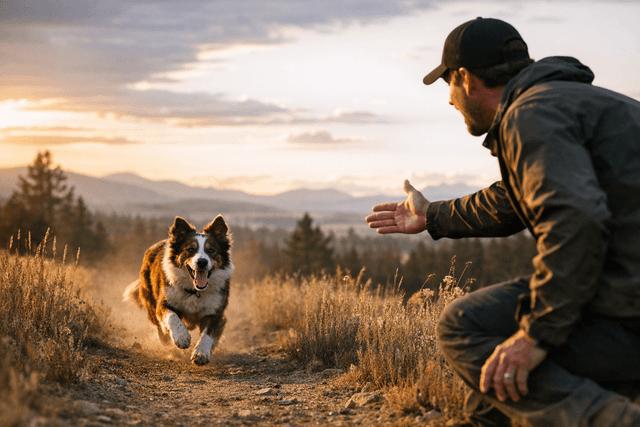
Outdoor recall is where many owners discover the gap between knowing a behaviour and performing it around distractions. I build that gap slowly with distance, long lines, and carefully chosen locations. Outdoor success needs management while the skill is growing.
I would rather see a dog succeed on a long line for months than practise ignoring their person for years. Bruno taught me this lesson early; a professional trainer can still have a dog who needs thoughtful boundaries. Good management is not failure, it is how we protect training.
Months
A realistic timeframe for building dependable recall around distractions
Final practical tip
If your dog is not ready for off-leash freedom, that is useful information. Keep practising safely until the behaviour is truly reliable.


More Pinterest Visuals