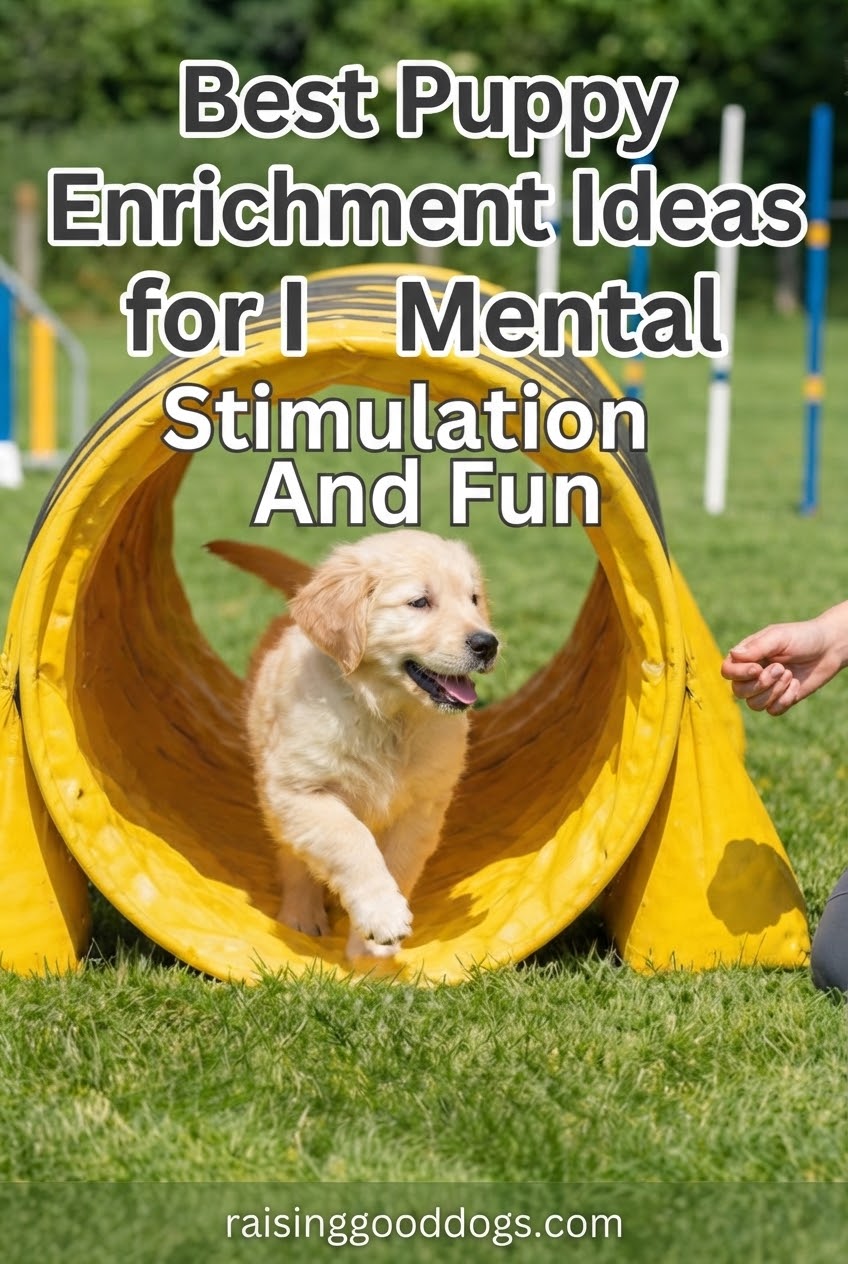
A puppy who steals socks, digs the rug, or suddenly discovers the entertainment value of your chair leg is usually not plotting against you. I see this every week with young dogs: they have a brain that wants a job. Enrichment gives that brain somewhere useful to go, while helping us build calmer habits at home.
I focus on activities that fit real Tuesday afternoons, not just perfect training-room moments. The goal is not to exhaust a puppy until they collapse; it is to offer appropriate choices, sniffing, problem-solving, play, and rest. Research and professional guidance around puppy care increasingly highlight the value of positive, reward-based activities and thoughtful stimulation.
What you will find here
- Easy enrichment games for puppies of different energy levels
- Ways to use food, scent, movement, and play safely
- Practical ideas that do not require expensive equipment
Interactive Puzzle Toys for Mental Stimulation
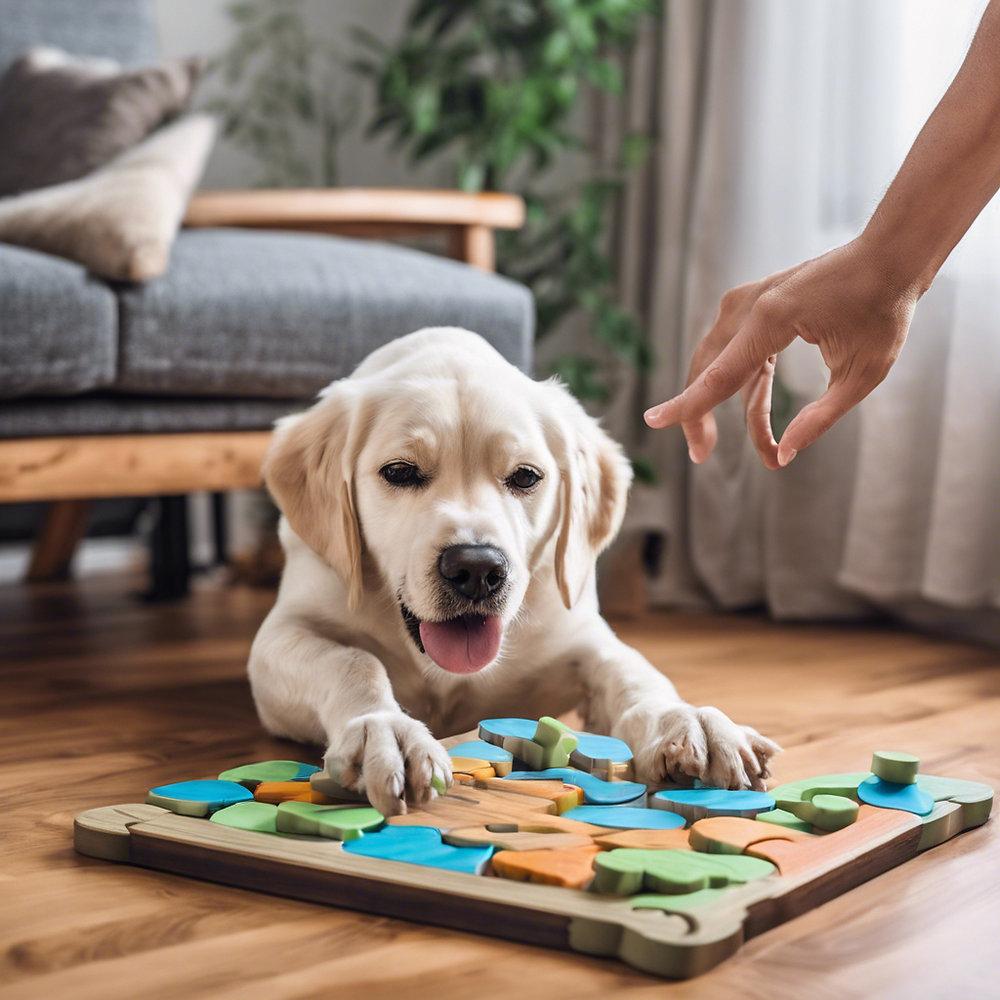
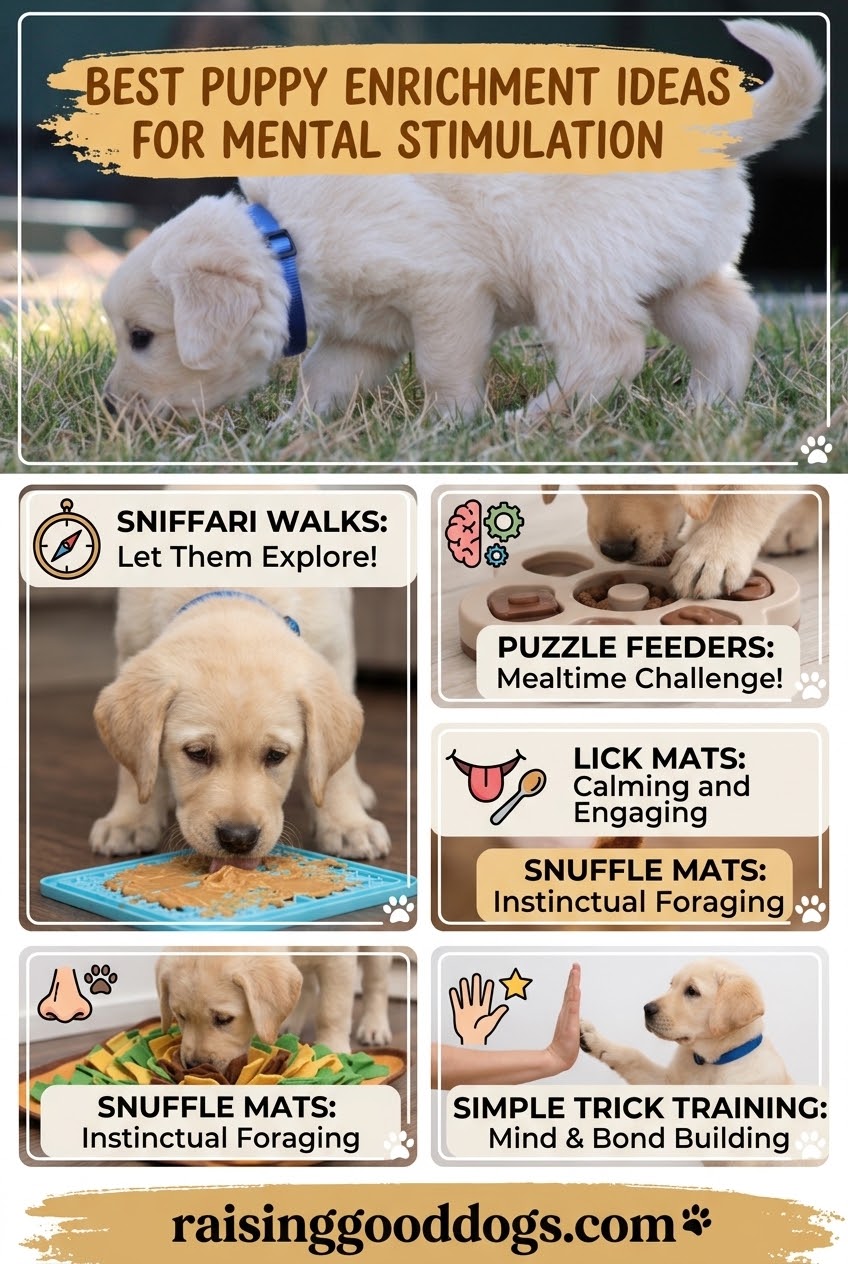
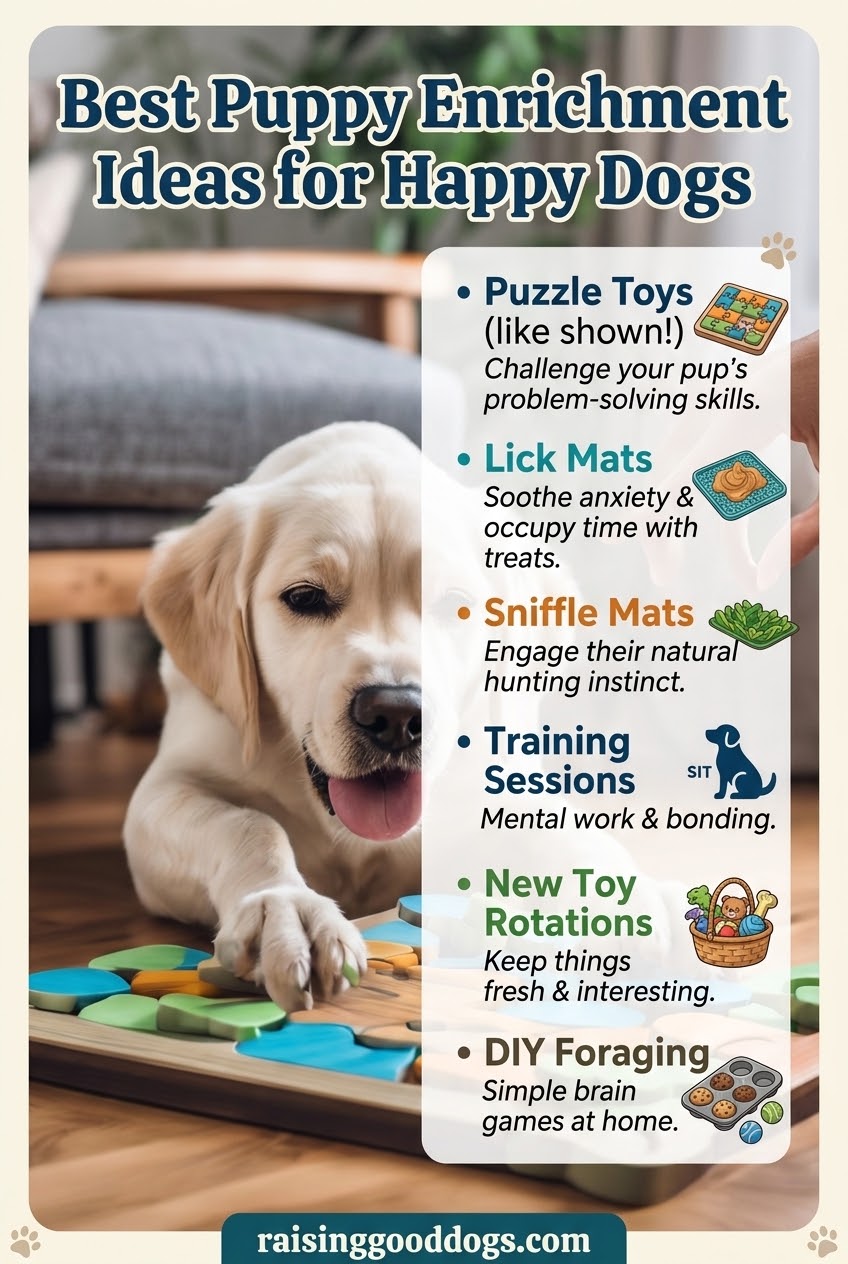
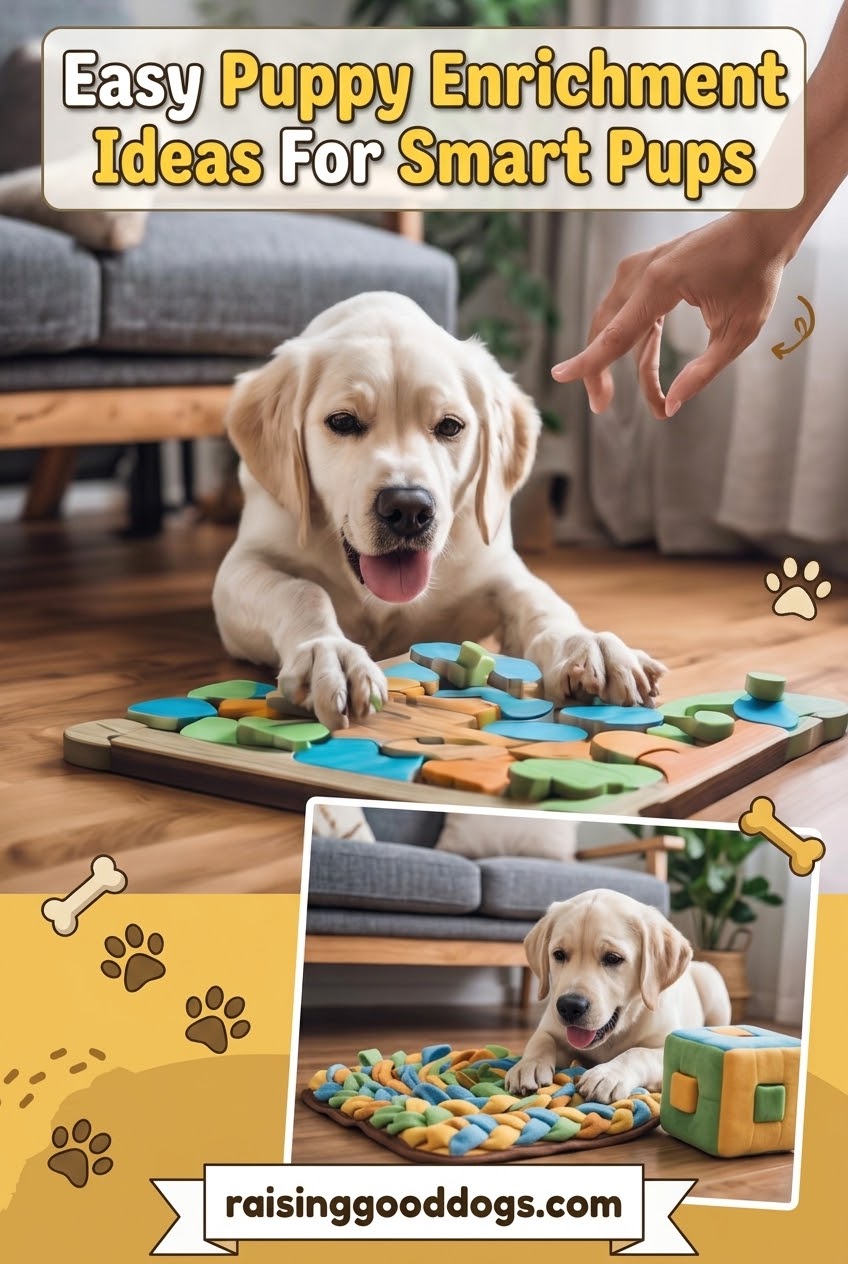
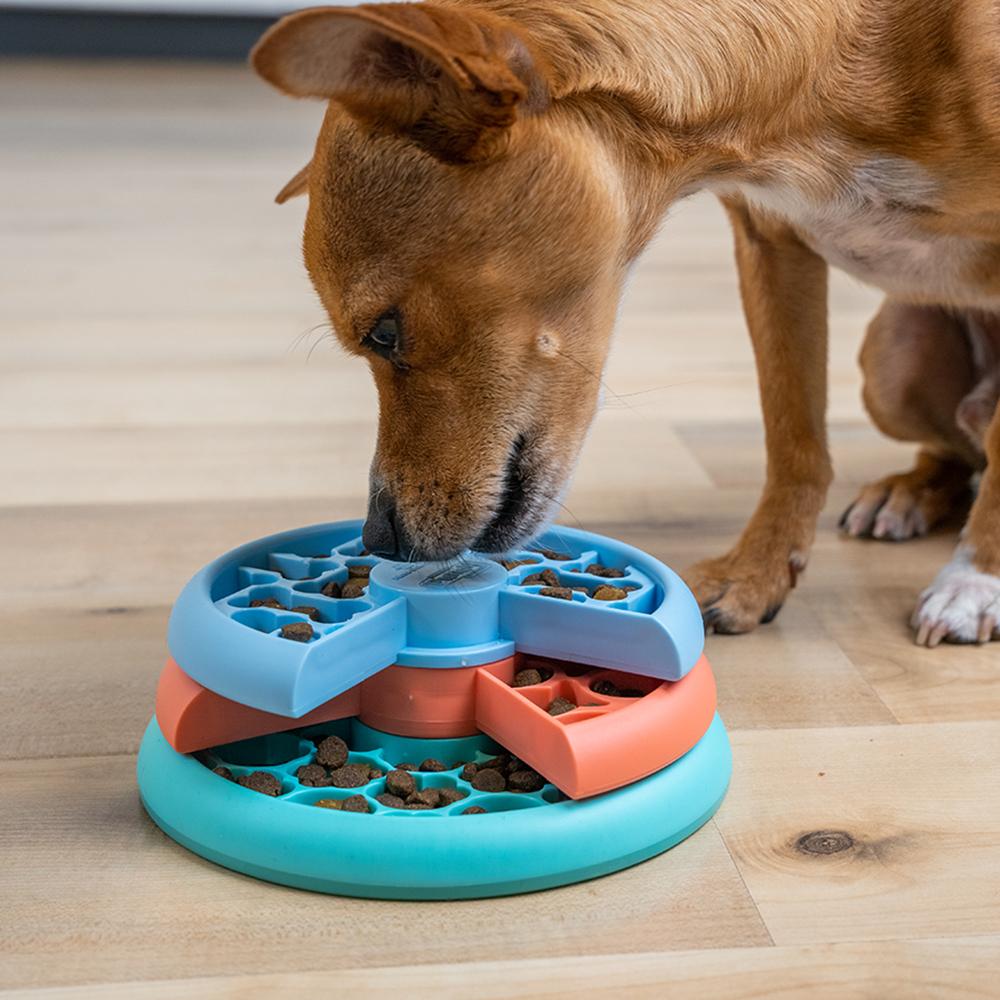
I like puzzle toys because they make puppies slow down and think instead of simply consuming their food in thirty seconds. Start with simple designs and increase difficulty only when your puppy understands the game. Problem-solving builds confidence when the puppy can succeed.
Before handing over a puzzle, check the environment. A puppy who is overtired, frustrated, or chewing pieces off the toy needs a simpler version. Puzzle toys are commonly recommended as enrichment tools that encourage engagement and foraging behaviours.
Trainer tip
Stay nearby the first few times. I want to see relaxed ears, normal breathing, and a puppy who is curious rather than frantic.
Snuffle Mats for Natural Foraging Fun
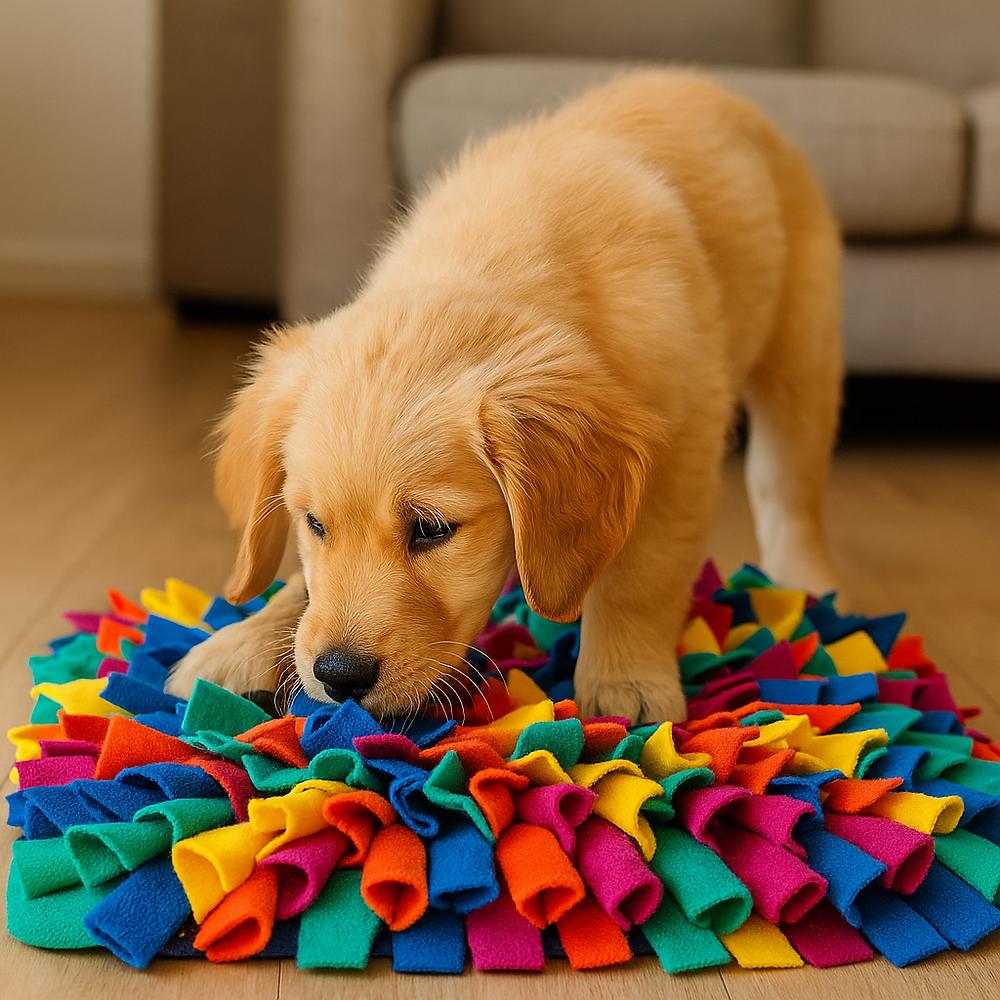
A snuffle mat turns a regular meal into a sniffing project. I use these often because sniffing is a natural behaviour and many puppies find searching calming. Foraging changes the pace from gulping to exploring.
Scatter food lightly at first. If your puppy digs wildly, grabs fabric, or becomes frustrated, make the game easier. Snuffle mats and similar scent activities are widely used to encourage natural searching behaviours.
Hide-and-Seek Games for Puppies
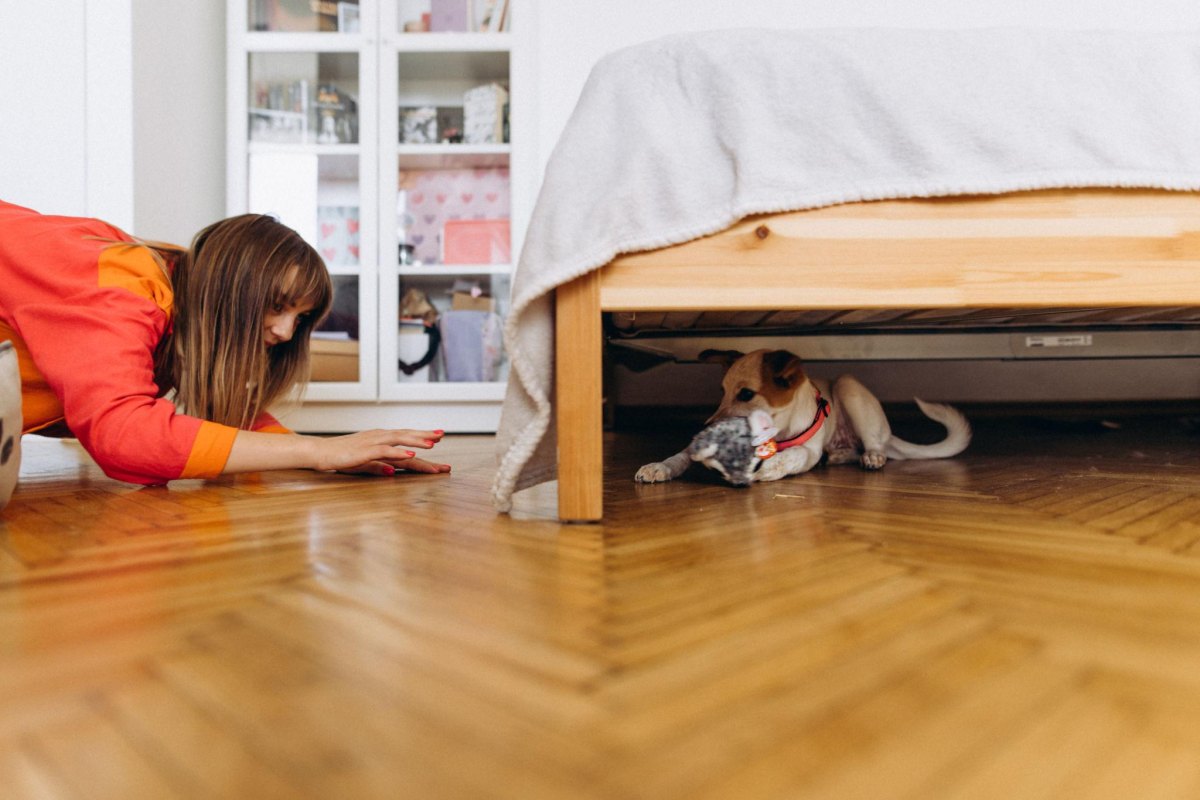
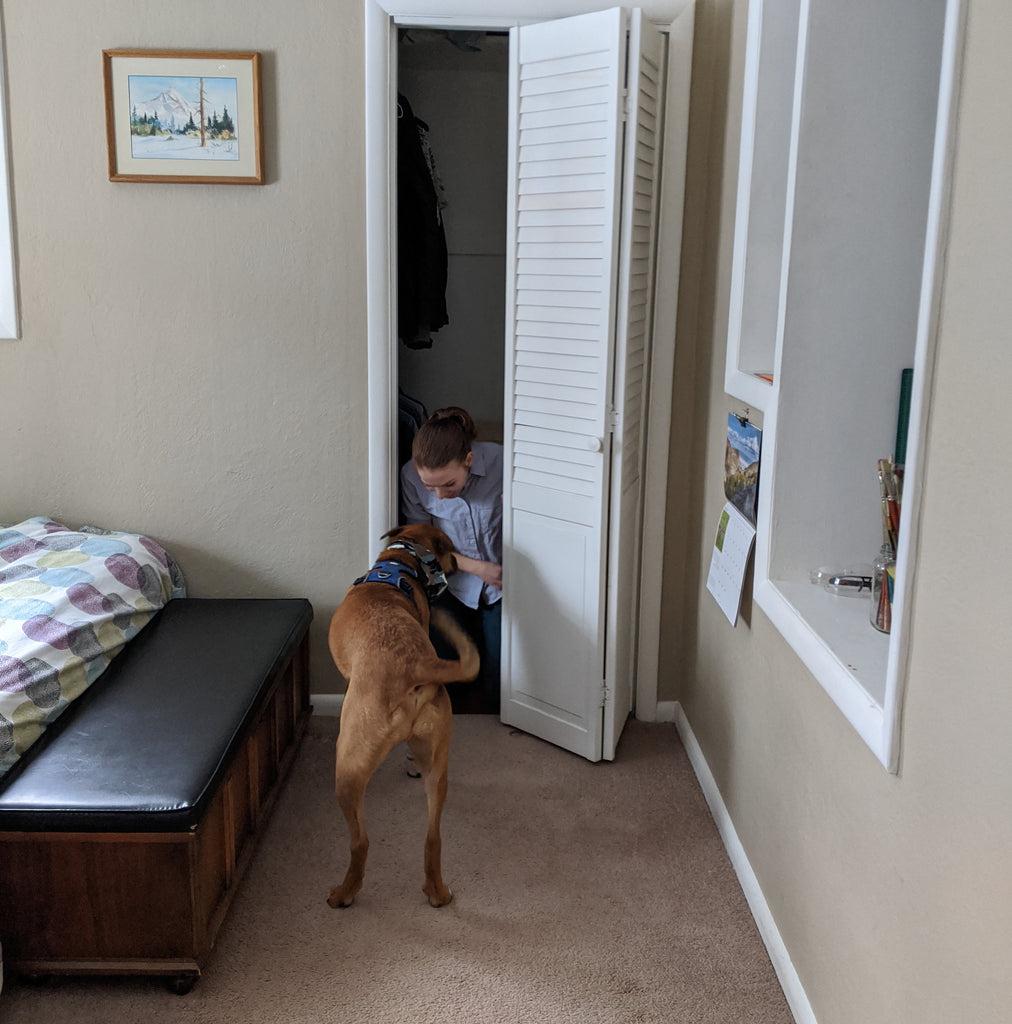
Hide-and-seek is one of my favourite living-room games because it builds a puppy’s habit of checking in with you. Begin with easy hiding spots and celebrate when your puppy finds you. Recall starts with relationship, not just a word.
Keep this game playful. If your puppy struggles, shorten the distance and make your hiding places obvious.
Training Games That Build Focus and Confidence
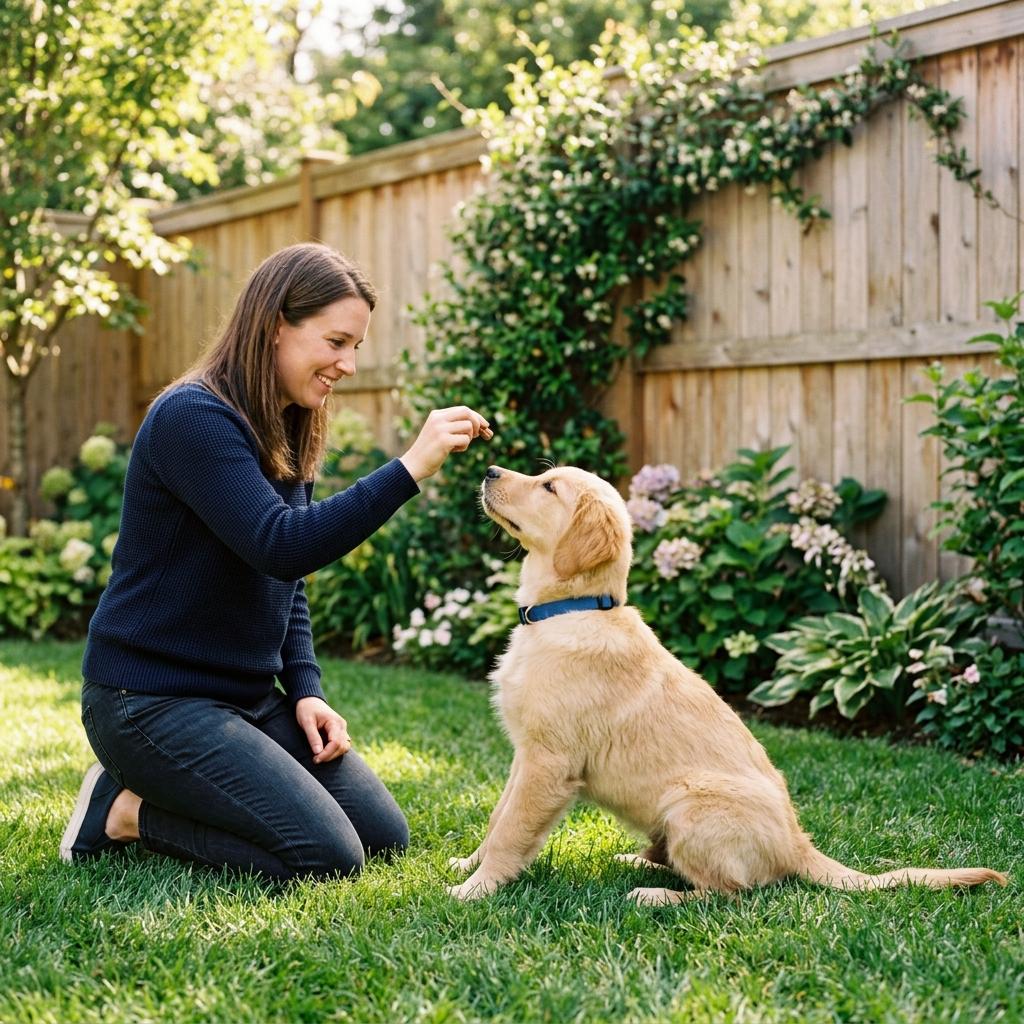
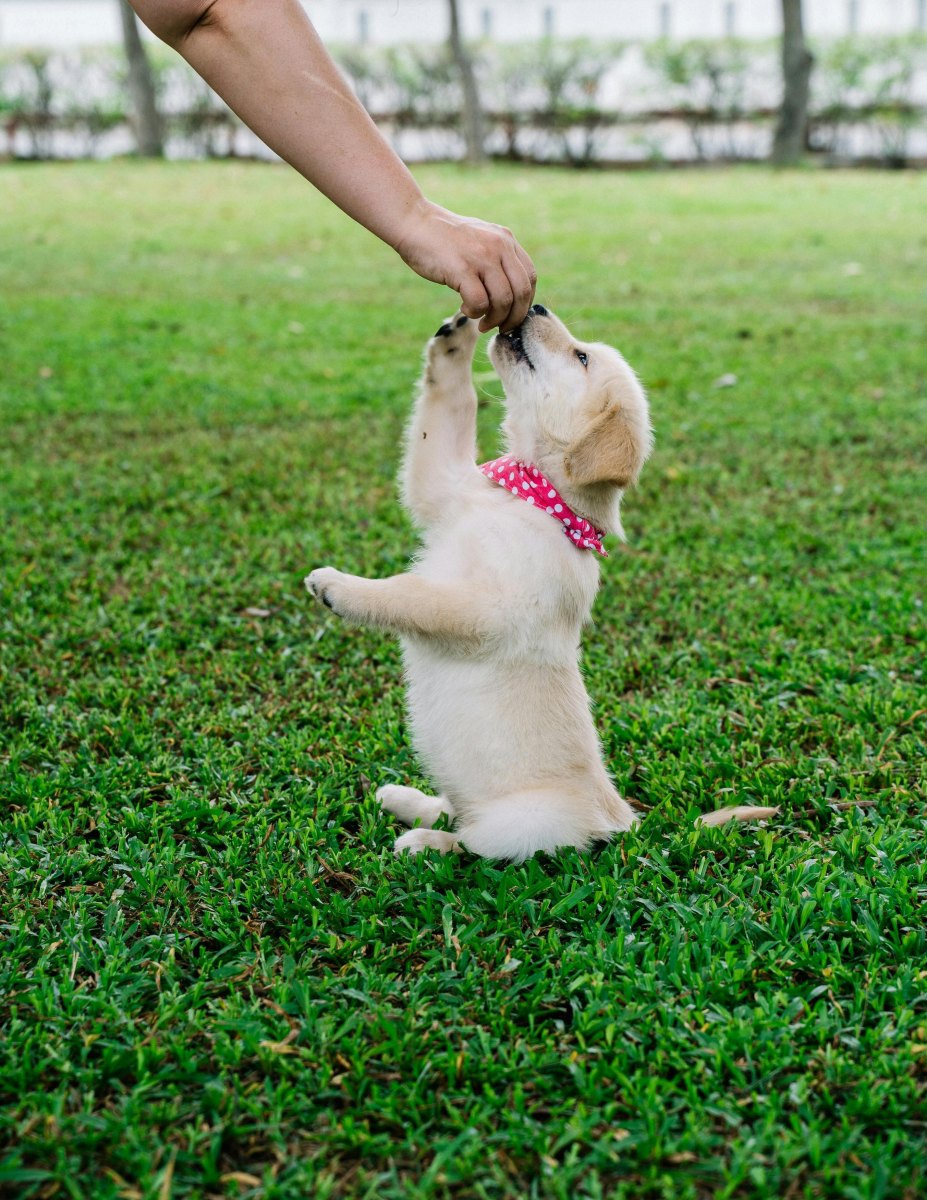
Training does not need to look like a formal lesson. I often use thirty-second games: name response, hand targeting, sitting politely, or finding a treat. Small wins create confidence faster than long frustrating sessions.
My rule is simple: stop while the puppy still wants another turn. Reward-based training helps puppies learn without adding fear or pressure.
DIY Treat Dispensers and Homemade Enrichment Toys
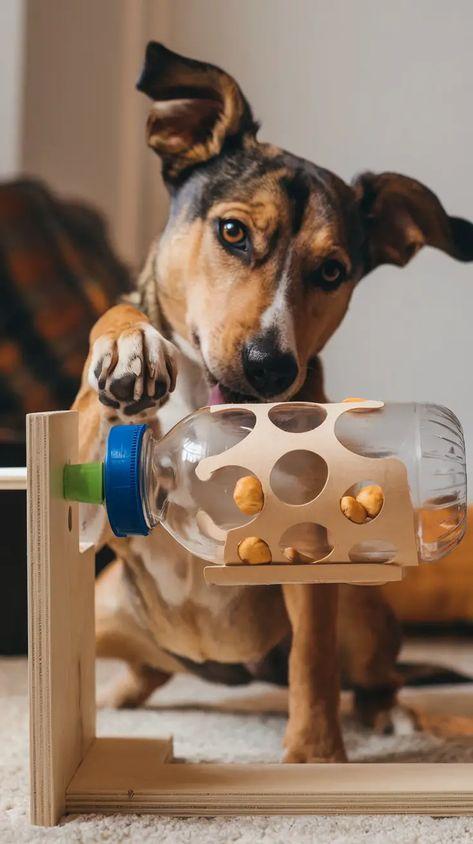
You do not need a cupboard full of expensive gear. I have used cardboard boxes, safe paper packing, and supervised homemade games with many clients. Simple enrichment works when it matches the puppy in front of you.
Always supervise homemade toys. Remove anything that starts shredding into pieces your puppy could swallow.
Scent Games to Develop a Puppy’s Nose Skills
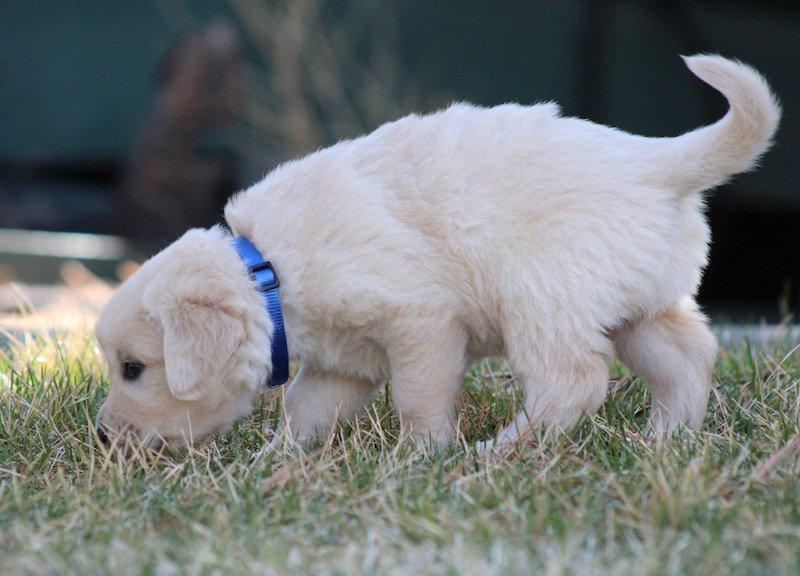
Your puppy’s nose is an incredible tool. Hide treats around one room, create a simple trail, or let your puppy investigate safe outdoor smells. Scent work encourages thoughtful behaviour because the puppy controls the pace.
Sniffing games are especially useful for puppies who need calmer activities instead of constant physical excitement.
Food-Dispensing Toys for Independent Play
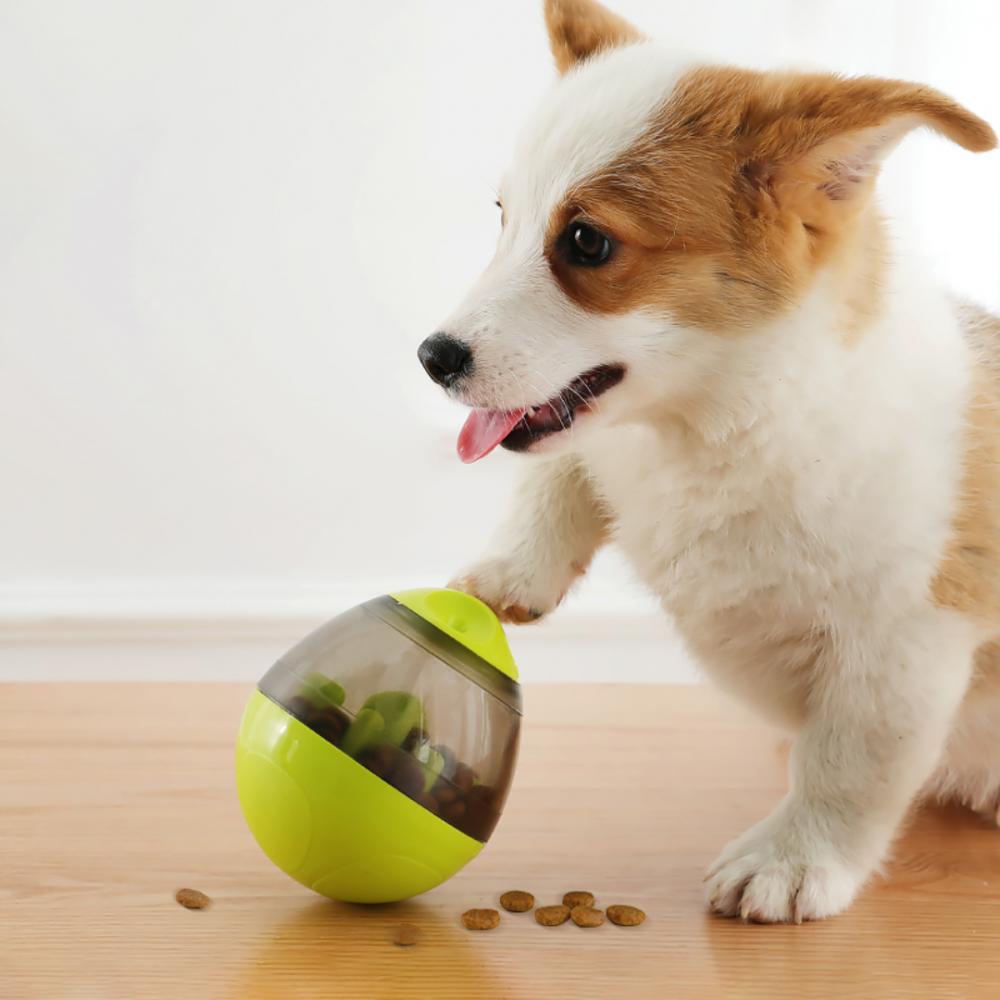
Food-dispensing toys can help puppies practise being happily occupied. I introduce them when the puppy is already comfortable, not as a way to ignore distress. Independent play is a skill that develops gradually.
If your puppy cannot settle alone, destroys toys, or panics when separated, that is a different conversation requiring a careful plan.
Outdoor Exploration Walks With New Experiences
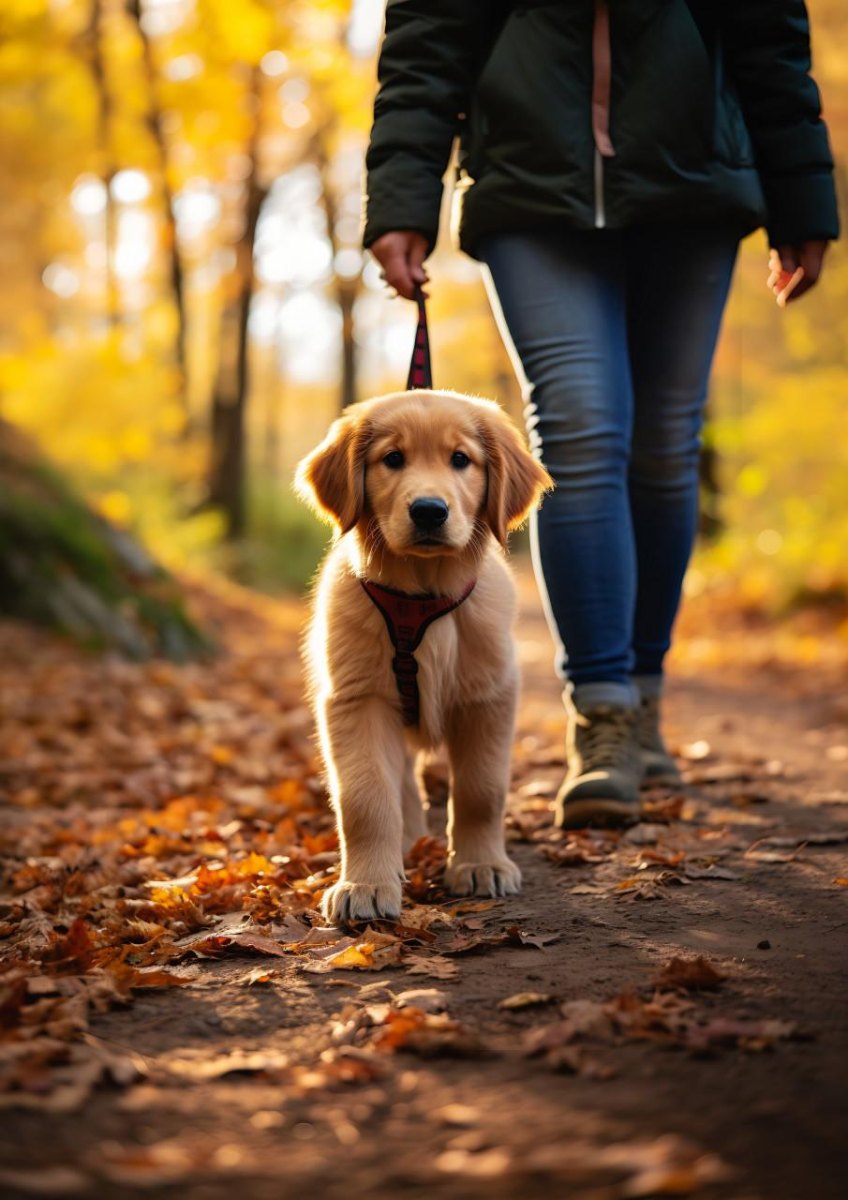
A walk is not only about distance. I would rather see a puppy spend ten minutes sniffing safely than drag through a stressful mile. Quality exposure matters more than checking off a route.
Watch body language: tight mouth, freezing, tucked tail, or repeated lip licking tell me the puppy needs more space or a slower introduction.
Puppy Obstacle Courses for Physical Enrichment
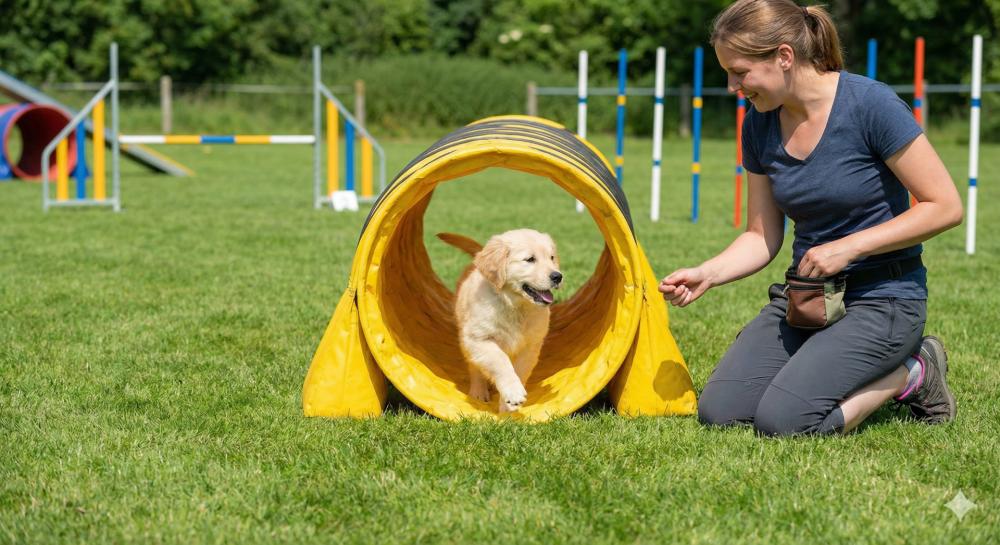
A homemade obstacle course can include stepping over a broomstick, walking around cones, or climbing onto a stable platform. Body awareness grows through play, not pressure.
Keep surfaces safe and avoid repetitive jumping, especially with young puppies whose bodies are still developing.
Socialization Activities With People and Dogs
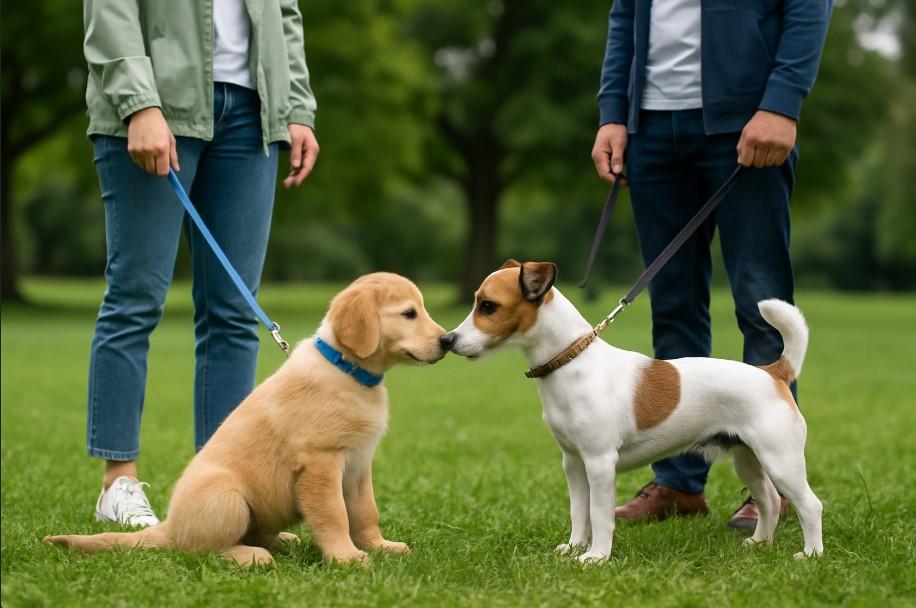
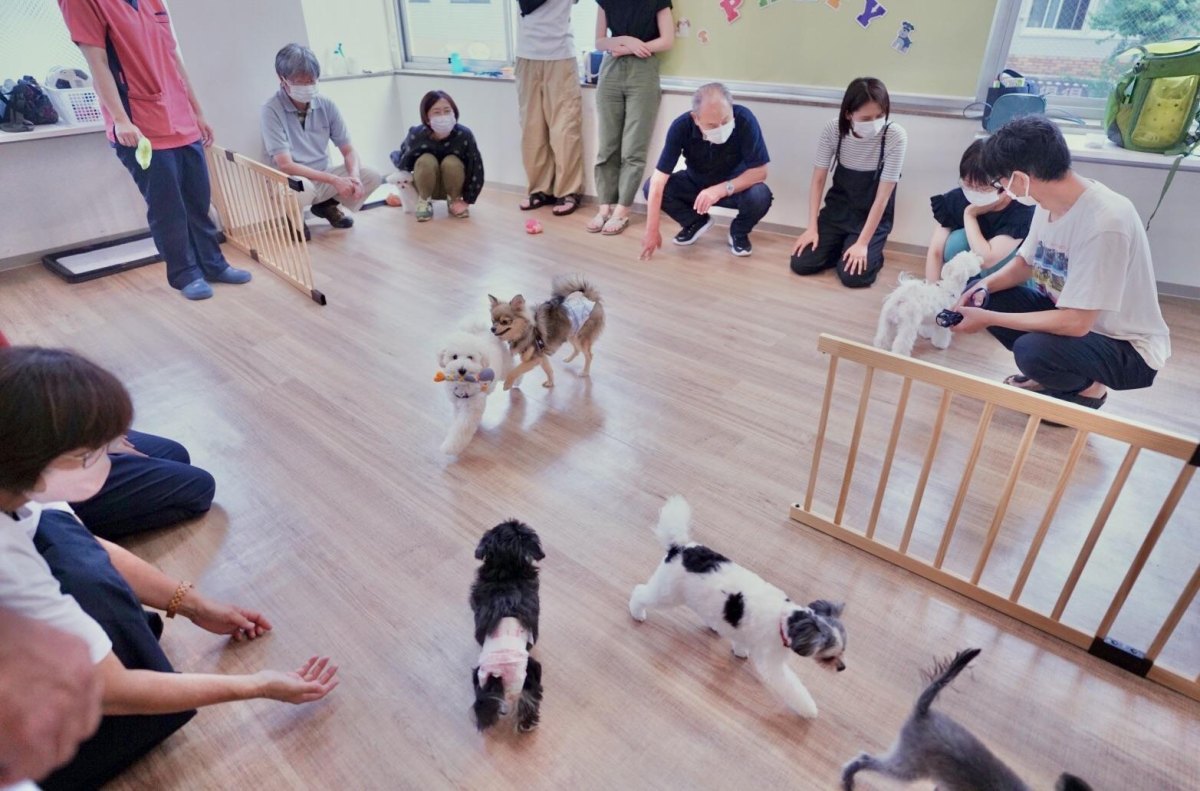
Good socialization is not forcing every puppy to greet everyone. I want puppies to observe the world and feel safe. Positive exposure builds resilience when the puppy has choice and distance.
A puppy who looks away, backs up, or freezes is communicating. I listen before asking for more.
Water Play Ideas for Warm Weather Fun
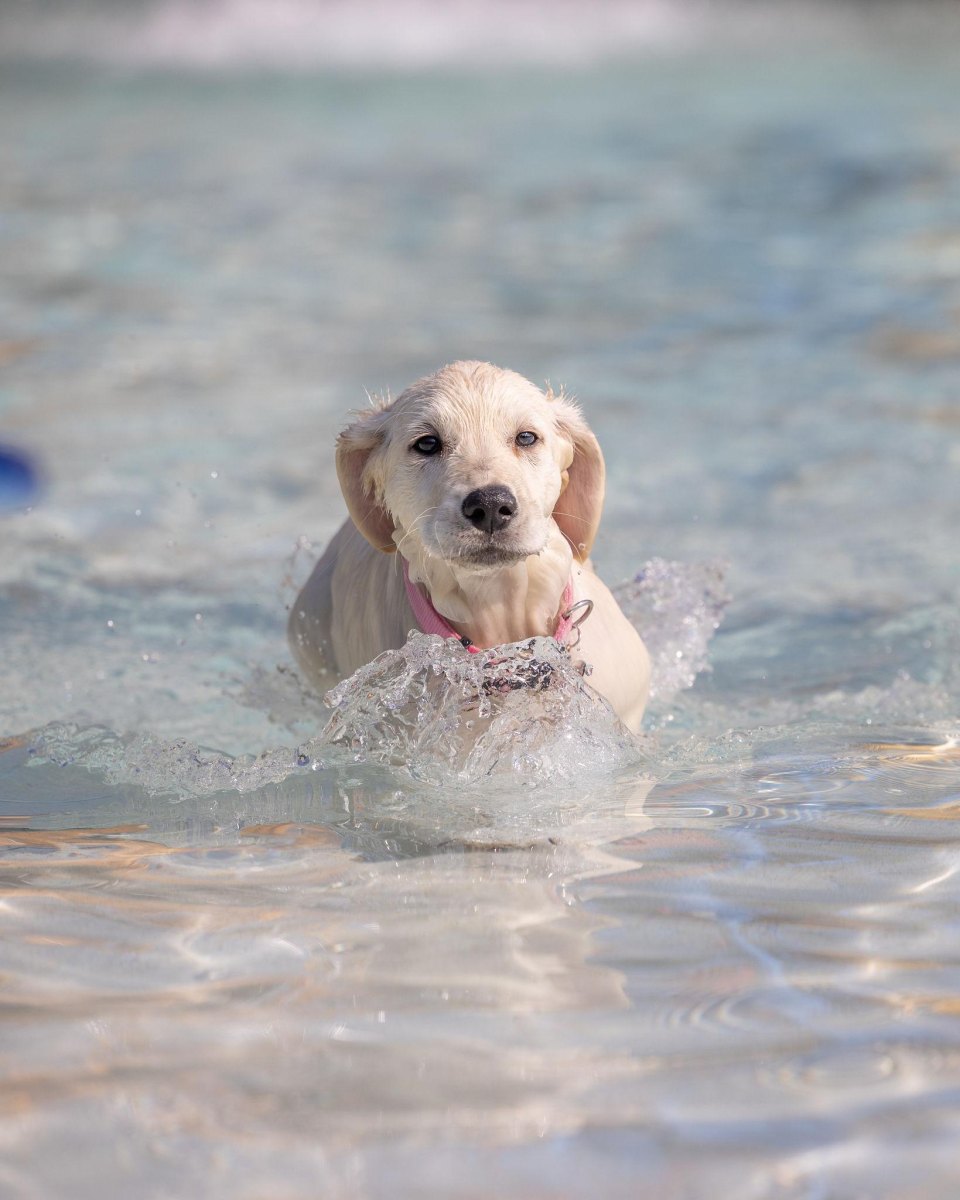
Some puppies love water, others look at a sprinkler like it is a suspicious alien. I let the puppy decide. Choice keeps play enjoyable.
Use shallow water, supervise closely, and stop if your puppy appears worried or overwhelmed.
Tug Games for Bonding and Exercise
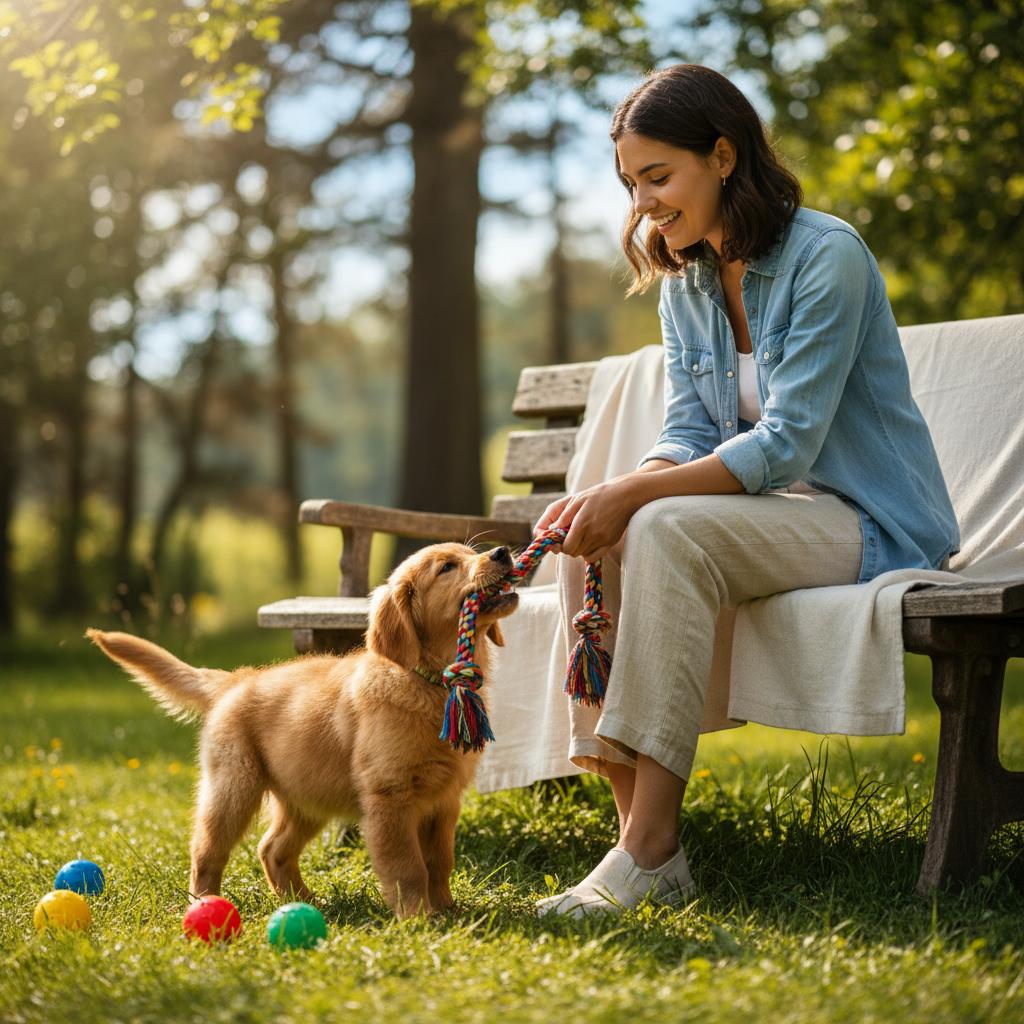
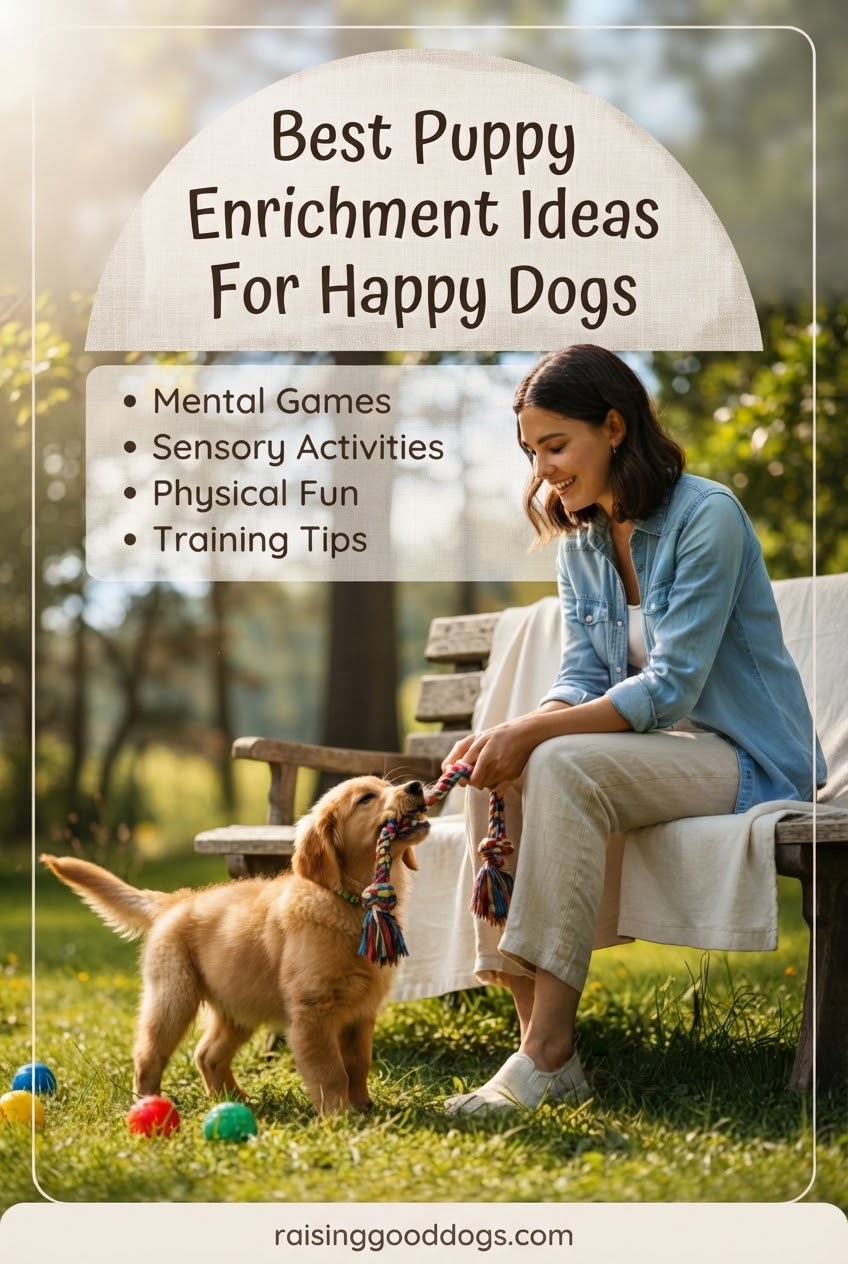
Tug is not a dominance contest. It is a game with rules, and it can be a wonderful way to connect. Structured play teaches cooperation when puppies learn pauses and releases.
I teach families to keep the game predictable: start, play, pause, and finish.
Fetch Variations to Keep Puppies Engaged
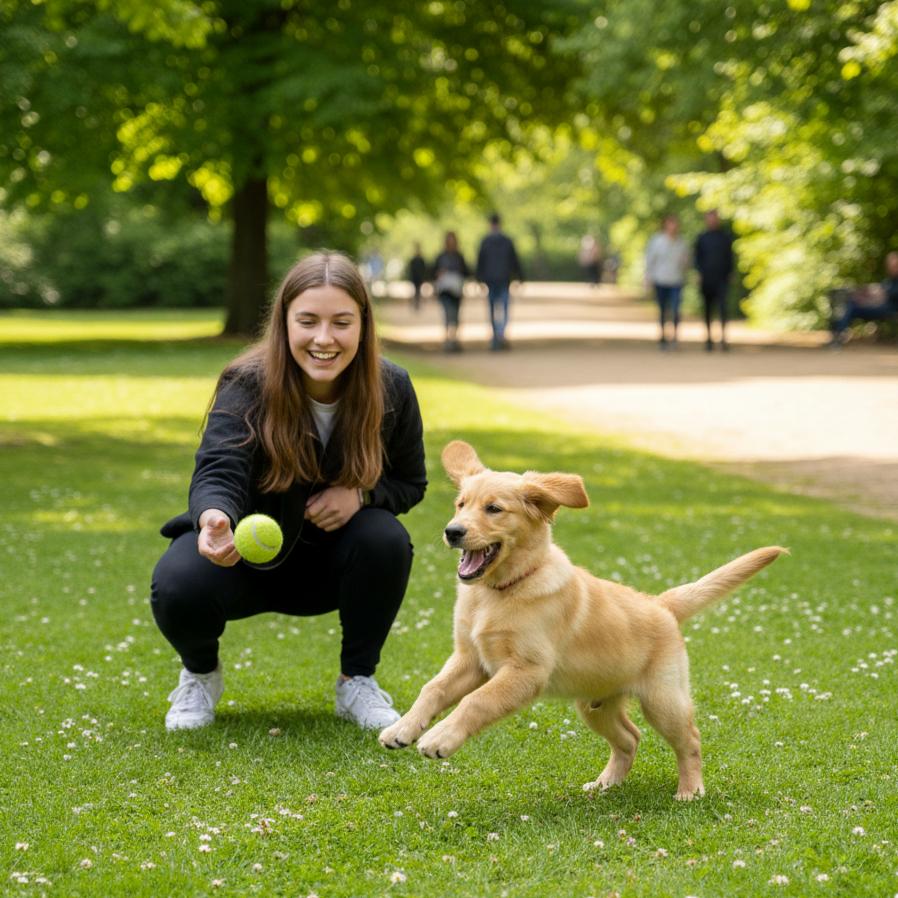
Traditional fetch is only one option. Try rolling a toy, changing directions, or asking for a simple behaviour before the throw. Variety prevents boredom.
For puppies who become frantic around balls, I reduce intensity and add calmer games.
Relaxation Activities for Calm Puppies
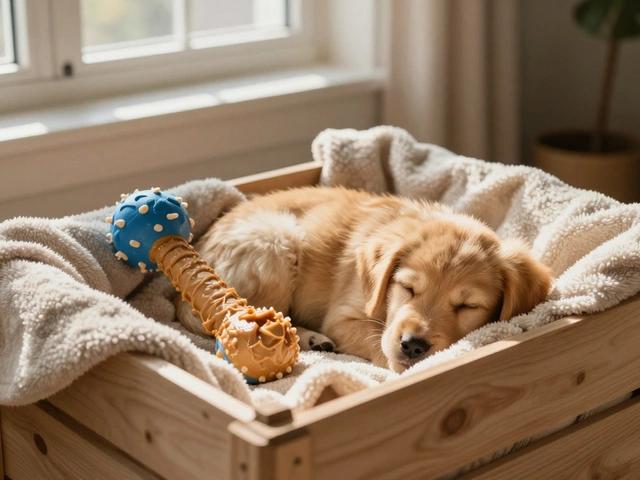
Learning to relax is enrichment too. Many puppies are tired but do not know how to switch off. Calm behaviour needs practice.
Try quiet chewing, a comfortable resting area, or rewarding your puppy when they choose to settle.
Rotation of Toys to Prevent Boredom
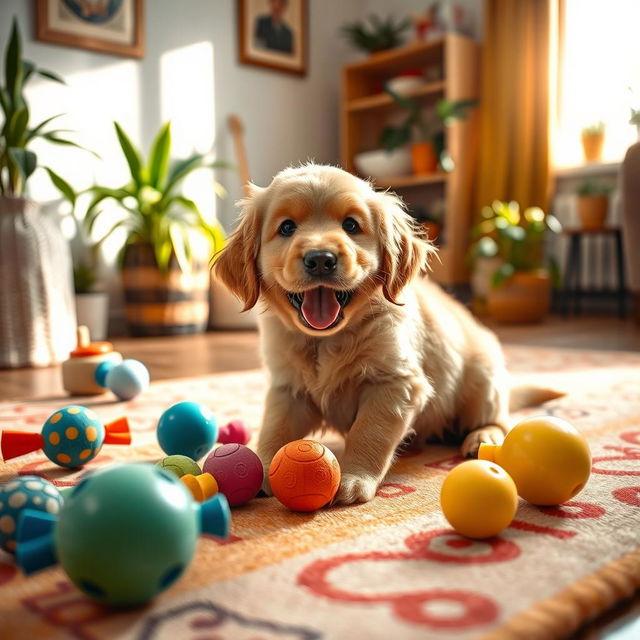
I do not leave every toy available every day. Rotating toys makes old items feel new again and helps puppies engage more thoughtfully. Less can create more interest.
Keep a few favourites available and swap others every several days.
Sensory Play With Different Textures and Sounds
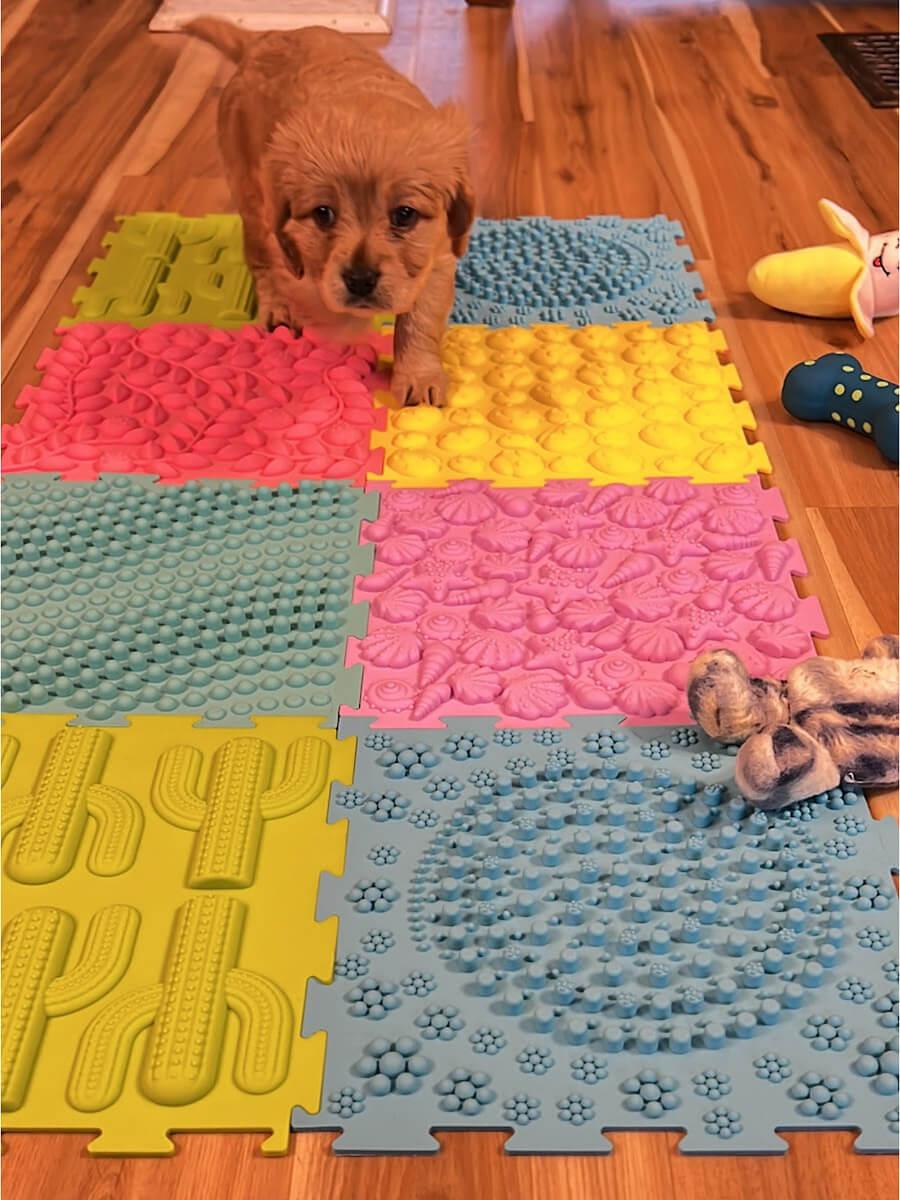
Sensory games introduce puppies to safe experiences: different surfaces, sounds, and objects. Confidence grows through gentle discovery.
Never force interaction. A puppy choosing to investigate is learning; a puppy being trapped with something scary is not.
Frozen Treat Enrichment for Long-Lasting Entertainment
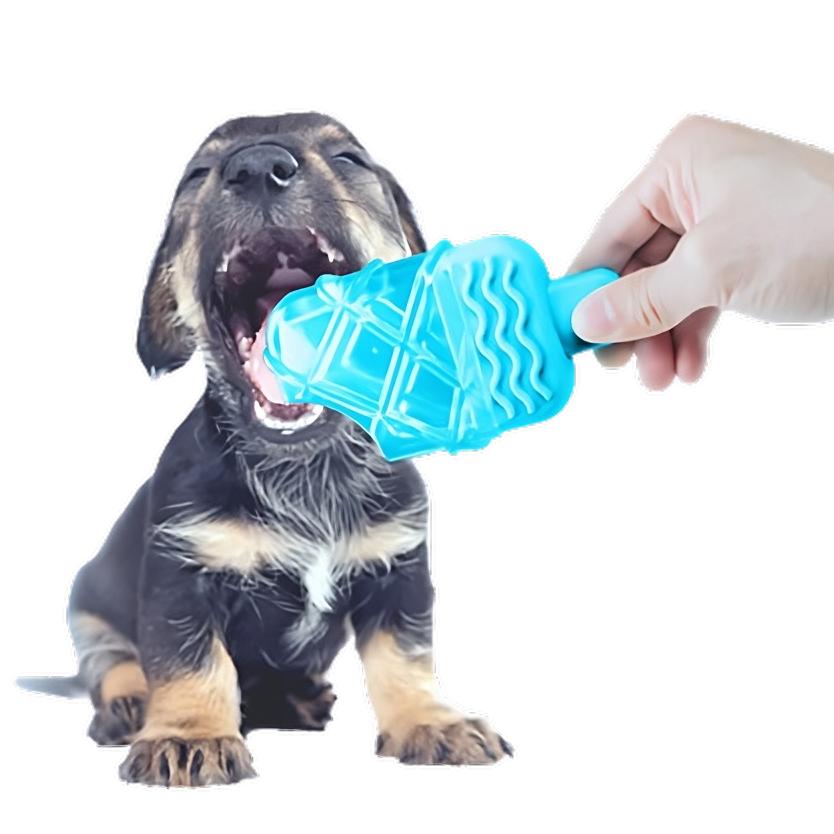
Frozen food toys can stretch out a puppy’s licking and chewing time. I use these as one option among many, not as a replacement for interaction. Longer engagement comes from appropriate challenge.
Choose safe ingredients approved for your puppy’s diet and supervise until you know how they handle the item.
Interactive Play Sessions to Strengthen Your Bond
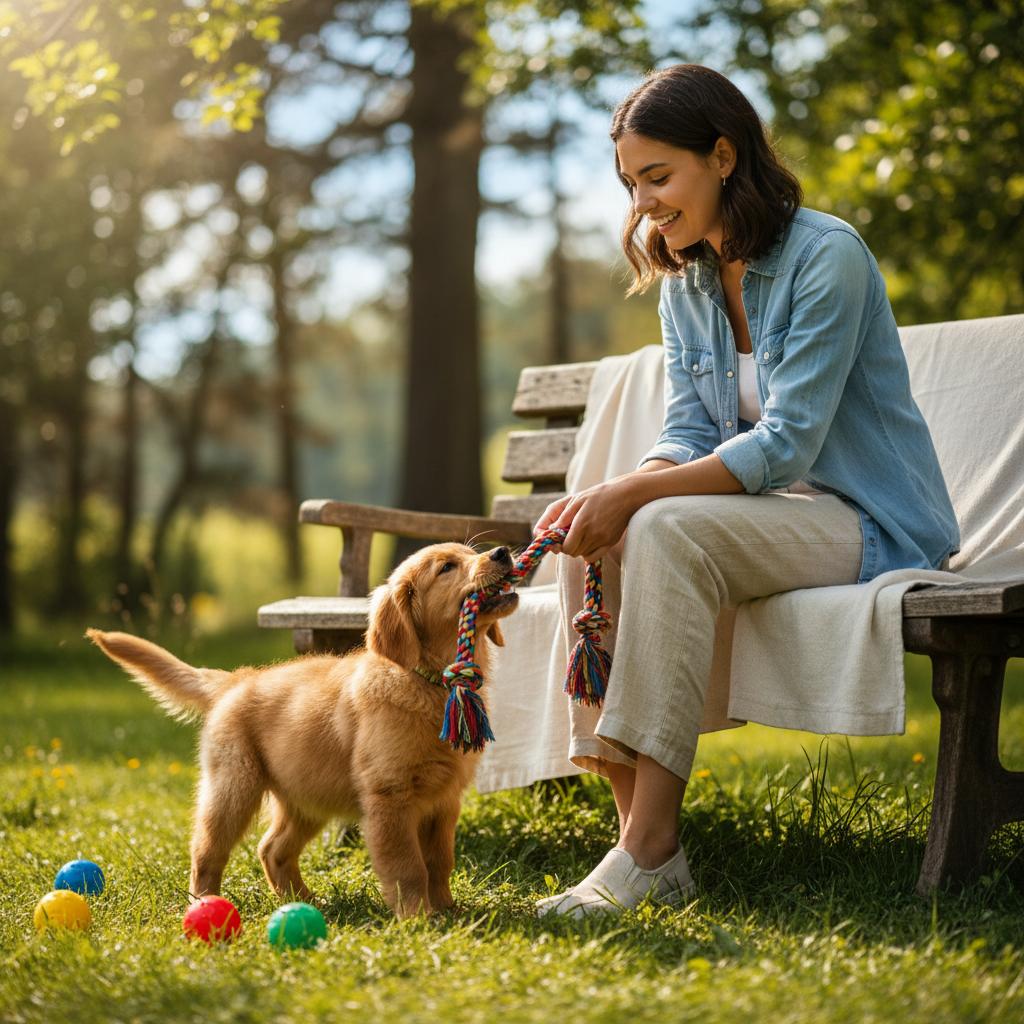
The best enrichment often includes you. A few minutes of tug, training, sniffing, or gentle play can mean more than a pile of toys. Connection is enrichment.
I see this repeatedly with clients: puppies settle better when they regularly get positive attention that meets their needs.
Brain Games for Keeping Puppies Mentally Active
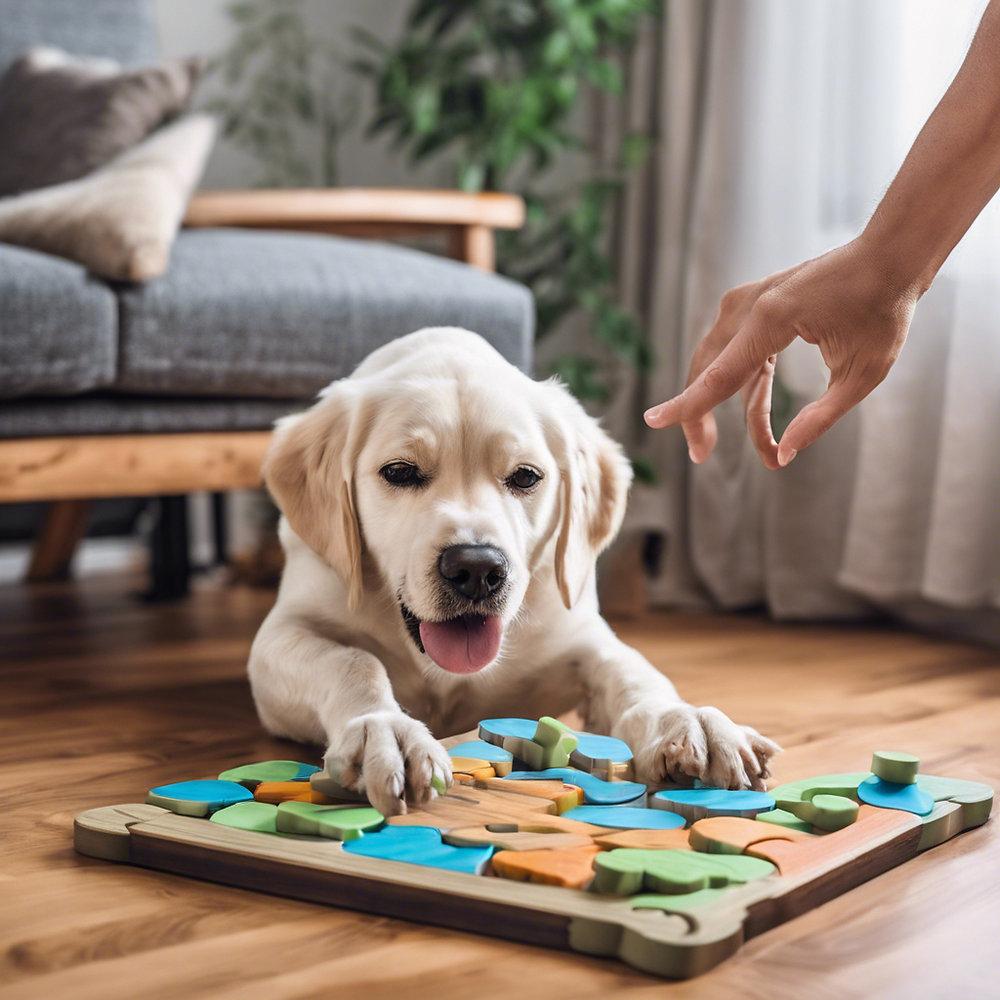
Brain games do not need to be complicated. Finding hidden treats, choosing between options, and learning tiny skills all exercise the puppy’s mind. Mental work creates balance.
Remember that puppies also need sleep. A tired puppy is not always a puppy who needs more activity; sometimes they need a quiet corner and a nap.
More Pinterest Visuals