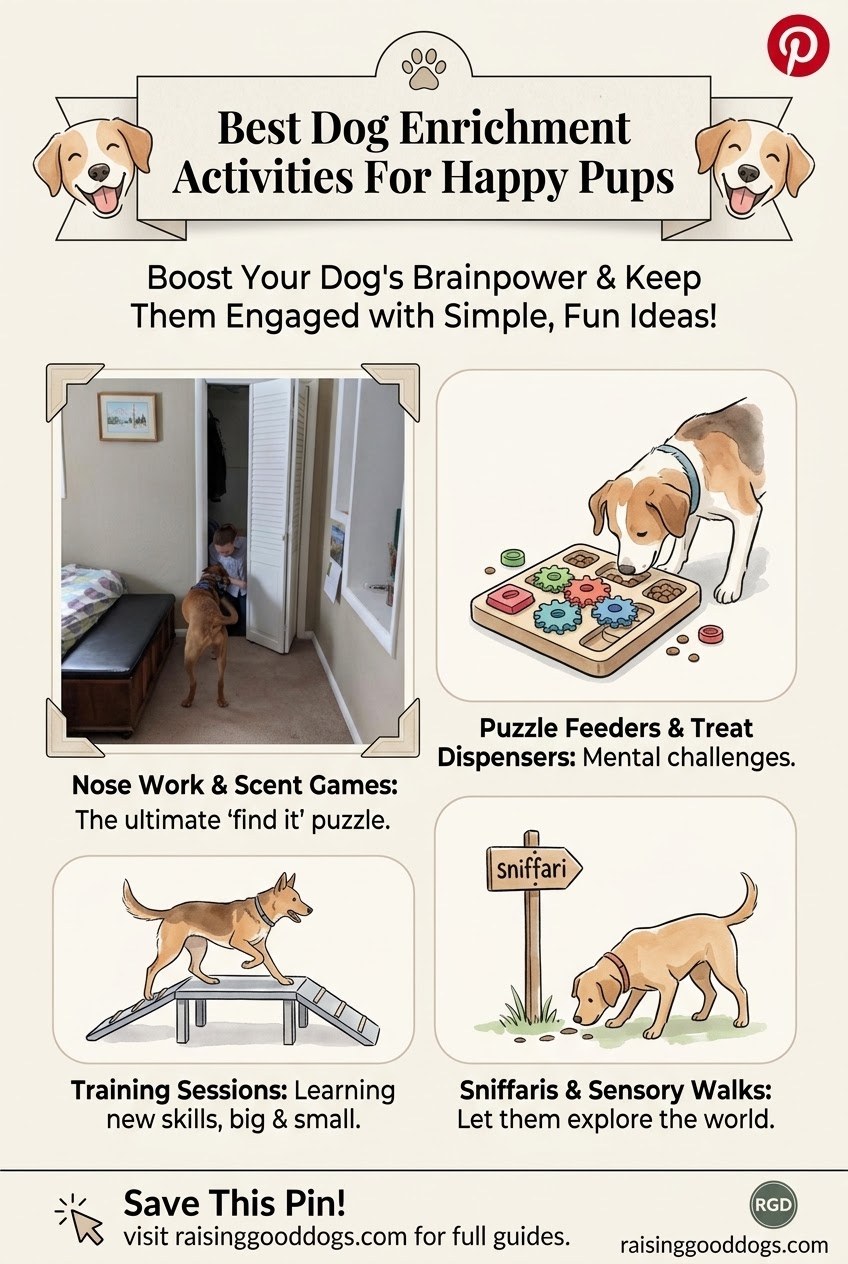
The dog who is pacing the kitchen at 8 p.m. is not always asking for more exercise. Sometimes that busy brain needs a job. I see this constantly with my clients: a dog can have a long walk and still come home looking for something else to do.
I use enrichment activities because they let dogs sniff, solve problems, chew, explore, and make choices safely. The goal is not to tire a dog into exhaustion. It is to give them appropriate outlets so everyday life feels more satisfying.
What I look for in good enrichment
- Activities that match the dog's age, health, and confidence level
- Opportunities for natural behaviours like sniffing and searching
- Simple setups owners can actually repeat on a busy Tuesday
Puzzle Feeders for Mental Stimulation
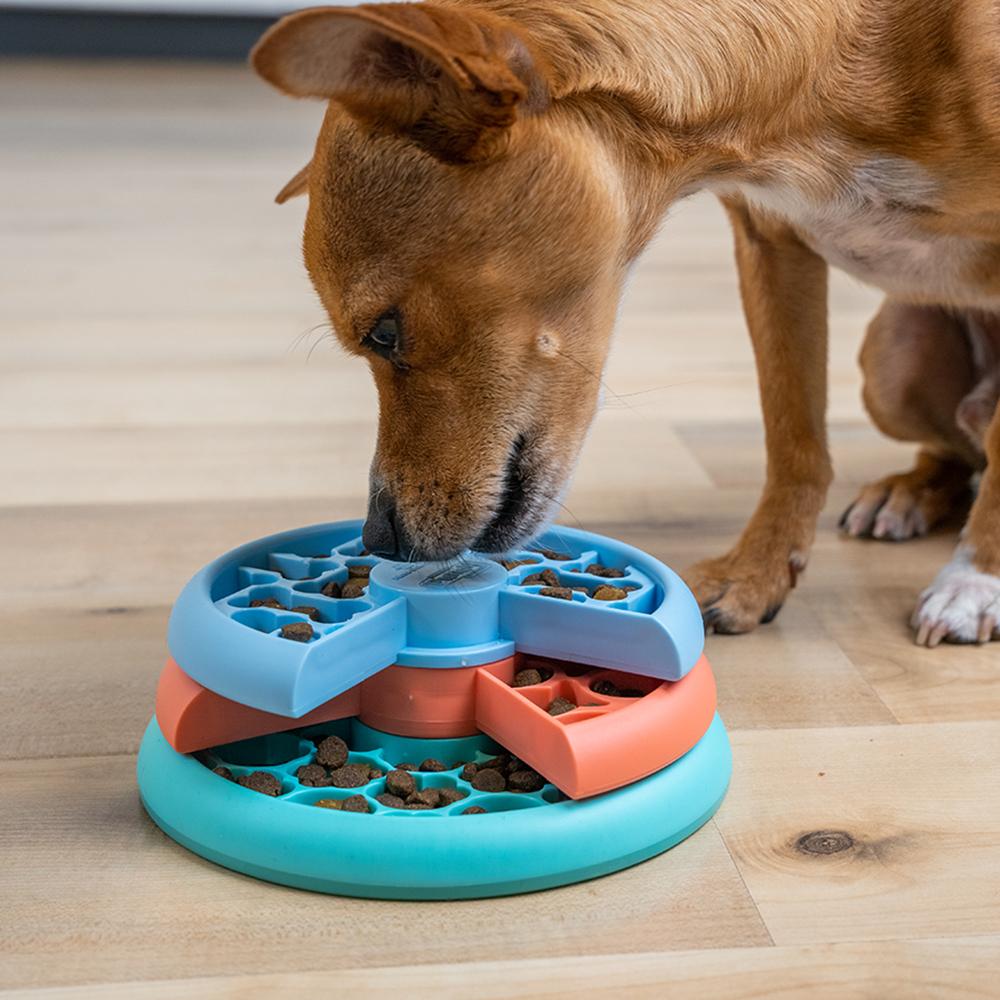
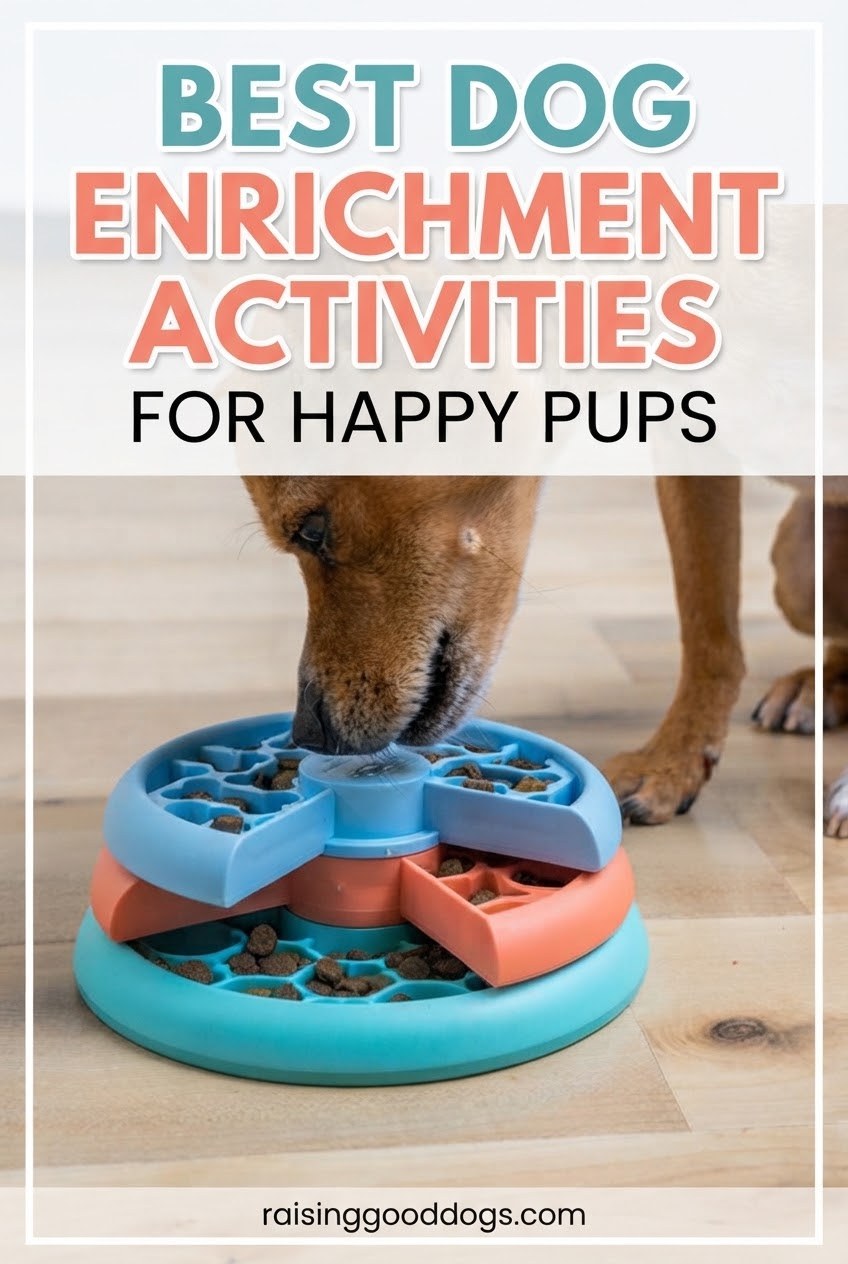
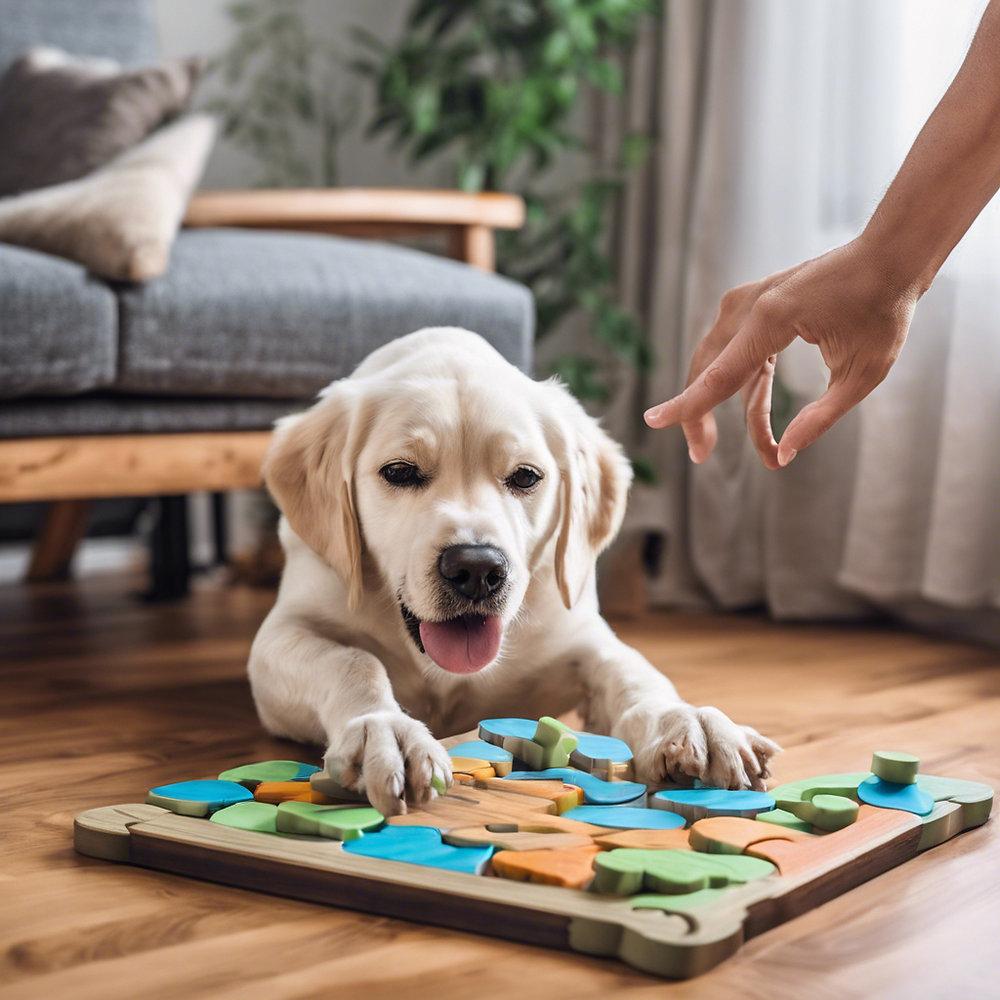
Puzzle feeders are one of my favourite starting points because they turn a meal into a thinking exercise. A dog that normally inhales dinner in thirty seconds can spend several minutes working through a problem instead.
I start easy and increase difficulty slowly. If your dog is pawing frantically, barking at the toy, or walking away, the puzzle may be too hard. Frustration is information, not a reason to push harder.
Trainer tip
Supervise new puzzle toys until you know how your dog uses them. Some dogs need encouragement to think; others need help slowing down.
Snuffle Mats for Natural Foraging
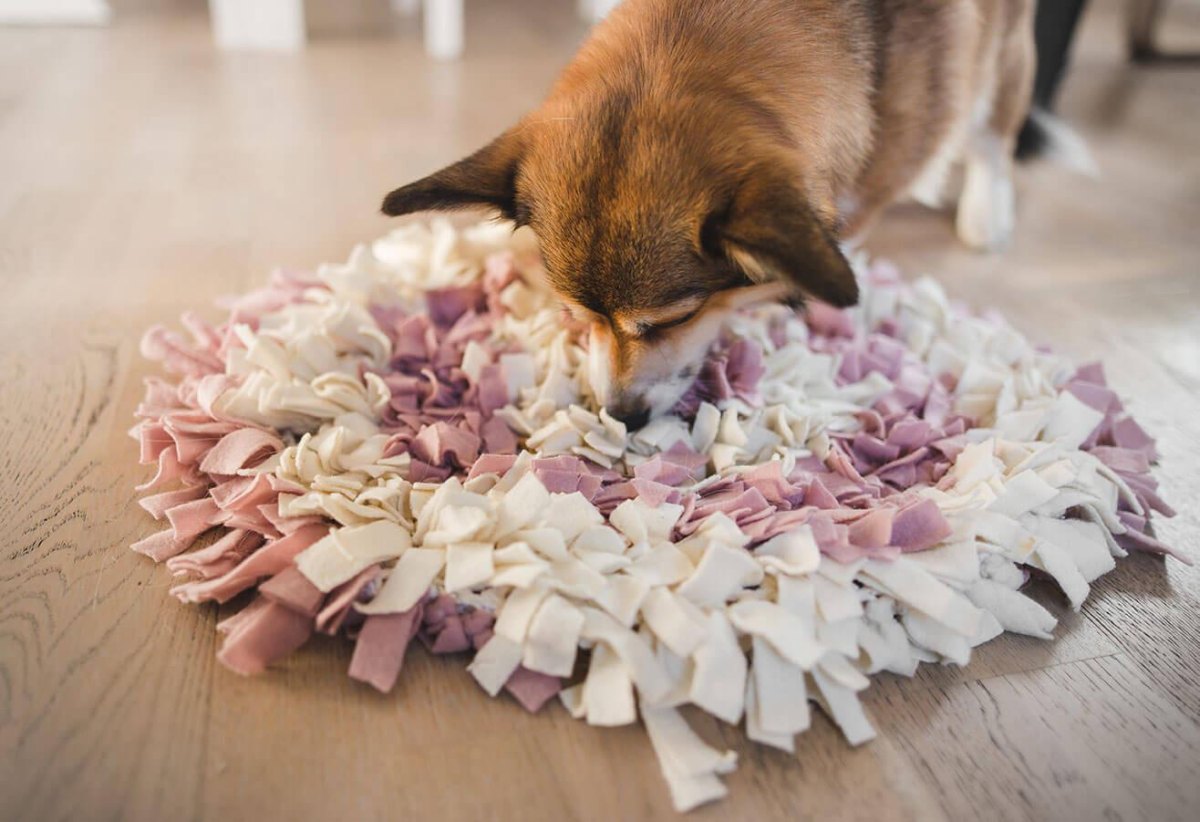
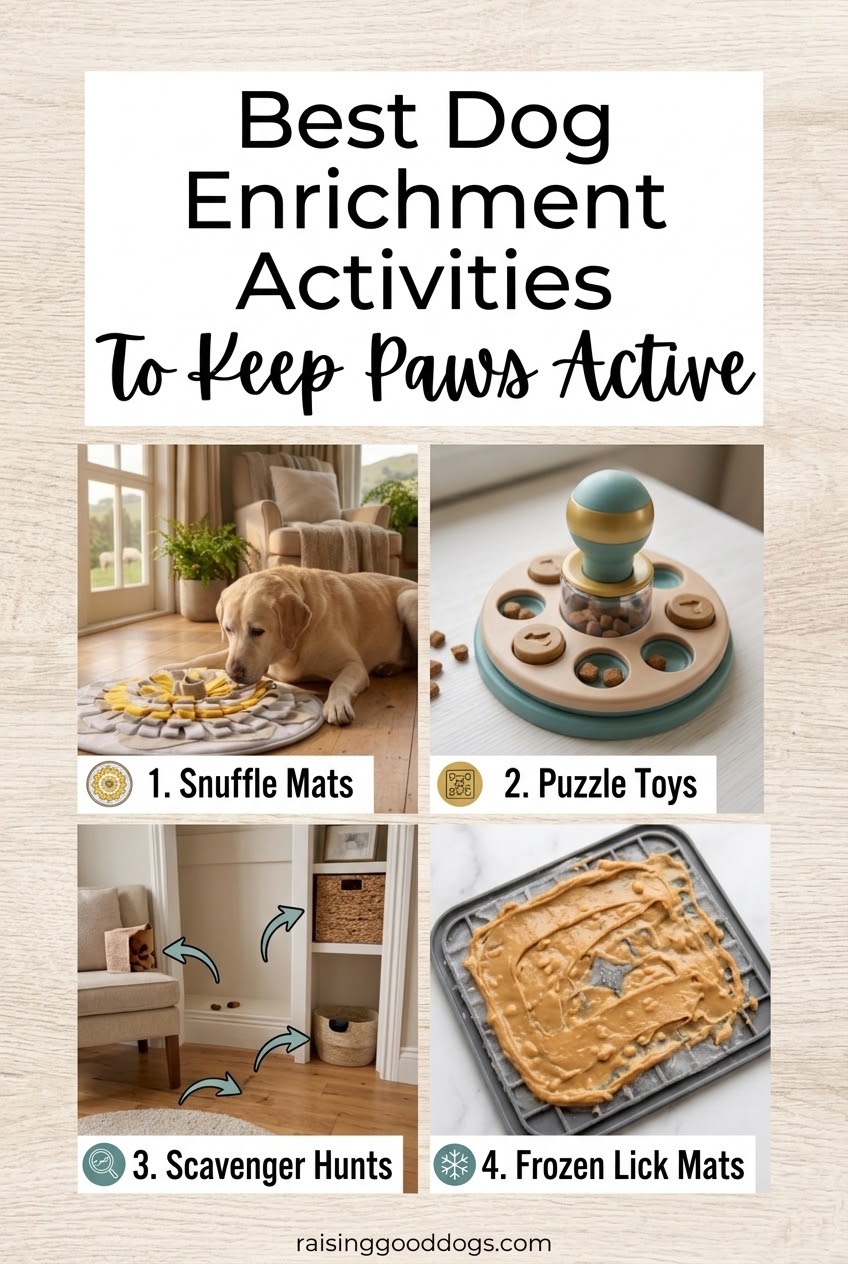
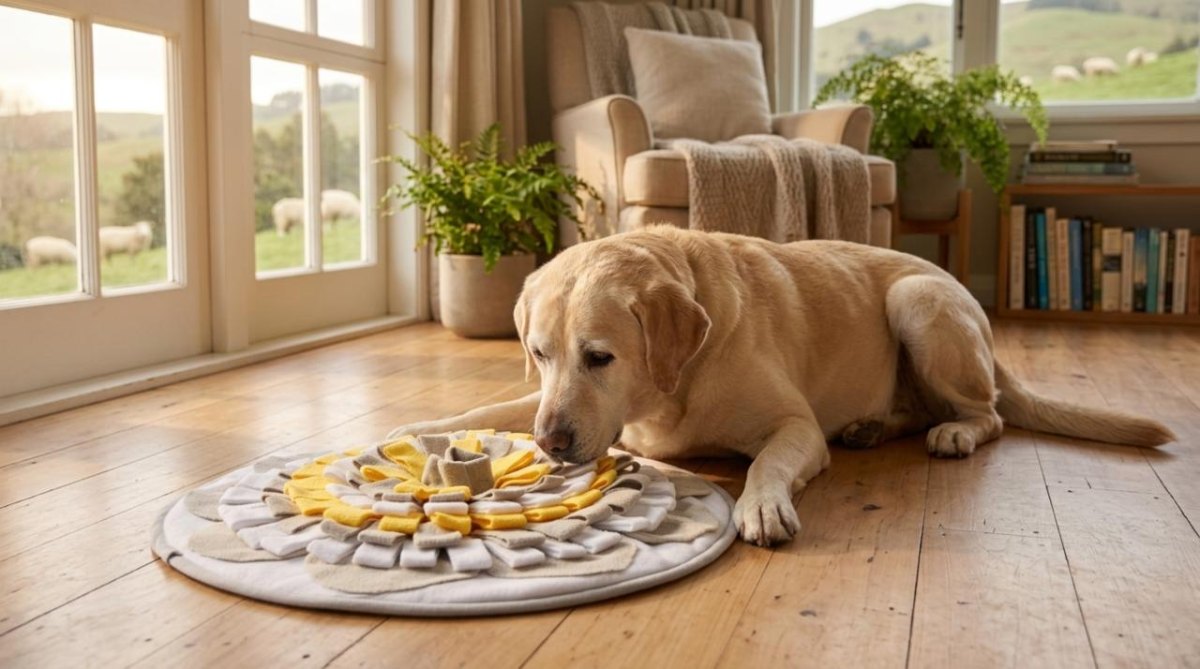
Snuffle mats tap into something dogs already know how to do: search with their nose. I often recommend them for dogs who need calmer activities because sniffing can be a wonderfully regulating behaviour.
Scatter part of your dog's meal into the mat and let them work. Nose-led exploration is especially useful for dogs who are easily overstimulated because it slows the pace down.
Interactive Treat Dispensing Toys
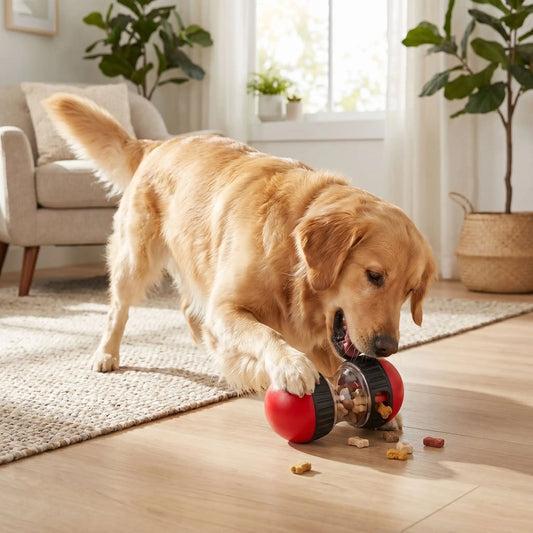
Treat dispensing toys give dogs a chance to experiment. They push, roll, and adjust their approach until food appears. I like activities where the dog feels successful rather than simply corrected.
Choose a toy that fits your dog's chewing style and supervise the first sessions. Safe problem solving matters more than making the game difficult.
Benefits
- Encourages independent play
- Creates a slower feeding routine
Things to watch
- Some dogs become frustrated quickly
- Not every toy suits heavy chewers
Hide-and-Seek Games at Home
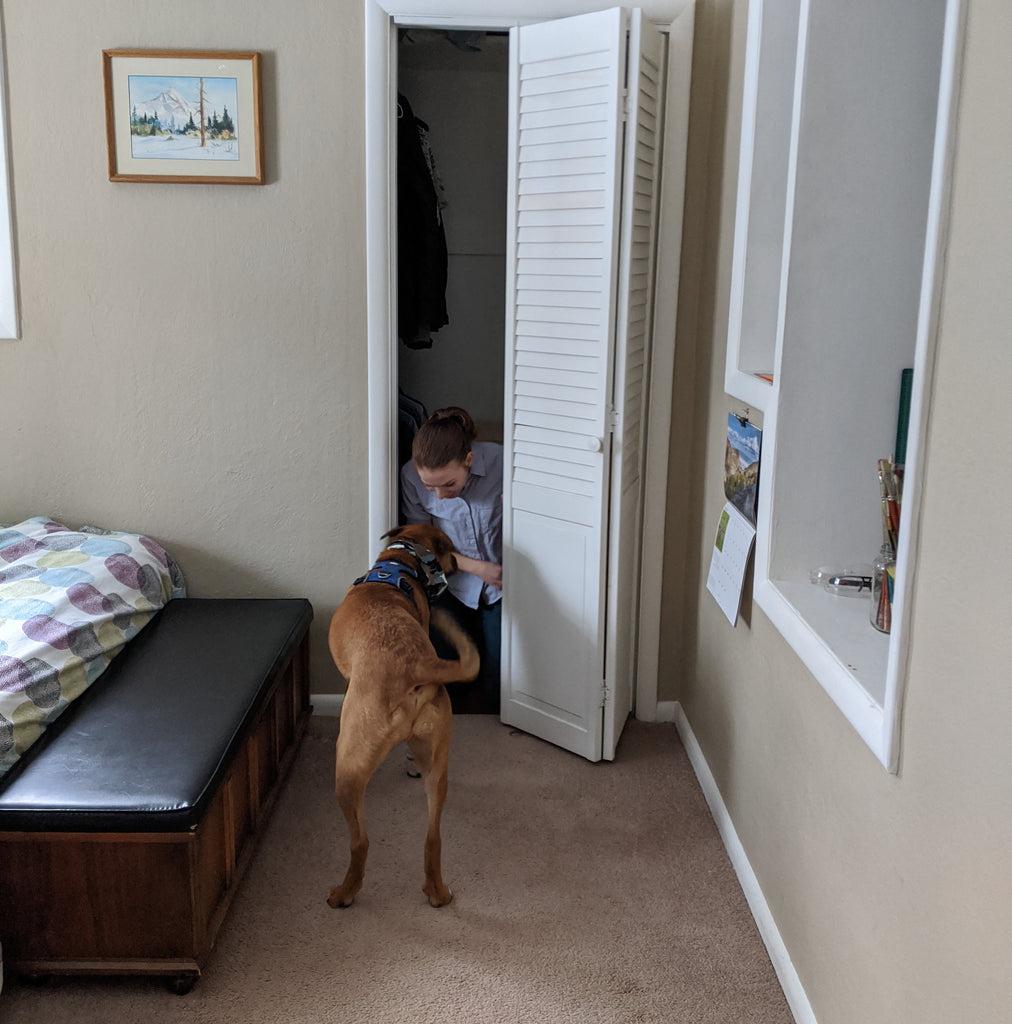
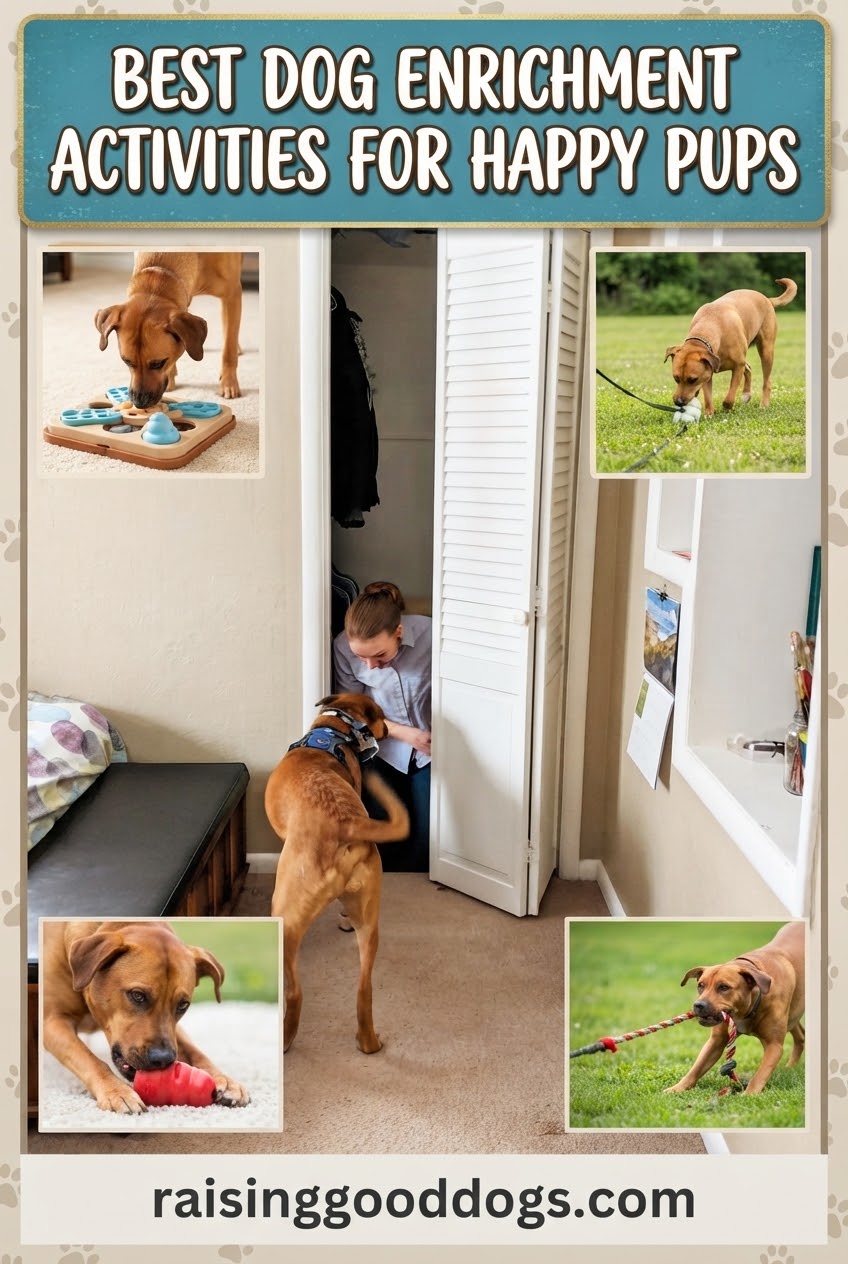
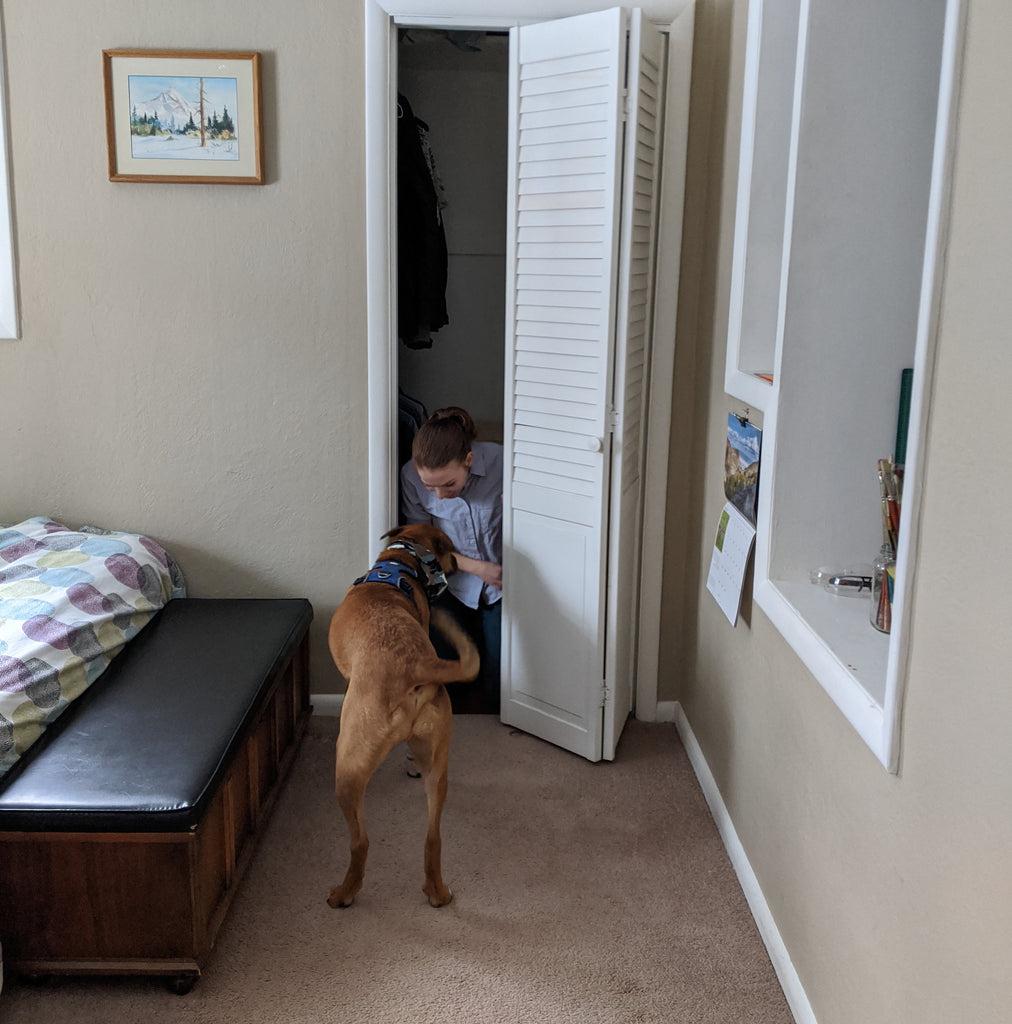
Hide-and-seek is a simple game that builds connection without needing much equipment. I hide behind a doorway or furniture and let the dog use their senses to find me.
Start in a quiet room before making it harder. Successful searches build confidence, especially for dogs who are unsure in new situations.
Scent Work and Nose Games
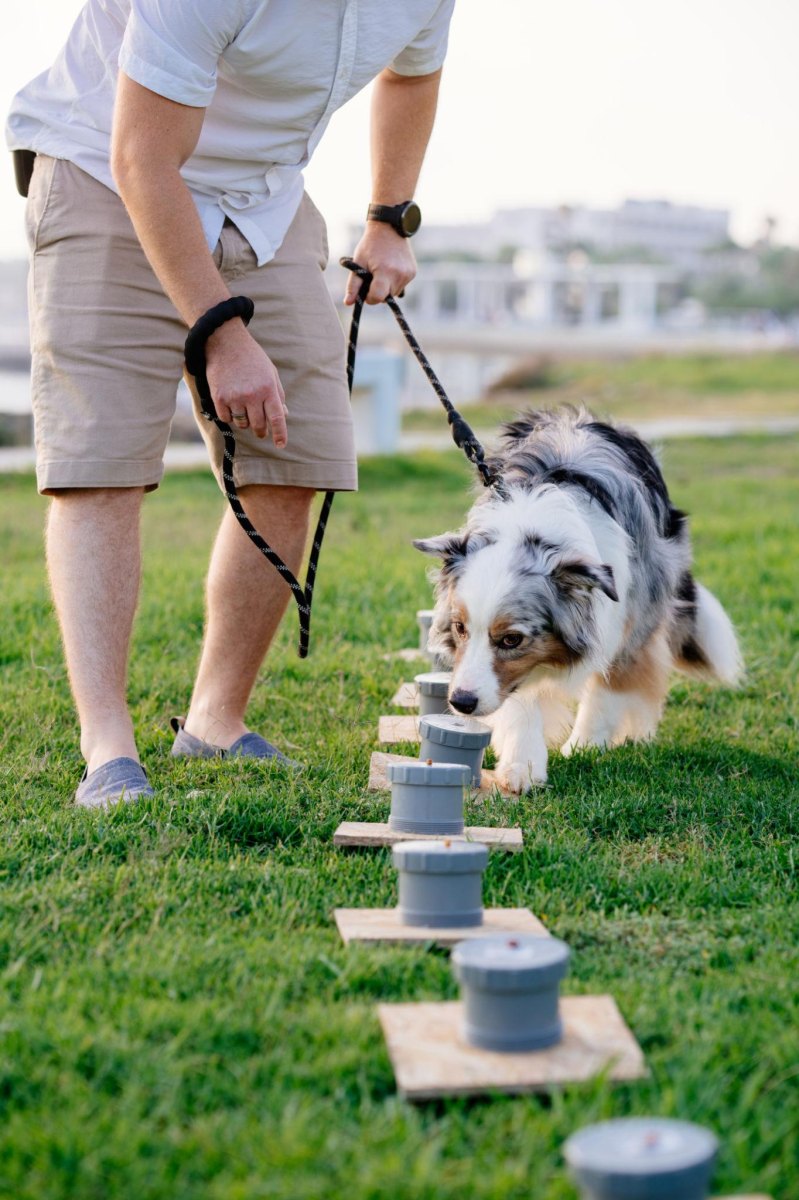
Scent work is one of the best examples of letting dogs be dogs. Their noses collect information all day, and structured searching gives that ability a safe outlet.
I teach beginners by hiding treats in easy locations first. Look for relaxed searching: soft eyes, normal breathing, and a loose body. Body language matters because the dog should be enjoying the game, not feeling pressured.
DIY Cardboard Enrichment Activities
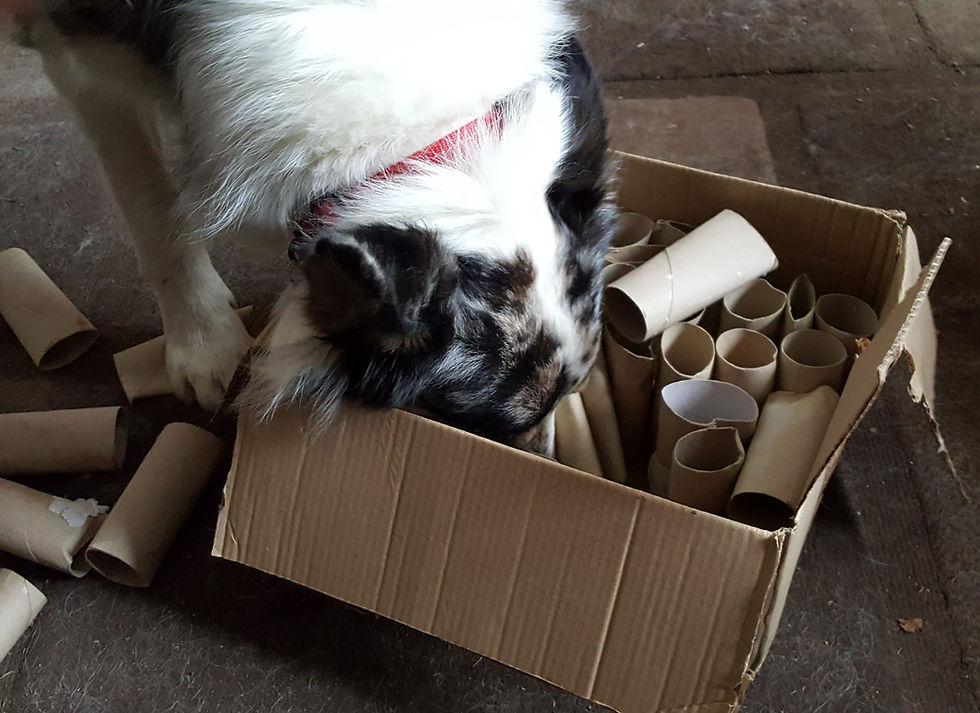
Cardboard boxes can become excellent enrichment with almost no cost. I have seen dogs enjoy shredding, searching, and investigating a simple box setup more than an expensive toy.
Remove tape, staples, and anything your dog may swallow. Simple materials work when they allow natural behaviours.
Frozen Treat Enrichment Ideas
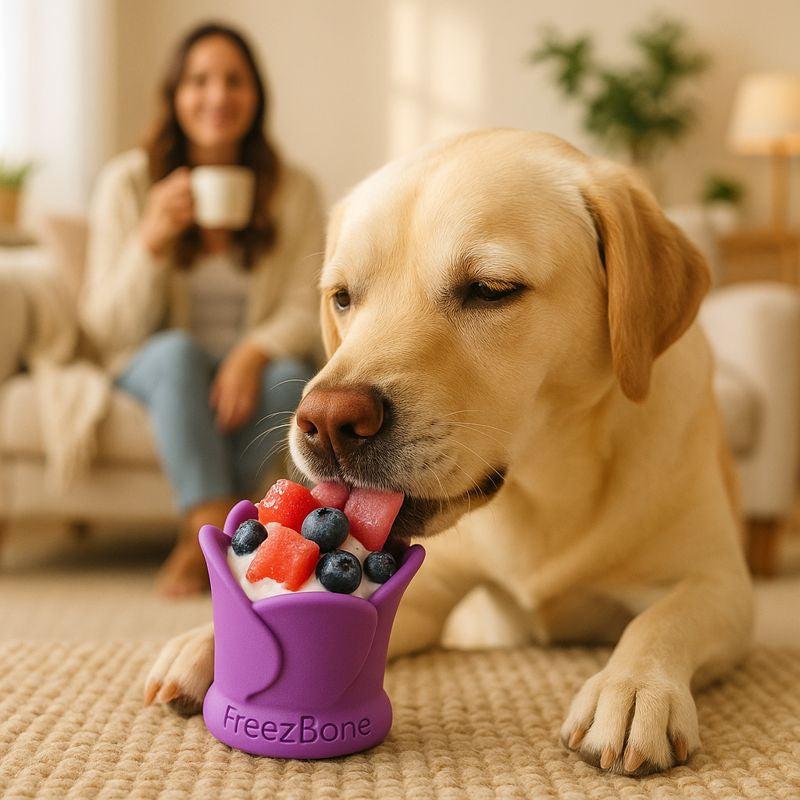
Frozen food toys can be useful on warm days or when you need a calm activity. The licking and slow eating often create a quieter moment for dogs who enjoy that type of engagement.
Always consider your dog's diet and health needs with your veterinarian. Individual suitability matters, especially for dogs with medical concerns.
Obstacle Courses for Dogs
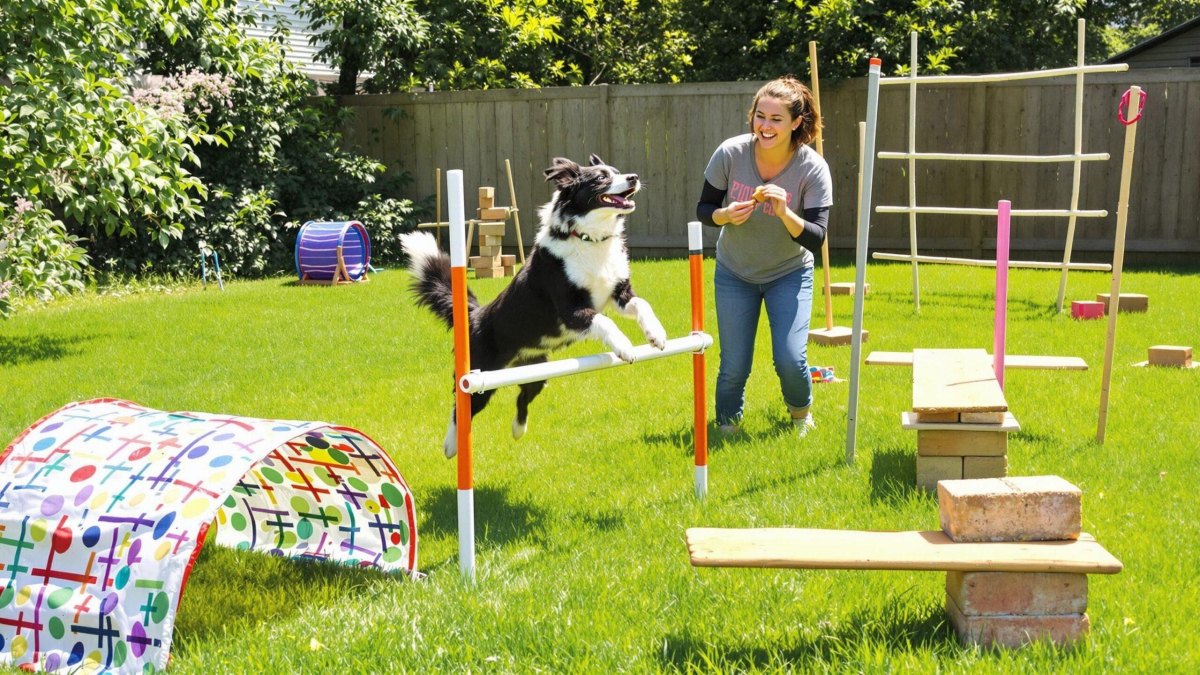
A homemade obstacle course does not need competition-level equipment. A few safe surfaces, a step around an object, or walking between cones can create a thoughtful movement game.
Keep sessions short and reward curiosity. Confidence building is the goal, not perfect performance.
Training Games for Problem Solving
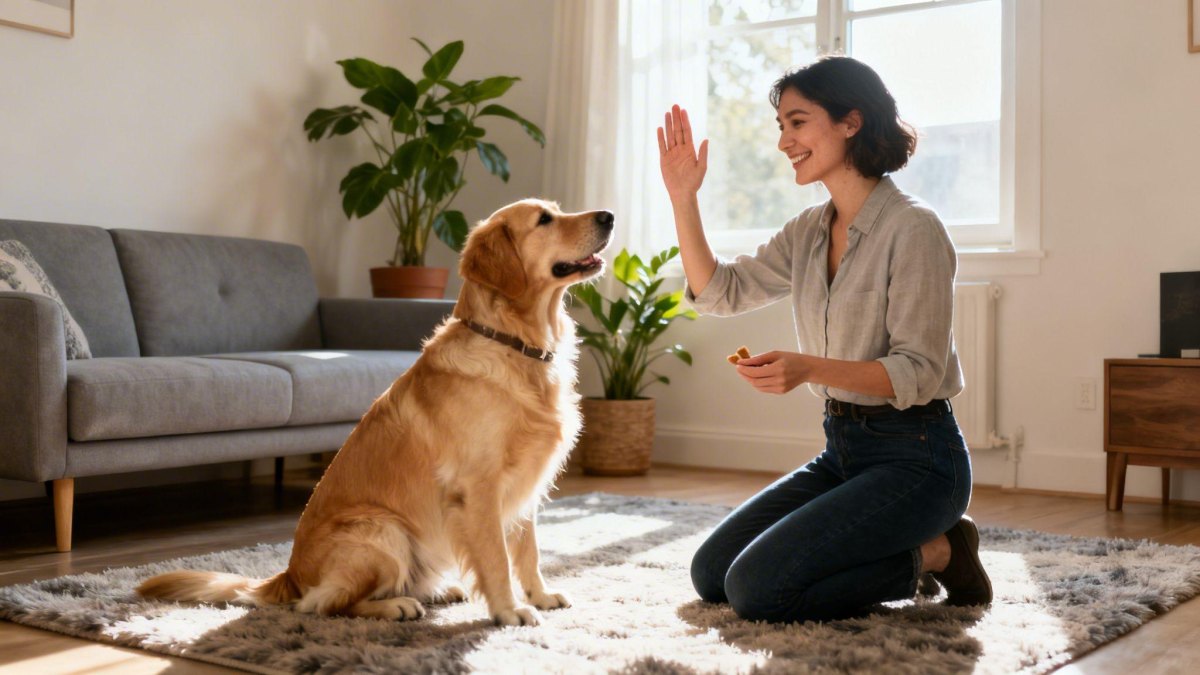
Training itself is enrichment when we give dogs chances to learn. I prefer short sessions where the dog is successful and eager to try again.
Teach behaviours that fit your daily life, such as waiting at doors or checking in on walks. Practical skills count as mental exercise.
Fetch Variations for Active Dogs
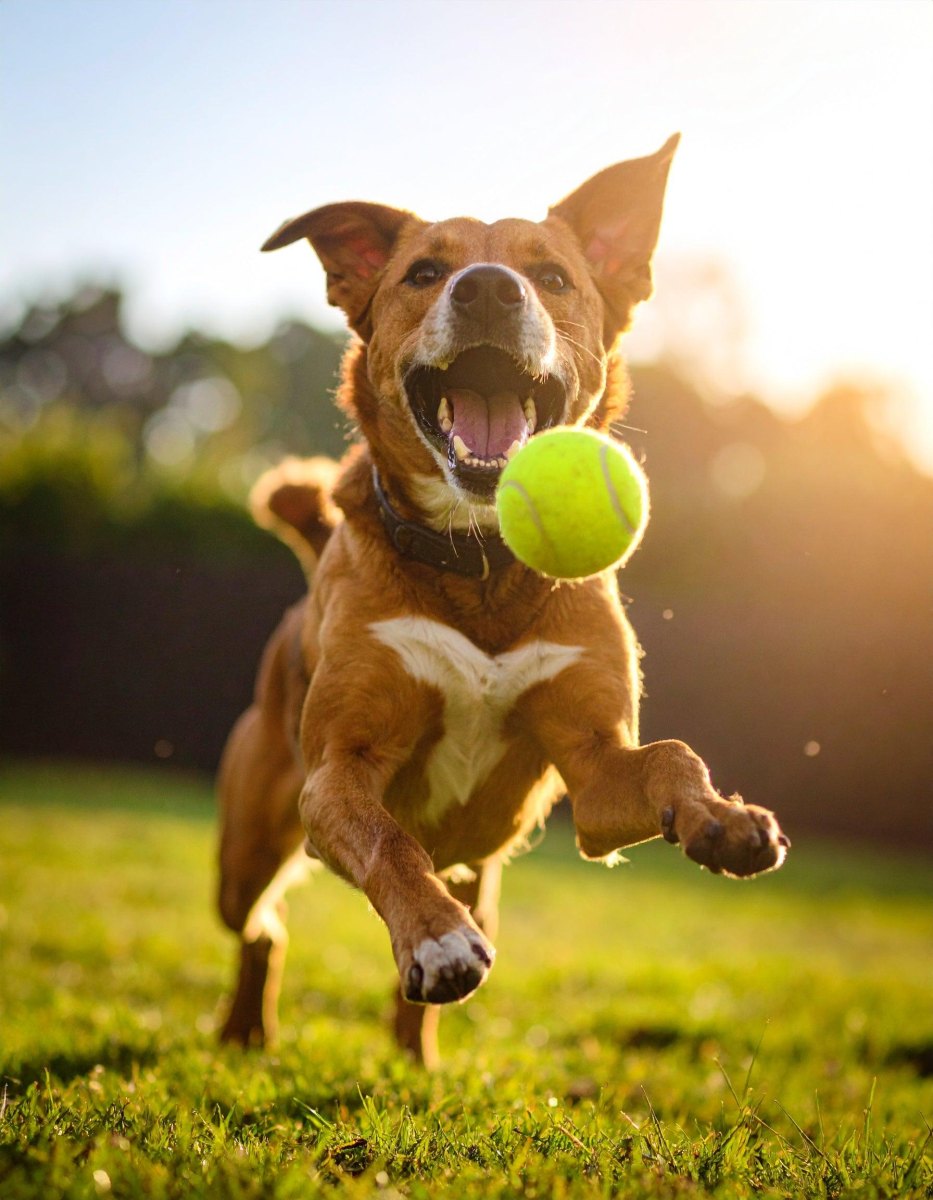
Fetch is wonderful for dogs who love movement, but repeating the same throw can create a very high-arousal routine. I often change the game instead.
Try asking for a pause, a hand target, or a search for the toy. Controlled play helps active dogs practise regulation.
Tug-of-War for Physical Engagement
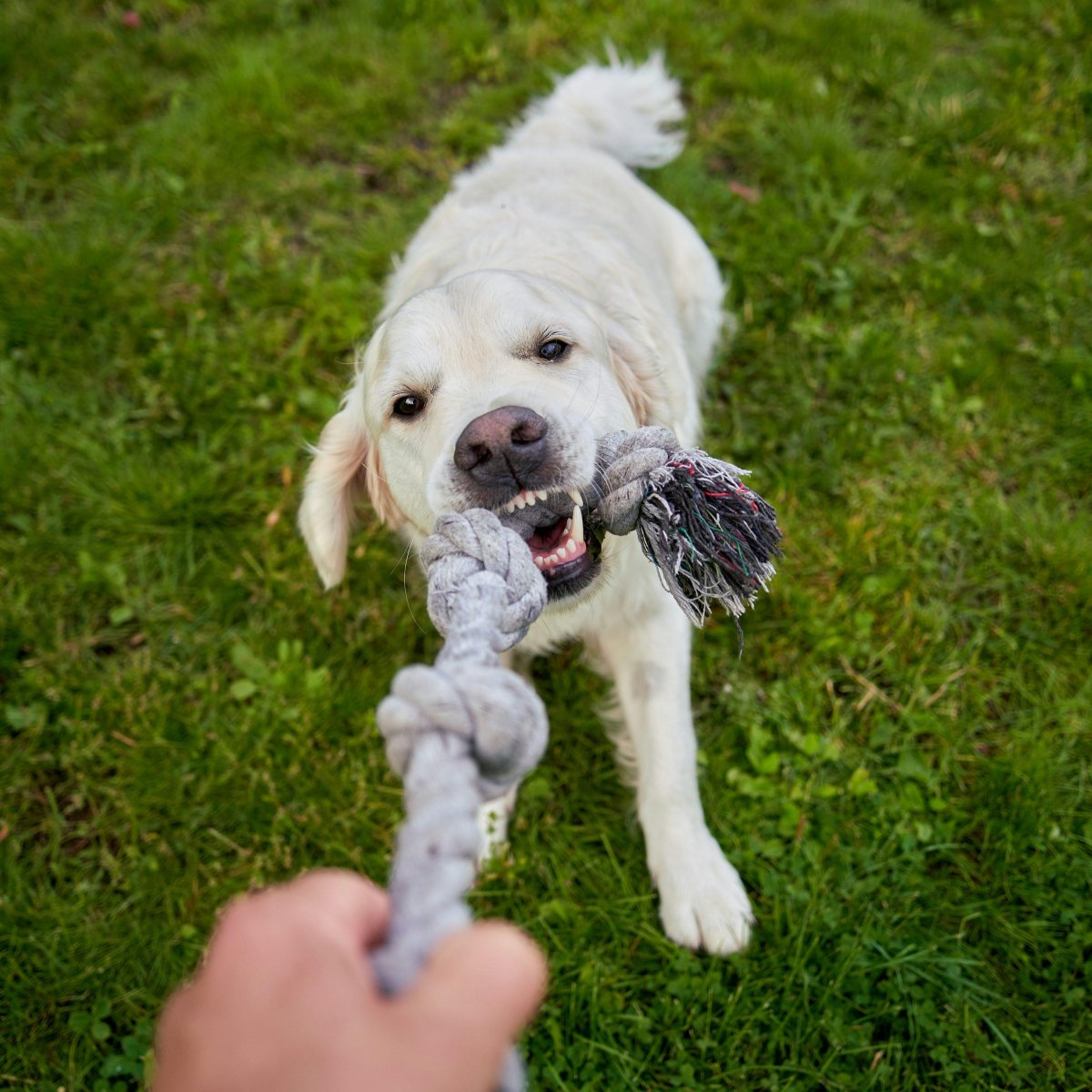
Tug is a great interactive game when taught with clear rules. The dog learns that play starts and stops through communication rather than conflict.
I watch for loose movement and enjoyment. Shared play builds the relationship between dog and person.
Digging Boxes for Safe Exploration
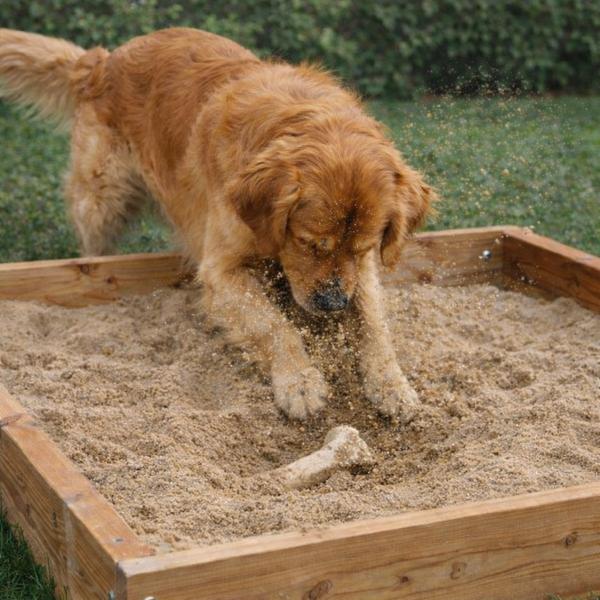
Some dogs genuinely love digging, and a digging box gives that instinct an appropriate place to go. It can save gardens and give dogs a satisfying activity.
Introduce it gradually and reward interest. Allowed behaviours are easier to manage than constantly saying no.
Water Play Activities for Dogs
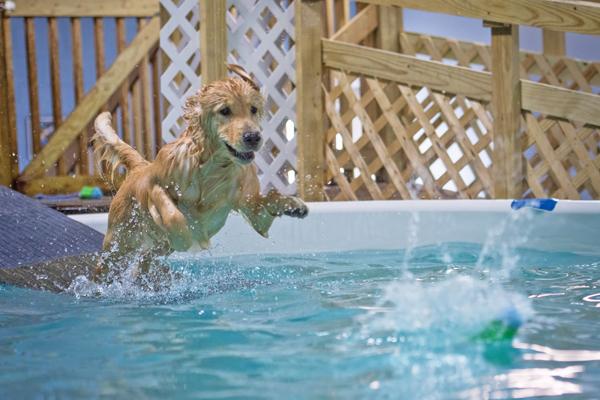
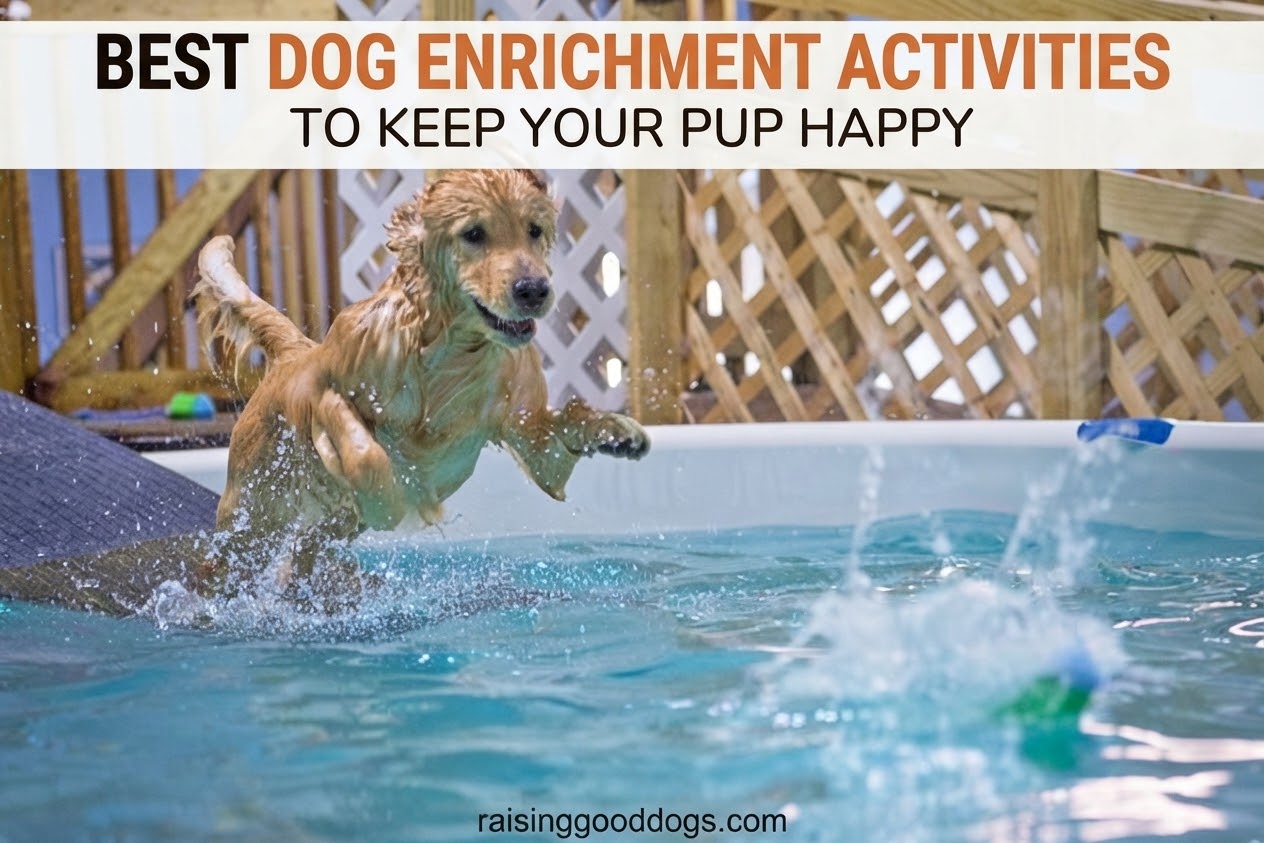
Water games can be wonderful enrichment for dogs who enjoy them. A shallow pool, sprinkler, or floating toy can add variety during hot weather.
Never force a nervous dog into water. Choice and comfort come before fun.
Social Play With Other Dogs
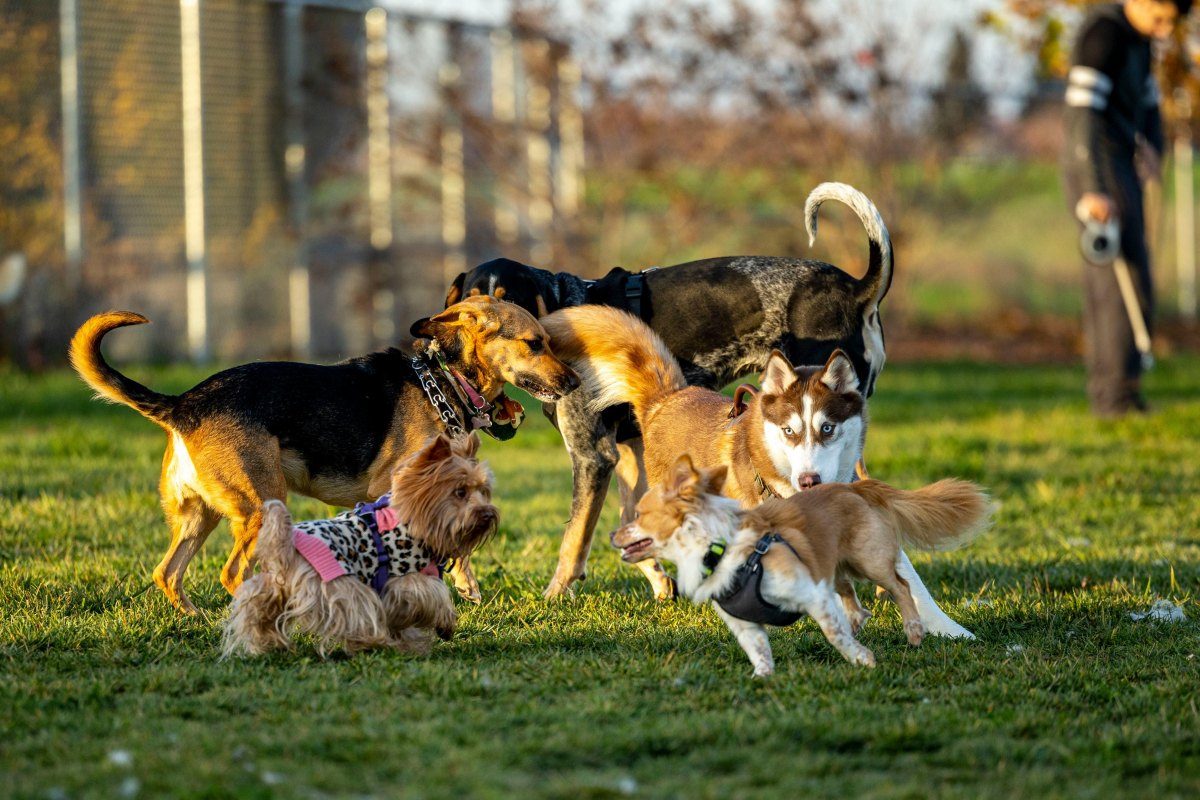
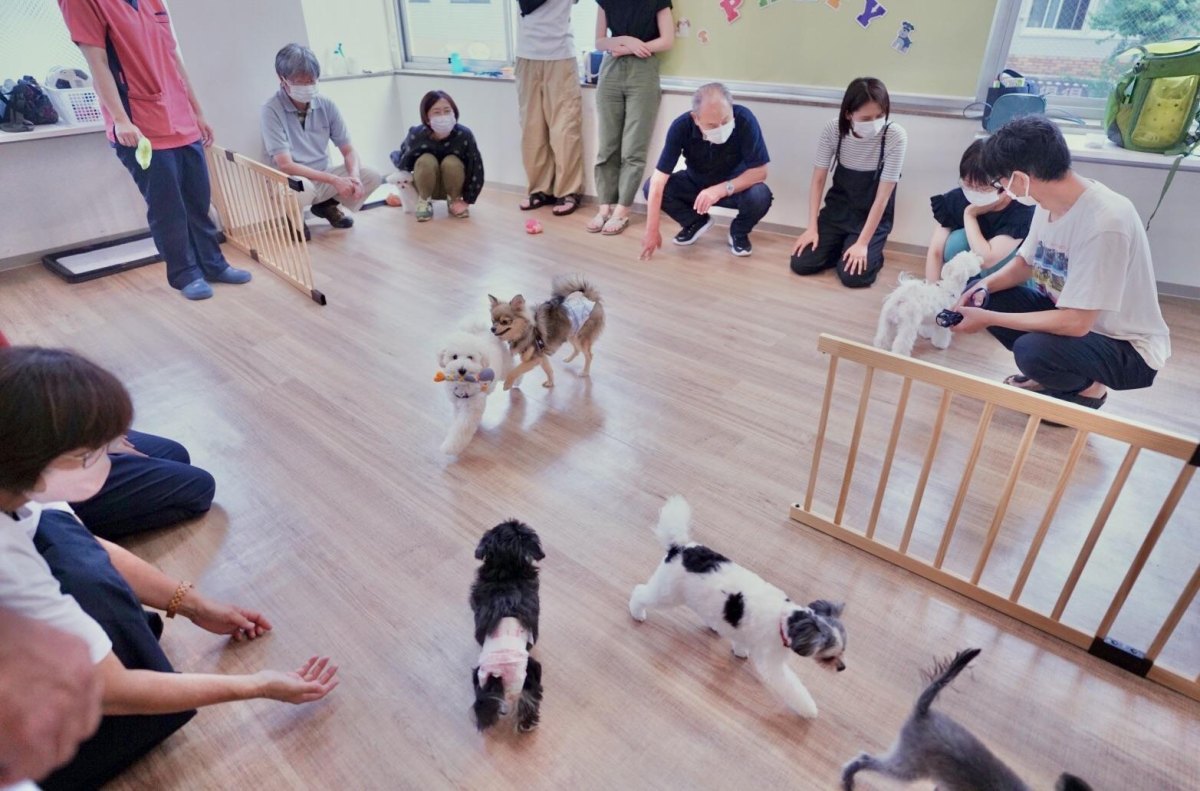
Not every dog needs dog friends, and that is something I wish more owners heard. Social enrichment can include calm time around other dogs, not only wrestling in a park.
Watch for relaxed play signals and consent. Good interactions are about quality, not quantity.
Interactive Walks With Exploration
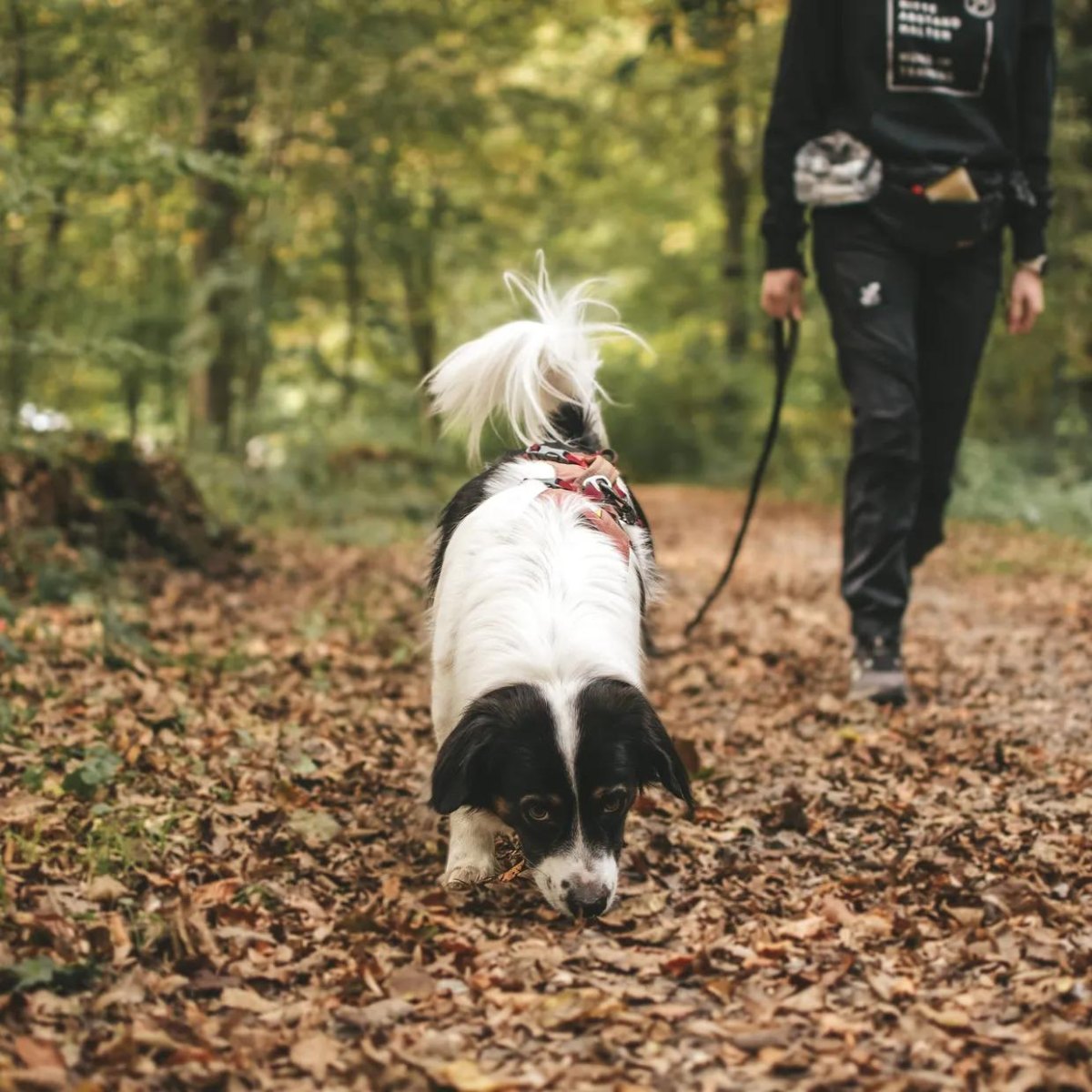
A walk where your dog gets to sniff is often more enriching than a faster march around the block. I regularly tell clients that the slow walk is sometimes the useful walk.
Choose manageable environments and avoid overwhelming situations. Sniffing opportunities help dogs gather information naturally.
Chewing Activities for Relaxation
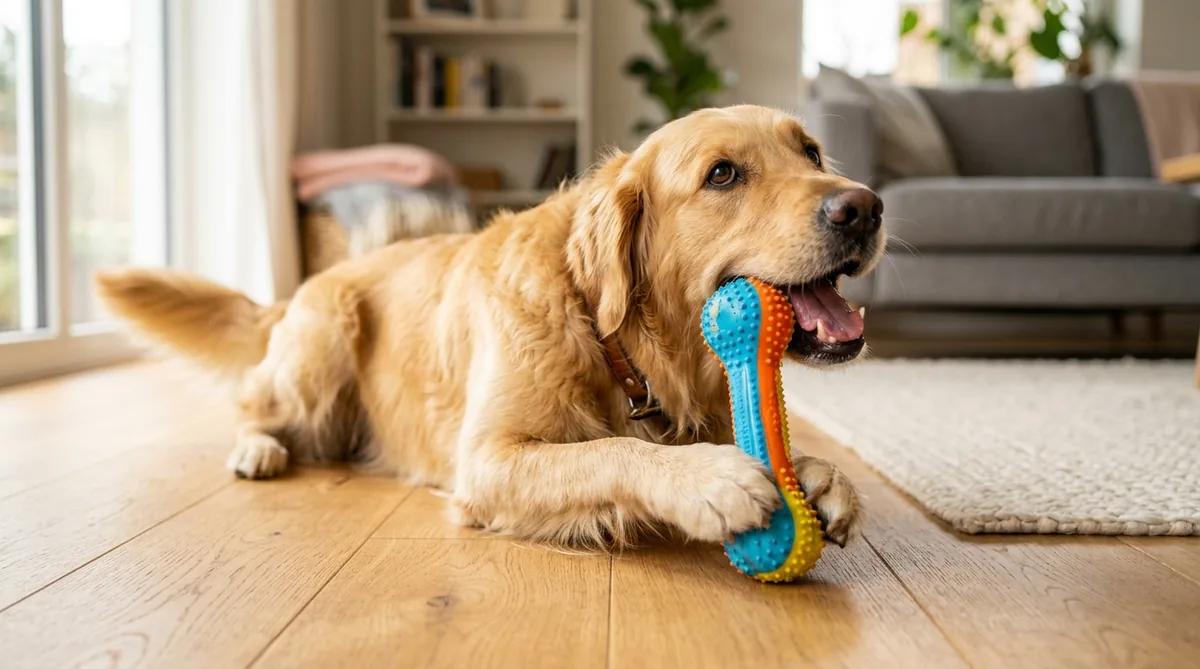
Chewing is a normal behaviour, and appropriate chewing outlets can help many dogs settle. The important part is choosing safe options for your individual dog.
If chewing suddenly increases or comes with other behaviour changes, I would rule out medical causes first. Sudden changes deserve attention, especially in older dogs.
Food Scavenger Hunts Indoors
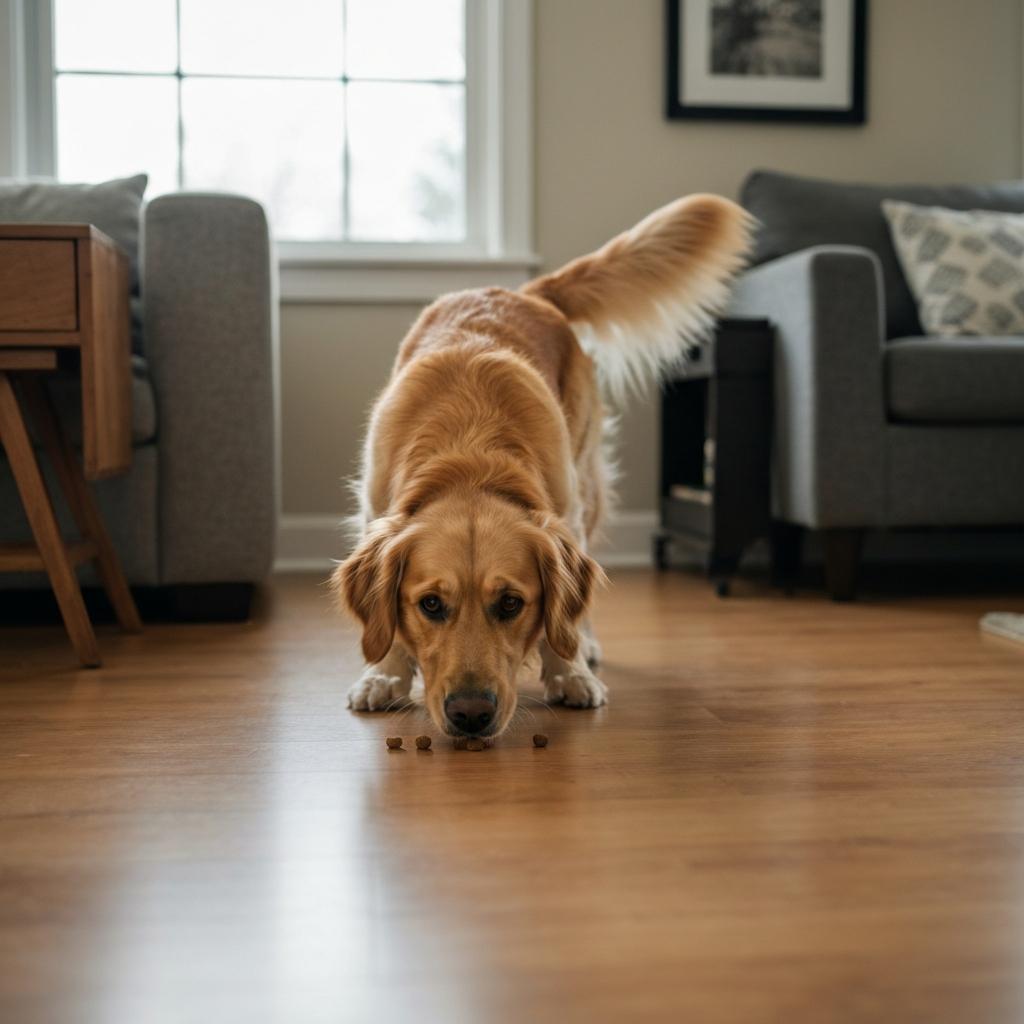
Indoor scavenger hunts are perfect for rainy days. I hide small portions of food around safe areas and let the dog search at their own pace.
Start with obvious hiding spots before making the challenge harder. Gradual difficulty keeps the game enjoyable.
Balance and Coordination Exercises
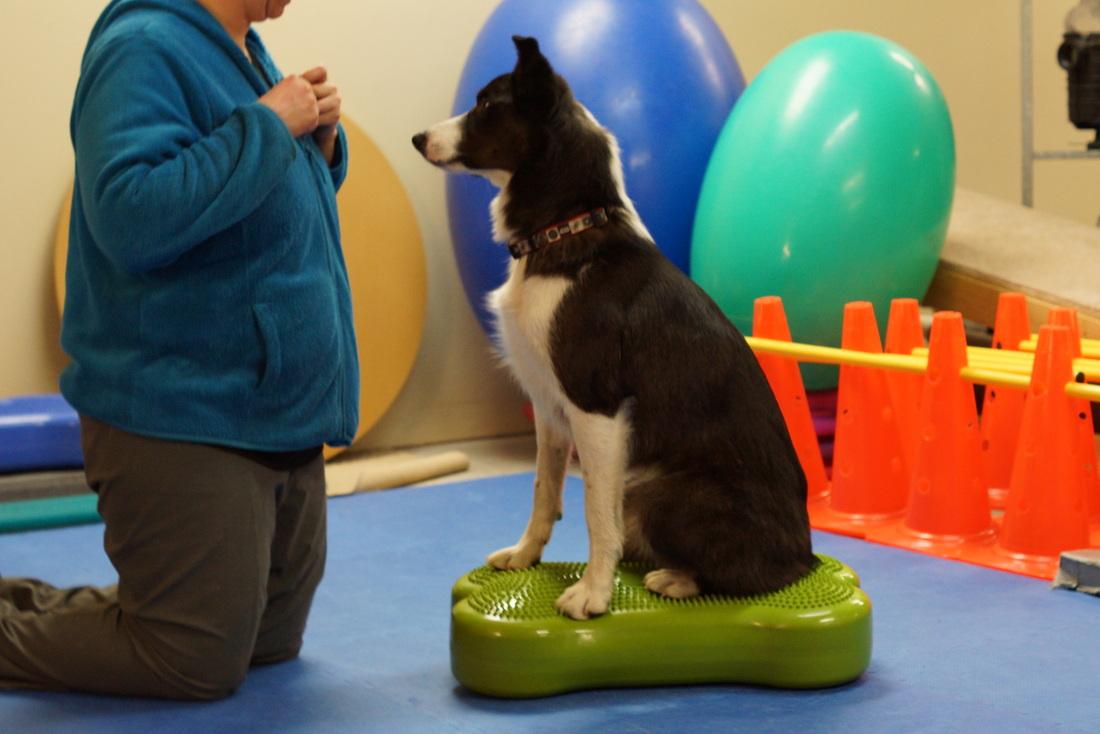
Balance games can improve body awareness when done carefully. I use simple exercises rather than pushing dogs into unstable challenges.
Senior dogs or dogs with pain should be assessed before physical exercises. Comfort comes first, always.
Rotating Toys to Prevent Boredom
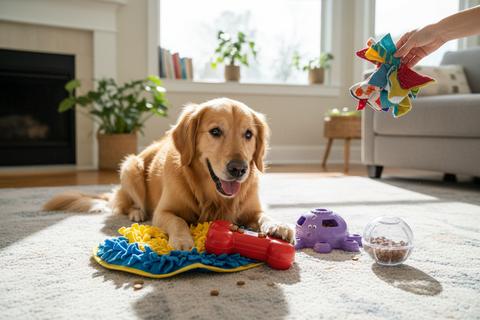
Leaving every toy available all the time often makes toys less interesting. I rotate Bruno's options because novelty does some of the enrichment work for me.
A small selection that changes regularly can feel fresh. Thoughtful rotation is easier than constantly buying more.
Relaxation and Calm Enrichment Activities
Enrichment is not always about excitement. Some dogs need help practising calm behaviours, especially dogs who live life with their engines running.
Quiet chewing, sniffing, and resting routines can become valuable habits. Calm is a skill we can support, not just something dogs magically have.
Remember
If your dog's behaviour changes suddenly, includes pain signs, or involves safety concerns such as bites that break skin, get veterinary guidance and work with a qualified professional in person.
More Pinterest Visuals