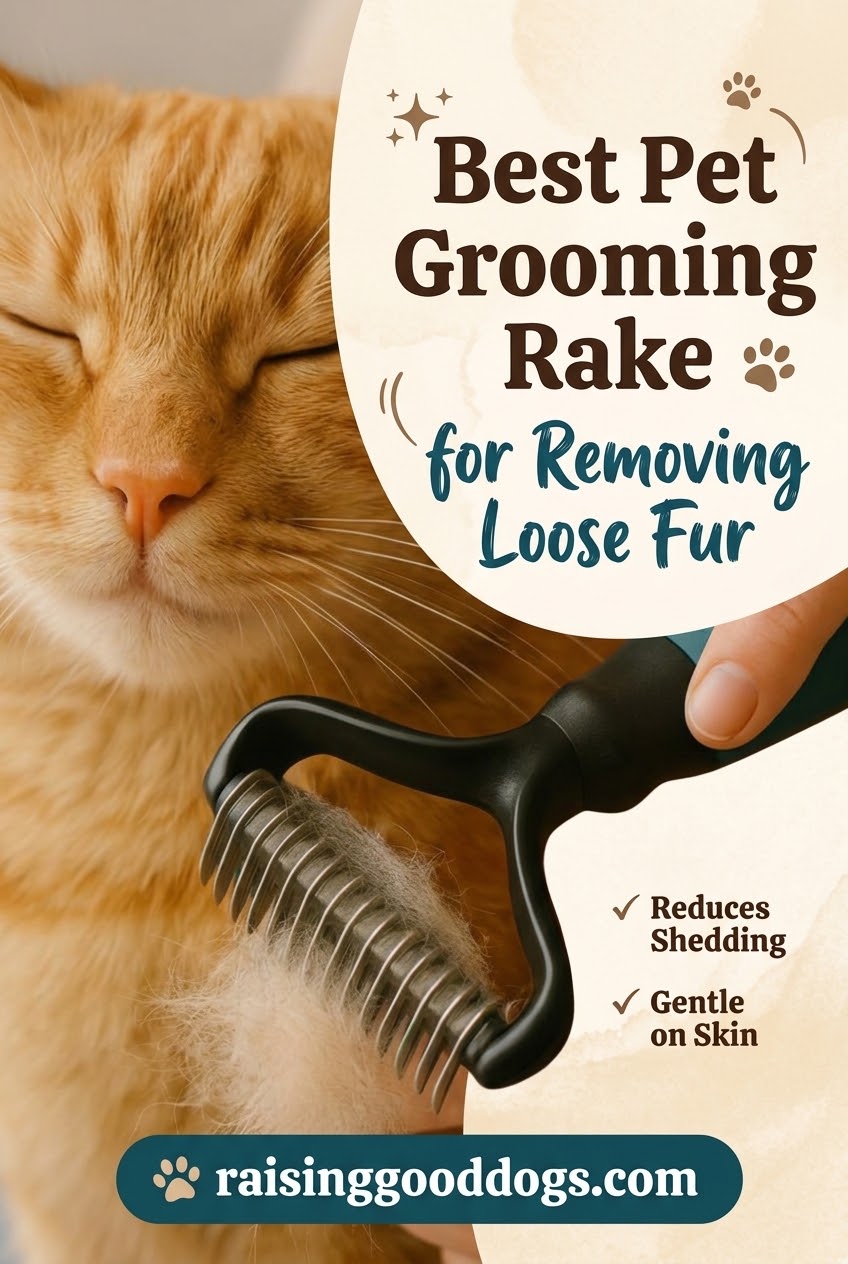
Loose fur has a way of appearing everywhere: the sofa, the car, the black jumper you forgot you owned. I have helped plenty of dog owners work through shedding seasons, and the right pet grooming rake can make coat care much easier when it matches the dog's coat type.
I look for tools that remove dead undercoat without turning grooming into a wrestling match. The goal is a calm routine where your dog can relax, not a battle over brushing.
Quick guide to choosing a pet grooming rake
- Match the rake to your pet's coat thickness and length.
- Use gentle pressure and watch your dog's comfort signals.
- Choose designs that make regular grooming easier for both of you.
Pet Grooming Rake for Removing Loose Fur
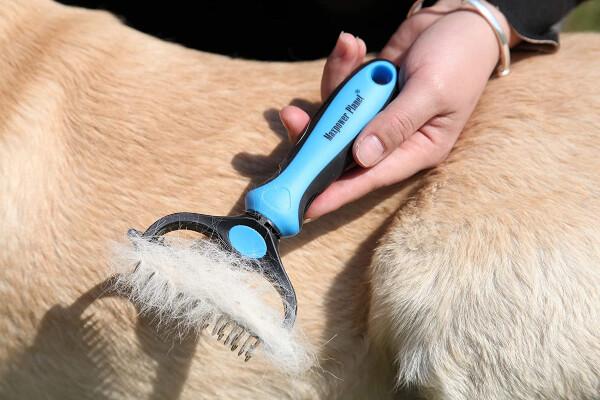
When owners ask me about controlling shedding, I usually start with the coat underneath the coat you can see. A good shedding rake reaches loose undercoat hair that ordinary brushes may miss. Many rakes are designed specifically to lift dead hair while helping prevent tangles and mats.
My practical tip
Start with short sessions. A dog that happily accepts two minutes of grooming will usually do better than a dog pushed through twenty uncomfortable minutes.
I pay attention to the dog's body language: a relaxed mouth, normal breathing, and a loose posture tell me we are on the right track. A sudden freeze or weight shift means I slow down.
Pet Grooming Rake for Thick Undercoats
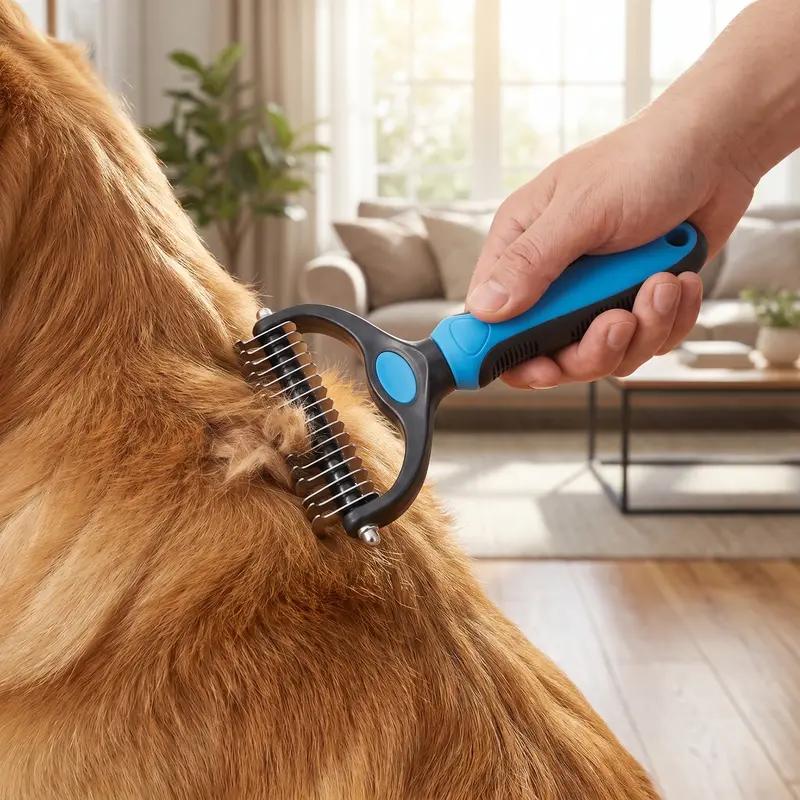
Thick double coats are where a pet grooming rake really earns its place. Breeds with dense undercoats often need a tool that reaches below the top layer to remove loose hair without harsh pulling.
| Coat type | Rake feature to look for |
|---|---|
| Dense double coat | Long teeth that reach the undercoat |
| Heavy seasonal shedding | Gentle design for repeated sessions |
With Bruno, my old German Shepherd, I learned that more pressure is not better. The best grooming sessions are the ones where the dog stays comfortable.
Double-Sided Pet Grooming Rake Designs
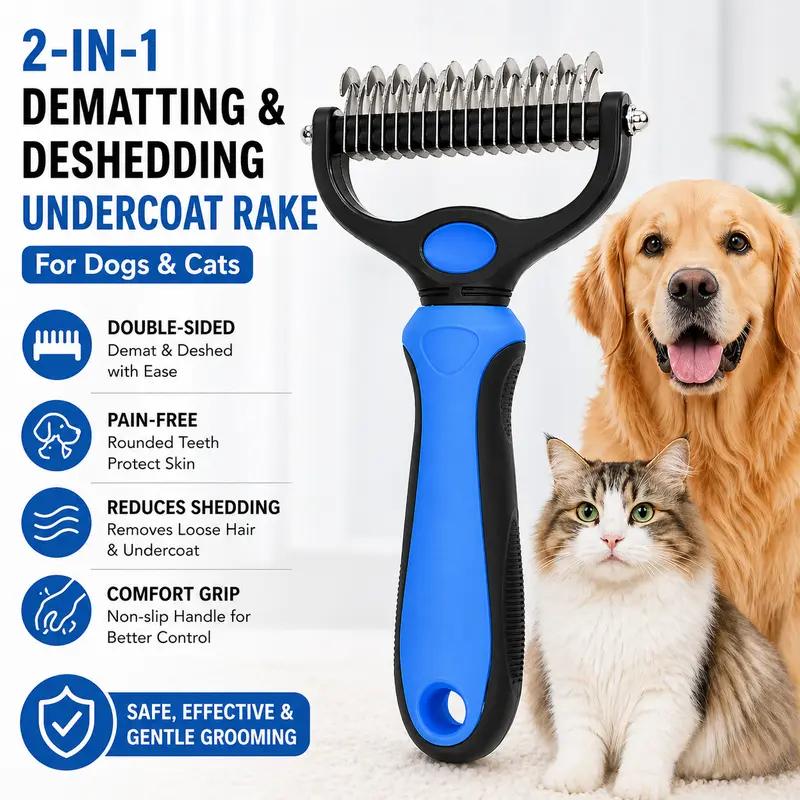
I like double-sided tools because they often solve two problems with one handle. One side may help loosen stubborn tangles while the other works on removing loose undercoat.
Pros
- Useful for different coat conditions.
- Can reduce the number of tools needed.
Cons
- Not every side suits every coat.
- Still requires gentle technique.
I always check the tool against the dog in front of me, not the picture on the package. Your terrier, retriever, or cat may need a completely different approach.
Pet Grooming Rake for Long-Haired Dogs
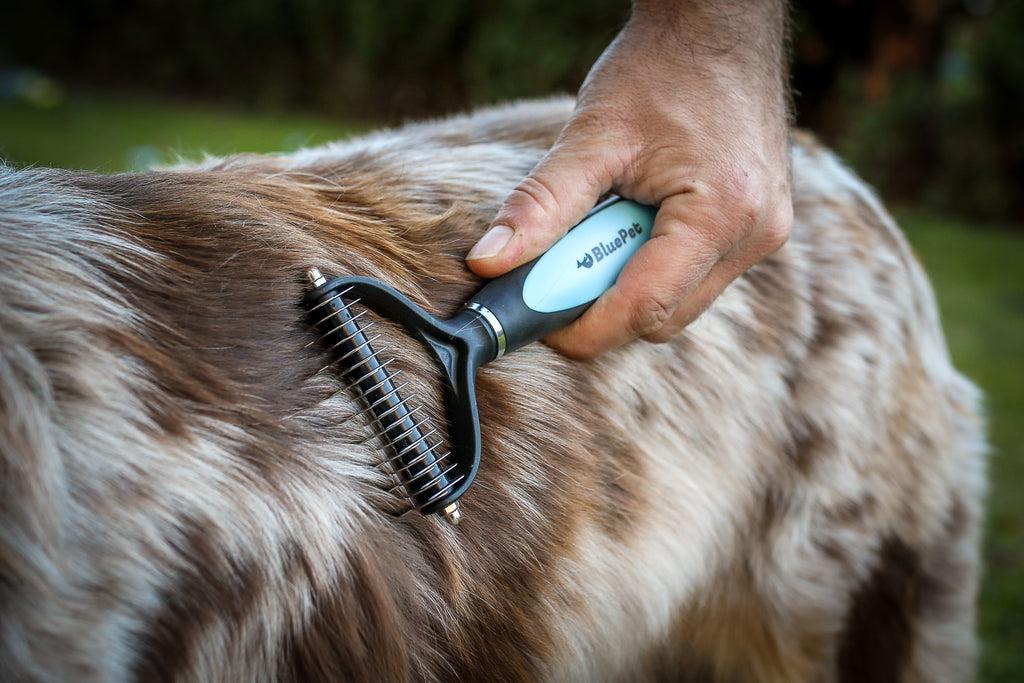
Long hair can hide problems before we notice them. A long-haired dog rake can help manage loose fur, but it should be part of a wider routine that includes checking for knots and sensitive areas.
- Check. Feel through the coat before brushing for mats or sore spots.
- Brush. Work slowly in the direction the hair grows.
- Reward. Finish while your dog is still comfortable.
If a mat is tight against the skin or your dog reacts painfully, I would not push through it at home. That is a grooming appointment or professional assessment situation.
Pet Grooming Rake for Cats and Smaller Pets
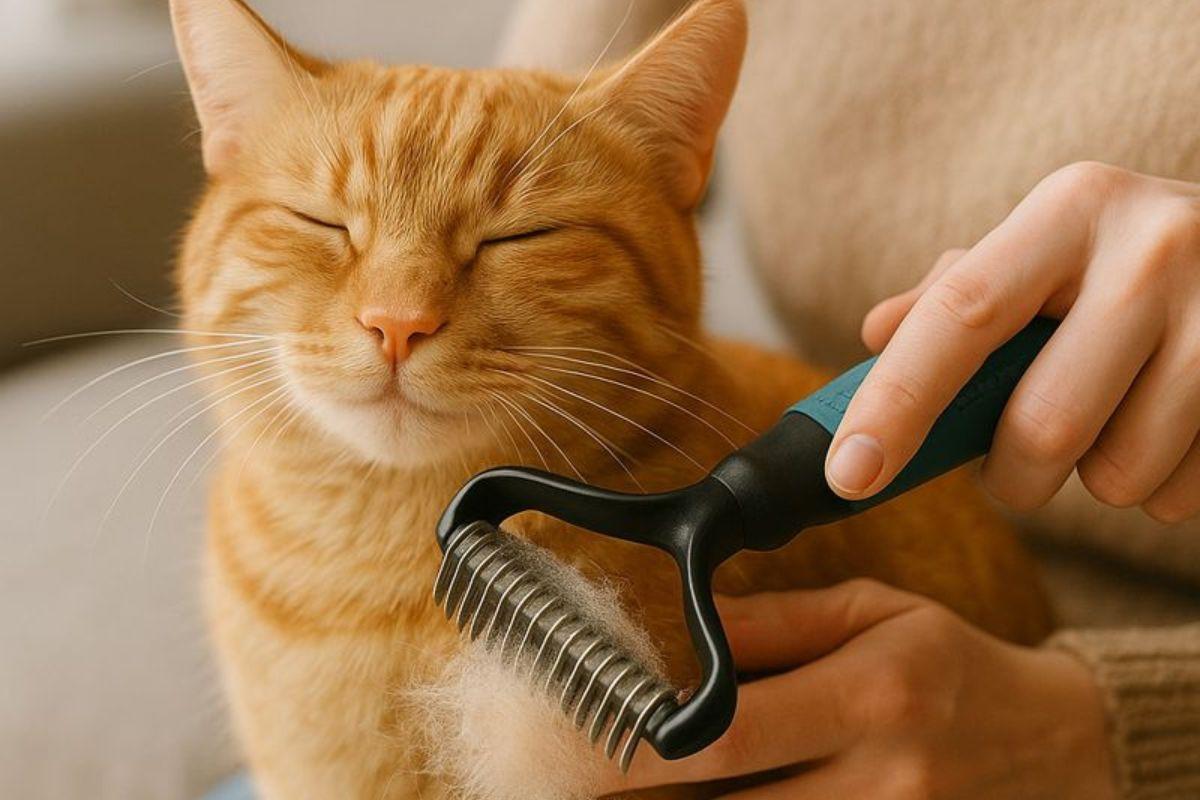
Cats often make their opinions very clear, which is actually helpful. A small pet that turns away, flicks the tail sharply, or tenses the body is telling us the session needs to change. Cat grooming rakes are available for pets with undercoats and thicker fur.
- Choose a size that fits your pet comfortably.
- Keep early grooming sessions brief.
- Avoid forcing a frightened pet to continue.
I would rather build trust over several days than create a grooming battle that takes months to undo.
Comfortable Handle Features in Pet Grooming Rakes
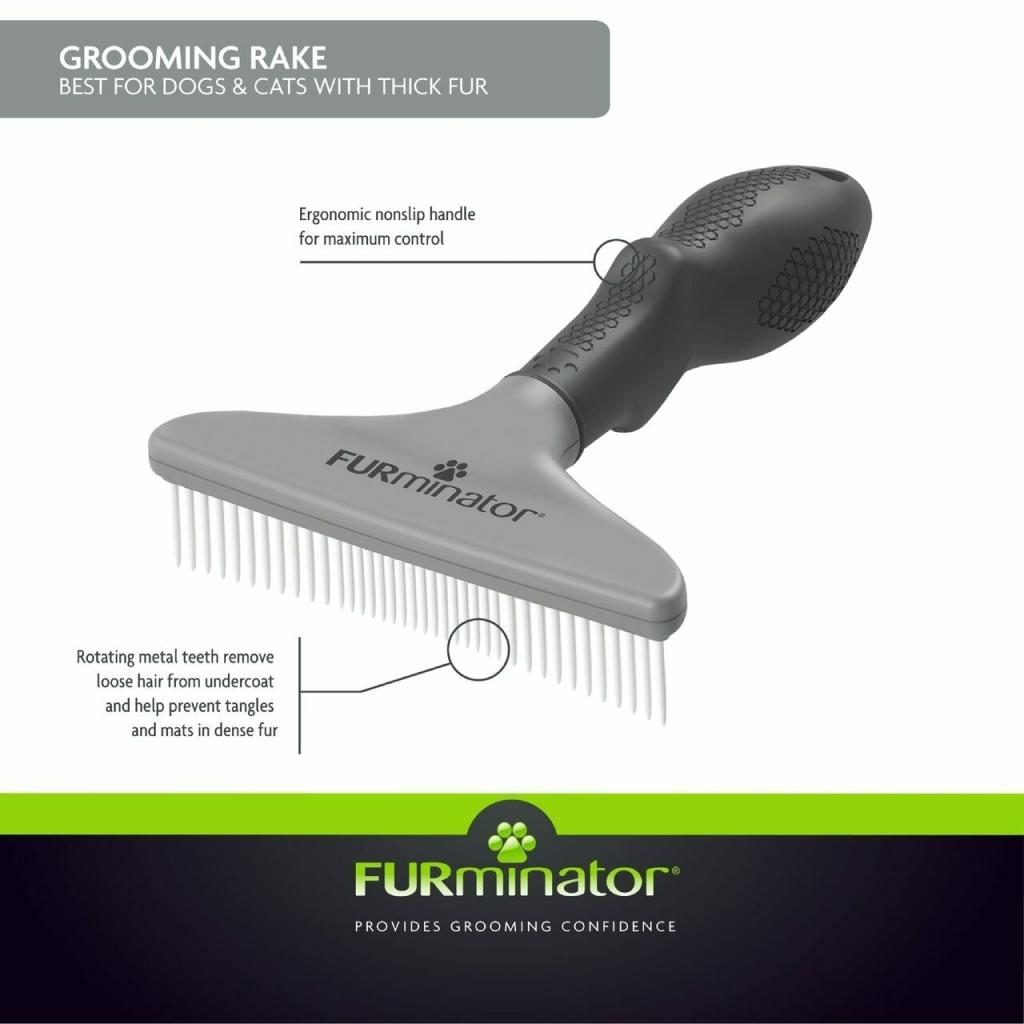
A grooming tool lives in your hand, so comfort matters. Ergonomic handles and non-slip grips can make longer sessions easier, especially with large dogs that have a lot of coat.
- Grip: Helps you keep steady control without squeezing tightly.
- Weight: A lighter tool may reduce hand fatigue.
- Control: Better handling helps you use gentler pressure.
Owen, my physical therapist husband, would absolutely remind me to stop hunching over a grooming session. He is usually right about posture.
How to Use a Pet Grooming Rake Safely
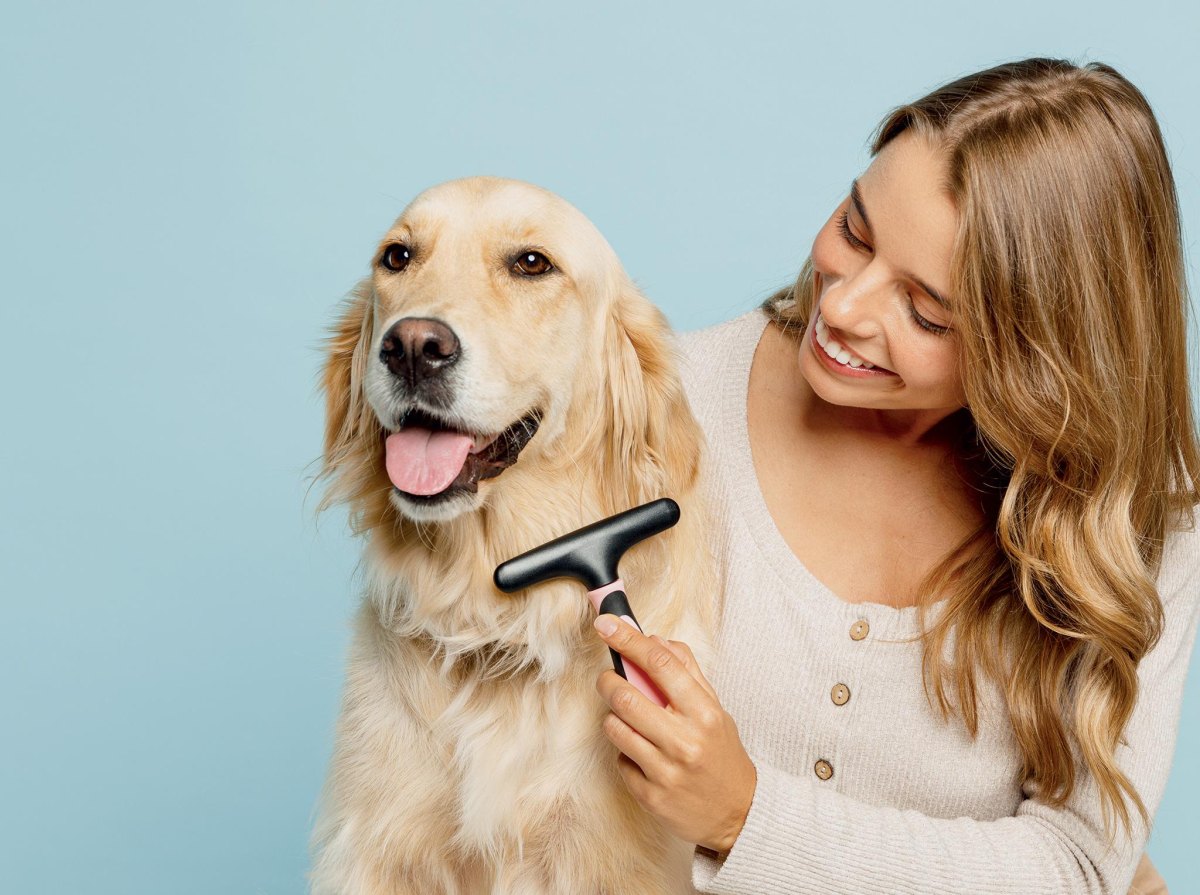
The safest grooming routine begins before the rake touches the coat. Make sure your dog is calm, the environment is quiet, and you are not trying to work through a stressed animal. Gentle grooming is always the goal.
Avoid this mistake
Do not press harder to remove more fur. Excess pressure can irritate skin and make your pet dislike future grooming sessions.
I use slow strokes, follow the coat direction, and stop when the dog says they need a break. Grooming is care, not a test of endurance.
Cleaning and Maintaining Your Pet Grooming Rake
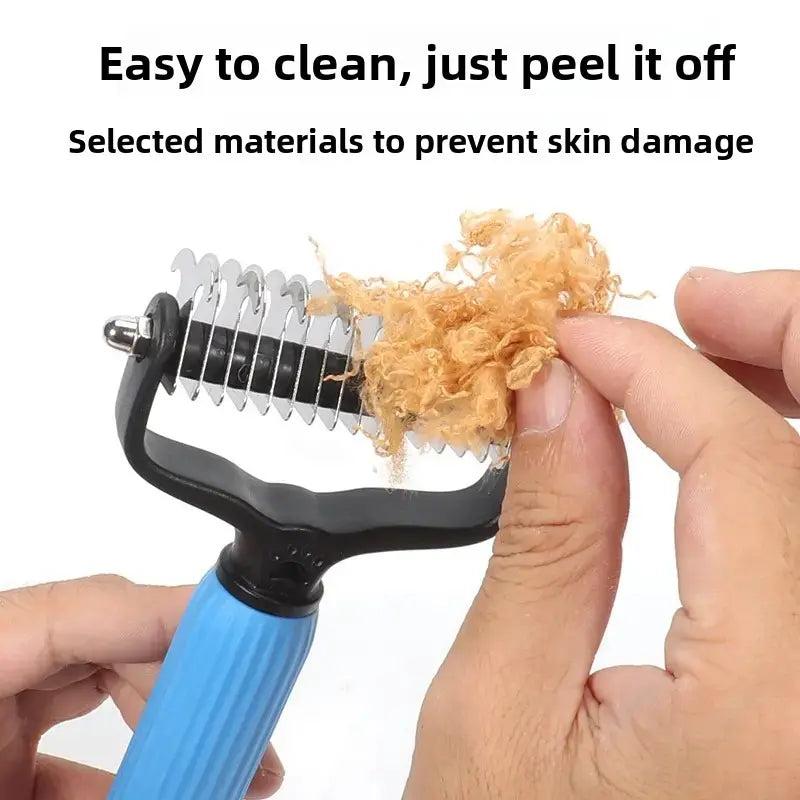
A dirty tool cannot do its job well. After each session, I remove collected fur and check the teeth for trapped debris or damage. Regular rake care keeps grooming more comfortable.
Small habit, big difference
Keep your rake where you groom your pet. The easier it is to reach, the more likely you are to maintain a steady routine instead of waiting for shedding season chaos.
The best grooming tool is the one you and your pet can use consistently. A calm five-minute routine usually beats an occasional stressful marathon.




More Pinterest Visuals