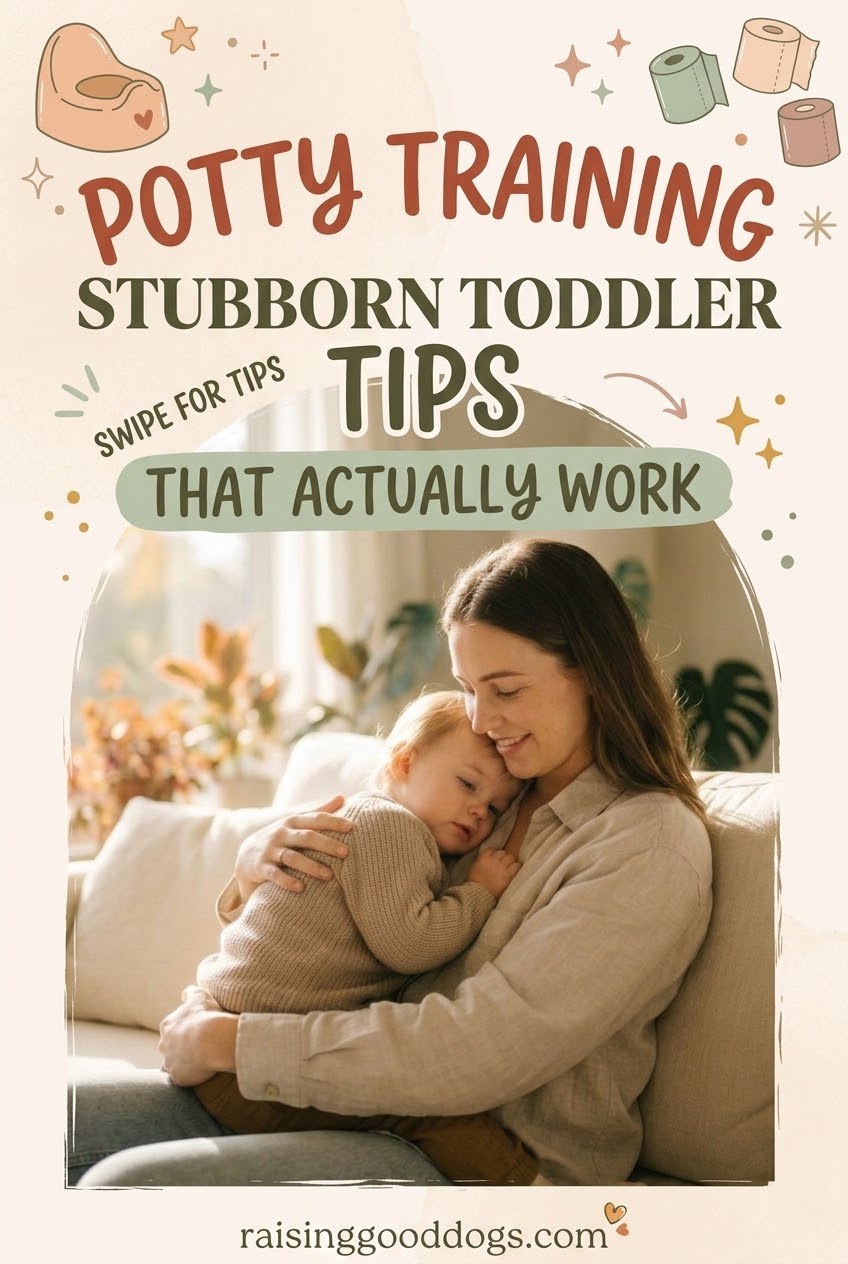
I have seen plenty of parents arrive at this stage feeling like they have tried every trick in the book, and my first advice is always the same: slow down and observe. A toddler refusing the potty is usually communicating a need for control, comfort, readiness, or reassurance rather than simply being difficult. Research from pediatric sources highlights that emotional readiness, independence, and fear can all shape toilet training progress.
I focus on making the bathroom a place where a child feels safe and capable. Pressure rarely builds confidence, but predictable routines, patience, and encouragement give toddlers room to learn this new skill.
Understand Why Your Toddler Resists Potty Training
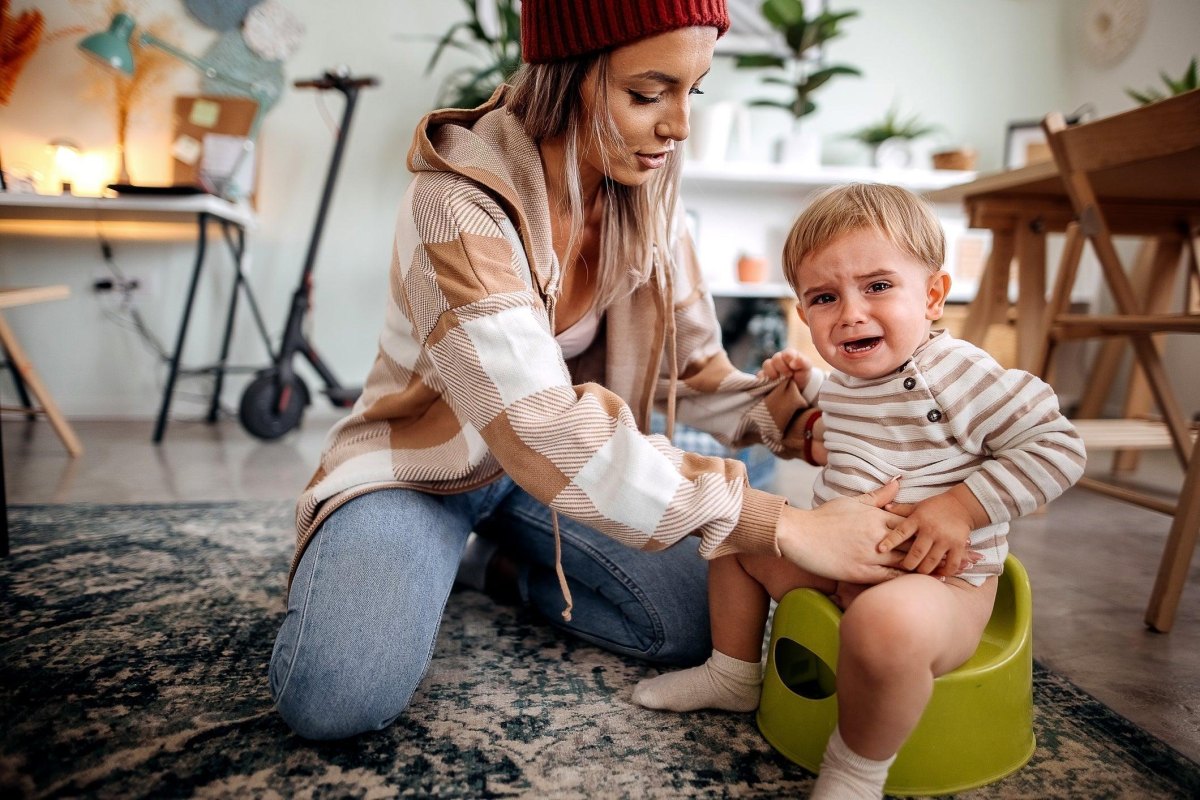
When a toddler pushes back, I start by asking what the resistance is telling us. Potty refusal has a reason, whether that is fear of the toilet, a need for independence, discomfort, or simply not being ready yet. The American Academy of Pediatrics notes that emotional readiness and a child's desire for control can strongly affect toilet training.
What I look for first
- Fear of sitting on the potty or hearing the flush
- Holding urine or stool because of worry or discomfort
- Stress from changes like moves, new siblings, or new routines
I also pay attention to the practical details. Readiness matters more than age, and a child who is fighting every attempt may need a gentler introduction rather than a bigger push.
Create a Positive Potty Training Routine
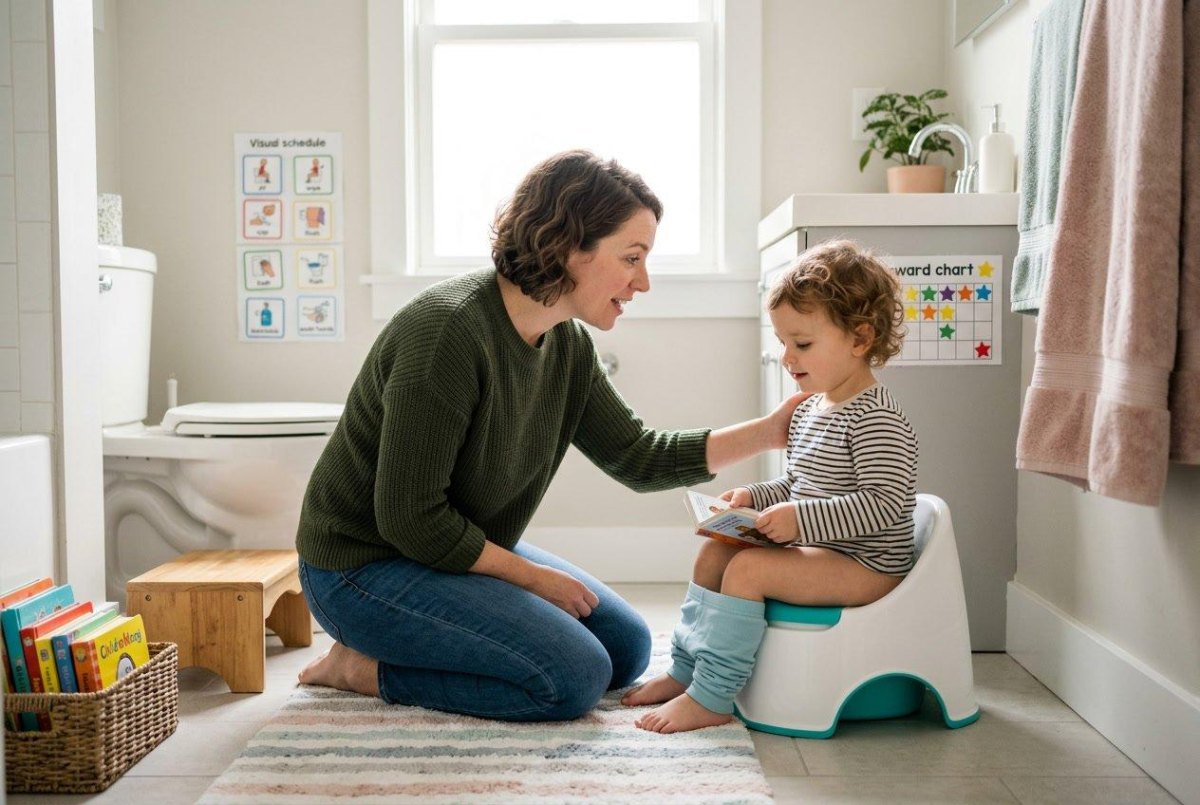
The families I help usually do better when the potty stops being a daily negotiation. I build a simple pattern around natural moments like waking up, after meals, and before bedtime. Predictable potty routines help toddlers understand what happens next without feeling chased.
- Introduce. Keep the potty available and make sitting a normal part of the day.
- Practice. Offer calm opportunities instead of repeated questions every few minutes.
- Repeat. Keep the steps consistent so your toddler knows the sequence.
My practical tip
Choose one routine and stick with it for several weeks. Consistency beats intensity when a toddler is learning a body skill.
Use Rewards and Encouragement Without Pressure
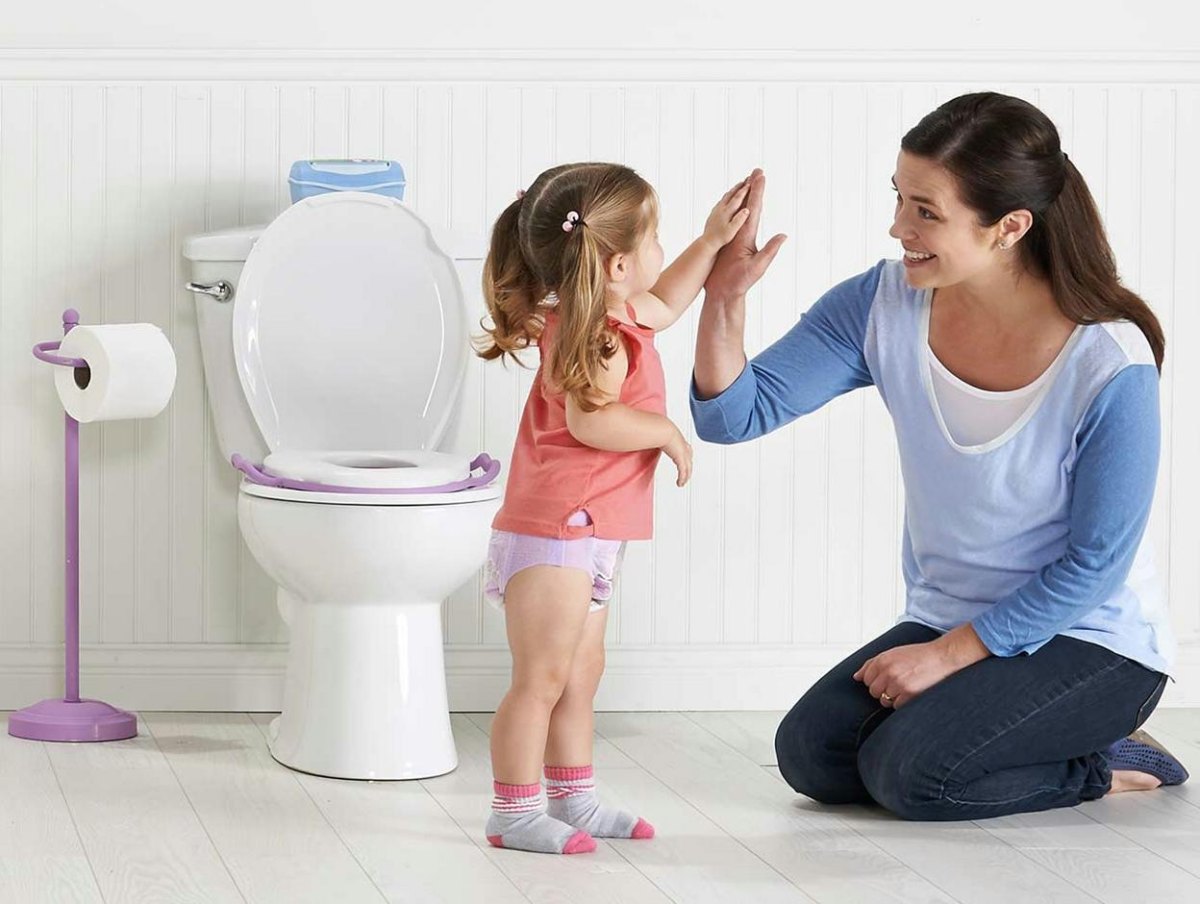
I like rewards that build confidence rather than create a battle for control. A sticker chart, extra story, or enthusiastic praise can help, but the biggest reward is often a parent noticing the effort. Specific praise works best because children learn what behavior earned encouragement.
- Helpful praise: "You noticed your body needed to go."
- Helpful rewards: Small celebrations connected to effort and practice.
- Avoid: Shame, punishment, or making accidents feel like failures.
Benefits of encouragement
- Builds confidence
- Keeps potty learning positive
Problems with pressure
- Can create power struggles
- May increase anxiety around toileting
Handle Potty Training Accidents Calmly
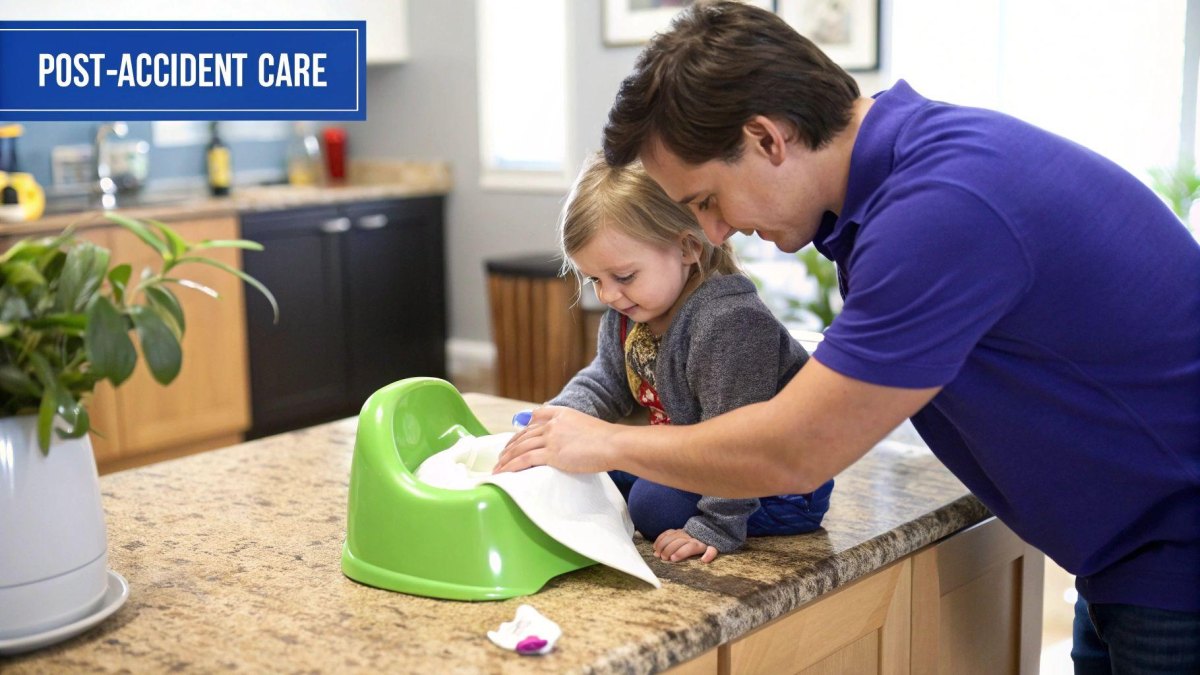
Accidents happen in every potty training journey. I tell parents to treat them like a spilled drink: clean it up, stay neutral, and move forward. Calm accident responses protect your child's confidence and keep the focus on learning.
- Stay matter-of-fact and avoid embarrassment.
- Help your child clean up in an age-appropriate way.
- Return to the normal routine instead of starting over.
Watch for patterns
A sudden change after successful toilet use may need attention, especially if it comes with pain, constipation, or other concerns. Repeated regression deserves a closer look with a healthcare professional.
Know When to Take a Break and Try Again

Sometimes the most productive step is stepping away for a little while. I have seen parents transform the process simply by removing the daily struggle. A potty training break can help when every attempt ends in tears or resistance.
| Situation | What I suggest |
|---|---|
| Child refuses every attempt | Pause and reintroduce later without pressure |
| Child shows curiosity | Offer gentle practice opportunities |
| Child has pain or ongoing withholding | Discuss concerns with a healthcare professional |
Learning this skill is not a race. Confidence comes before consistency, and a toddler who feels secure is much more likely to come back ready to try again.




More Pinterest Visuals