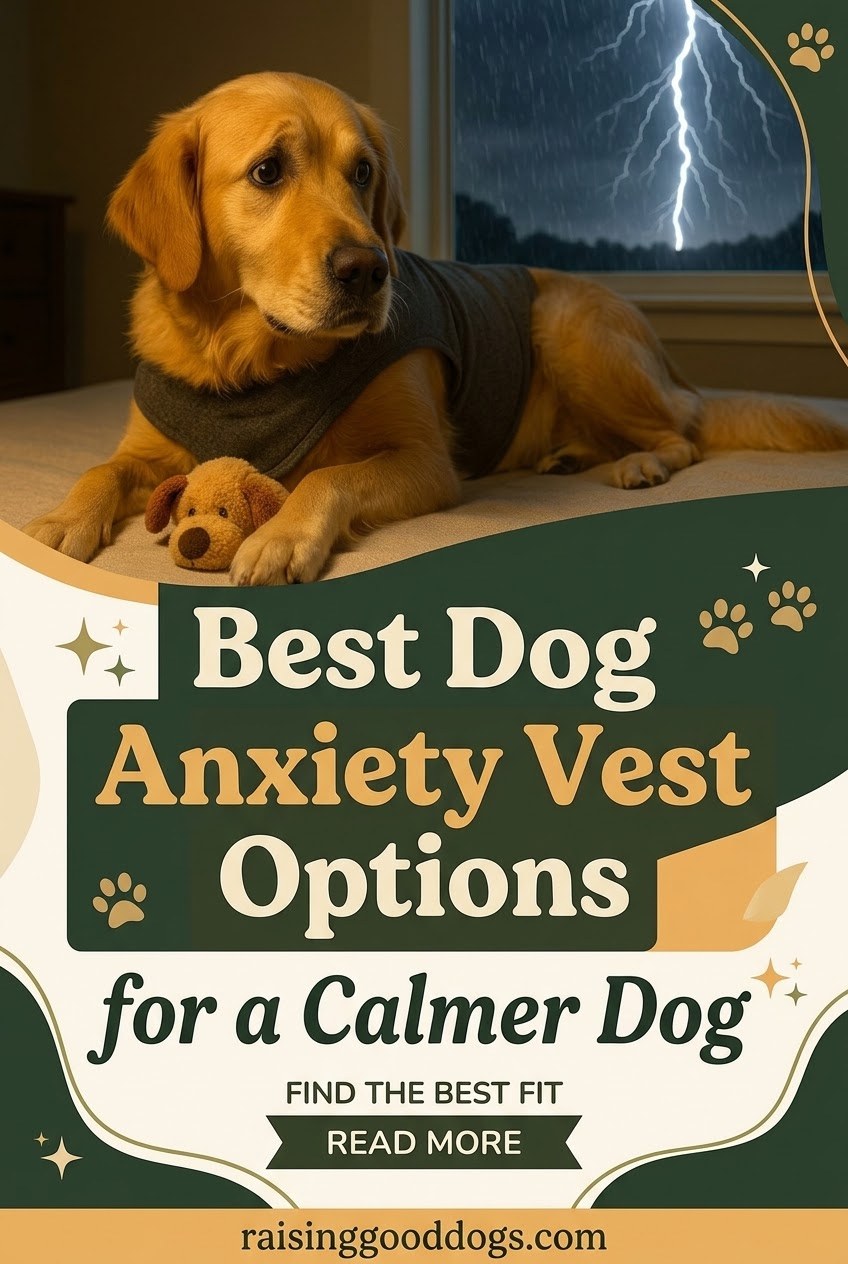
A dog hiding under the table during a storm or pacing when you pick up your keys is not being difficult. I have worked with enough worried dogs to know that the first job is reducing the pressure on them before we ask them to learn anything new. A dog anxiety vest can be a useful management tool for some dogs, but it is not a magic fix.
I look at these products the same way I look at any piece of equipment: does it help this individual dog feel safer, and does the dog actually want to wear it? Research on pressure wraps is promising in some situations but still limited, so I pair a vest with behaviour support rather than treating it as the whole plan.
What I consider before recommending an anxiety vest
- Comfort and fit before brand names
- The dog's body language while wearing it
- The trigger causing anxiety and whether extra support is needed
What Is a Dog Anxiety Vest and How It Works
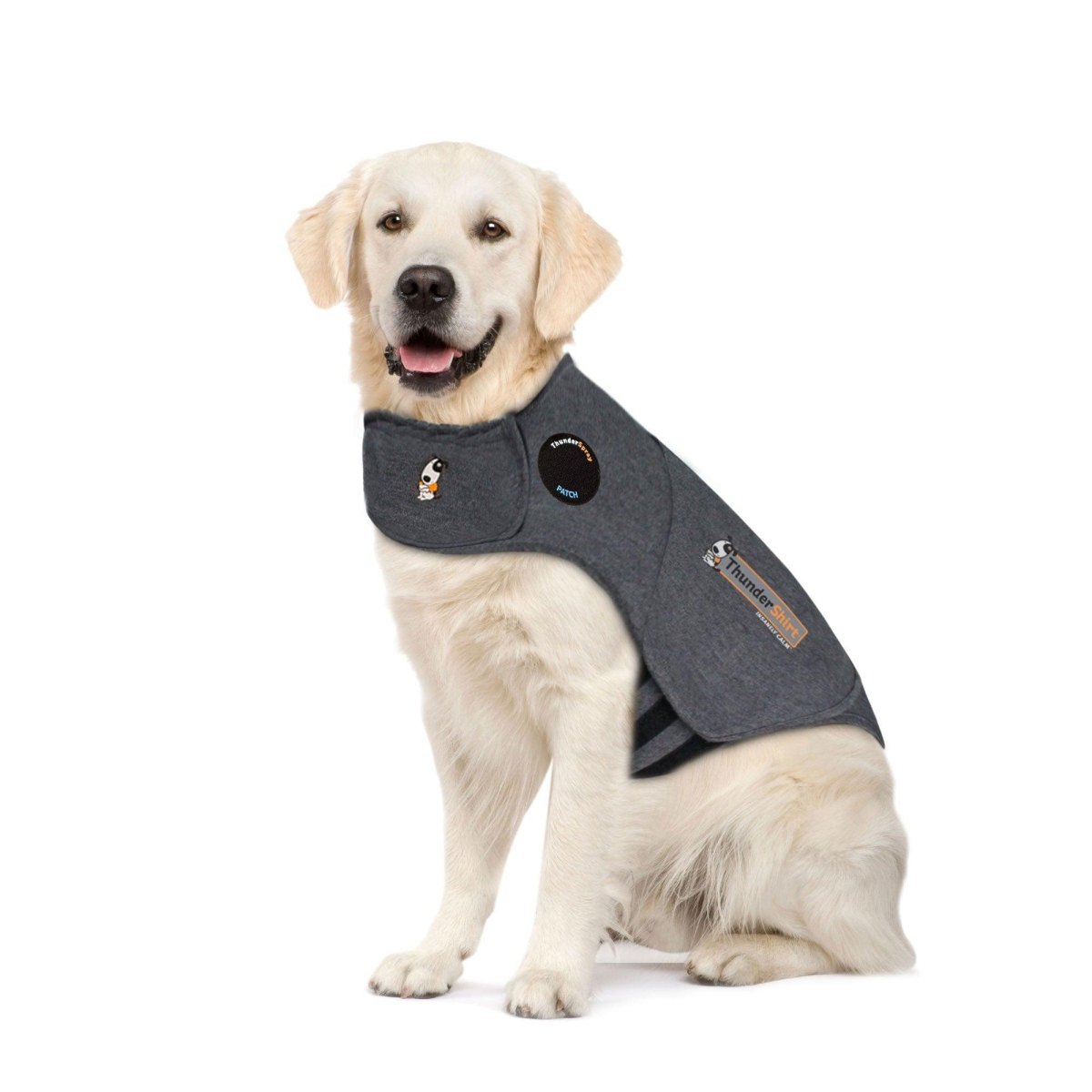
Most anxiety vests work by applying gentle, even pressure around the dog's torso. The idea is that this snug feeling may help some dogs settle during stressful moments such as fireworks or storms. I compare it to a supportive piece of equipment, not a cure for fear. Gentle pressure is the feature people are usually looking for.
I have seen dogs accept a vest beautifully and others tell me immediately that they dislike it. Watch the ears, mouth, breathing and weight shift when you put it on. A dog who freezes, avoids you or tries to remove it is giving you useful information. Current reviews of pressure wraps suggest possible benefits but also note that evidence quality remains limited.
Trainer tip
Introduce the vest when nothing scary is happening. Do not make the first appearance of a calming vest during the loudest thunderstorm of the year.
Benefits of Using a Dog Anxiety Vest
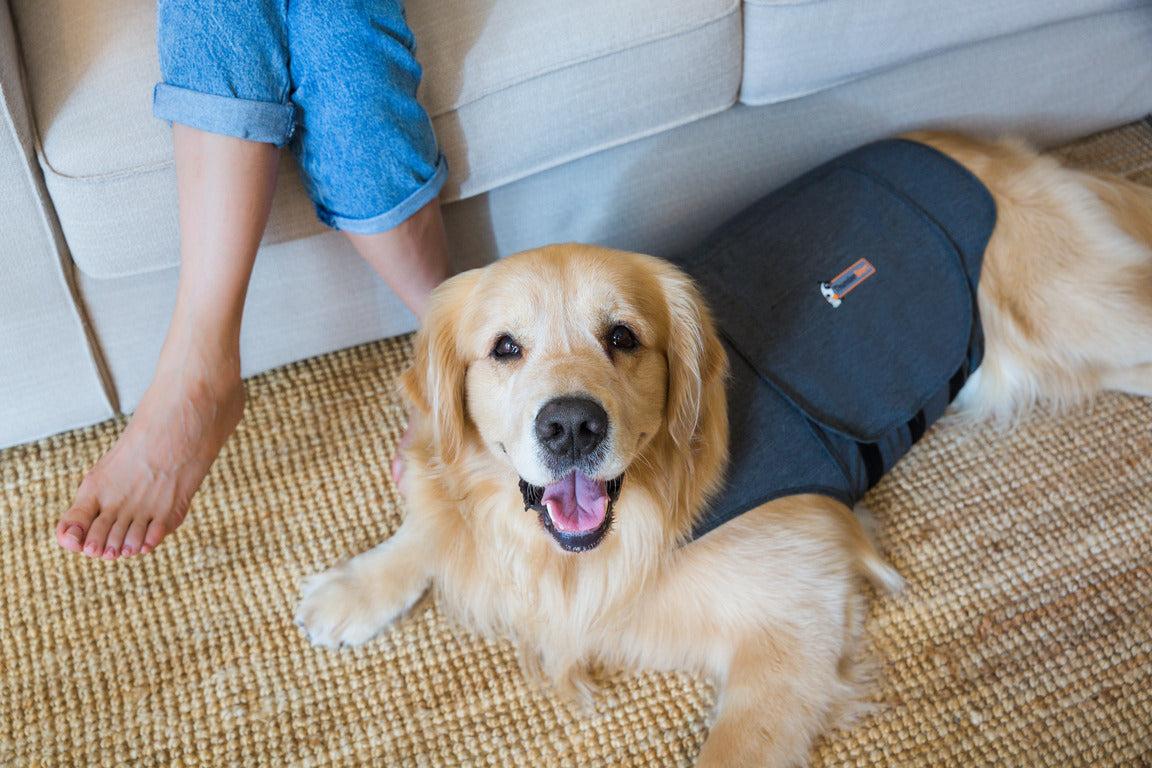
The best benefit I see is that a vest can become part of a larger management plan. For a dog who trembles during storms, having a familiar garment available alongside a quiet room and predictable routine may lower the intensity of the moment. Support during triggers is the realistic goal.
I am careful with promises because every dog is different. A pressure wrap may help one dog relax while another dog needs a different approach. Studies have reported some improvements in anxiety signs, but researchers also highlight limitations in the available evidence.
Possible benefits
- Easy to use during predictable events
- May provide comfort for some dogs
- Can be combined with training plans
Things to remember
- Not every dog enjoys wearing one
- It does not replace behaviour work
- Research is still developing
How to Choose the Right Size Dog Anxiety Vest
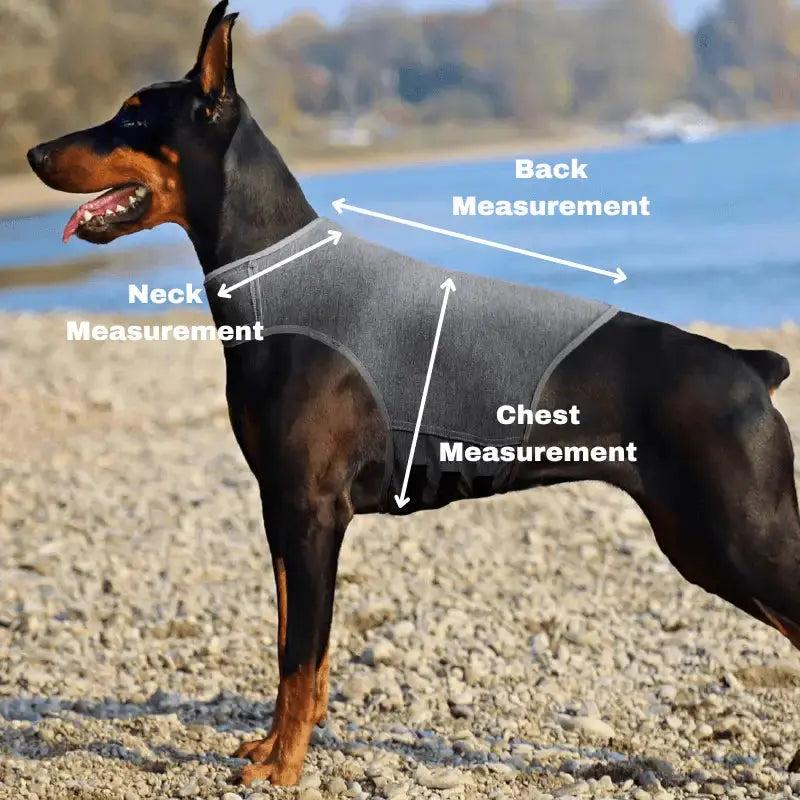
A vest that is too loose usually does not provide the intended snug feeling, while one that is too tight can make a dog uncomfortable. I want owners to think about comfort first, not squeezing harder. Correct sizing means the dog can move normally.
- Measure. Check your dog's chest and body measurements using the manufacturer's guide.
- Fit. Make sure the vest sits securely without restricting breathing or movement.
- Observe. Look for relaxed muscles, normal walking and willingness to wear it.
A simple fitting rule many owners use is checking that fingers can slide comfortably underneath a snug vest. The garment should support your dog, not turn into another thing they have to tolerate.
Best Materials for a Comfortable Dog Anxiety Vest
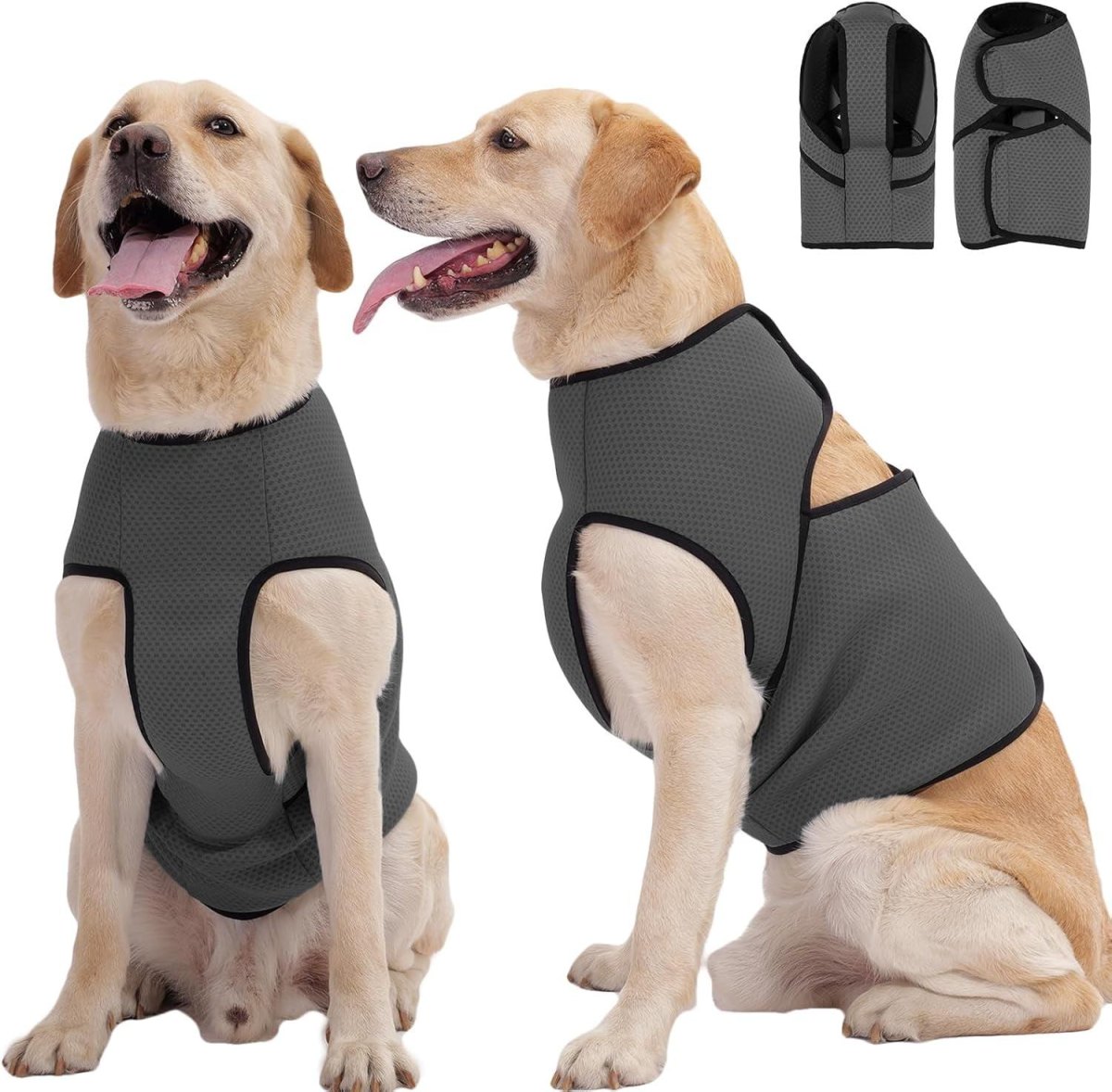
When I evaluate a calming vest, I care about the same things I care about with harnesses: softness, movement and whether the dog can forget it is there. A good vest uses comfortable materials and avoids rubbing areas around the legs, neck and chest. Breathable fabric matters especially for warm homes or long wear.
- Stretch panels: Help the vest move with the dog's body.
- Soft lining: Reduces irritation for sensitive dogs.
- Adjustable closures: Allow a more individual fit.
I always ask owners to check for signs of discomfort: scratching at the vest, stiff movement, tucked posture or repeated attempts to escape it. Comfort is part of whether the tool works.
Dog Anxiety Vests for Thunderstorms and Loud Noises
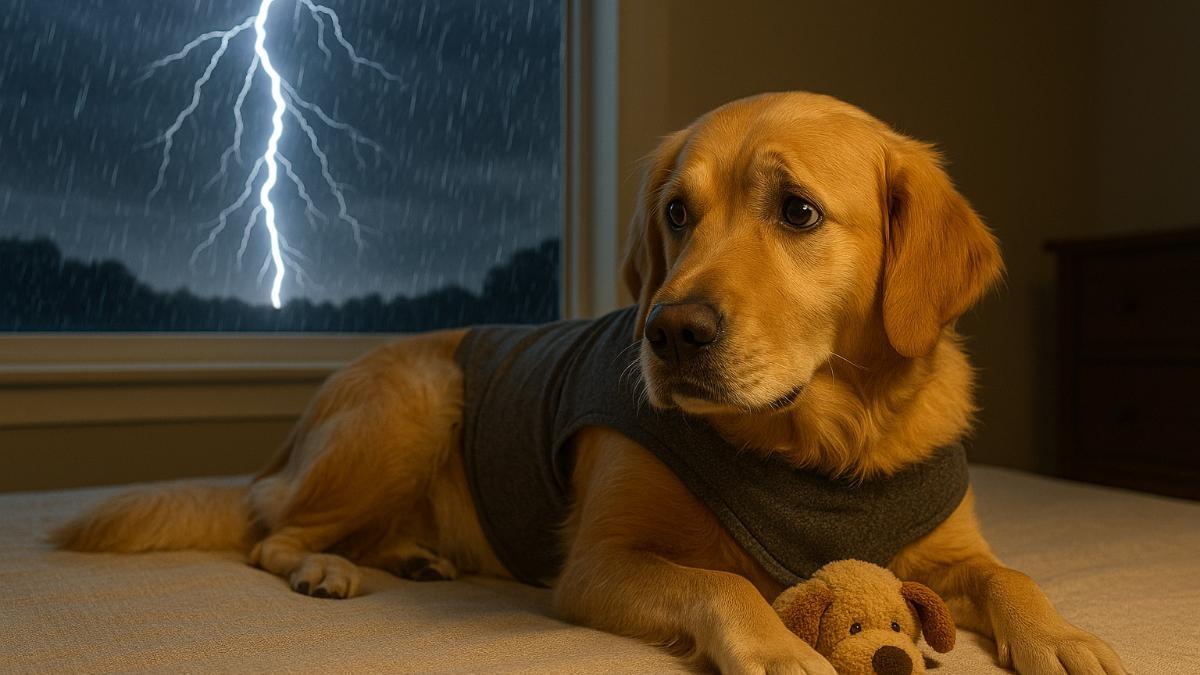
Thunderstorms are one of the most common reasons people search for an anxiety vest. Bruno was never a fan of sudden weather changes, and I learned quickly that management mattered: curtains closed, a safe resting area ready and no forcing him to confront the noise. A vest may be one small piece of that plan. Storm preparation should happen before the first crack of thunder.
Some studies on pressure wraps for storm-related fear have found owner-reported improvements, but the research also has limitations. I tell clients to try the vest during calm periods first and track their dog's response rather than assuming it will work.
Dog Anxiety Vests for Separation Anxiety
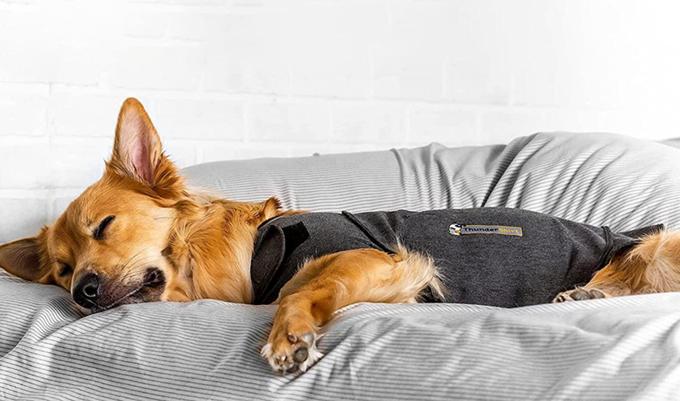
Separation anxiety is one place where I slow people down. A dog panicking when left alone is not being stubborn, and an anxiety vest alone will not teach a frightened dog that departures are safe. True separation problems usually require a carefully planned behaviour program. Gradual absence training is the foundation.
Research on separation-related problems supports approaches involving systematic desensitisation and changing the dog's emotional response to absences. If a dog is injuring themselves, destroying doors, or showing extreme panic, I recommend working with a qualified professional and involving your veterinarian when appropriate.
Important
Do not use an anxiety vest as a reason to leave a panicking dog alone longer. Management and a proper plan come first.
Cleaning and Maintaining a Dog Anxiety Vest
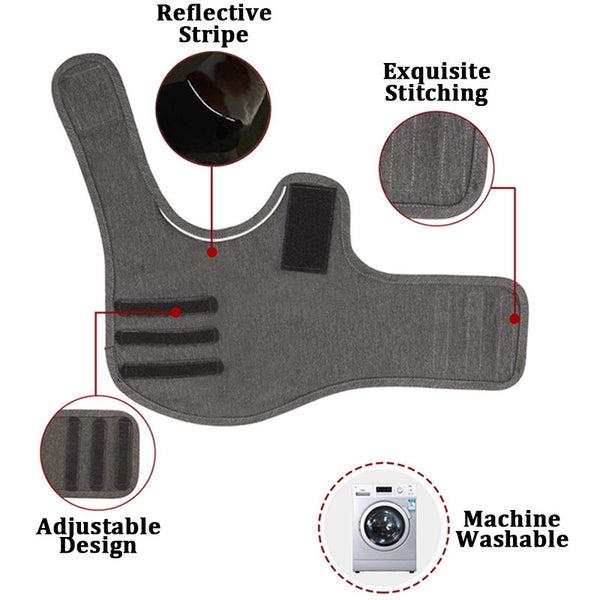
A calming vest spends a lot of time close to your dog's skin, so maintenance matters. I recommend checking the care label, washing regularly and inspecting seams and fasteners. Clean equipment is more comfortable equipment.
- Wash according to manufacturer instructions
- Check for stretched fabric or damaged closures
- Dry fully before the next use
I also remind owners to watch for changes in how the dog responds after washing. A familiar smell and feel can matter to sensitive dogs, so avoid turning the vest into a stressful object.
Dog Anxiety Vest vs Other Calming Solutions
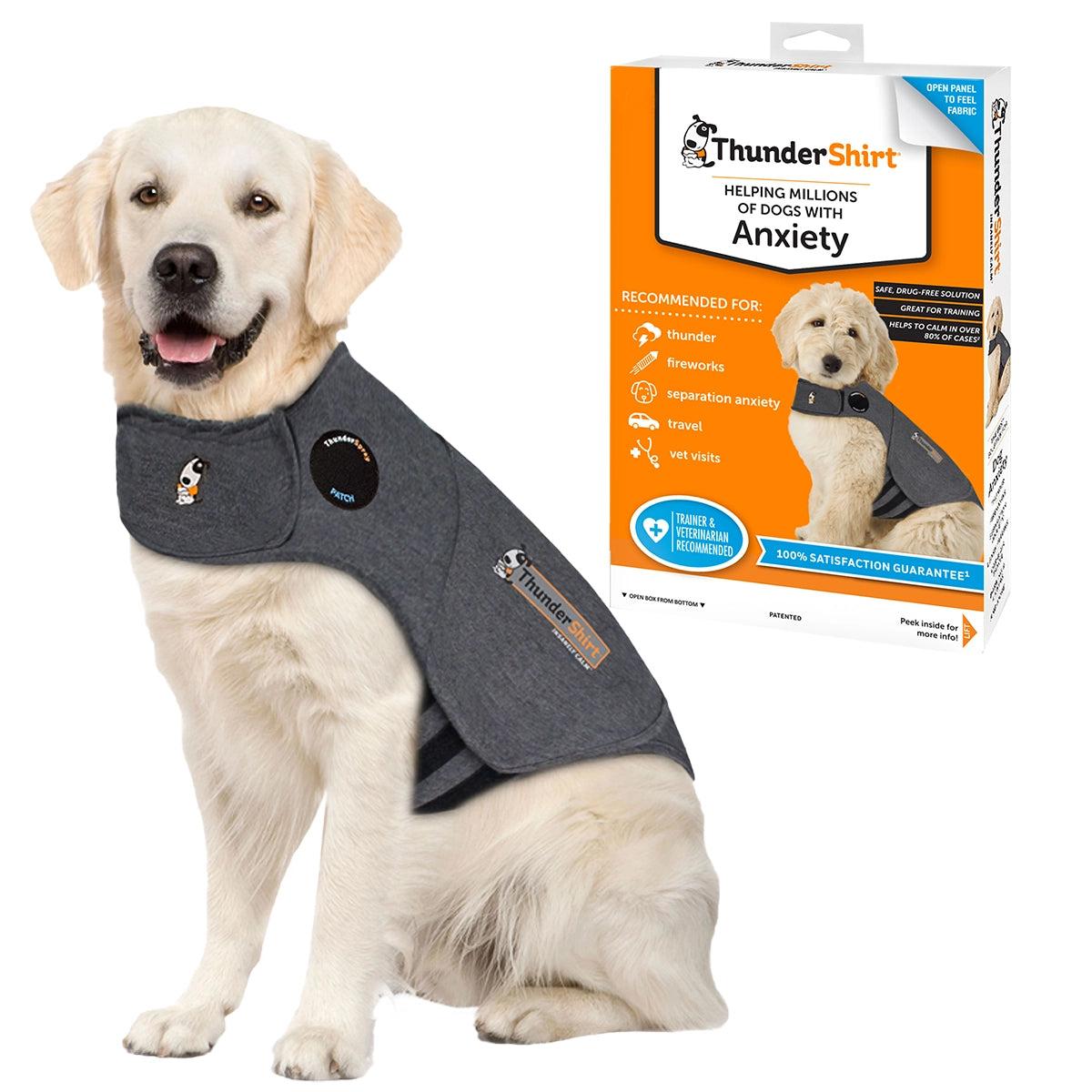
I rarely choose equipment in isolation. A vest, a quiet room, training exercises and veterinary support can all have different roles depending on the dog. The right answer is the one that lowers stress without creating another problem. Individual needs decide the best option.
| Option | Best use |
|---|---|
| Anxiety vest | Extra support during some predictable triggers |
| Behaviour training | Changing emotional responses over time |
| Veterinary support | Complex anxiety cases needing medical guidance |
I avoid anything based on pain, fear or intimidation. Good behaviour work should make a dog feel safer, not smaller.
When to Use a Dog Anxiety Vest for Maximum Comfort
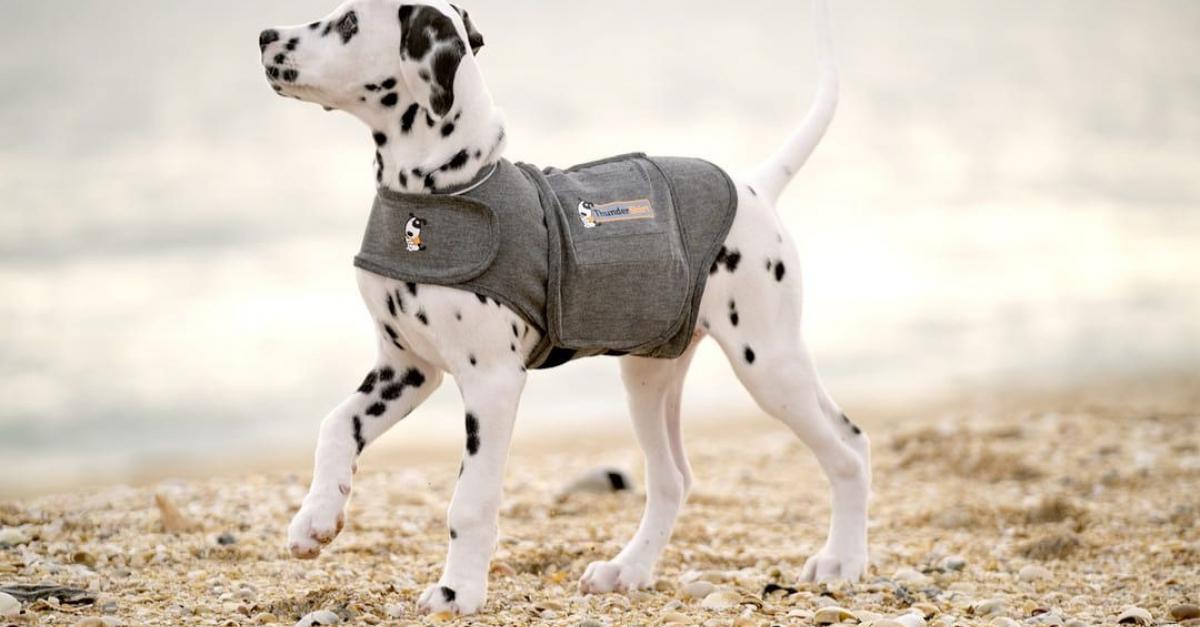
The best time to introduce an anxiety vest is before your dog is overwhelmed. Put it on during relaxed moments, pair it with something positive and watch your dog's body language. Early introduction gives your dog a chance to form a comfortable association.
My practical test
If your dog can walk, rest, eat treats and move normally while wearing the vest, you are starting in a good place. If their body becomes tense, frozen or avoidant, adjust the plan.
A dog anxiety vest can be a useful tool for some households, especially when paired with thoughtful management. The goal is not a perfectly calm dog in every situation. The goal is helping your dog feel safe enough to cope.


More Pinterest Visuals