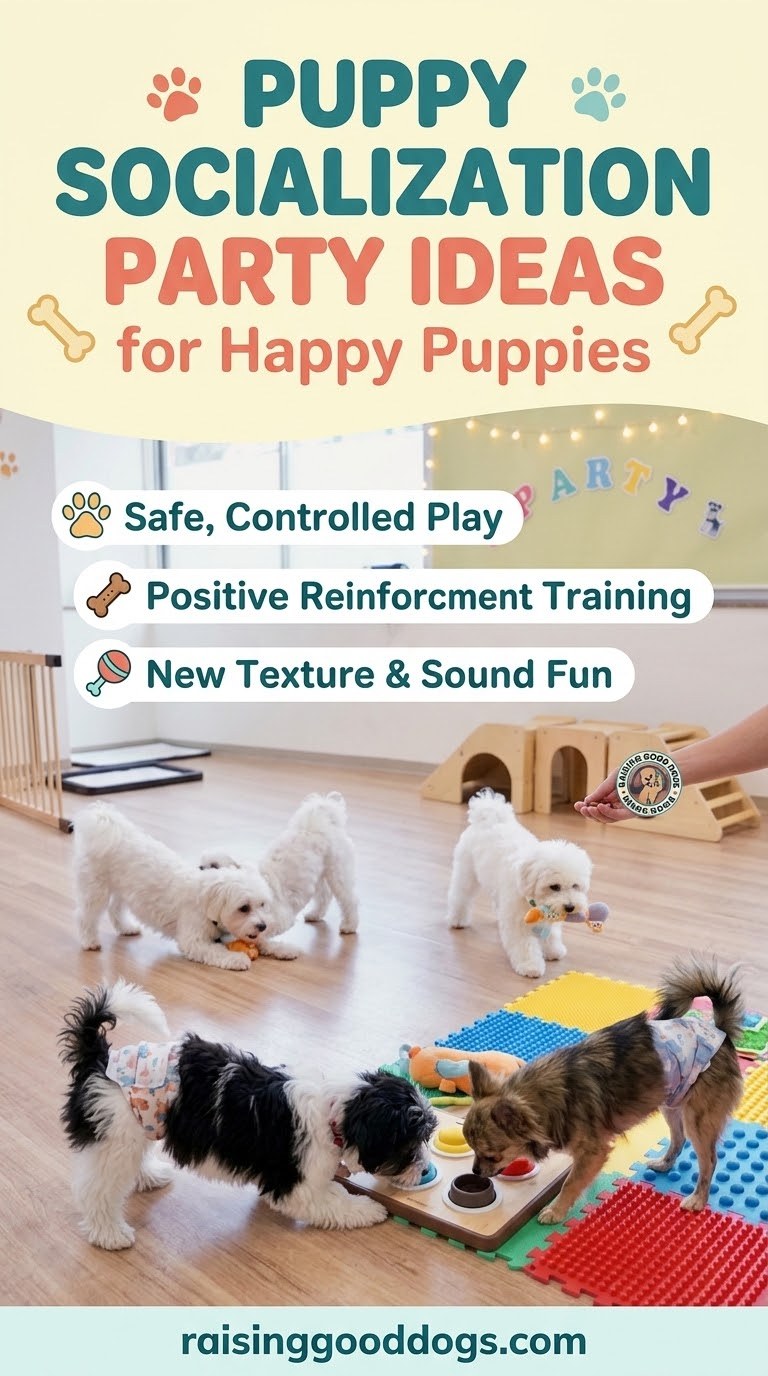
A good puppy party is not the canine version of a crowded nightclub. I want it to feel like a gentle classroom where puppies can explore, recover, and make good choices. Positive experiences matter far more than simply meeting lots of dogs, especially during early social development.
When I plan these gatherings, I think about the puppy on the other end of the leash: the shy one watching from behind a person's legs, the enthusiastic one who needs breaks, and the little explorer who thinks every shoe is a treasure. Low-pressure activities help everyone leave feeling successful.
Puppy Meet-and-Greet Circle
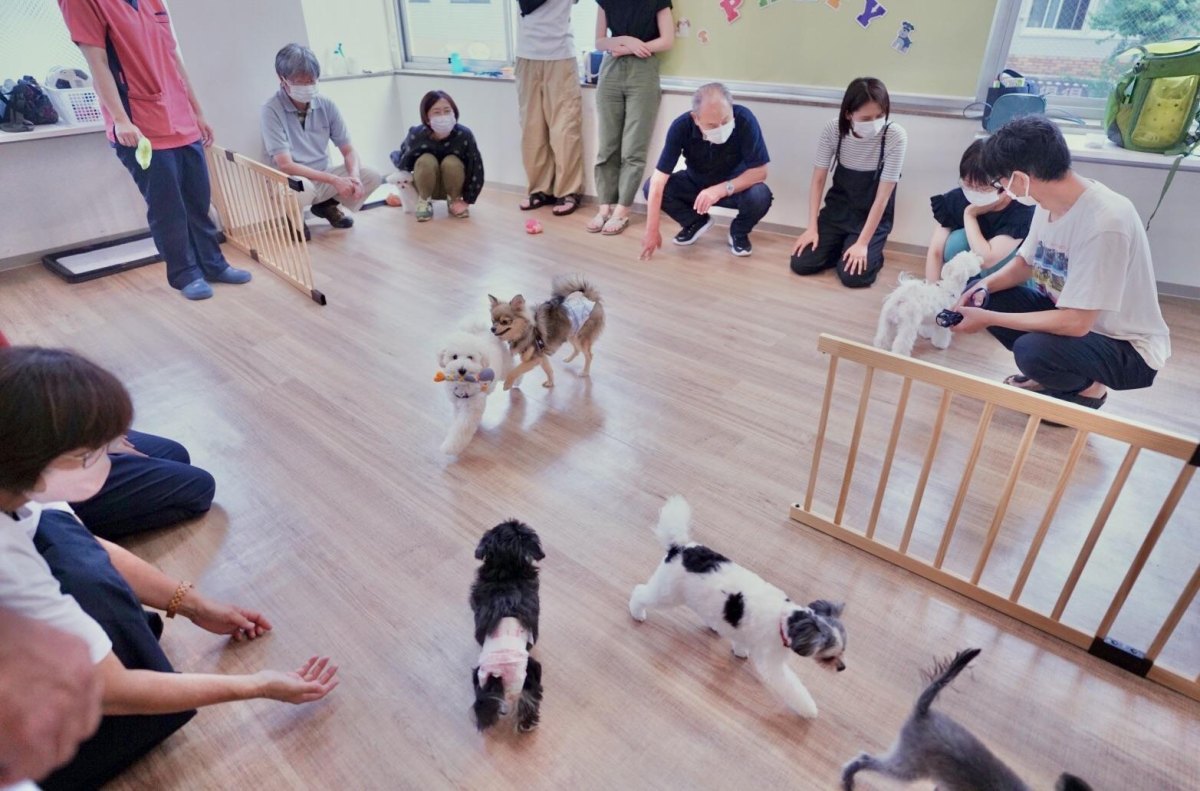
I start with a small, supervised meet-and-greet circle rather than a free-for-all puppy pile. Careful introductions allow puppies to notice each other, pause, and choose whether they want to engage.
I keep groups manageable and watch for body language like freezing, turning away, tucked tails, or repeated attempts to hide. Consent-based play means a puppy can step away and still have a successful party.
Puppy-Friendly Obstacle Course
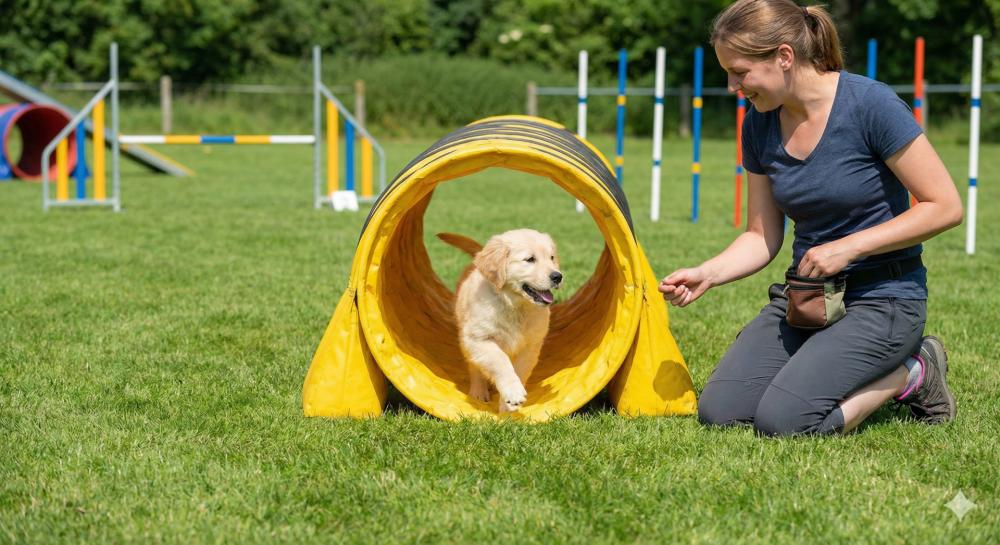
An obstacle course is one of my favourite ways to build confidence without forcing interaction. A cardboard tunnel, low platform, or different surface can become a tiny adventure. Novel experiences should always be introduced at the puppy's pace.
I reward curiosity, not completion. If a puppy only sniffs the tunnel today, that is still progress. Confidence grows slowly, and that is exactly what we want.
Puppy Toy Swap Station
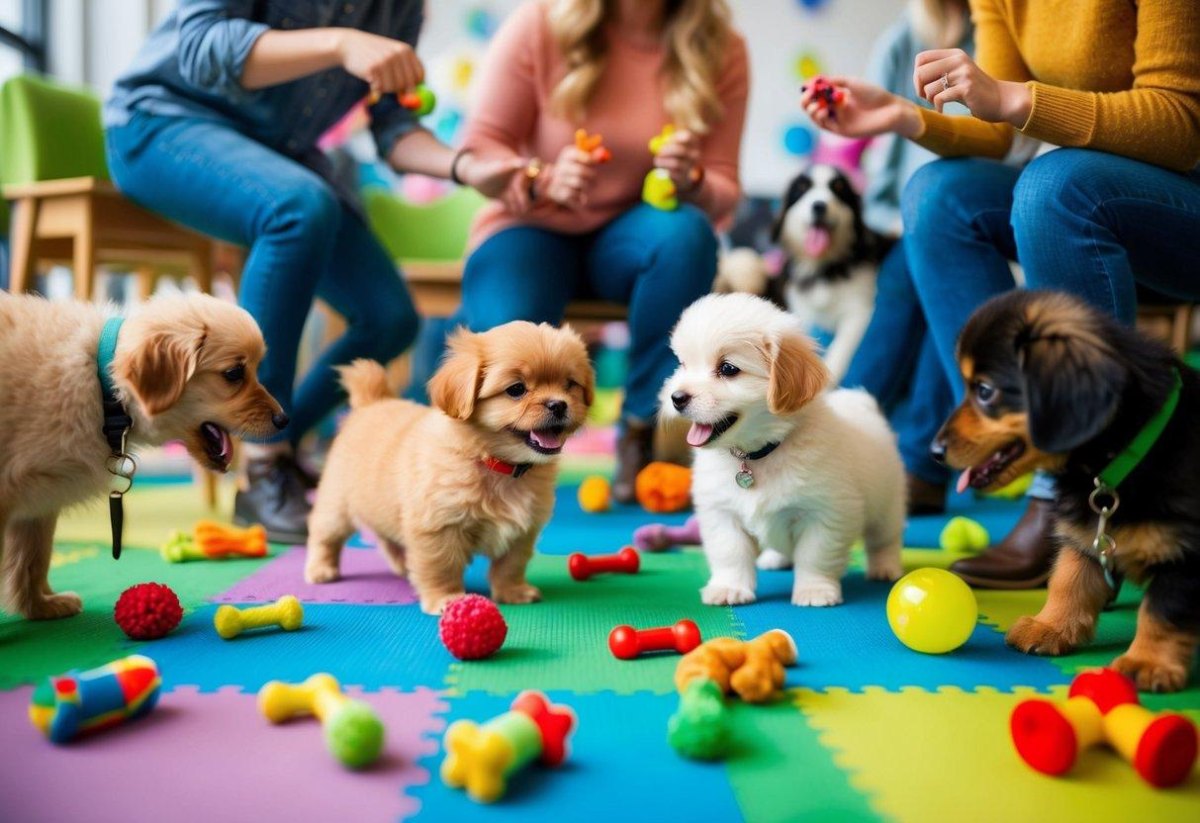
A toy swap sounds adorable, but I manage it carefully. Some puppies love sharing space around toys, while others find valuable objects stressful. Resource awareness keeps play positive.
I prefer several identical toys and short play sessions rather than one exciting item everyone wants. Smart management prevents unnecessary competition.
Trainer tip
Keep favourite household toys at home and use party toys that are new or neutral for everyone.
Puppy Costume Photo Booth
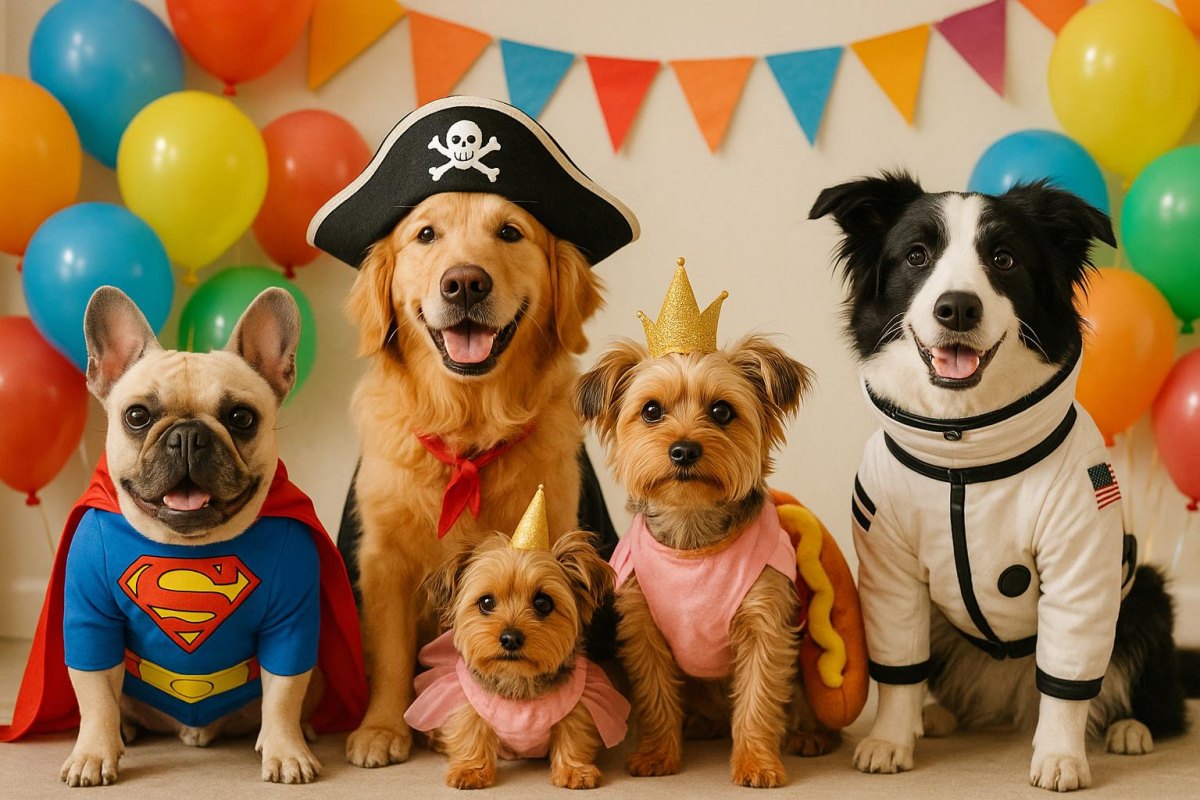
A photo booth can be fun if the costume is optional. I never want a puppy learning that a camera, hat, or decoration predicts discomfort. Choice-based handling builds trust during puppyhood.
Start with simple props nearby and reward relaxed behaviour. A puppy who happily sits beside a tiny party hat is the goal, not a puppy who tolerates being dressed up. Body language comes first.
Good ideas
- Loose accessories
- Short photo sessions
Avoid
- Restrictive costumes
- Holding a nervous puppy still
Puppy Treat Tasting Bar
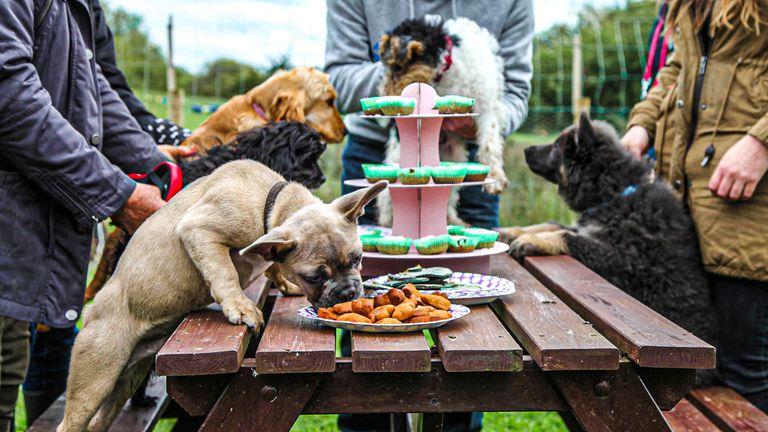
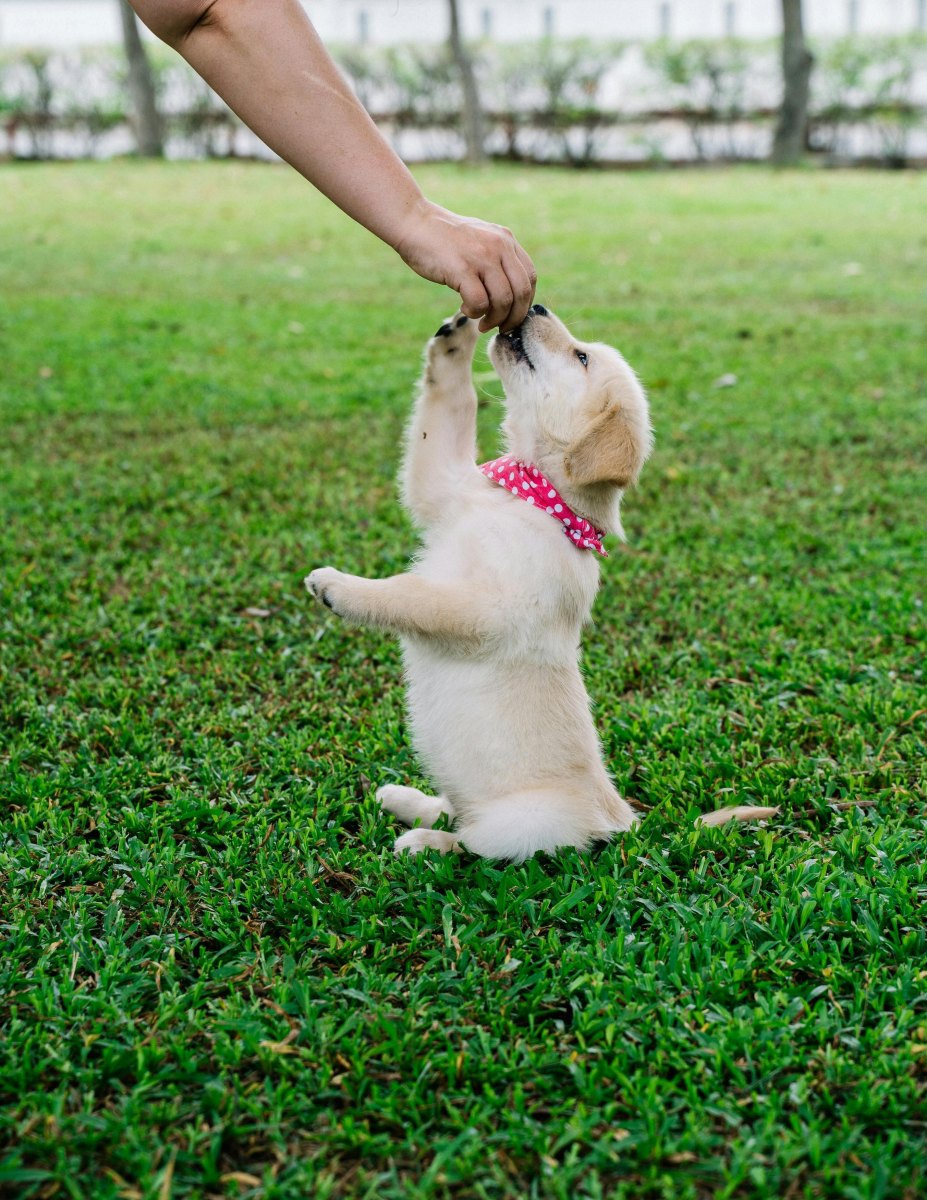
I love a treat station because food can help puppies create happy associations. I use tiny rewards and give each puppy space. Calm reinforcement works better than overwhelming excitement.
Owners should bring treats their puppies already handle well and check for dietary needs. Simple choices keep the focus on learning, not a stomach upset.
| Station | Purpose |
|---|---|
| Soft treats | Reward calm behaviour |
| Sniff area | Encourage exploration |
Puppy Splash Play Area
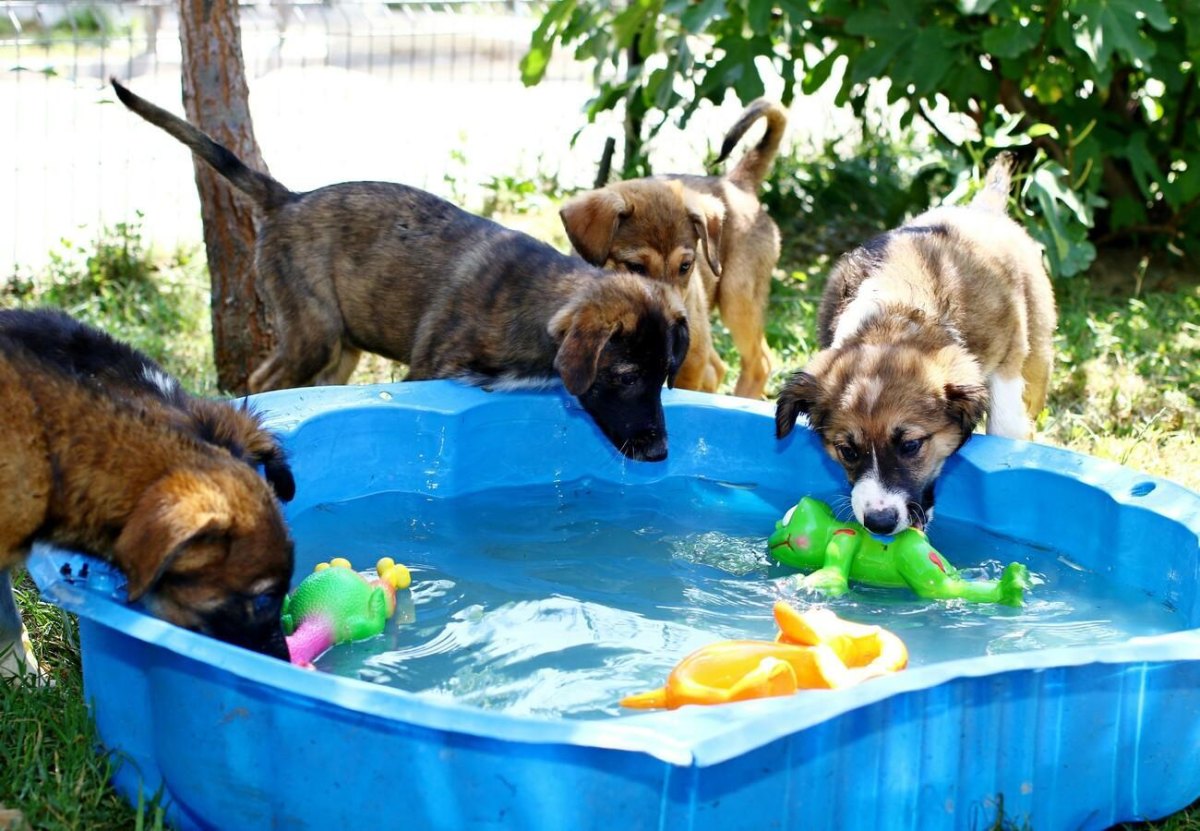
A splash area is brilliant for warm days, but water should never become a surprise challenge. I let puppies investigate shallow pools, sprinklers, or wet towels at their own speed. Gradual exposure prevents fear from becoming part of the memory.
Some puppies will dive in. Others will stare at the water like it personally offended them. Both reactions are normal. Respecting the puppy is the whole exercise.
Safety note
Never force a puppy into water or ignore signs of stress such as freezing, avoidance, or frantic movement.
Puppy Training Games Corner
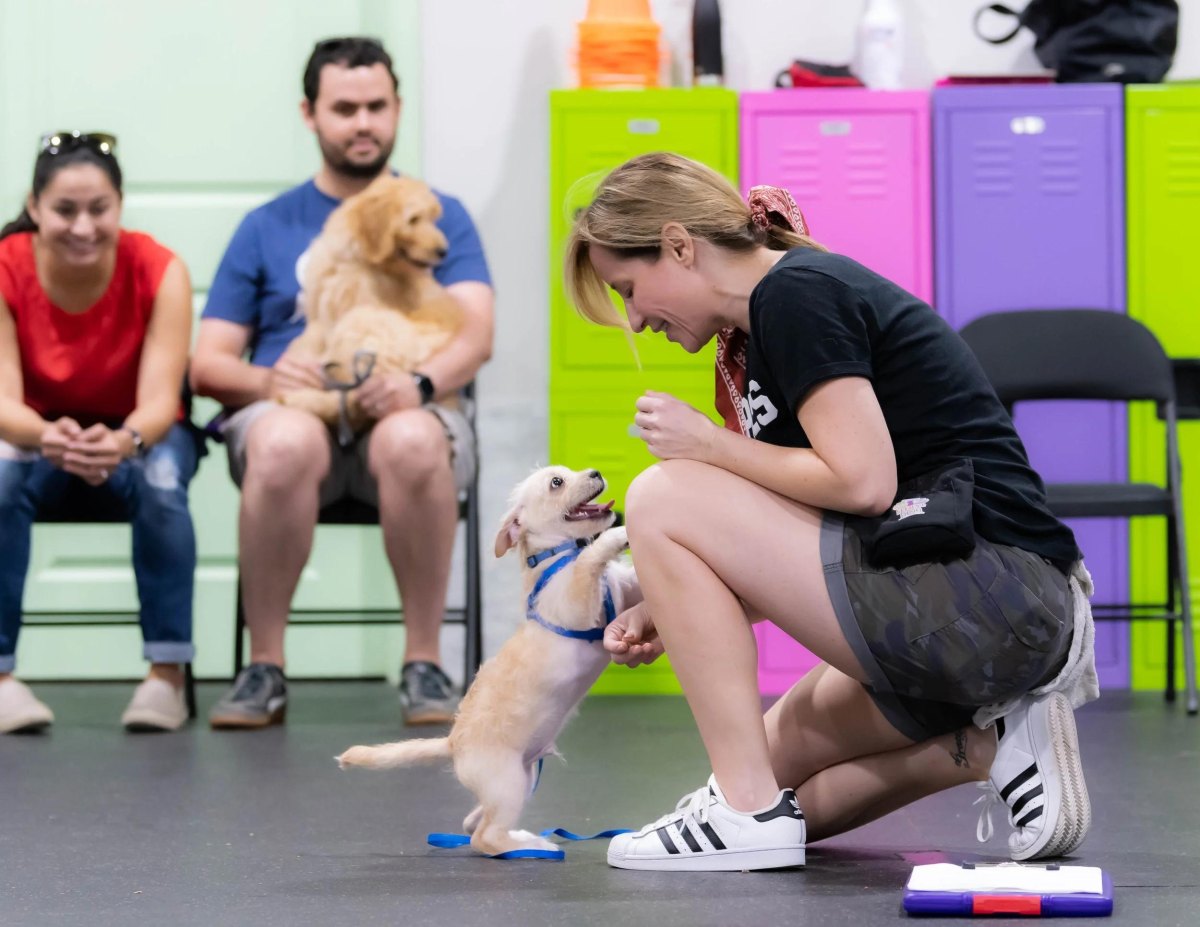
I always include a quiet training corner because socialization is not only about playing with dogs. Puppies also need practice being around people, sounds, and distractions. Reward-based games create useful life skills.
Simple games like name response, hand targeting, or coming away from play are practical for everyday life. Short sessions win because puppy attention spans are wonderfully tiny.
Puppy Nap and Calm Zone
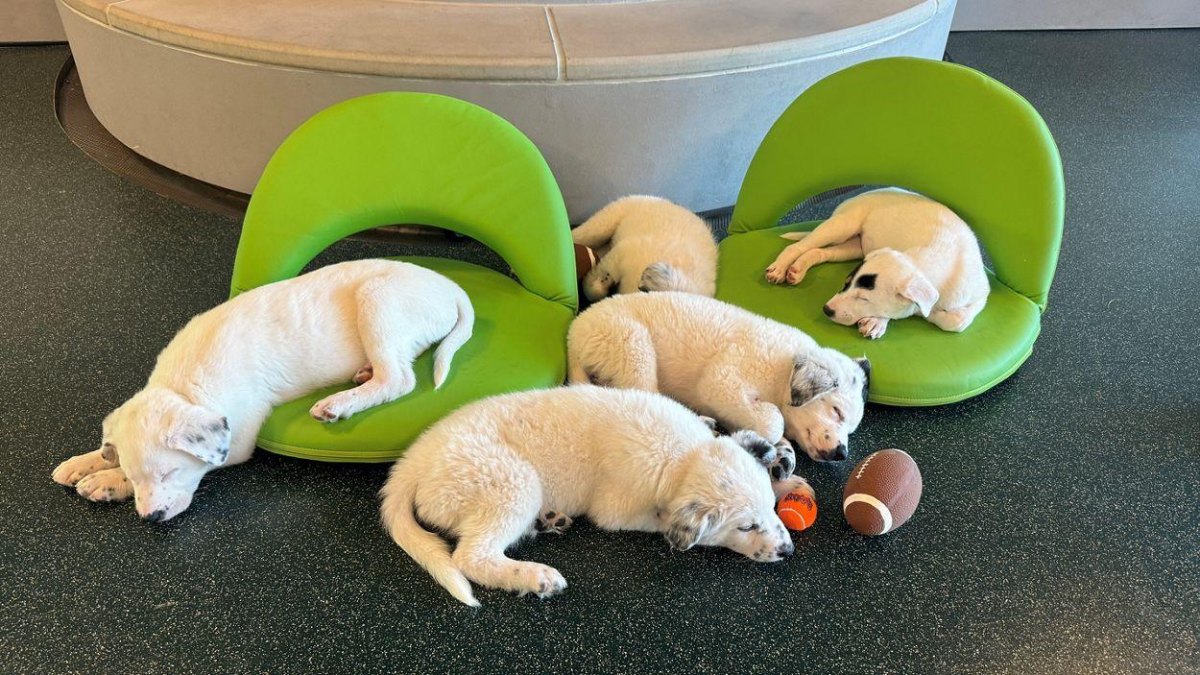
This might be the most important party feature. Puppies often look like they want endless fun when they actually need sleep. Planned quiet time prevents tired puppies from tipping into frantic behaviour.
I set up a low-traffic rest area where puppies can watch without participating. Learning to settle is a life skill, not a boring pause.
3–14 weeks
A key early period when puppies are especially sensitive to experiences
Puppy Parade and Social Walk
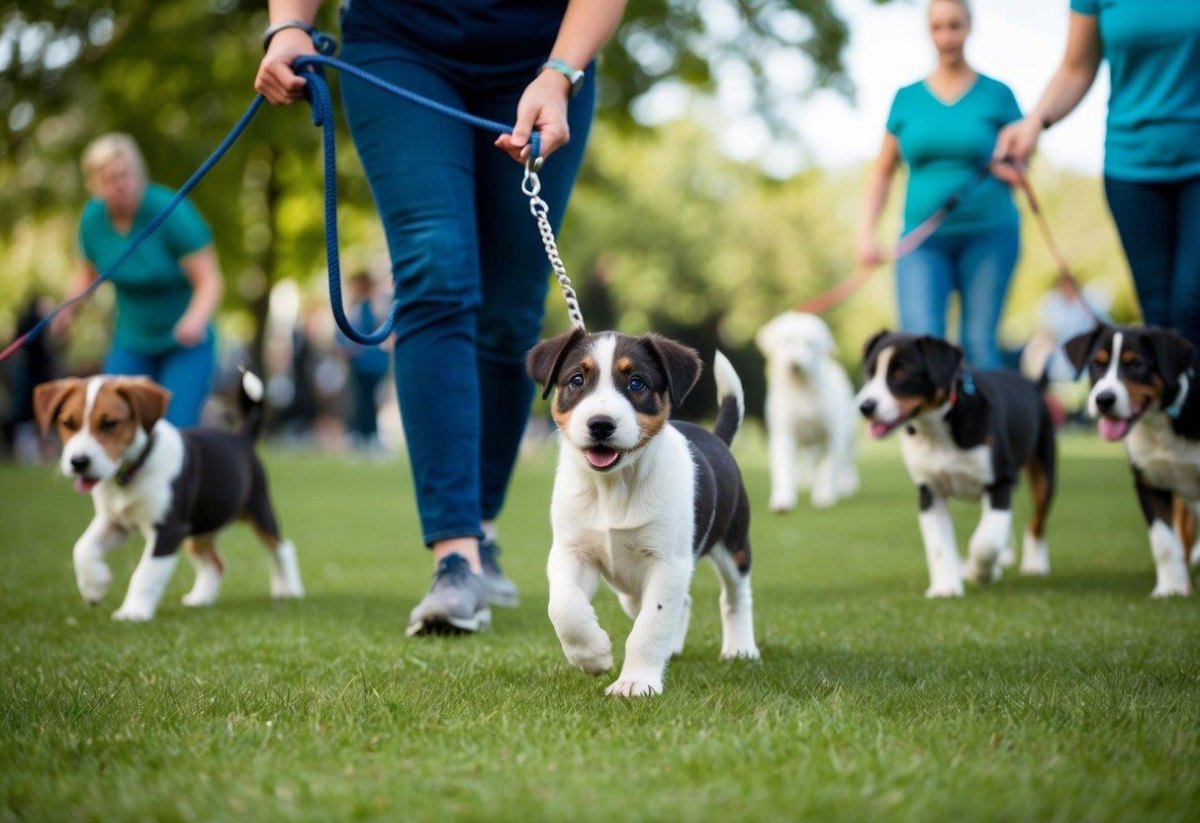
A short puppy parade can teach something many dogs need later: being near others without constantly greeting them. Controlled walking practice is different from dragging puppies through a busy environment.
I choose quiet routes and watch each puppy's comfort level. Distance is a training tool, and giving a puppy room to process is never a failure.
The goal is not to make every puppy love every situation. The goal is to help puppies feel safe exploring the world.
Marisa ColePuppy Birthday Celebration Theme
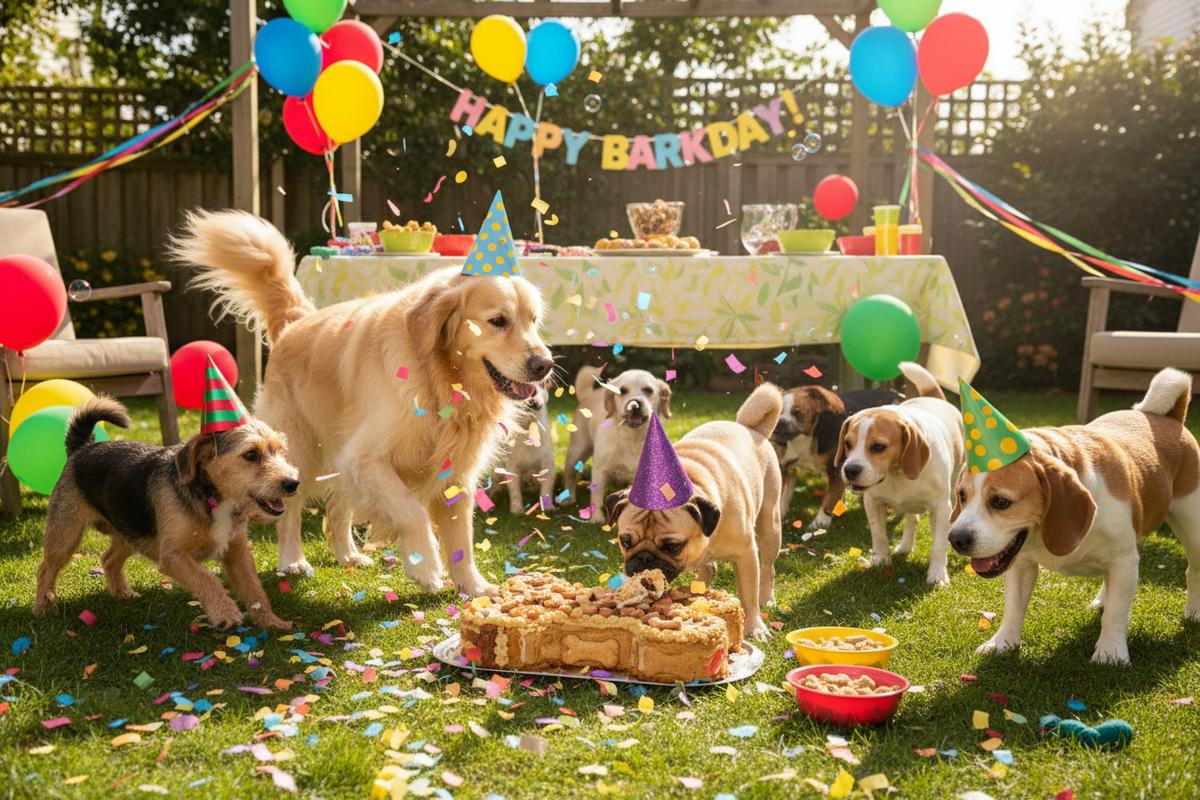
A birthday theme is a lovely excuse to gather people and puppies, but I keep the celebration built around the dogs' needs. Successful puppy parties are structured, supervised, and flexible.
I like simple decorations, short activities, and plenty of breaks. The best party photo is not the one with every puppy in frame; it is the one where every puppy went home feeling confident. Positive memories last long after the cake is gone.
My puppy party essentials
- Small groups with careful supervision
- Choice-based activities
- Rest spaces and realistic expectations
More Pinterest Visuals