I know the feeling of standing at the window at 6 a.m. with a barking dog and a neighbour who probably knows your schedule better than you do. The first thing I tell my clients is that fast relief starts with management, not a magic command. We reduce the chances to rehearse the barking while we teach a better response.
I learned this the hard way with Bruno. A dog can be brilliant in a training room and still fall apart on a real Tuesday morning. This guide focuses on the practical changes that help in everyday life, while remembering that barking is communication, not a character flaw. Reward-based training is the approach recommended by veterinary behaviour organisations because it teaches what we want dogs to do rather than relying on punishment.
Identify Why Your Dog Is Barking
Summary
- Find the reason behind the barking before choosing a solution.
- Different causes need different training plans.
- Sudden behaviour changes deserve a veterinary check first.
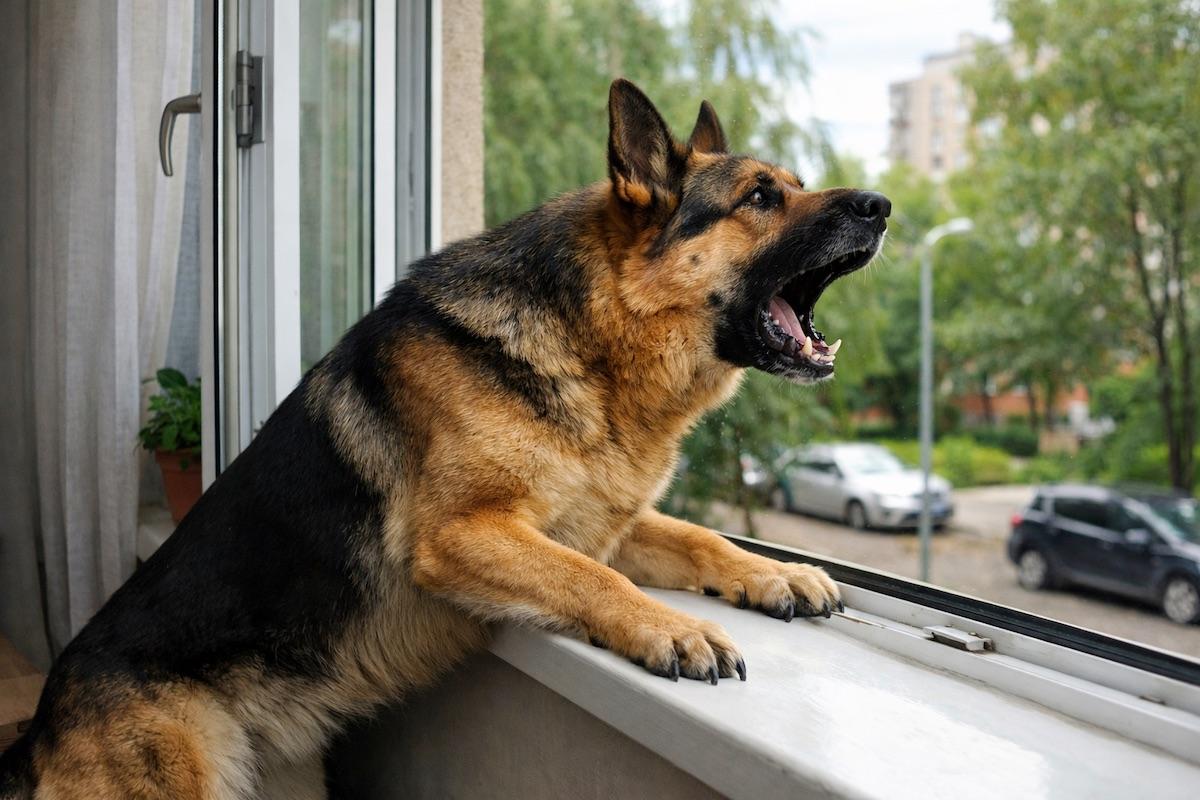
Before I ask a dog to be quiet, I want to know what the barking is doing for them. A dog barking at a delivery driver, a dog barking from fear, and a dog barking because they want dinner are all speaking different languages. The barking trigger matters because the fix has to match the reason.
I watch the small details I learned to notice during my veterinary years: ears changing position, a tight mouth, weight shifting forward, a frozen body, or a dog who cannot take a treat. Those signs tell me the dog may be over threshold and unable to learn in that moment. If barking appears suddenly, especially with pain signs, sleep changes, or other unusual behaviour, I recommend checking with a vet before starting a behaviour plan.
- Alert barking: Often linked to sights or sounds like people outside the window.
- Attention barking: Usually maintained because barking gets a response.
- Fear barking: Needs careful distance work rather than confrontation.
My quick tip
Write down what happens ten seconds before the barking starts. That tiny pattern often reveals the answer.
Use the Quiet Command Training Method
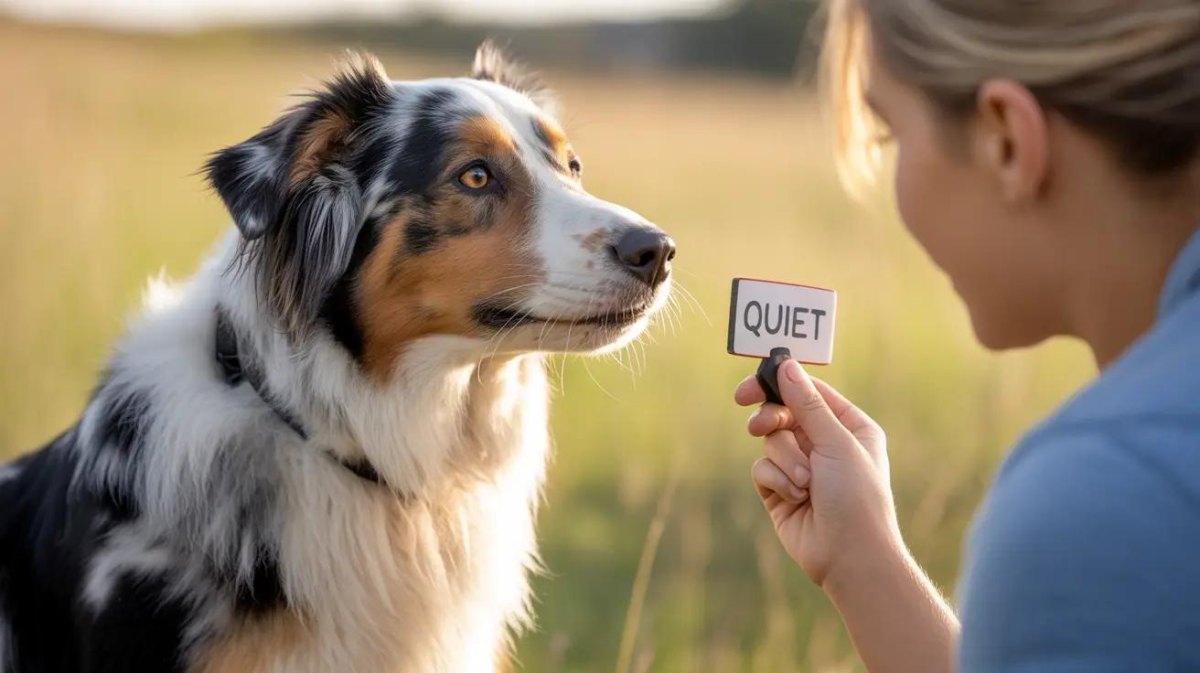
The quiet cue works best when we teach the dog what silence earns, not when we shout over the barking. I usually start in a calm room, not beside the front window during the neighbour’s morning walk. Reward the pause first, then add the word you want to use.
- Wait. Let your dog notice the trigger and find a tiny moment of silence.
- Mark. Say your chosen quiet cue calmly when the pause happens.
- Reward. Give a treat immediately so your dog connects quiet with success.
This process takes repetition. Many dogs need weeks of practice before the cue works around their hardest triggers. Teaching quiet by rewarding the silence after barking is a commonly recommended approach from veterinary behaviour resources.
Common mistake
Repeating “quiet, quiet, quiet” while a dog is fully barking often becomes background noise. I want one clear cue and a situation where my dog can actually succeed.
Remove Triggers That Cause Fast Barking

When a dog practices barking fifty times a day, the behaviour gets stronger. My first job is usually not glamorous: close the blinds, move the dog away from the fence, choose a quieter walking route, or change the timing. Preventing rehearsal creates breathing room for training.
| Trigger | First management step |
|---|---|
| People passing the window | Block the view and create distance. |
| Door sounds | Practice with controlled, low-intensity versions. |
| Other dogs on walks | Move away before the barking explosion. |
I use this approach with reactive dogs on the harbour path near my training work. Distance is not giving up; it is what allows a dog’s brain to stay available for learning. Management and changing the environment are important parts of behaviour plans.
Important note
If barking involves bites, threats toward children, or serious aggression, this is beyond a quick online plan. Work with a qualified professional in person and involve your vet when appropriate.
Give Your Dog Exercise and Mental Stimulation
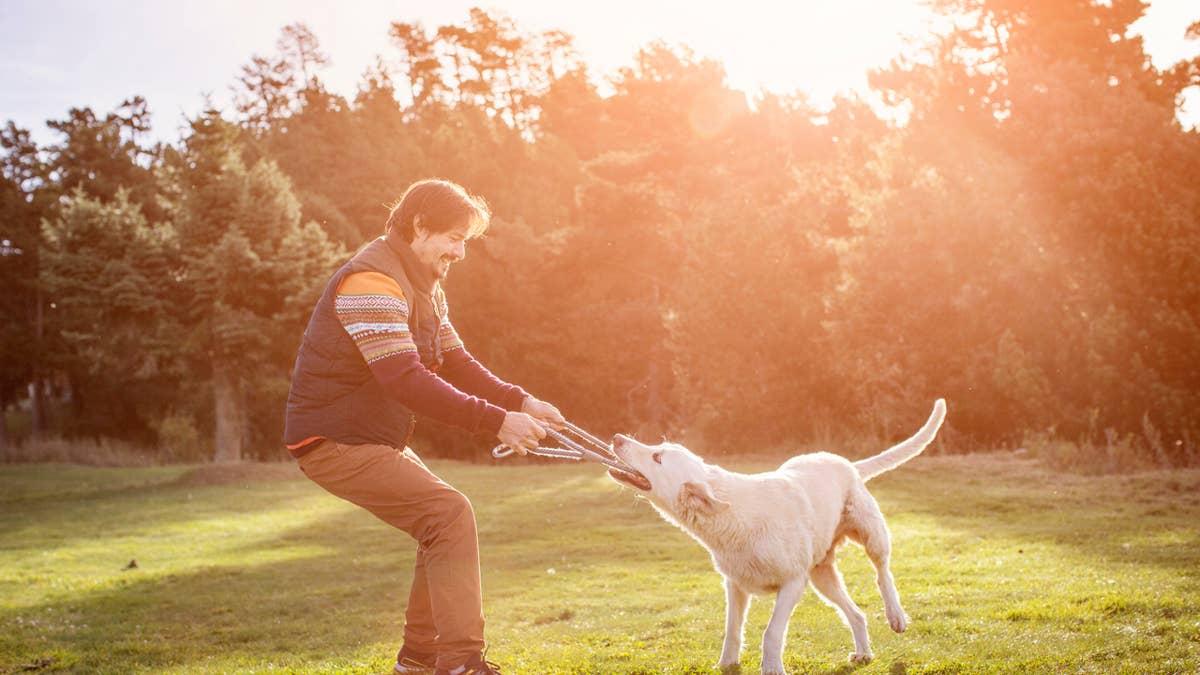
A dog who has spent all day watching the fence line is often not simply “full of energy.” They may be mentally stuck in a habit. I like to add activities that help dogs think, sniff, and settle because calm skills need daily practice.
- Provide age-appropriate physical activity.
- Add short training games throughout the day.
- Offer safe enrichment such as sniffing opportunities and problem-solving activities.
- Reward relaxed behaviour, not only active behaviour.
I do not promise a tired dog is a fixed dog. Exercise can help, but it does not replace addressing fear, frustration, or learned barking patterns. Veterinary guidance also highlights the value of physical activity and mental stimulation when managing excessive barking.
17 years
of training experience has taught me that routines beat occasional big efforts.
Reward Calm Behavior Immediately

The quiet moments are where many owners miss the opportunity. If your dog lies down peacefully while the world carries on, that is training time. Reinforcing calm moments teaches your dog that relaxation has value.
Rewarding calm
- Builds an alternative to barking.
- Strengthens the behaviour you want.
- Creates clearer communication.
Accidental rewards
- Yelling can still become attention.
- Giving in after barking may reinforce it.
- Waiting until a dog explodes makes learning harder.
I keep treats nearby for this reason. Bruno still has his opinions at twelve, and he is not joining me at a crowded festival, but he has learned how to settle in the world he can handle. Reward-based training focuses on building the behaviour we want instead of punishing the behaviour we dislike.
One final training habit
Catch your dog being quiet before they ask for anything. Those ordinary peaceful seconds are where the real progress happens.




More Pinterest Visuals