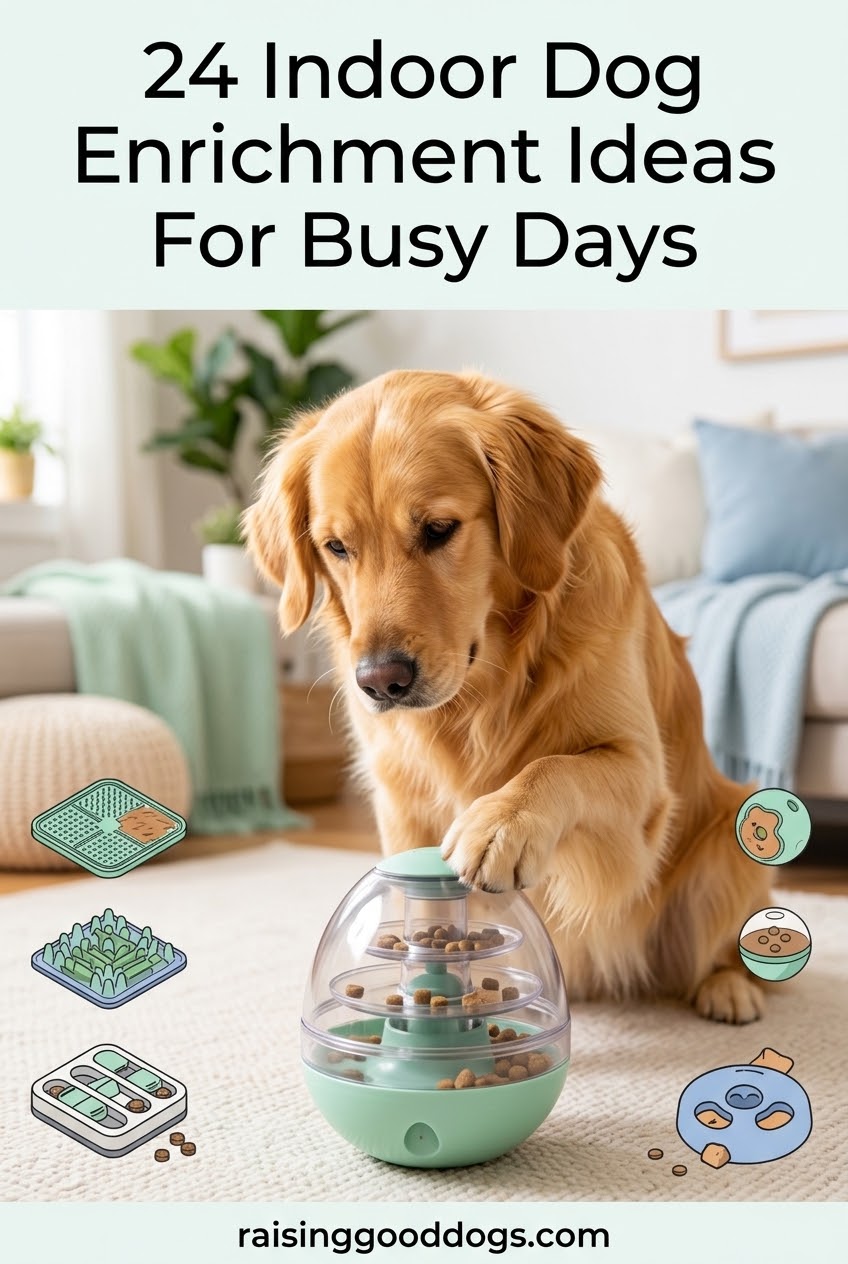
Rainy afternoons, recovery days, and busy schedules do not mean your dog has to stare at the same four walls. I use indoor enrichment games with my own dogs and clients because thoughtful activities can give a dog’s brain a job when outdoor options are limited. Veterinary behaviour resources also highlight puzzle toys, hide-and-seek, training, and foraging as useful forms of enrichment.
What I look for in indoor enrichment
- Activities that match the dog’s age, body, and confidence level.
- Games that encourage sniffing, problem solving, or calm focus.
- Options that can be adjusted before frustration appears.
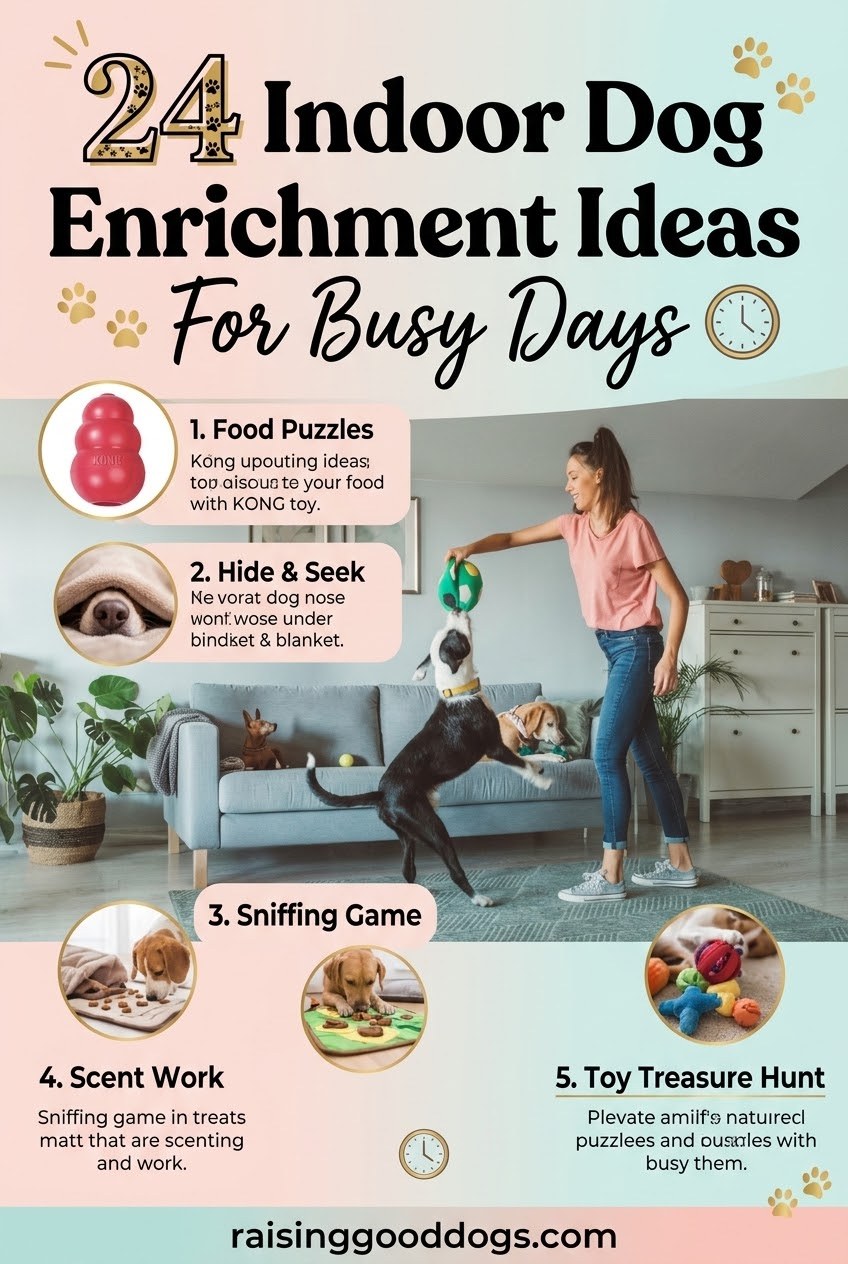
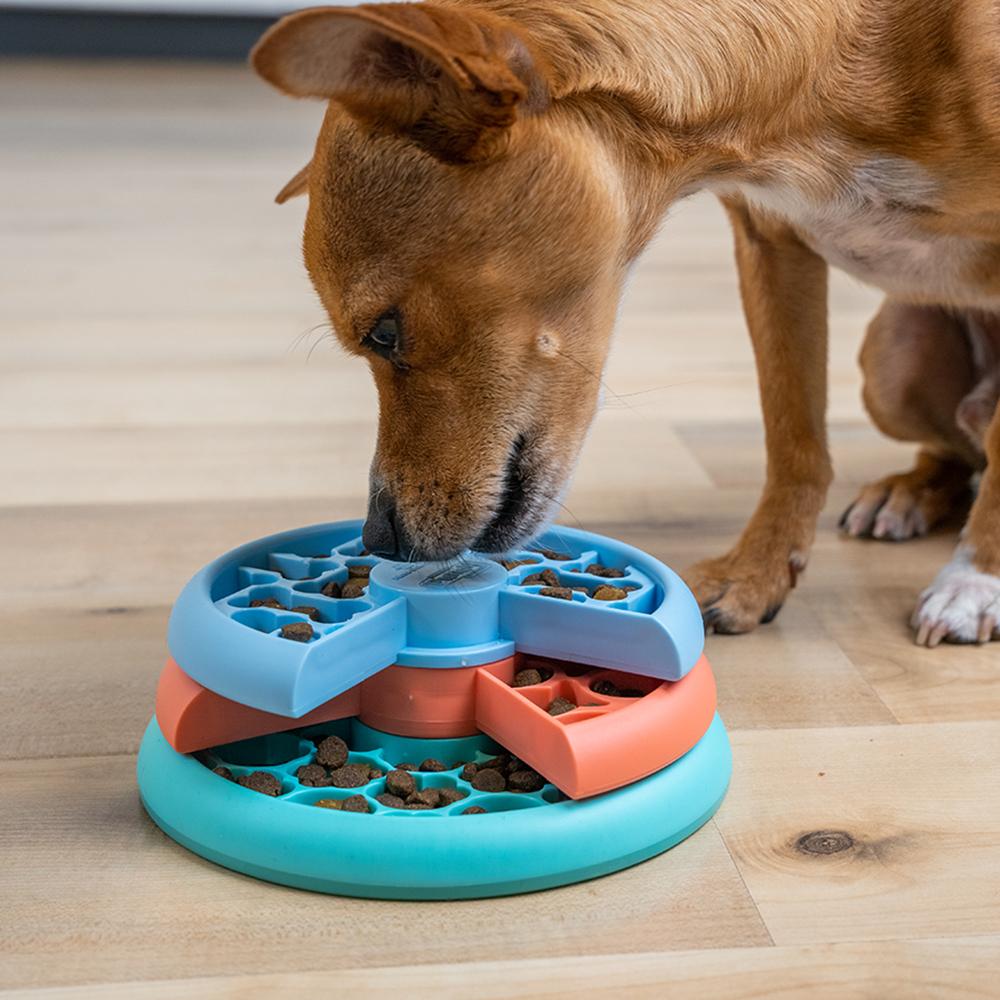
Treat Dispensing Puzzle Toys
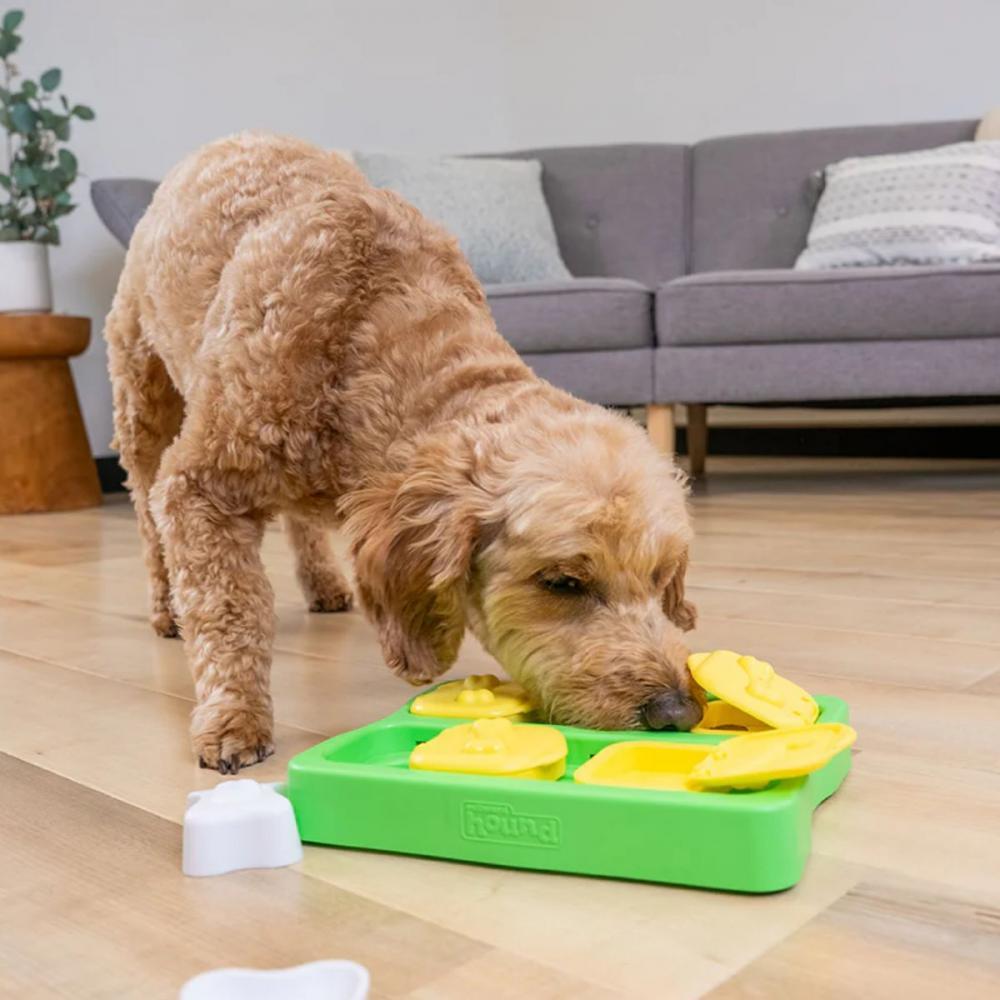
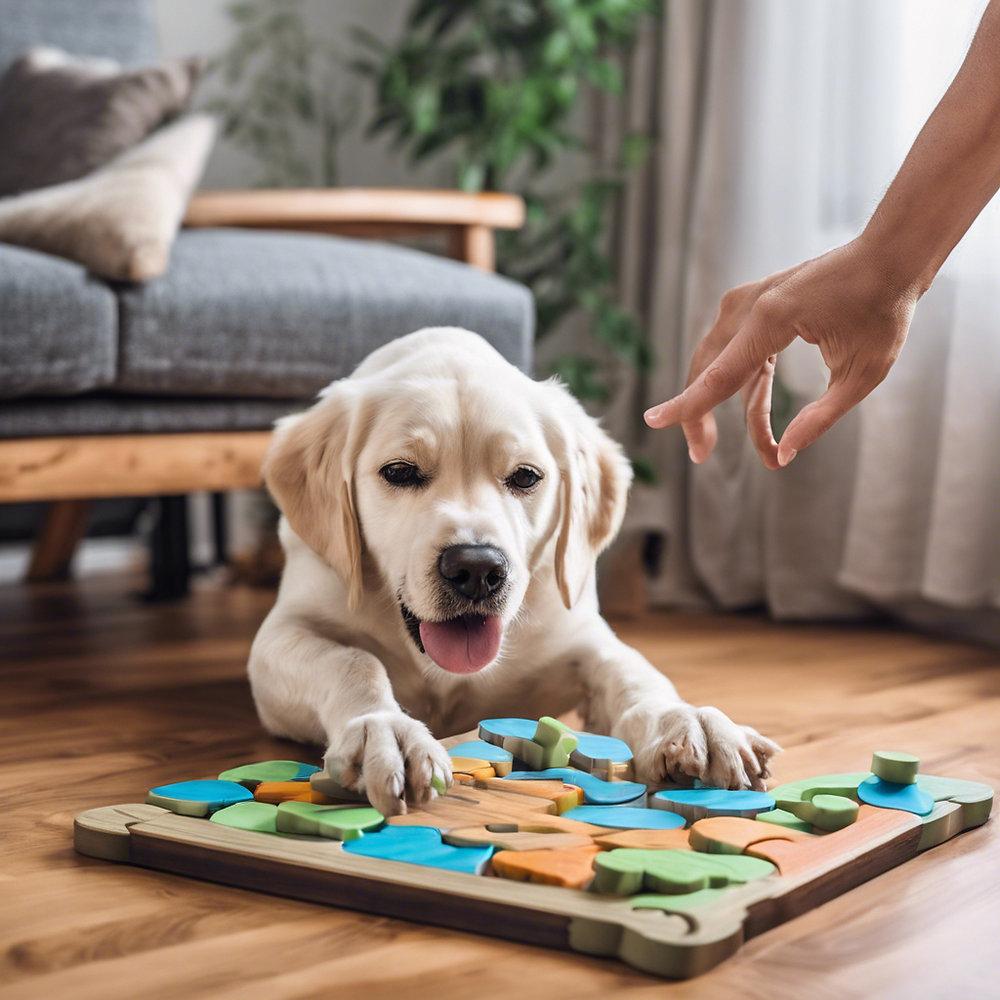
I like treat dispensing toys because they turn a meal into a small problem-solving session. Start easy, then increase difficulty only when your dog is enjoying the challenge. Food puzzles should create curiosity, not frustration.
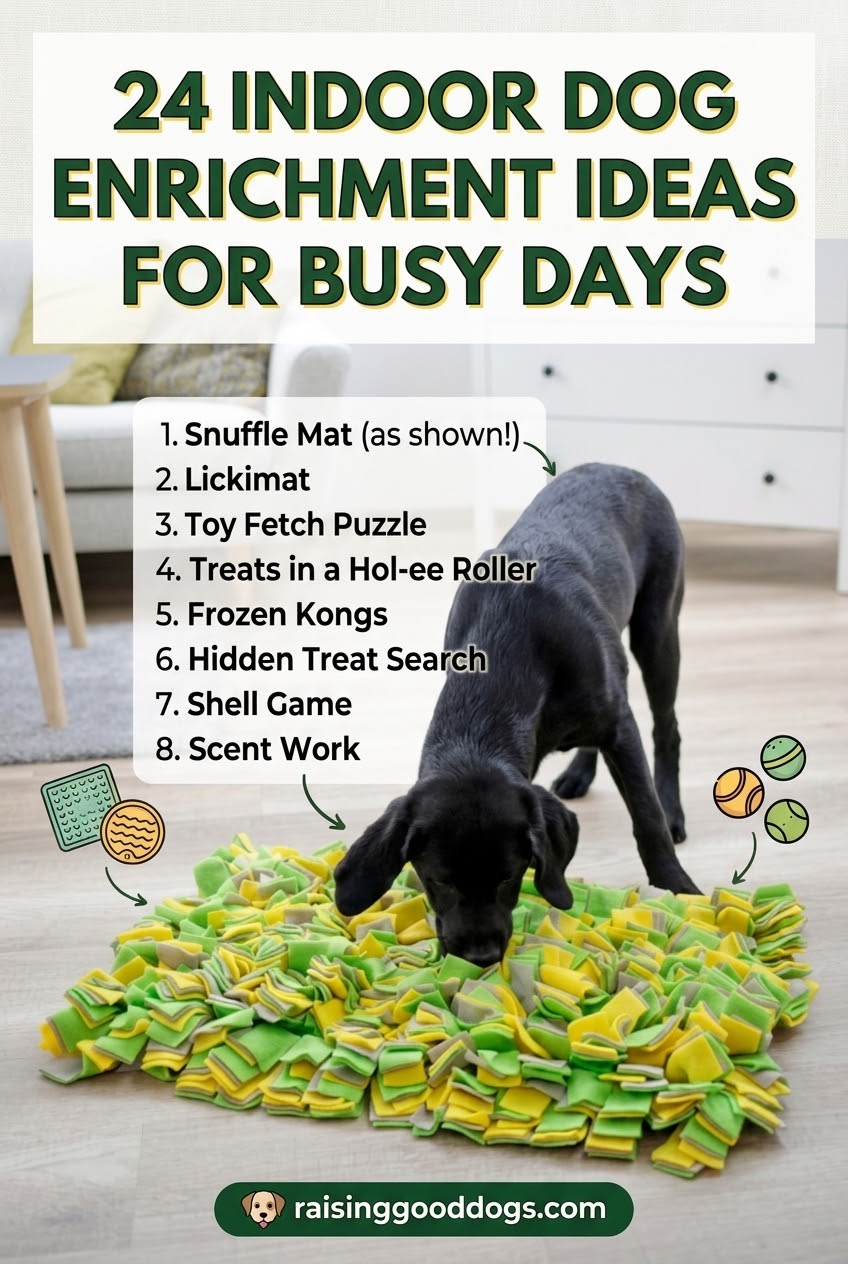
DIY Snuffle Mat Activities
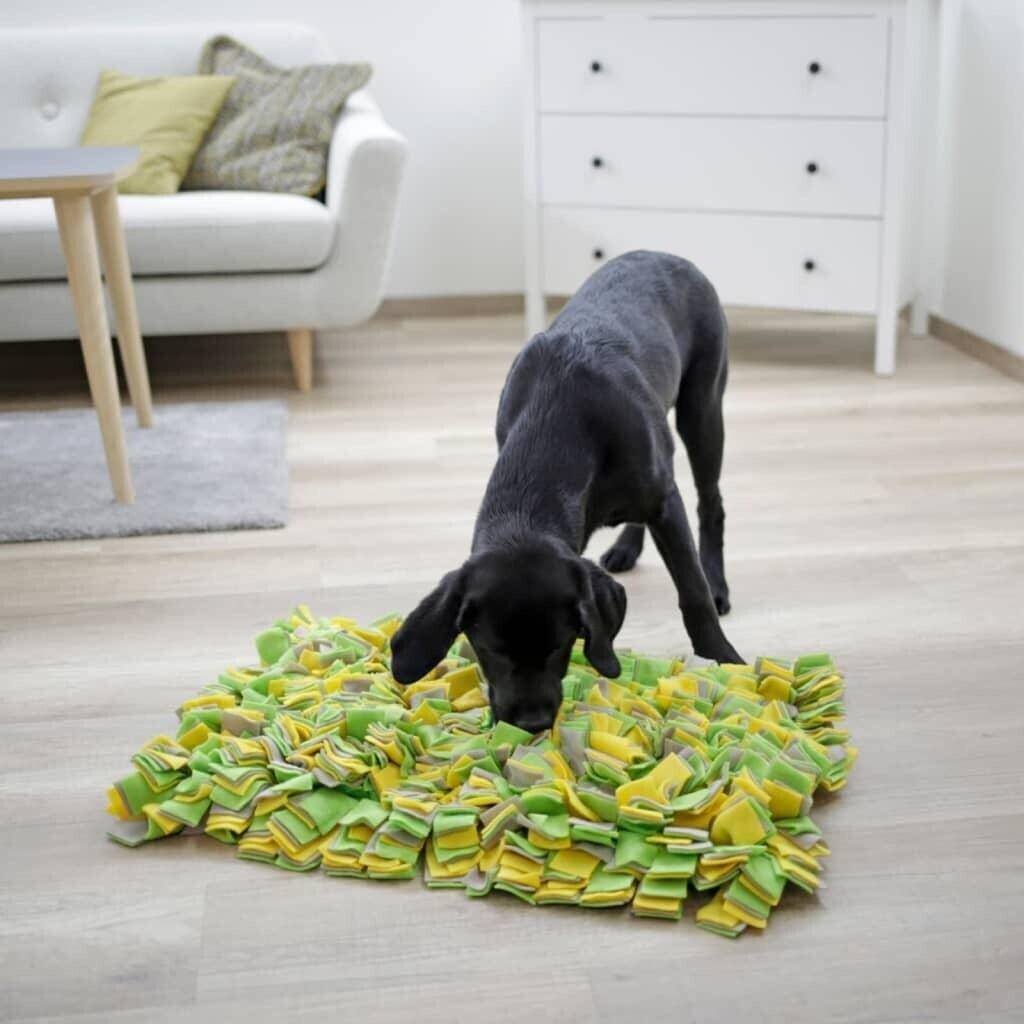
A snuffle mat is one of my favourite low-pressure options for dogs who love to sniff. Hiding kibble in fabric encourages natural foraging behaviour and gives busy noses a safe indoor outlet.
Indoor Hide and Seek Games
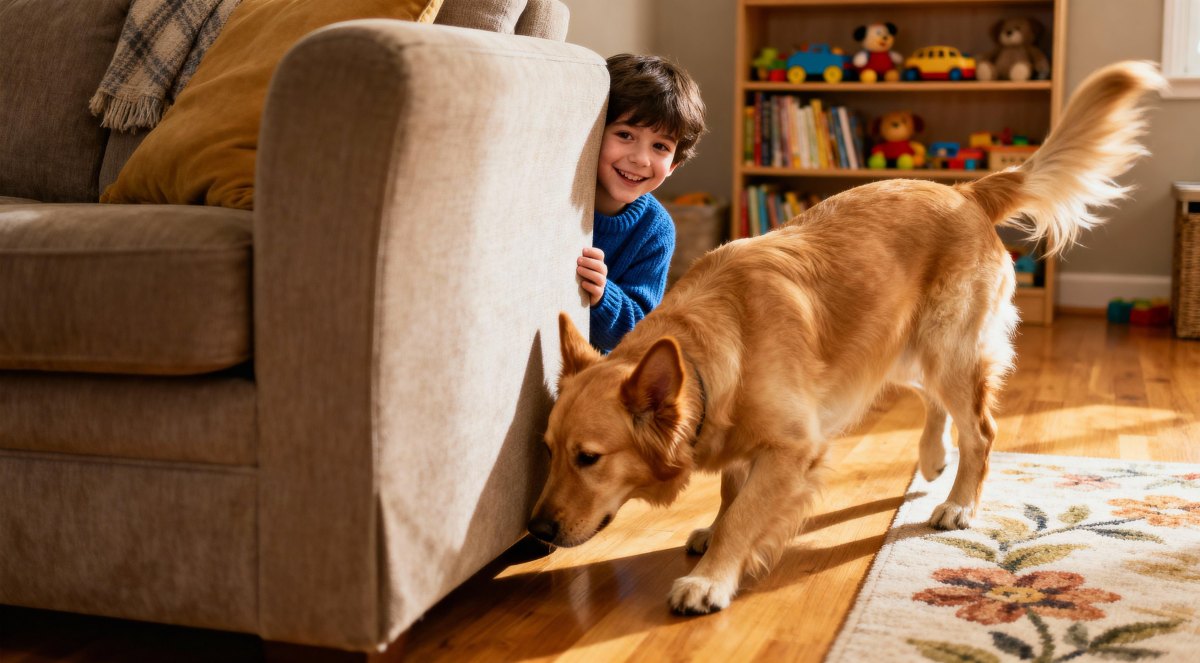
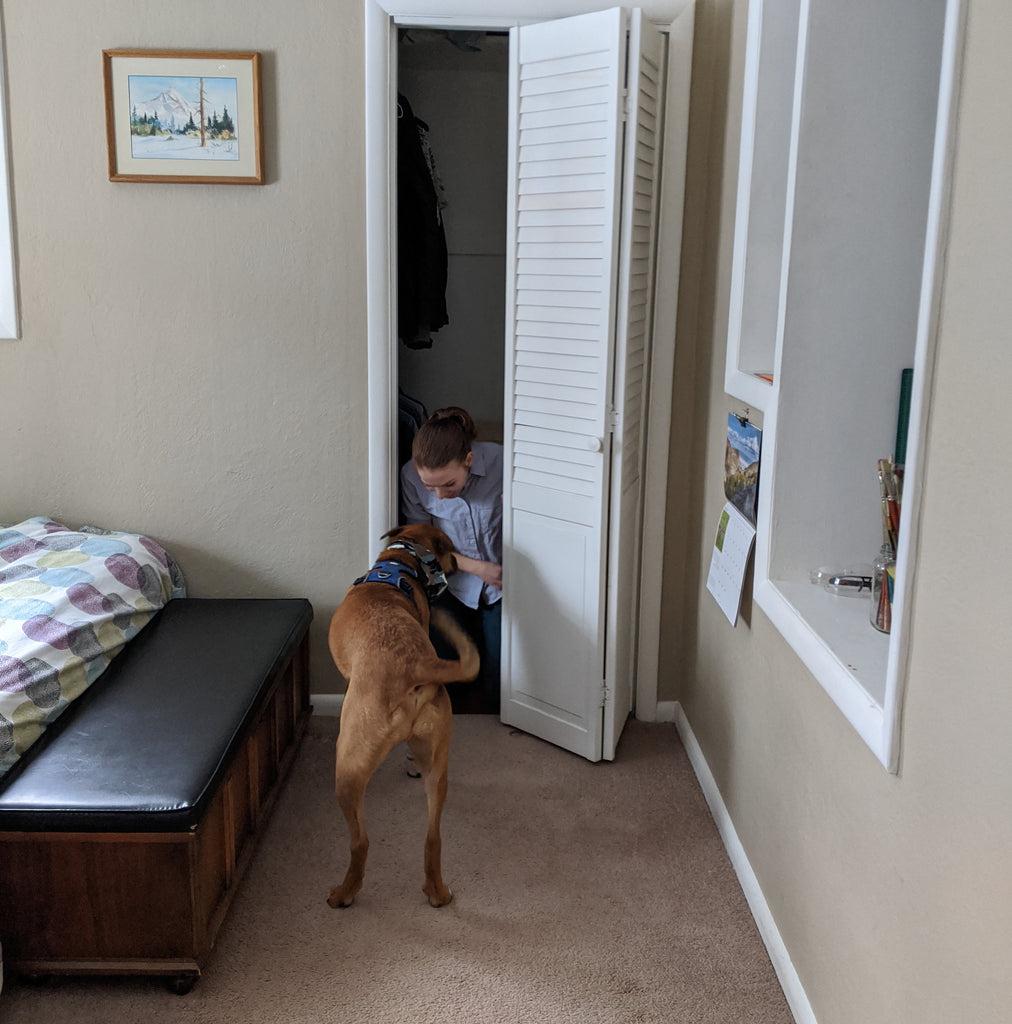
Hide and seek is simple, but it asks your dog to use scent and memory. I start with obvious hiding places before building toward a more challenging search around the home.
Frozen Treat Enrichment Ideas
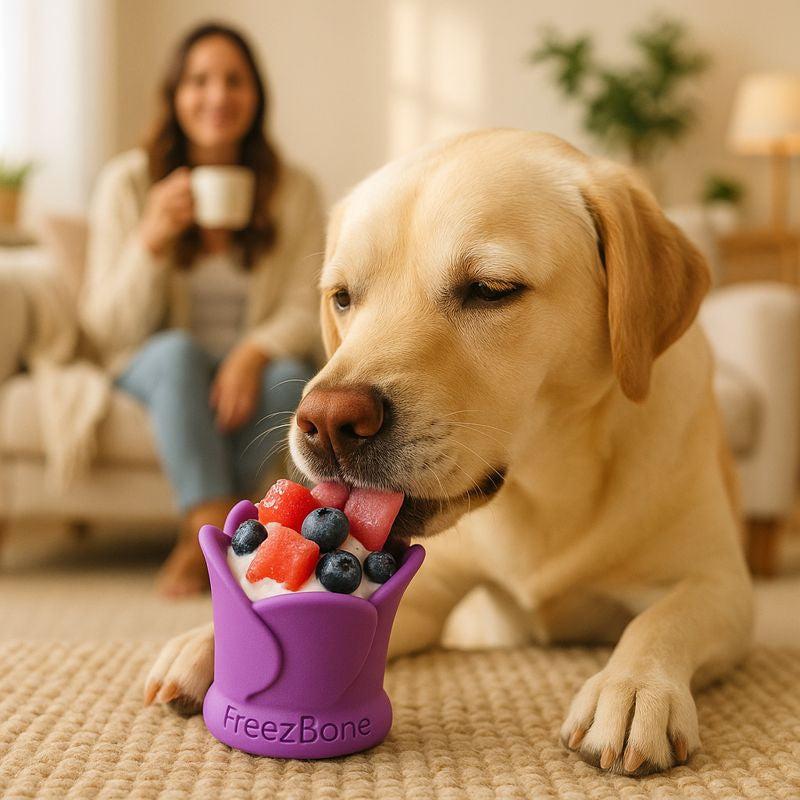
Freezing an appropriate food toy can stretch out engagement time. I introduce frozen items gradually because easy success first helps dogs learn how the game works.
Scent Work Games for Dogs
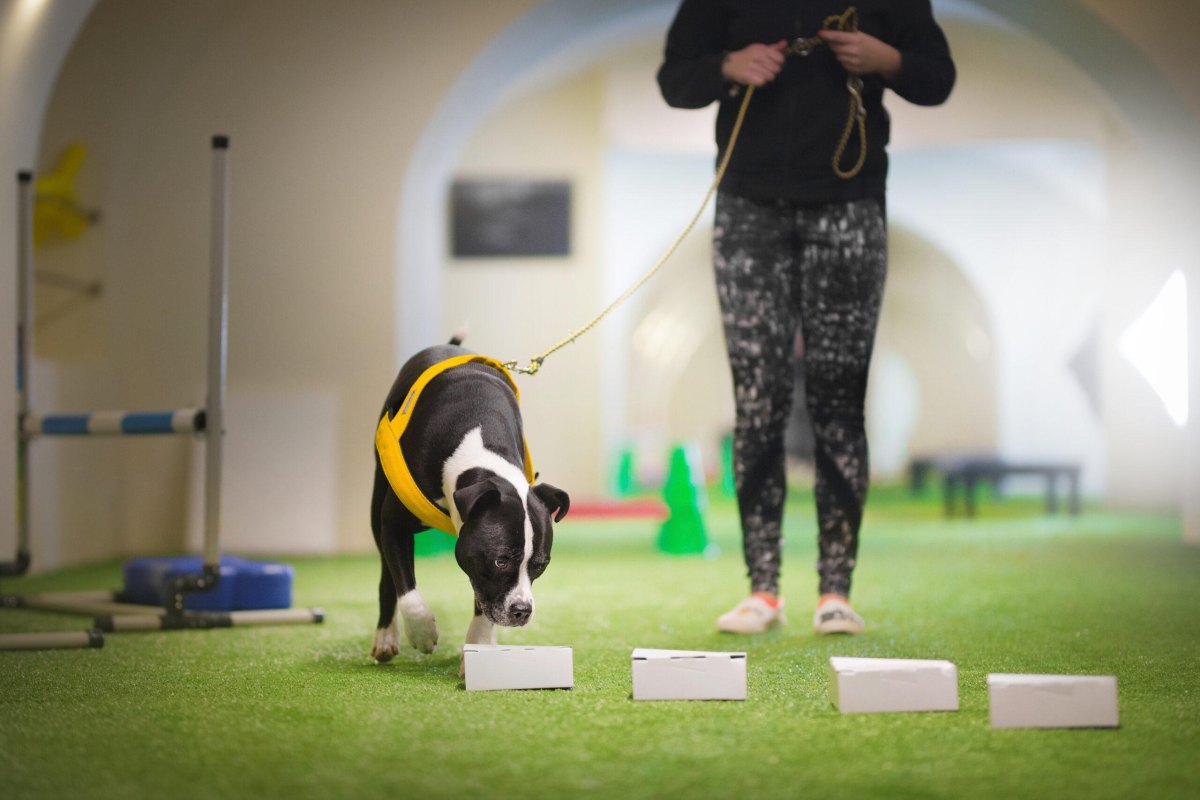
Dogs experience the world through their noses, so scent games are often naturally rewarding. I hide safe objects or treats and let the dog solve the sniffing challenge at their own pace.
Cardboard Box Exploration
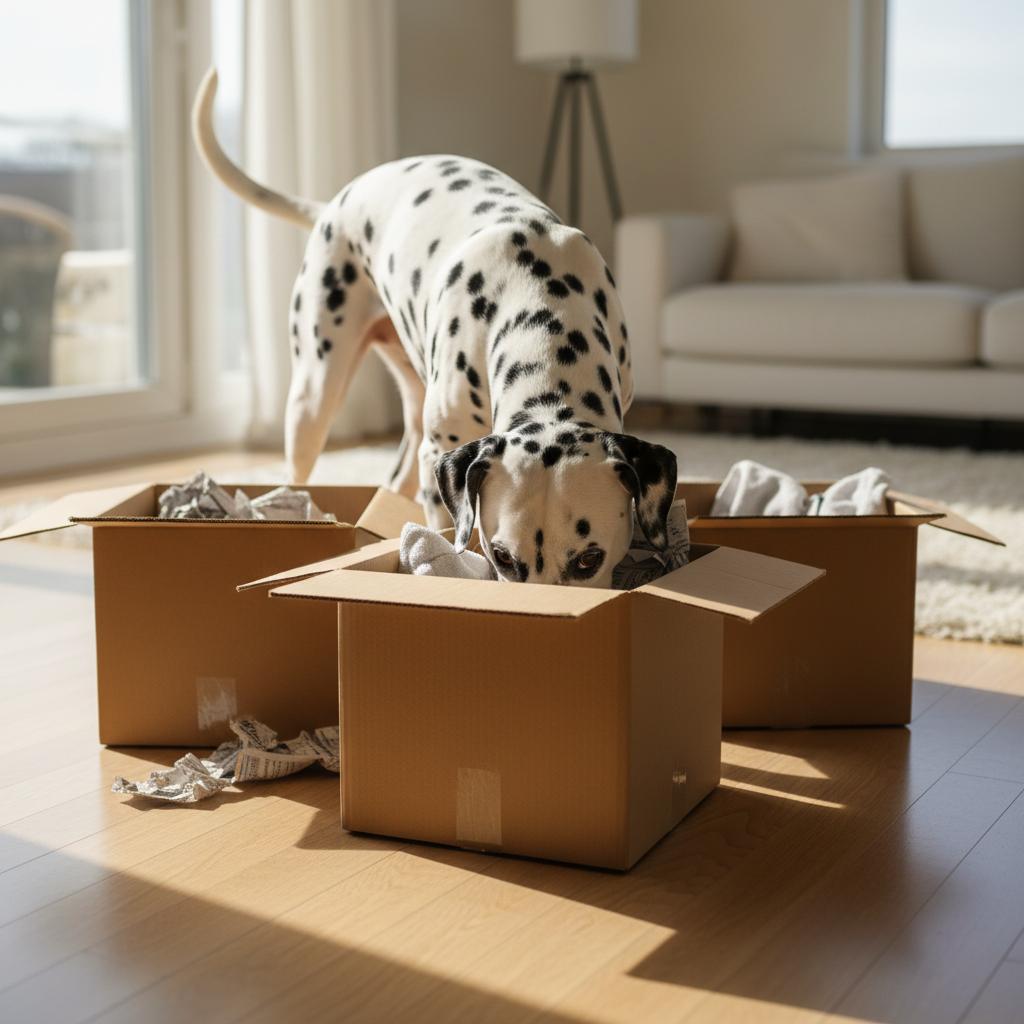
A cardboard box can become a tiny adventure zone with paper, toys, or treats. I supervise closely and make sure the dog is exploring rather than eating the box materials.
DIY Food Puzzle Challenges
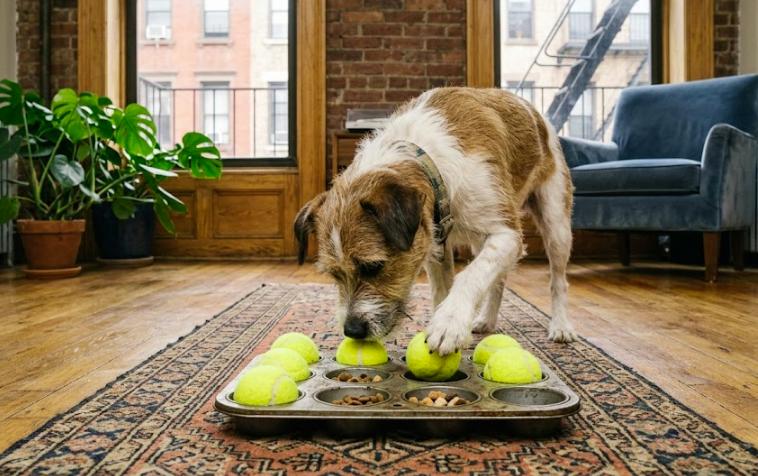
You do not need expensive equipment for enrichment. Homemade puzzles using safe household items can create mental exercise when your dog needs an indoor activity.
Indoor Obstacle Courses
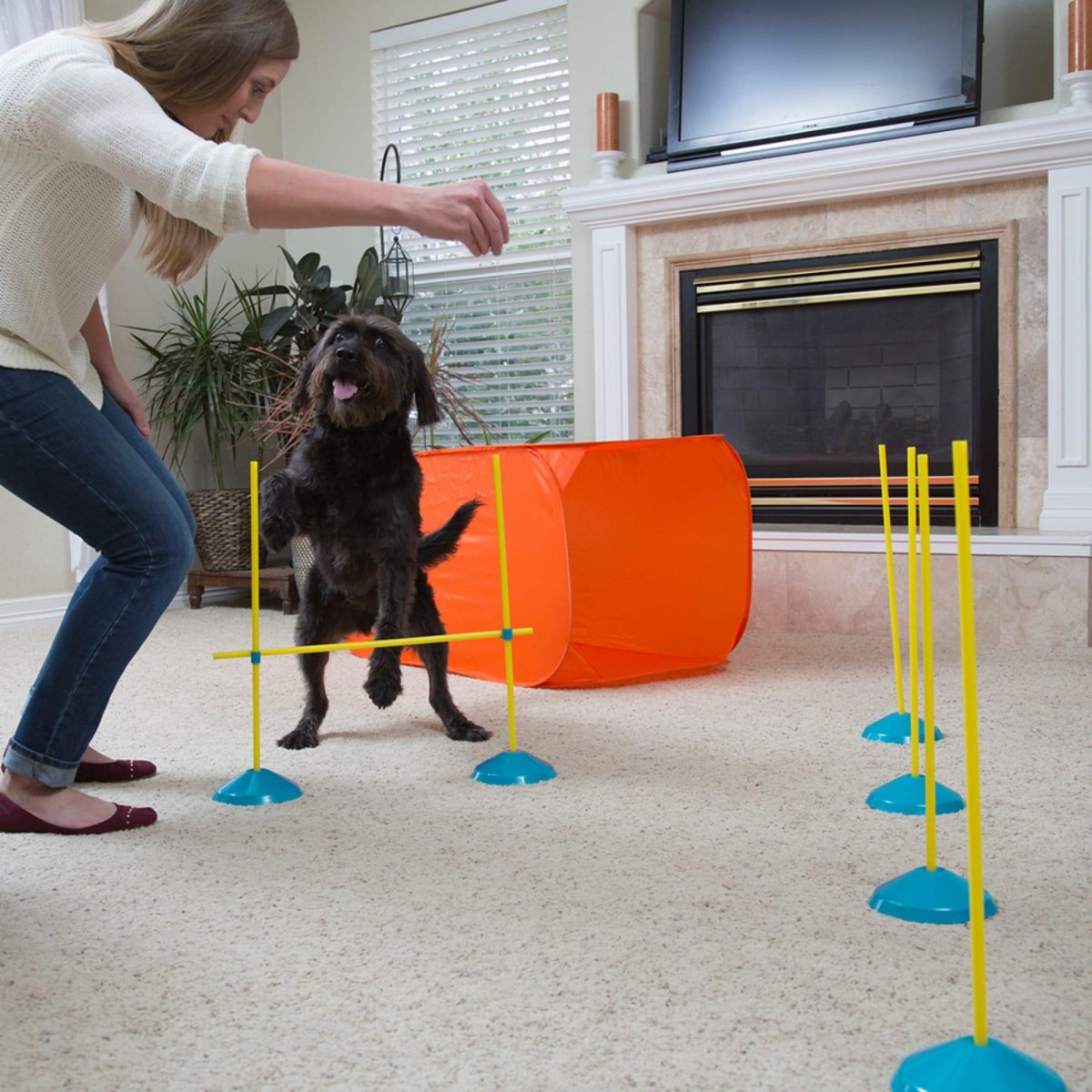
A living room obstacle course can combine movement and thinking. I keep surfaces stable and choose gentle physical challenges, especially for older dogs or dogs with joint concerns.
Training Trick Sessions
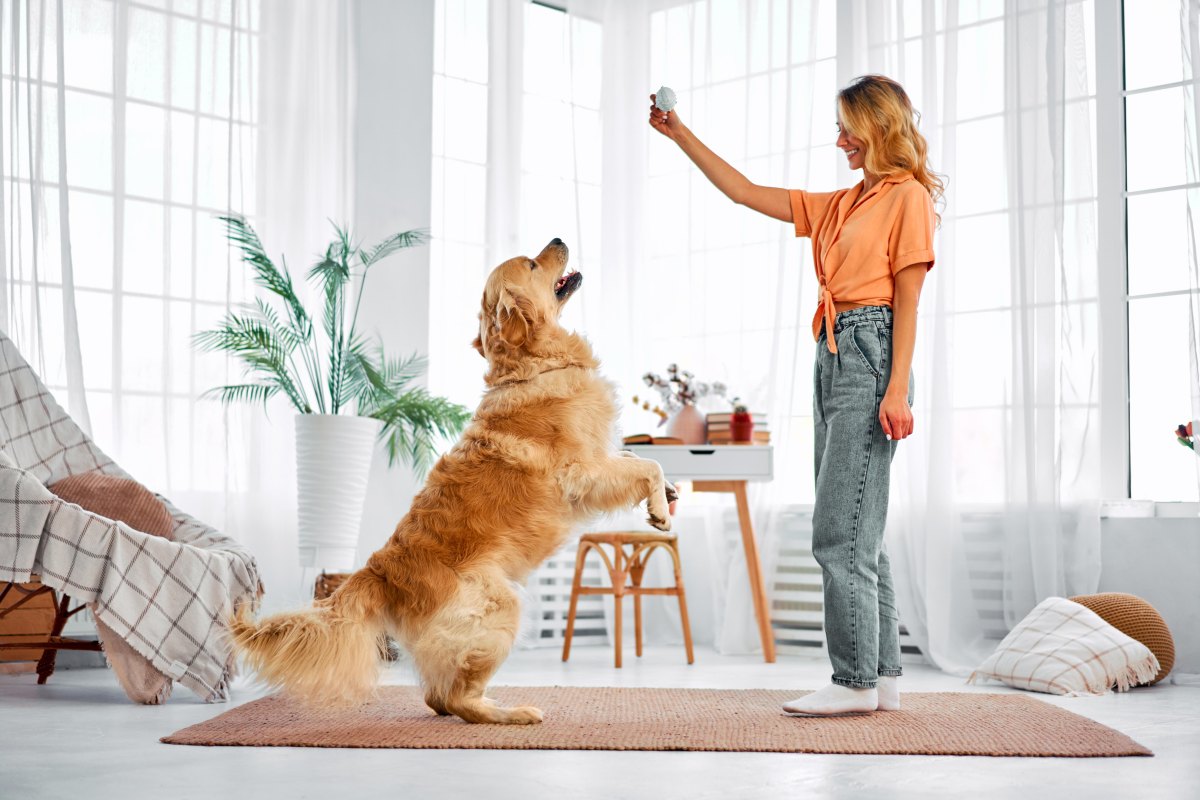
Short trick sessions are one of the easiest enrichment tools I have. Five focused minutes of reward-based learning can provide brain work without exhausting your dog physically.
Interactive Tug Games
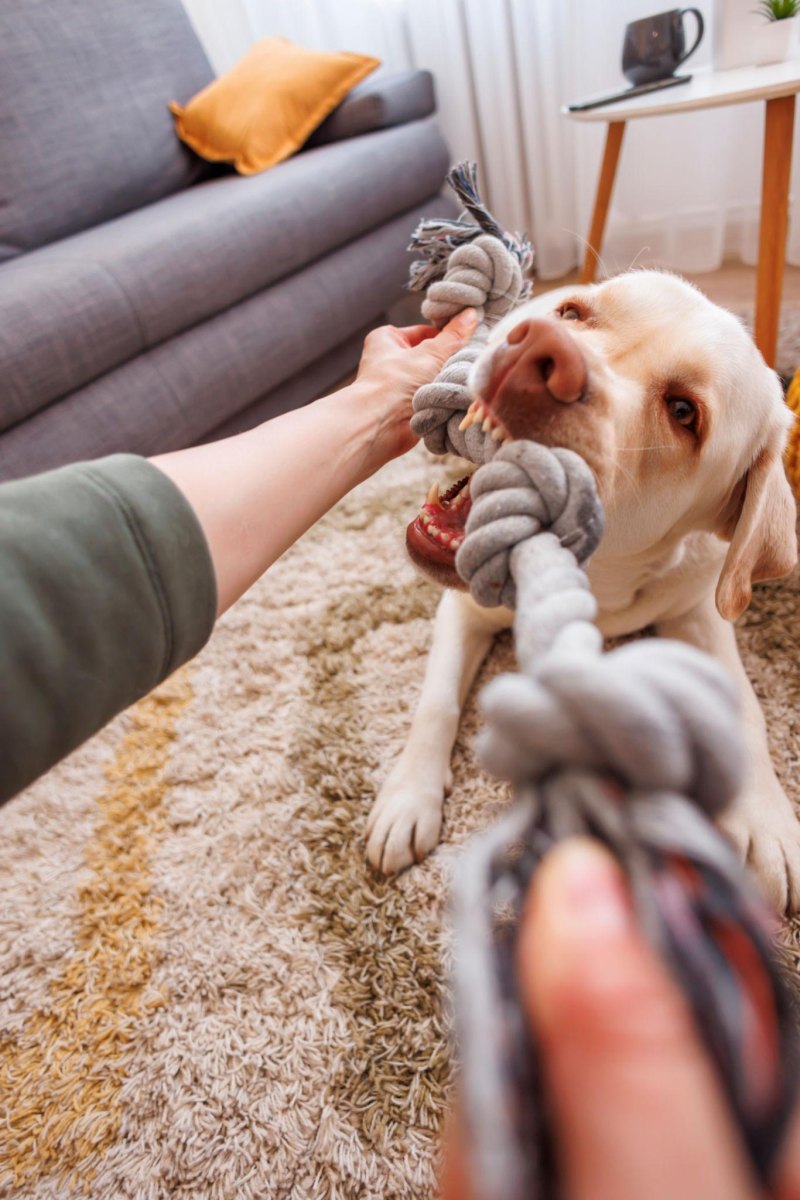
Tug can be a wonderful game when both ends of the toy understand the rules. I teach clear start and stop cues so play stays predictable and fun.
Nose Work With Hidden Treats
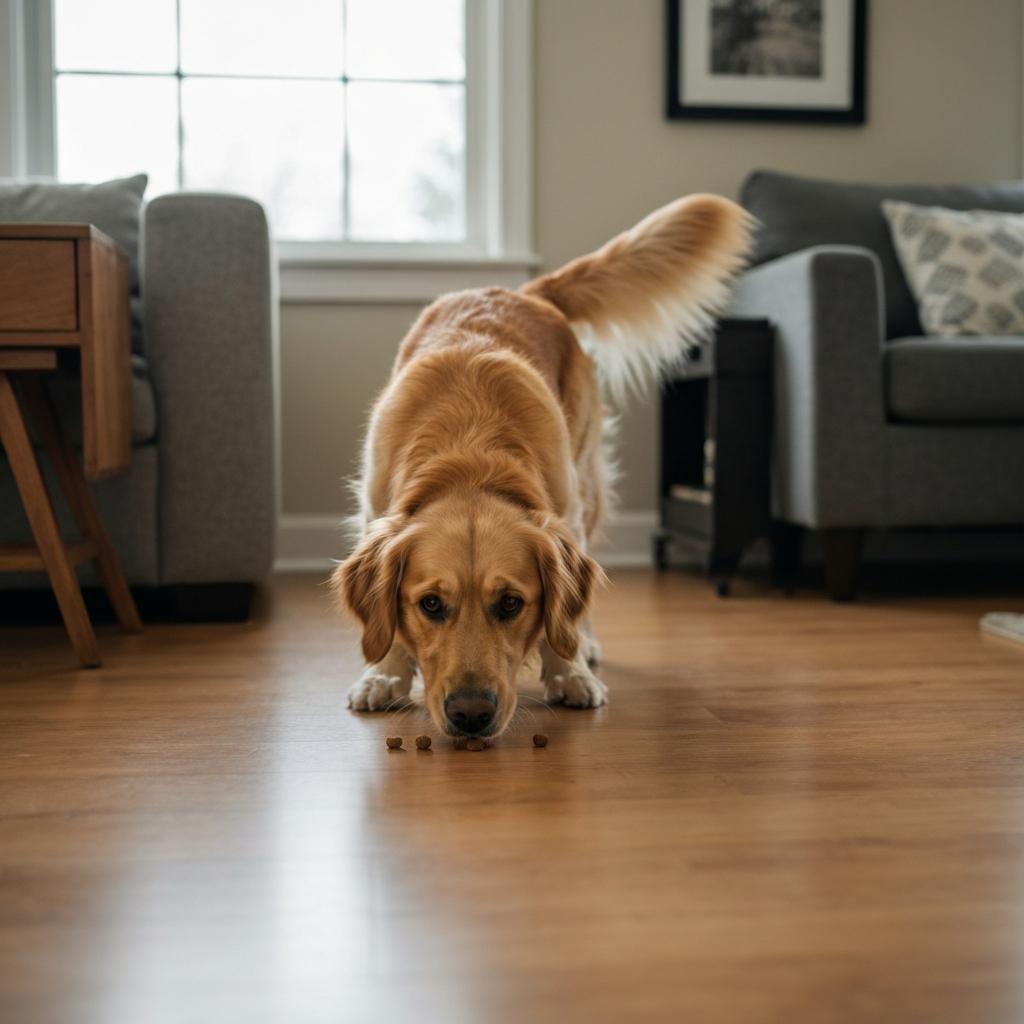
Hidden treat searches are a practical introduction to nose work. I begin with simple placements and watch for body language signals like hesitation or frustration.
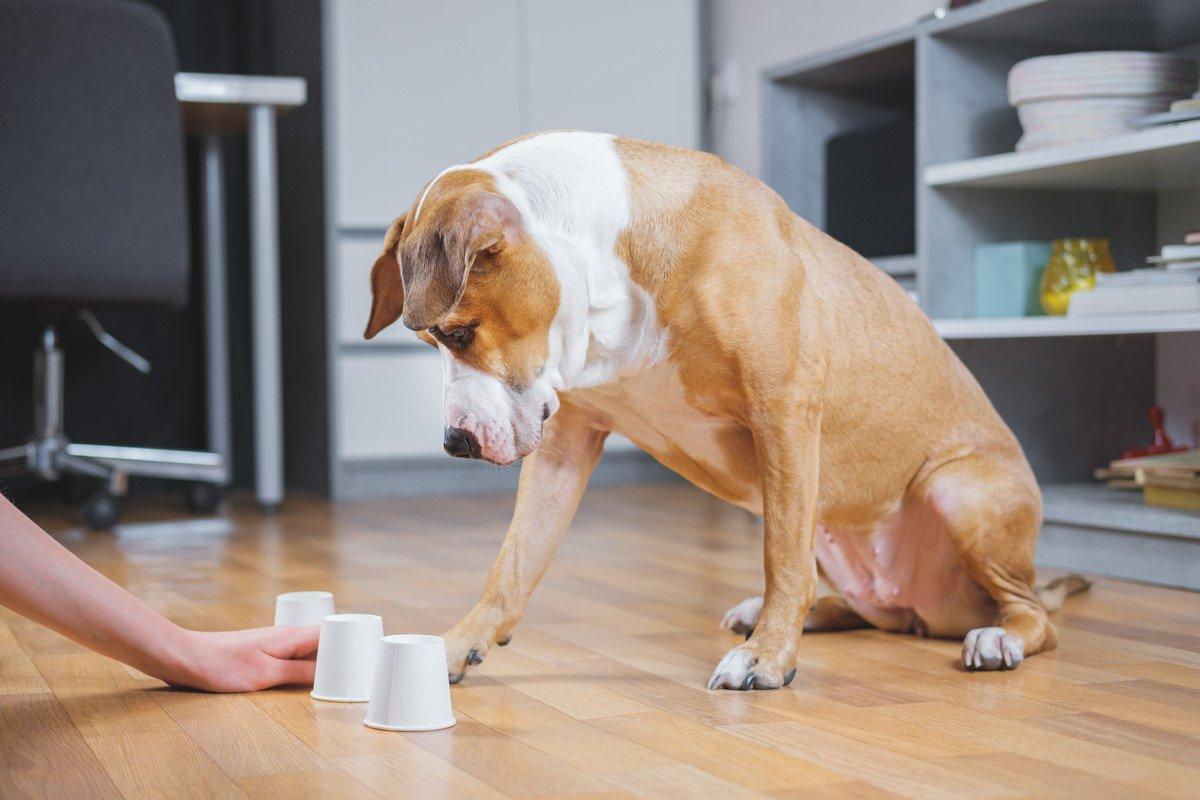
DIY Muffin Tin Puzzle Games
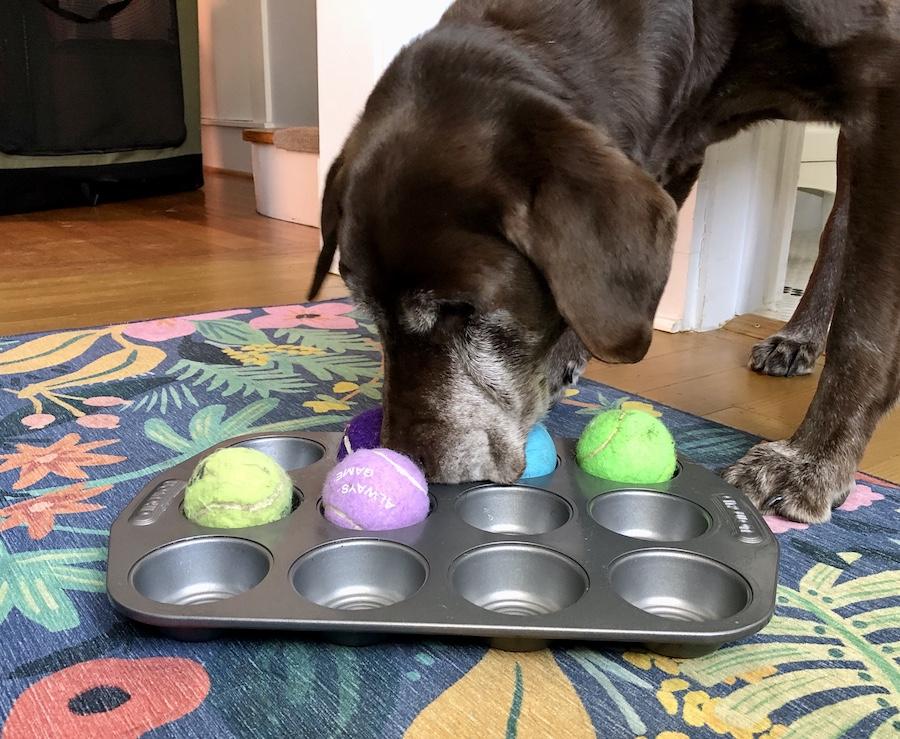
The muffin tin game is a classic because it is cheap and adjustable. Covering treats with safe objects creates a simple problem-solving game.
Lick Mat Enrichment Activities
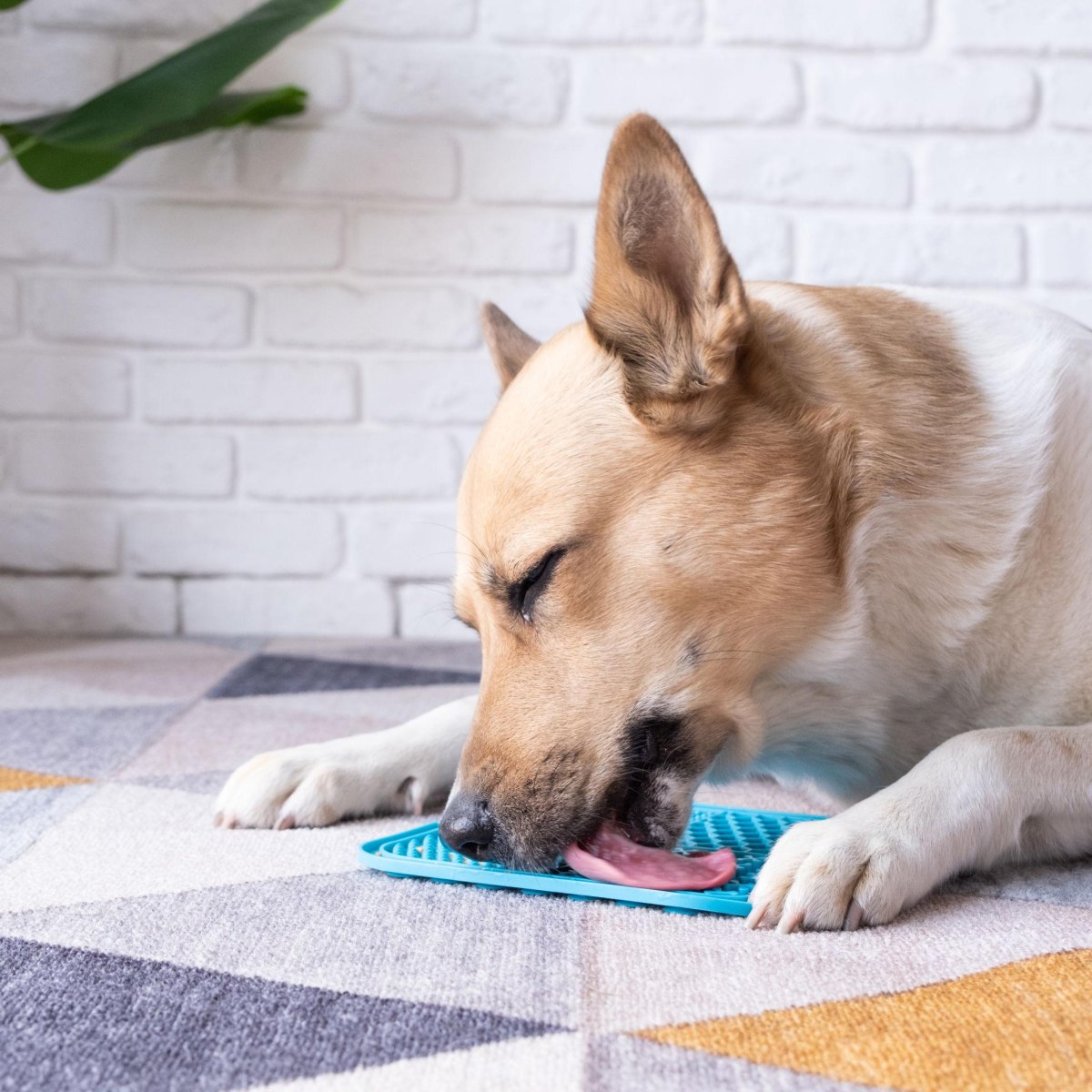
Lick mats can encourage calm engagement when used appropriately. I choose fillings carefully and consider the dog’s diet because enrichment still counts as food.
Indoor Fetch Alternatives
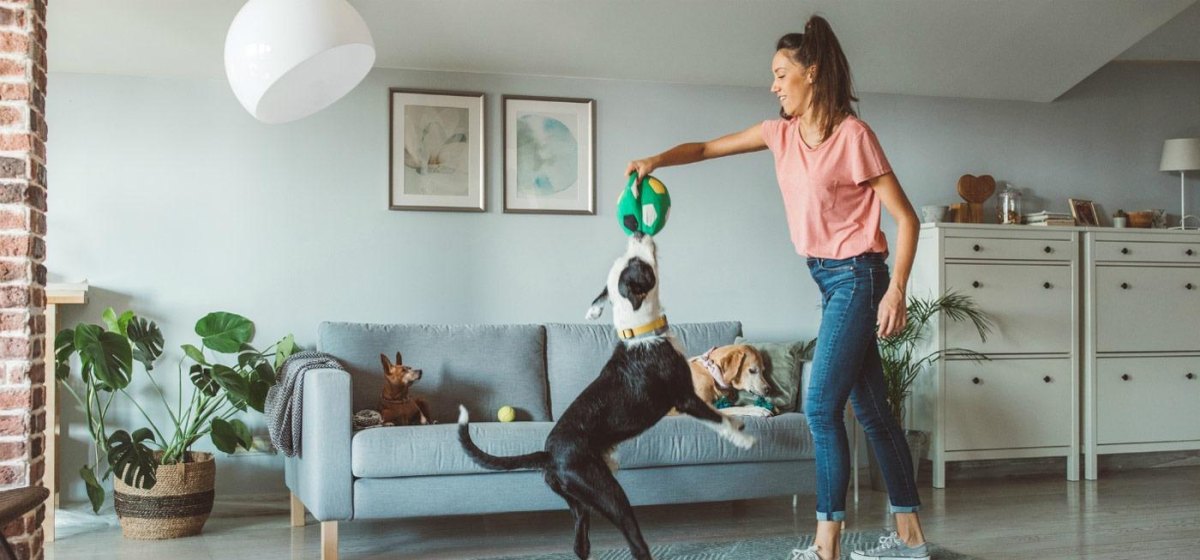
Not every home allows a full game of fetch. Rolling soft toys, targeting games, or short retrieves provide safer indoor movement without turning the hallway into a racetrack.
Rotating Toy Enrichment
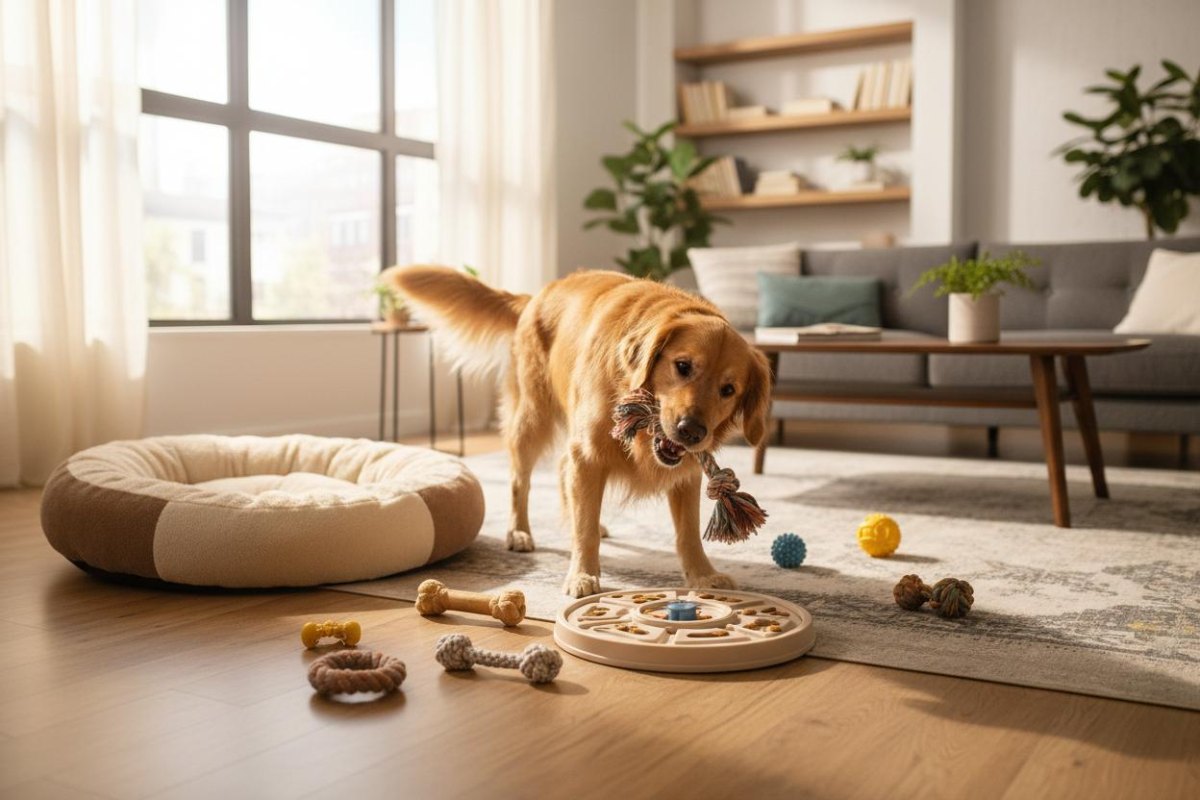
Leaving every toy available can make them less interesting. I rotate options so my dogs experience novelty without clutter, which keeps old favourites feeling fresh.
Bubble Chasing Games
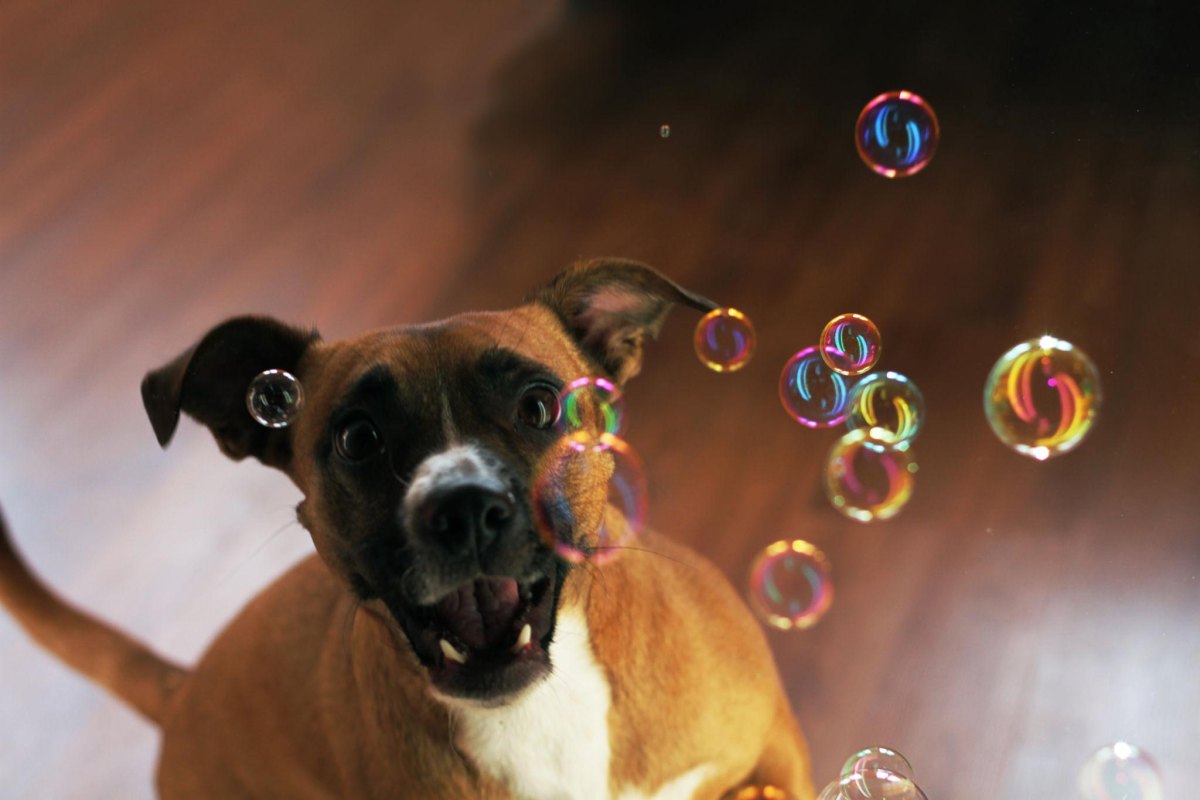
Some dogs love chasing bubbles, but I introduce this game carefully. I watch for over-arousal and stop while the dog is still having a good experience.
DIY Digging Box Activities
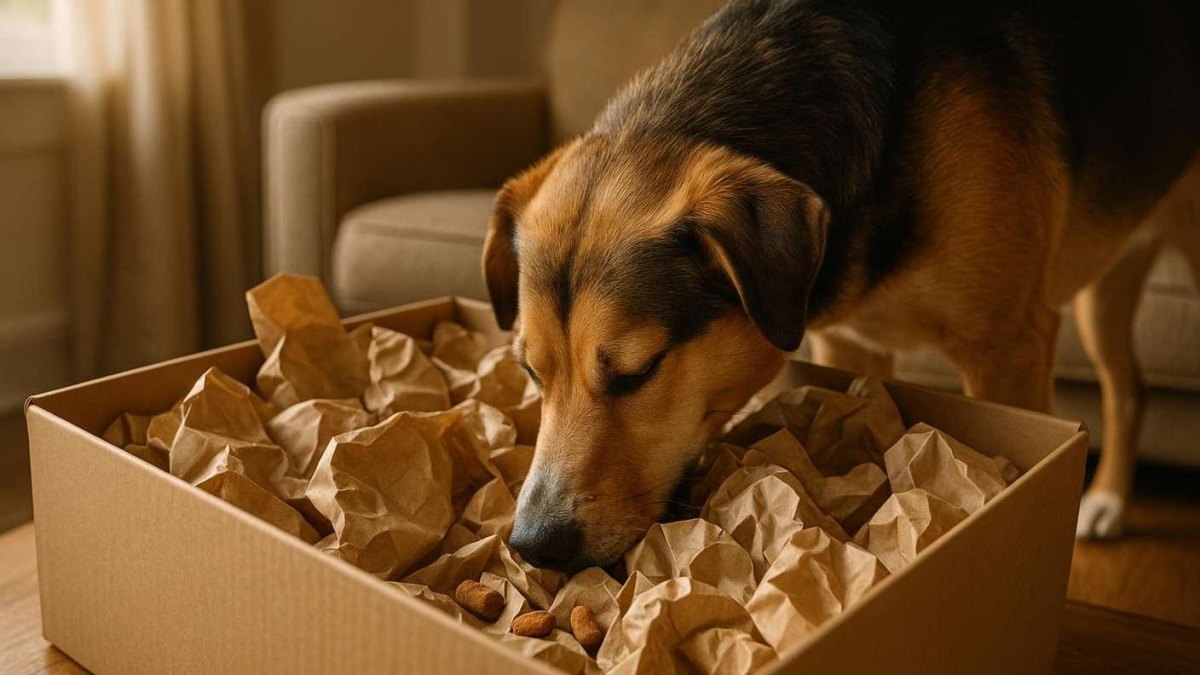
A digging box gives dogs who enjoy digging an appropriate place to express that behaviour. The goal is providing a legal digging outlet rather than punishing a natural instinct.
Interactive Ball Launcher Games
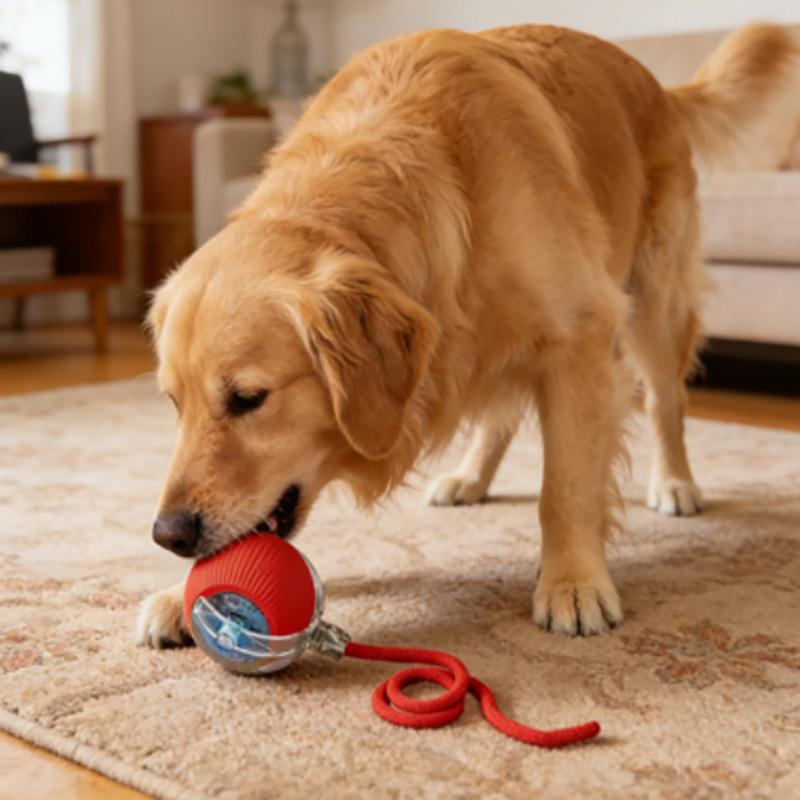
Automatic or interactive ball toys can help some dogs engage independently. I still supervise because safe play choices depend on the individual dog and toy.
Calm Chewing Enrichment
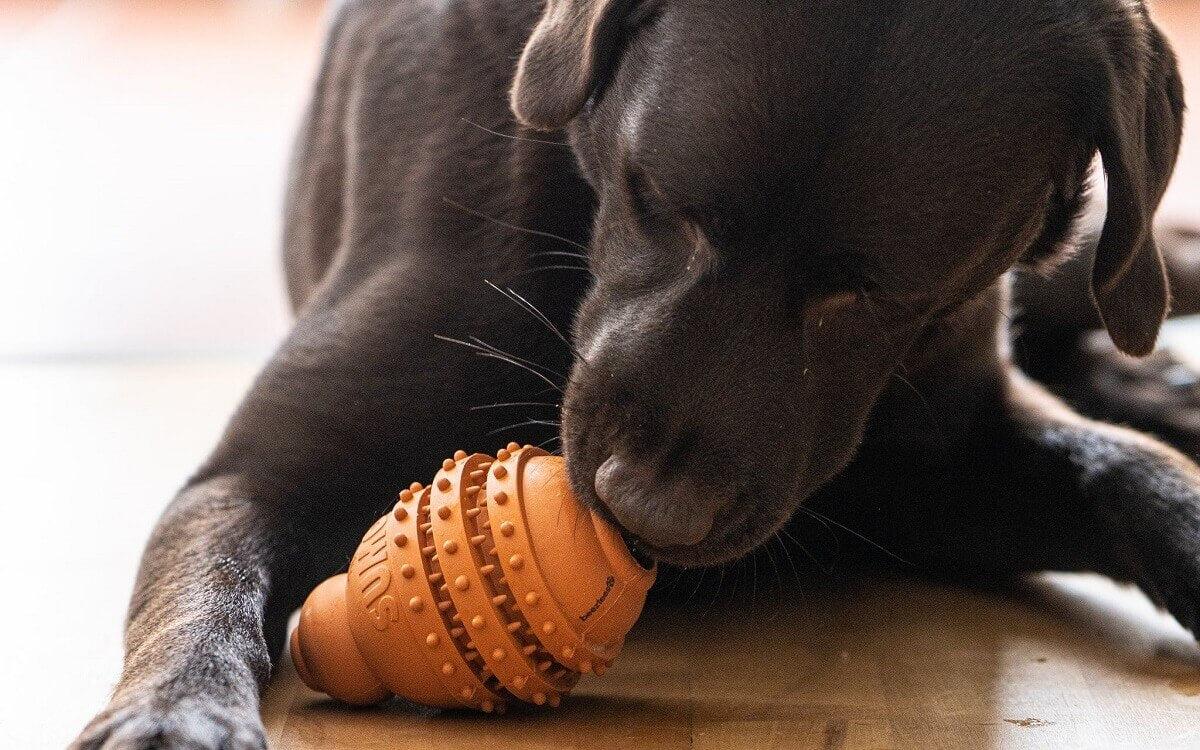
Chewing can be satisfying, but I choose appropriate items and monitor use. A good chew should support calm occupation rather than create a swallowing risk.
Window Watching Enrichment
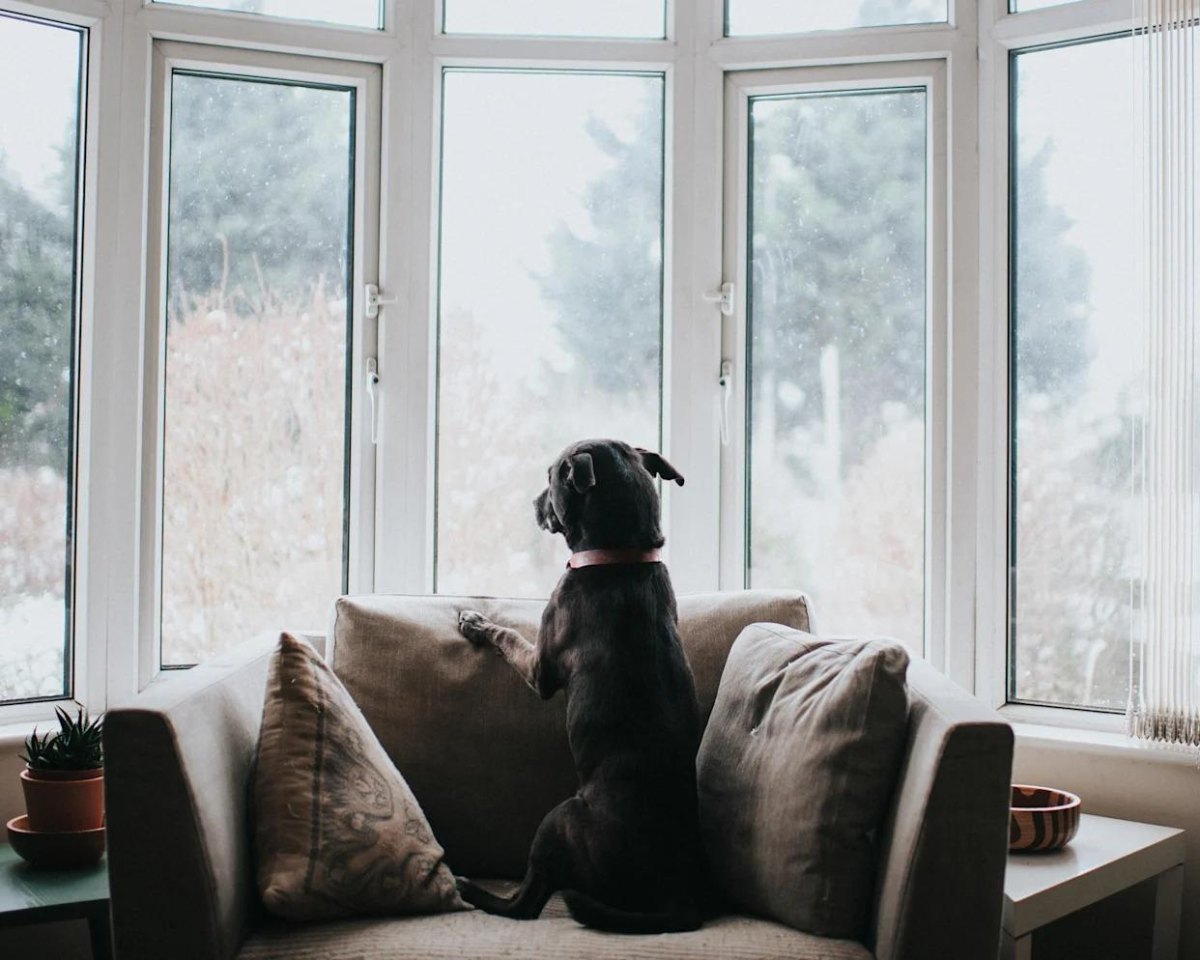
Watching the outside world can be enrichment, but some dogs become stressed by constant triggers. If your dog freezes, barks, or scans intensely, I adjust the environment with better management choices.
Indoor Socialization Activities
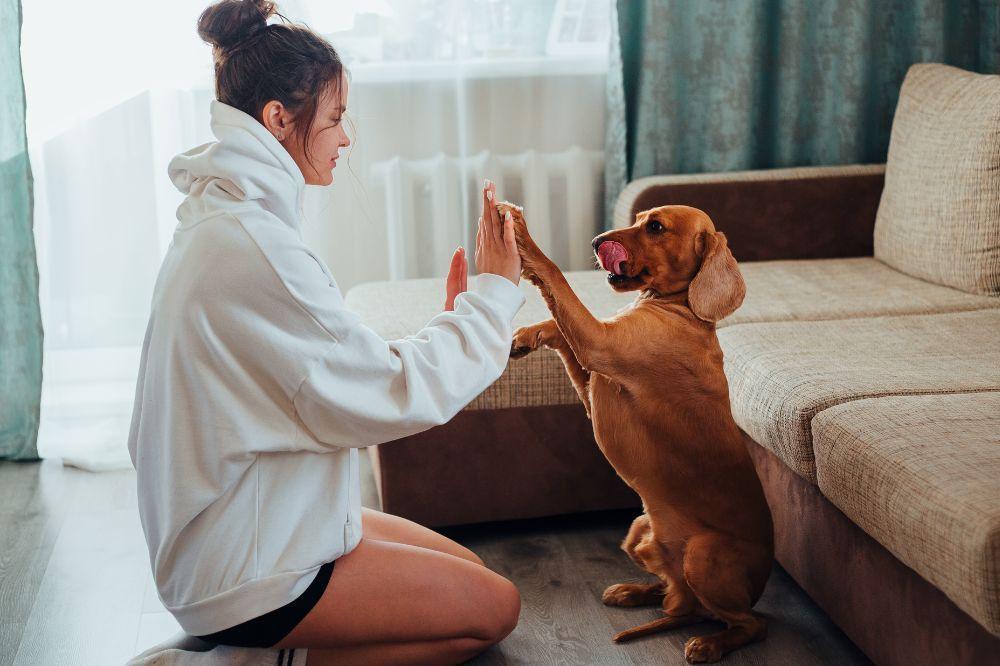
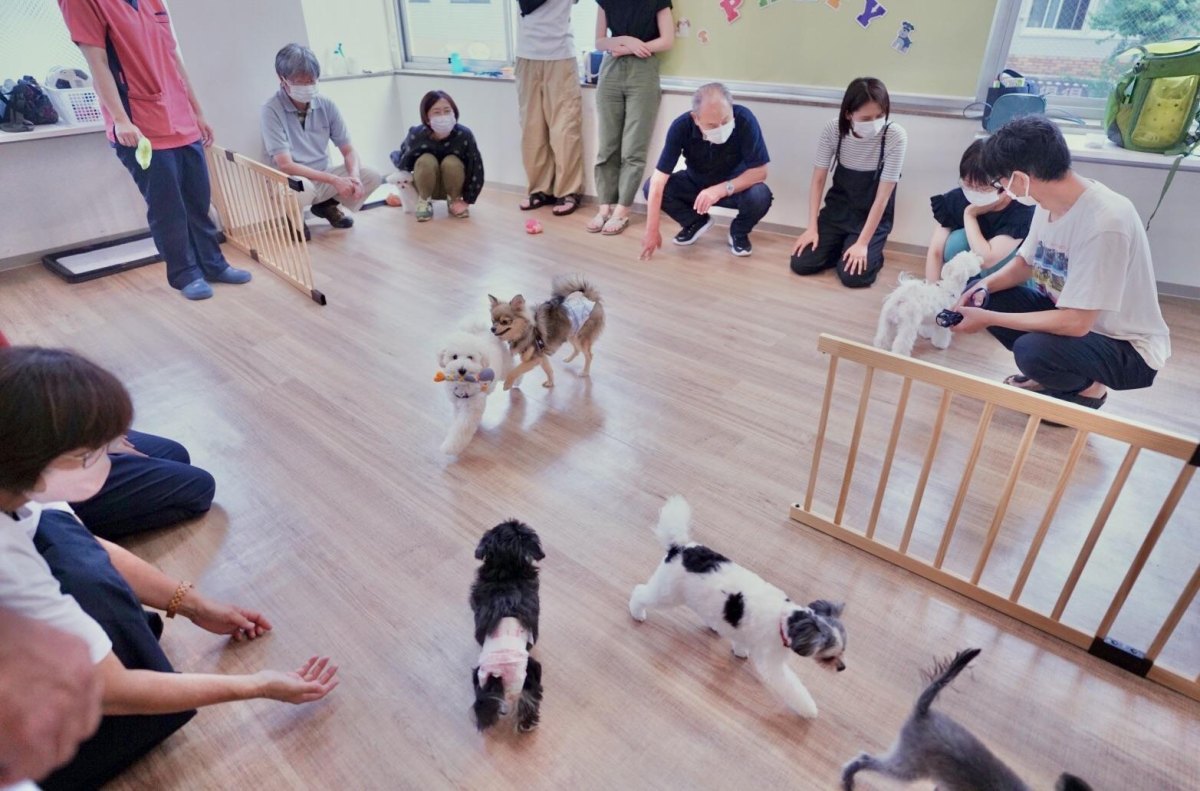
Socialization is not forcing interaction. I prefer controlled experiences where dogs can observe, retreat, and build positive associations at their own speed.
DIY Treasure Hunt Games
A treasure hunt combines movement, scent, and problem solving. I hide small rewards around one room first, creating a successful search pattern before making it harder.
Relaxation and Mat Training
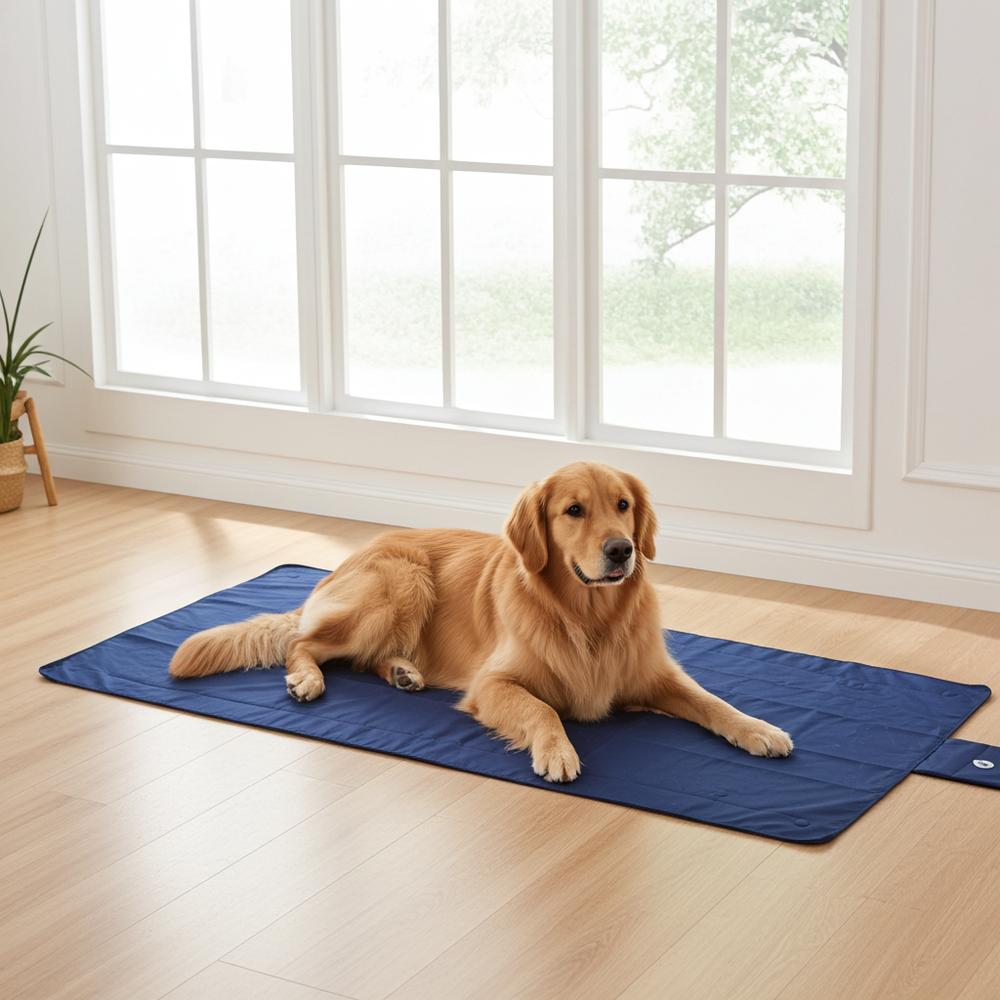
Teaching a dog to settle on a mat is enrichment too. Calm skills help dogs learn how to switch off, which is often the missing piece in busy households.
Rotating Daily Enrichment Routine
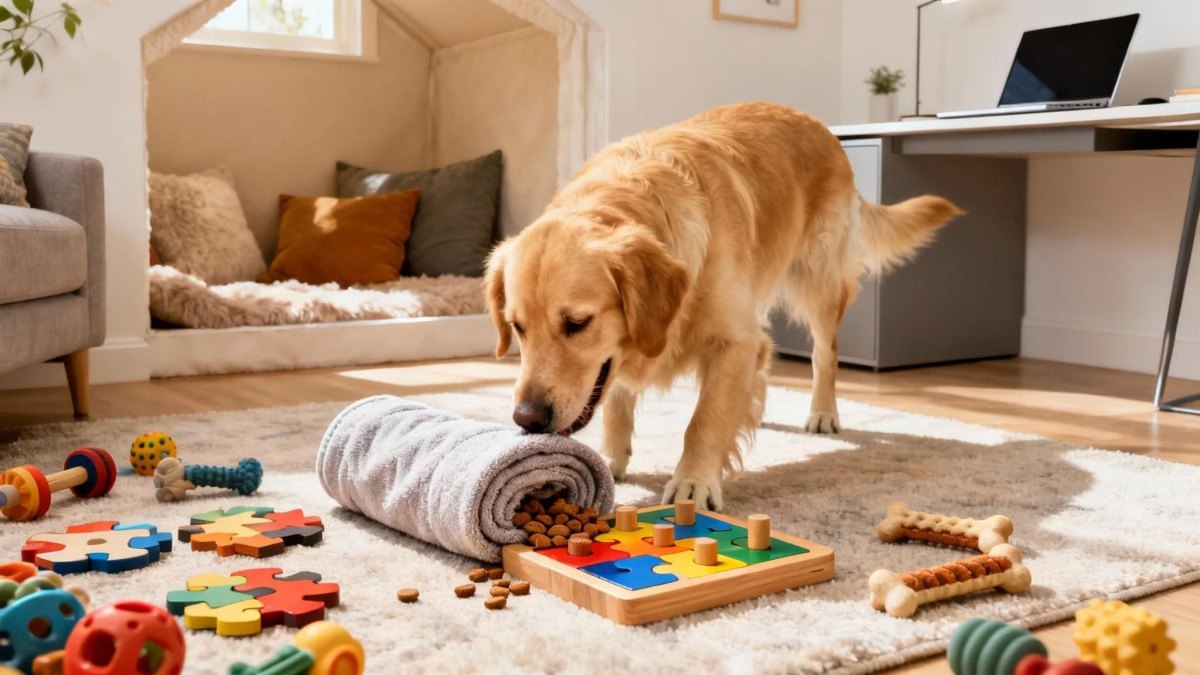
The best routine is the one you can actually maintain. I mix sniffing, training, food games, and rest so my dogs get balanced daily enrichment instead of one exhausting activity.
More Pinterest Visuals