A shy dog does not need a personality transplant. They need a plan that makes the world feel predictable. I have worked with plenty of dogs who looked "stubborn" from the outside but were actually overwhelmed, and the first job was always the same: reduce pressure and give the dog room to make good choices.
Socialization is not dragging a nervous dog into a busy park and hoping they get used to it. It is carefully creating positive experiences at a pace their nervous system can handle. This can take weeks or months, and a quiet Tuesday walk that goes well is often a bigger win than a crowded event that goes badly.
What helps a shy dog become more social
- Start with safety and predictable routines.
- Let your dog approach new experiences at their own pace.
- Use reward-based training instead of pressure or punishment.
Start With a Calm and Safe Environment
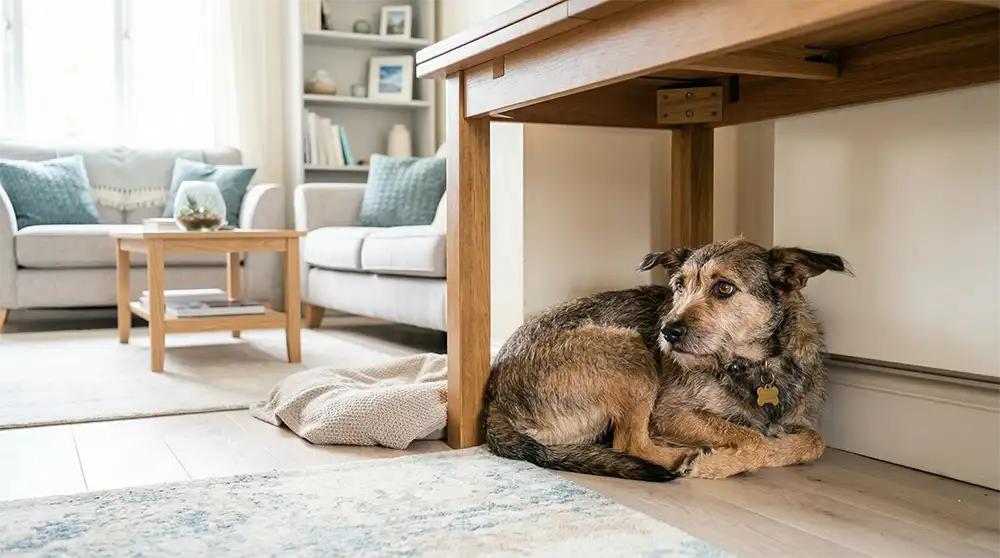
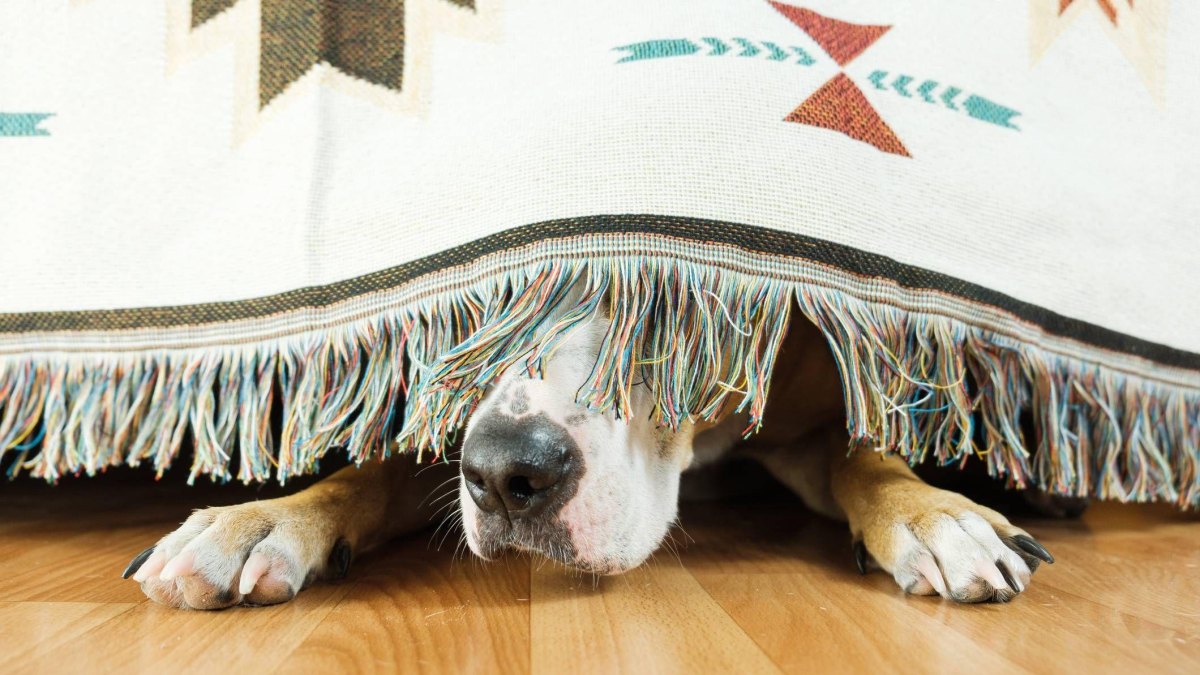
Before I ask a shy dog to meet anyone new, I look at the environment first. A dog who is constantly startled by visitors, noise, or a chaotic household cannot learn much. Creating a retreat area gives them somewhere to decompress and helps them feel they have control over distance. Veterinary behaviour resources also recommend safe spaces and avoiding forced interactions for fearful dogs.
I often start with simple management: a quieter walking route, a baby gate during busy moments, or a bed in a corner where nobody bothers the dog. Bruno was not suddenly brave because I exposed him to everything. He improved when I stopped asking him to cope with too much.
- A quiet resting area your dog can choose to use
- Predictable daily routines
- Enough sleep and recovery time
- Fewer situations where your dog rehearses fearful reactions
Trainer tip
If your dog suddenly becomes fearful, especially with pain signs, appetite changes, or behaviour changes that appeared out of nowhere, I want a vet check before behaviour training begins.
Introduce New People Slowly and Positively
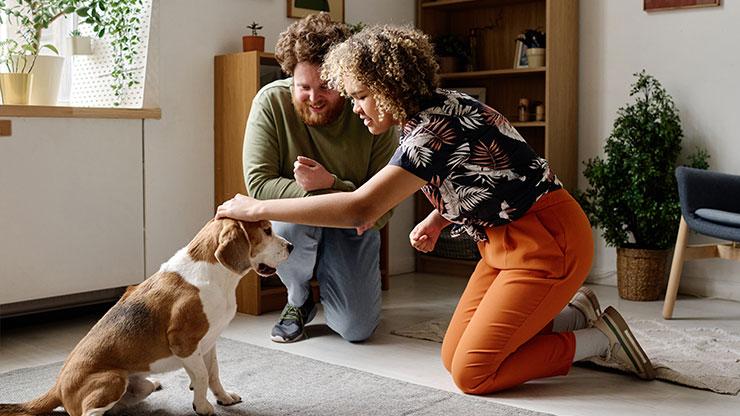
The fastest way to make a shy dog dislike greetings is to let strangers move too quickly. I teach people to become boring and predictable first. A visitor can enter, ignore the dog, toss treats from a comfortable distance, and allow the dog to decide whether curiosity wins.
I watch for tiny body-language details: a closed mouth, weight shifting backward, ears moving sideways, freezing, or repeated lip licking. Those signals tell me the dog needs more space. Rewarding calm choices around people can build new positive associations without forcing contact.
- Invite. Let the dog observe a new person without being approached.
- Reward. Pair the person appearing with treats or another favourite reward.
- Repeat. Keep sessions short enough that the dog stays comfortable.
Avoid this mistake
Do not pull a shy dog toward someone and ask them to "say hello." Consent matters for dogs too.
Use Gradual Exposure to New Places and Sounds
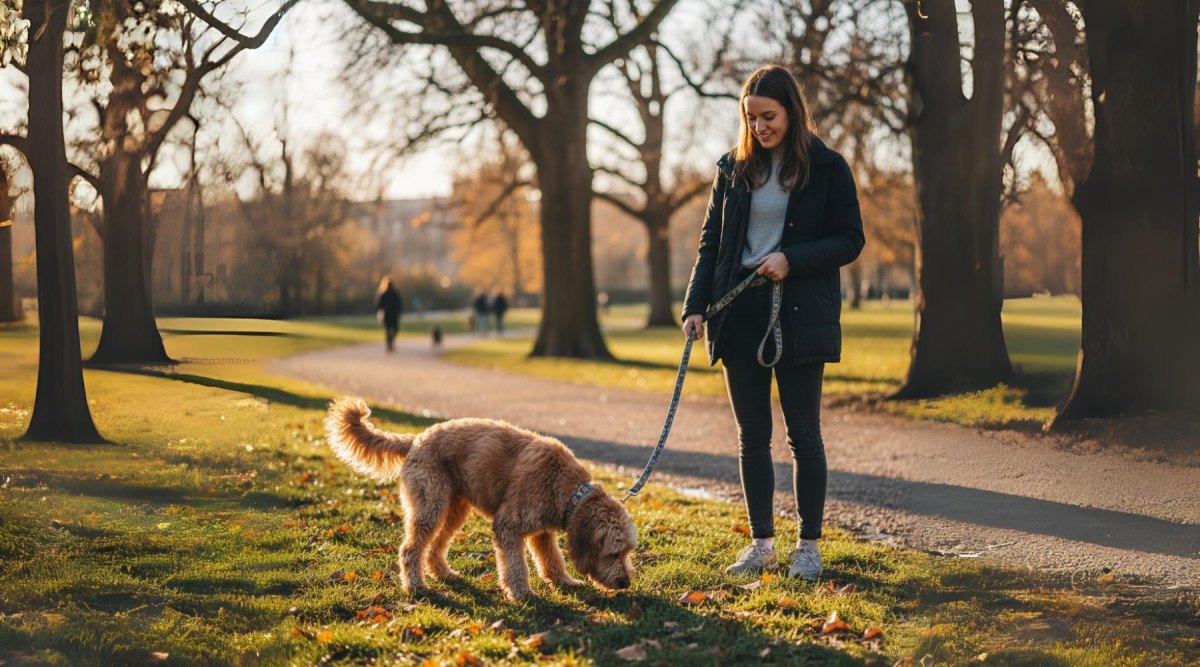
A shy dog often needs a carefully measured introduction to the world outside the home. I use gradual exposure, not flooding. The goal is not for your dog to endure a scary situation; the goal is for your dog to notice something new and think, "That was safe." Research on socialization describes the importance of pleasant, gradual exposure to new experiences, sounds, people, and environments (pmc.ncbi.nlm.nih.gov).
My favourite sessions are sometimes the least exciting ones: standing at the edge of a quiet field at 7 a.m., watching bicycles pass, eating treats, and leaving before the dog struggles. That is training. It just does not look dramatic on social media.
| Situation | Better starting point |
|---|---|
| Busy street | Quiet street with distance |
| Crowded park | Empty field or calm trail |
| Loud noises | Low-volume recordings or distant sounds |
Build Confidence With Reward-Based Training
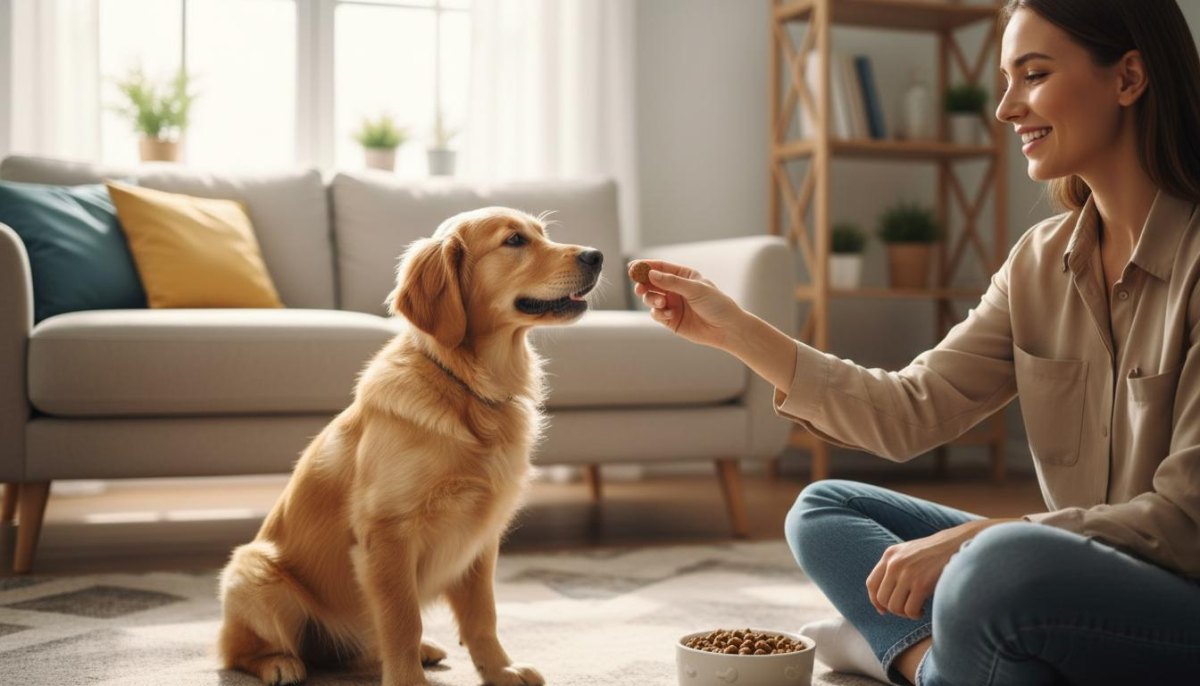
Confidence grows when dogs learn that their choices matter. I use reward-based training because it teaches the dog what works instead of making them worried about what happens if they get it wrong. Professional guidance from organisations and veterinary sources supports positive reinforcement approaches for building behaviour and trust.
With a shy dog, I start small. Looking at me, stepping onto a new surface, relaxing near a mild distraction — these are all worth celebrating. The reward must actually matter to that individual dog, whether that is food, play, or another reinforcer.
Why rewards help
- Build trust during learning
- Encourage confident choices
- Create clearer communication
What slows progress
- Moving too fast
- Using fear or punishment
- Ignoring stress signals
Arrange Controlled Playdates With Friendly Dogs
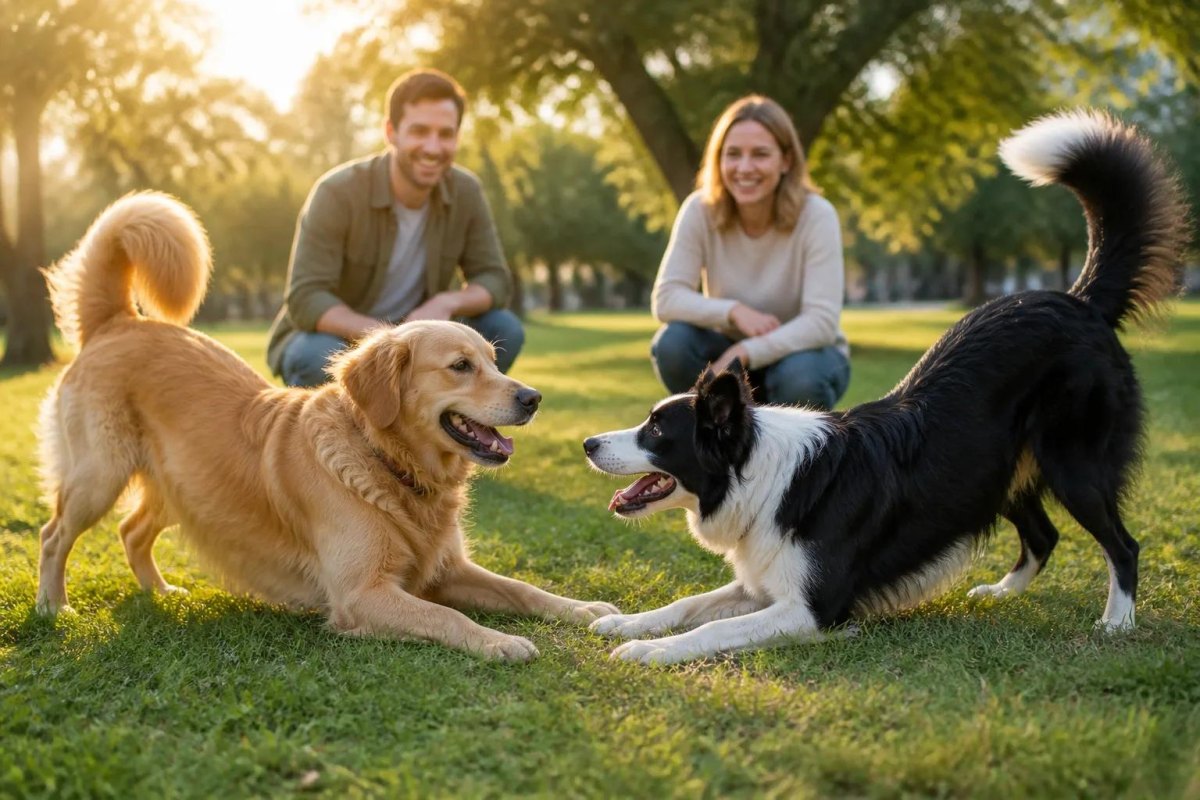
Not every shy dog wants a dog park friendship circle, and that is perfectly fine. I prefer one carefully chosen dog who communicates well over ten chaotic greetings. Pickle, my elderly terrier mix, has spent years being the neutral dog in sessions because she has the social skill of saying, "I am here, but I am not bothering you."
A successful playdate starts with management: neutral territory, compatible dogs, and humans paying attention. Some dogs are uncomfortable with direct on-leash greetings, so I often begin with parallel walking and let the dogs gather information safely. Controlled introductions are recommended over simply throwing unfamiliar dogs together.
The dog I want to meet
I look for a calm dog with good communication skills, not the most energetic dog in the neighbourhood. A shy dog needs a teacher, not a tornado.
Maintain Patience and Consistent Socialization Practice
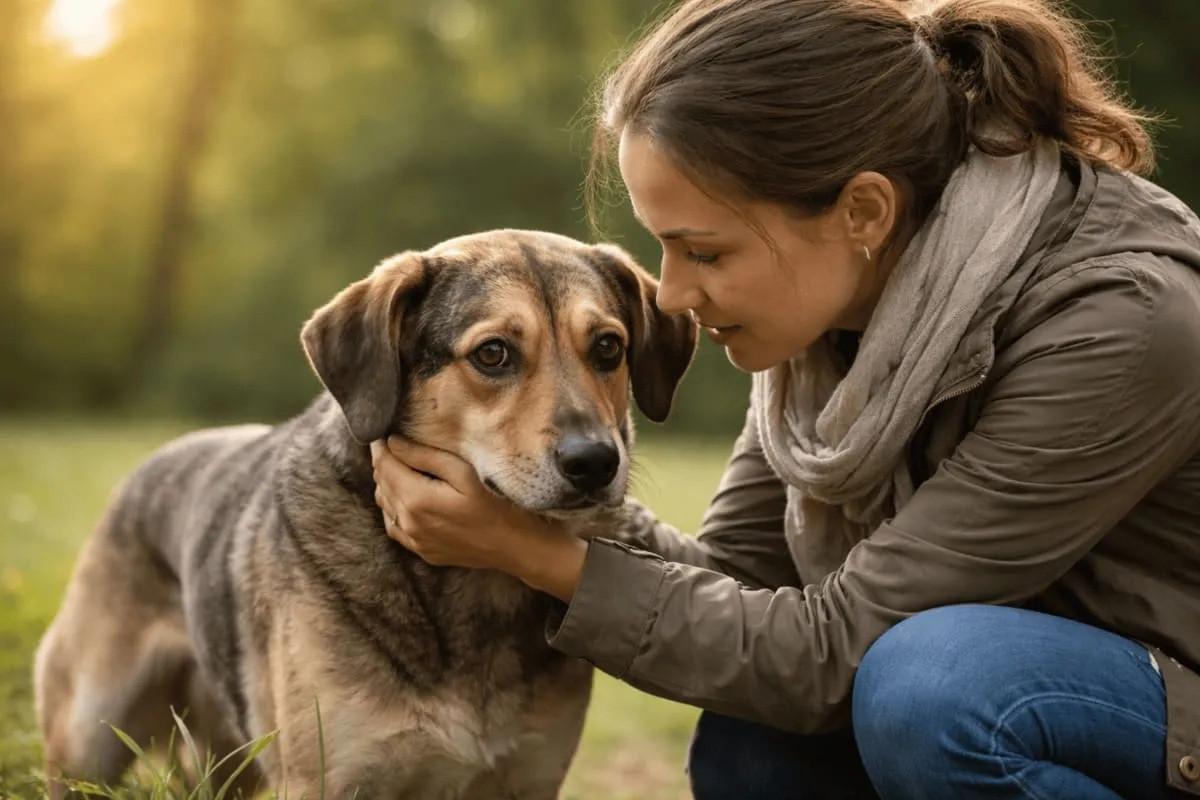
The part nobody wants to hear is also the part that saves the most frustration: confidence work takes time. I have seen dogs make huge changes over months, then have a bad day because a truck backfired or a stranger moved too quickly. That is not failure. It is information.
I keep sessions short, repeatable, and realistic. A shy dog does not need a perfect life; they need enough successful experiences that their world gradually feels less threatening. I measure progress by recovery time, relaxed body language, and choices the dog can make.
Months
is a realistic timeframe for many shy dog confidence plans, not days.
When to get extra help
If your dog has bitten and broken skin, is unsafe around children, or has serious aggression concerns, this is the point where I want an in-person certified professional involved and a conversation with your vet about referral options.

More Pinterest Visuals