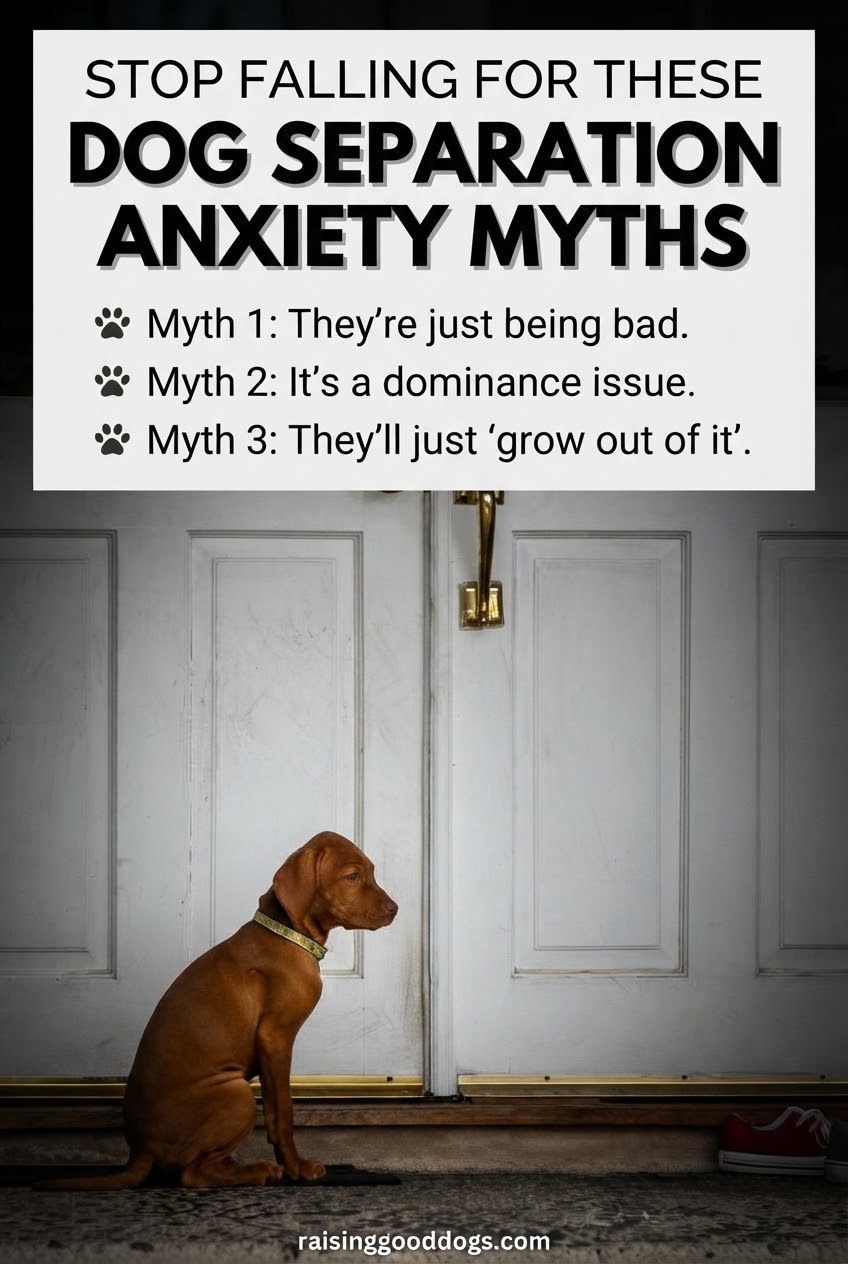
A dog pacing by the door, barking after you leave, or destroying a cushion is rarely trying to make a point. I have seen how quickly guilt and frustration enter the room when separation anxiety appears, and these myths are often what keep families from finding a workable path.
Myth: Dogs Feel Guilty When They Have Separation Anxiety
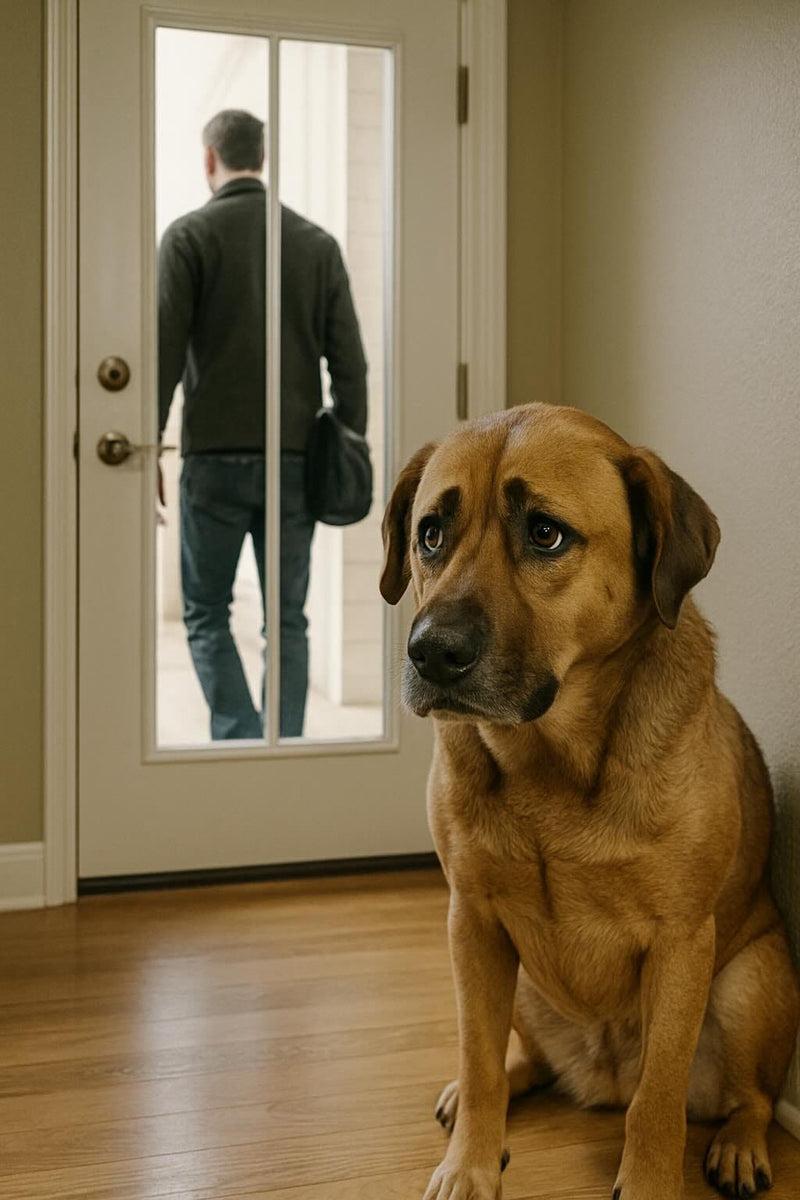
The worried face after I walk in the door is one of the easiest things to misread. Dogs with separation anxiety are not feeling guilty about a mess they made; they are showing stress after an overwhelming experience.
What I look for
I pay attention to the body before the story: tucked posture, trembling, frantic movement, drooling, scanning, or a tight mouth tell me much more than a guilty-looking expression.
Management comes first. I reduce opportunities for panic rehearsals while building calm, gradual absences.
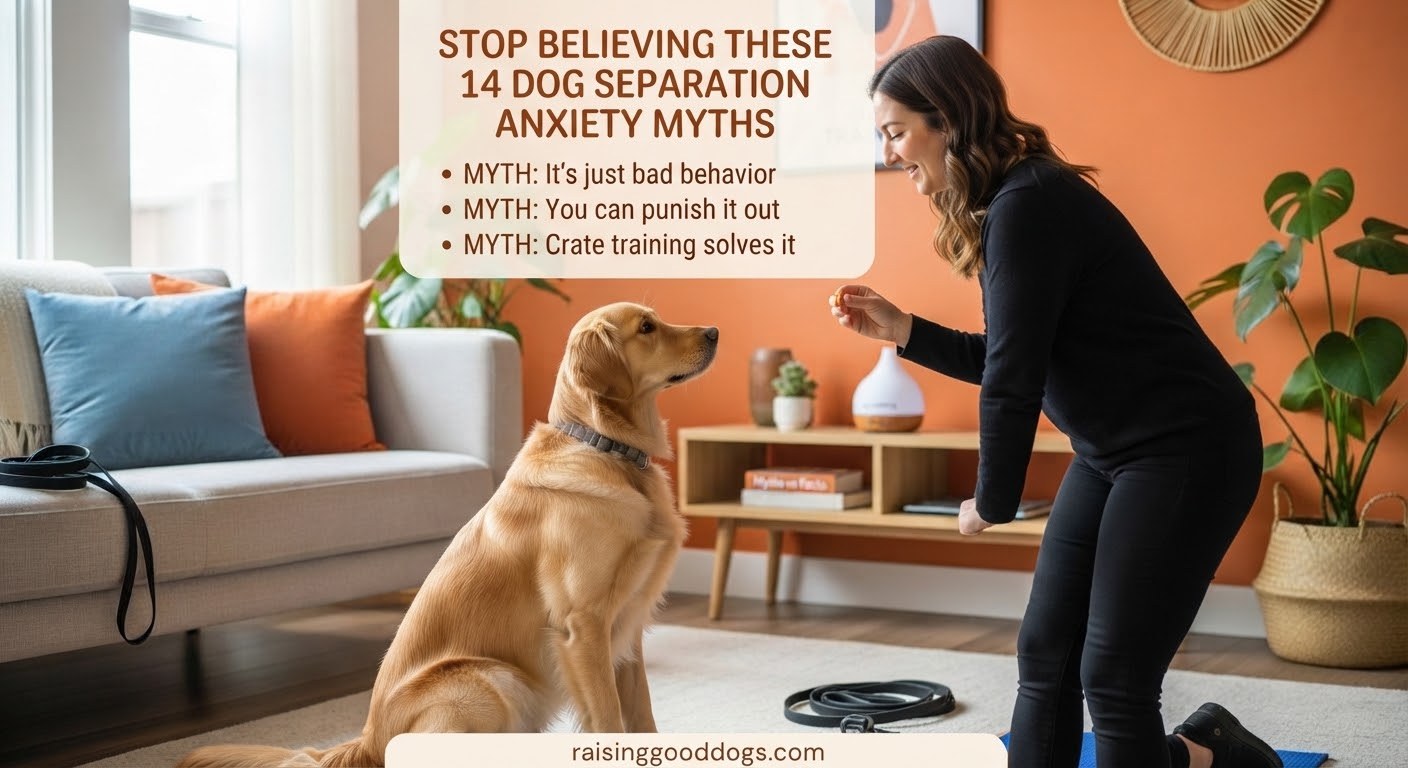
Myth: Separation Anxiety Is Just Bad Behavior

I have worked with many exhausted owners who were told their dog was being difficult. True separation anxiety is panic, not a training failure or a stubborn choice.
- Panic: the dog cannot settle once alone.
- Boredom: the dog may seek entertainment but can often relax when needs are met.
-
Myth: Dogs With Separation Anxiety Are Trying to Get Attention
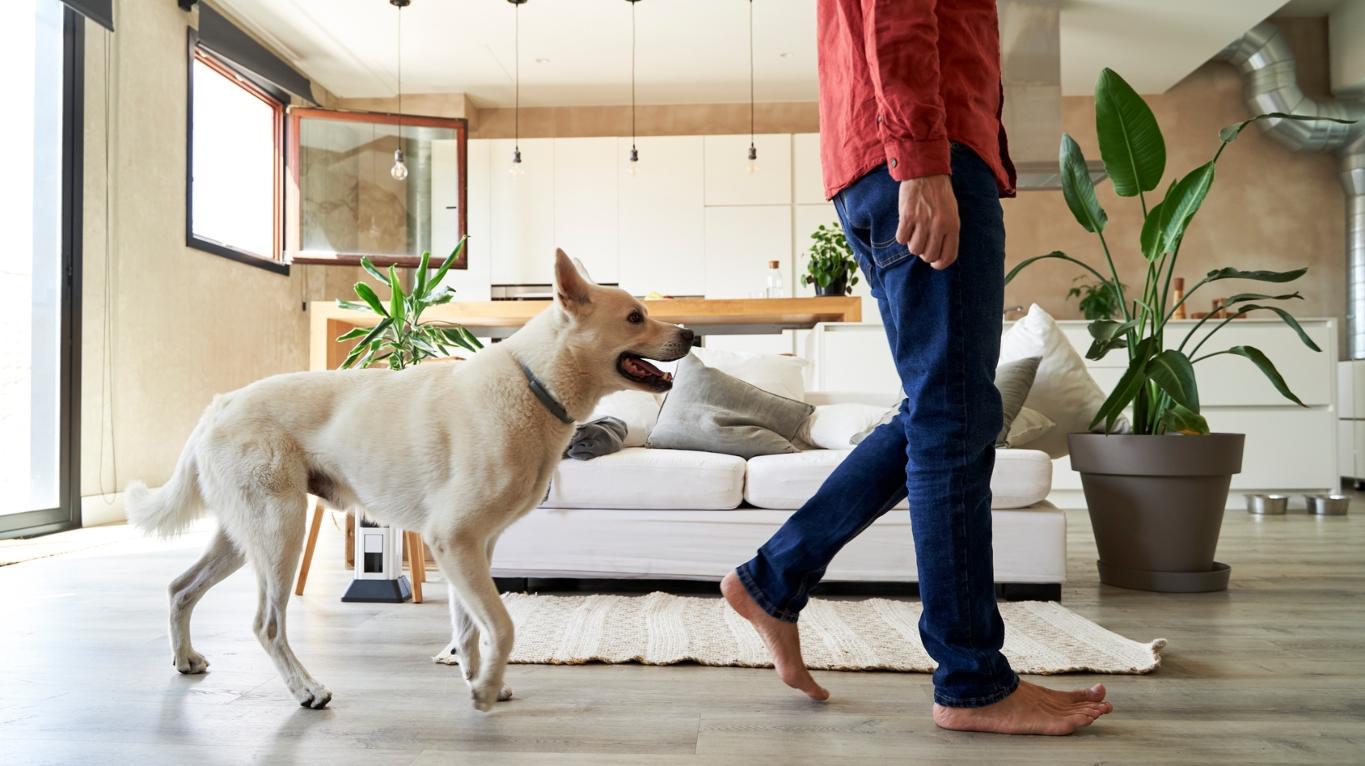
Photo by tn.com.ar A dog following you from room to room can look like a request for attention, but sometimes it is a safety strategy. I think about what happens when the person disappears, not just what happens when they are present.
Training starts when we understand the emotion behind the behaviour, not when we label the behaviour as annoying.
Marisa Cole, Raising Good DogsComfort and independence can be built together.
Myth: Only Rescue Dogs Develop Separation Anxiety
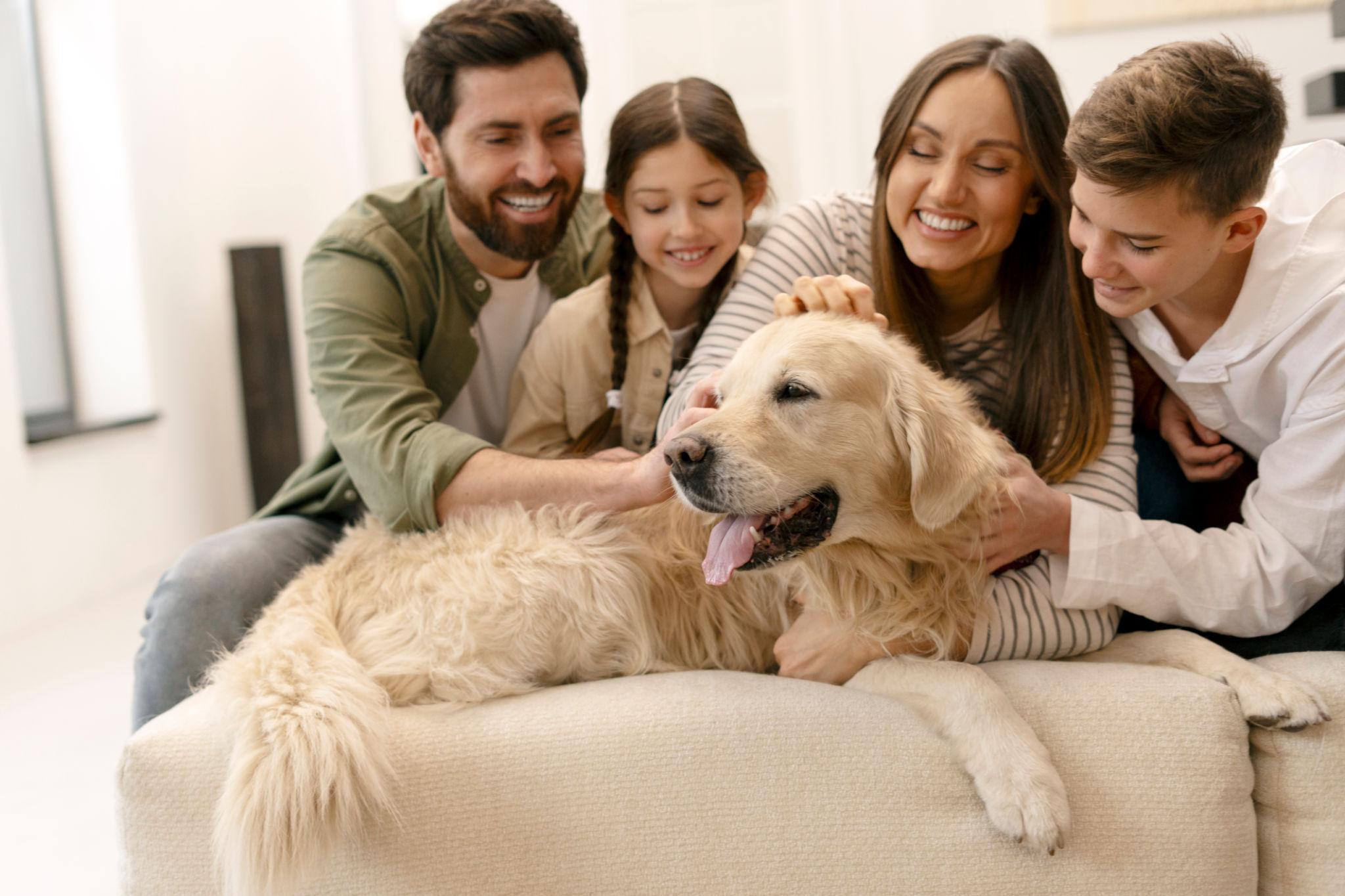
Photo by gettyimages.com This myth causes people to overlook dogs who have lived with loving families since puppyhood. Separation anxiety can appear in many backgrounds.
A useful question
Instead of asking what happened to this dog, I ask what this dog experiences when alone today.
History matters, but it does not predict everything.
Myth: A Dog Will Simply Grow Out of Separation Anxiety
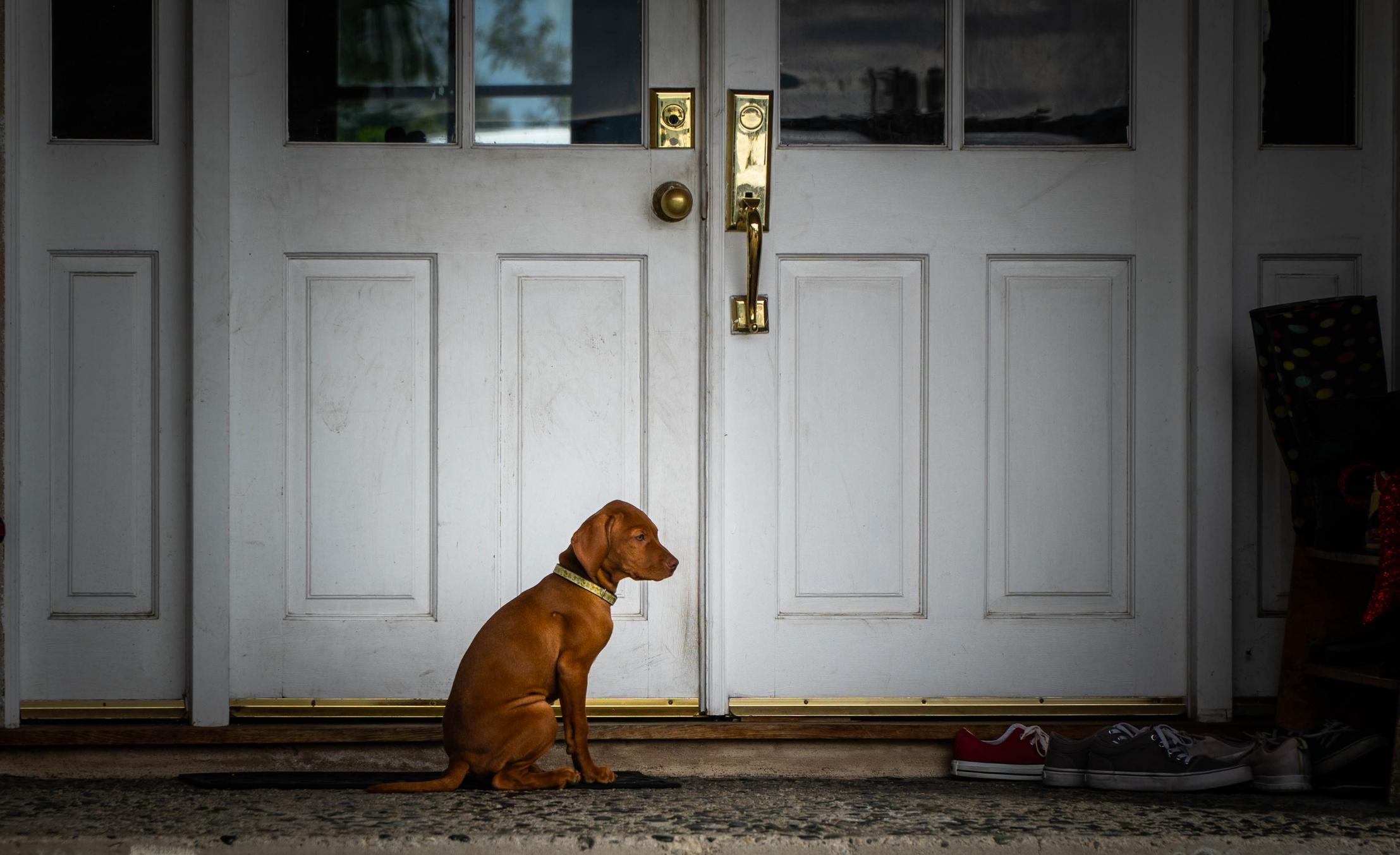
Photo by gettyimages.com Waiting is not usually a treatment plan. I have watched mild worries become stronger because the dog kept practising panic.
Real improvement often takes weeks or months. A plateau does not mean failure; it usually means the plan needs adjusting.
- Track the actual absence duration.
- Keep departures below panic level.
- Rule out pain or medical changes first.
Myth: Getting Another Dog Will Always Cure Separation Anxiety

Photo by paradepets.com A second dog may be wonderful for a household, but another animal is not a guaranteed treatment. Some dogs are attached to their person, not simply lonely.
Possible benefit
- More companionship in some homes.
Possible problem
- The anxious pattern can remain unchanged.
Myth: Crate Training Always Fixes Separation Anxiety
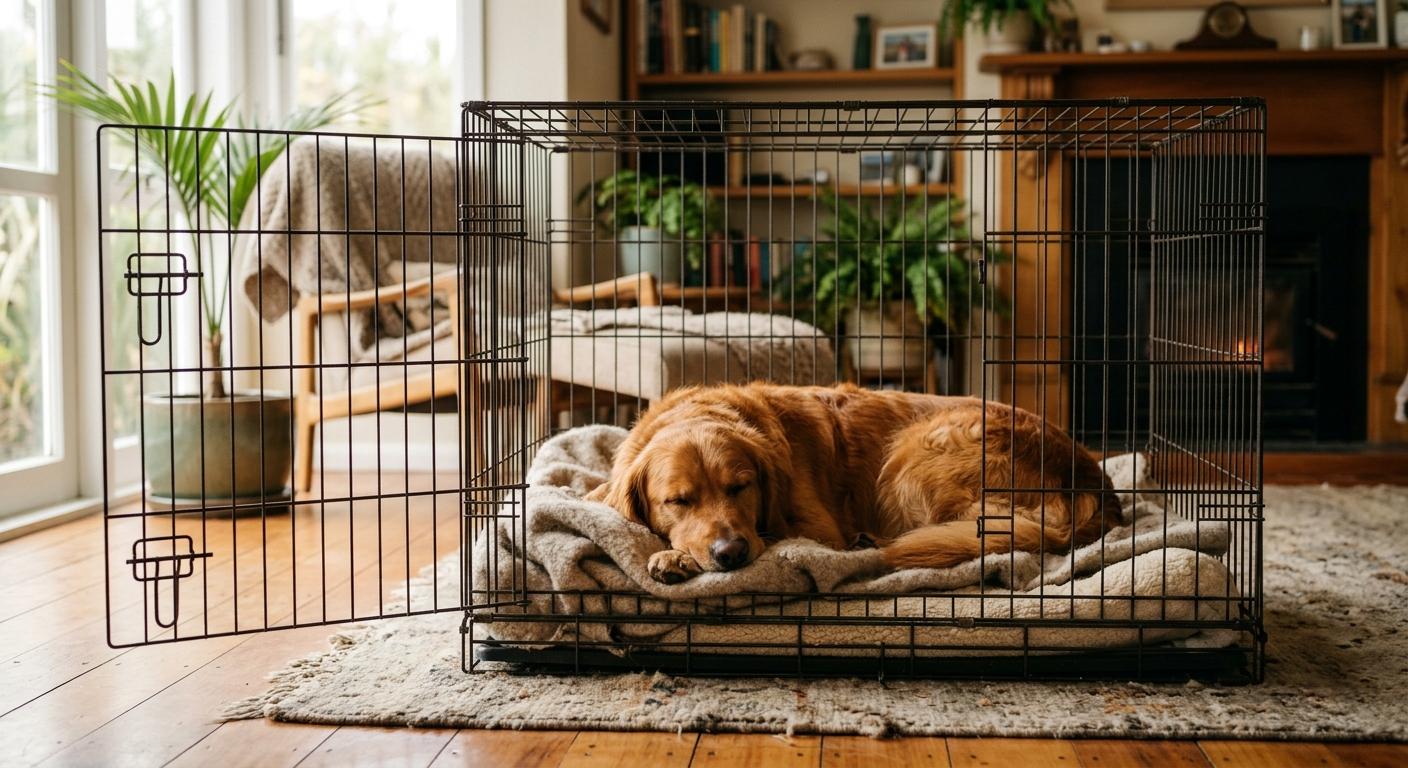
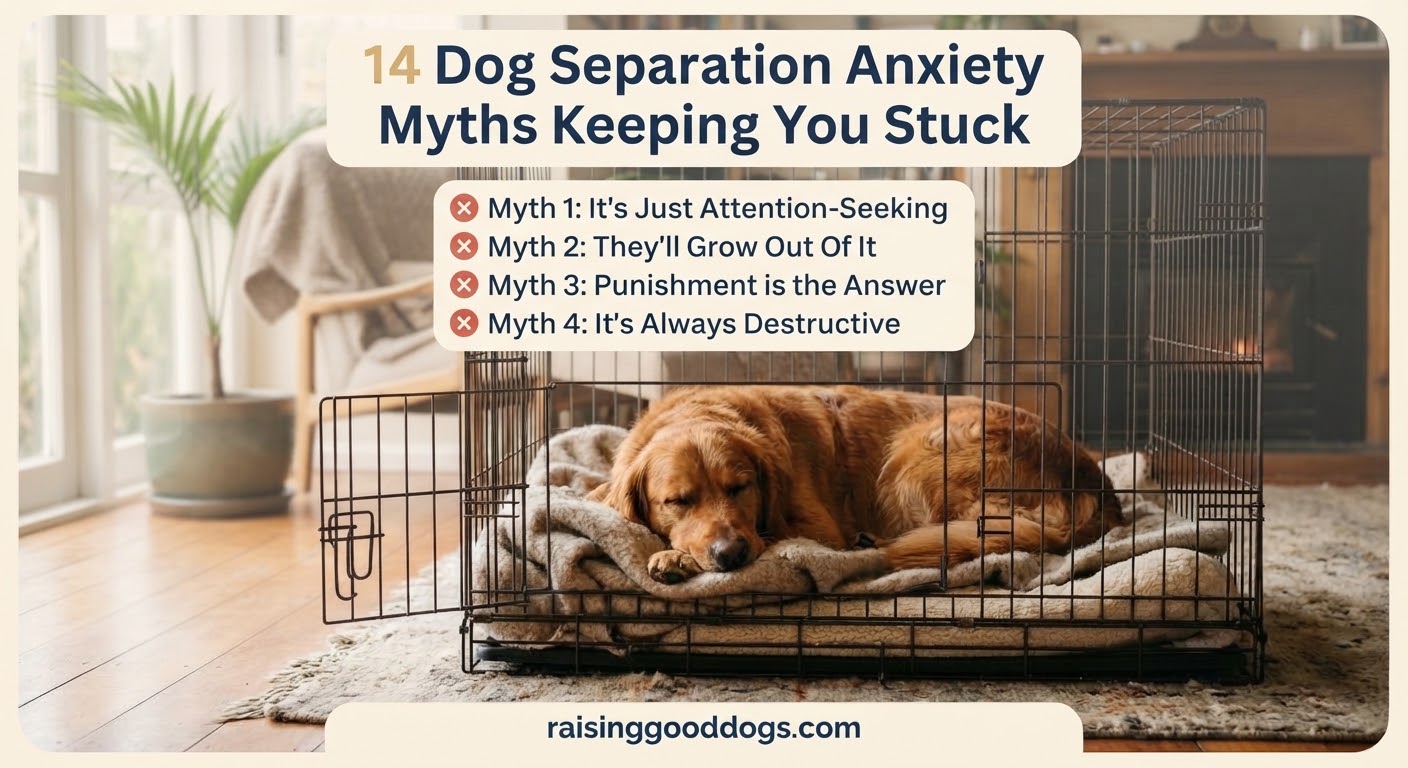
Photo by pawpick.co.nz I use crates as a choice, never as a cure. A crate can be a comfortable resting place, but a panicked dog may feel trapped inside one.
In my training room I see the difference between a dog who naps happily in a crate and a dog whose stress rises when the door closes. Those are not the same problem.
Myth: Punishment Stops Separation Anxiety Behaviors
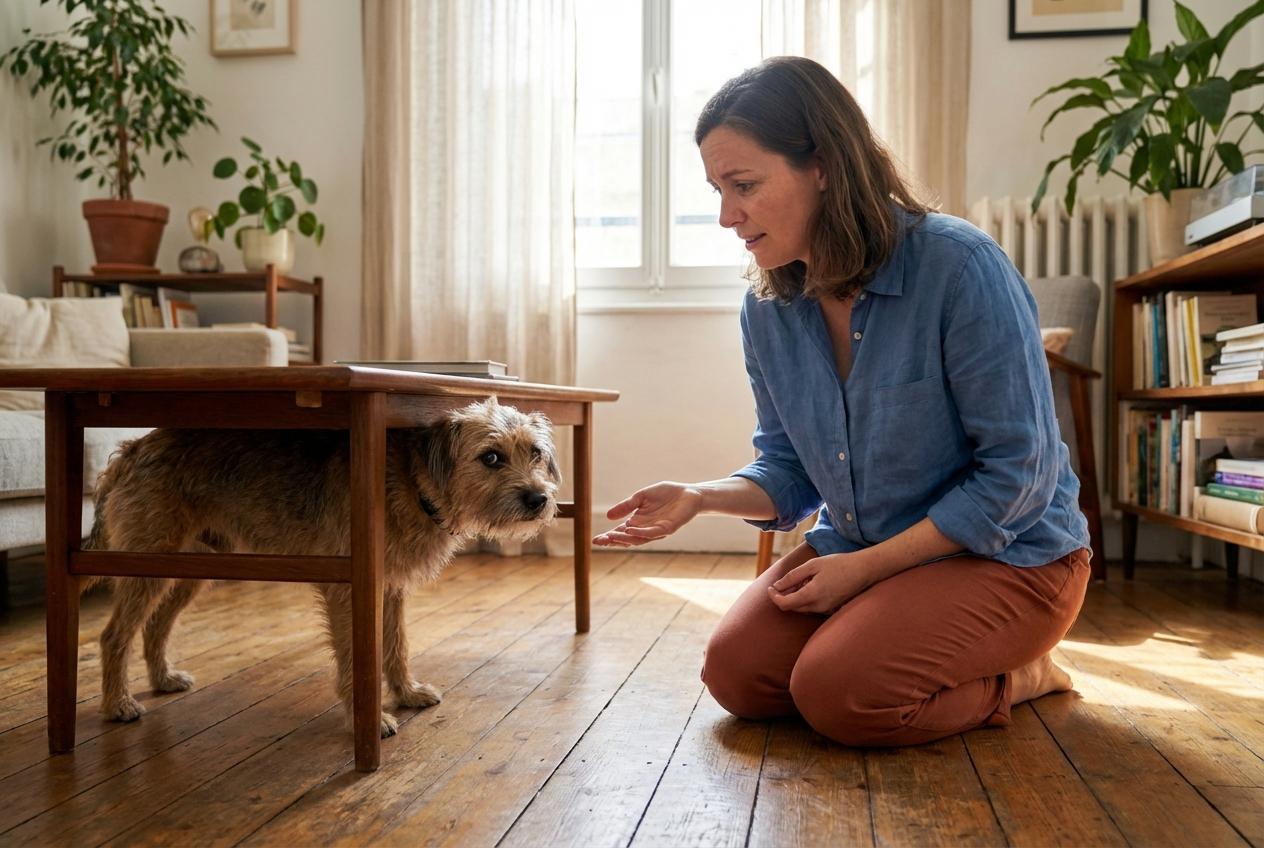
Photo by my-personaltrainer.it Punishment after destruction or barking only adds information after the panic has already happened. It does not teach a frightened dog how to feel safe.
Avoid this trap
I do not recommend shock, prong, choke, or fear-based methods for anxiety. They can increase distress.
Reward-based plans give the dog a different emotional experience.
Myth: Exercise Alone Can Eliminate Separation Anxiety
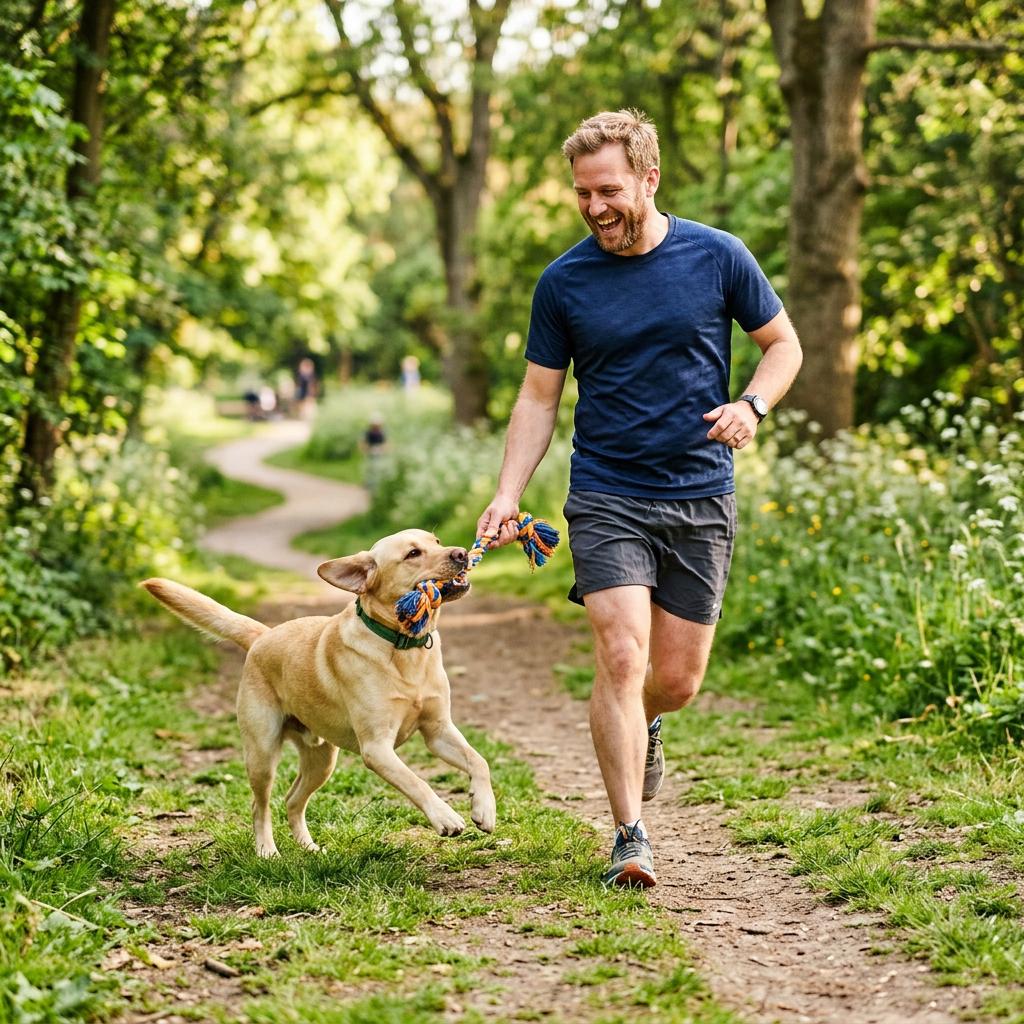
Photo by easy-peasy.ai A long walk can help a dog rest, but exhaustion is not the same as emotional confidence. I learned this with Bruno: a tired dog can still have a worried brain.
I combine appropriate activity with gradual alone-time work, enrichment, and careful observation of stress signals.
Myth: Dogs With Separation Anxiety Should Never Be Left Alone
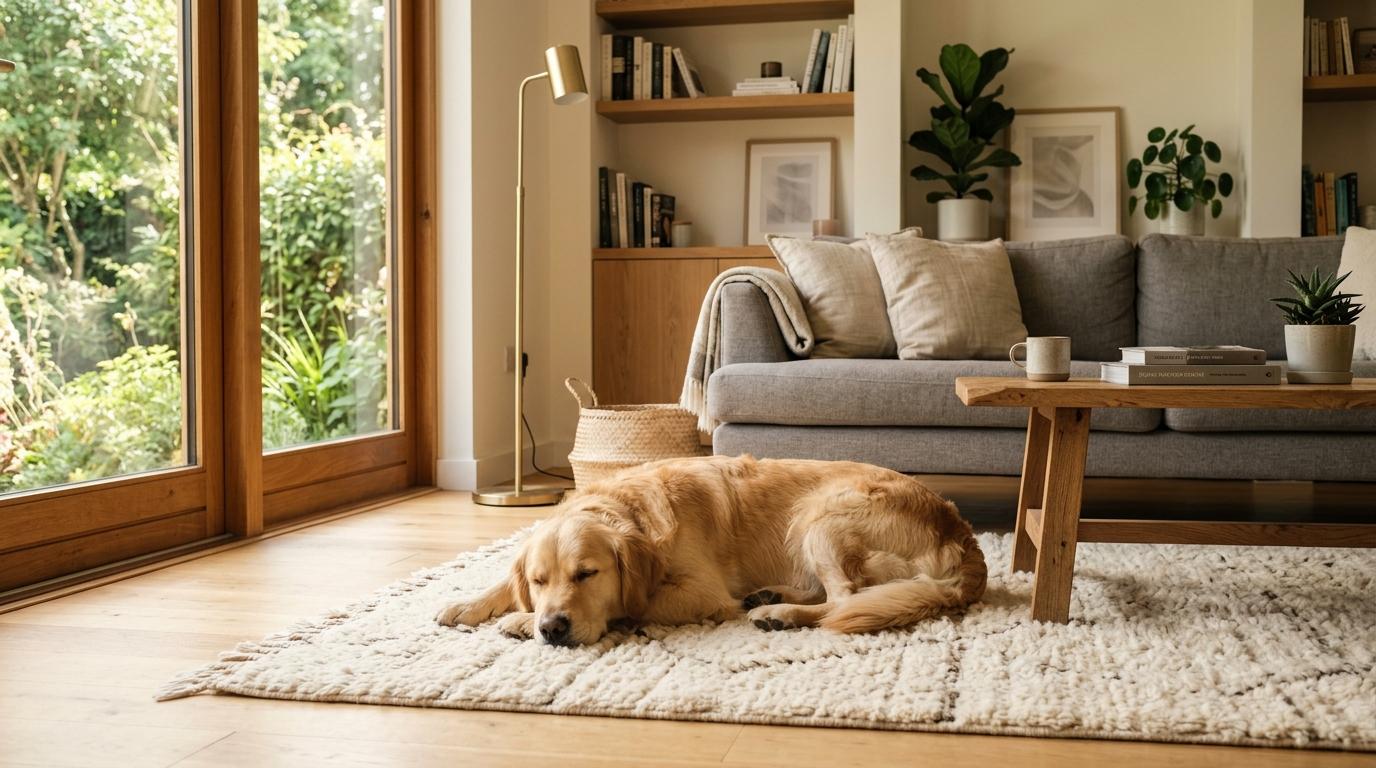
Photo by snobdogacademy.fr During the early stages, avoiding panic is important. That does not mean the final goal is permanent avoidance.
- Prepare. Create calm routines before leaving.
- Practise. Use tiny absences the dog can handle.
- Progress. Increase difficulty slowly over time.
The goal is comfortable independence.
Myth: Separation Anxiety Happens Only in Puppies
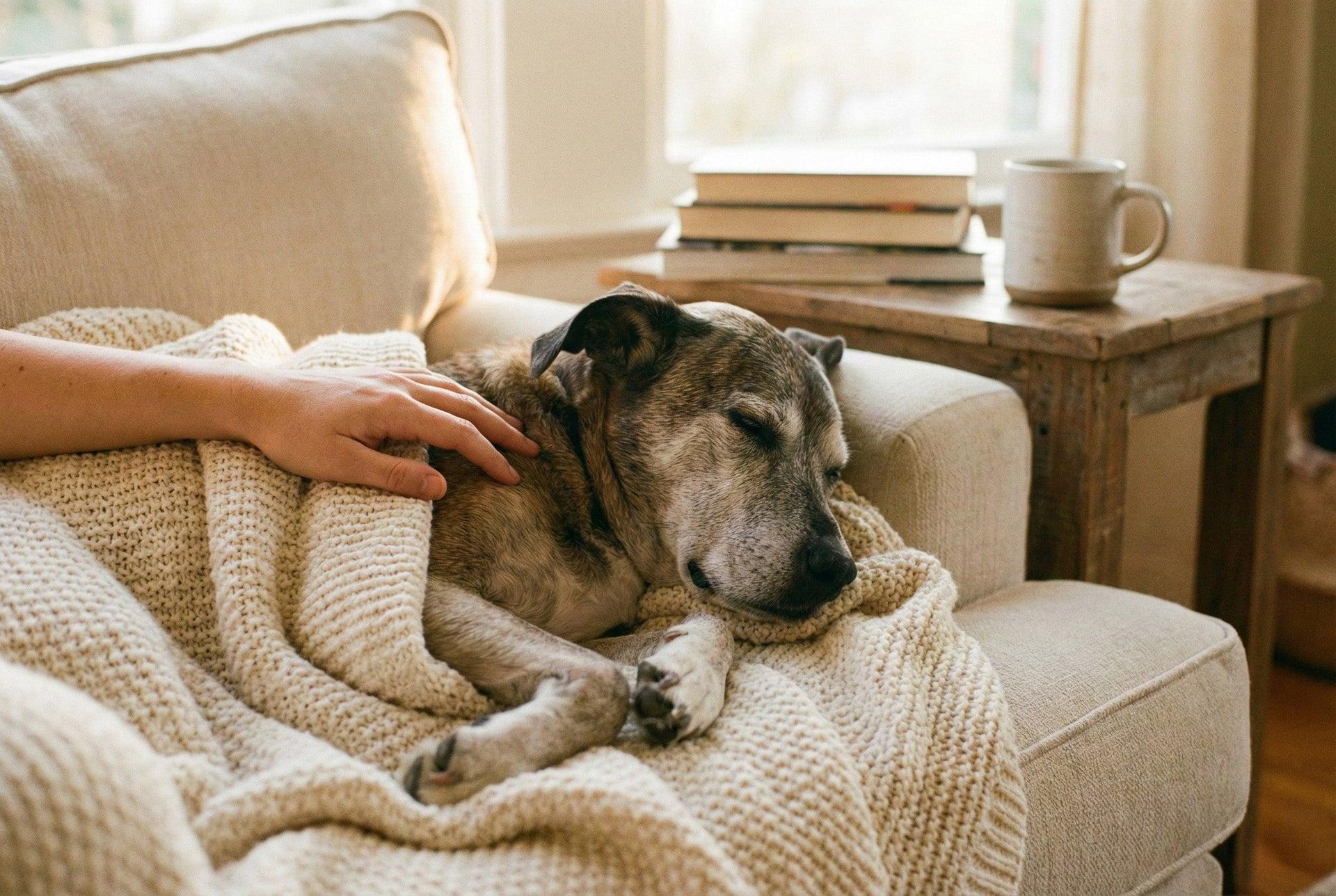
Photo by funeral.com Puppies can struggle, but adult and senior dogs can develop separation problems too. Sudden changes in an older dog always make me think about a veterinary check first.
Common mistake
Calling an older dog stubborn can miss pain, sensory changes, or other health concerns.
Myth: Ignoring a Dog’s Anxiety Makes It Disappear
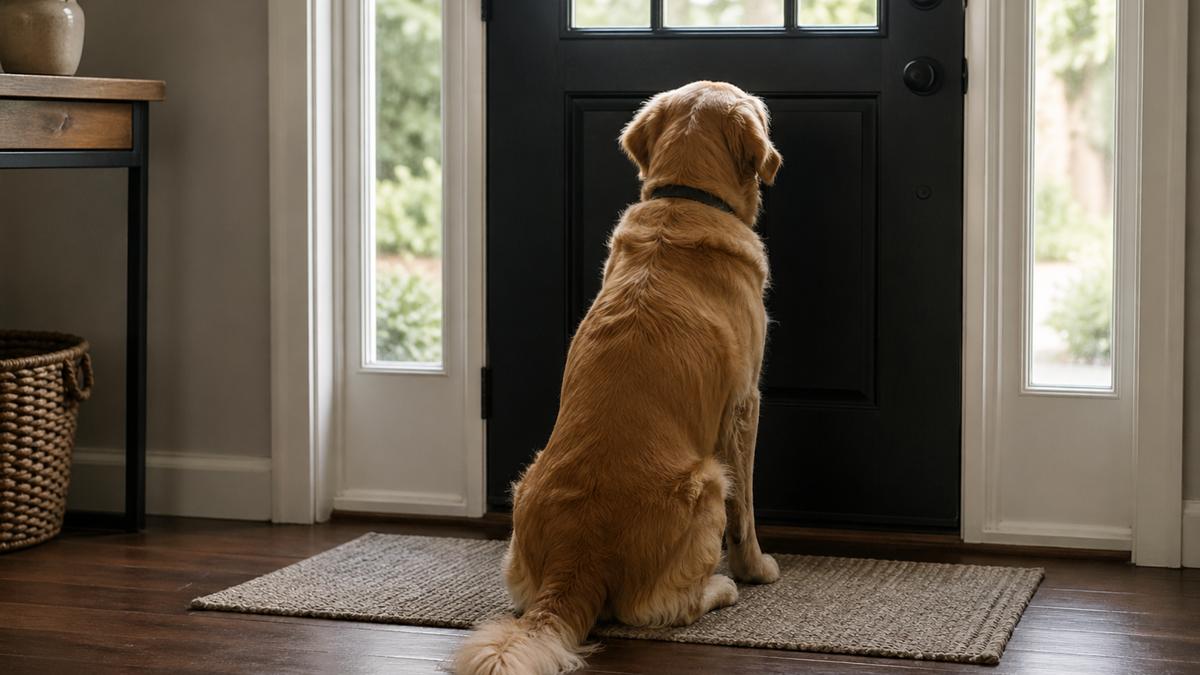
Photo by nurtureyourpet.com Ignoring a panic response does not teach calm. A dog who is overwhelmed cannot learn the lesson we hope they will learn.
The small details matter
I watch breathing, weight shifts, ears, tail base, and the moment a dog stops taking food. Those details tell me when training is too difficult.
Myth: Separation Anxiety Cannot Be Treated Successfully
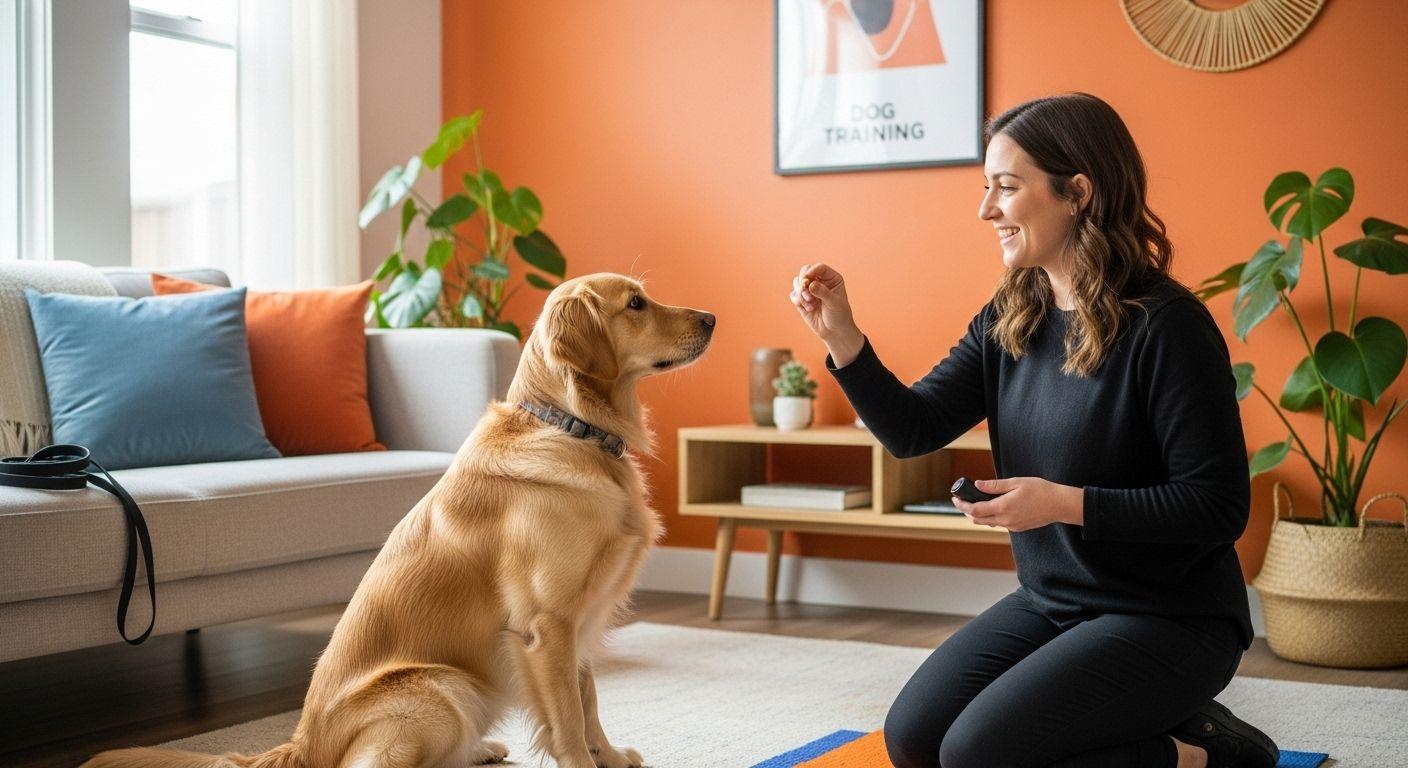
Photo by ipuppee.com This is one of the most discouraging myths. Many dogs improve significantly when the plan matches their needs.
I am honest about timelines: behaviour work is measured in months, not miracle weekends. Some cases also need support from a veterinarian or veterinary behaviourist.
As a CPDT-KA trainer, I know when a case needs another professional at the table.
Myth: Dogs With Separation Anxiety Can Never Be Happy Alone
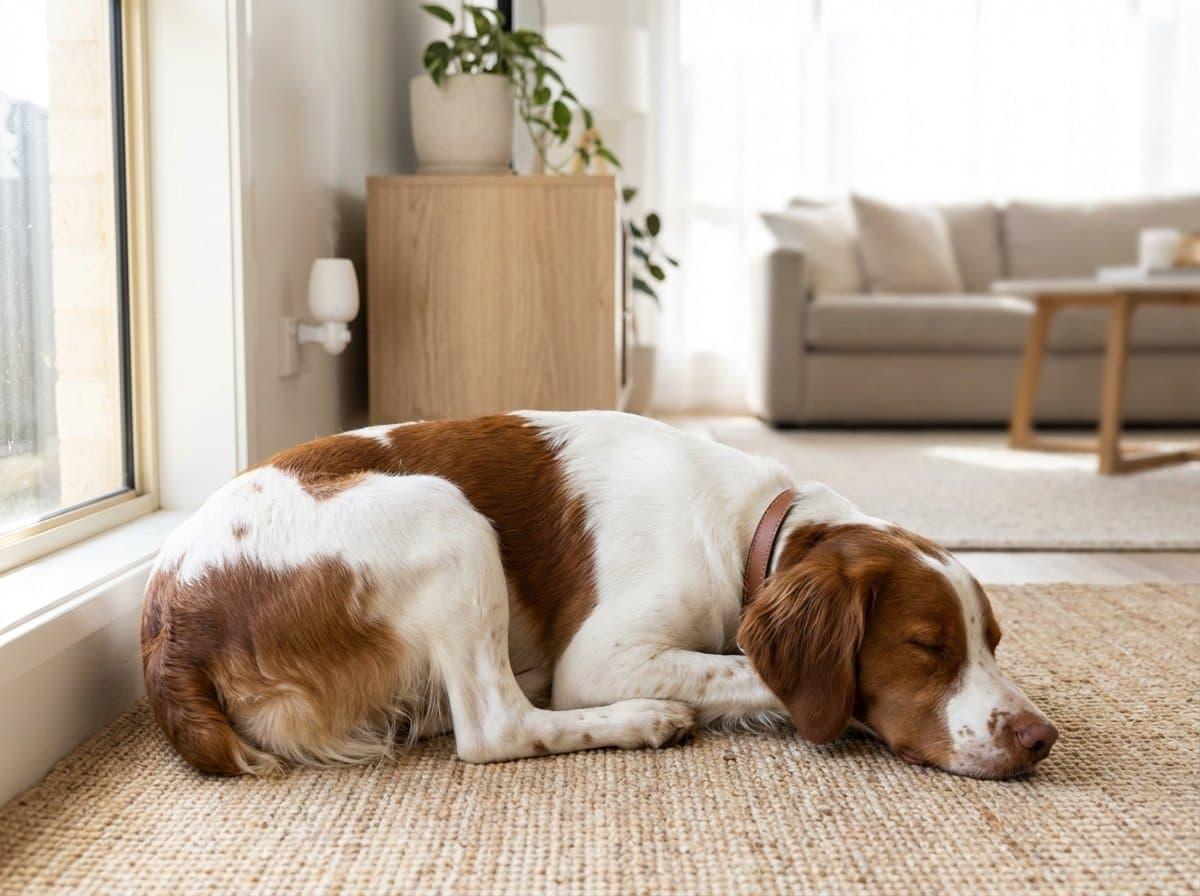
Photo by sierrapetproducts.com.au A diagnosis is not a life sentence. The aim is not to create a robot who loves every situation; it is to help the dog feel safe and capable.
- Success: fewer panic moments and more recovery.
- Reality: some dogs need lifelong thoughtful management.
- Hope: comfortable alone time is possible for many dogs.
The best progress is often quiet: a dog resting, breathing normally, and knowing their person always returns.
The dog who waits by the door is not asking for perfection. They are asking for a plan they can understand. When we replace assumptions with observation, many families find a much kinder way forward.
 Hi! I'm MarisaHi, I'm Marisa! CPDT-KA certified trainer in Portland, Maine — seventeen years in, six of them previously in veterinary practice. I'd been training…MORE ABOUT ME
Common Questions
How long does separation anxiety training take?
Most meaningful behaviour change takes weeks to months. Setbacks are normal and usually mean the plan needs adjustment.
Should I let my dog cry it out?
No. Panic is not a behaviour to ignore until it stops. Gradual, below-threshold practice is the safer approach.
When should I contact a professional?
Seek help when absences trigger severe distress, self-injury, destruction, or when the dog is not progressing with careful training.
You May Also Like TheseMore Pinterest Visuals