Recall problems rarely come from a stubborn dog. I usually find the issue started earlier, with a cue that became unclear, distractions introduced too soon, or a dog that learned coming back ended the good stuff.
What I want you to remember
- Build recall gradually instead of testing it.
- Make returning to you worthwhile every time.
- Manage situations where your dog can practise ignoring you.
Starting Recall Training Too Early
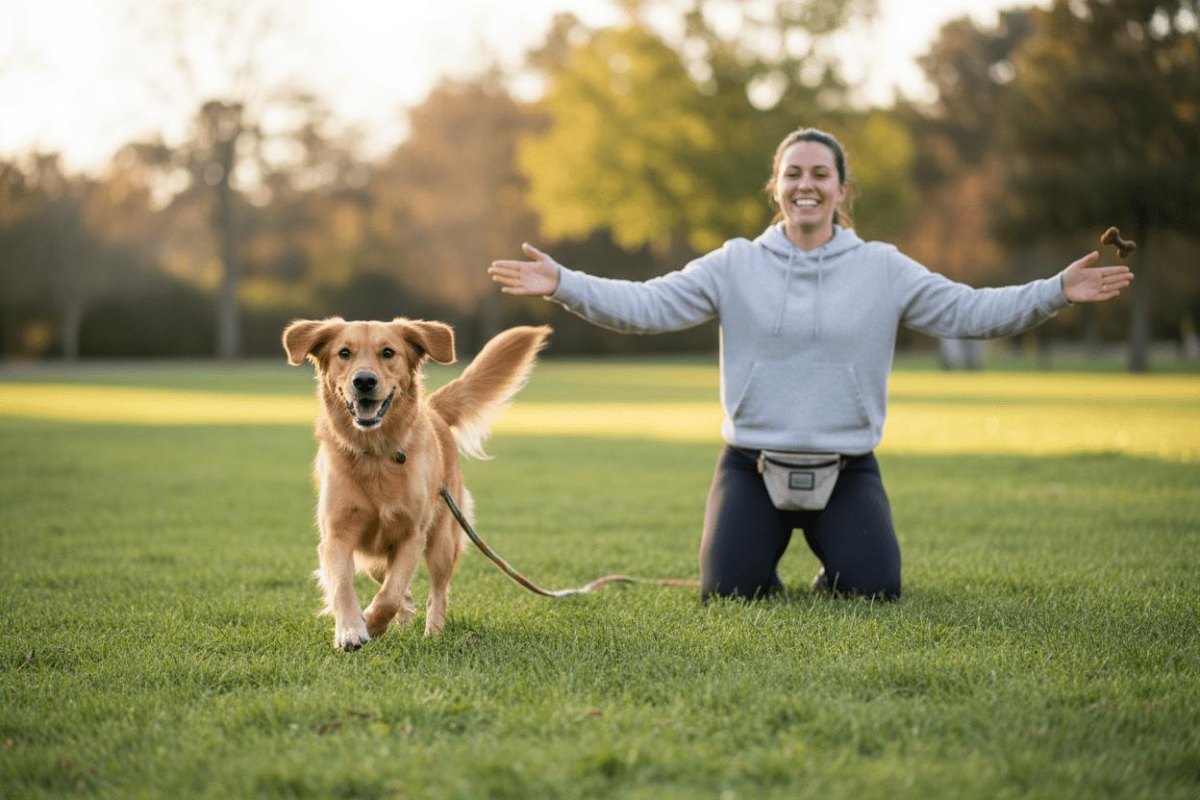
I love enthusiastic puppies, but recall begins with attention before distance. Early foundations matter because a dog needs to understand their name and enjoy checking in before we add difficulty.
When a puppy is overwhelmed, I lower the challenge rather than asking for a perfect response.
Skipping Basic Obedience Foundations
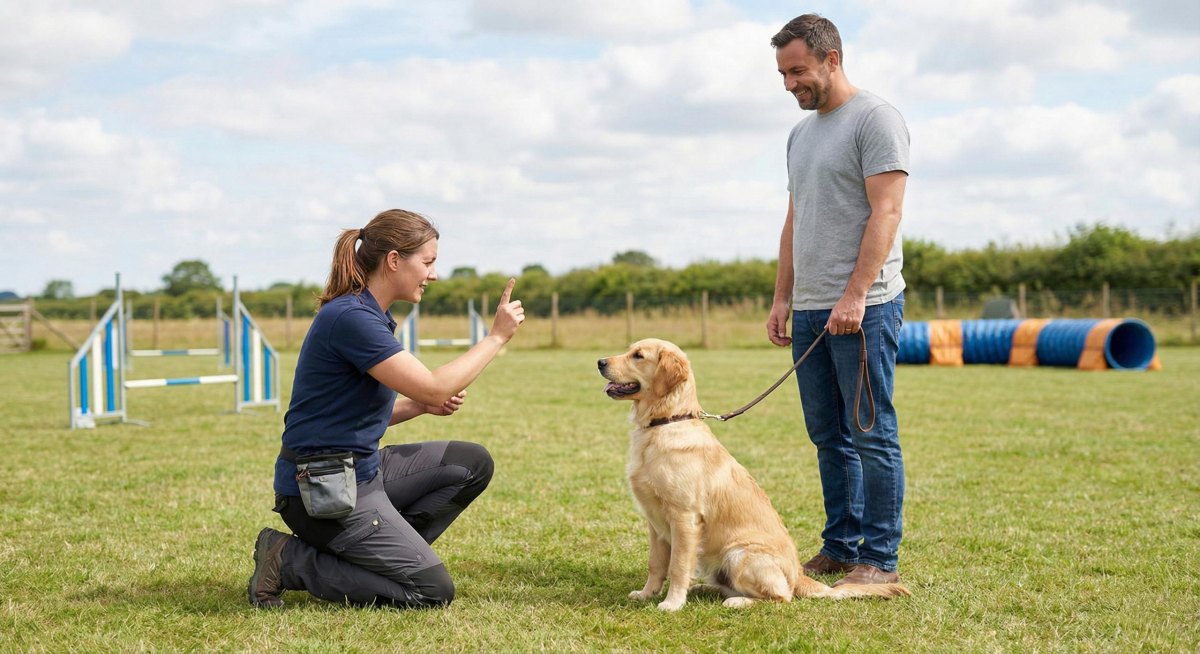
A reliable recall is not a single trick. It grows from smaller skills like engagement and responding to your voice. Basic communication comes first before expecting a dog to leave something exciting.
I build these pieces in quiet places before asking for more.
Using a Weak Recall Cue
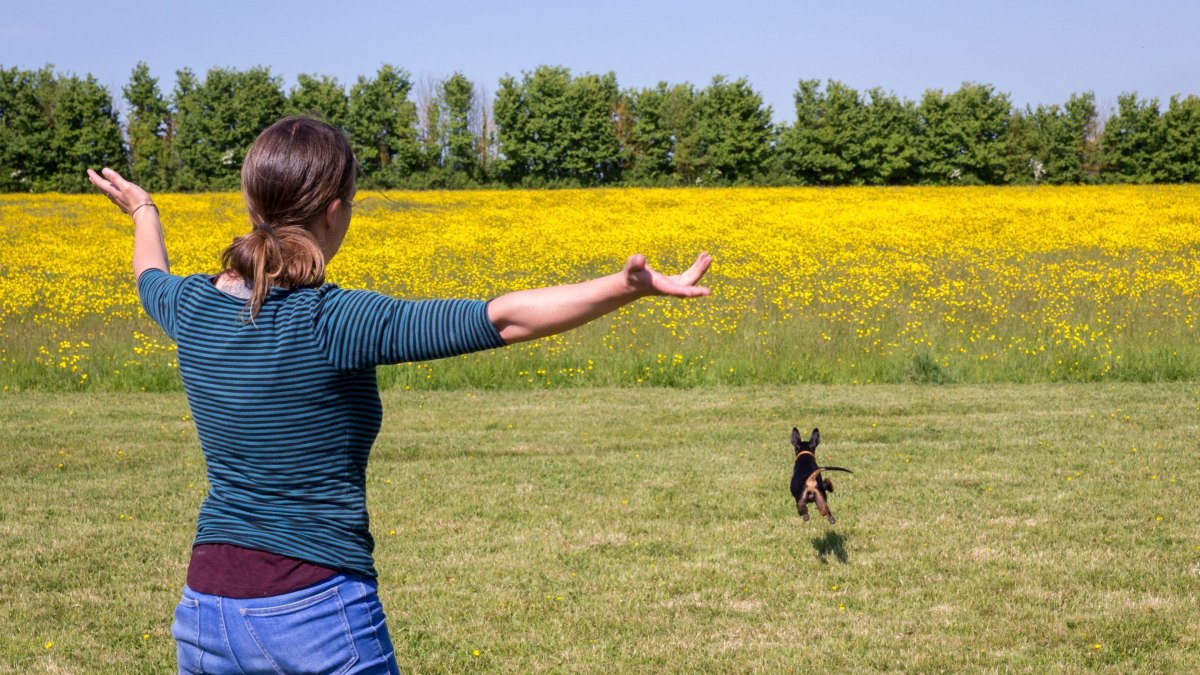
Your recall word should mean something wonderful. A vague or overused phrase creates a confusing recall cue that your dog may ignore.
I choose one clear word and protect its meaning while training.
Repeating the Recall Command Too Many Times
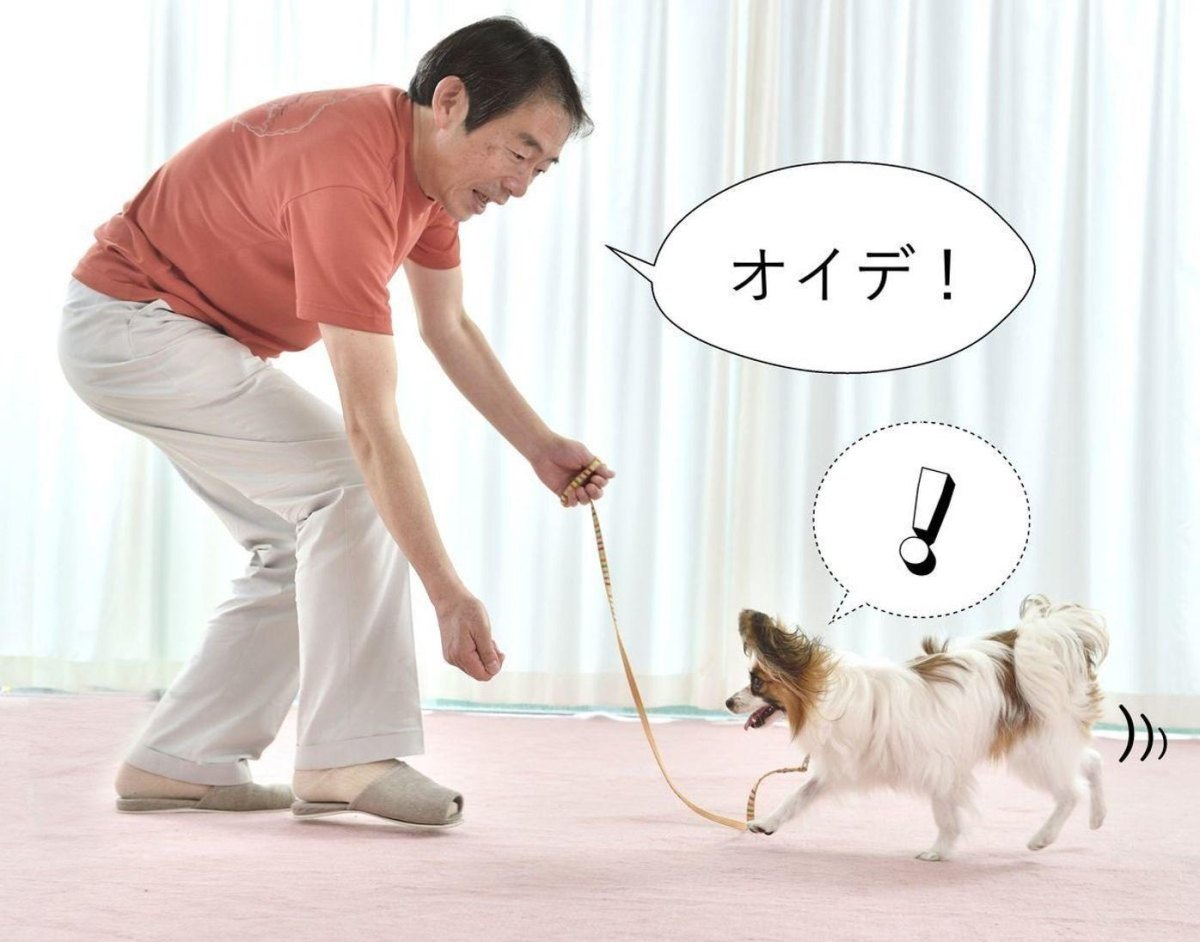
If I hear someone say "come" five times, I know the dog has learned a different lesson. Repeated commands weaken recall because the first cue stops carrying information.
I would rather improve the setup than say the word louder.
Punishing a Dog After It Comes Back
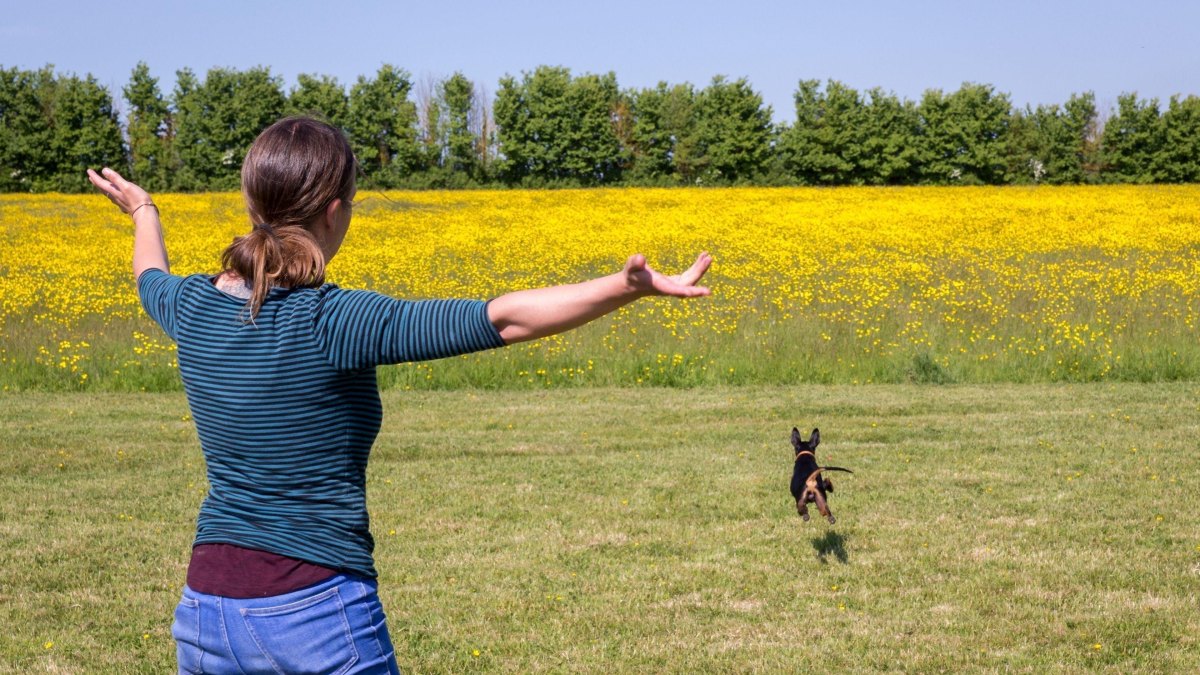
This mistake breaks my heart because it is so common. A dog who returns late still needs to learn that coming back is safe.
I reward the return first and troubleshoot the delay separately.
Practicing Only in Distracting Environments
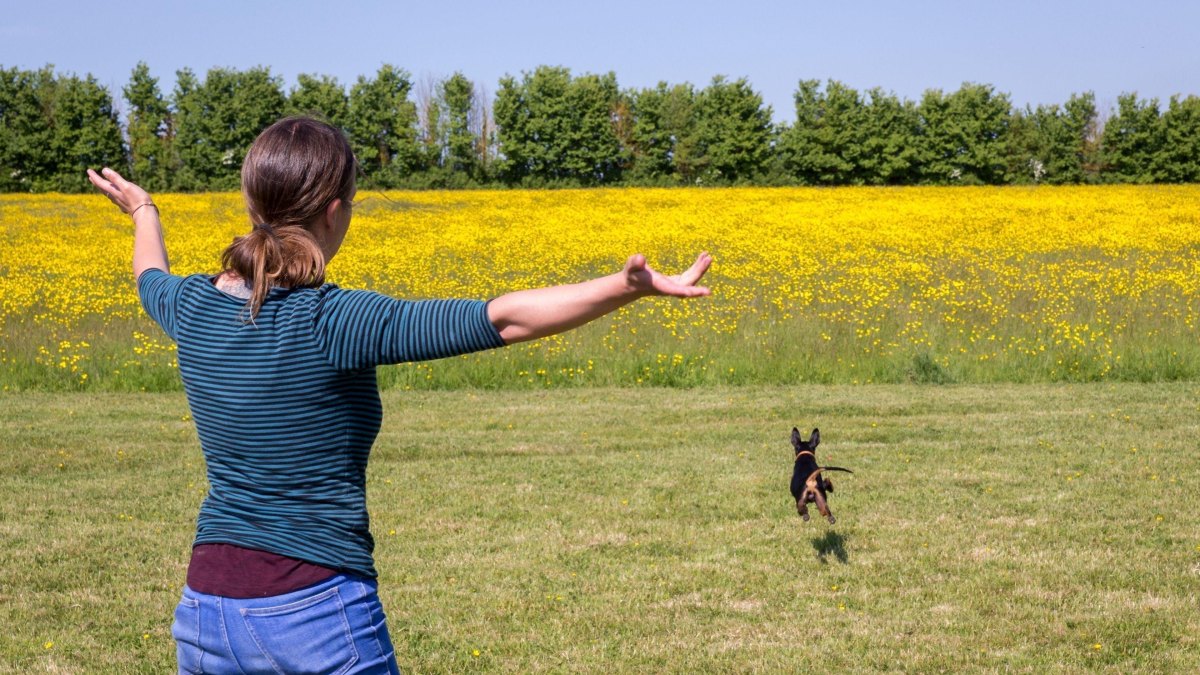
A busy park is not where I start recall. Dogs learn best when they can think, so the training environment matters.
I increase distractions slowly instead of asking a beginner dog to ignore everything at once.
Failing to Reward Successful Recalls
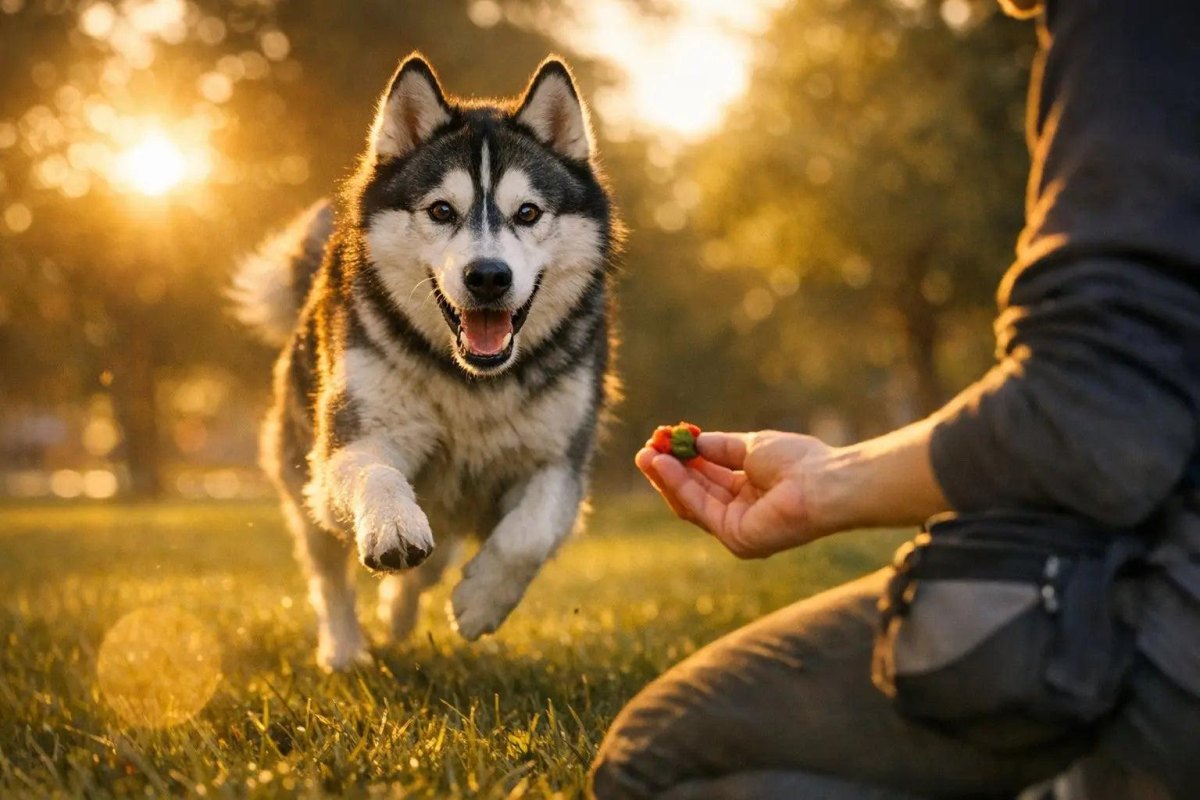
Many owners stop rewarding once the dog seems better. I keep paying because good behaviour needs reinforcement, especially around distractions.
The reward may change over time, but the value should remain.
Using Poor Quality Rewards
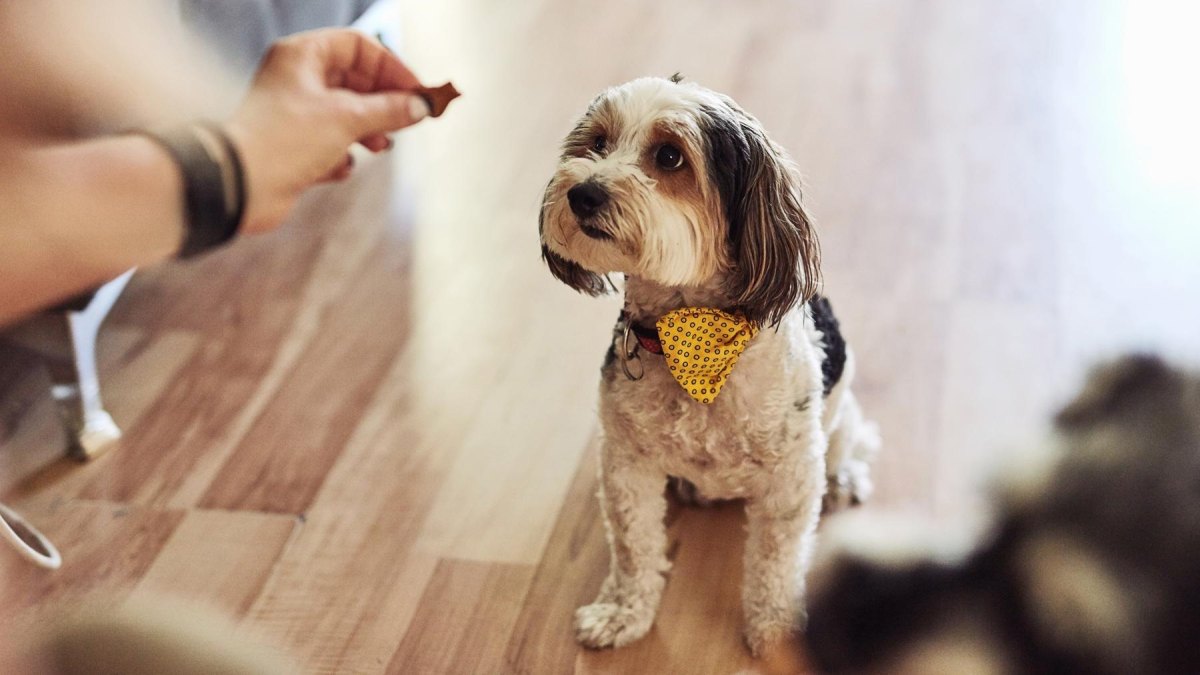
A sniffing dog in a field may need a better reason to turn around. Reward value changes everything when the environment becomes exciting.
I match the reward to the difficulty rather than expecting enthusiasm for a boring treat.
Expecting Immediate Off-Leash Reliability
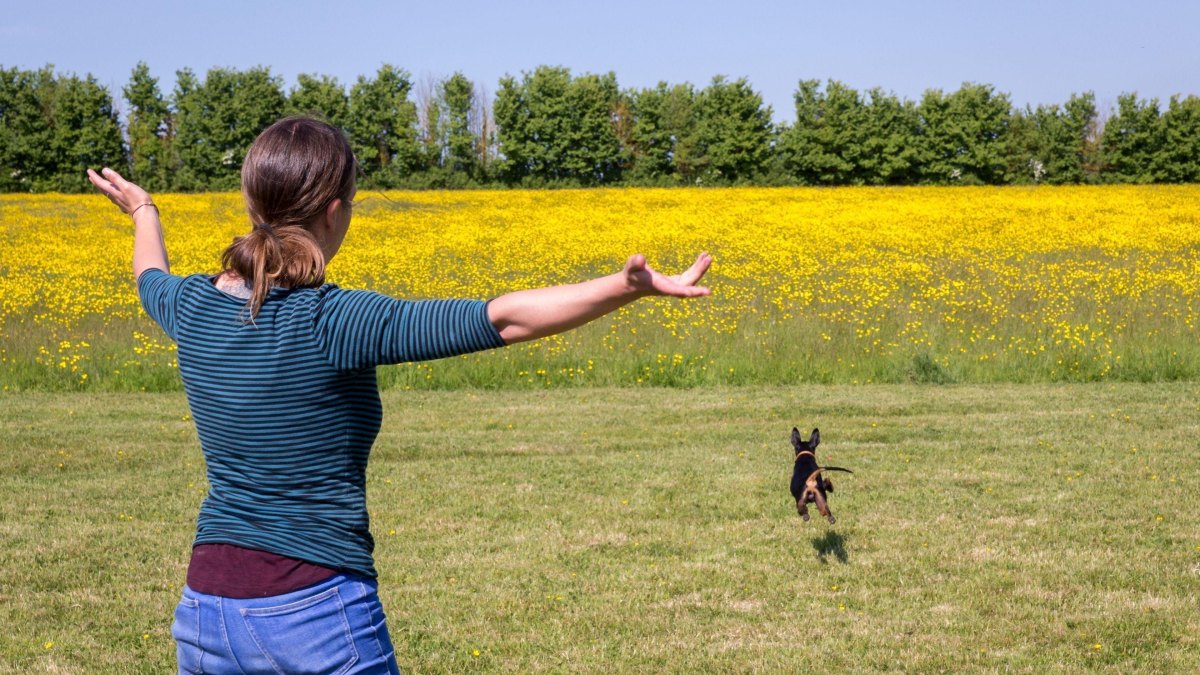
Off-leash freedom is something I earn, not something I test. Reliable recall takes time because dogs need practice in many situations.
Until then, safe management prevents a dog from rehearsing ignoring you.
Practicing Recall Only When Ending Fun
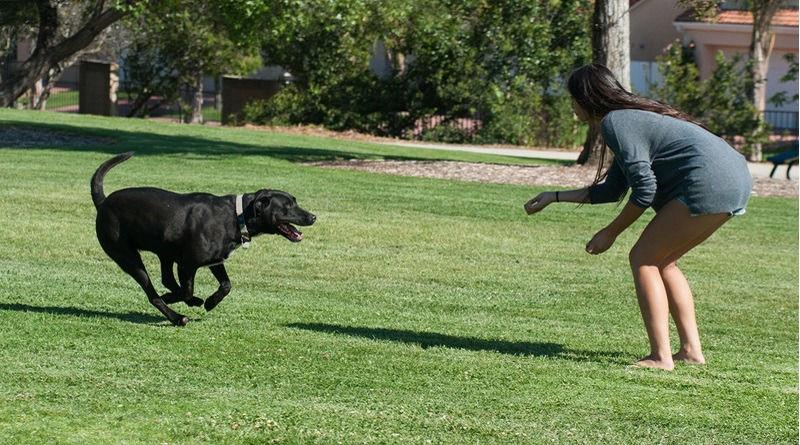
If recall always means the walk ends, your dog notices. I create positive recall associations by calling dogs, rewarding them, and sometimes sending them back to play.
This keeps the cue from becoming a goodbye signal.
Training Without a Long Line
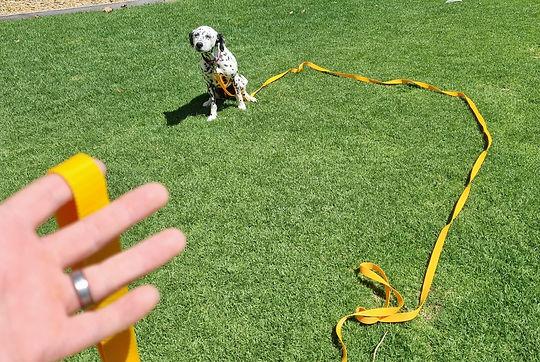
A long line gives me control while allowing a dog to make choices. Safe freedom builds recall better than repeated failures across an open field.
I use it as a bridge between a leash and true reliability.
Choosing the Wrong Training Location
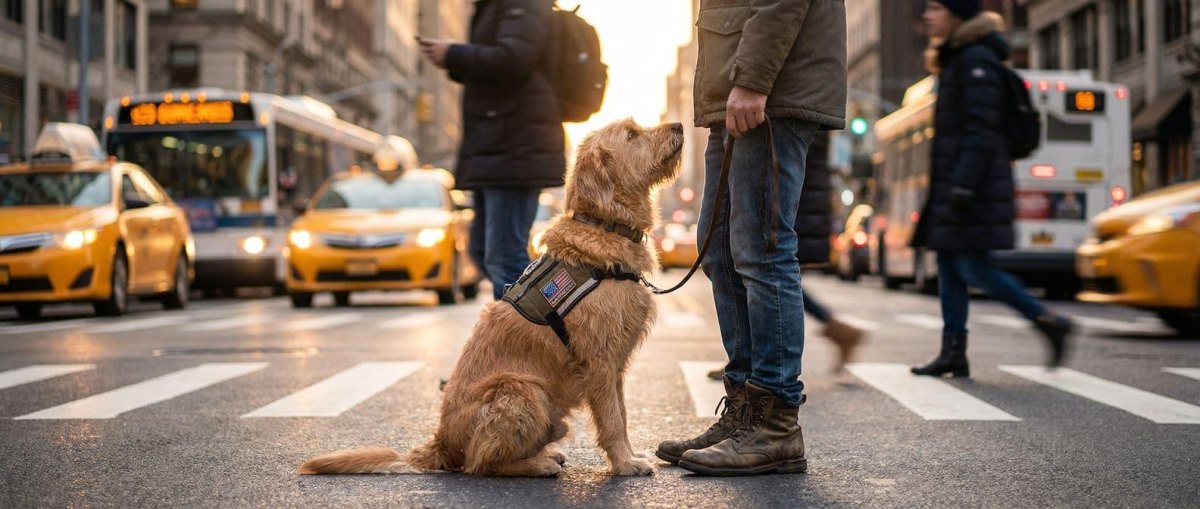
The right location is one where your dog can succeed. Quiet practice spaces help learning because the brain is available for training.
I often start with empty fields or calm paths before busier areas.
Ignoring Body Language During Recall
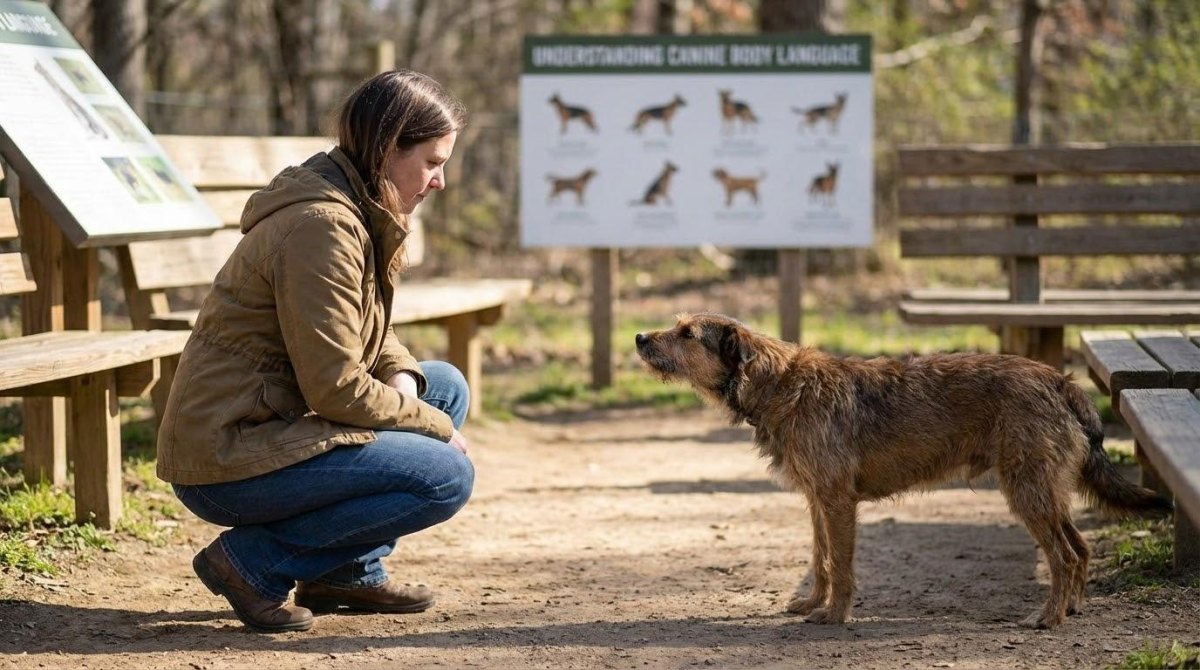
Dogs tell us when a situation is too hard. I watch for small stress signals like lip licking, freezing, or changes in posture before asking for more.
Reading the dog prevents us from pushing past their ability to learn.
Making Recall Sessions Too Long
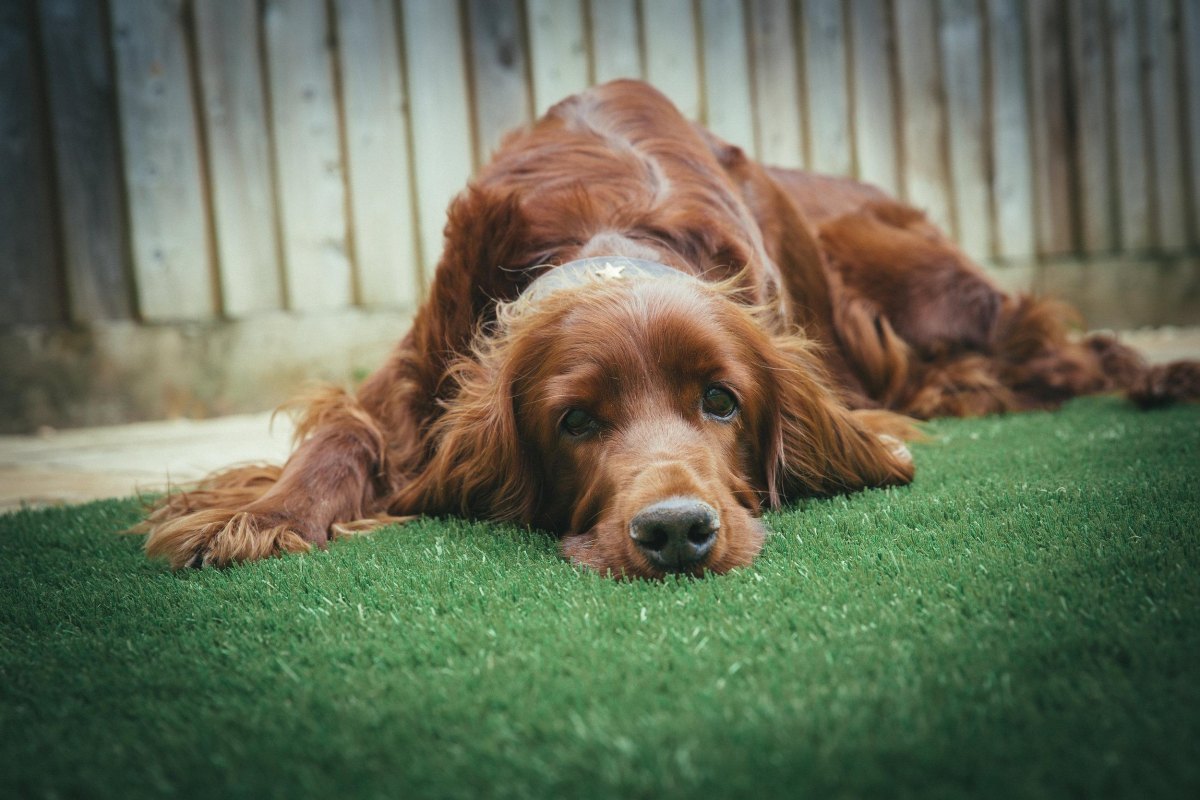
Short sessions usually win. Training while motivation is high keeps recall exciting instead of exhausting.
I finish before the dog is tired of the game, not after.
Inconsistent Recall Rules at Home
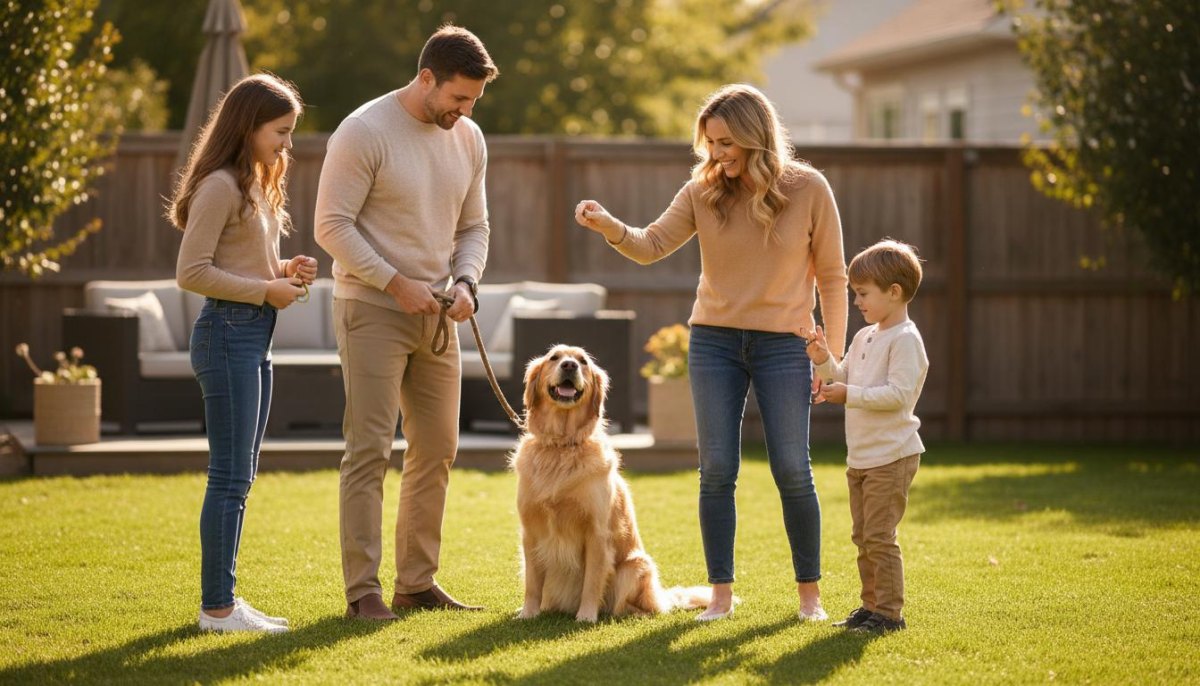
Dogs do better when humans agree. Consistent recall habits mean everyone uses the same cue and rewards the same behaviour.
A household full of different rules creates unnecessary confusion.
Calling a Dog Only for Negative Events
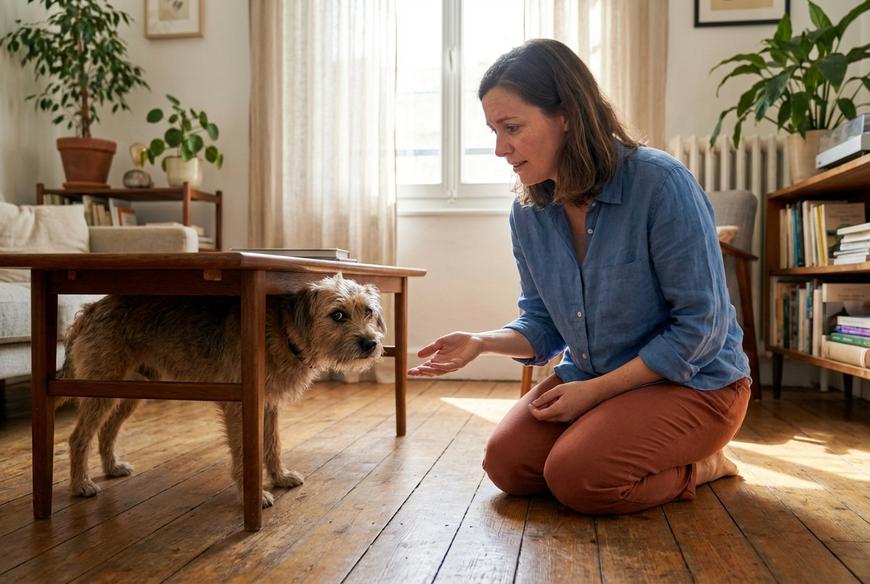
If your dog only hears recall before unpleasant things, avoidance makes sense. I build trust around the cue with easy wins every day.
That way the dog does not assume every recall predicts something unwanted.
Allowing Dogs to Ignore the Recall Cue
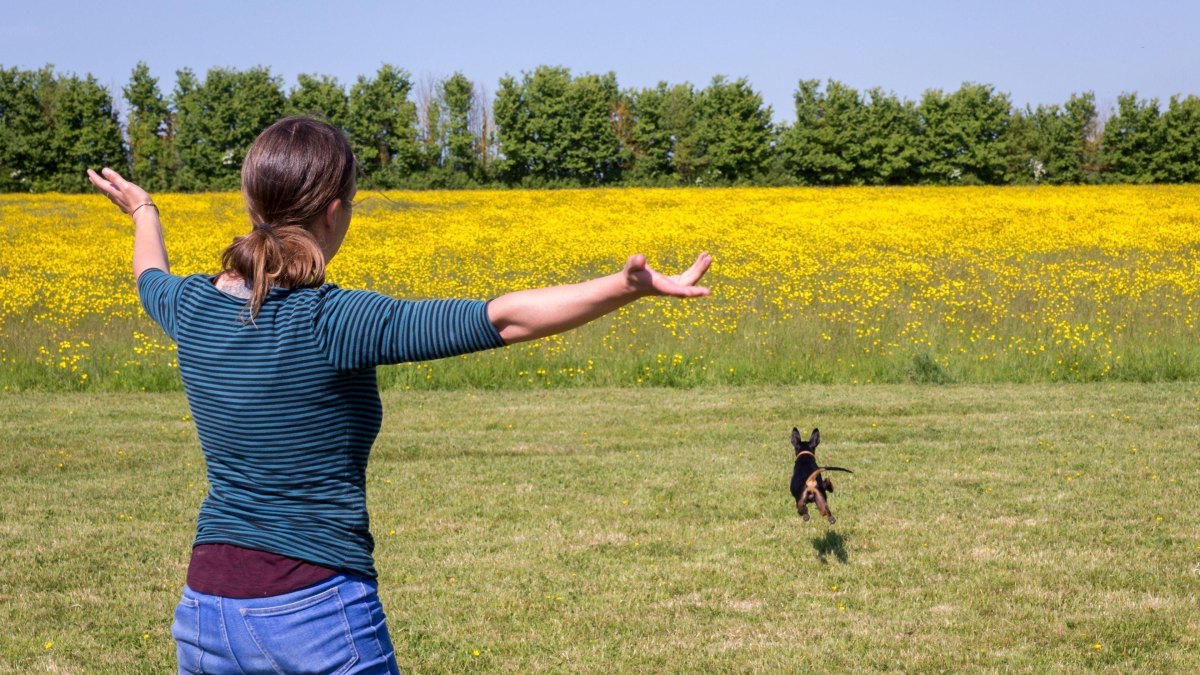
Every ignored recall is practice at ignoring. Management prevents rehearsal while the behaviour is still developing.
I set up situations where the dog can succeed instead of gambling on a response.
Forgetting to Practice Recall Regularly
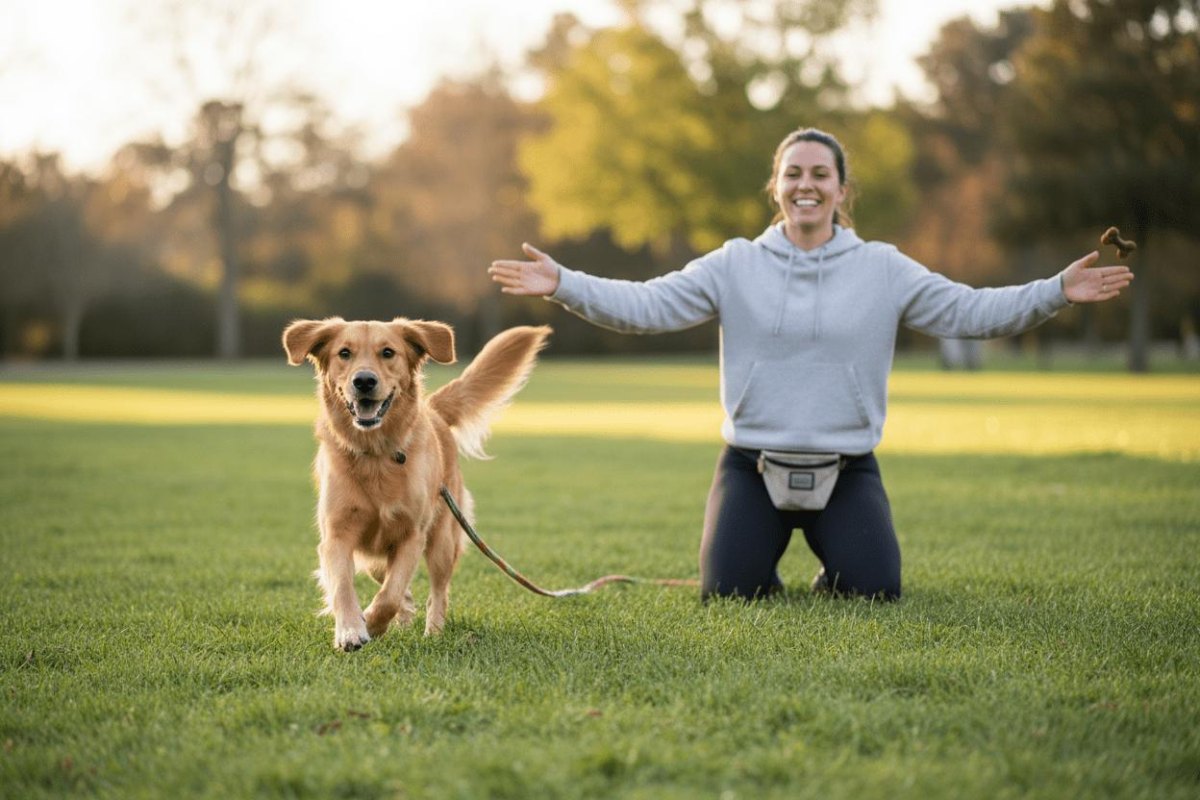
Recall is a living skill, not a box we check once. Regular short practice keeps the behaviour strong.
Even my experienced dogs benefit from simple games and easy successes.
Training Without Building Motivation

A dog has to want to participate. Motivation drives learning, so I build engagement through play, rewards, and enjoyable interactions.
This is especially important for dogs who find the outside world more interesting than us.
Rushing Advanced Recall Challenges
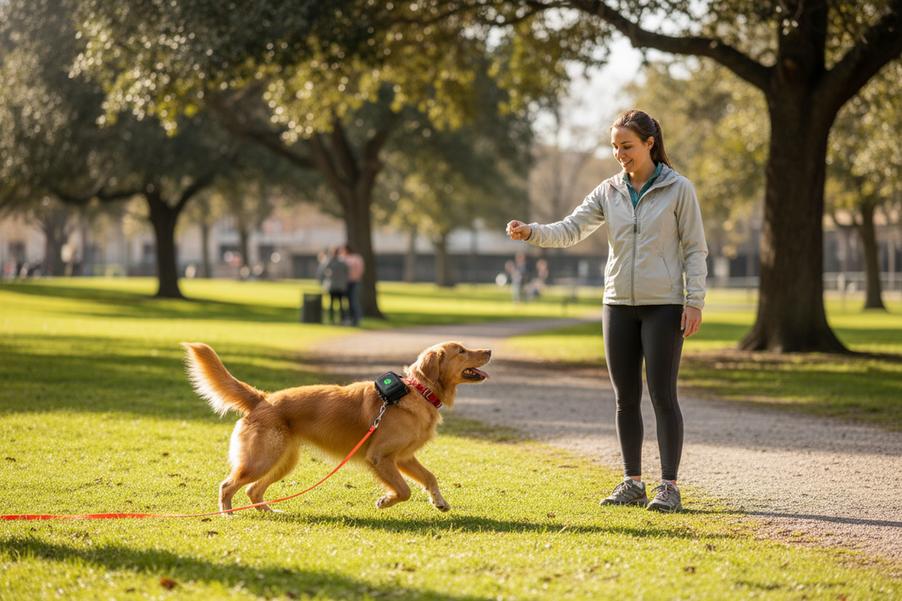
The final stages are where many owners get impatient. Advanced recall needs patience because distractions add difficulty one layer at a time.
I would rather have a dependable recall on a quiet trail than a risky guess in a crowded place.


More Pinterest Visuals