A barking dog is rarely trying to be difficult. In my training room, the first question I ask is always what is causing the barking, because the answer changes the plan completely. A dog barking at a delivery person, a worried dog barking alone, and a bored dog barking at midnight are three different problems.
I have worked through this with many families, including my own German Shepherd Bruno. The goal is not a silent dog; it is a dog who has better ways to handle the world.
Identify Why Your Dog Is Barking

I start with observation before training. Barking has a purpose, whether that is alerting, frustration, fear, excitement, or needing something. Different causes need different solutions.
Watch the details: ears forward or pinned back, weight shifting, tight mouth, pacing, or a loose relaxed body all tell a different story.
Use Positive Reinforcement Training
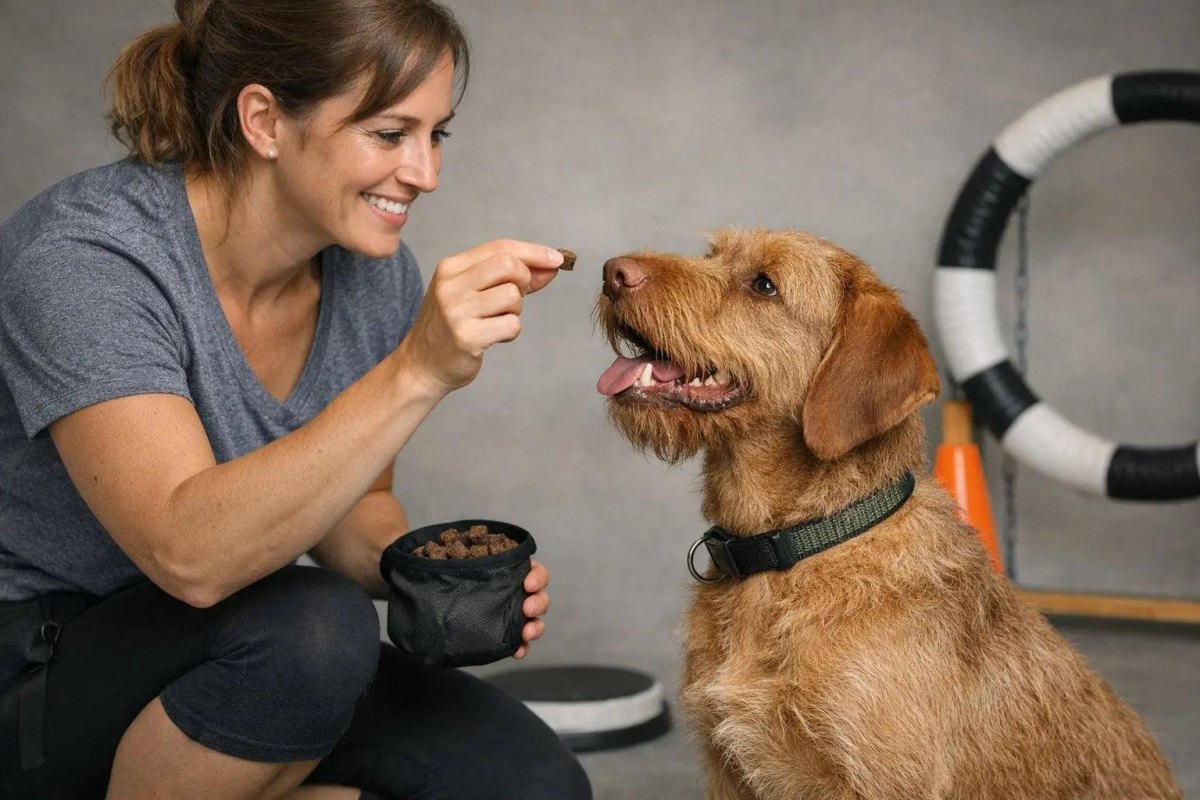
I build new habits by rewarding what I want to see. Reward-based training helps dogs understand the behaviour that works instead of simply learning what not to do.
I avoid methods based on pain or fear because a frightened dog often becomes a more stressed dog.
Teach the “Quiet” Command

The quiet cue works best after I teach the dog what calm looks like. Quiet training takes repetition, not a single command shouted over barking.
I usually begin during easy moments, reward a pause, and slowly increase distractions.
Provide Enough Daily Exercise
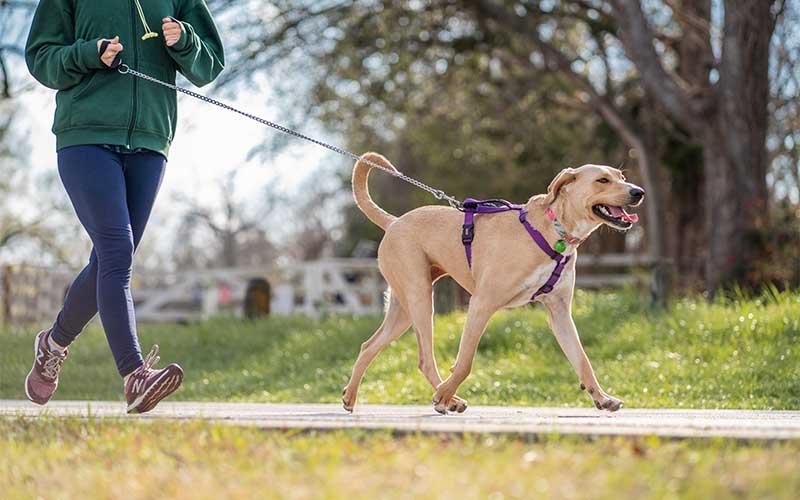
A dog with unmet physical needs often has less patience for the world. Daily movement matters, but exercise alone will not fix fear-based barking.
I look at walks, rest, sniffing opportunities, and the dog's individual energy level before changing the plan.
Reduce Boredom With Mental Stimulation
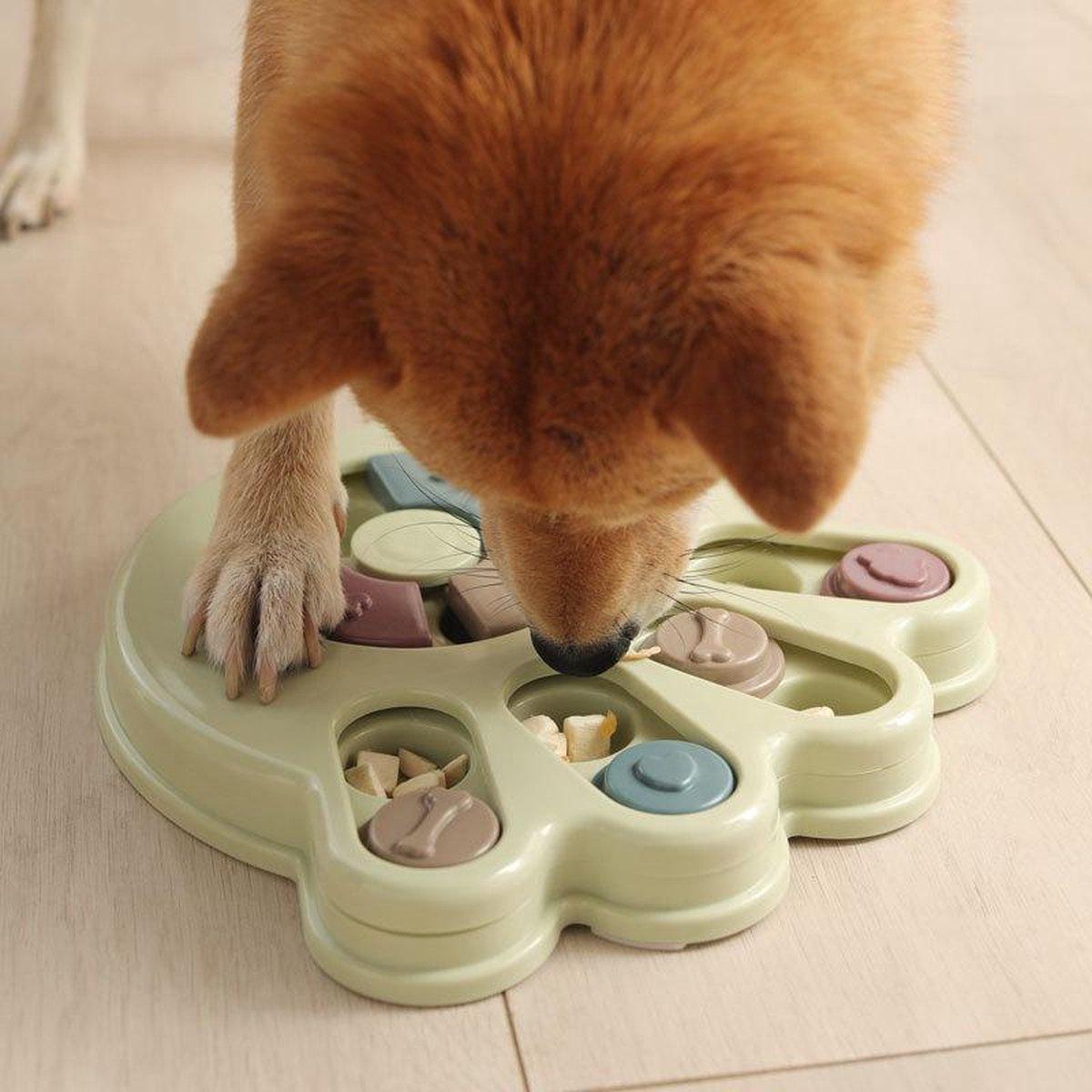
Many barking cases improve when dogs have appropriate jobs. Mental enrichment tires the brain through sniffing, problem solving, and training games.
Five minutes of thoughtful training can sometimes do more than another frantic game of fetch.
Manage Window and Outdoor Triggers

Before training, I stop the dog from rehearsing the behaviour. Management comes first: close blinds, create distance, or change routines when needed.
A dog practicing barking at every passerby is getting very good at barking.
Avoid Rewarding Excessive Barking
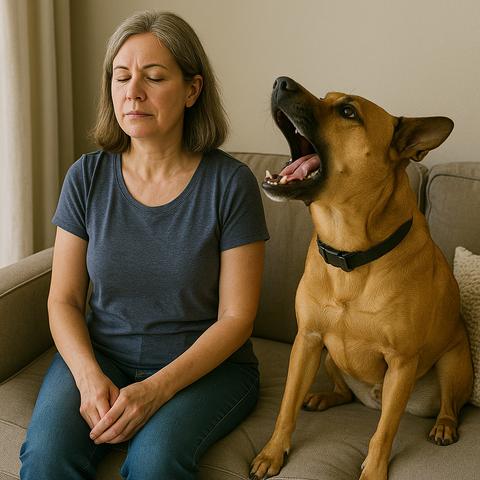
Attention can accidentally strengthen barking. Timing your response matters, because even scolding can become a reward for some dogs.
I teach families to notice and reinforce calm moments instead.
Create a Calm Home Environment

Dogs need predictable spaces where they can settle. A calmer environment lowers stress and gives training a better chance to work.
I look at sleep, household noise, visitors, and whether the dog has a place to decompress.
Socialize Your Dog Properly

Socialization is not forcing a dog to greet everything. Positive controlled exposure teaches confidence while respecting the dog's comfort.
I prefer calm observations over overwhelming busy environments.
Use Desensitization Training

For trigger-based barking, I use gradual exposure paired with good experiences. Desensitization changes emotional responses over time.
This process can take weeks or months, and staying below the barking threshold is essential.
Address Separation Anxiety Barking

True separation anxiety is not a dog being stubborn. It is panic-related behaviour that needs a careful plan, often with professional support.
I never recommend letting a distressed dog simply cry it out.
Set Consistent Training Rules

Dogs learn faster when the household is predictable. Consistency creates clarity around barking rules.
Everyone in the home should know what behaviour earns attention and what calm choices are rewarded.
Use Appropriate Bark Control Tools
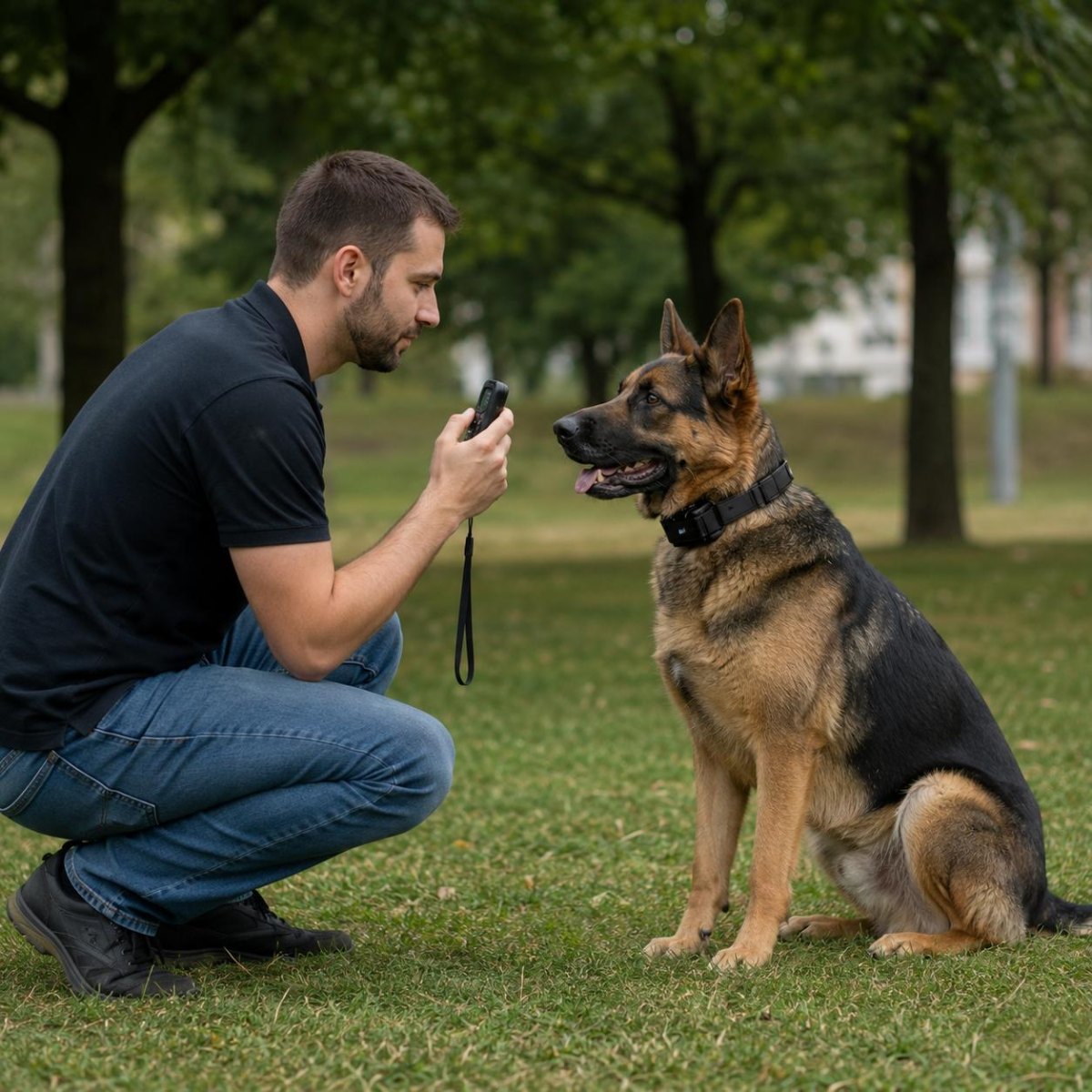
I choose tools that support communication, not tools that frighten dogs. Equipment should improve safety while keeping the dog's welfare central.
I do not recommend shock, prong, or fear-based approaches.
Reward Calm Behavior Often

Many owners notice barking but miss the quiet moments. Calm behaviour deserves payment too.
Reward your dog when they relax, look away from a trigger, or choose to settle.
Consult a Professional Dog Trainer When Needed
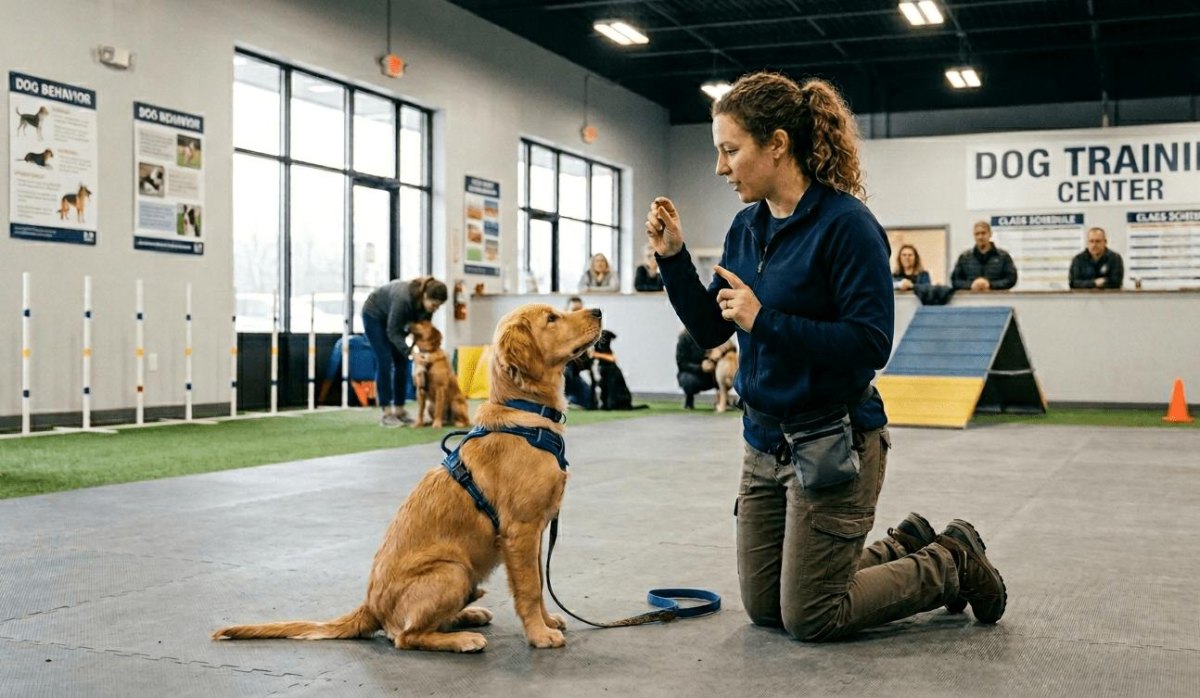
Some barking problems need hands-on help. Professional guidance matters for bites, serious aggression, or cases where safety is involved.
I recommend working with a qualified professional and involving your veterinarian when medical concerns may play a role.
Maintain Long-Term Barking Control Habits
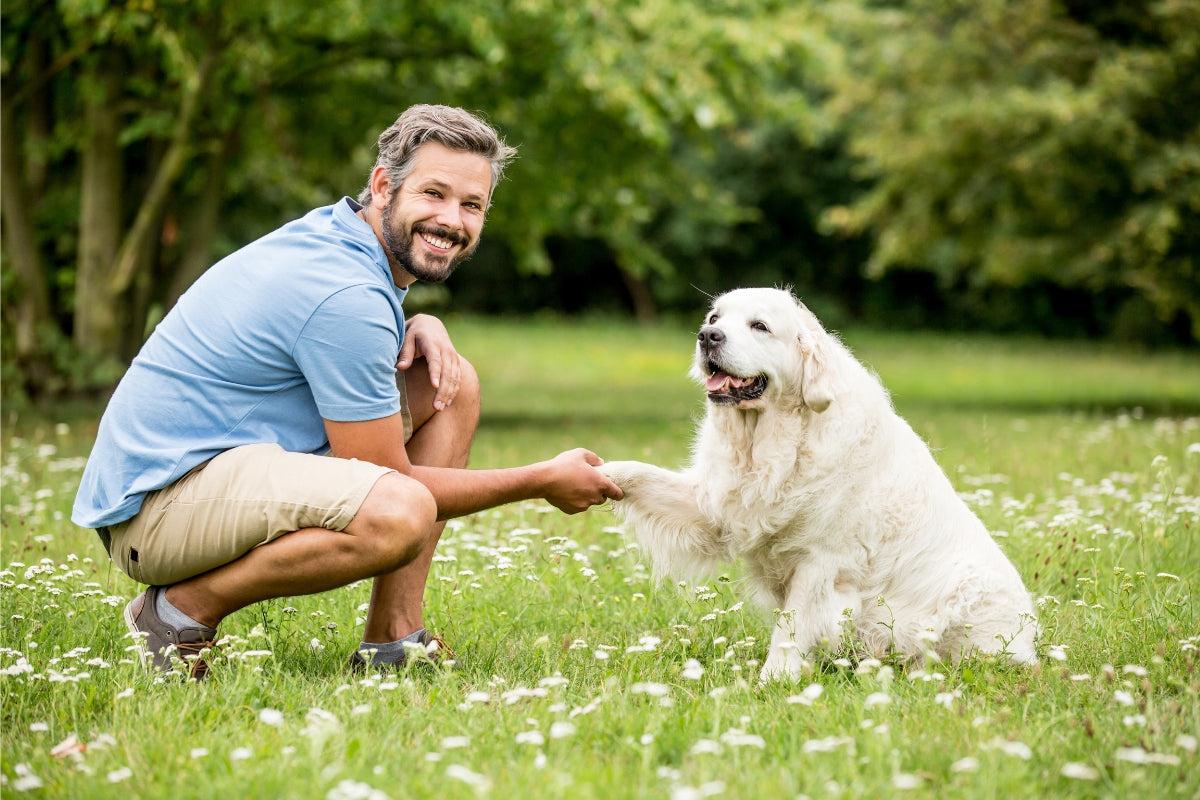
Behaviour change is built through months of small choices, not a weekend fix. Long-term success comes from habits that fit real life.
Bruno is proof that improvement does not mean perfection; it means a dog and owner who understand each other better.




More Pinterest Visuals