A dog barking through a fence can turn a quiet afternoon into a daily neighbourhood concert. I have worked with many dogs who look "stubborn" at the fence line, but what I usually see is a dog practising a behaviour that has become very rewarding. The first step is not stopping the noise; it is understanding what the dog is trying to communicate and changing the situation that keeps the barking going.
Why Dogs Bark Through Fences
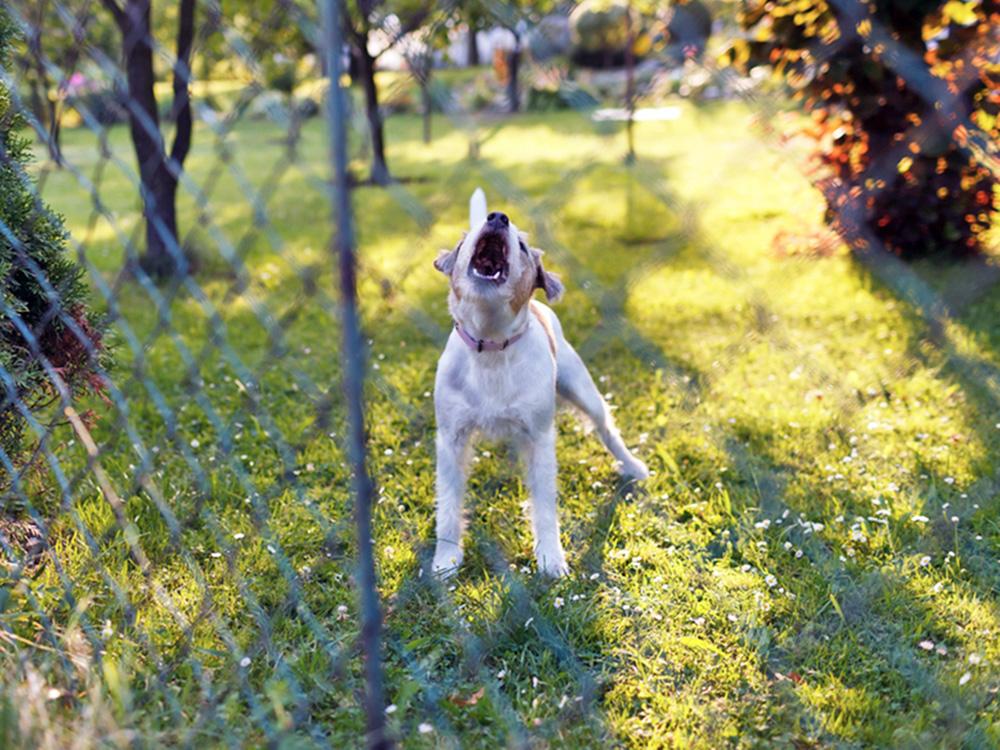
When a dog barks through a fence, I start by asking what happens immediately before and after the barking. Dogs bark for different reasons: excitement, frustration, fear, alerting, or simply because the fence creates a predictable place to practise the habit.
I learned this lesson the hard way with reactive dogs, including my own Bruno. A fence can make a dog feel both protected and trapped at the same time. The other dog, person, or sound is close enough to trigger a response but not close enough for the dog to investigate.
What I look at first
- The trigger that starts the barking
- The dog's body language before the first bark
- Whether the dog can still respond to their owner
- How often the dog rehearses the behaviour
The goal is not a silent dog at all costs. Barking is communication. My job is to help the dog feel safer and teach a different response.
Territorial Behavior Behind a Fence
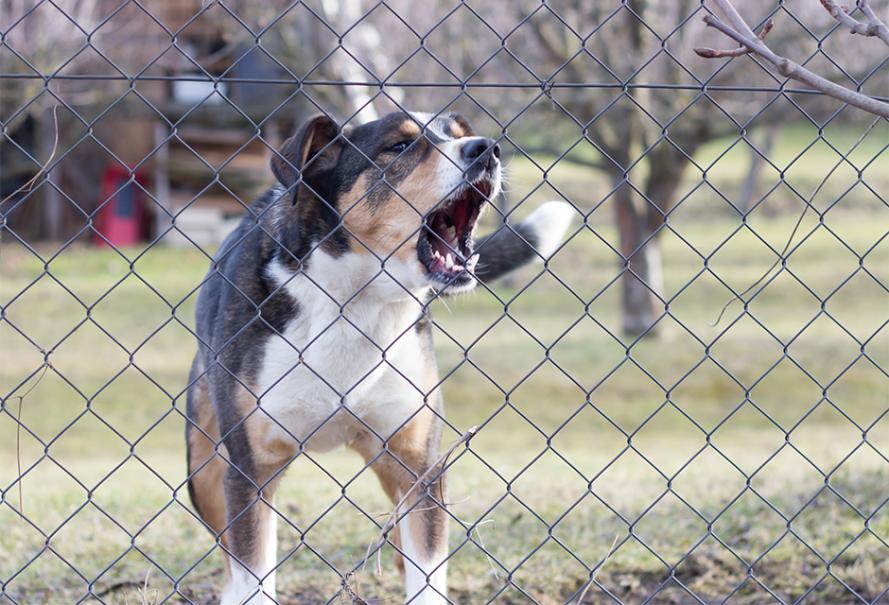
Many dogs appear territorial behind a fence because the boundary gives them a place to patrol. The fence becomes a stage where every passerby, delivery person, or neighbour dog becomes part of the daily routine.
A useful distinction
What looks like confidence is sometimes stress. A dog rushing the fence with a stiff body, closed mouth, forward weight shift, or hard stare may be feeling uncomfortable rather than brave.
I usually begin with management. If the dog spends an hour every afternoon racing the fence, that rehearsal is building a stronger habit. I might suggest shorter outdoor sessions, visual barriers, or bringing the dog inside before the trigger appears.
- Patrolling: The dog repeatedly checks the boundary for changes.
- Alert barking: The dog announces something unusual nearby.
- Frustration: The dog wants access but cannot reach the trigger.
Fear and Anxiety Causing Fence Barking
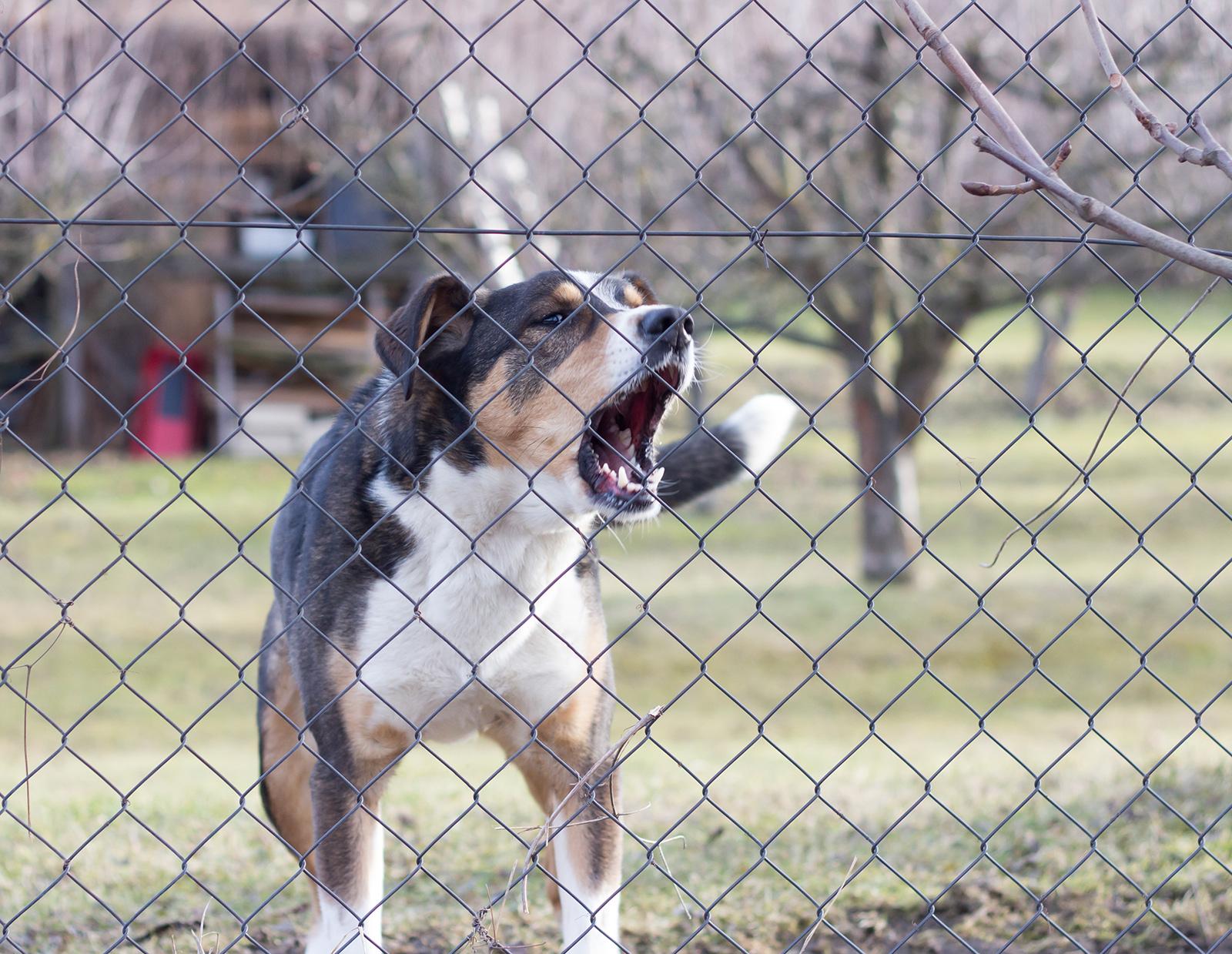
Fear-based fence barking is one of the easiest types to misunderstand. A dog may look aggressive while actually trying to create distance from something worrying them.
I watch for small details: ears pulled back, weight shifted away, lip licking, freezing, tight facial muscles, or a tail base that changes position. These clues often appear before the barking starts.
If a behaviour change appears suddenly, especially in an older dog, I recommend speaking with a veterinarian before starting a training plan. I am a trainer, not a veterinarian, and medical causes should be ruled out first.
Dogs Reacting to People Passing By
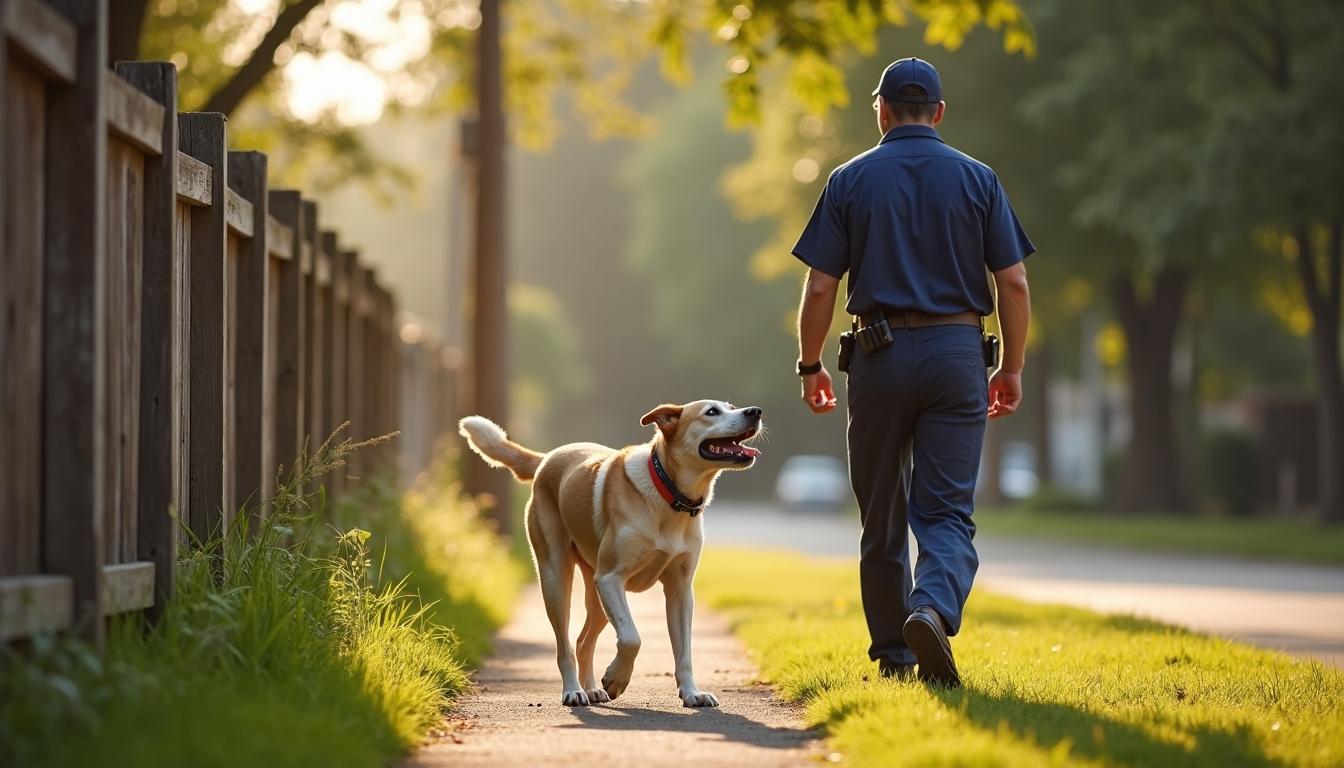
People walking past a fence create one of the most common barking patterns I see. The person appears, the dog explodes into barking, and then the person disappears. From the dog's perspective, the barking worked.
Hundreds
of behaviour cases have taught me that preventing rehearsal changes training outcomes.
I prefer to start with distance and timing. If the dog cannot eat a treat, turn away, or hear their name, they are already too close to the trigger for learning.
- Move. Create space before the person reaches the fence.
- Reward. Pay attention to calm looking and turning away.
- Repeat. Practise during manageable moments rather than emergencies.
Dogs Barking at Other Animals Outside
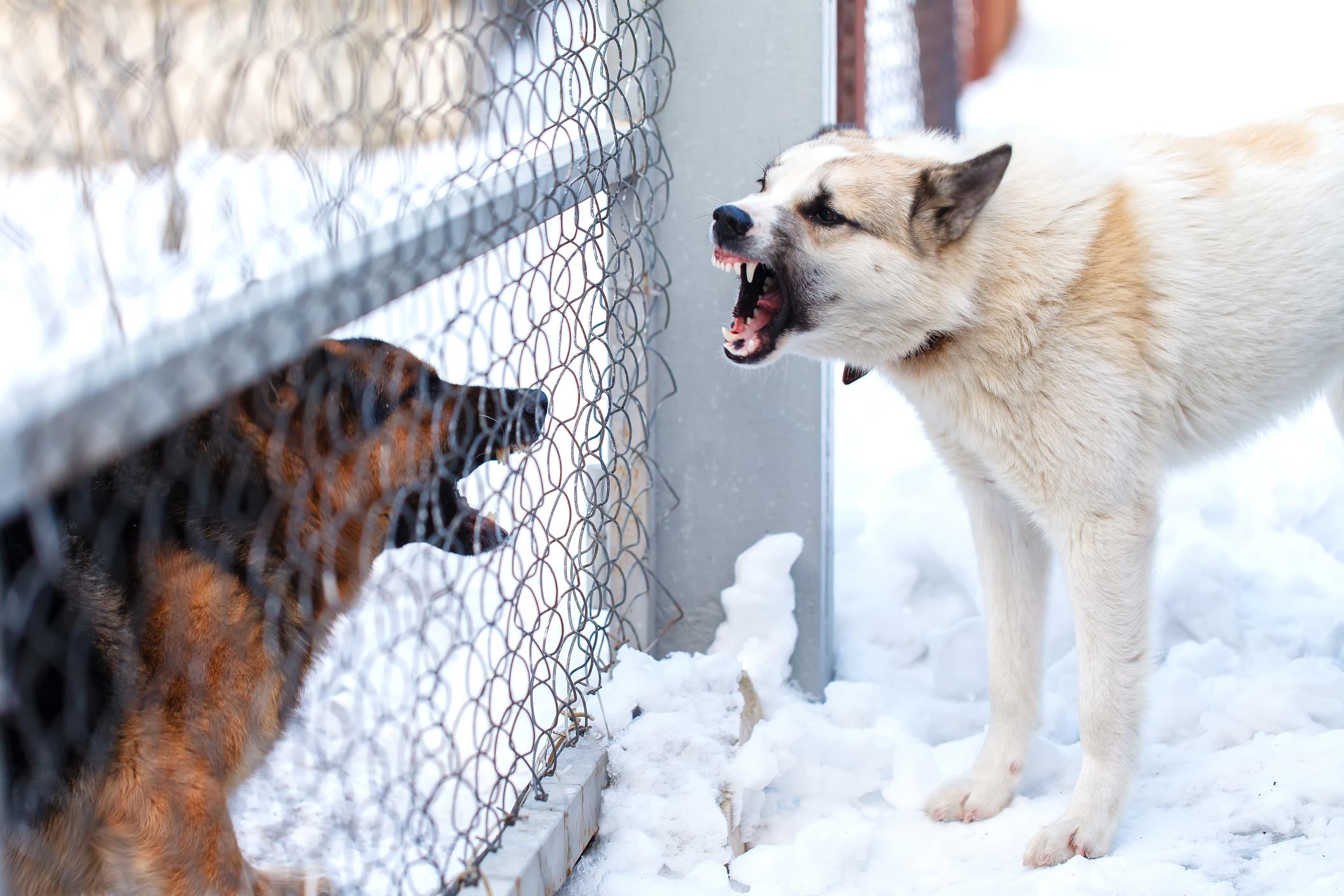
Squirrels, cats, wildlife, and other dogs can turn a fence line into a full-time entertainment system. For some dogs, the movement itself is the trigger.
I avoid punishing these reactions because adding fear or discomfort can make the emotional response stronger. Instead, I want the dog to learn that seeing an animal predicts a different choice.
- Reduce access: Limit time spent staring through fence gaps.
- Increase enrichment: Add sniffing, food puzzles, and training games.
- Reward calm: Reinforce noticing the animal without exploding.
Trainer shortcut
Practise the behaviour you want before the exciting animal appears. A dog who only learns during chaos is being asked to take an exam before attending class.
Fence Fighting Between Neighbor Dogs
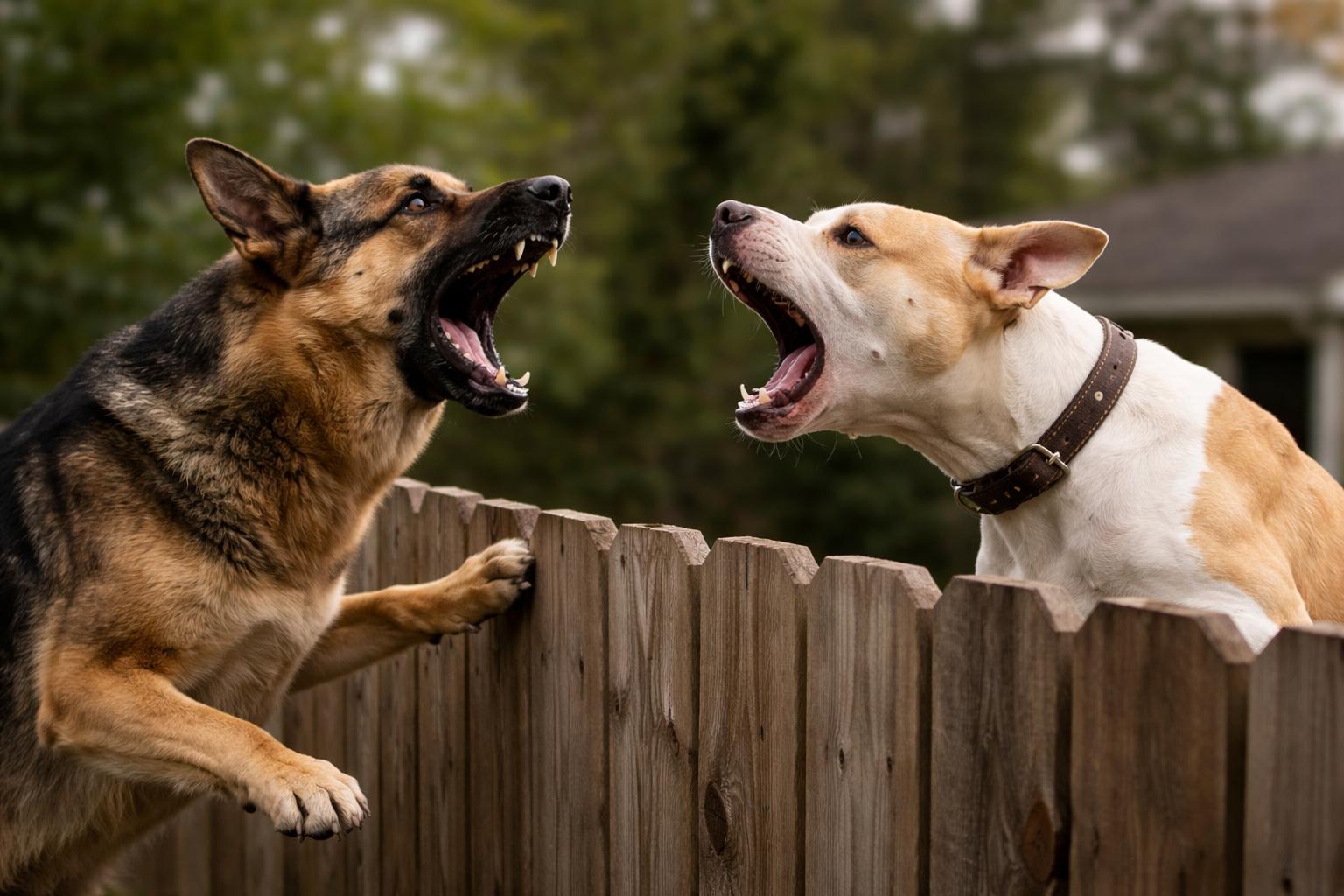
Fence fighting happens when two dogs repeatedly rush, bark, and react to each other across a boundary. Even friendly dogs can become frustrated in this setup because they cannot control the interaction.
I treat these situations as a safety and management issue first. Dogs should not be allowed to rehearse intense fence battles every day while we hope training magically catches up.
Avoid escalation
Do not encourage dogs to "work it out" through a fence. Repeated high-arousal encounters can make the pattern stronger.
If there is a bite history, serious aggression, or a risk of someone being injured, I recommend working with a qualified professional in person and discussing the situation with your veterinarian or a veterinary behaviourist.
How Fence Design Affects Barking
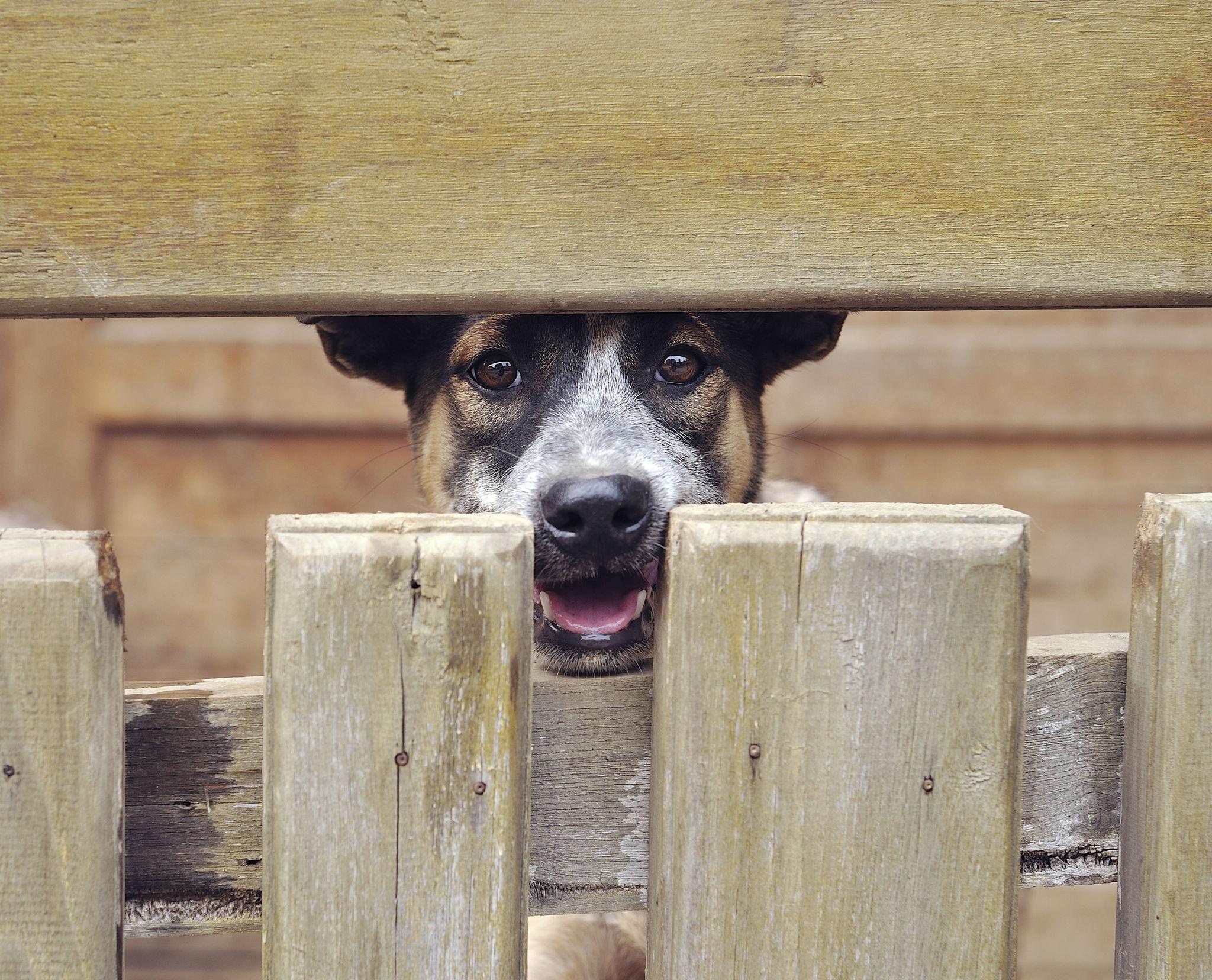
The fence itself can change the behaviour. A chain-link fence that allows constant visual access may create more opportunities for staring, barking, and frustration than a solid visual barrier.
| Fence feature | Possible effect |
|---|---|
| Open gaps | More visual triggers |
| Solid barrier | Can reduce some visual reactions |
A barrier is not a replacement for training, but it can make training possible. I often change the environment first because a dog who is calm enough to think learns faster.
Training a Dog to Stop Fence Barking
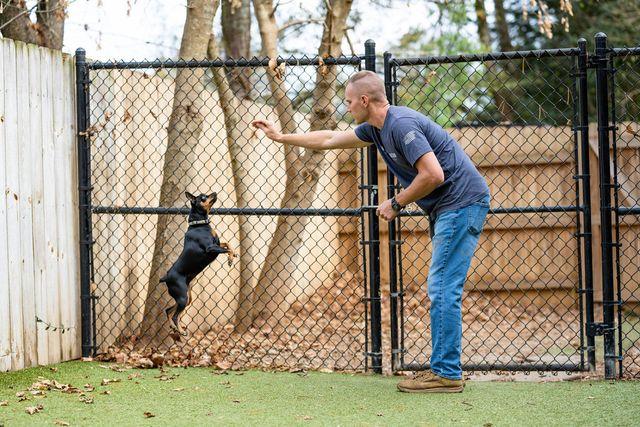
Training a dog to stop fence barking takes time. I tell clients to think in weeks and months, not overnight fixes. A setback after a few good days is normal and does not mean the plan failed.
- Prevent. Stop repeated fence rehearsals whenever possible.
- Notice. Mark calm behaviour before barking begins.
- Reward. Reinforce looking away, checking in, and relaxing.
- Practise. Increase difficulty gradually.
I use reward-based training because the emotional response matters. A dog who feels better about the trigger is much easier to guide than a dog who has simply learned to suppress warning signals.
Creating a Calmer Outdoor Space for Dogs
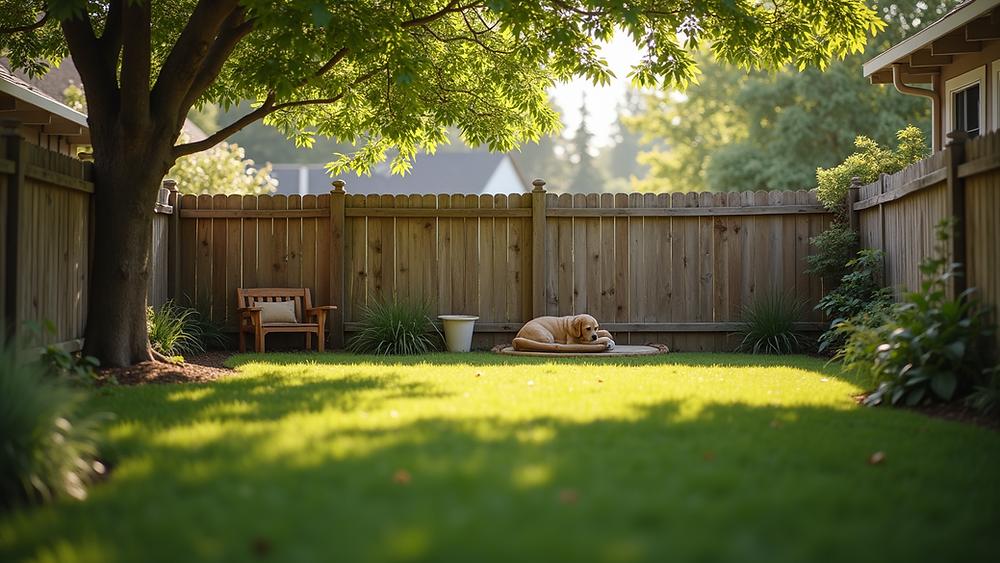
A calmer yard is not just about removing problems; it is about adding better options. Many dogs spend outdoor time scanning for something exciting because nothing else is available.
The overlooked backyard detail
I pay attention to how a dog uses space. A shaded resting area, sniffing opportunities, and a place away from the fence can completely change the emotional tone of the yard.
Helpful additions
- Sniffing games
- Comfortable resting spots
- Short training sessions
Common problems
- Unsupervised fence patrols
- Constant visual triggers
- Long periods of boredom
Preventing Future Fence Barking Problems
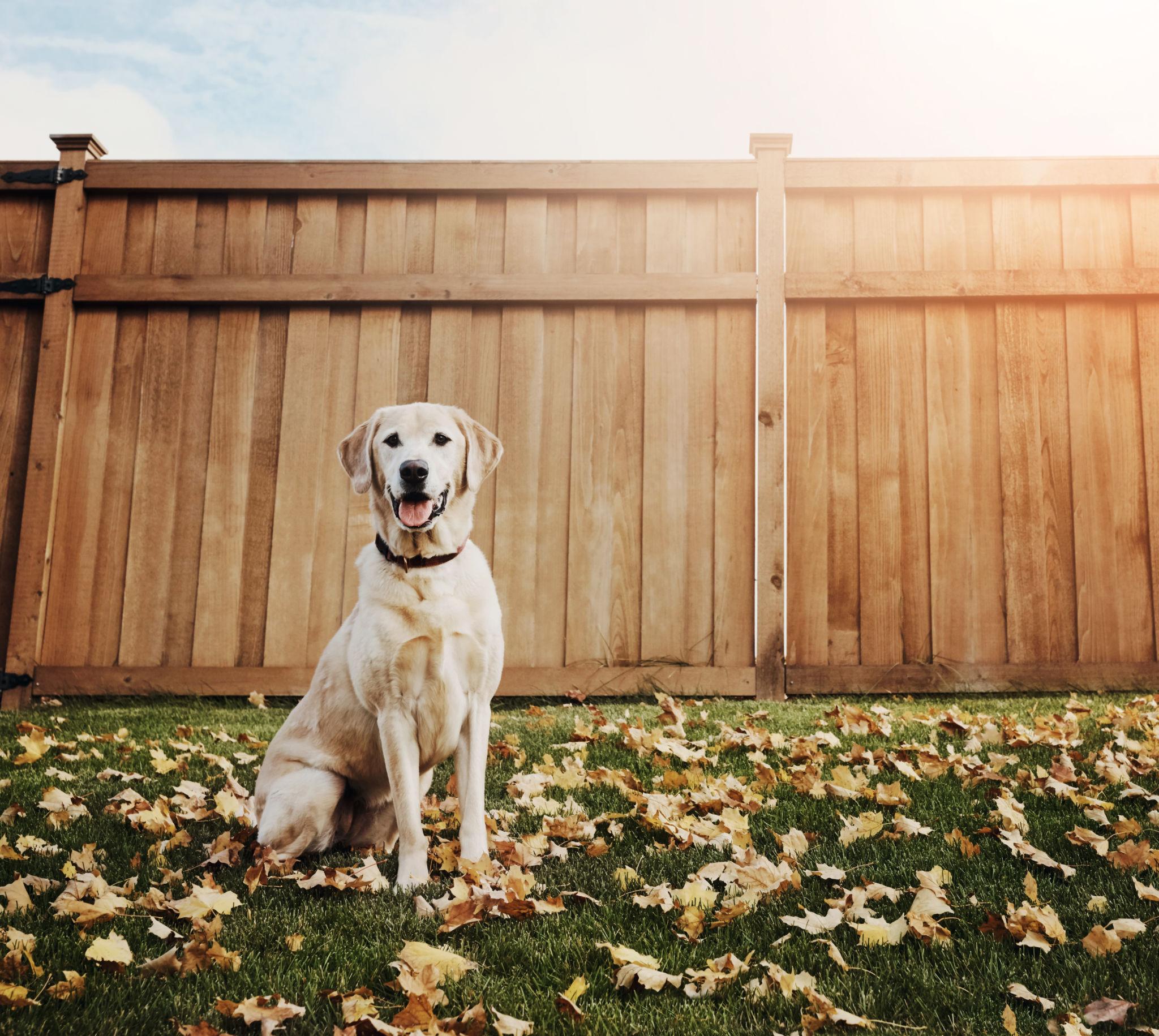
Preventing fence barking is easier than rebuilding a habit after months of repetition. I focus on setting the dog up for success before the barking begins.
- Watch for early body-language changes
- Bring the dog away from the fence before arousal peaks
- Create predictable outdoor routines
- Reward calm choices regularly
- Adjust the environment when needed
Bruno is twelve now, and I still manage his world based on who he is today, not who I wish he would be. Good training is not about creating a perfect dog; it is about helping a real dog handle real life.
Fence barking questions I hear often
Can a dog learn to stop barking at the fence?
Yes, but improvement usually comes from management, emotional change, and consistent practice.
Should I yell when my dog barks through the fence?
Yelling often adds excitement and does not teach the dog what to do instead.
How long does fence barking training take?
Many dogs need weeks to months of steady work, depending on the cause and history.



More Pinterest Visuals