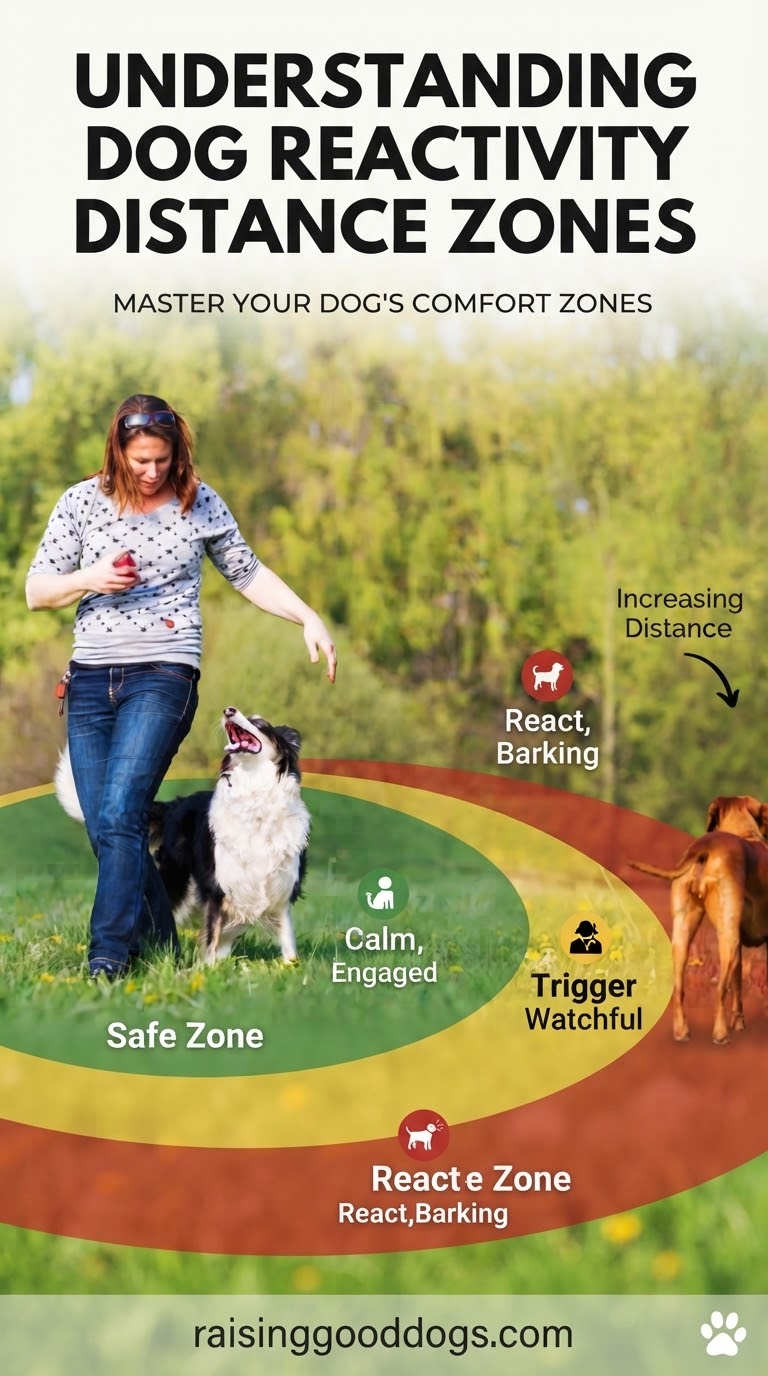
A dog who explodes at the sight of another dog is rarely choosing chaos for fun. Usually, the problem started several seconds earlier, when their comfort zone disappeared and their brain switched from learning mode to survival mode. Understanding dog reactivity distance zones gives you a practical way to notice those moments sooner, create space, and help your dog feel safer.
Understanding a Dog’s Reaction Threshold Distance
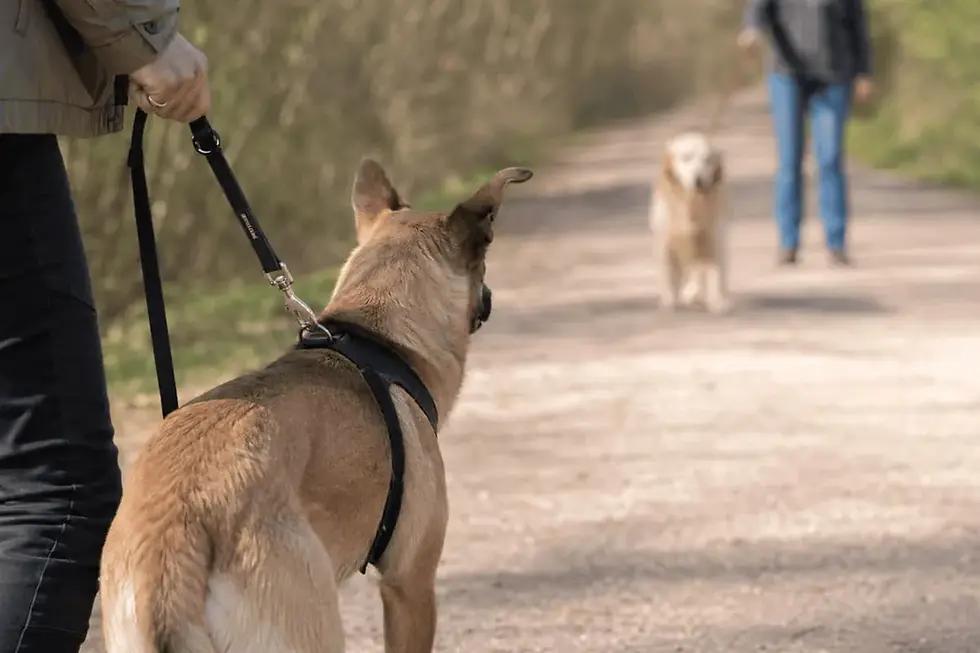
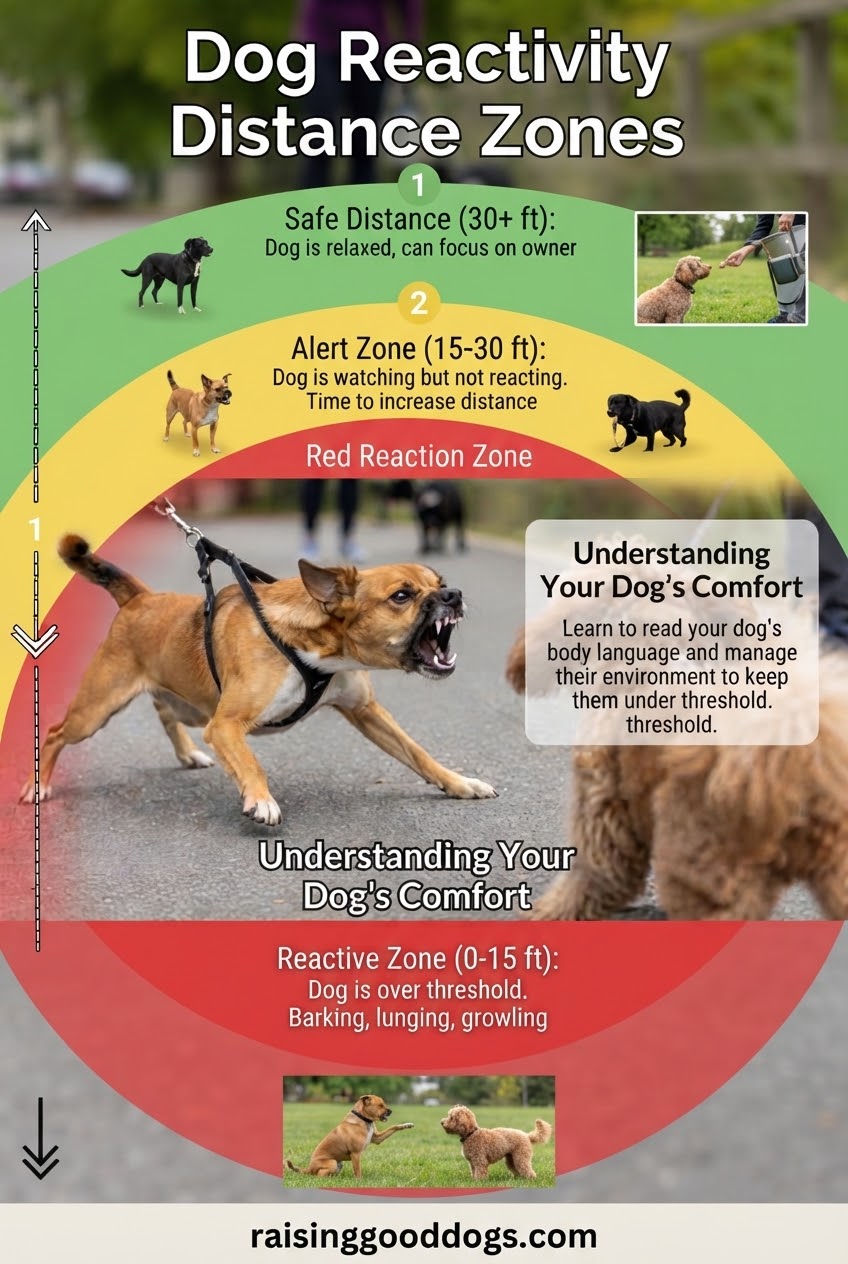
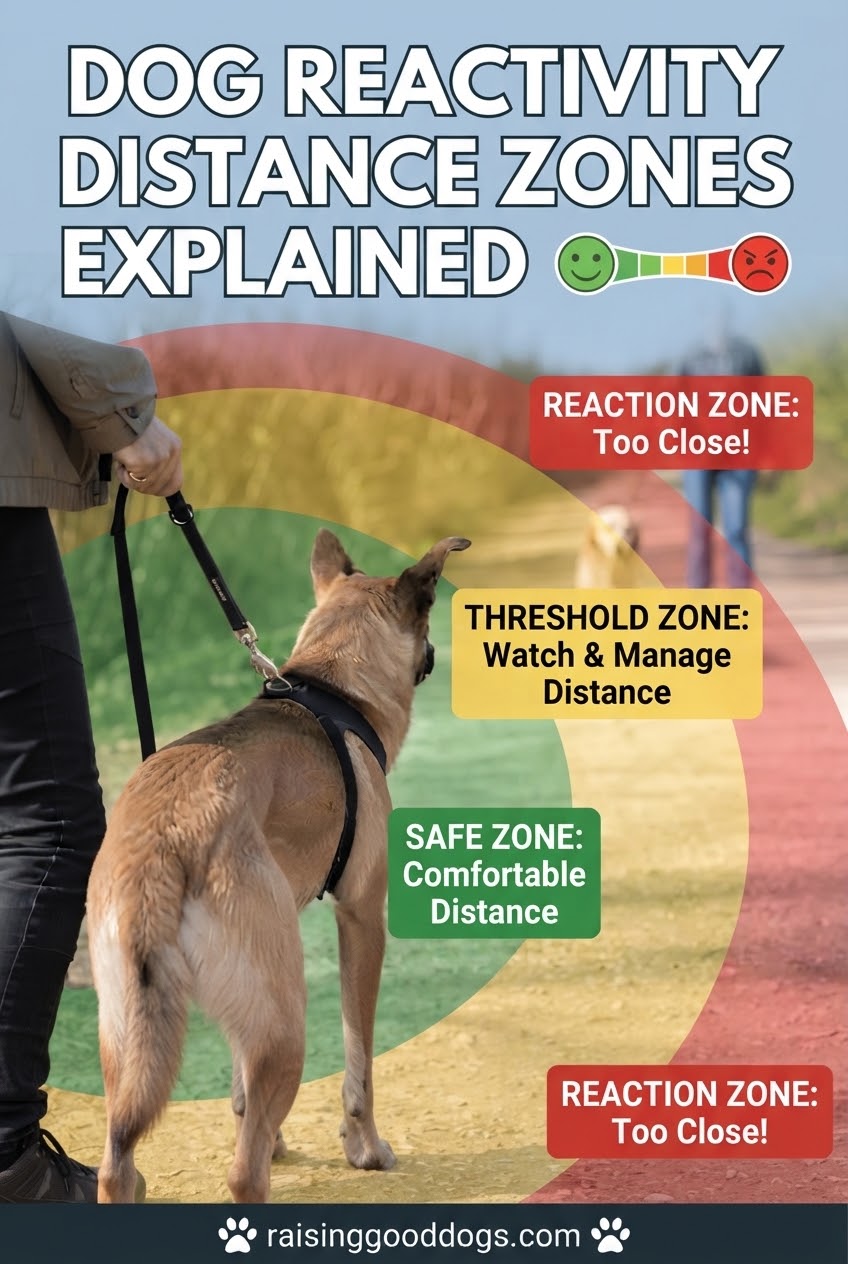
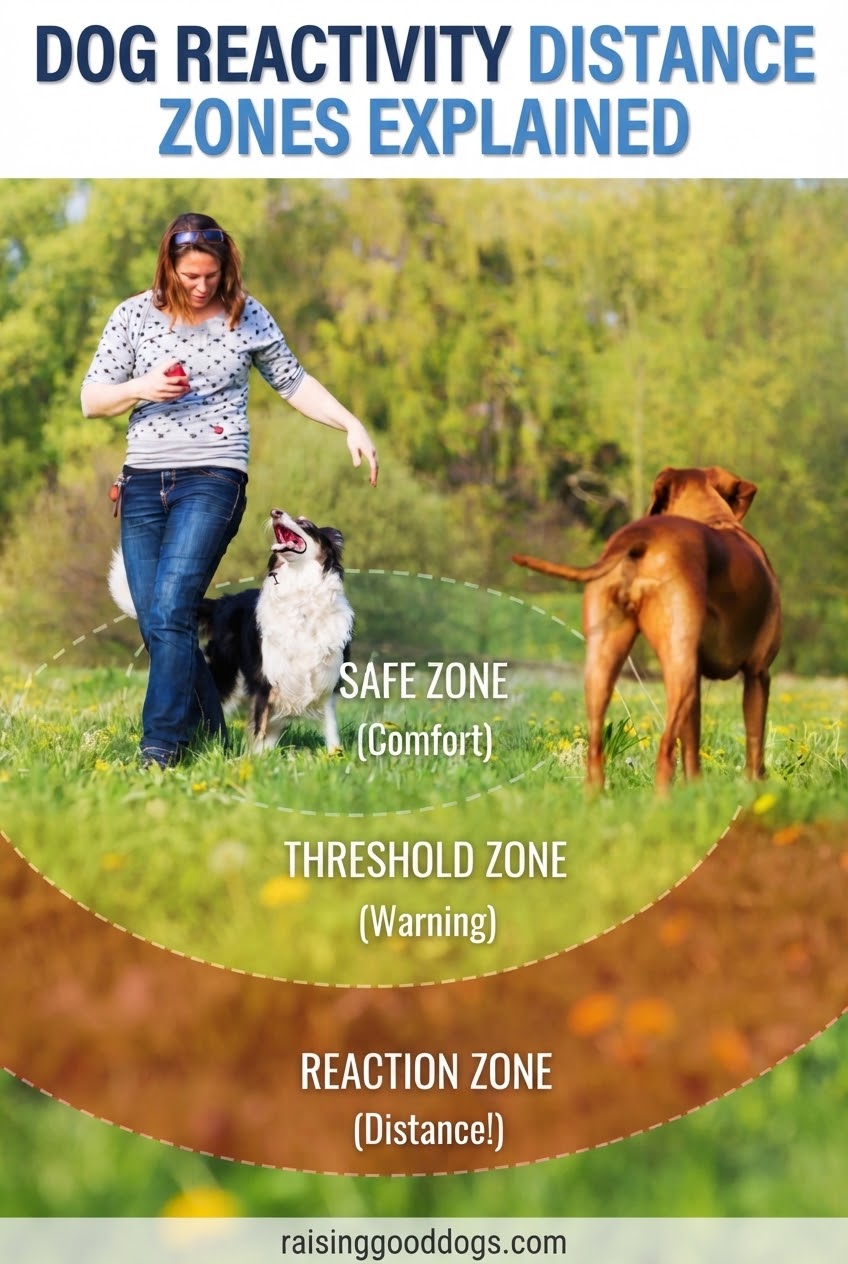
When I talk about distance zones with clients, I am really talking about one important question: how close can your dog get to a trigger before they can no longer think clearly? That point is your dog’s reaction threshold distance.
What dog reactivity distance zones help you understand
- Your dog’s earliest stress signals before barking or lunging.
- The distance where learning is still possible.
- Why moving away is often training, not failure.
- How to prevent repeated rehearsals of reactive behaviour.
I learned this lesson the hard way with Bruno. I had years of training experience and still spent months thinking I could simply ask more from him in situations where he was already overwhelmed. The distance was the missing piece.
A threshold is not a fixed measurement. One dog may notice another dog calmly from 100 feet away on a quiet morning but react at 200 feet when the street is busy, the leash is tight, or they have already had a stressful day.
Trainer tip
The best training distance is not the closest distance your dog can tolerate. It is the distance where your dog can notice the trigger and still eat, move, and respond to you.
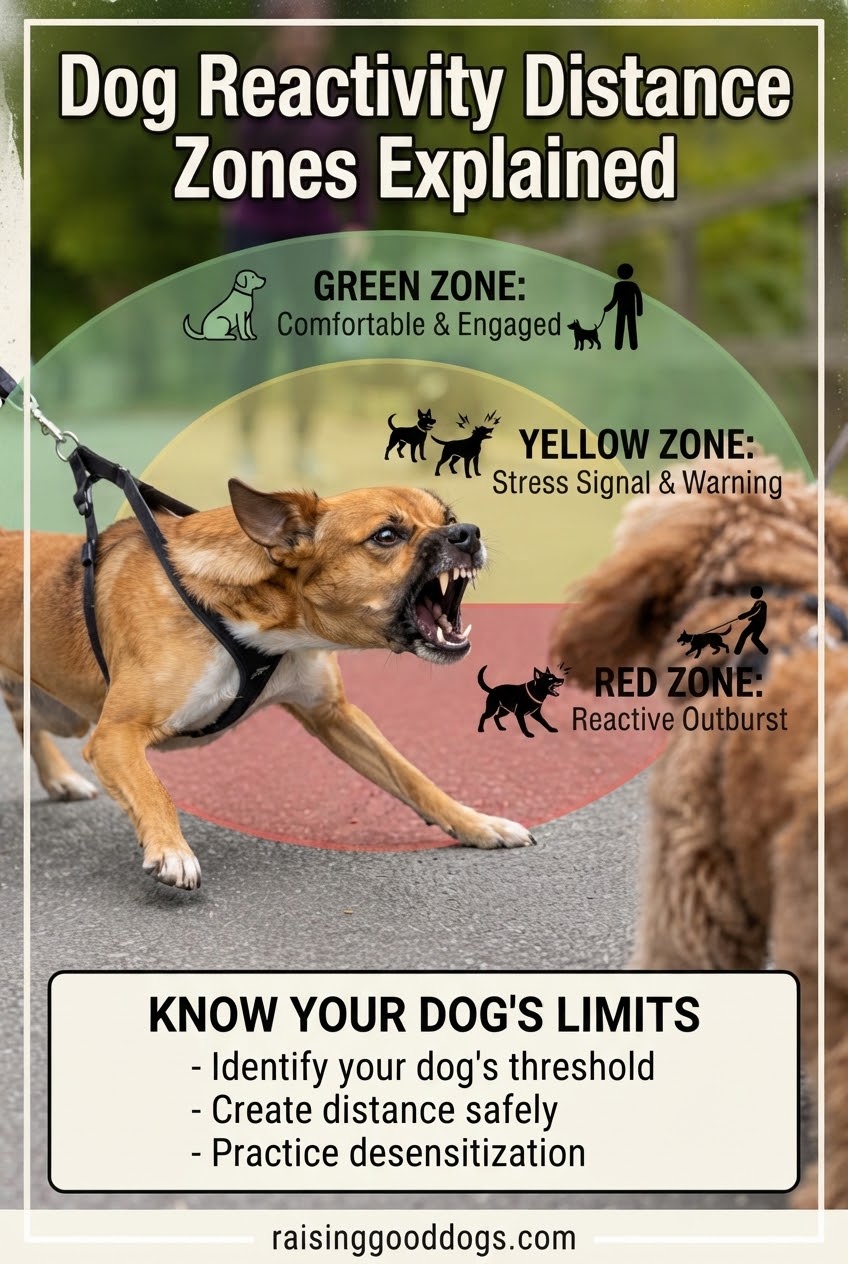
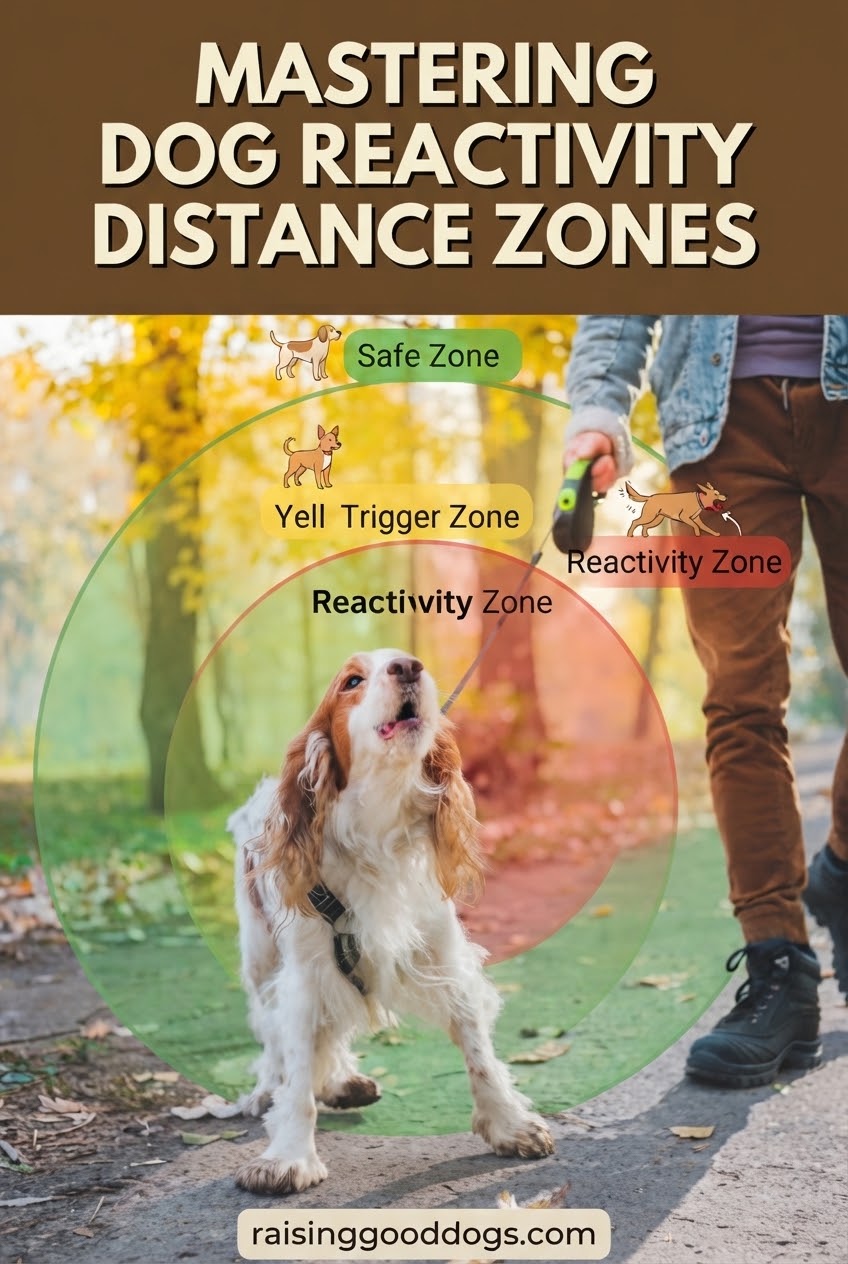
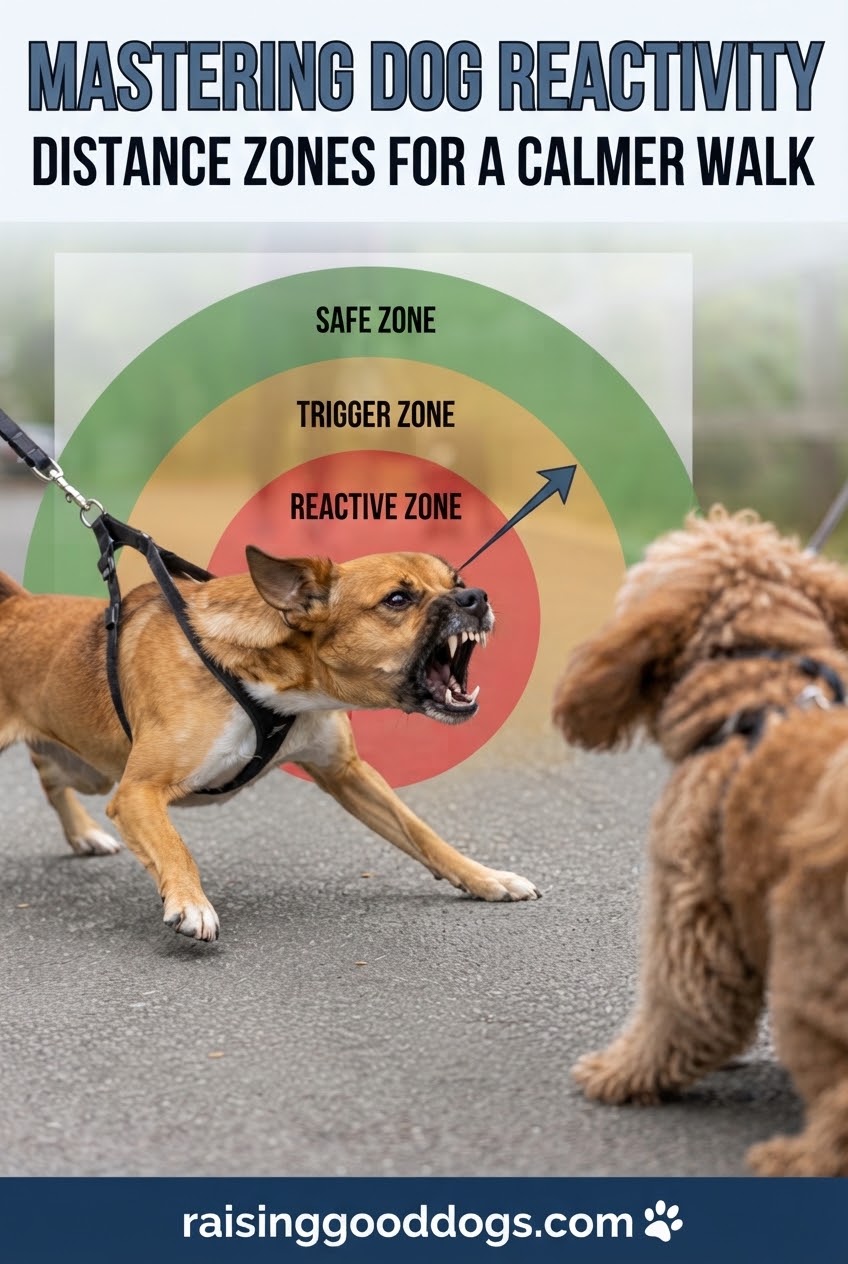
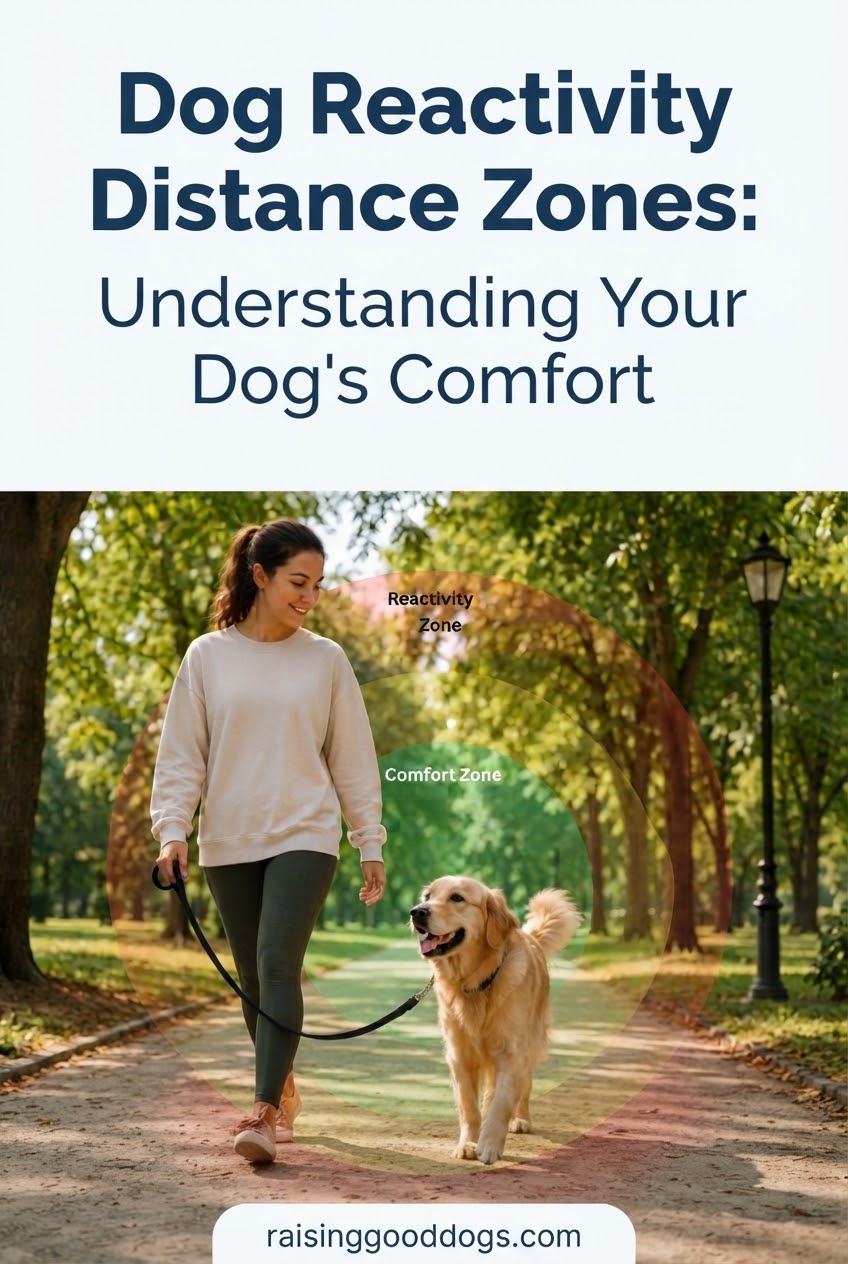
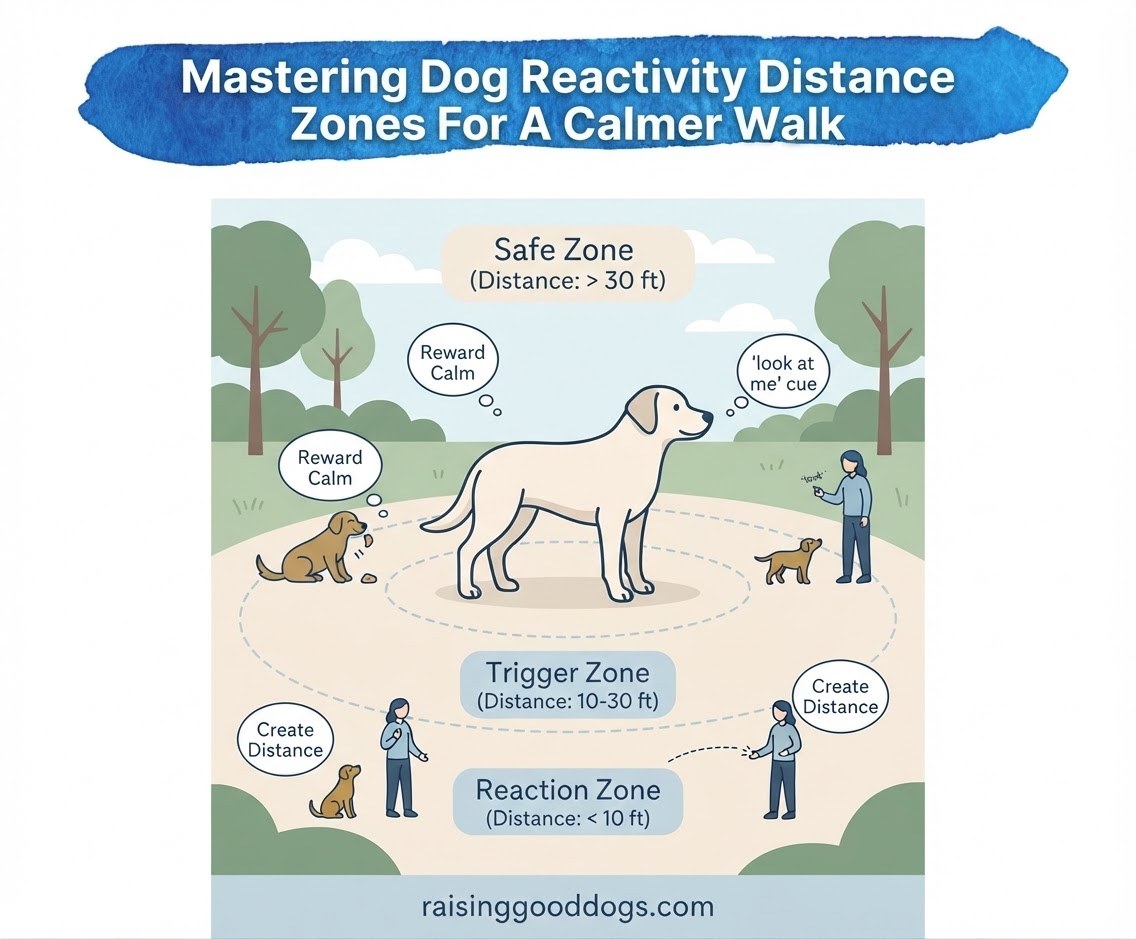
The Green Zone: When Your Dog Feels Safe and Relaxed
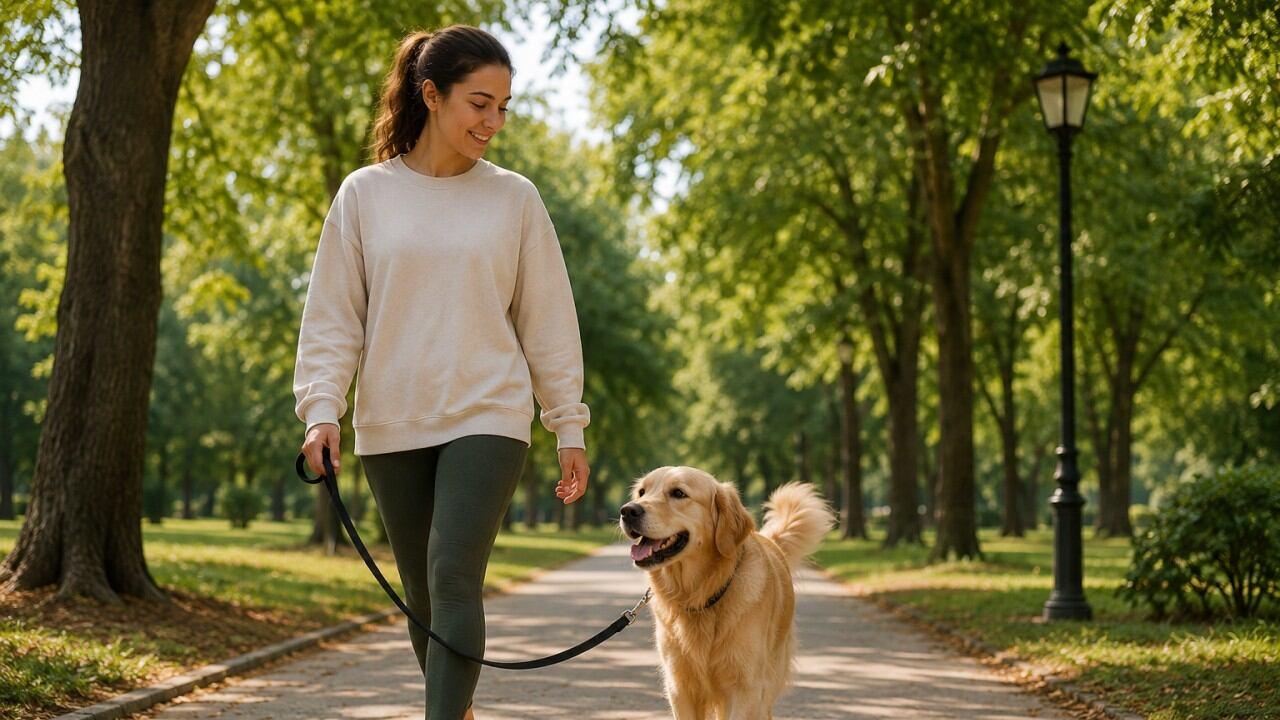
The green zone is where your dog can handle the world around them. Their body is loose, their breathing is normal, and they can sniff, walk, or check in with you without feeling trapped.
- Body: Soft muscles, natural movement, relaxed tail carriage.
- Face: Normal eyes, loose mouth, regular blinking.
- Behaviour: Sniffing, exploring, and responding to familiar cues.
This is the zone where I want most training sessions to begin. If a dog spends the entire walk at maximum alertness, there is very little room left for learning new responses.
A useful reminder
A calm walk is not about making your dog ignore every trigger. It is about giving their nervous system enough space to stay flexible.
For some dogs, especially those who have been reacting for a long time, the green zone may be surprisingly far away at first. That is normal. Distance is not a setback; it is the foundation you build from.
The Yellow Zone: Early Signs of Stress and Rising Arousal
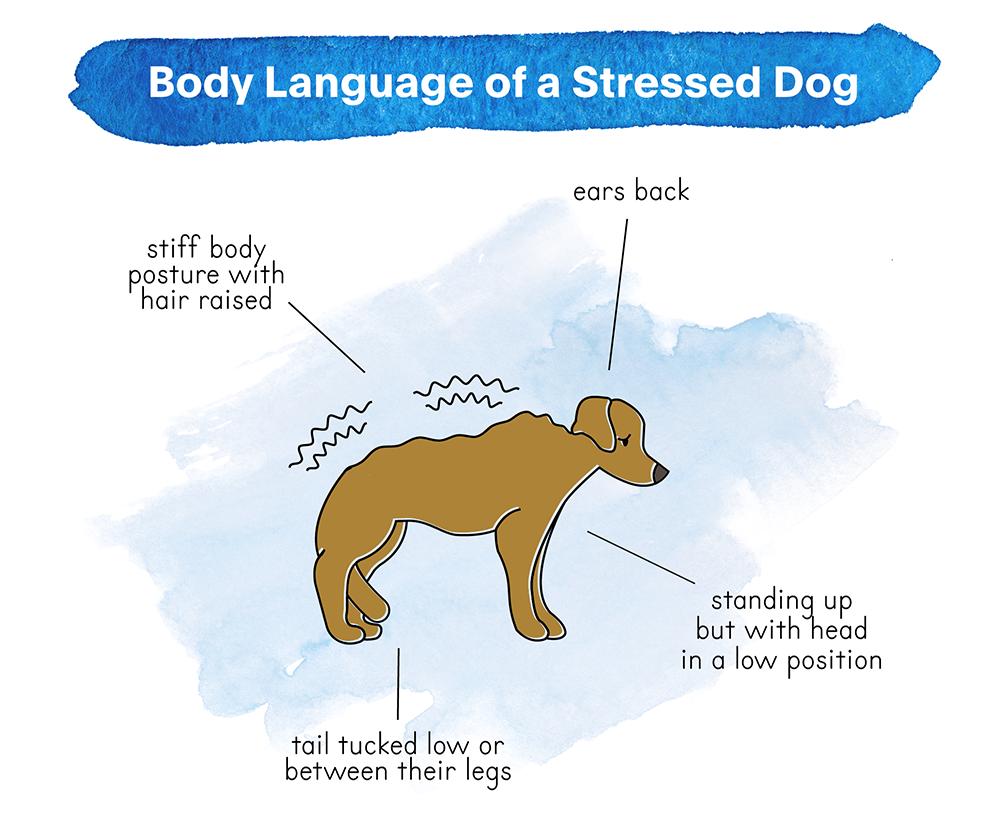
The yellow zone is where I spend a lot of my time with reactive dogs because this is where change happens. Your dog has noticed something, but they are not over the edge yet.
This is the moment many owners miss. The barking feels sudden, but the dog has usually been communicating for a while.
- Watch for a sudden closed mouth after relaxed panting.
- Notice weight shifting forward or freezing in place.
- Look for ears changing position, staring, or a tight face.
- Pay attention to slower movement or ignoring familiar cues.
A common mistake
Waiting until your dog is barking before creating distance usually means you are already too late for comfortable learning.
I often tell clients to treat the yellow zone like a yellow traffic light. You do not slam on the brakes after you crash. You respond when you see the warning.
The Red Zone: When a Dog Is Too Close to Stay Calm
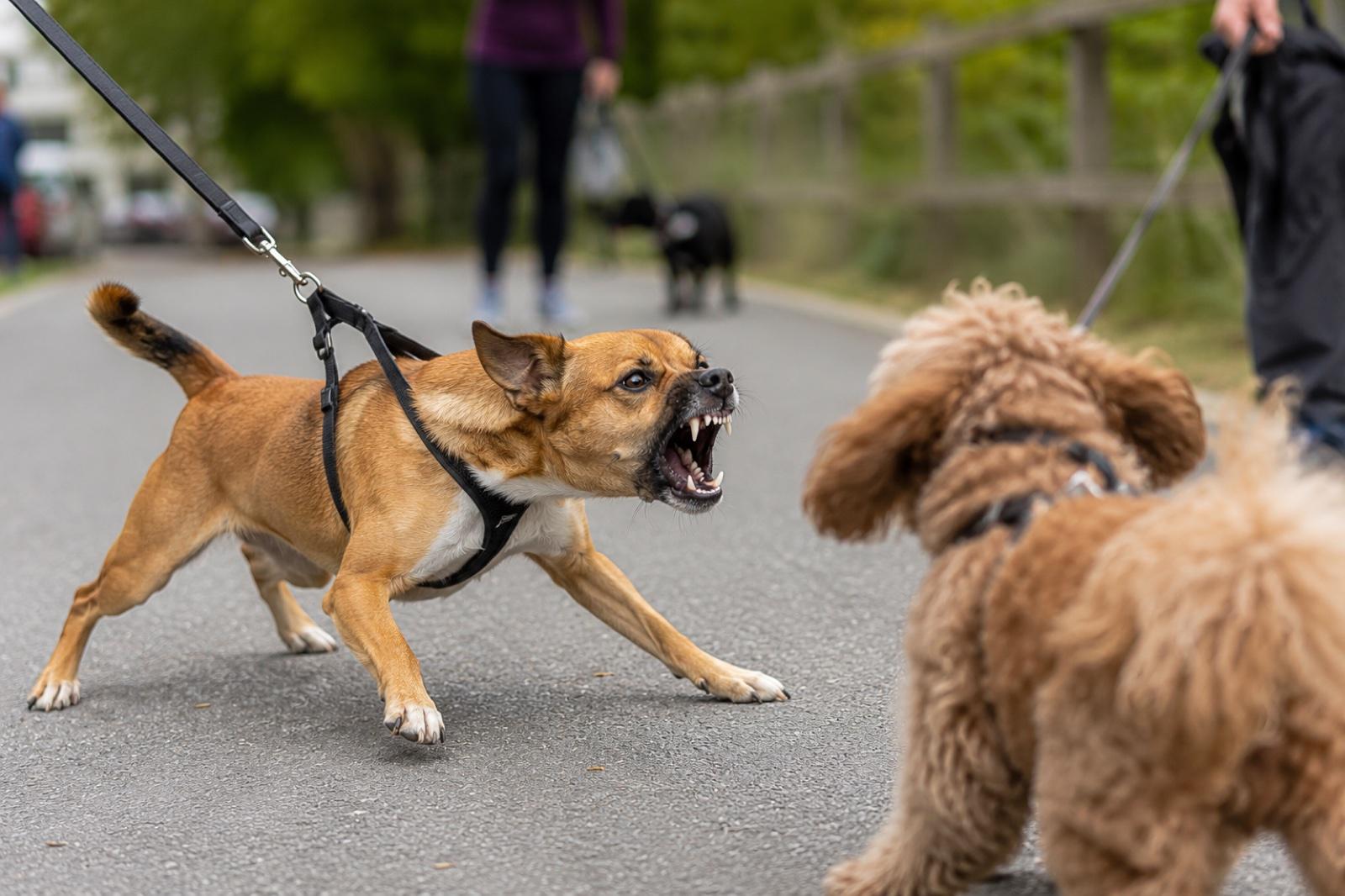
The red zone is the point where your dog has lost access to their thinking brain. They may bark, lunge, growl, spin, freeze, or pull with surprising strength. At this stage, the priority is safety and reducing pressure.
| Zone | Training goal |
|---|---|
| Green | Build skills and confidence. |
| Yellow | Practice calm observation and rewards. |
| Red | Create safety and recover. |
I do not use corrections, intimidation, or equipment designed to cause pain or fear with reactive dogs. A dog who is already overwhelmed does not need a bigger consequence; they need a safer situation.
Safety first
If your dog has bitten and broken skin, has aggression toward children, or there is a serious risk someone could be injured, this is the point where I recommend working with a certified professional in person and discussing veterinary behaviour support with your vet.
Finding Your Dog’s Personal Reactivity Distance
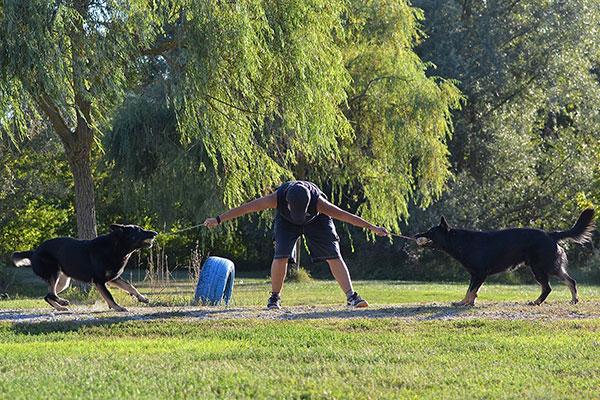
Your dog’s distance zone is personal. I have seen dogs who can walk past bicycles but panic at dogs across the street, and dogs who ignore dogs but struggle with strangers wearing hats. The trigger matters.
- Observe. Find a quiet location where you can see triggers without being surrounded by them.
- Measure. Notice the distance where your dog first spots the trigger and remains responsive.
- Record. Keep notes about distance, environment, and your dog’s behaviour.
- Adjust. Increase space when your dog struggles instead of pushing through.
Before starting this work, I check the basics: sleep, stress, pain concerns, exercise needs, and whether a sudden change needs a veterinary visit first. Behaviour does not happen in a vacuum.
10+ seconds
of early body language can appear before some dogs react.
Creating More Distance During Reactive Encounters
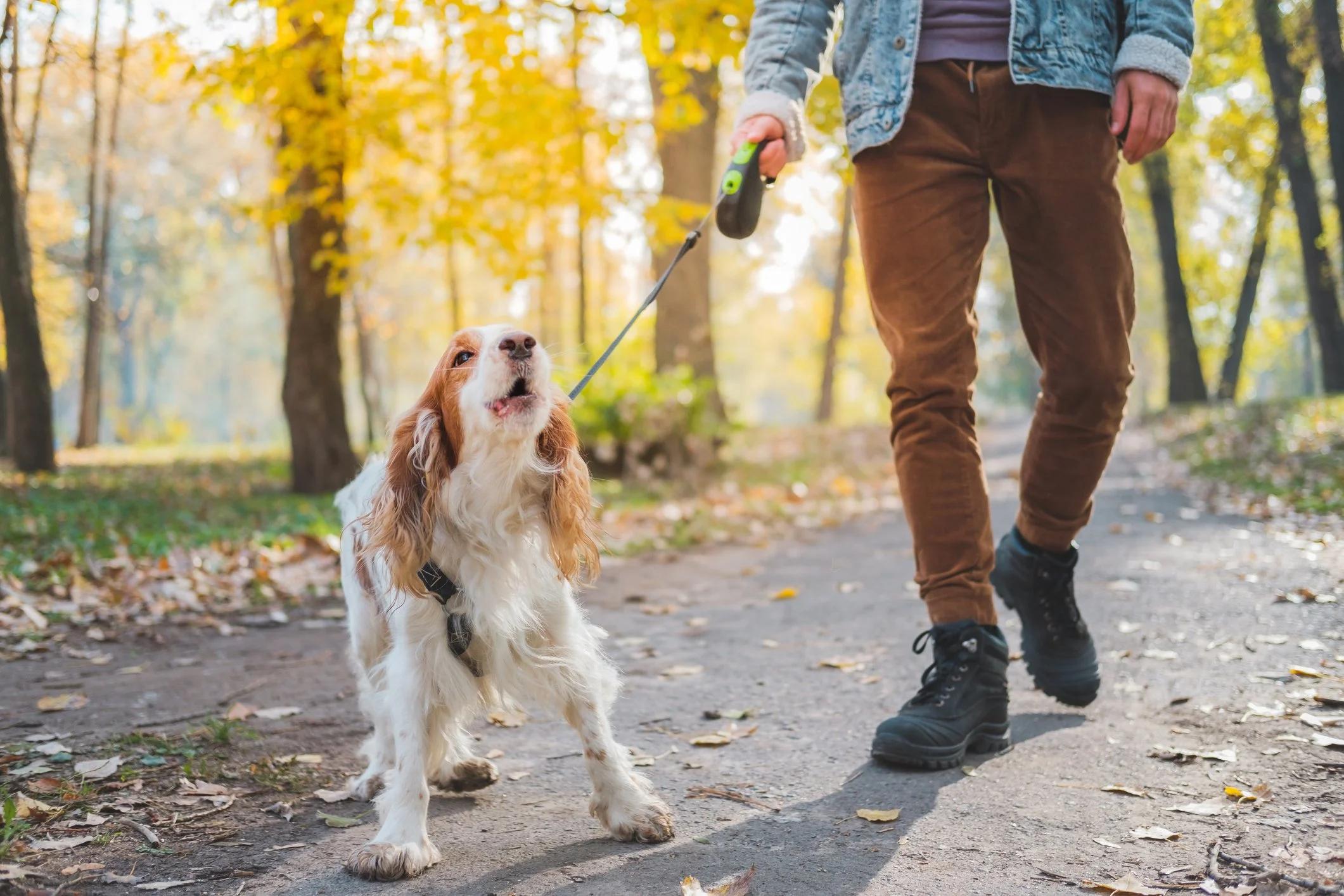
Creating distance is not giving up. It is one of the most skilled things you can do for a reactive dog. Every time your dog rehearses barking and lunging, that pathway gets easier for their brain to follow.
- Change direction: A cheerful U-turn is often better than waiting for a close pass.
- Use barriers: Cars, hedges, and parked vehicles can reduce visual pressure.
- Choose timing: Quiet morning walks often create easier learning opportunities.
Distance helps because
- Your dog can recover faster.
- You prevent repeated reactions.
- You create room for rewards.
Too little distance can
- Increase frustration.
- Reduce your dog’s ability to respond.
- Create bigger reactions over time.
Management is not the boring part before training. It is the part that allows training to work.
Using Distance Zones for Counterconditioning Training
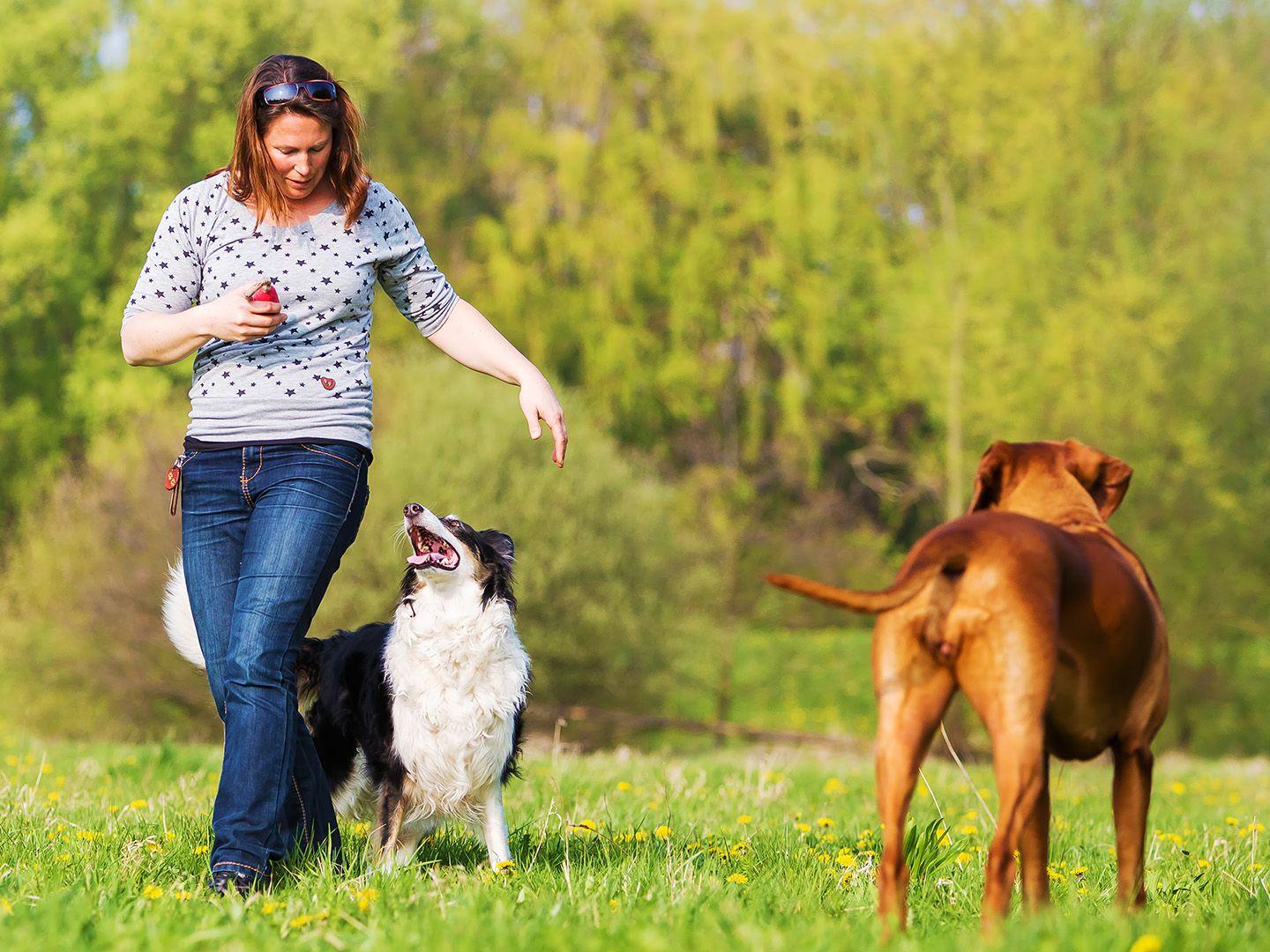
Once your dog can see the trigger without falling apart, we can begin changing the emotional response. This is where counterconditioning comes in: the trigger predicts something good instead of something scary or frustrating.
The part people rush
I see owners move closer too quickly because the first few sessions go well. Then the dog reacts and everyone feels like they went backward. Progress is usually uneven. A dog may have three excellent walks and then struggle because a trigger appeared suddenly around a corner.
- Start below threshold.
- Pair the trigger with something your dog values.
- Leave before your dog becomes overwhelmed.
- Increase difficulty slowly over weeks or months.
Keep expectations realistic
Most reactive dogs improve through consistent practice, but many months of work is more realistic than a one-week transformation.
Tracking Progress as Your Dog’s Comfort Zone Expands
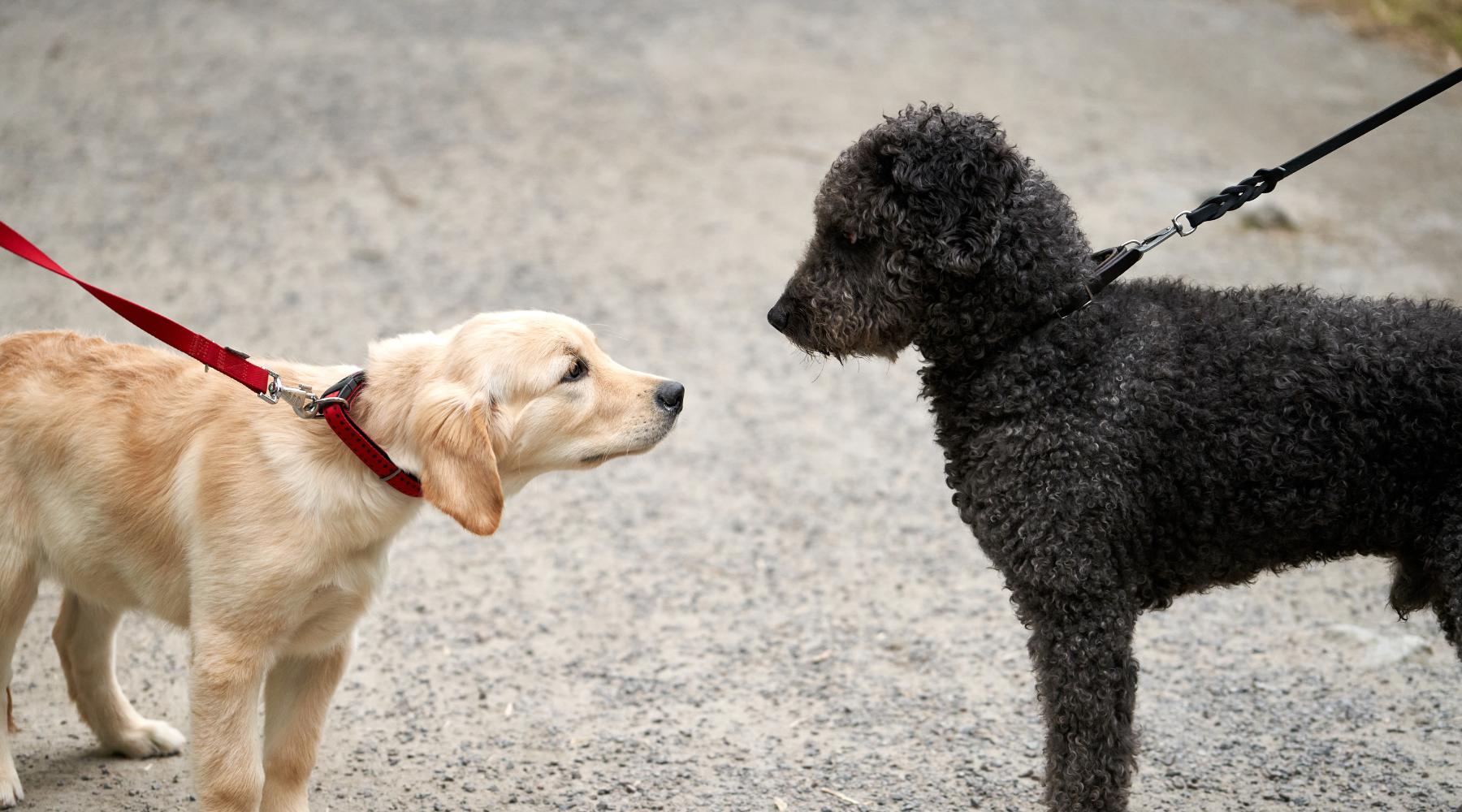
Progress with reactivity is rarely a straight line. I measure success by more than whether a dog can pass another dog on a sidewalk. Sometimes the biggest wins are quieter: a faster recovery, a softer body, or a dog who checks in before reacting.
- Recovery: How quickly does your dog return to normal after seeing a trigger?
- Communication: Does your dog look to you before reacting?
- Distance: Has the comfortable zone slowly become smaller?
- Confidence: Is your dog able to explore more environments?
Bruno is twelve now, and he is not my imaginary perfect trainer dog. He is a managed dog. He still has places I do not take him, and that is completely fine. A good life is not measured by doing every possible thing; it is measured by doing the things your dog can genuinely enjoy.
Dog Reactivity Distance Zones FAQ
How far away should my reactive dog be from triggers?
Start at a distance where your dog can notice the trigger while still eating, moving, and responding to you.
Can distance training stop reactivity completely?
Many dogs improve significantly, but some remain dogs who need thoughtful management throughout life.
Is moving away rewarding my dog’s reaction?
No. Creating safety prevents overwhelm and gives your dog a chance to learn.
When should I hire a professional?
Seek in-person help for serious aggression, bite history, safety concerns, or situations you cannot manage safely.

More Pinterest Visuals