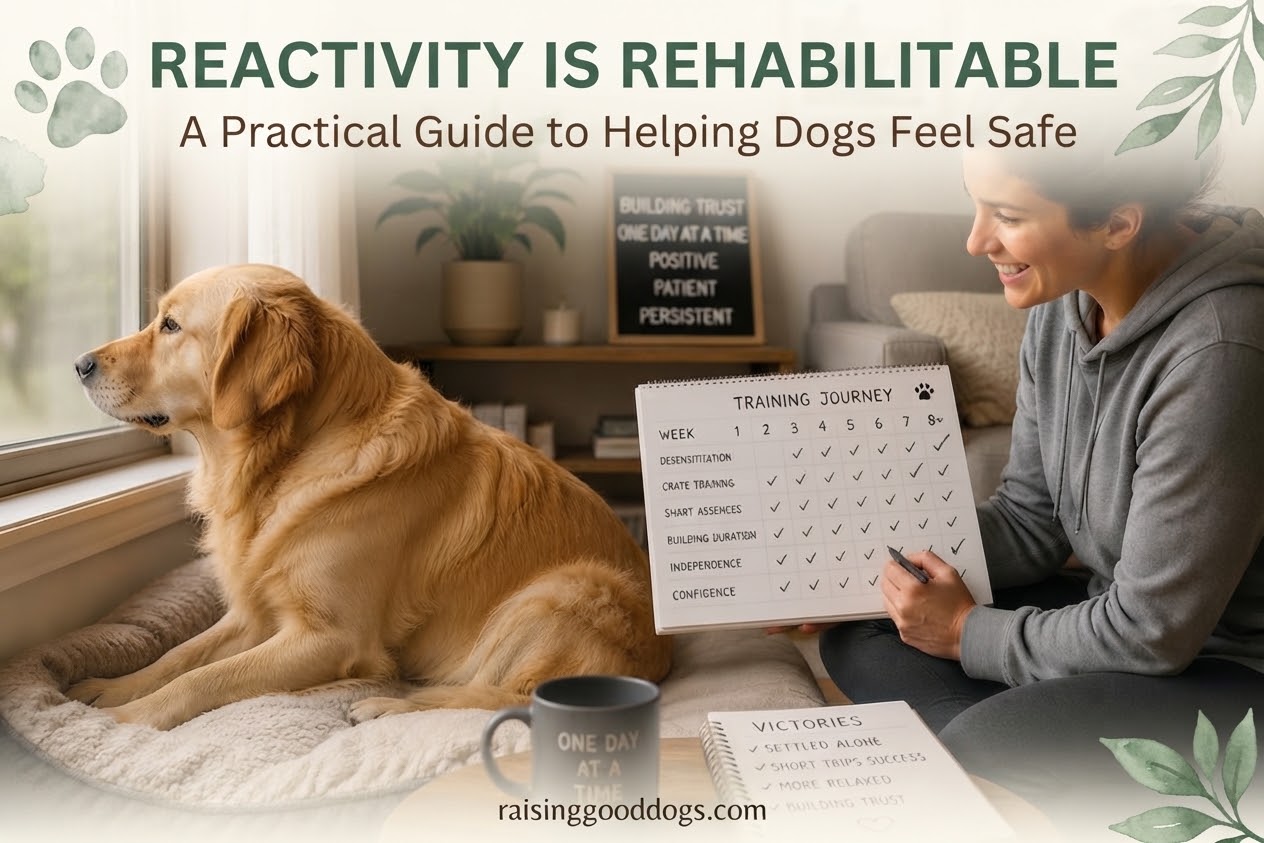
A reactive dog can make an ordinary Tuesday walk feel like a carefully planned operation. I know that feeling because I lived it with Bruno, my German Shepherd, before I truly understood what he was communicating. Reactive dog rehabilitation is not about forcing a dog to tolerate everything; it is about changing the emotional response underneath the behaviour, one manageable step at a time.
Understanding Reactive Dog Behavior
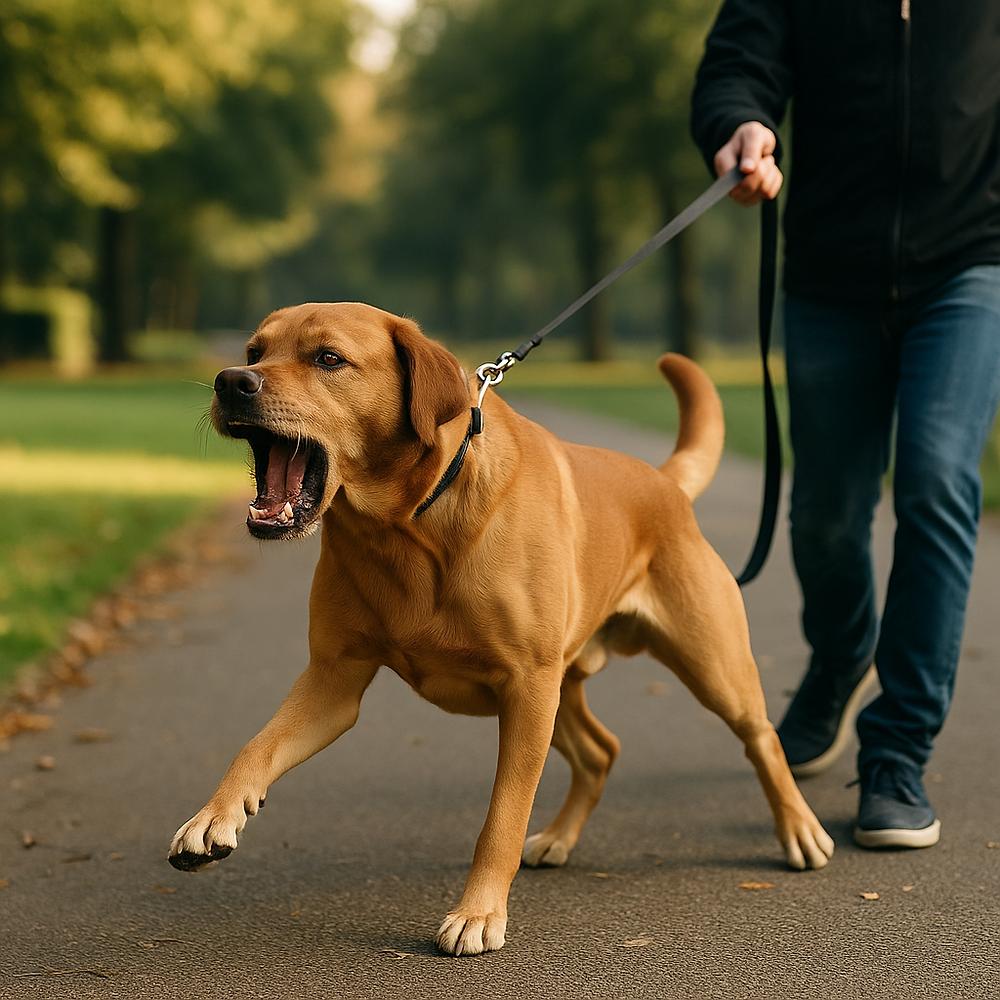
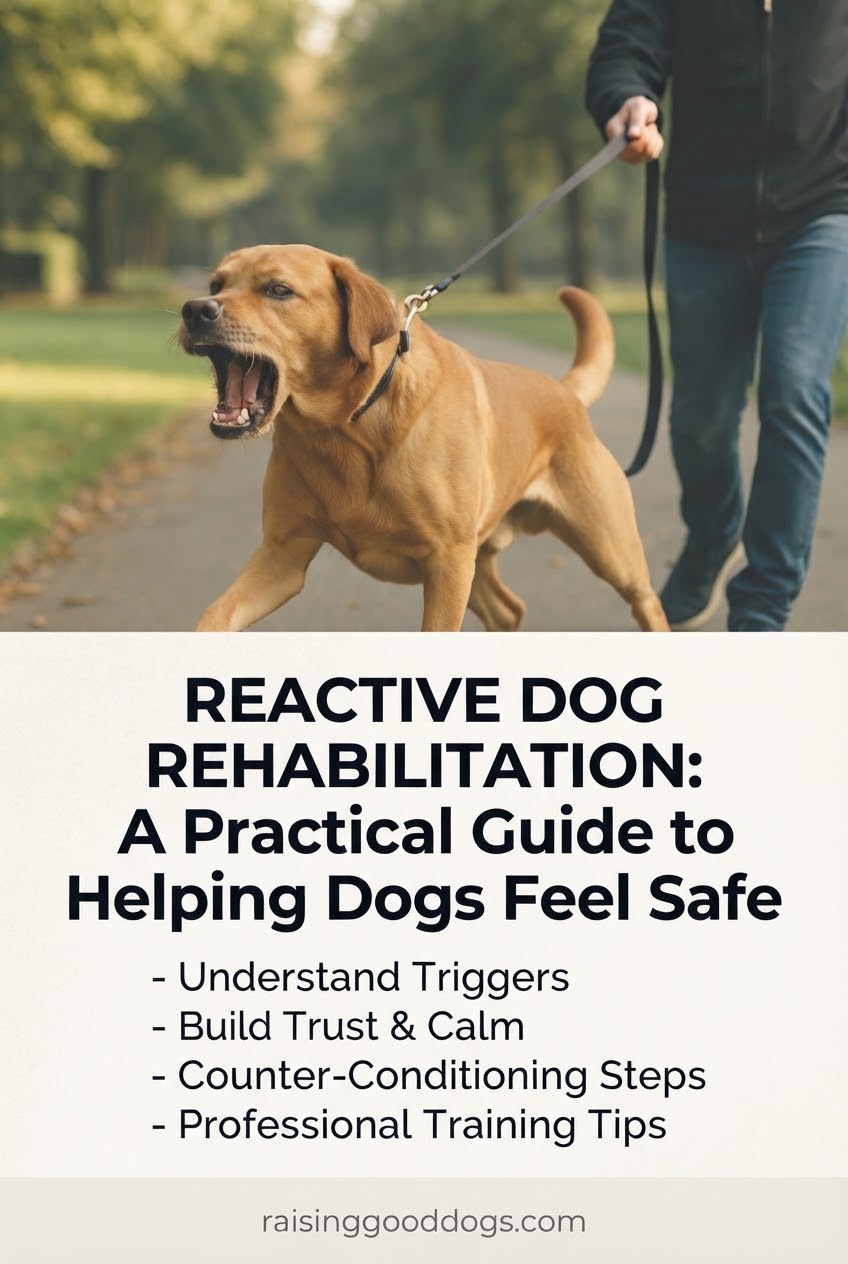
When people search for reactive dog rehabilitation, they are often picturing the barking, lunging, or growling. I look underneath those actions first. Reactivity is usually an emotional response: fear, frustration, uncertainty, overexcitement, or a mixture of those things.
What I want you to remember about reactivity
- Reactive dogs are responding, not simply being difficult.
- Management prevents your dog from practising the reaction repeatedly.
- Training works best below the point where your dog loses the ability to learn.
- Progress is measured in calmer choices, not perfection.
I learned this the hard way with Bruno. I had years of professional training experience, and still I underestimated how difficult it was to help my own dog. The first job was not teaching him a cue. The first job was giving his nervous system fewer reasons to go into alarm mode.
- Fear-based reactivity: the dog creates distance because something feels unsafe.
- Frustration-based reactivity: the dog wants access but cannot reach the person, dog, or object.
- Over-arousal: excitement builds until the dog cannot process information normally.
I also always ask owners whether a sudden behaviour change has been checked medically. Pain, illness, and age-related changes can affect behaviour. I am a trainer, not a veterinarian, so a new or unusual reaction gets a vet conversation before we assume it is only training.
Identifying Triggers and Reactivity Patterns
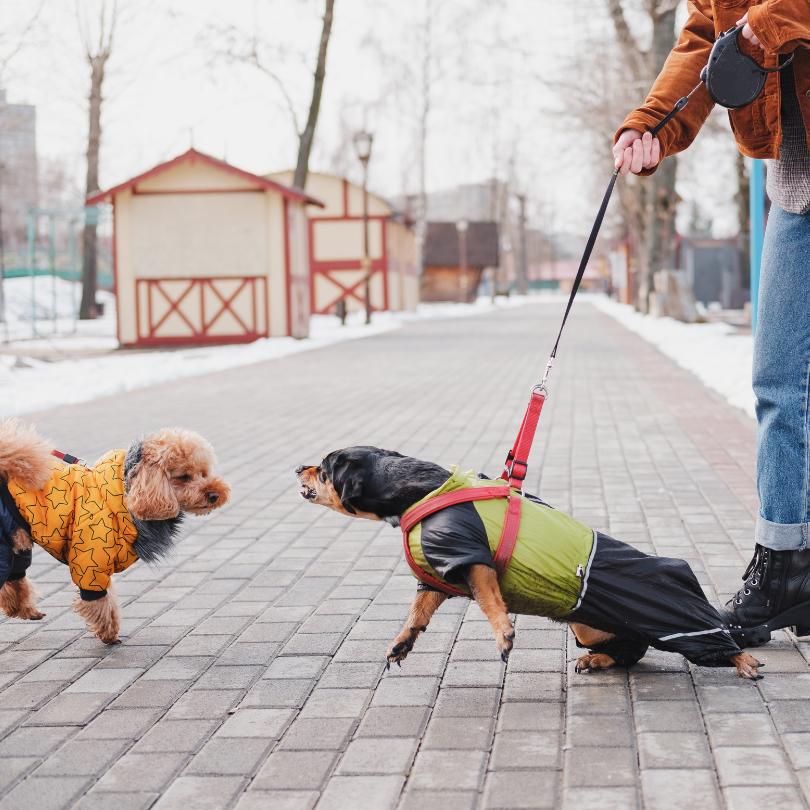
The dog who explodes at every dog, person, bicycle, or noise is usually not reacting randomly. There is a pattern hiding in the details. I spend a lot of time helping owners become detectives because the ten seconds before the bark often tell us more than the bark itself.
Trainer tip
Write down what happened before the reaction, not just what your dog did. Distance, location, time of day, and your dog's body language are valuable information.
- Notice whether your dog freezes, stiffens, stares, or shifts weight forward before reacting.
- Watch the ears, mouth, tail base, breathing rate, and body tension.
- Record the distance where your dog can still eat and respond.
- Look for repeated situations rather than judging one difficult walk.
A dog that reacts at ten feet from another dog may be able to calmly observe one at fifty feet. That distance is not failure; it is where learning begins.
| Reaction point | What I do |
|---|---|
| Dog can notice trigger and take food | Begin calm training at a safe distance |
| Dog is barking or lunging | Create distance and stop the rehearsal |
Building Trust Through Positive Reinforcement
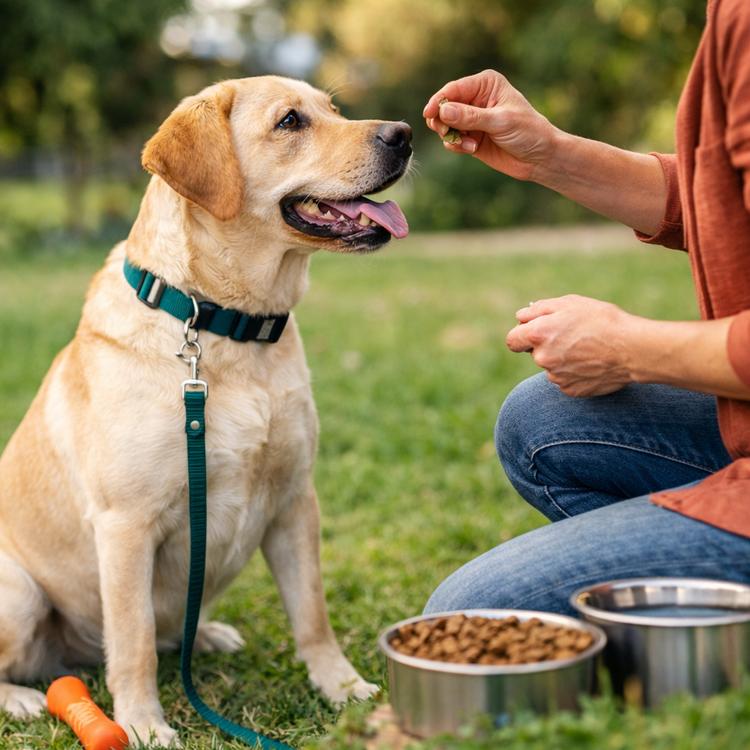
Trust is the foundation of reactive dog rehabilitation. A dog cannot learn well while feeling trapped or threatened. My job is to show the dog that choosing calm behaviours leads to good things.
I use reward-based training because it teaches the dog what to do instead of only telling them what not to do. Current behaviour guidance from veterinary behaviour organizations supports reward-based methods for training and behaviour modification.
A common mistake
Waiting until the dog reacts and then trying to train through the explosion usually means the dog is already too overwhelmed to learn.
- Find. Identify a behaviour your dog can successfully offer, such as looking back at you.
- Reward. Mark calm choices immediately with something meaningful to your dog.
- Repeat. Build many small successes before increasing difficulty.
I do not use prong collars, shock collars, leash corrections, or intimidation techniques. They may appear to stop a behaviour in the moment, but rehabilitation is about changing feelings, not suppressing communication.
Teaching Calm Responses on Walks
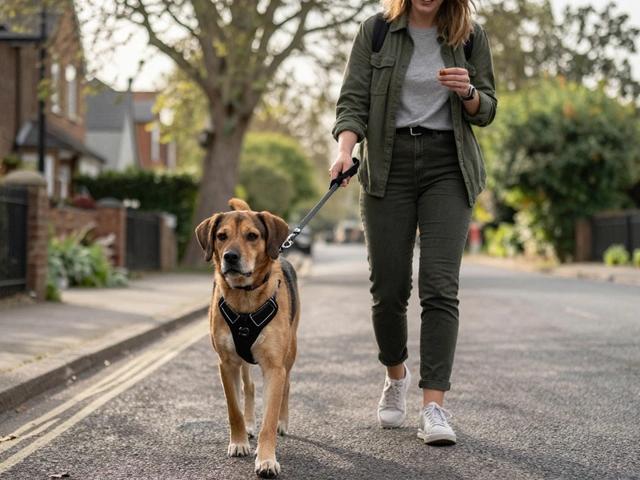
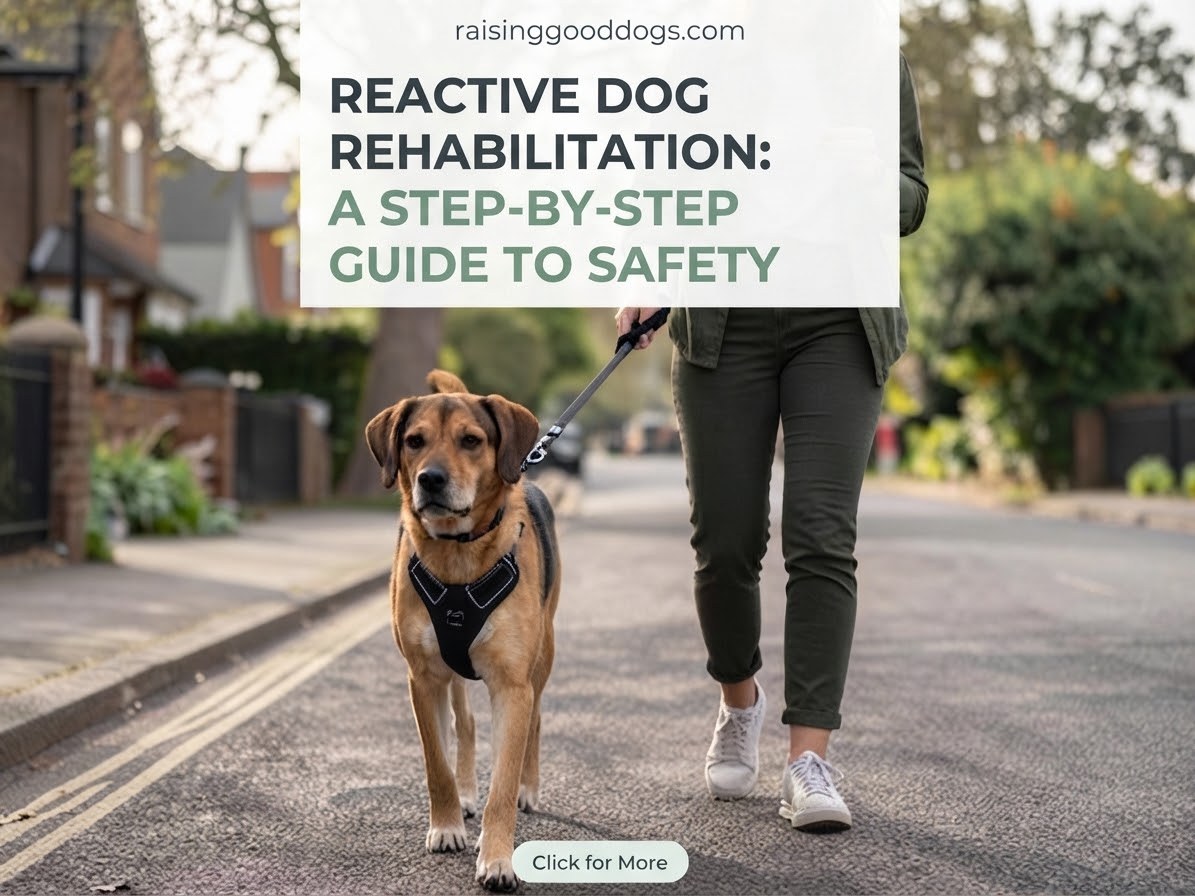
The best reactive dog walk is often the one where nothing dramatic happens. That sounds boring, but boring is where rehabilitation grows. I would rather have a quiet twenty-minute walk than a heroic five-minute battle.
- Route choice: pick wider paths and quieter times when possible.
- Equipment: use comfortable, secure equipment that gives you control without causing discomfort.
- Distance: move away before your dog reaches the reaction point.
Safety reminder
If your dog has bitten, broken skin, or there is a risk someone could be injured, this needs in-person help from a qualified professional and a discussion with your veterinarian about behaviour support.
With Bruno, I learned that turning around was not giving up. It was protecting the progress we had worked for. A calm exit is a training decision.
Desensitization and Counterconditioning Techniques
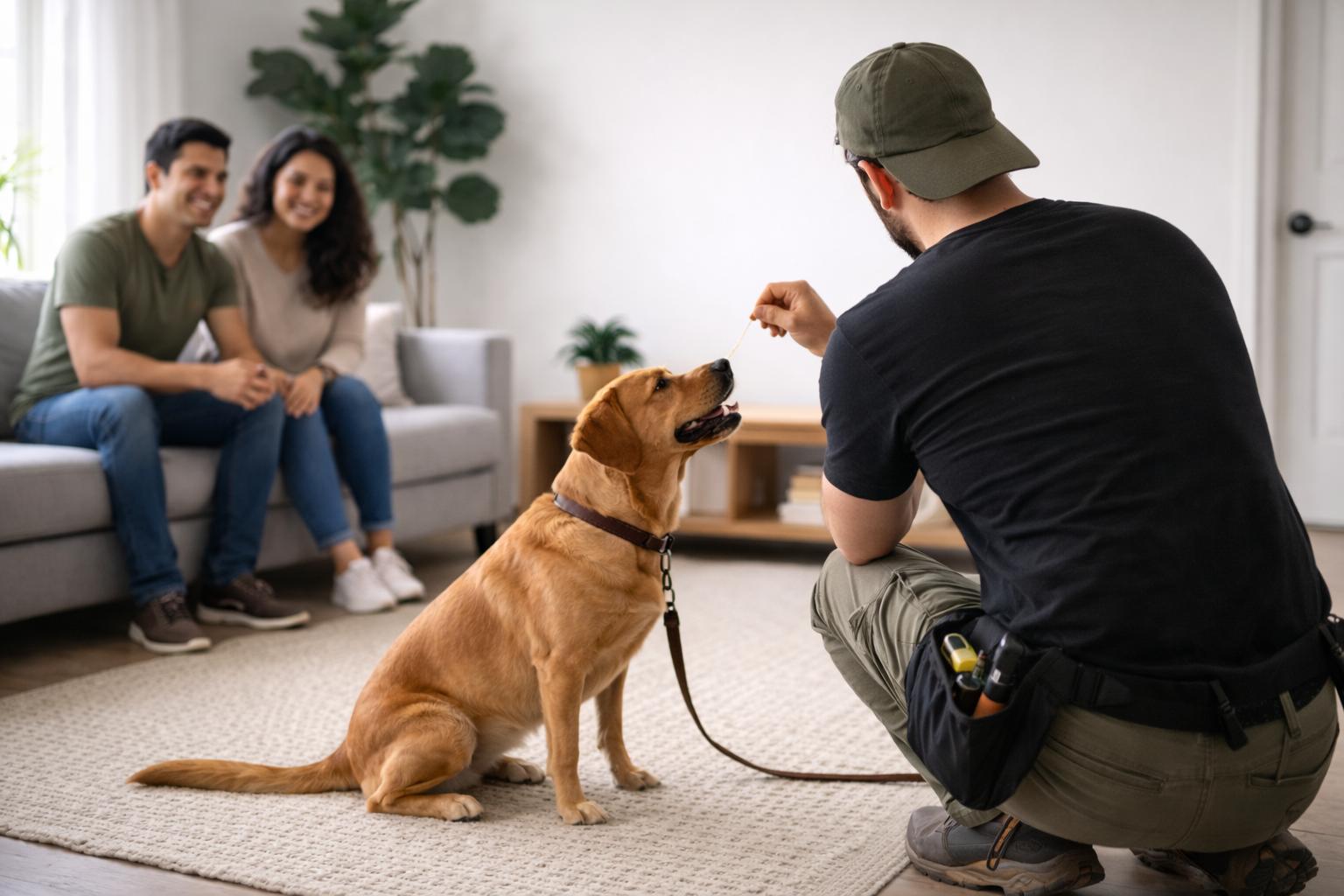
Desensitization and counterconditioning are the heart of many rehabilitation plans. The goal is not to force a dog close to a trigger. Flooding a dog with something frightening often makes the problem worse.
What successful exposure looks like
I start where the dog can notice the trigger but still think. The dog sees the trigger, something positive happens, and the dog learns a new association. This may take weeks or months, and plateaus are normal.
- Choose. Find a trigger distance where your dog remains comfortable.
- Pair. Connect the trigger with rewards your dog values.
- Increase. Change only one difficulty factor at a time.
- Pause. Step back when your dog shows stress signals.
The prerequisite is simple: your dog must still be able to process information. A dog who cannot eat, respond to their name, or move normally is telling us the setup is too difficult.
Managing Stress and Improving Emotional Regulation
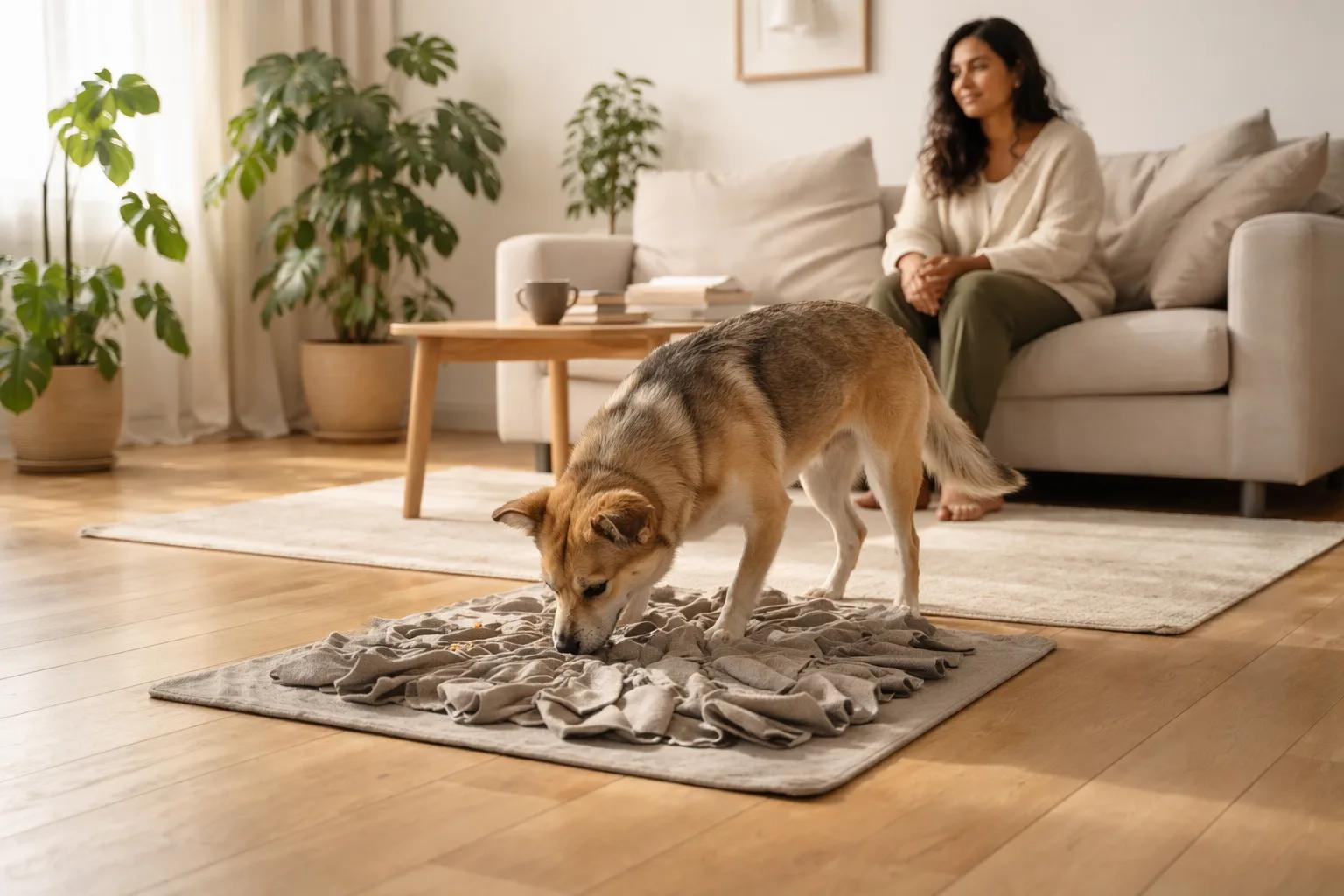
Behaviour work happens between training sessions too. Sleep, enrichment, predictable routines, and recovery time all affect how much emotional capacity a dog has on a difficult day.
10 seconds
A short pause can reveal early body-language changes before a reaction builds.
- Allow enough rest after stressful events.
- Use enrichment that encourages calm problem solving.
- Avoid stacking several challenging experiences together.
- Watch for changes in appetite, sleep, or behaviour that may need veterinary attention.
I pay attention to tiny signals: a closed mouth, a hard stare, a weight shift, a sudden stillness. Dogs usually tell us they are struggling before they bark.
Creating a Safe Rehabilitation Environment
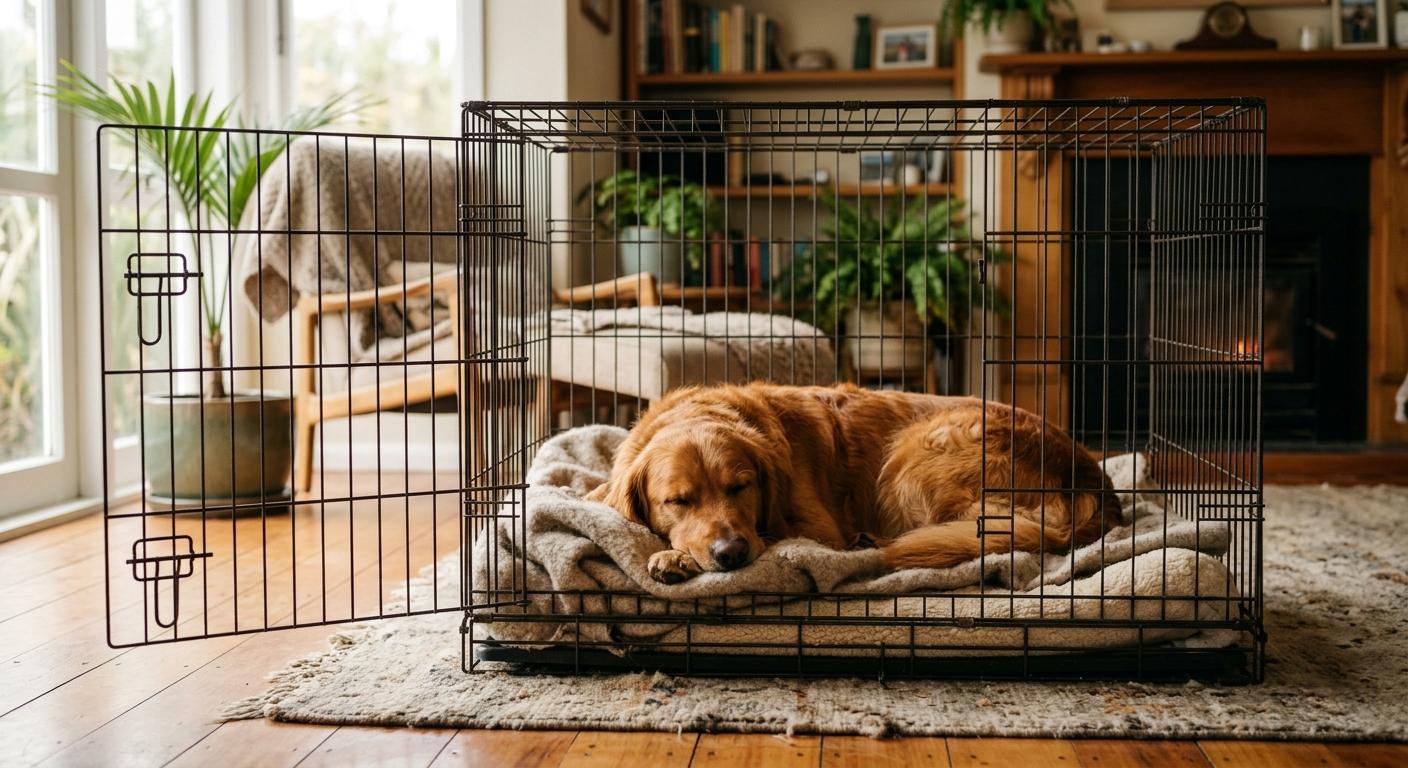
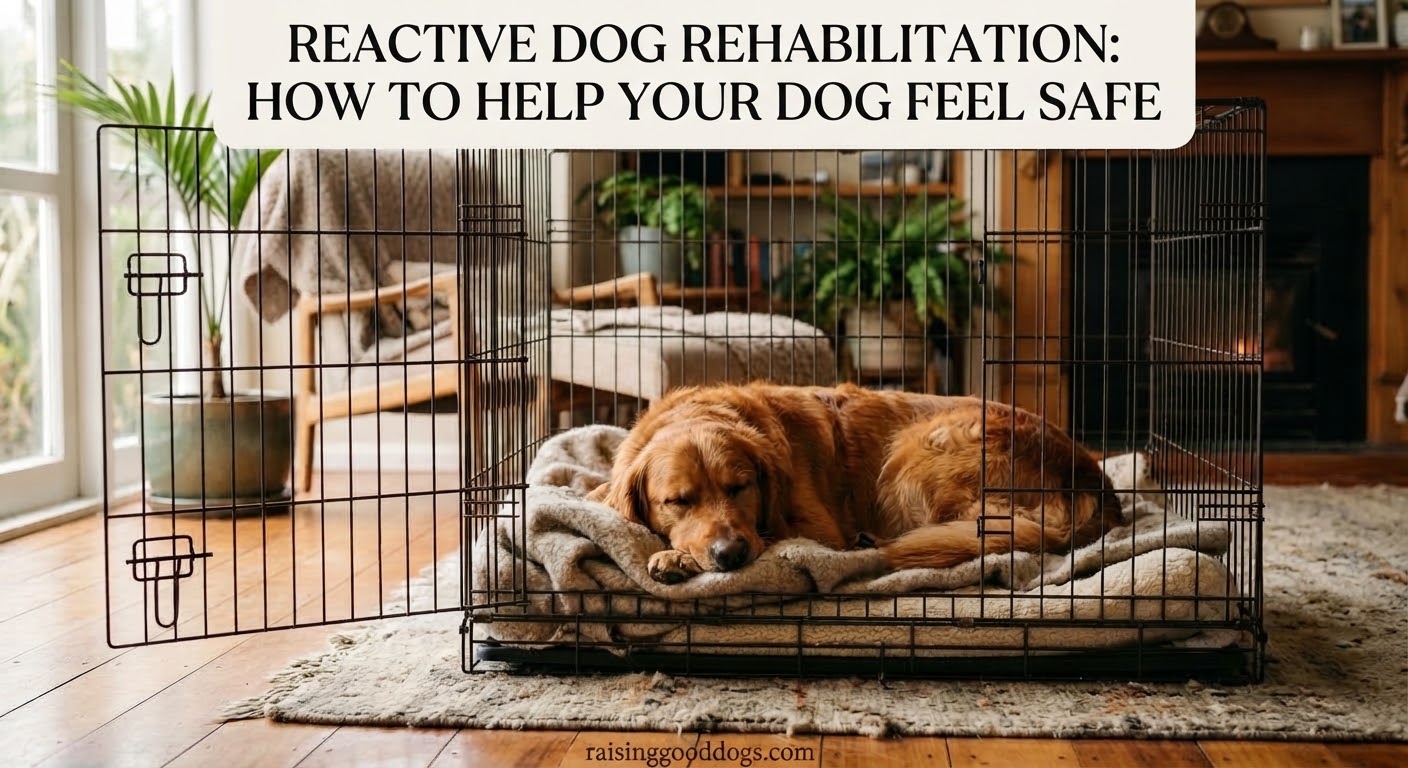
A rehabilitation plan fails if the dog spends every day practising the behaviour we are trying to change. Management is not avoiding the problem forever; it is creating enough safety for learning to happen.
- Home setup: use barriers, visual management, and predictable routines where needed.
- Outdoor planning: choose times and places that reduce unnecessary encounters.
- Muzzle training: when appropriate, teach it positively as a safety skill, never as punishment.
Helpful management
- Creating distance
- Planning routes
- Using calm spaces
Things to avoid
- Forced greetings
- Repeated overwhelming exposure
- Punishing warning signals
A growl is information. I want owners to hear it, not punish it away, because removing warnings without changing the emotion underneath can create a less predictable dog.
Tracking Progress and Preventing Setbacks
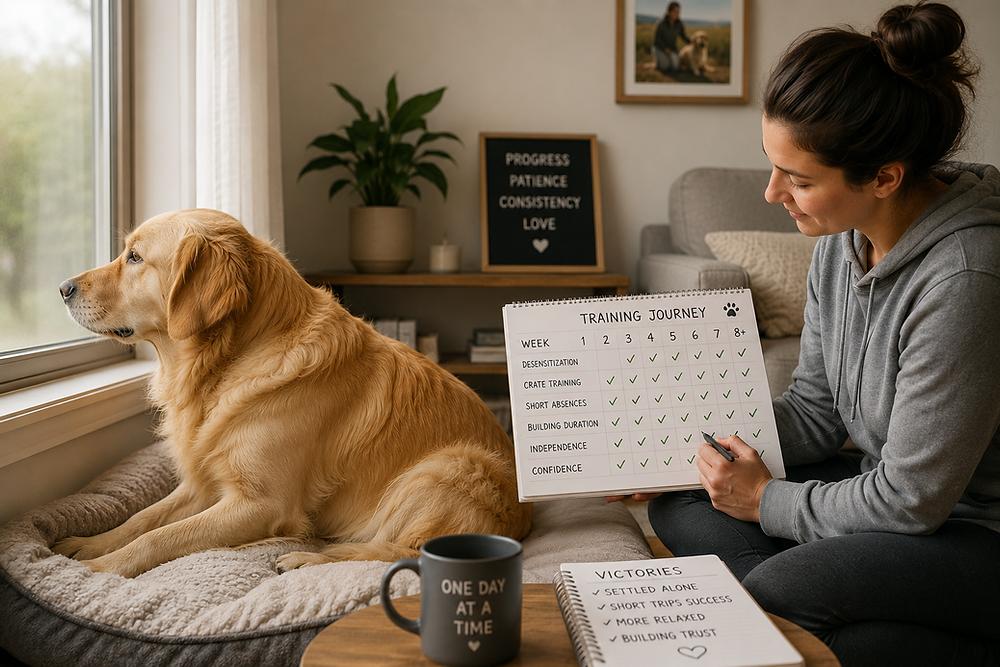
Reactive dog rehabilitation rarely moves in a straight line. I tell clients to expect good weeks, frustrating weeks, and the occasional walk where it feels like we travelled backwards.
A setback usually means the plan needs adjusting, not that the dog has failed. Maybe the environment was harder, the distance was too small, or the dog simply had a stressful day.
Keep better records
Track successful choices: your dog looked away, recovered faster, noticed a trigger and stayed with you, or needed less distance than before.
Reactive Dog Rehabilitation Questions
How long does reactive dog rehabilitation take?
Most meaningful behaviour change takes months rather than days. The timeline depends on the dog, triggers, history, and consistency.
Can a reactive dog become completely non-reactive?
Some dogs become very comfortable in many situations, while others remain dogs who need thoughtful management. Better does not always mean perfect.
Should I punish my dog for barking?
I focus on changing the underlying emotion and teaching alternative responses rather than adding fear or discomfort.
The goal I celebrate most is not a dog who never notices anything. It is a dog who notices the world and can still choose to come back to you.

More Pinterest Visuals