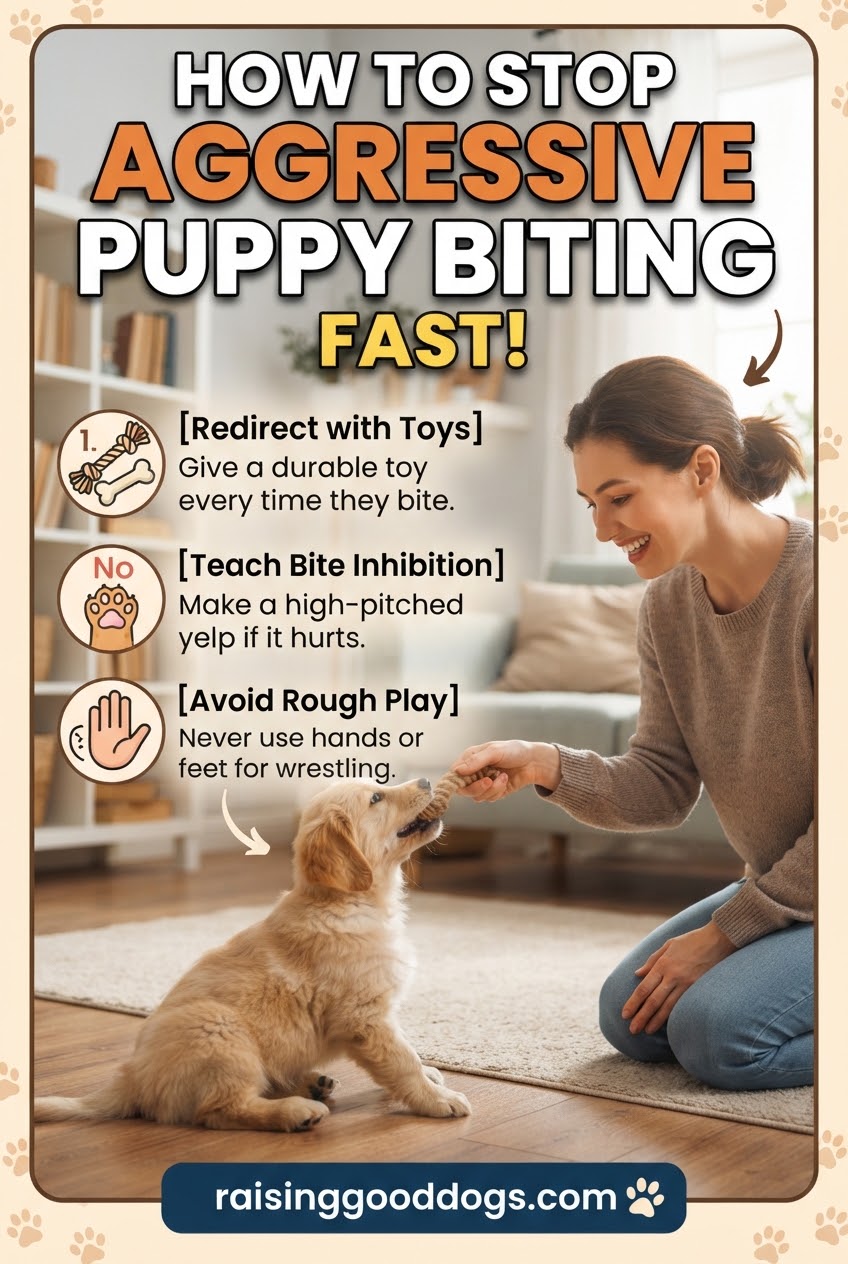
The puppy grabbing your sleeves, catching your hands with those needle teeth, and turning playtime into a wrestling match can feel overwhelming. I have sat with plenty of tired owners on their living room floors wondering if their sweet puppy is becoming aggressive. Most of the time, the answer is more complicated than that. We need to look at what the puppy is communicating, prevent the biting from becoming a practiced habit, and teach a better way to interact.
What I want you to know first
- Puppy biting is often normal development, but the pattern and body language matter.
- Management comes before training because puppies cannot learn while they are overexcited.
- Reward-based training builds calmer habits without fear or intimidation.
Why Puppies Bite Aggressively
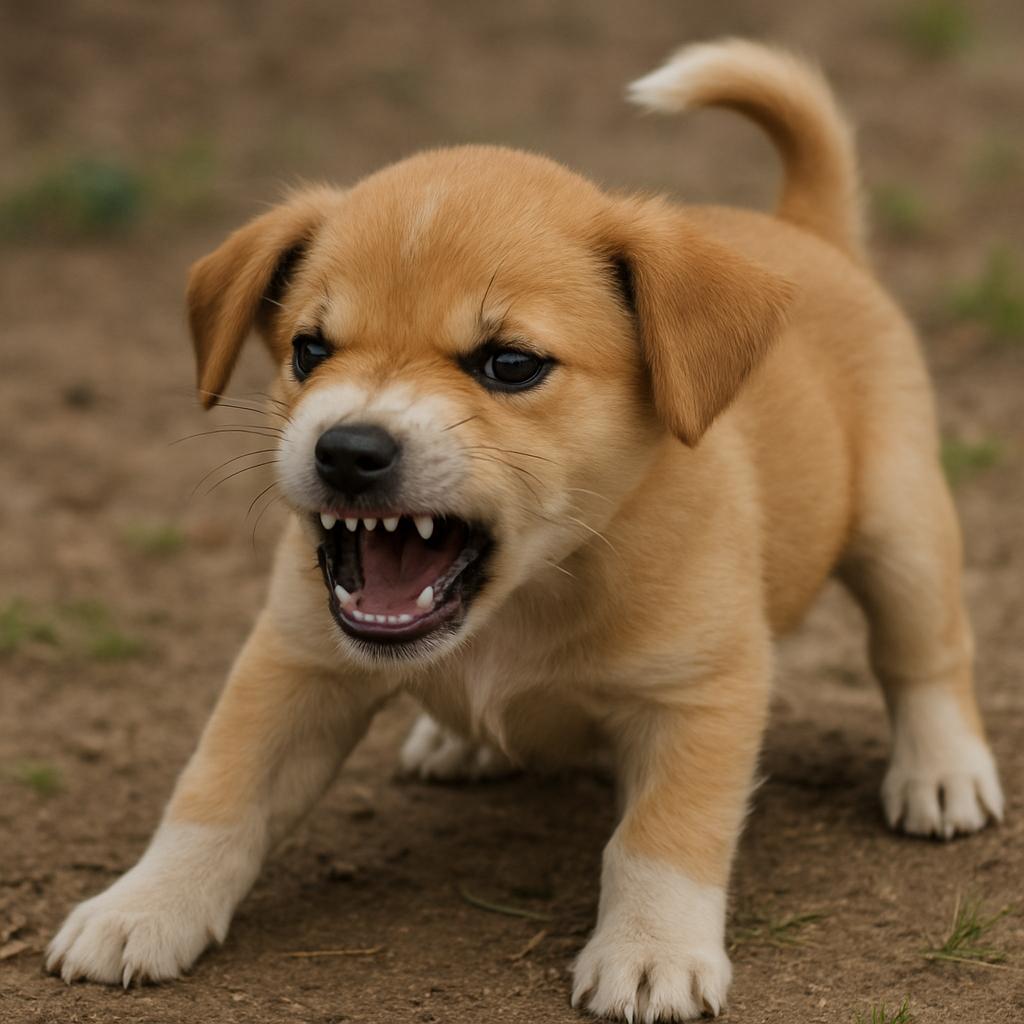
When someone tells me their puppy is biting aggressively, my first question is always what the rest of the puppy's body is doing. A puppy who grabs your hands during a wild evening zoom session is very different from a puppy who freezes, hardens their body, and bites when approached.
Young puppies use their mouths to explore the world. They also have poor self-control, short attention spans, and very convenient teeth. That does not mean we ignore the behaviour. It means we respond to the reason behind it.
I start by stopping the puppy from rehearsing the biting. If your puppy repeatedly launches at ankles every evening, the puppy is practicing that routine. A gate, a toy nearby, a quieter schedule, or a short break can prevent the habit from getting stronger.
A useful first check
Before changing training, look at sleep, exercise, stress, and the environment. An overtired puppy often looks like a tiny shark with no off switch.
Signs of Aggressive Puppy Biting
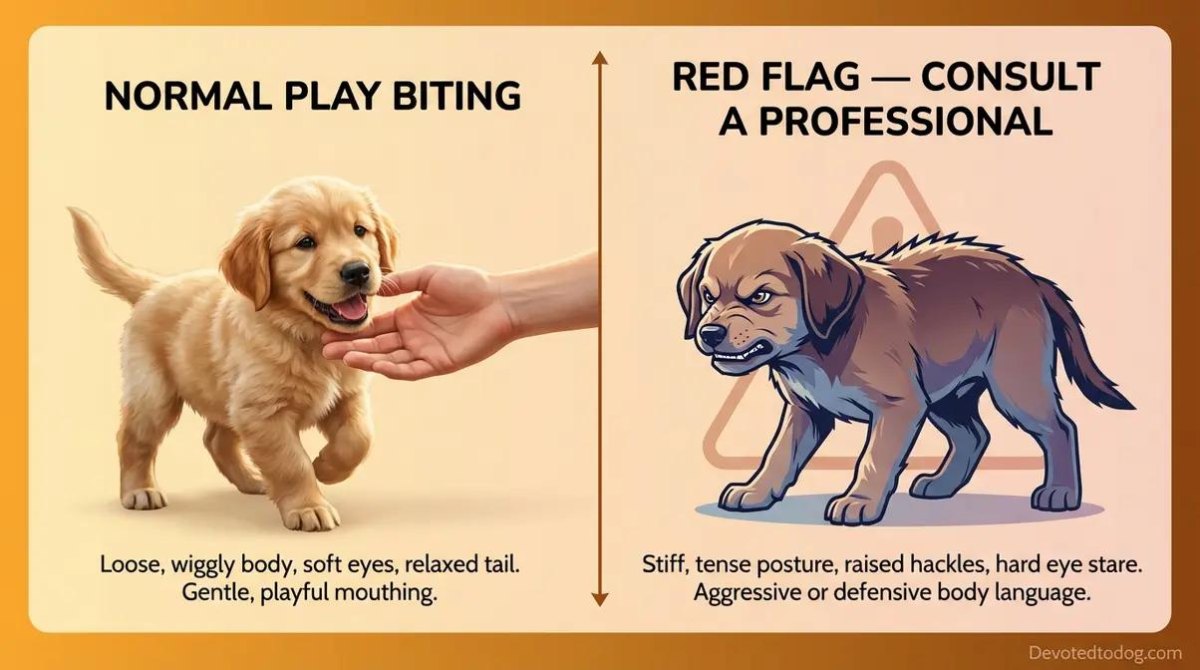
I learned during my years in veterinary practice that dogs usually tell us they are uncomfortable before they escalate. We just have to learn to notice the small details.
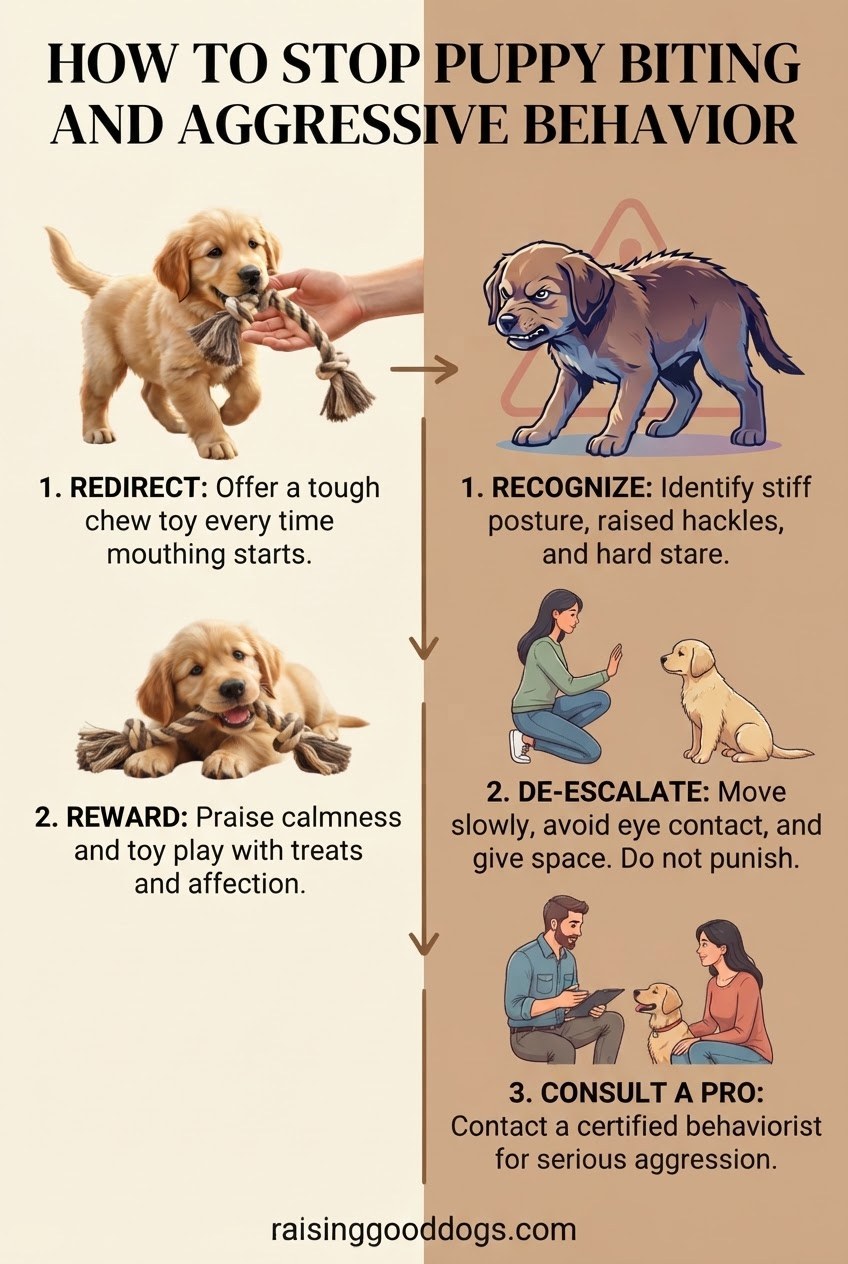
With a puppy who may be struggling, I watch for a stiff body, a closed tight mouth, a hard stare, weight shifting forward, a tucked or very still tail, freezing, growling, or a sudden change from relaxed play to tension. The ears, breathing, and facial muscles often give away the story.
A playful puppy usually has loose movements, bouncing behaviour, and can be redirected. A puppy who cannot disengage, repeatedly targets people, or shows defensive signals needs a more careful plan.
Do not punish warning signals
Growling is information. If we punish the growl, we can remove the warning without addressing the discomfort underneath.
Common Causes Behind Puppy Aggression
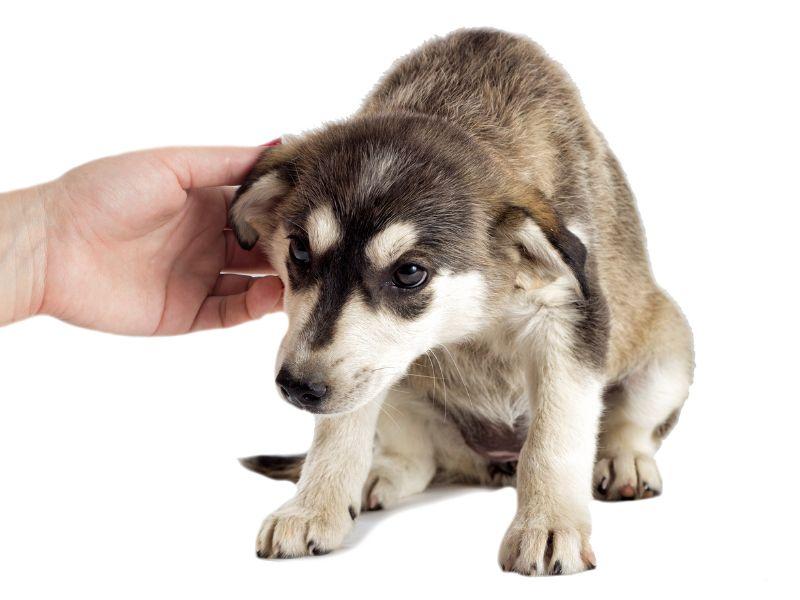
Puppy biting has many possible causes, and I am careful about calling it aggression too quickly. A puppy who bites when scared is having a different experience from a puppy who bites during rough play.
Common reasons I see include teething discomfort, frustration, fear, overstimulation, lack of rest, accidental reinforcement, and not having learned appropriate bite pressure. Sometimes a sudden behaviour change also means we need to involve a veterinarian first to rule out pain or illness.
- Teething: Chewing helps puppies manage discomfort as their mouths develop.
- Overtiredness: Many puppies become mouthier when they need sleep.
- Fear: A frightened puppy may bite because distance feels unsafe.
- Frustration: Puppies with big feelings often struggle with impulse control.
Behaviour work becomes much easier when we understand what is driving the biting instead of only reacting to the teeth.
How to Stop a Puppy From Biting
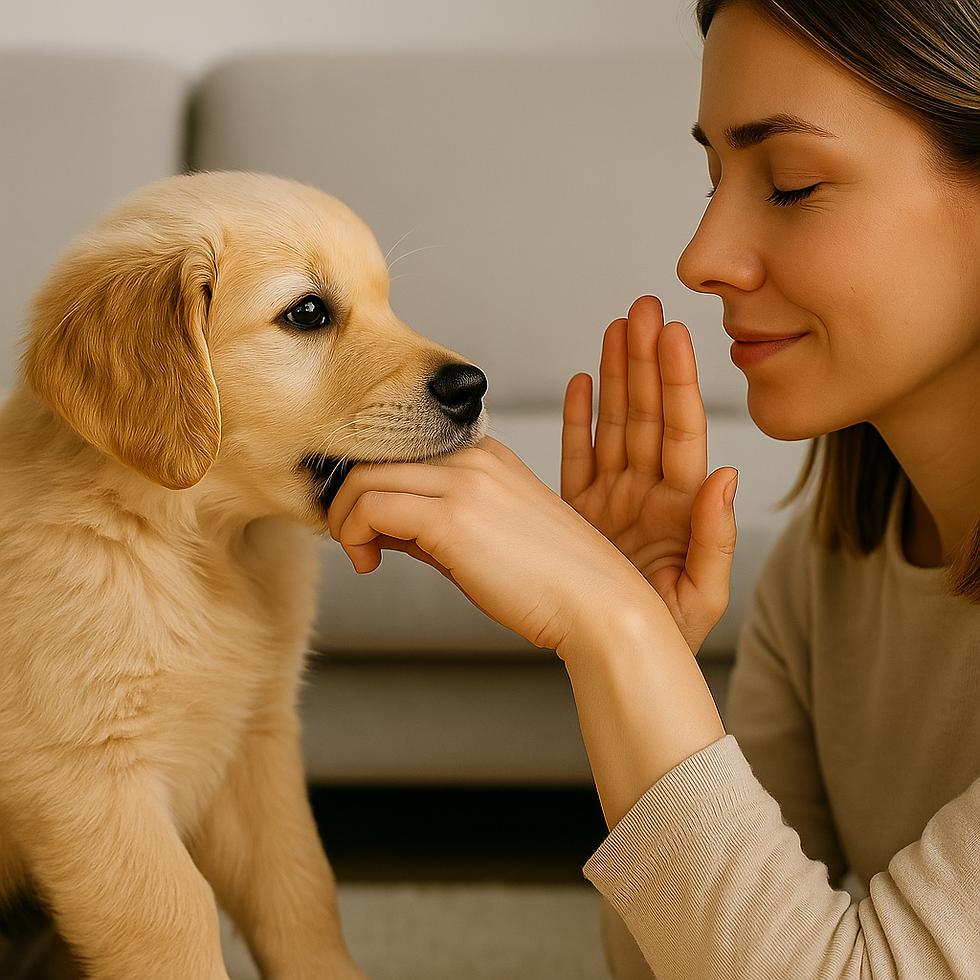
The first step I take with biting puppies is management. Training cannot compete with a puppy who is already completely over threshold. Create fewer opportunities for the biting to happen, then teach the replacement behaviour.
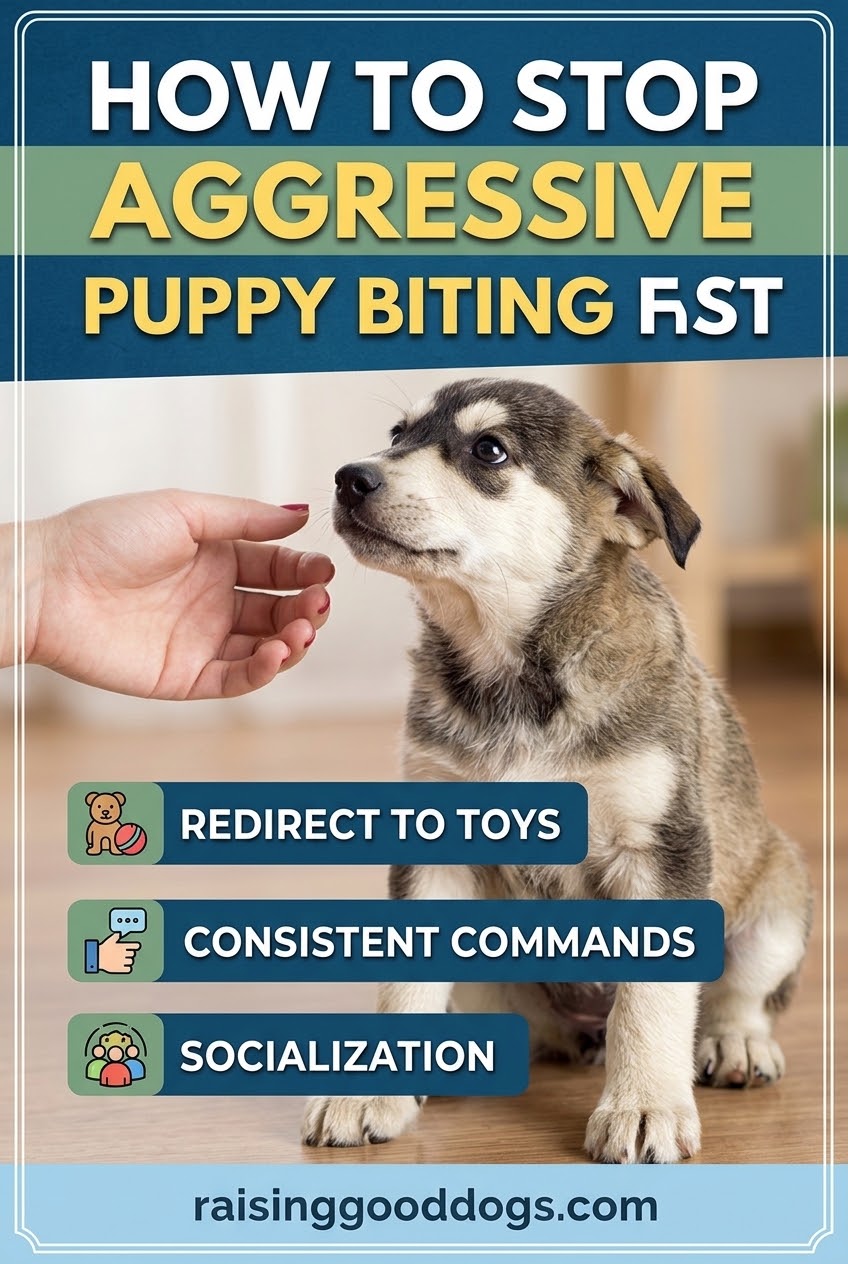
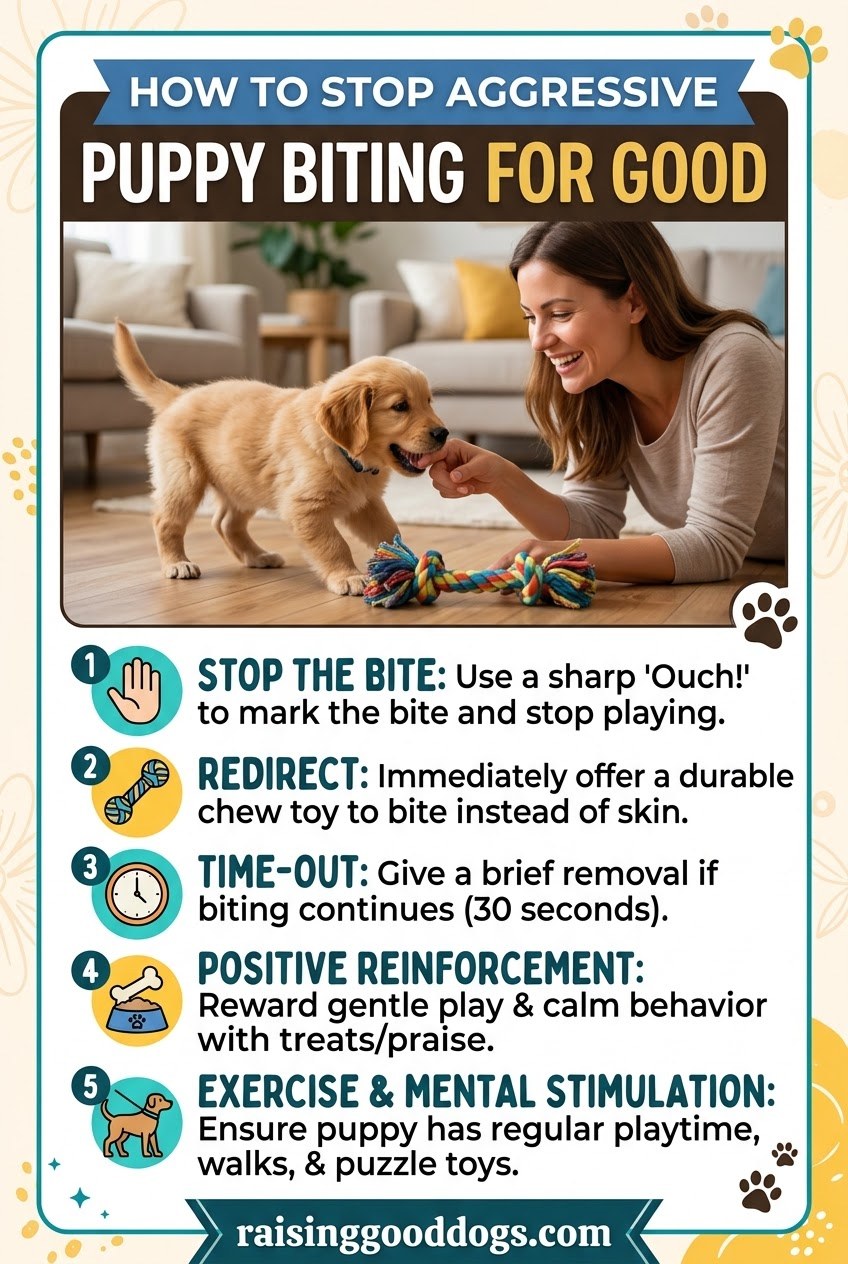
- Redirect. Offer an appropriate toy before the puppy reaches your hands or clothing.
- Pause. If teeth touch skin, calmly end interaction for a moment instead of turning it into a game.
- Reward. Notice and reinforce calm behaviour, chewing toys, and gentle interactions.
- Repeat. Expect improvement over weeks, not overnight.
Most puppies improve gradually. Week two may not look like a miracle; it may simply mean fewer intense biting episodes and faster recovery after excitement. That is progress.
A common mistake I see
Turning biting into a physical battle usually makes puppies more excited. Chasing, pinning, or using fear-based corrections can damage trust and increase arousal.
Training Techniques for Aggressive Puppy Behavior
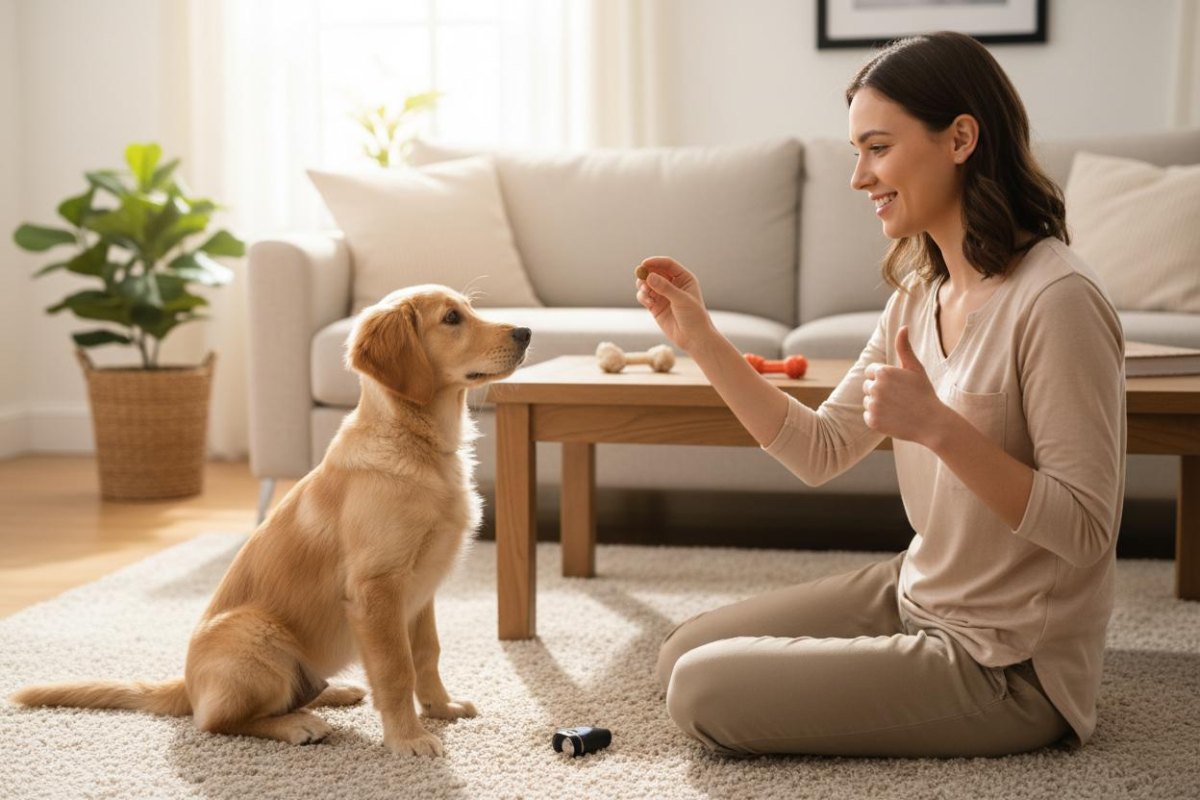
I use reward-based training because puppies learn best when we show them the behaviour we want. The goal is not simply stopping teeth from touching skin. The goal is building a puppy who can handle excitement, frustration, and everyday life.
Useful skills include settling on a mat, responding to their name, trading toys, accepting handling, and taking breaks before they become overwhelmed.
I have worked with dogs who made huge changes, but behaviour change is rarely a straight line. A difficult day does not erase the good days before it.
When to Seek Professional Help for Puppy Aggression
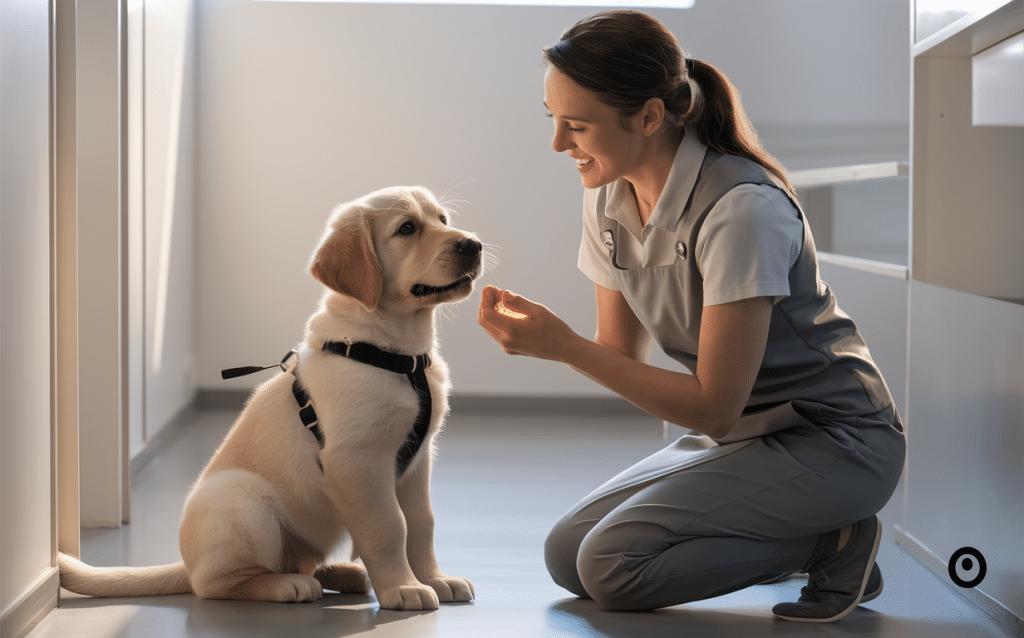
Some puppy biting situations are beyond what a blog post can safely solve. If a puppy bite breaks skin, there is aggression toward children, there is a bite history, or someone in the home feels unsafe, I want you working with a certified professional in person.
I also recommend involving your veterinarian when behaviour changes suddenly, when pain may be involved, or when you notice changes in appetite, sleep, movement, or normal habits. I spent years in veterinary clinics, and I saw too many behaviour problems complicated by medical issues that had gone unnoticed.
A qualified trainer or veterinary behaviourist can assess the environment, read the dog's body language in real time, and build a plan that keeps everyone safe.
Frequently Asked Questions
Is puppy biting always aggression?
No. Most puppy biting is normal exploration, play, teething, or overexcitement. The context and body language tell us much more than the teeth alone.
How long does it take to stop puppy biting?
Many puppies improve over several weeks with consistent management and training, but some behaviour cases take months. Setbacks are part of the process.
Should I punish my puppy for biting?
I do not recommend punishment-based methods. Teaching alternative behaviours and managing situations safely creates better long-term results.

More Pinterest Visuals