Training a puppy is less about having a perfectly obedient dog and more about building a shared language. I have watched hundreds of dogs learn that clear communication makes daily life easier. I teach with rewards, patience, and realistic expectations because evidence-based guidance supports reward-based training methods.
What I cover in this puppy commands guide
- Foundation cues that help with safety and manners
- Practical training steps for everyday situations
- How to avoid rushing a puppy who is still learning
Teaching Your Puppy the Sit Command
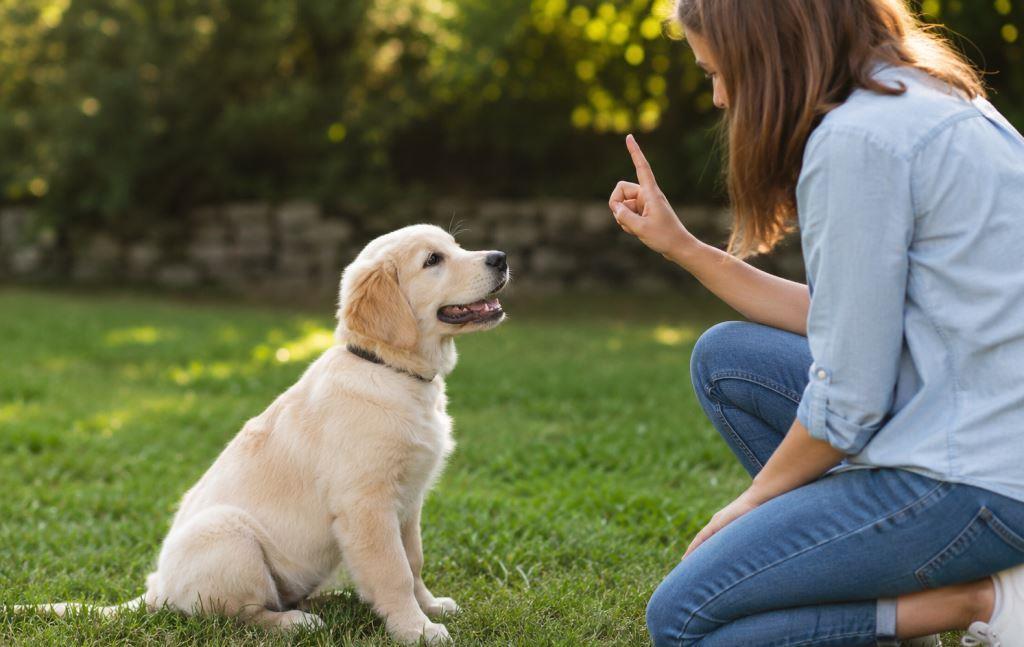
I usually start with sit because it gives puppies an easy win. The goal is not a robotic response but a puppy who understands that choosing calm behavior earns good things. VCA notes that cues work by helping puppies predict which behavior earns a reward.
Training the Stay Command for Better Control
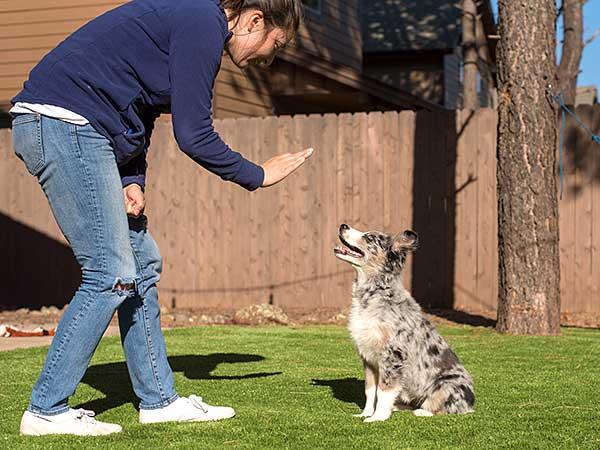
Stay is a skill built in tiny pieces. I begin with seconds, not minutes, because duration takes practice. I increase distance and distractions only when the puppy is comfortable, not when they are already struggling.
Mastering the Come Command for Reliable Recall
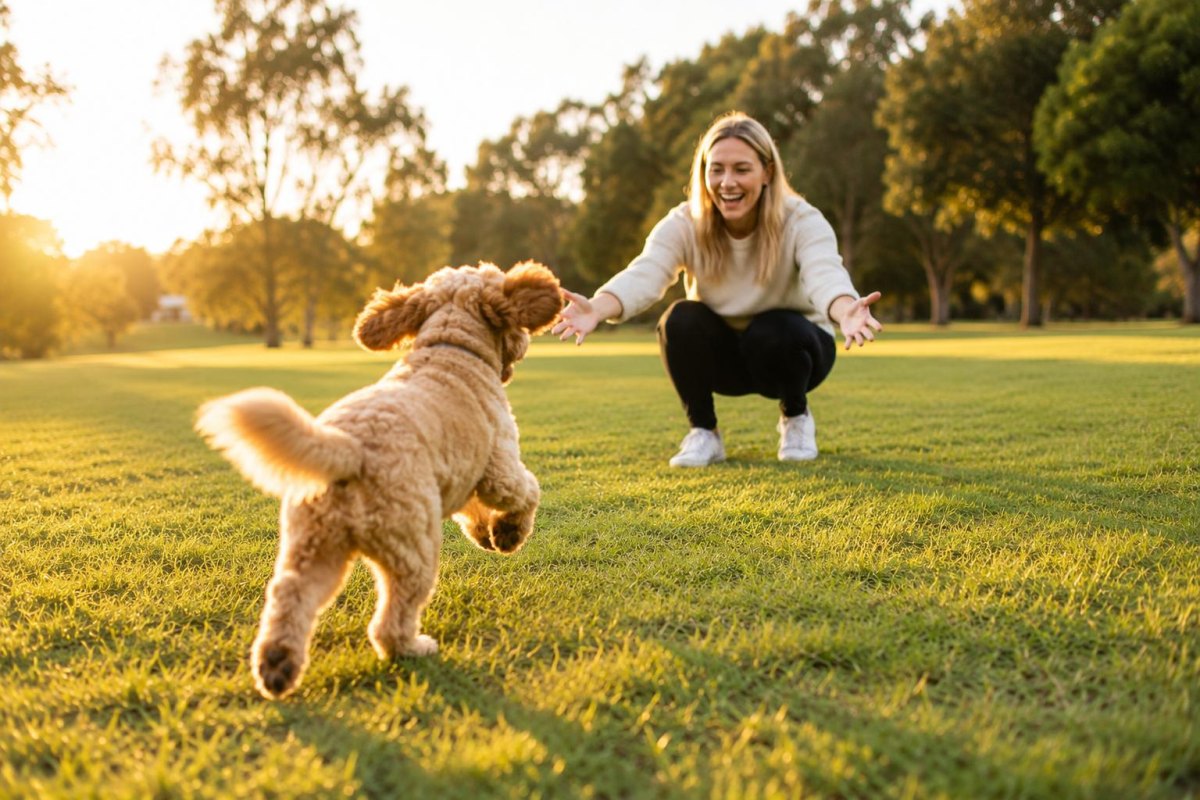
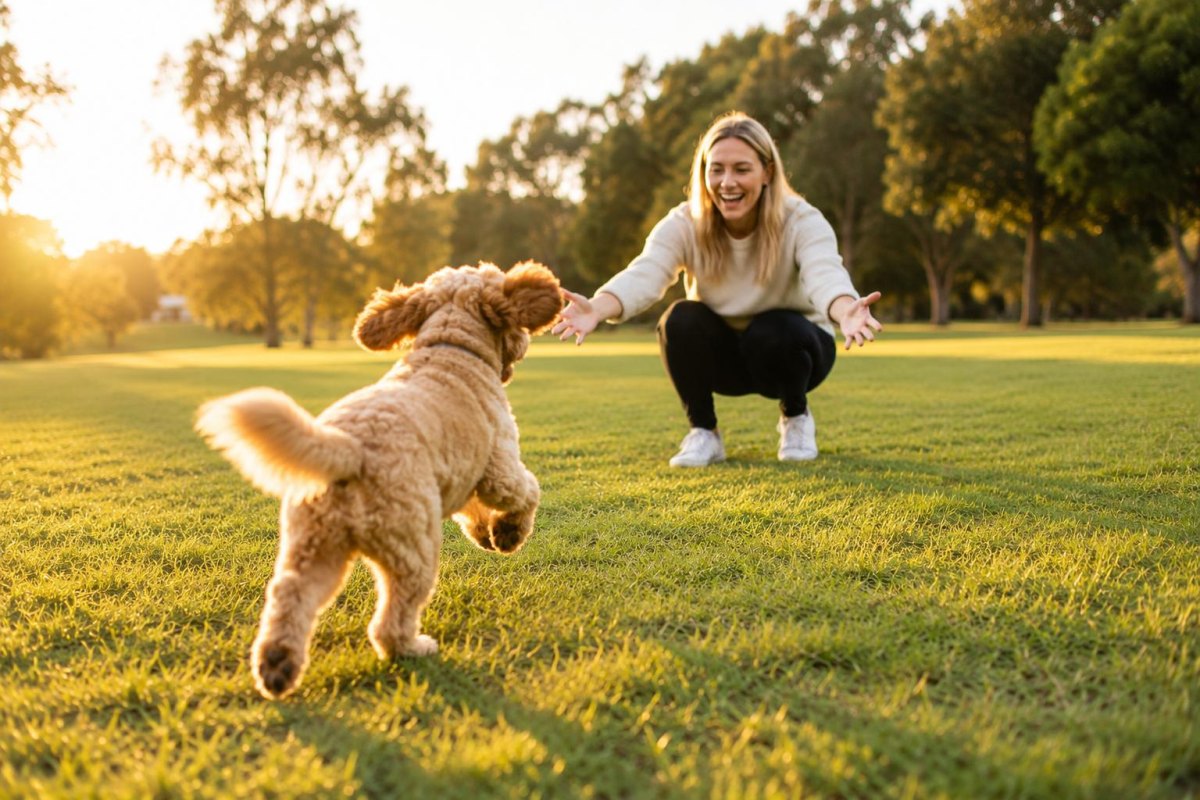
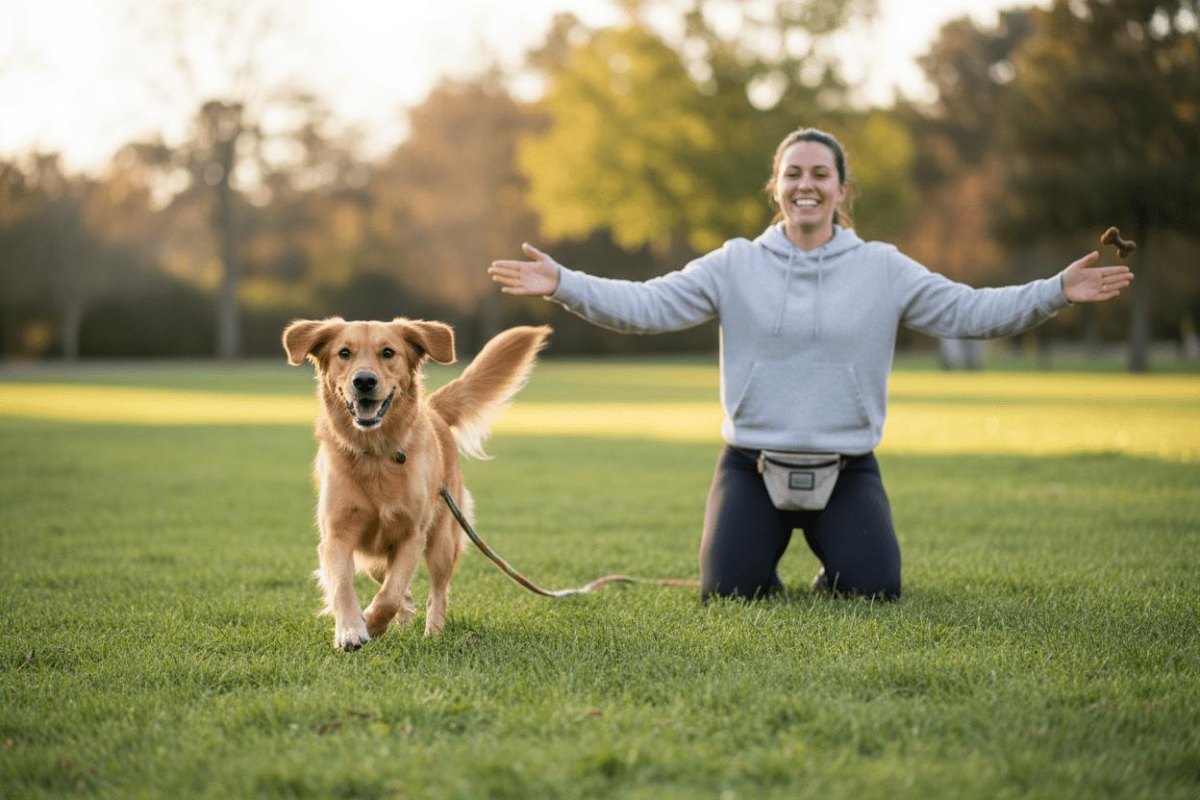
Recall is one of the commands I value most because it can affect safety. I protect the cue by making coming back rewarding and avoiding situations where the puppy learns ignoring recall works.
Teaching Your Puppy the Down Command
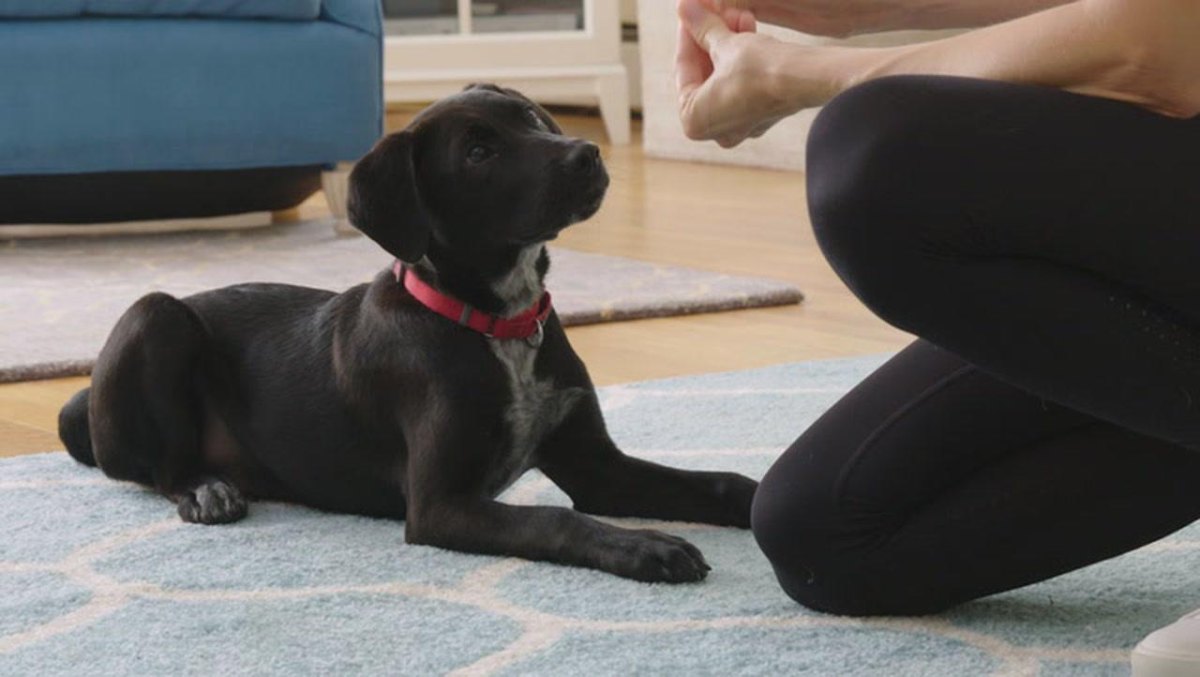
Down can help puppies settle, but I never force a puppy into position. I reward the moment they offer the behavior and build a habit of relaxed body language during training.
Training the Leave It Command for Safety
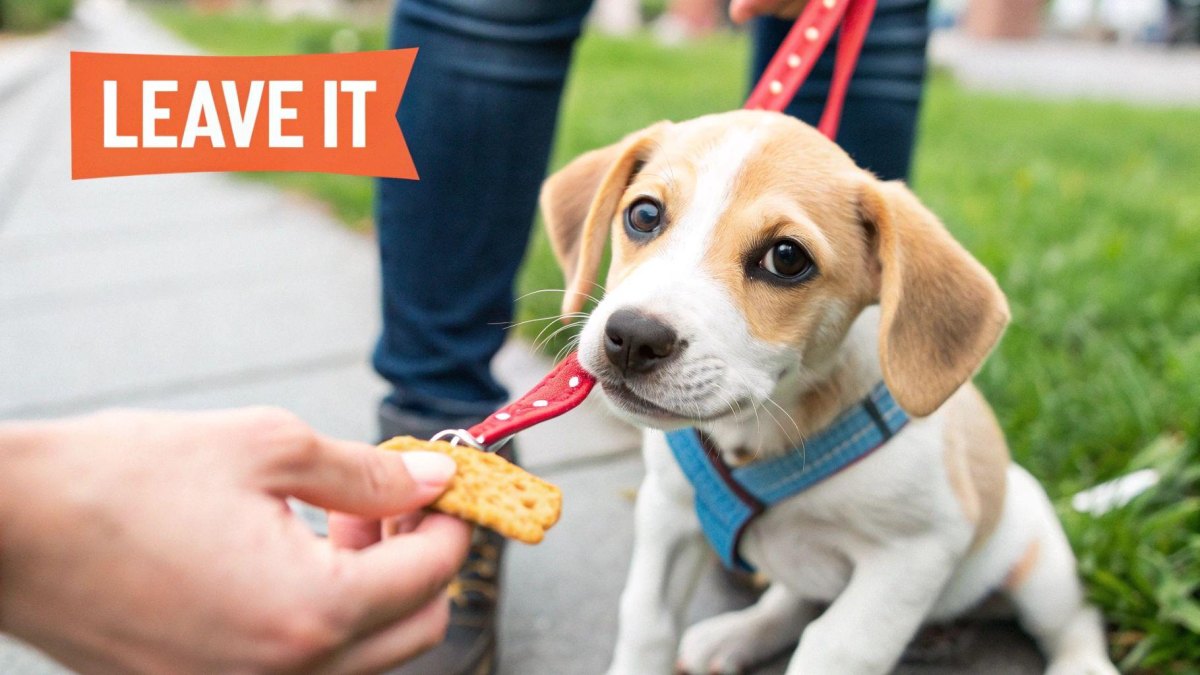
Leave it is not about taking things away angrily. I teach puppies that moving away from an item creates opportunities for better rewards, which makes the choice easier in real life.
My training tip
Practice before your puppy finds something exciting on the sidewalk. Prevention makes learning much easier.
Teaching the Drop It Command to Prevent Chewing Problems
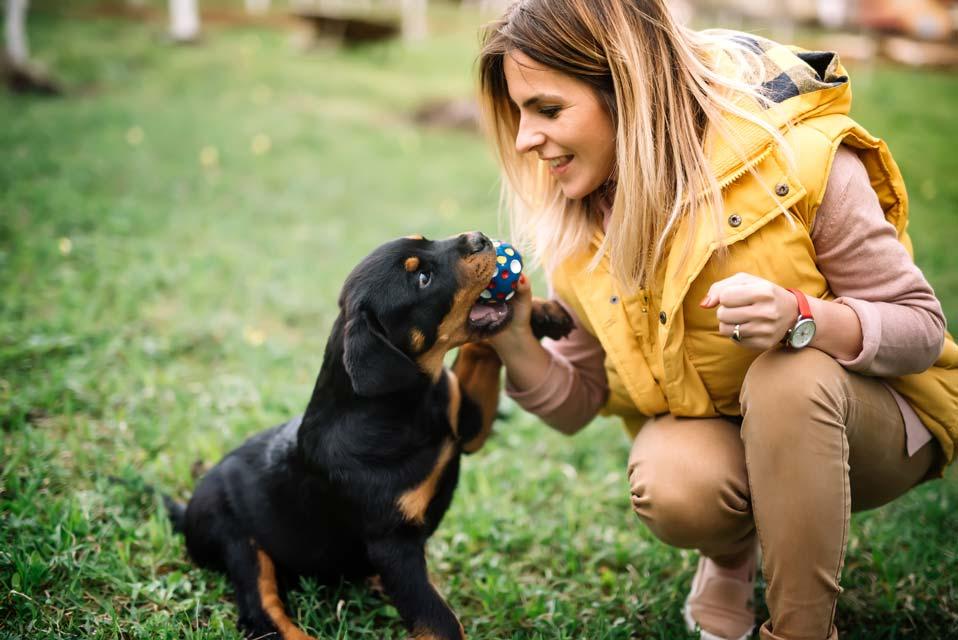
Puppies explore with their mouths, so drop it is a partnership skill. I trade objects rather than chase puppies because chasing creates games that are hard to undo.
Helping Your Puppy Learn the Heel Command
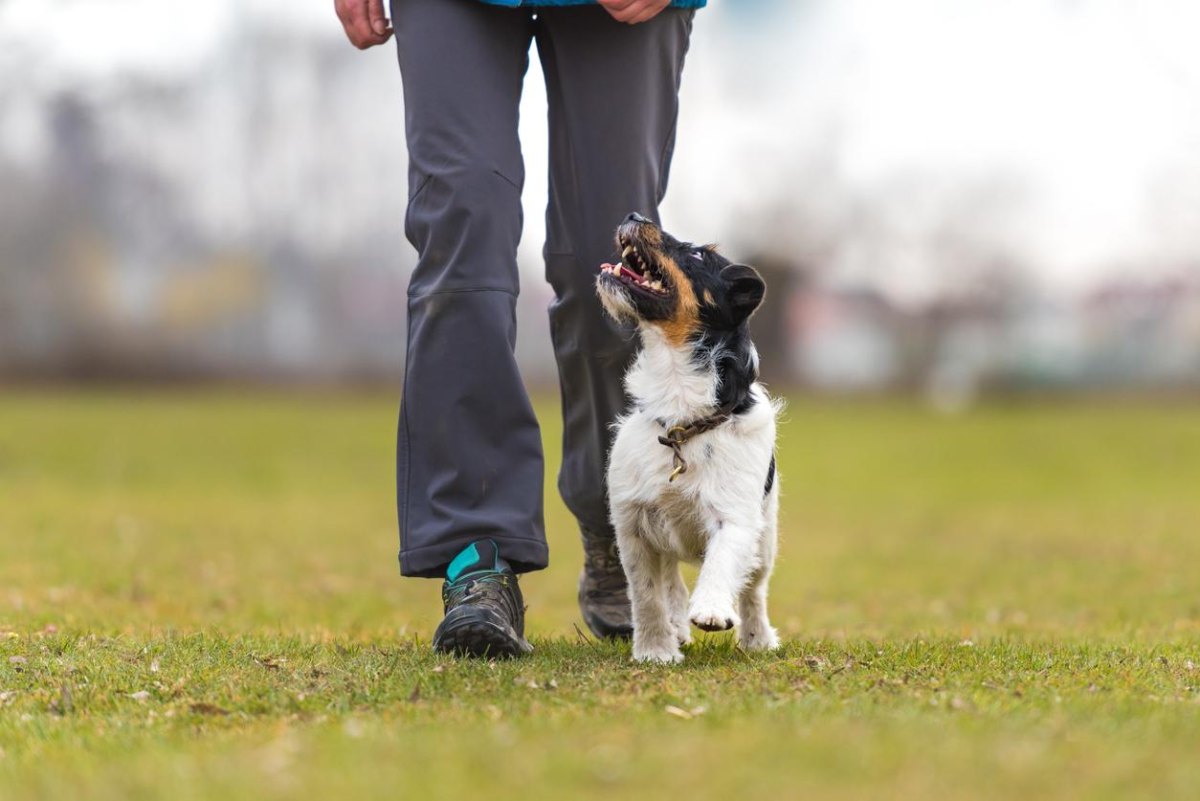
Heel is not my first leash goal with a young puppy. I build attention and loose walking first because realistic walking skills matter more than a competition-style position.
Training the Watch Me Command for Focus
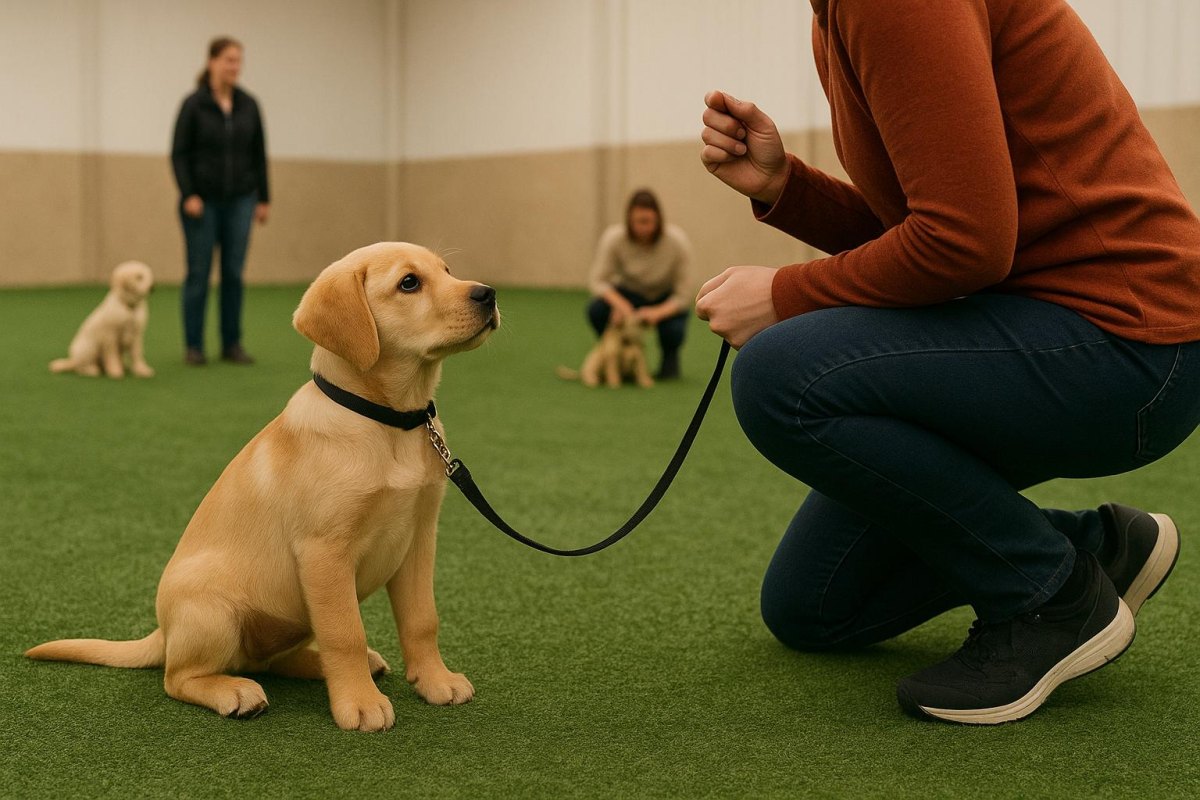
Watch me gives puppies a way to reconnect with us. I reward small moments of eye contact because voluntary focus grows into a useful habit.
Teaching the Place Command for Calm Behavior
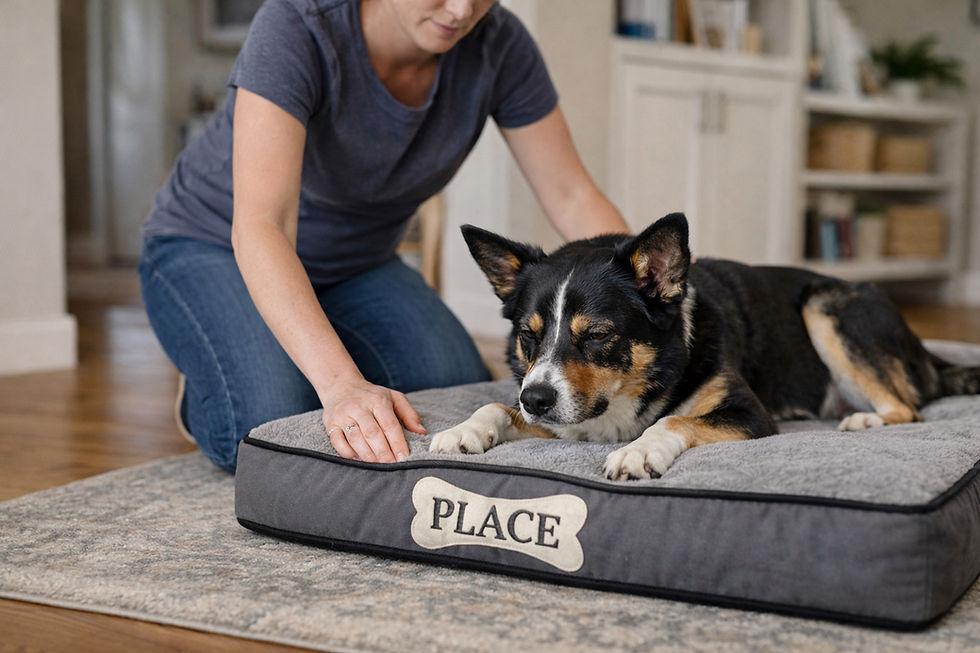
Place teaches a puppy where to settle. I use mats and beds as comfortable spaces, never as punishment, because calm routines need safety before they need duration.
Building Good Manners With the Wait Command
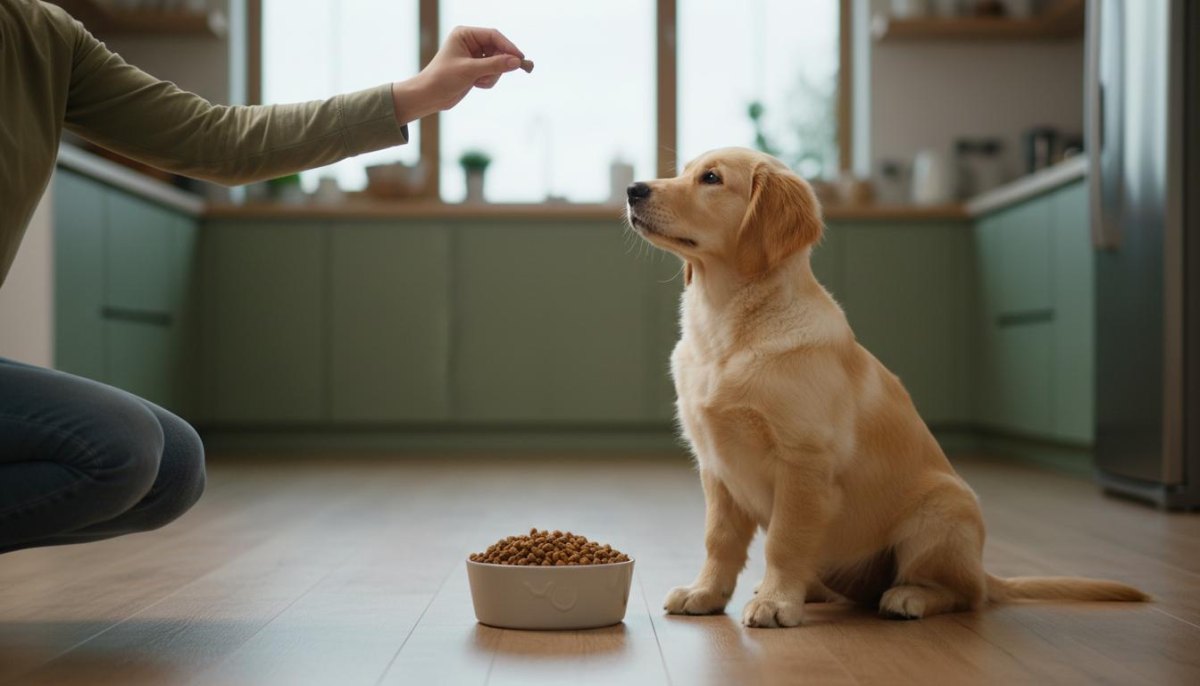
Wait helps puppies pause at doors, food bowls, and exciting moments. I teach it gradually because self-control is learned, not something puppies simply have.
Training Your Puppy to Respond to the Off Command
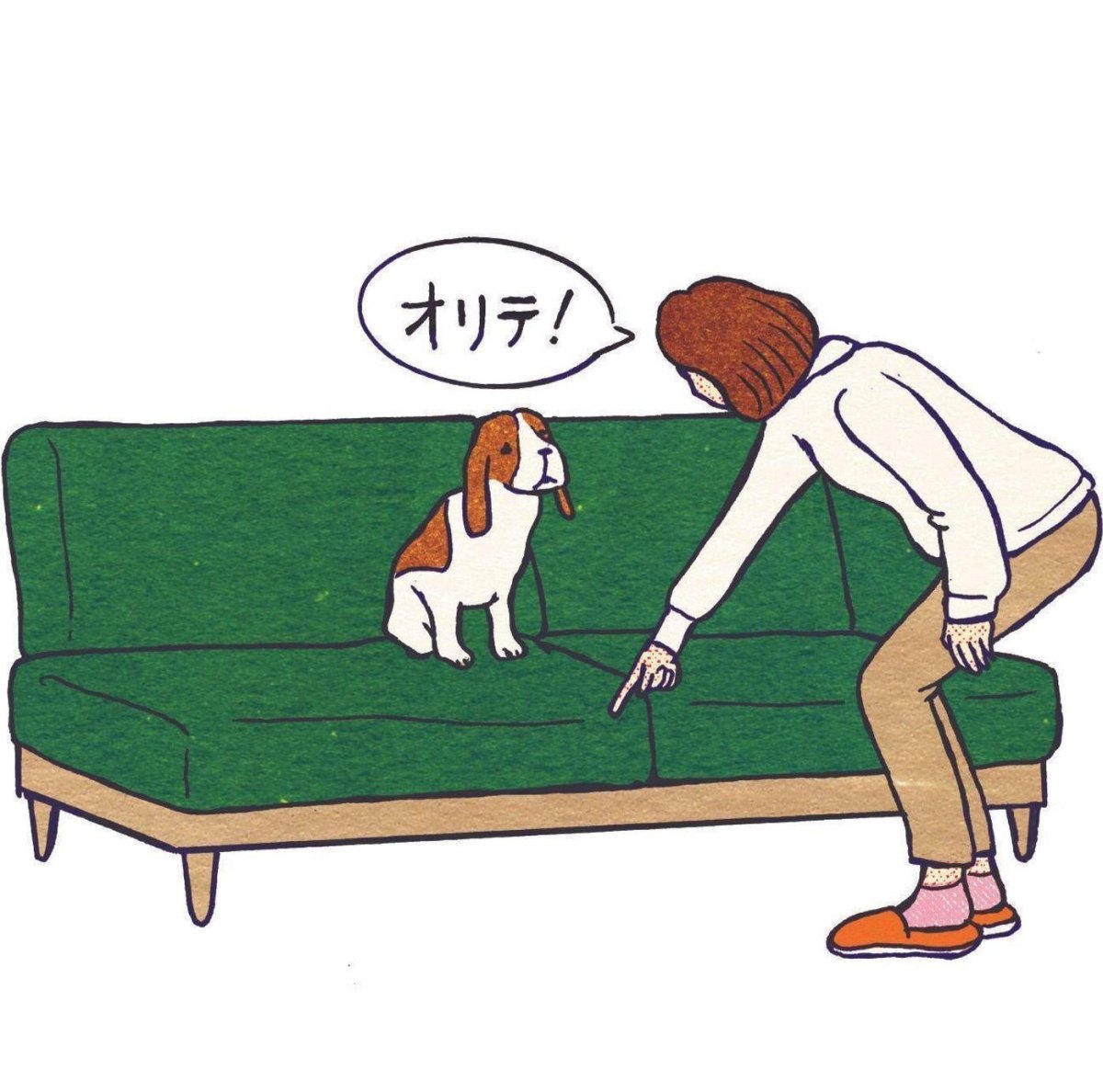
Off works best when puppies have another behavior to choose. I reward four paws on the floor because replacement behaviors last longer than repeated corrections.
Teaching the Quiet Command to Reduce Barking
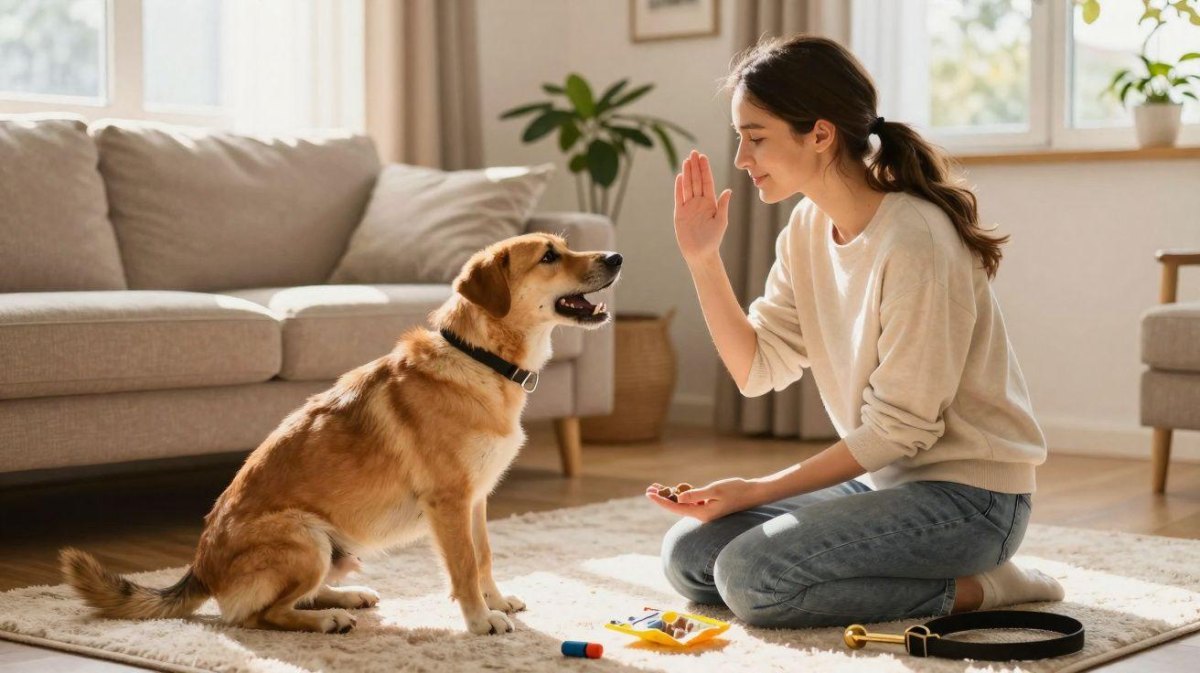
Barking tells us something, so I first ask why it is happening. Whether it is excitement, frustration, or alerting, finding the reason comes before teaching quiet.
Using the Touch Command for Puppy Communication
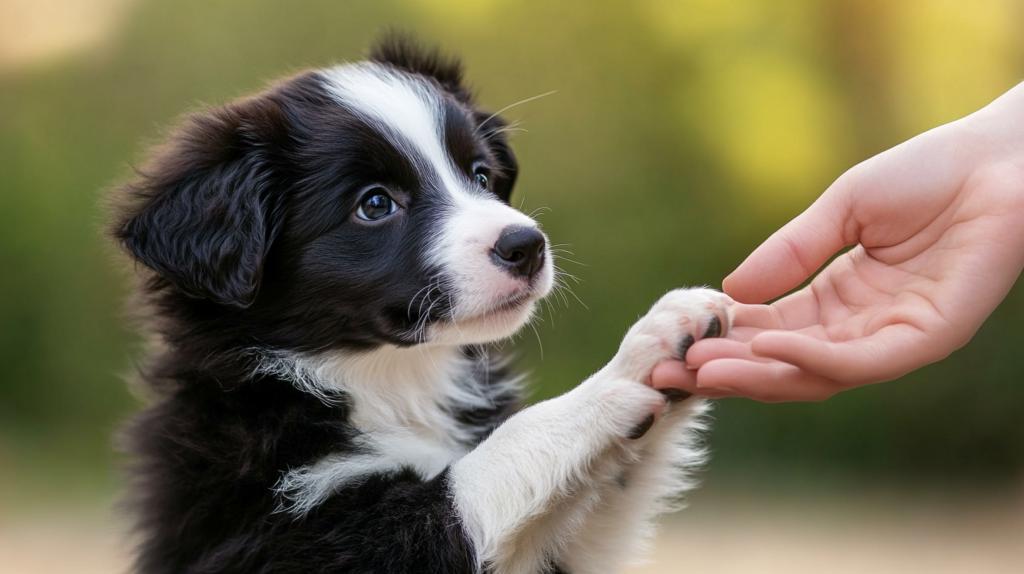
Touch is one of my favorite beginner exercises because it creates cooperation. A puppy choosing to touch my hand builds simple communication skills for many situations.
Teaching Your Puppy the Shake Command
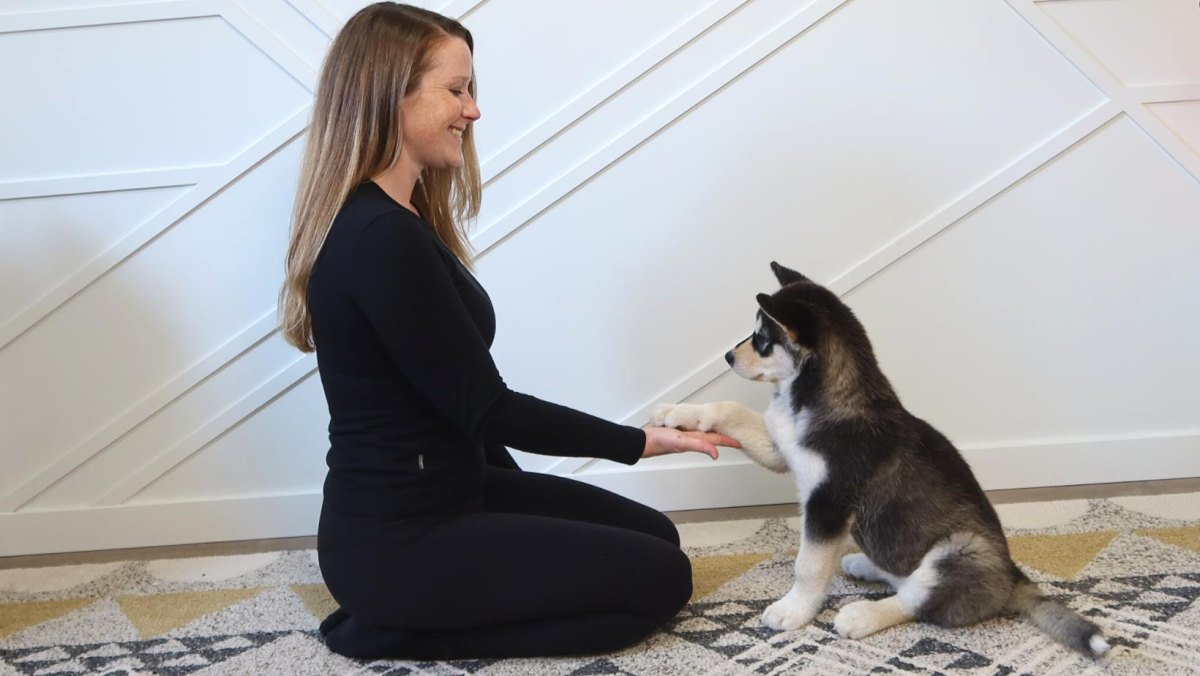
Shake is a fun trick, not a priority life skill. I use it after foundations are strong because joyful training moments help puppies enjoy learning.
Training the Spin Command for Fun Learning
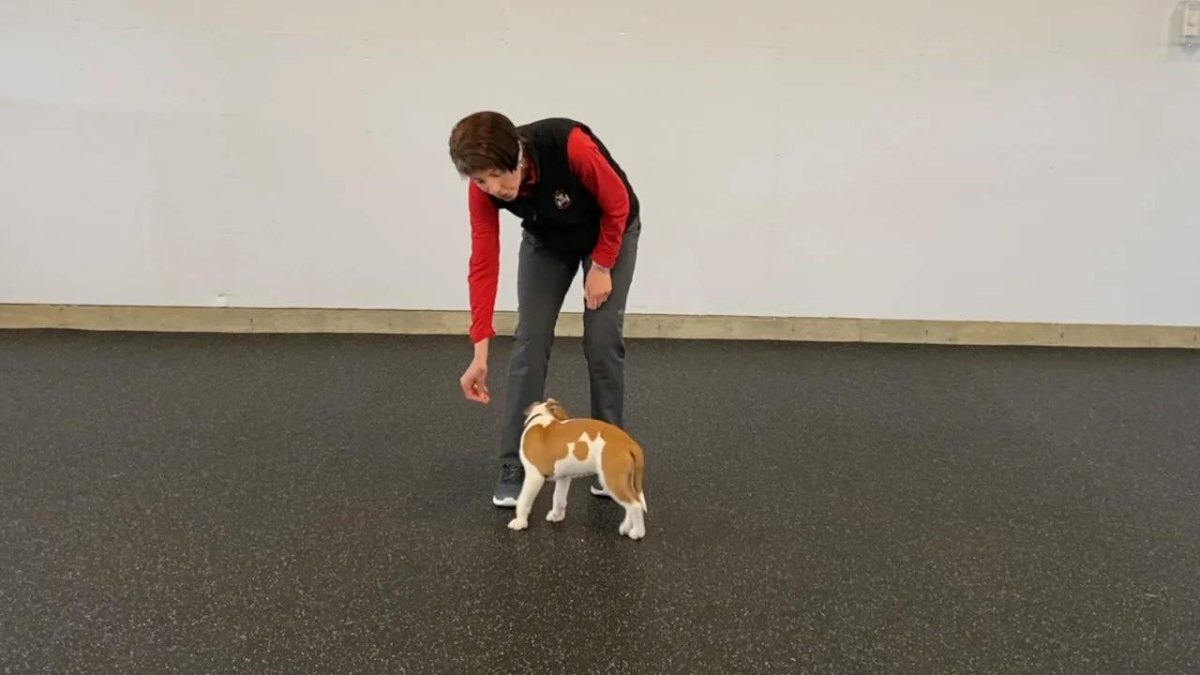
Spin is a playful behavior that teaches puppies to follow movement cues. I keep sessions short because successful repetitions matter more than tiring a puppy out.
Practicing Multiple Commands in Sequence
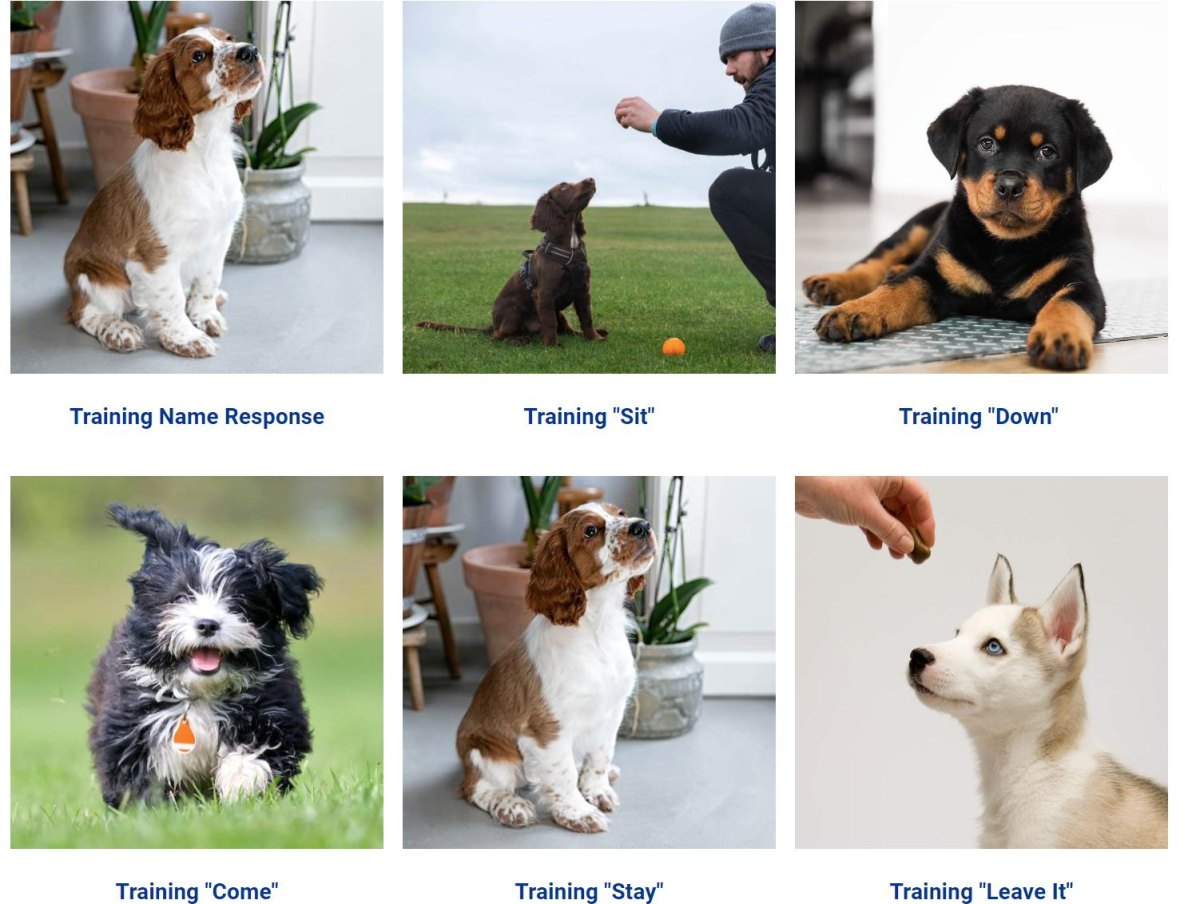
Once individual cues are reliable, I combine them slowly. I watch for tiredness, distraction, or stress because quality practice beats quantity every time.
Creating a Positive Puppy Command Training Routine
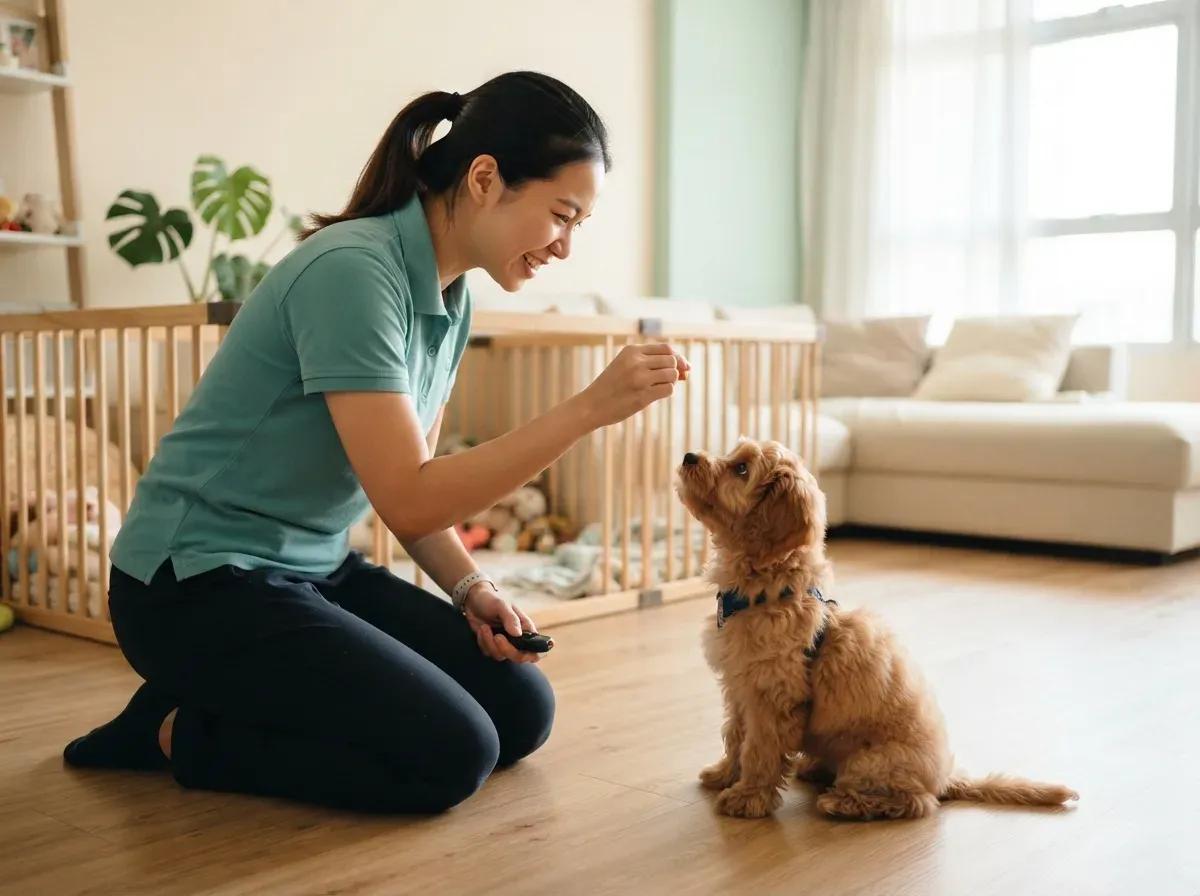
A good routine is built around consistency, not perfection. Ten focused minutes can be more useful than a long frustrating session because small wins create habits. I always finish training with something my puppy can succeed at.
Remember this
If your puppy struggles, lower the difficulty before assuming they are being stubborn. Learning happens best when the environment supports success.


More Pinterest Visuals