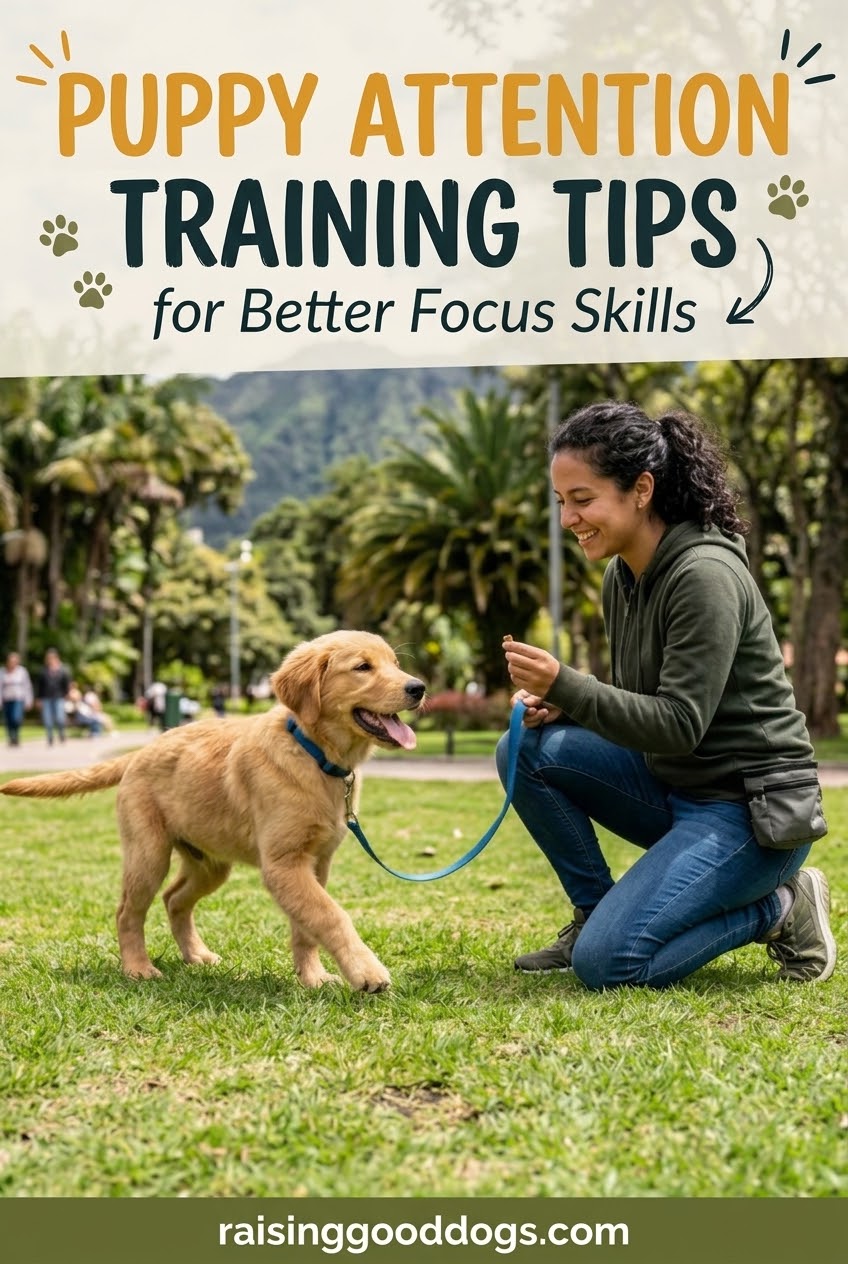
A puppy who ignores you while chasing a leaf is not being difficult; they are being a puppy. I have spent enough mornings in empty fields and quiet training rooms to know that attention is a skill, not something a dog simply arrives knowing. The goal is not a robot puppy who stares at you all day, but a dog who can check in when the world gets interesting.
I build focus slowly: first in easy places, then around real-life distractions. With Bruno, I learned that the boring repetitions are the ones that eventually make the hard moments possible. Small successful sessions beat one exhausting battle every time.
Building Focus Through Eye Contact

I start attention training by teaching puppies that looking at me is worthwhile. Before asking for eye contact outside, I make the environment easier: fewer sounds, fewer smells, fewer reasons for the puppy to choose something else. Quiet practice spaces help a puppy learn the game before distractions arrive.
My starting point
- Reward voluntary glances instead of demanding a long stare.
- Keep sessions short enough that your puppy wants another turn.
- Notice body language like relaxed ears, soft eyes, and loose movement.
I usually mark the instant the puppy looks toward me and reward immediately. That tiny moment becomes the foundation for reliable check-ins later on walks and in busy places.
Teaching Your Puppy to Respond to Their Name
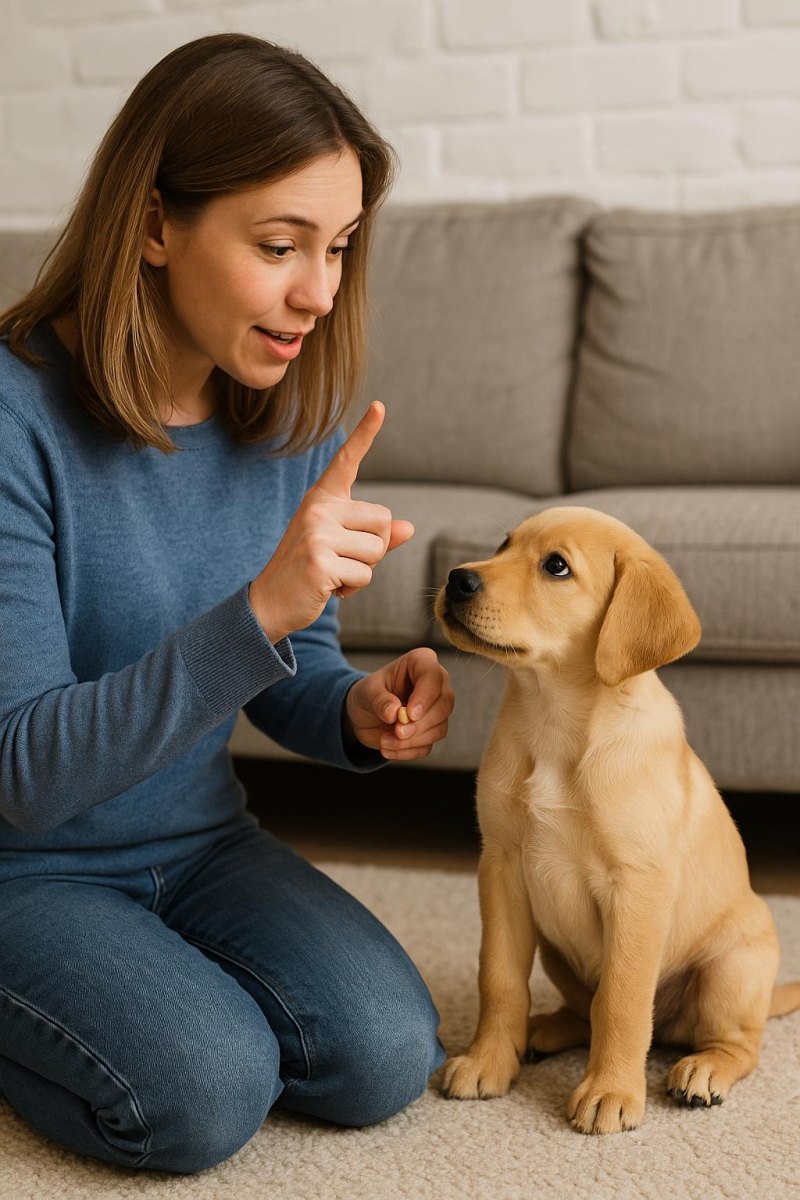
Your puppy’s name should be a good-news word, not a warning that something unpleasant is coming. I teach it by saying the name once, rewarding the head turn or glance, and repeating that association in easy situations first. Name recognition training works because the sound predicts something positive.
A common mistake I see is repeating a name ten times while the puppy continues sniffing the floor. I would rather lower the difficulty and protect the cue so it keeps its meaning. One clear response is more valuable than many ignored repetitions.
Using Rewards to Strengthen Attention Skills
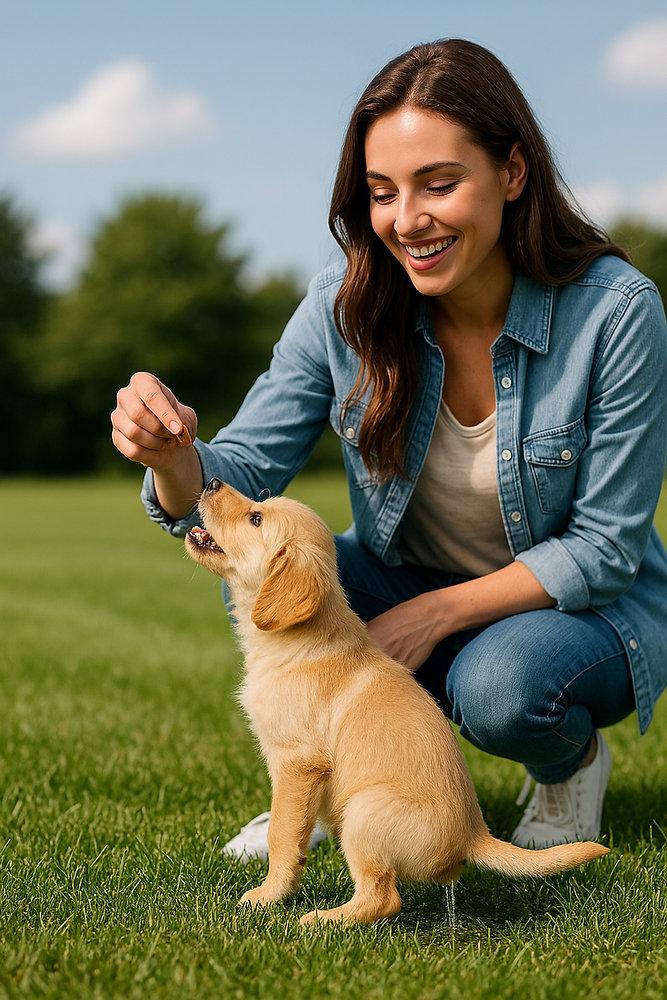
Rewards are not bribery; they are information. They tell a puppy, “That choice worked.” I use food, play, and praise depending on the individual dog because every puppy has their own currency. Reward-based training helps create behaviours we want to see again.
What rewards can improve
- Motivation during learning.
- Confidence when trying new skills.
- Clear communication between dog and person.
What to avoid
- Only rewarding after frustration appears.
- Using rewards while ignoring stress signals.
- Expecting adult-level focus from a young puppy.
I also fade rewards thoughtfully as skills grow, but I never make a puppy guess whether their good choices matter. Consistent reinforcement builds habits that last beyond the treat pouch.
Practicing Attention Around Distractions
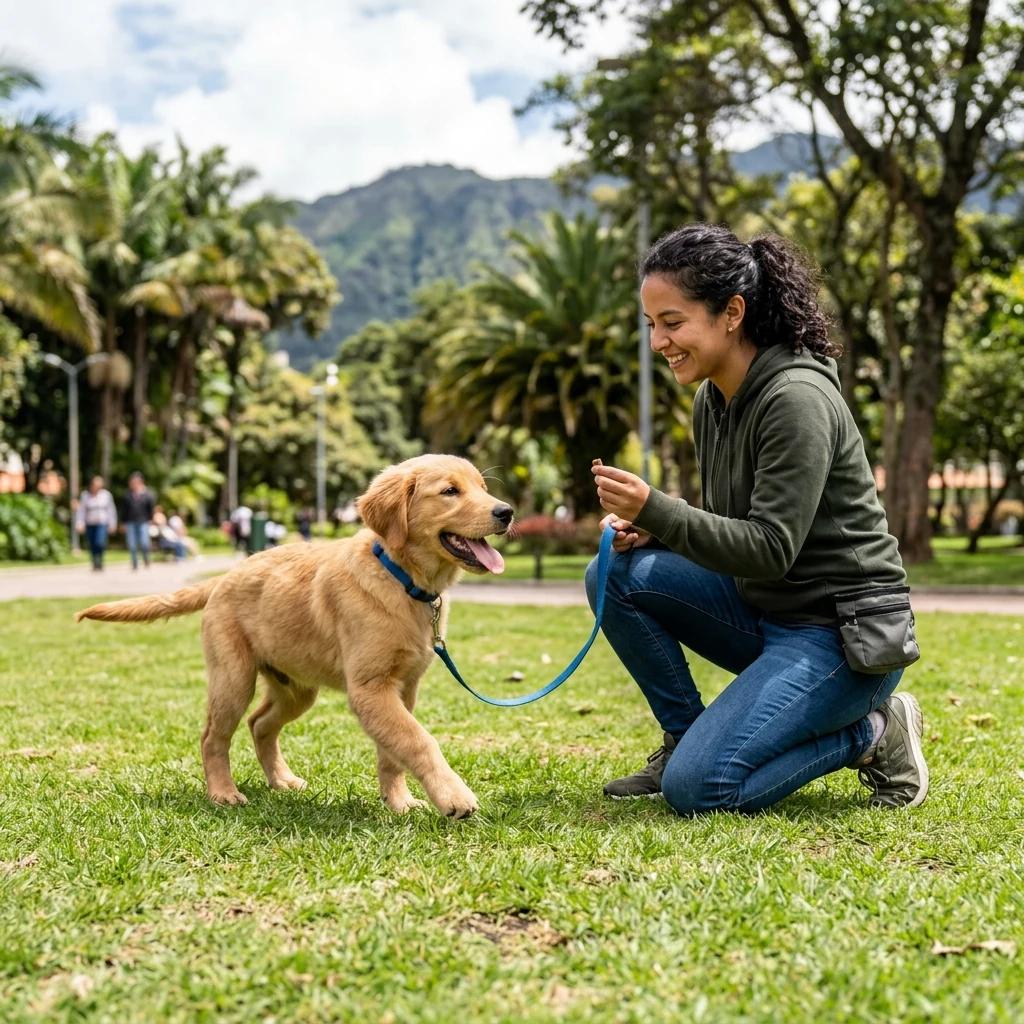
The first time a puppy ignores you outdoors, many owners think training has failed. Usually, the environment has simply jumped from level one to level ten. I move gradually, adding distractions only when the puppy can succeed. Controlled exposure is how we build real-world attention.
A training tip I use often
If your puppy cannot take food, look at you, or move calmly, the lesson is probably too hard. Increase distance, reduce distractions, and try again.
Watch the small signs before your puppy loses focus: a closed mouth, sudden freezing, weight shifting forward, or frantic scanning. Those moments are your information. Early body-language clues give you time to help instead of waiting for a struggle.
Creating Short Daily Attention Training Sessions
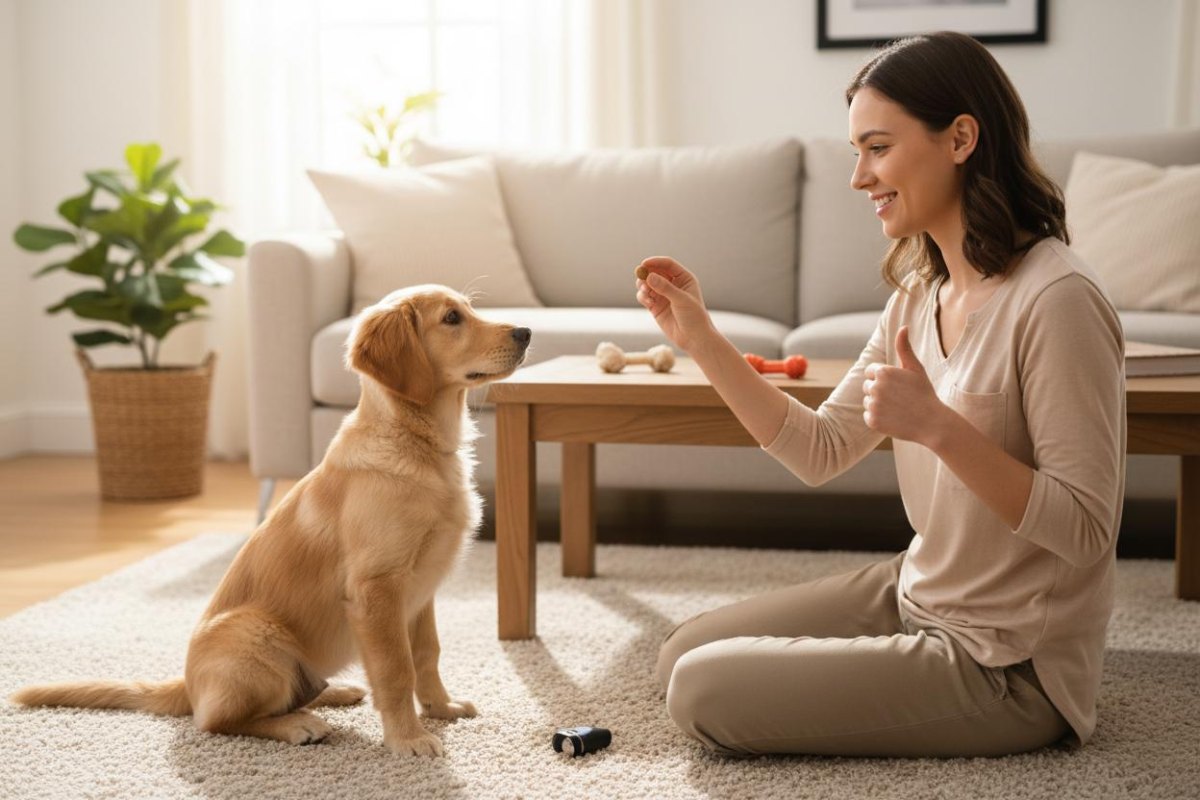
Puppies do not need marathon lessons. In fact, long sessions often create frustration for both ends of the leash. I prefer several tiny practices woven into normal life: waiting for dinner, checking in during a walk, or looking at me before going through a door. Short daily sessions keep learning enjoyable.
Most puppies need weeks and months of gradual practice before attention feels automatic in difficult places. A setback does not mean you have gone backward; it means the training plan needs adjusting. Steady progress is what creates a dependable companion.



More Pinterest Visuals