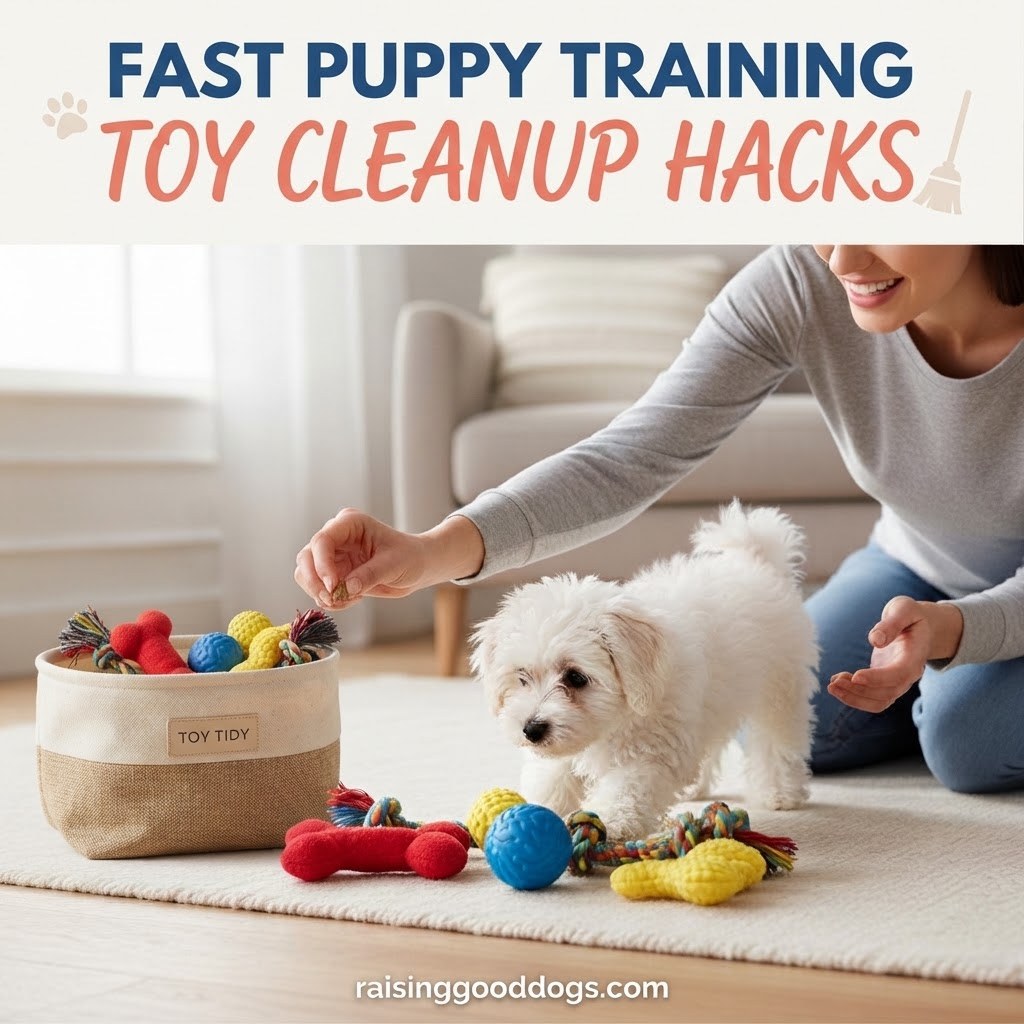
After a puppy training session, the toys are usually the last thing anyone wants to deal with. I have learned that a simple cleanup routine keeps the next session smoother, especially when a puppy has been working with food puzzles, chews, and reward toys.
I focus on keeping the process realistic: clean what needs cleaning, inspect what needs replacing, and avoid turning toy care into another exhausting chore. small daily habits make a bigger difference than occasional deep cleans.
Cleaning Puppy Training Toys After Play Sessions
My quick cleanup approach
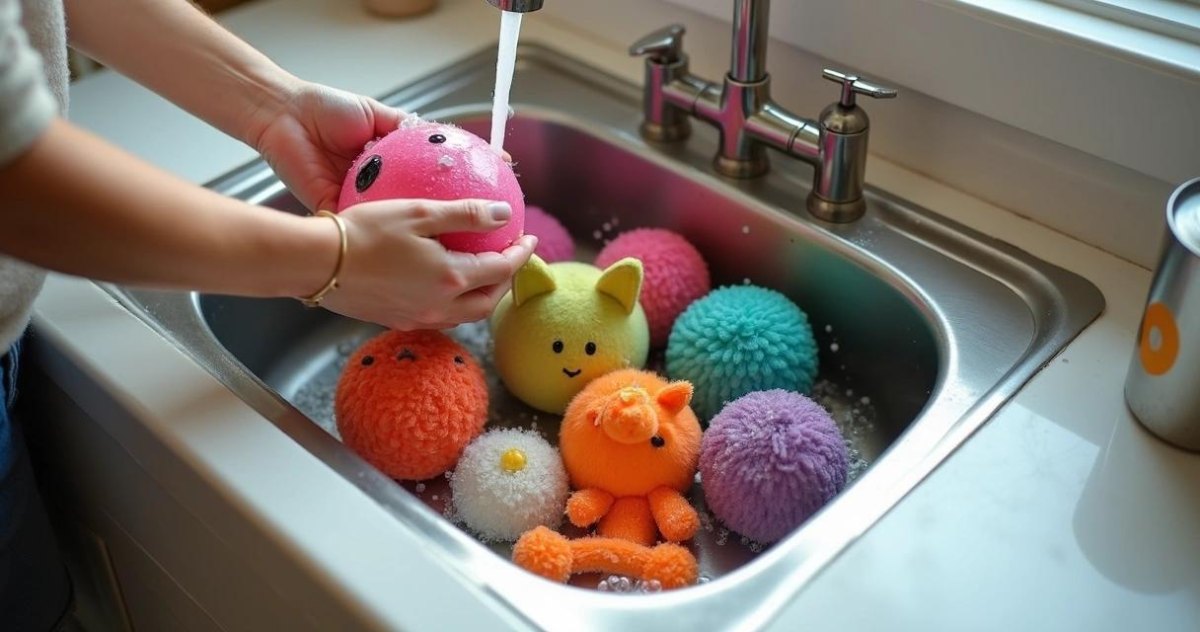
- Remove leftover food from enrichment toys.
- Wash slobbery toys before residue dries.
- Check for damage before returning toys.
I clean food-filled toys after use because leftover treats can become a messy problem fast. The CDC recommends regularly cleaning pet items because toys can carry germs from pets, food, and the environment. post-training cleanup is part of managing the environment, just like putting treats away.
I also look at the toy itself. A cracked rubber edge or loose piece is not a cleaning issue; it is a safety issue. Cleaning cannot repair a toy that has reached the end of its useful life.
Sorting Dirty Toys Before Puppy Training Cleanup
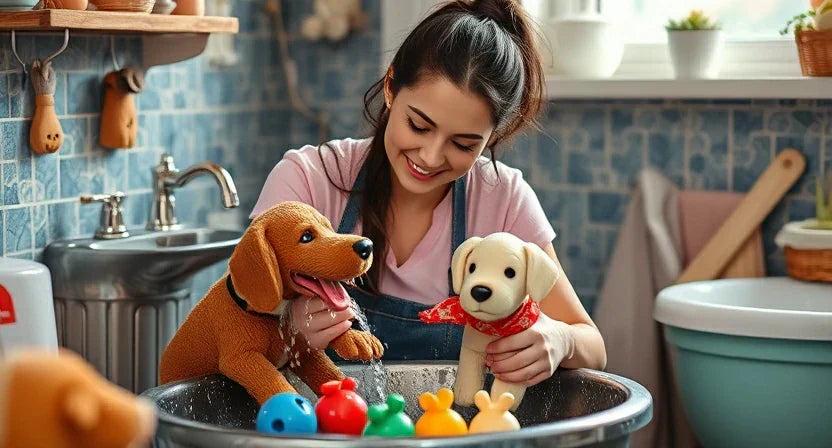
- Rubber toys: Usually easy to rinse, scrub, and inspect.
- Fabric toys: Need care based on washing instructions and construction.
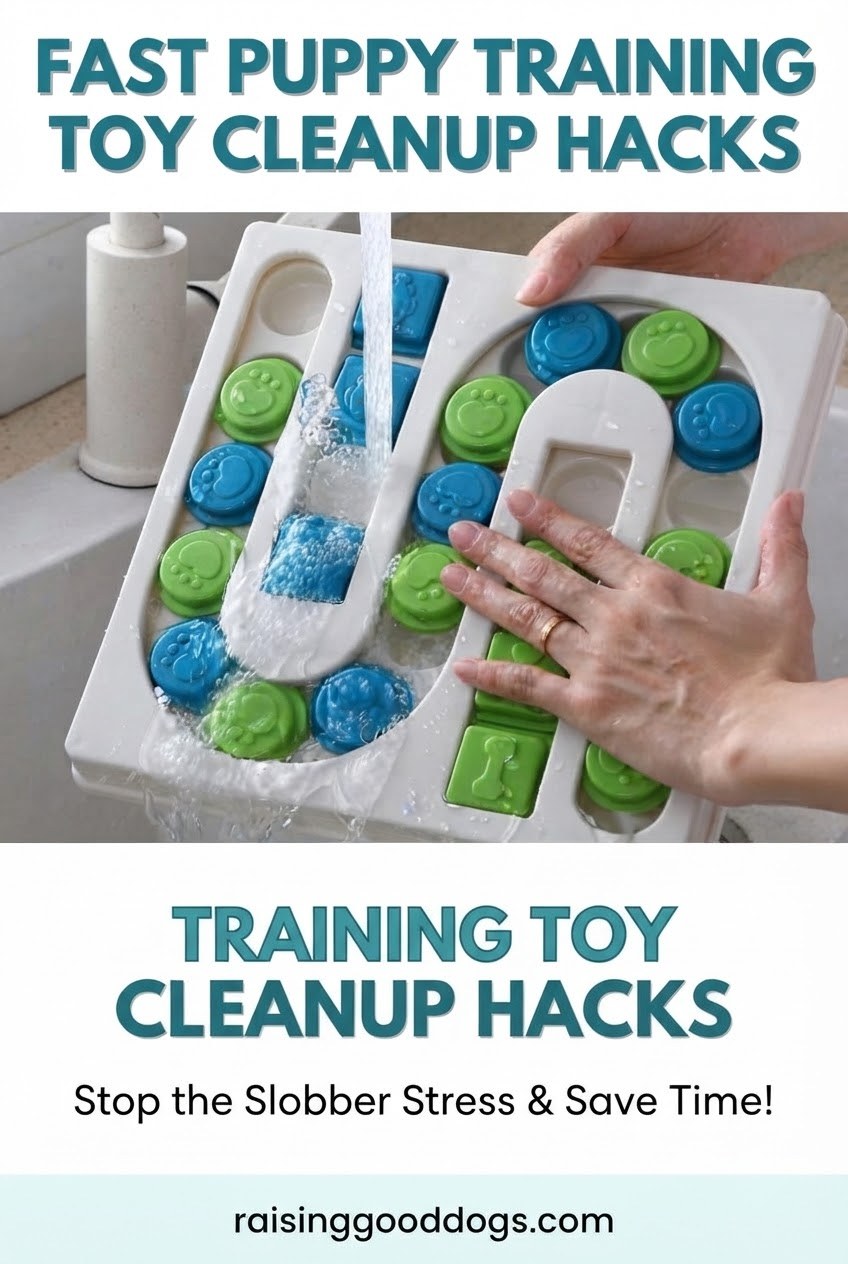
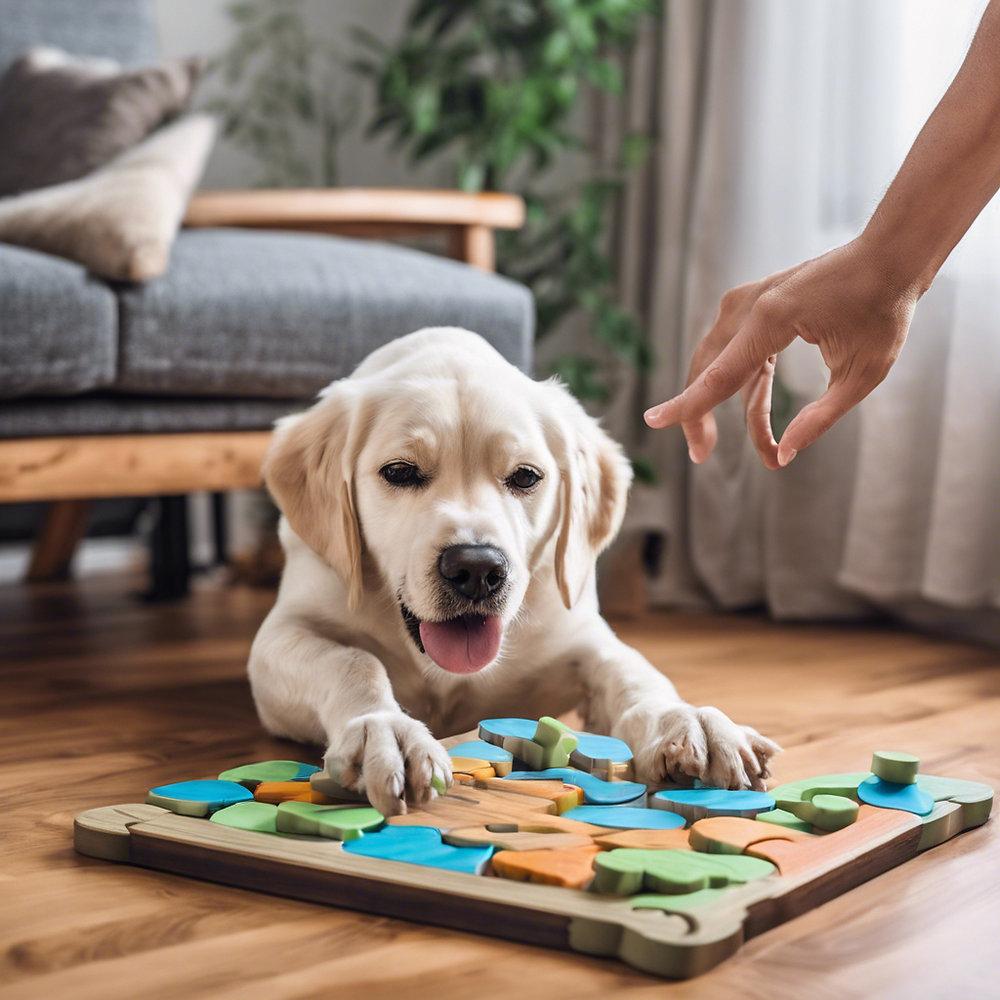
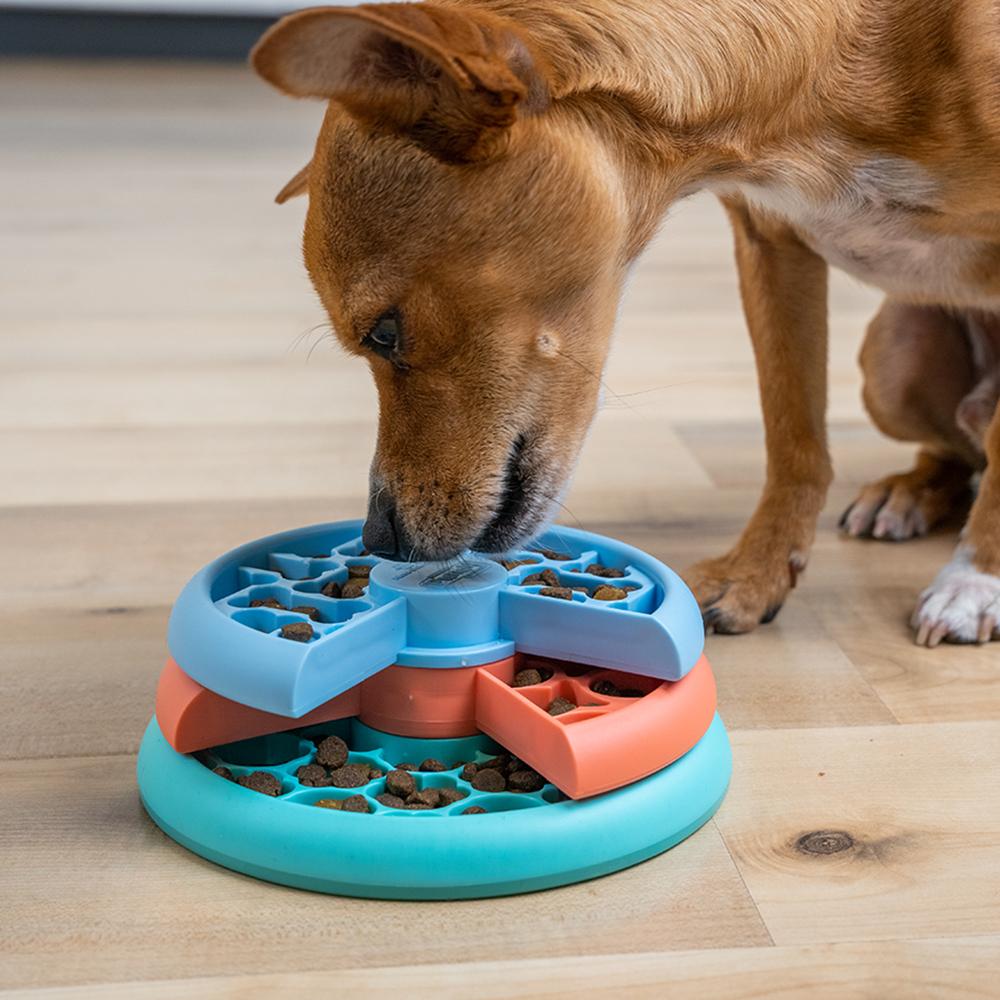
- Food puzzles: Need extra attention because crumbs hide inside.
I sort toys before I wash them because a rope toy and a rubber feeder do not need the same treatment. material matters when you want toys to last and stay safe.
This is one of those boring little systems that saves time. I would rather spend two minutes sorting than discover a soggy plush toy sitting in the wrong laundry pile later.
Washing Rubber Puppy Training Toys Safely
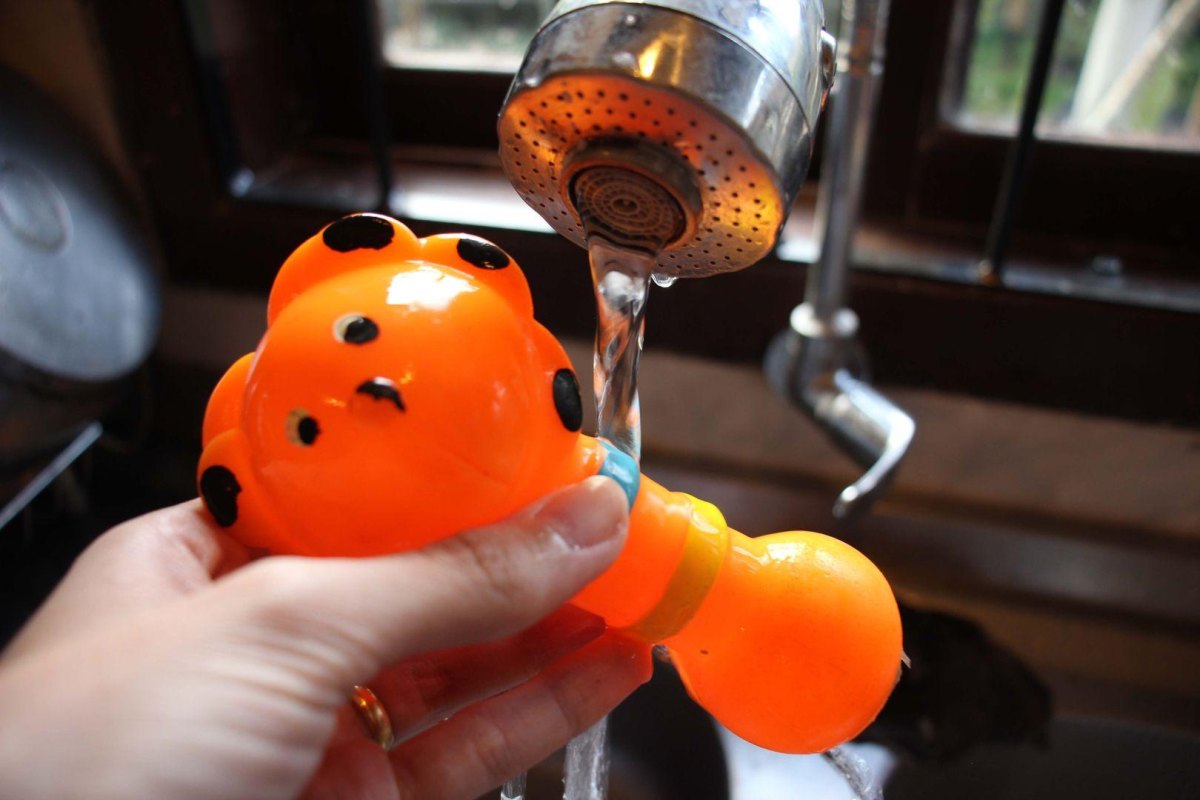
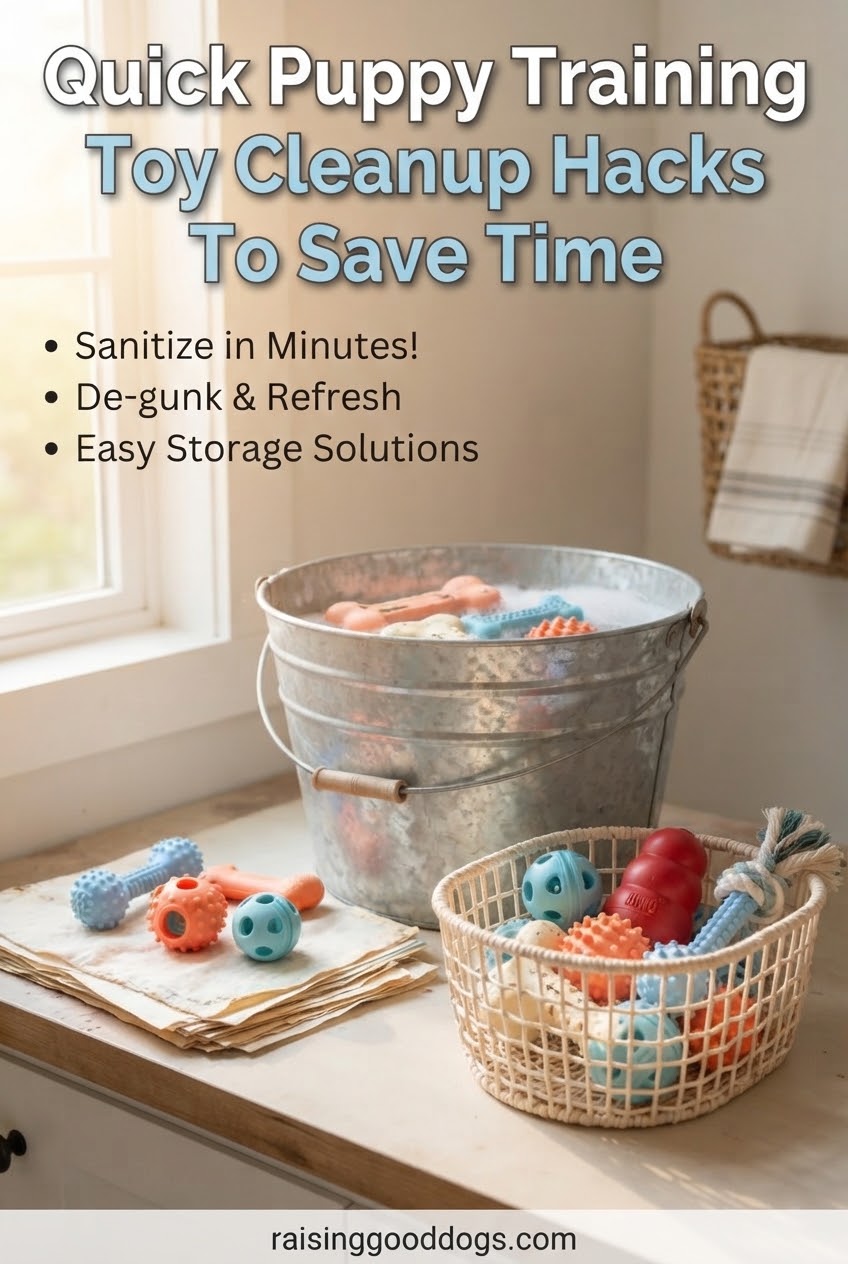
- Rinse. Remove loose food and surface dirt with warm water.
- Scrub. Use a brush for grooves and hard-to-reach areas.
- Dry. Let the toy fully dry before refilling it.
For rubber enrichment toys, I usually start with warm water and mild soap. KONG advises washing rubber toys with warm water and soap, using a brush for stubborn residue, and checking care instructions because some toys differ. gentle cleaning is usually enough.
I avoid turning every toy wash into a chemistry project. The goal is removing dirt and food residue without leaving something behind that my dog will chew on.
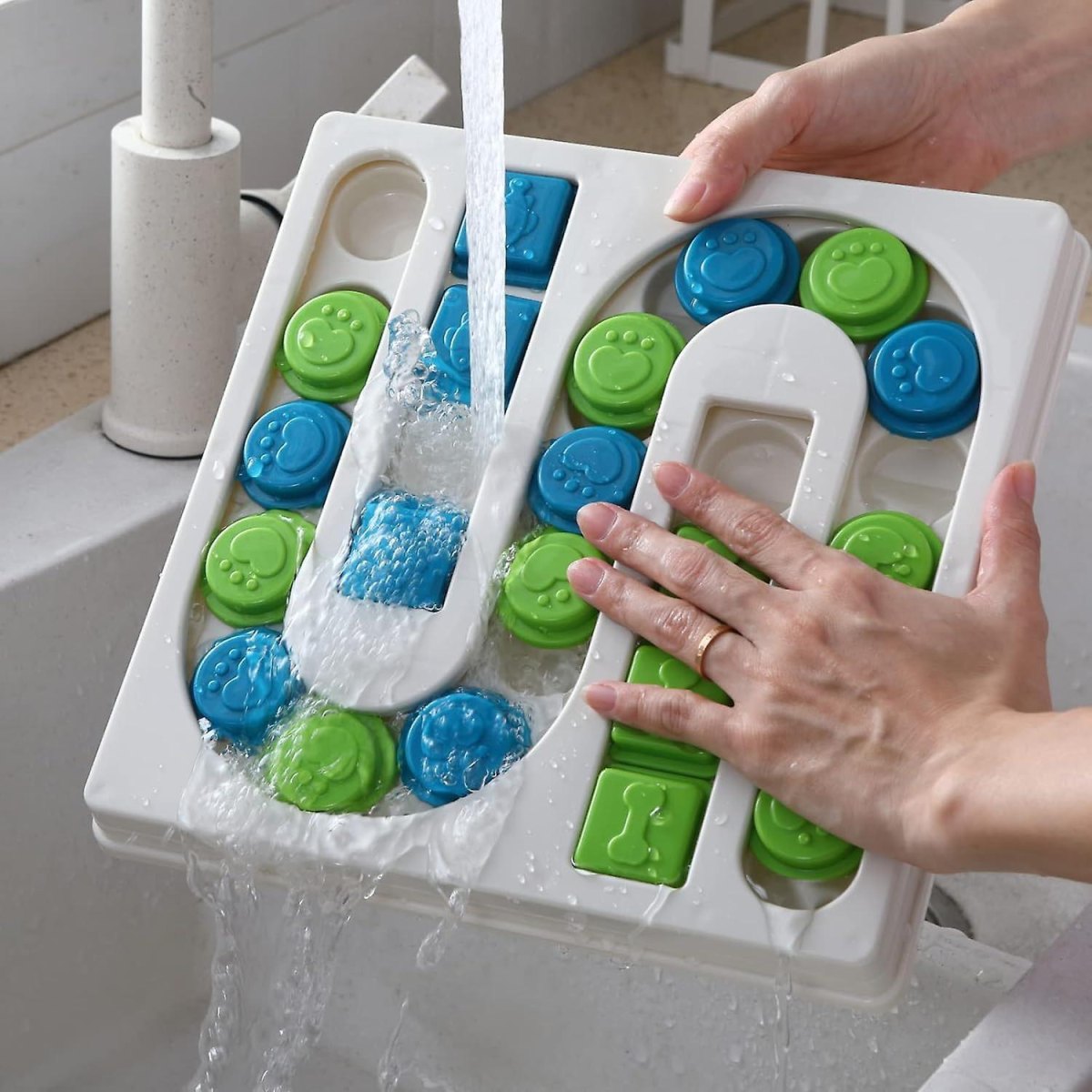
Disinfecting Puzzle Toys and Treat Feeders
A useful reminder
Cleaning and disinfecting are different steps. Follow product labels carefully and only use methods suitable for the toy material.
I pay the most attention to puzzle toys because food gets trapped in places I cannot always see. hidden food residue is usually the reason a toy starts smelling unpleasant.
The CDC notes that cleaning removes dirt and germs, while disinfecting is an additional step used in specific situations. I do not disinfect every toy after every use; I match the approach to the situation and the manufacturer's instructions.
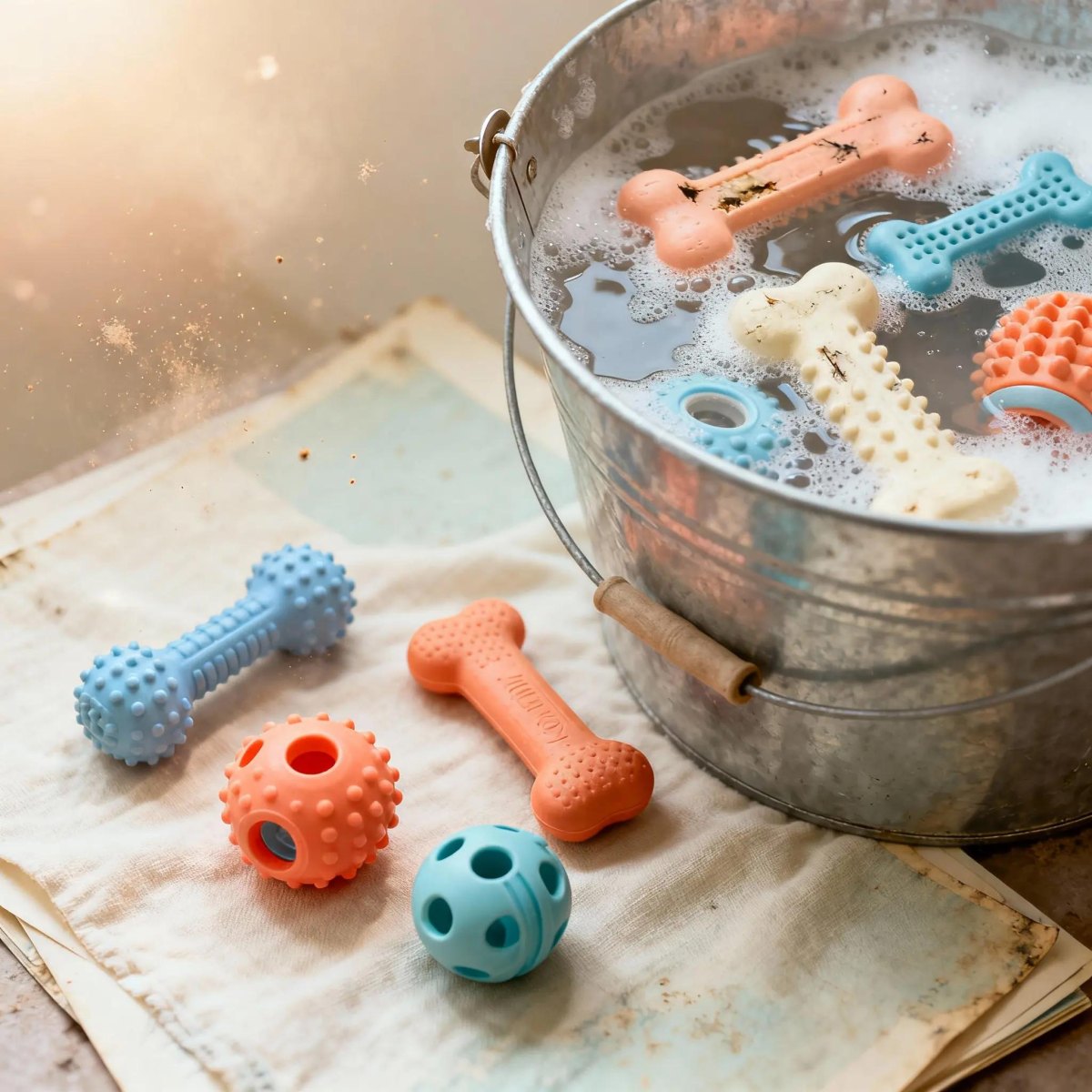
Drying Puppy Toys to Prevent Bacteria Growth
| Toy type | Drying habit |
|---|---|
| Rubber feeder | Air dry with openings exposed |
| Plush toy | Follow fabric care instructions and dry fully |
A wet toy put straight back into rotation is a recipe for musty smells. complete drying is the step people skip most often.
I spread toys out so air can move around them. It takes longer than tossing everything into a pile, but it keeps the toy collection much nicer between training sessions.
Organizing Clean Toys for Future Training
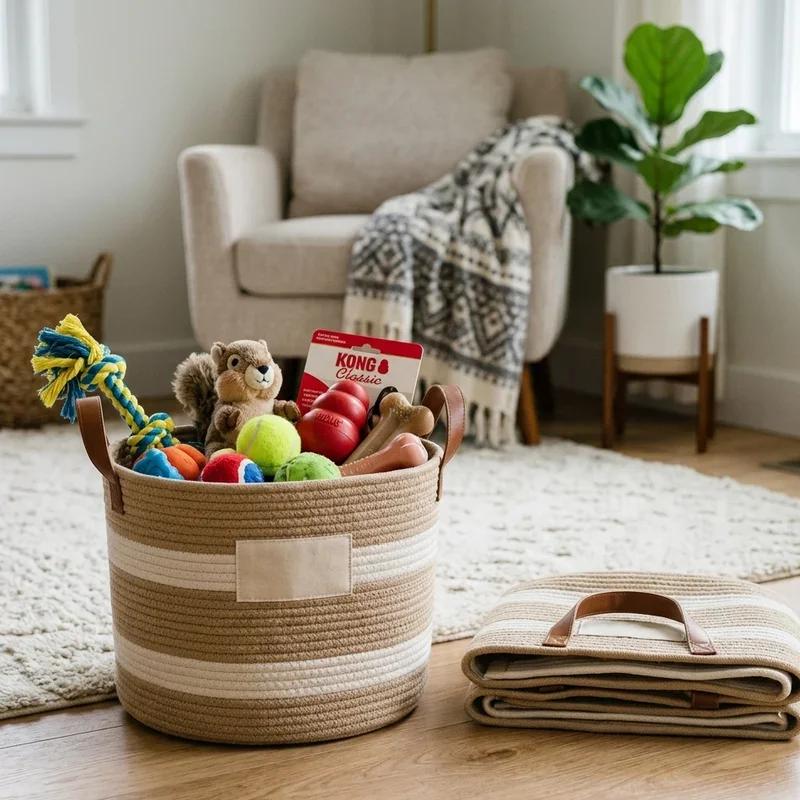
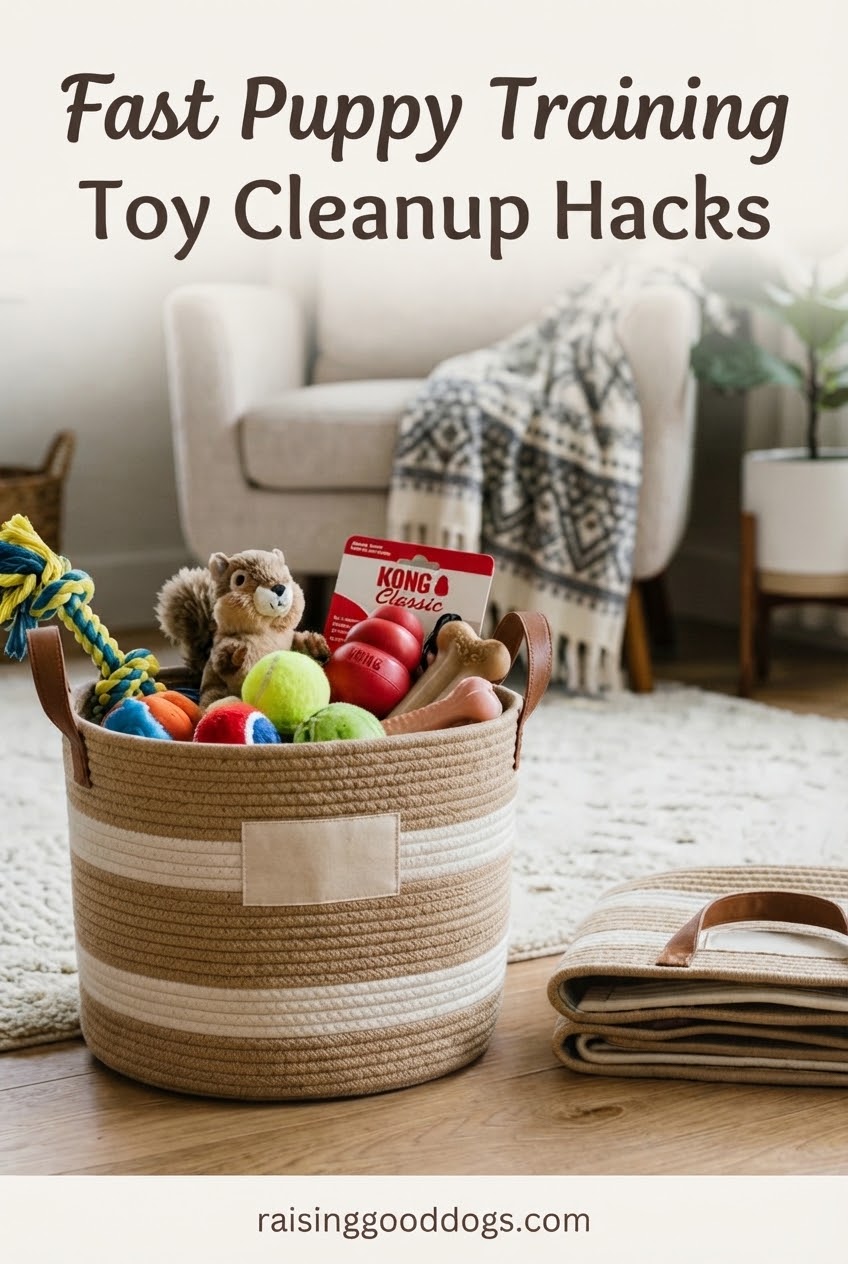
The basket system I like
I keep clean training toys together so I am not hunting for a treat pouch, puzzle feeder, and toy at the same time.
Good organization is not about having a perfect home. It is about reducing friction before training starts. easy access helps me choose the right toy for the dog in front of me.
With Bruno, especially as he has gotten older, I have learned that preparation matters. A calm setup beats scrambling around while a dog waits.
Removing Fur and Dirt From Puppy Training Gear
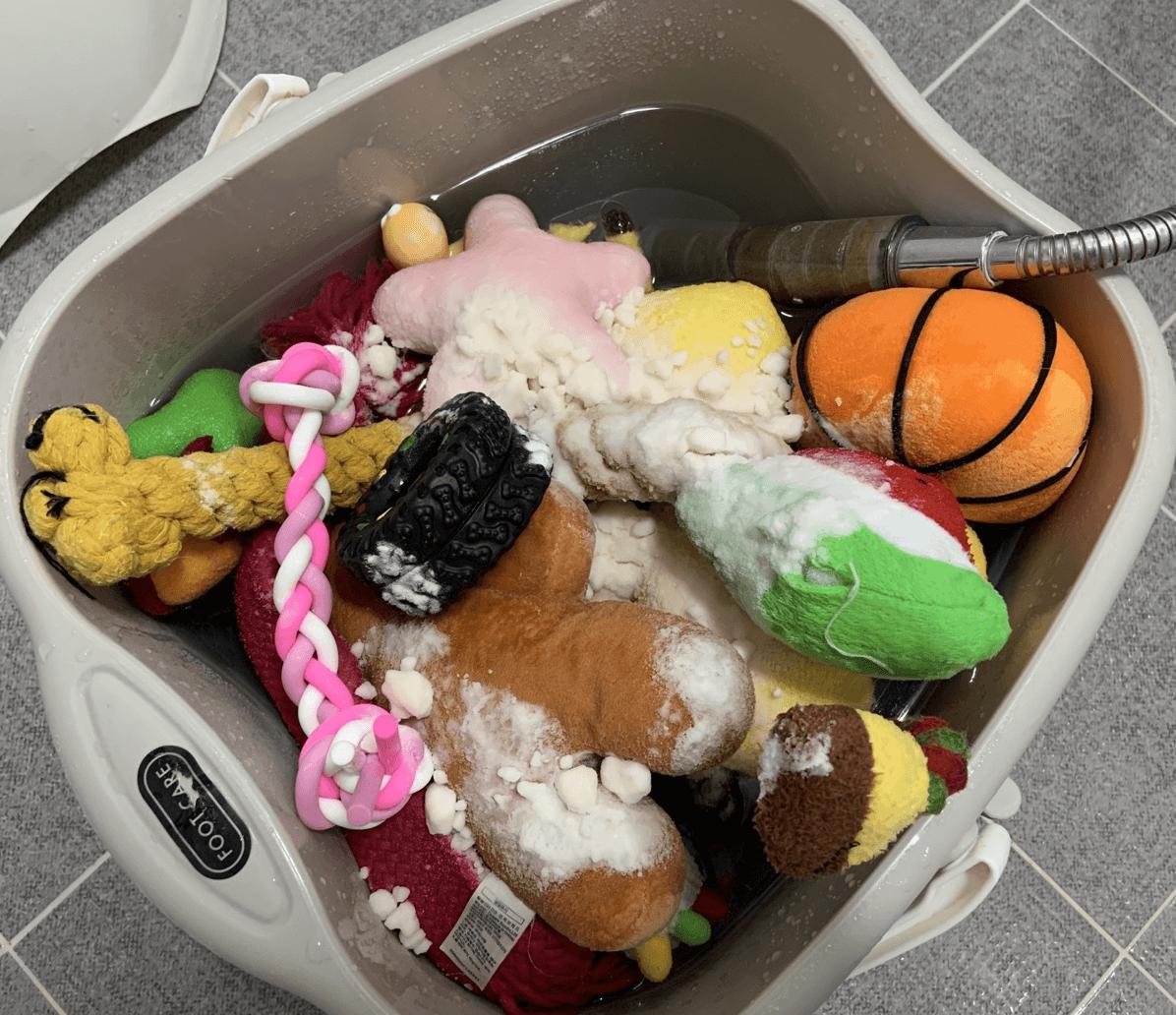
Training gear collects more than drool. It collects grass, dirt, and fur from every adventure. regular inspections help me catch wear before it becomes a problem.
I learned this during my veterinary years: small changes are easier to handle when you notice them early. A strange smell, a damaged seam, or a sudden change in how a dog interacts with equipment deserves attention.
Maintaining a Regular Puppy Toy Cleanup Routine
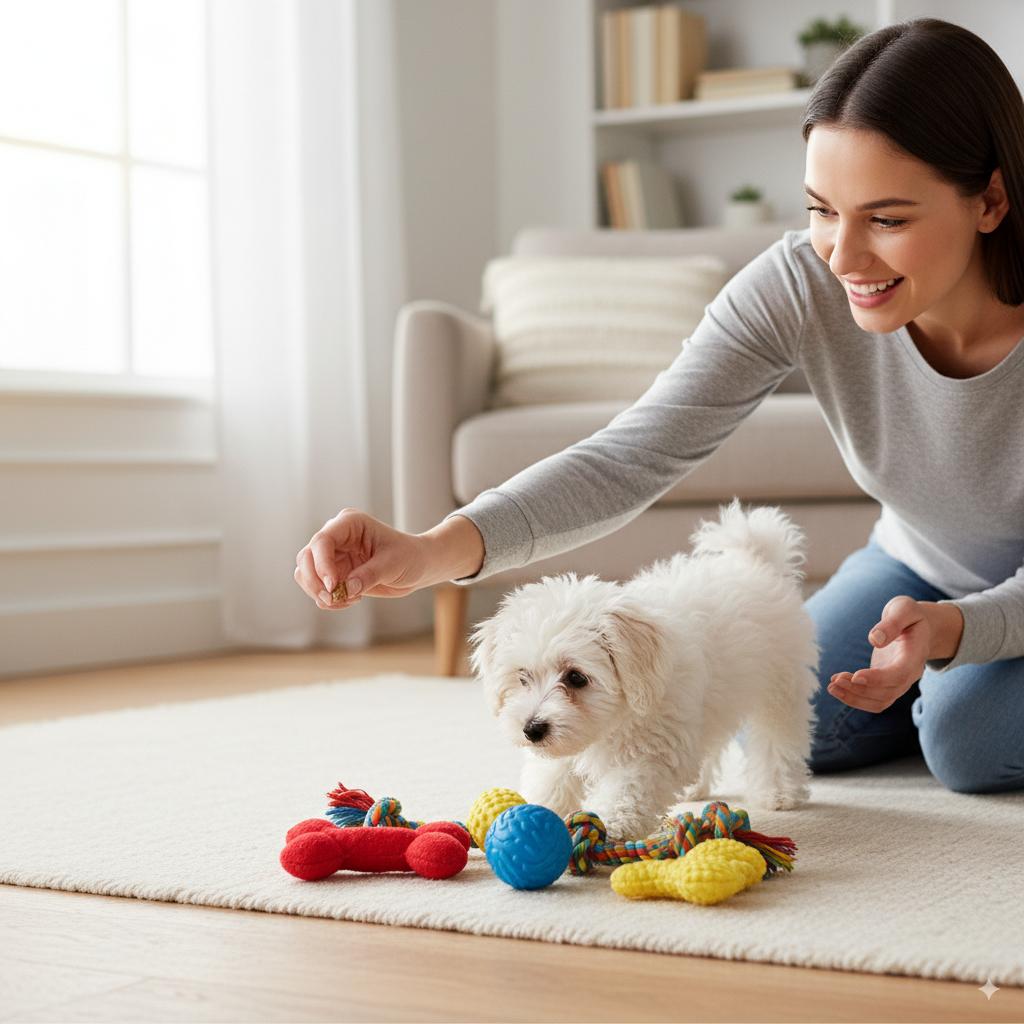
What works well
- Cleaning toys on a schedule.
- Keeping fewer, better toys available.
- Inspecting before each play session.
Common problems
- Letting food dry inside toys.
- Storing damp toys.
- Ignoring damaged materials.
I do not aim for a spotless toy shelf. I aim for a routine I will actually follow. consistent care beats a giant cleanup day that never happens.
The best training setup is the one that works on an ordinary Tuesday, when the puppy is tired, the floor is messy, and everyone would rather sit down. A few minutes of toy care keeps those sessions safer and easier.
More Pinterest Visuals