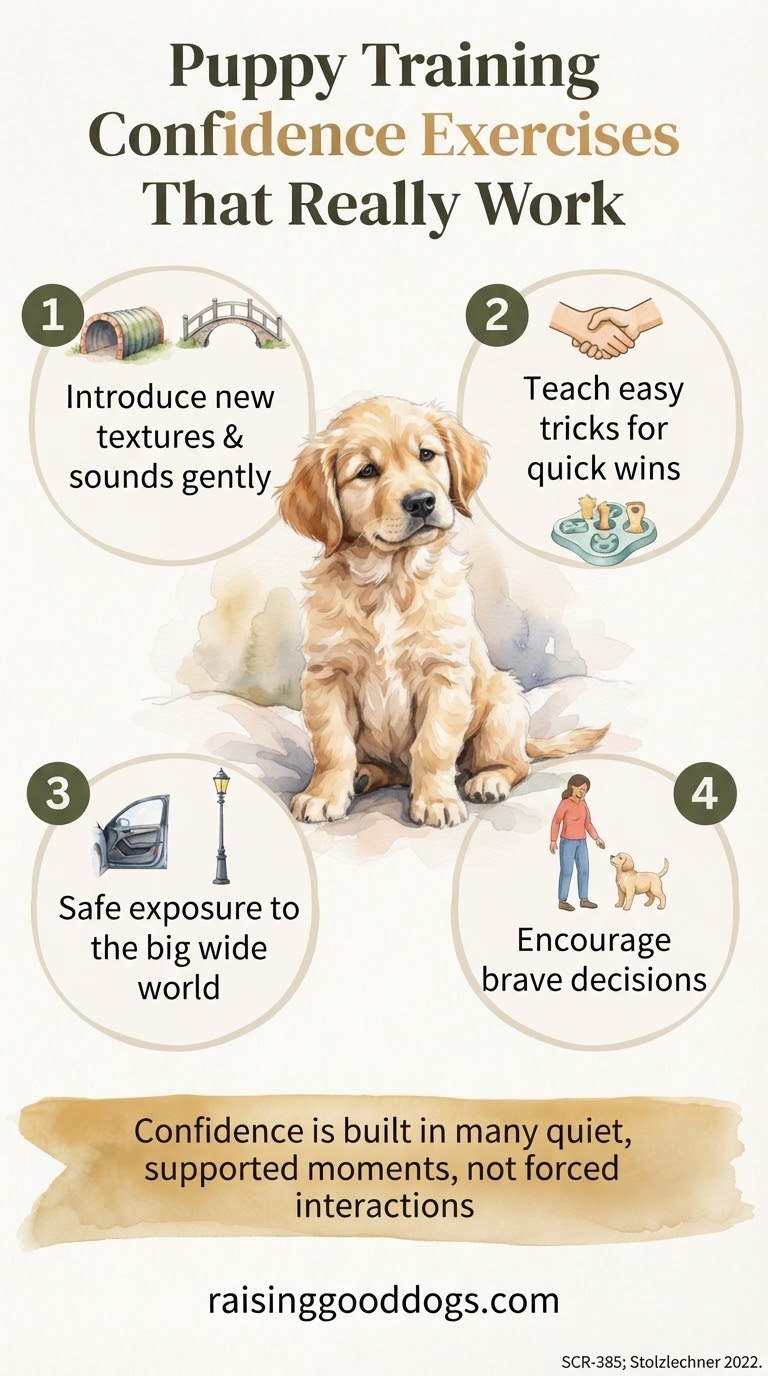
A confident puppy is not made by pushing them through every challenge. I build confidence by giving puppies small wins, predictable routines, and plenty of chances to choose success. The exercises below are the ones I return to again and again because they help puppies learn that the world is a safe place.
I always start with the puppy in front of me, not the perfect puppy in a training video. If a puppy is worried, overwhelmed, or avoiding something, I lower the difficulty first. Reward-based training and careful exposure are the foundation I use because they help protect the trust between dog and person.
What these confidence exercises teach
- Better focus during training sessions
- More comfort with handling, sounds, places, and people
- A stronger relationship built through choice and rewards
Build Confidence Through Name Recognition
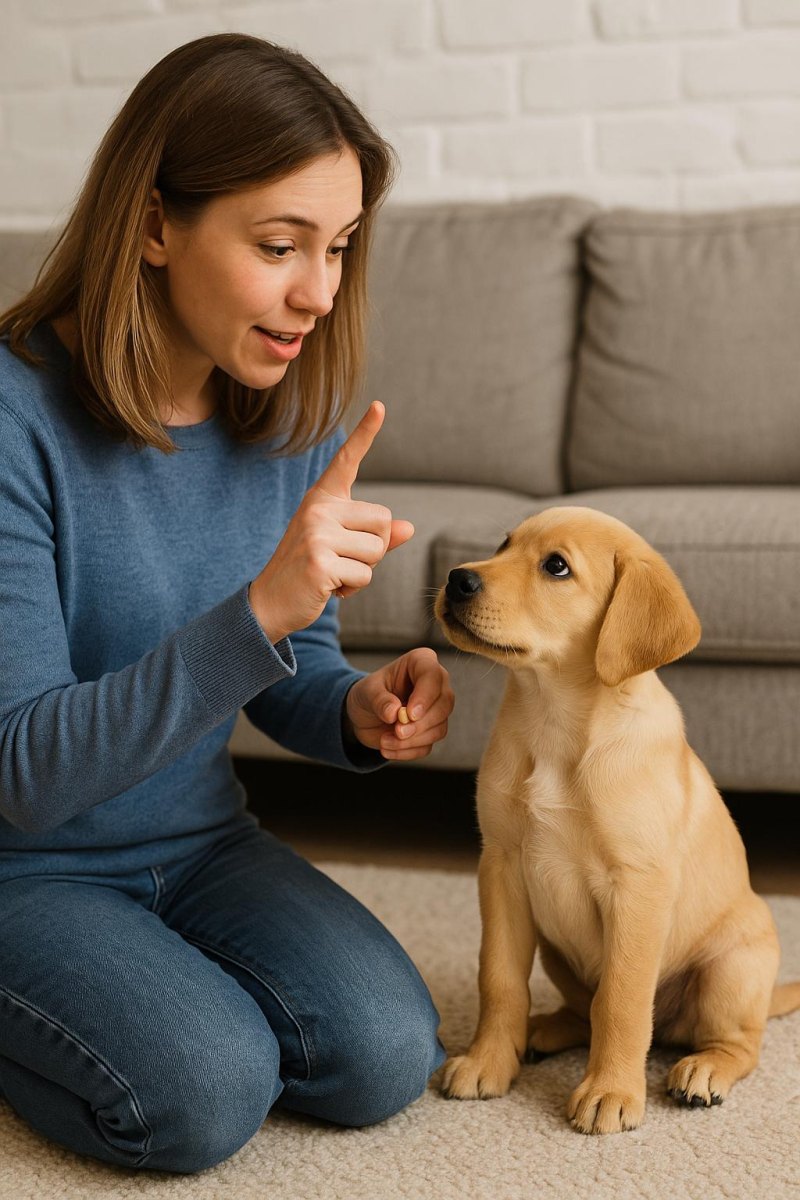
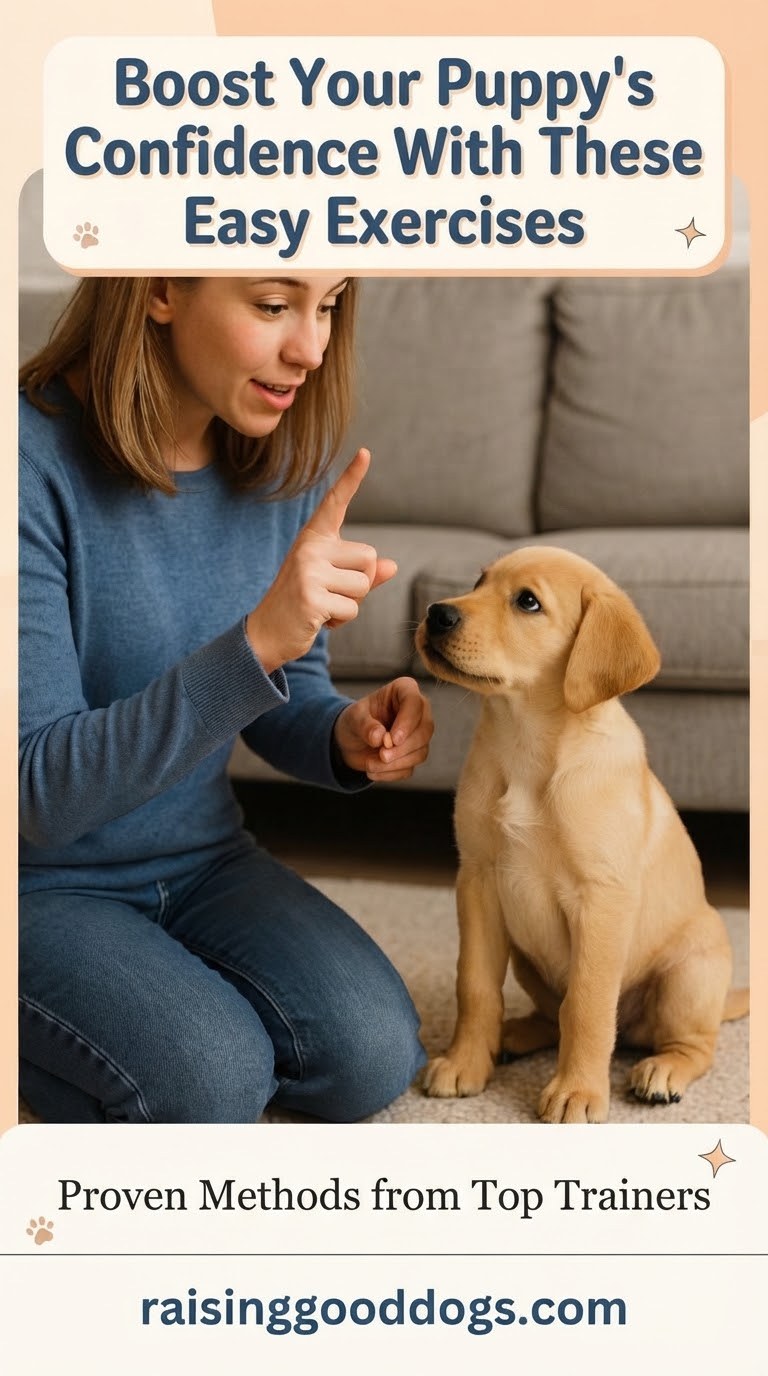
I begin almost every puppy relationship with a simple game: make their name predict something wonderful. A puppy who happily turns toward you when they hear their name has a foundation for future training because attention comes before learning.
My exercise is easy: say the puppy’s name once, mark the moment they look at you, and reward. I keep sessions short, usually a few minutes at a time. The goal is not a perfect response in a busy park; it is building a puppy who thinks, “That sound means I should check in.” Early name-response work is commonly included among basic puppy skills.
- Say. Use your puppy’s name in a quiet room.
- Reward. Give a treat or praise when they turn toward you.
- Repeat. Add distractions only when your puppy is succeeding.
Practice Calm Handling Exercises
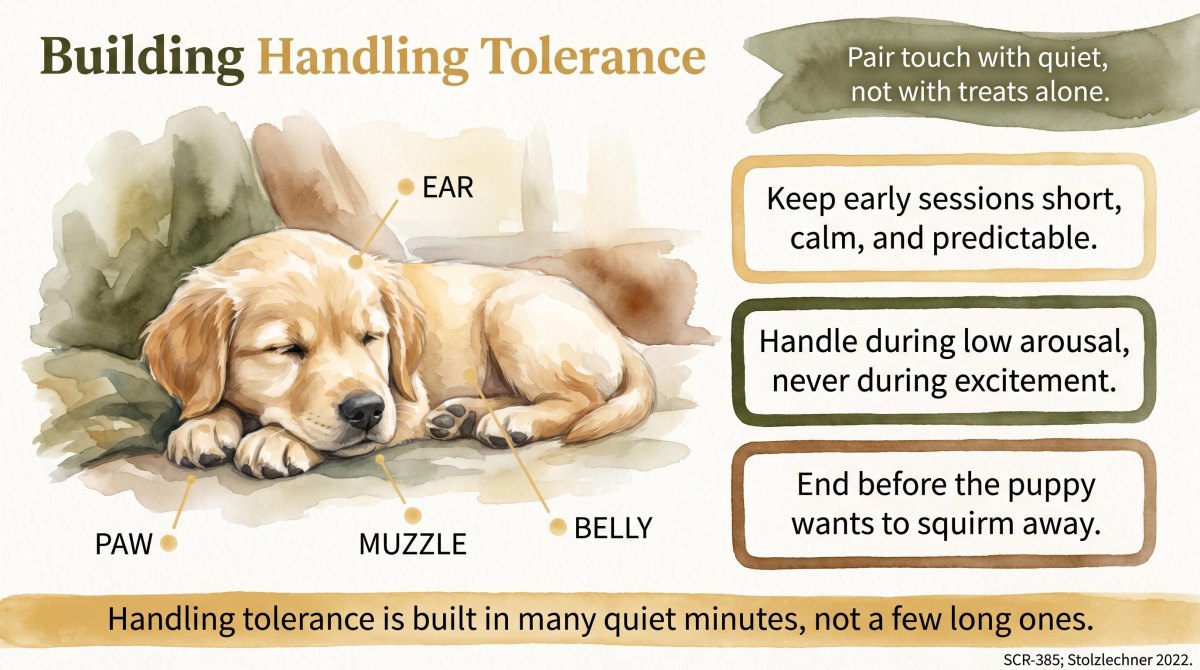
Handling confidence is something I practice before a puppy needs it at the vet, groomer, or nail trim. My veterinary clinic years taught me that dogs often show us discomfort through tiny signals first: a tightened mouth, a weight shift, a turned head, or a sudden freeze.
I pair gentle touches with rewards and stop before the puppy feels trapped. Cooperative handling is built through trust, not through holding a puppy still until they give up.
My training tip
Touch a paw, reward, and finish. A two-second success is more valuable than a stressful five-minute struggle.
Teach Positive Crate Training Skills
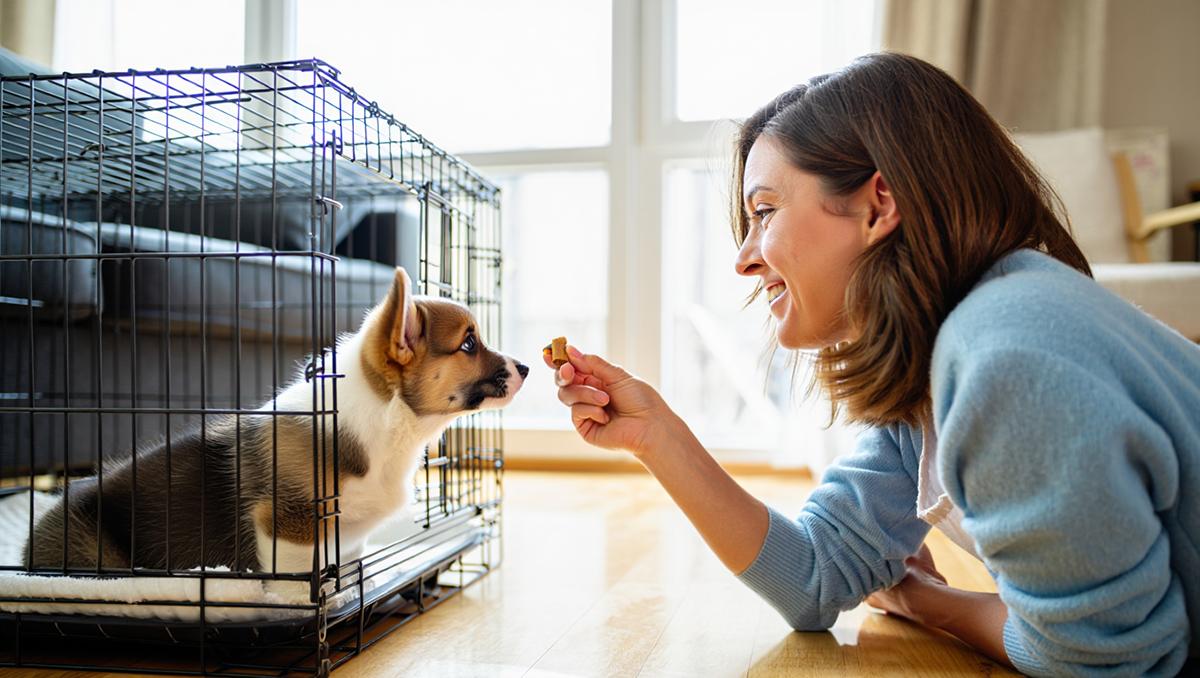
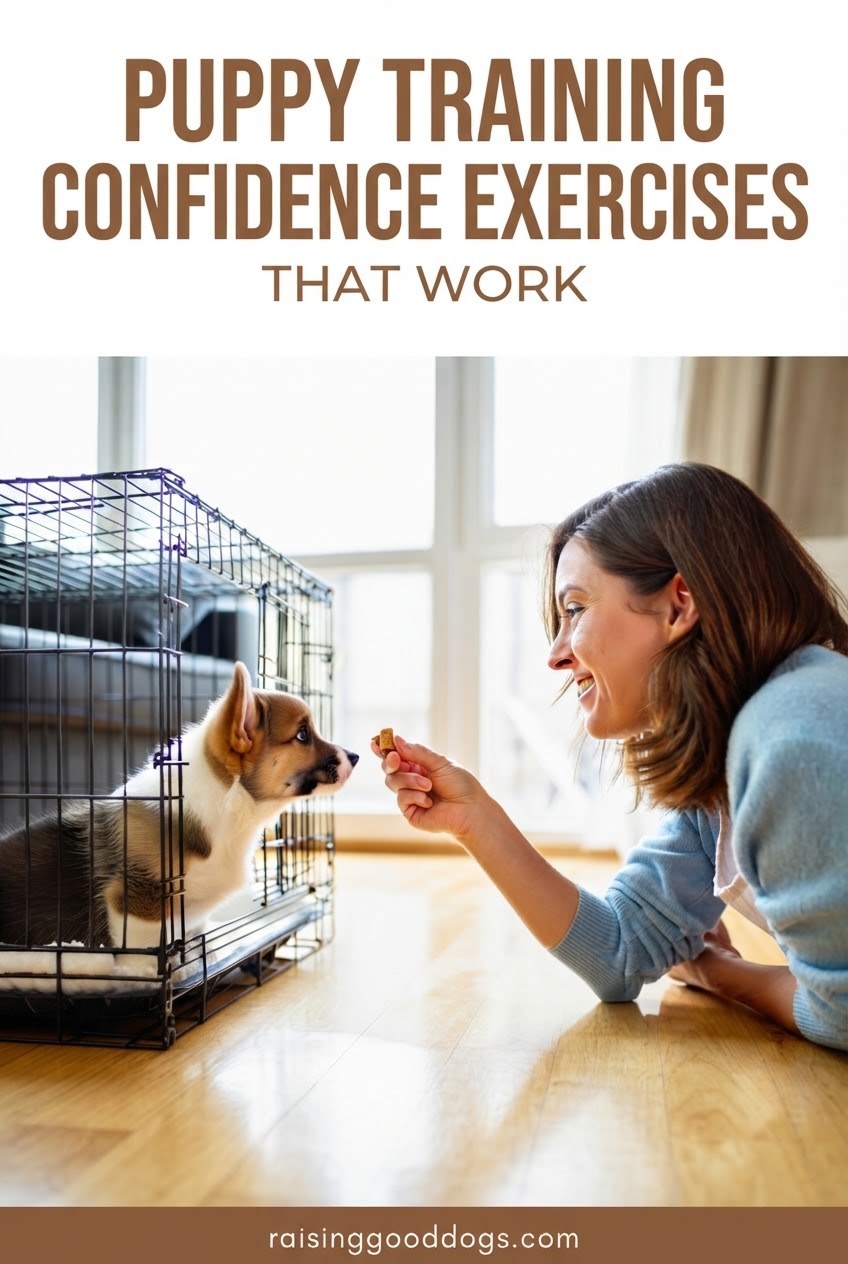
I never want a crate to mean “you are in trouble.” A crate should be a predictable resting place where a puppy can relax. I introduce it slowly with an open door, treats, meals, and quiet choices.
The hardest mistake I see is moving too quickly. Crate confidence takes different amounts of time for different puppies. Some settle quickly; others need weeks of tiny steps. Proper crate training focuses on positive associations rather than using confinement as punishment.
- Puppy chooses to enter the crate
- Puppy can relax with the door briefly closed
- Puppy receives rewards before signs of stress appear
Use Obstacle Courses for Bravery
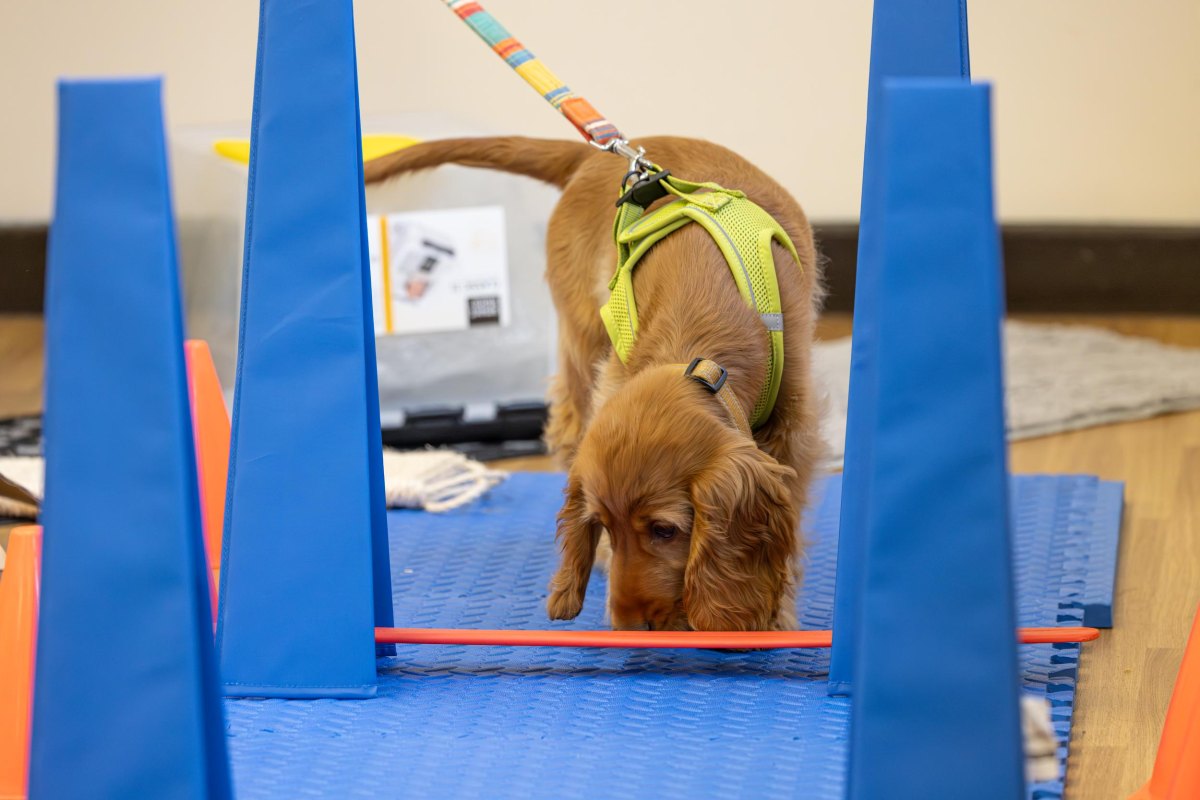
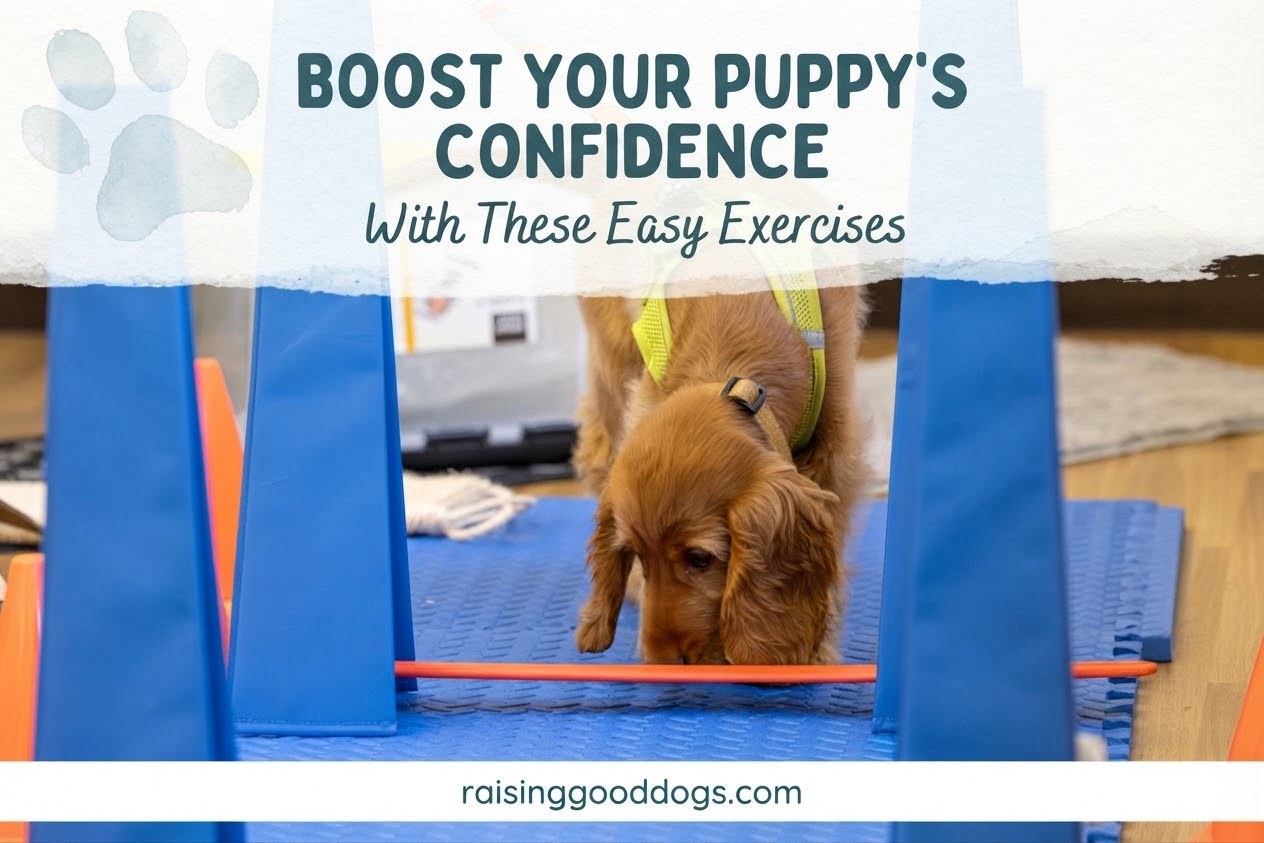
One of my favourite confidence games is a tiny obstacle course made from ordinary household objects. A cardboard box, a cushion, a broom handle on the floor, or a different surface can become a chance for a puppy to investigate.
I let the puppy choose the pace because curiosity grows through control. If your puppy backs away, that is information, not stubbornness. Lower the challenge and give them another opportunity.
| Object | Confidence Goal |
|---|---|
| New surface | Build comfort with textures |
| Low obstacle | Encourage problem solving |
Encourage Safe Socialization Experiences
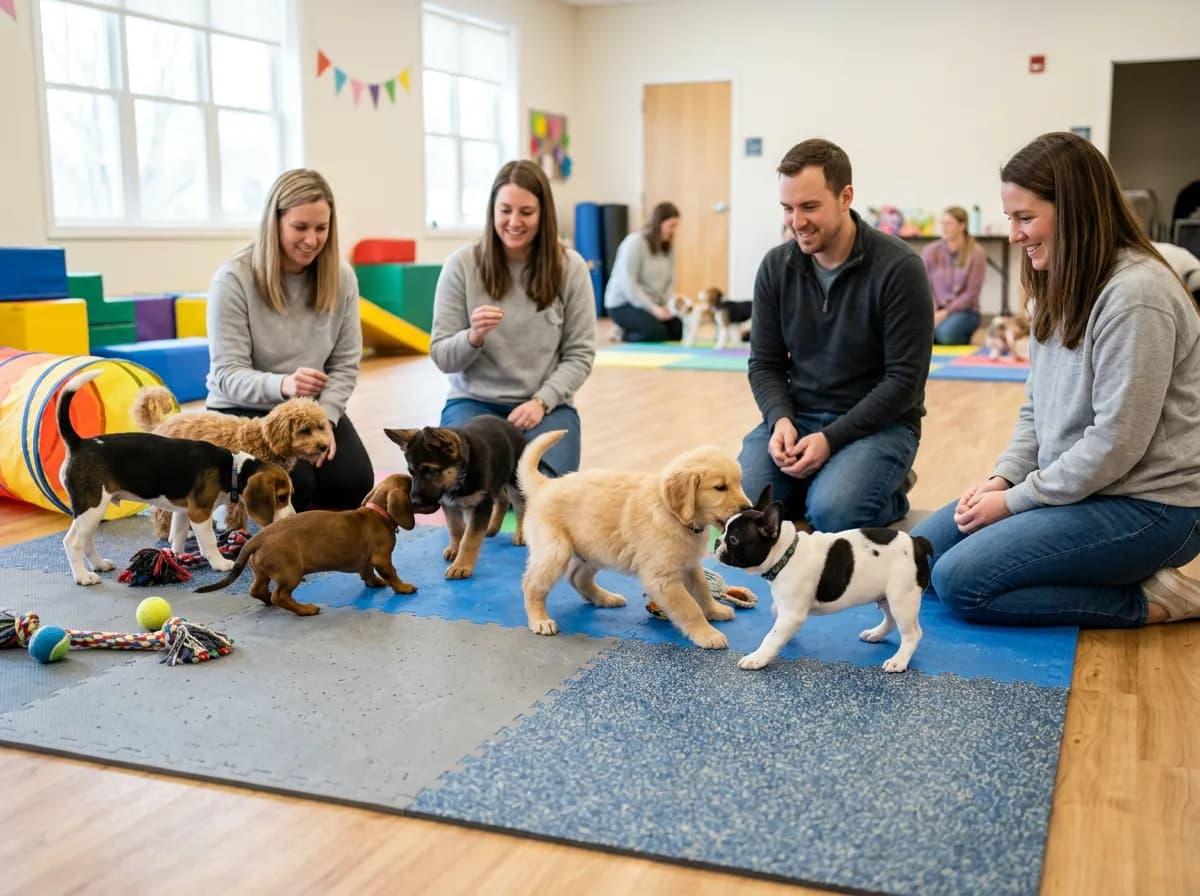
Socialization is not taking a puppy everywhere and hoping they cope. Good socialization means thoughtful exposure where the puppy can observe, process, and leave feeling successful. Positive experiences matter more than the number of places visited.
I watch for signs that a puppy is overwhelmed: tucked tail, freezing, refusing food, repeated lip licking, or trying to escape. The American Veterinary Society of Animal Behavior recommends safe, positive exposure during early puppy development rather than overwhelming experiences.
A common mistake
Do not force a frightened puppy closer to something scary. Distance is a training tool, not a failure.
Develop Confidence With Recall Games
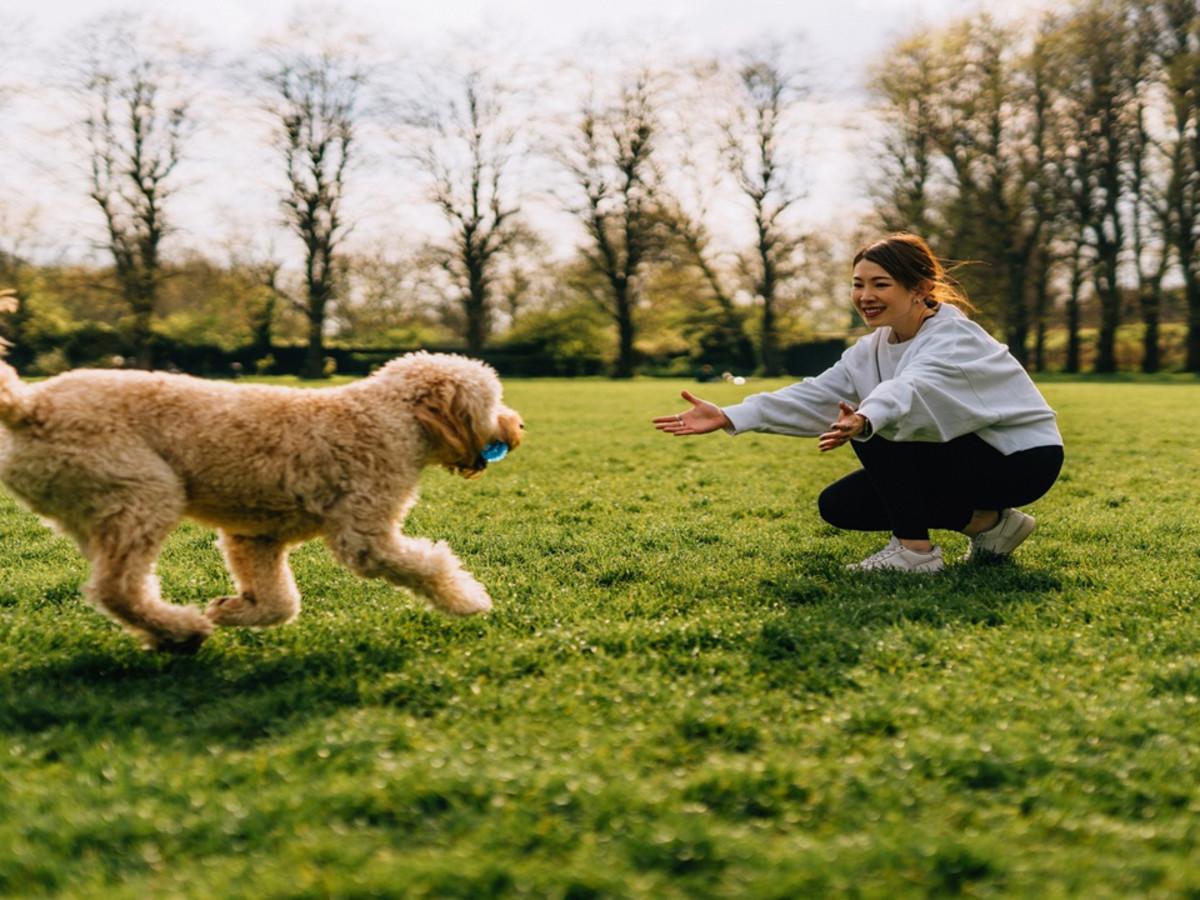
A recall should feel like a puppy’s favourite invitation, not the end of freedom every time. I build it with games where coming to me predicts food, play, or connection.
I avoid calling a puppy for something unpleasant whenever possible because I want the recall cue to stay valuable. Reliable recall takes many repetitions in easy environments before it is tested around distractions. Early recall practice is also recognized as an important foundation skill for puppies.
- Move away. Create a reason for your puppy to follow.
- Call happily. Use your recall cue with energy.
- Celebrate. Reward every successful return.
Reward Independent Exploration
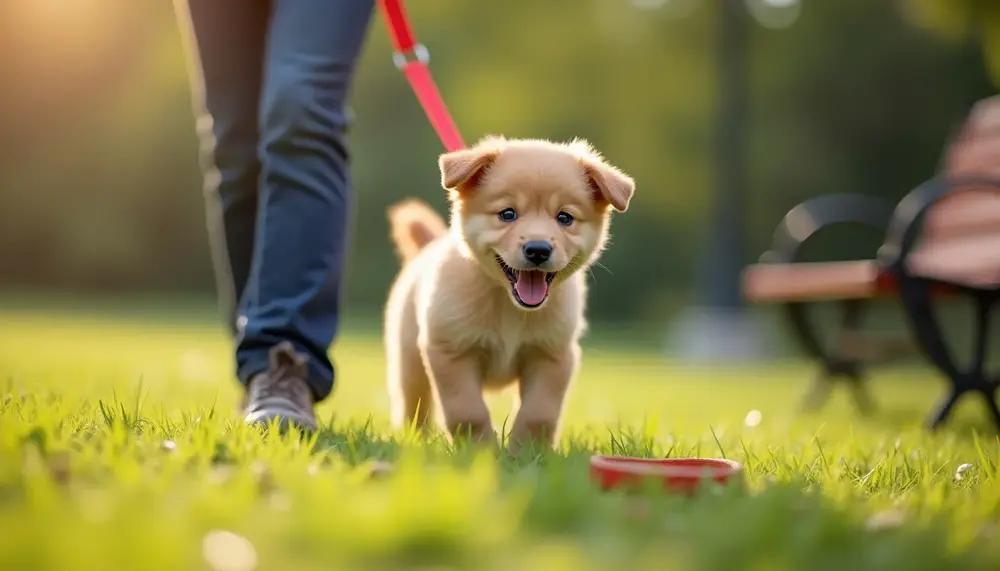
Confidence also comes from learning that your puppy can handle small moments without constant help. I encourage safe exploration at home, in the yard, or on quiet walks where the puppy can sniff and investigate.
This does not mean ignoring a worried puppy. It means creating situations where they can succeed. Independent problem solving grows when puppies have enough time to think.
Benefits
- Builds curiosity
- Improves adaptability
- Creates calm confidence
Watch for
- Signs of stress
- Too much difficulty too soon
- Unsafe environments
Strengthen Confidence With Trick Training
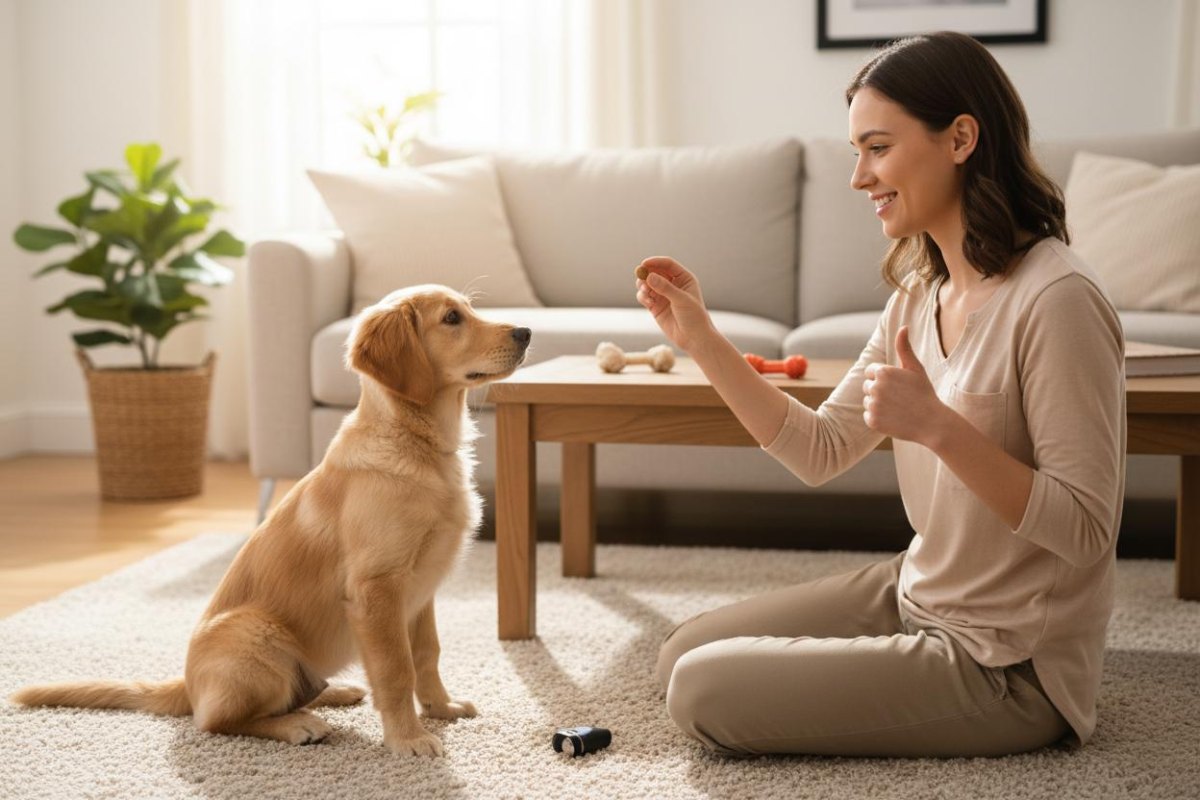
Trick training is one of the easiest ways to remind a puppy that learning is fun. I use simple behaviours like touch, spin, or putting paws on a target because success builds momentum.
The trick itself is not the important part. The real win is a puppy who approaches training with a bright expression and a willing attitude. Fun learning builds trust, and that trust carries into harder skills later.
A small daily practice
Five minutes of successful training is often more useful than one long session where a puppy becomes tired or frustrated.




More Pinterest Visuals