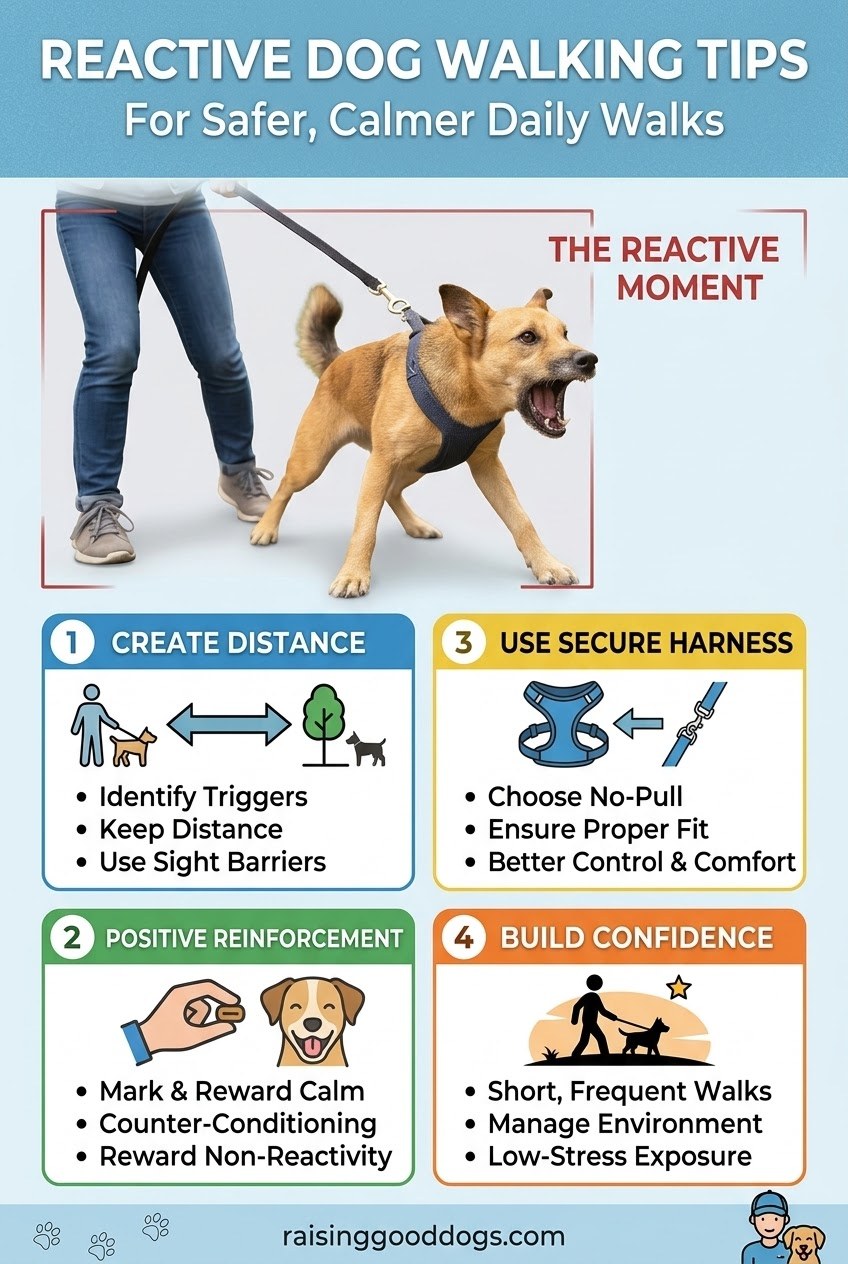
Most people find me after a walk that went sideways: the barking, the lunging, the neighbour watching, and the feeling that everyone else has the easy dog. I know that feeling because Bruno gave me plenty of those walks. This guide focuses on real-life reactive dog walking plans that start with safety, distance, and small wins.
I approach reactivity by changing the setup before asking the dog to change. Management, reward-based training, and understanding body language are the pieces I return to again and again. Current behaviour guidance also supports reward-based methods and environmental management for behaviour concerns.
Understand Your Dog’s Reactivity Triggers
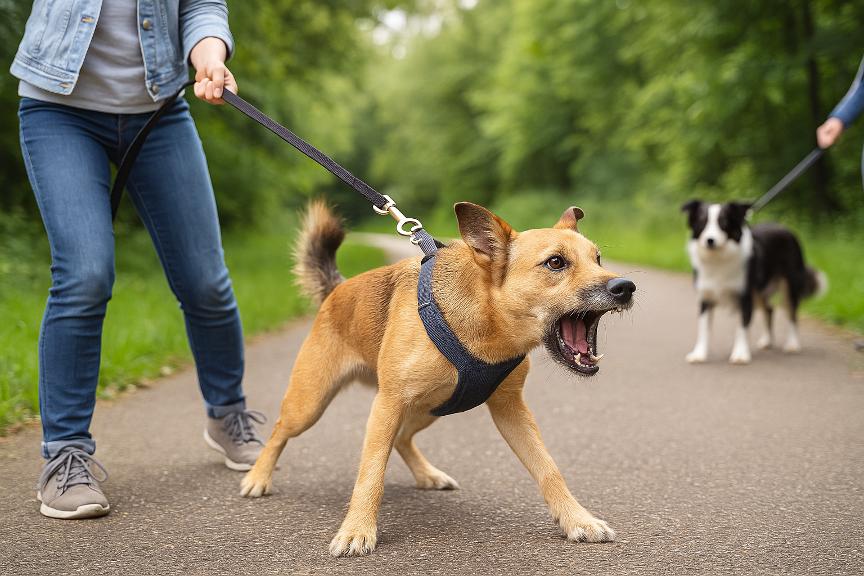
What I look for first
- The distance where your dog notices a trigger but can still think
- The early body signals before barking or lunging begins
- The situations your dog finds hardest, from dogs to bikes to strangers
Before I change a behaviour, I learn what is driving it. A reactive dog is often responding to fear, frustration, excitement, or feeling trapped, not simply being difficult. Trigger patterns matter because every dog has a different starting point.
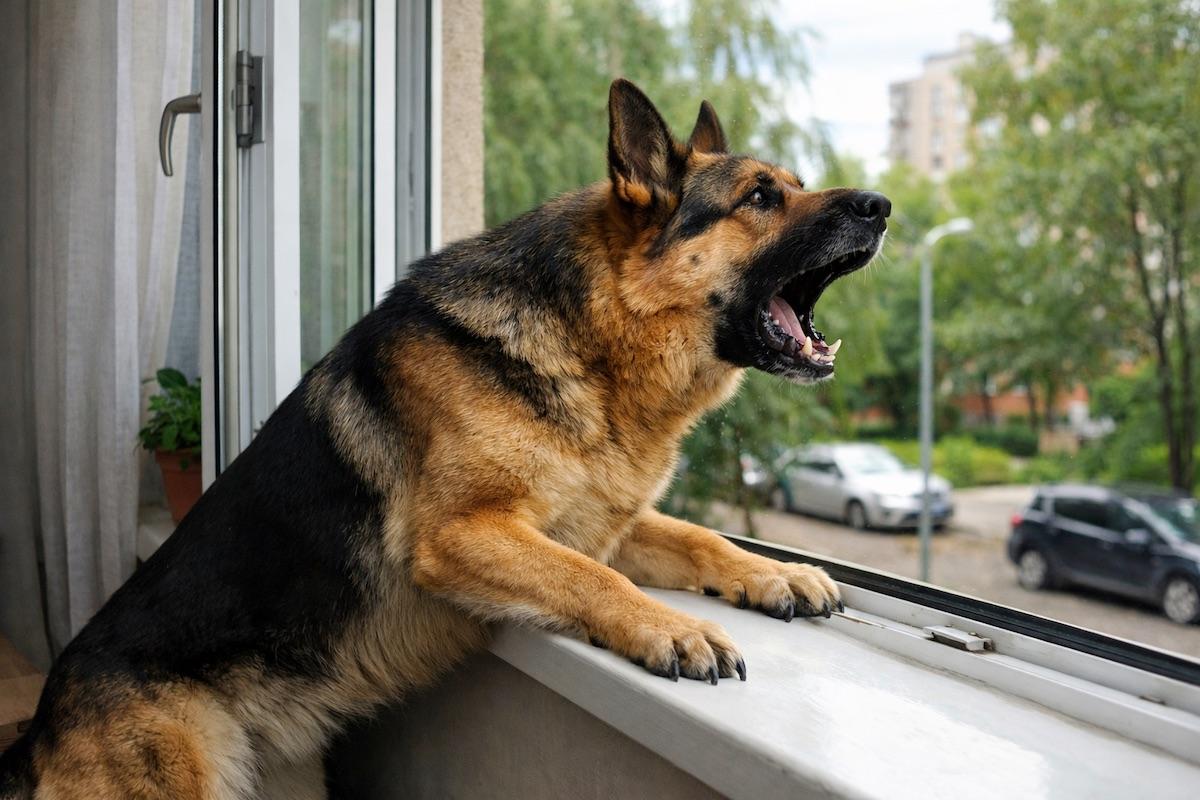
I watch ears, mouth, weight shift, breathing, and tail position. A freeze, a tight mouth, a hard stare, or a sudden forward lean can tell me a dog is struggling before the big reaction arrives. Early body language gives us the chance to help sooner.
Choose Quiet Walking Routes and Times
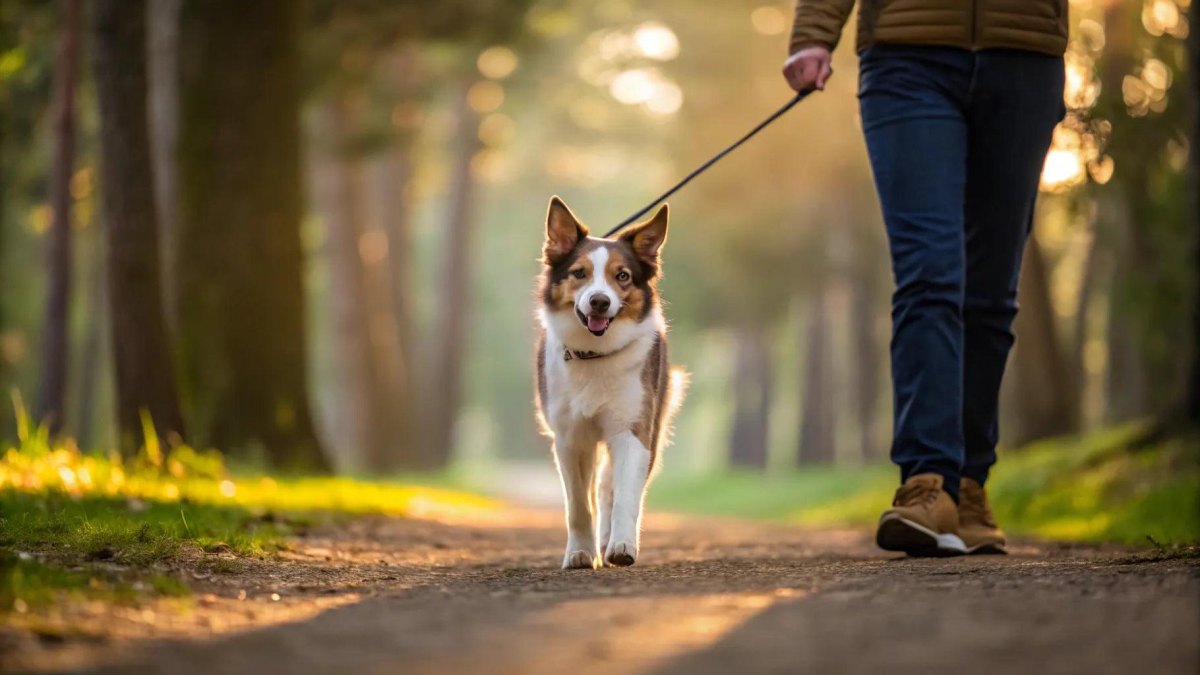
The best walk is not always the longest walk. For a reactive dog, I would rather have a peaceful twenty minutes than a stressful hour of rehearsing barking at every corner. Preventing rehearsal is often the first training step.
I still use my seven-in-the-morning empty-field sessions because fewer surprises mean more learning. A quiet route is not giving up; it is creating a place where your dog can succeed. Smart route choices protect your training progress.
Use the Right Walking Equipment
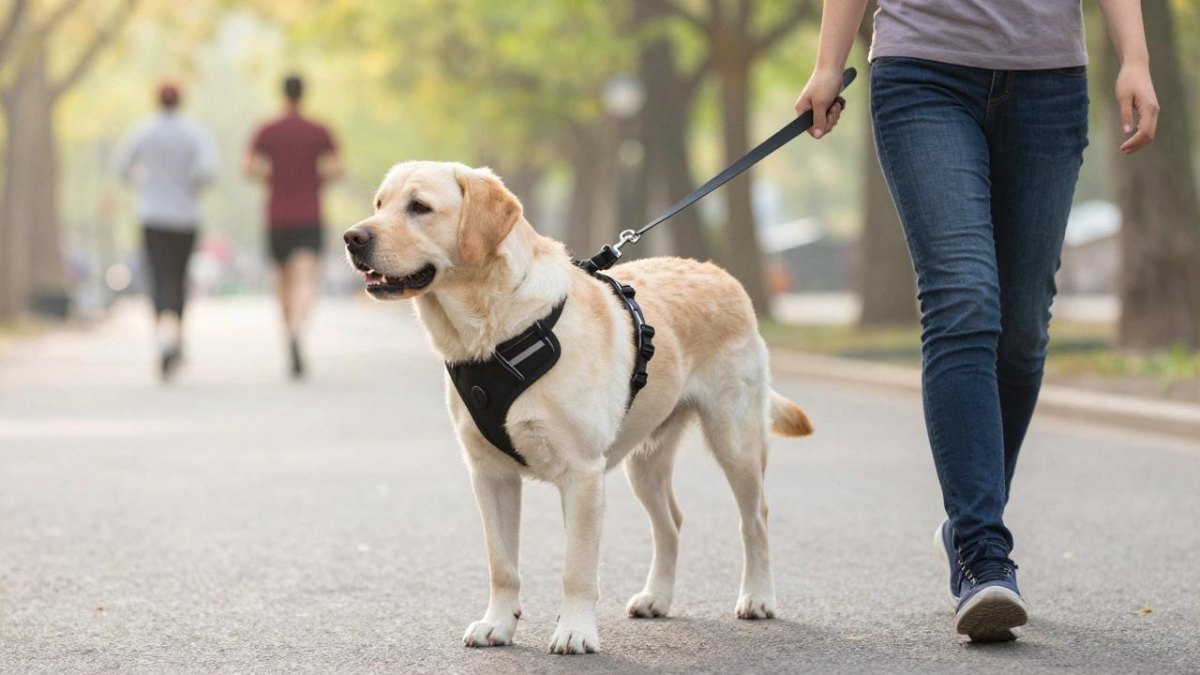
| Equipment | Purpose |
|---|---|
| Well-fitted harness | Provides comfortable control without pain |
| Standard leash | Keeps communication predictable |
| Treat pouch | Makes rewards available quickly |
I want equipment that helps the dog and the person on the other end of the leash. Comfort comes first, especially when a dog is already worried or overstimulated.
I do not use or recommend prong, choke, or electronic collars. Reward-based approaches and humane management are recommended by veterinary behaviour organisations. Training tools should support trust, not add fear.
Create Distance Before Your Dog Reacts
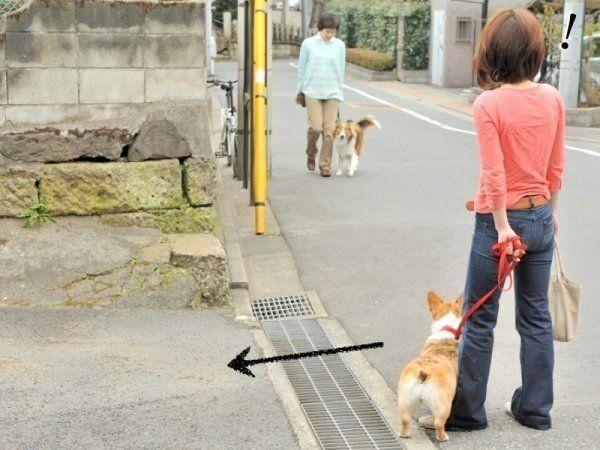
Distance is the most underrated tool I have in my training bag. If your dog can see another dog and still eat a treat, turn away, or check in with you, we have a learning opportunity. Working below threshold is where behaviour change starts.
I tell clients that stepping away is not failure. It is information. Your dog is telling you how much space they need today, and listening to that message builds confidence over time.
Teach a Reliable Focus Cue
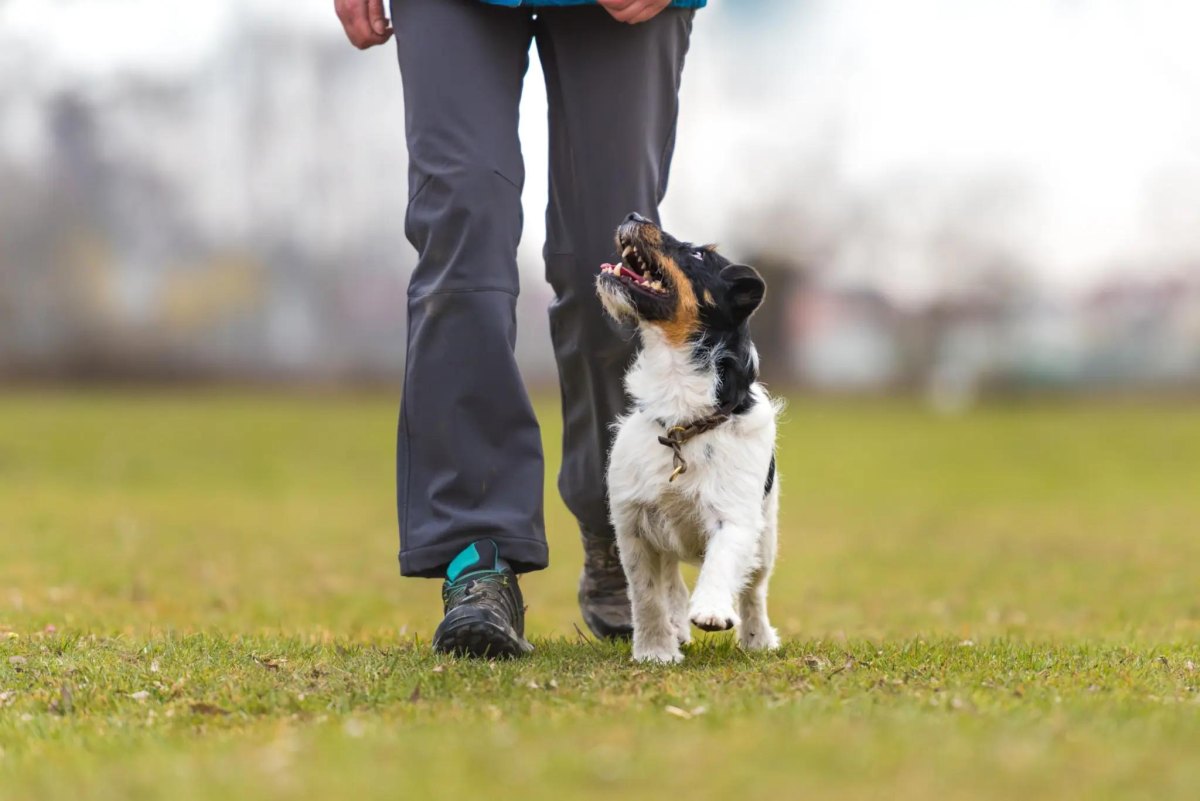
A focus cue is not about forcing your dog to stare at you while the scary thing is nearby. It is a communication skill built in easy situations first. Simple attention games become useful when the world gets busy.
I practise this in kitchens, driveways, and quiet paths before expecting it beside a trigger. Bruno did not learn his best skills during his worst moments; he learned them when his brain was available.
Practice Calm Walking Skills at Home First
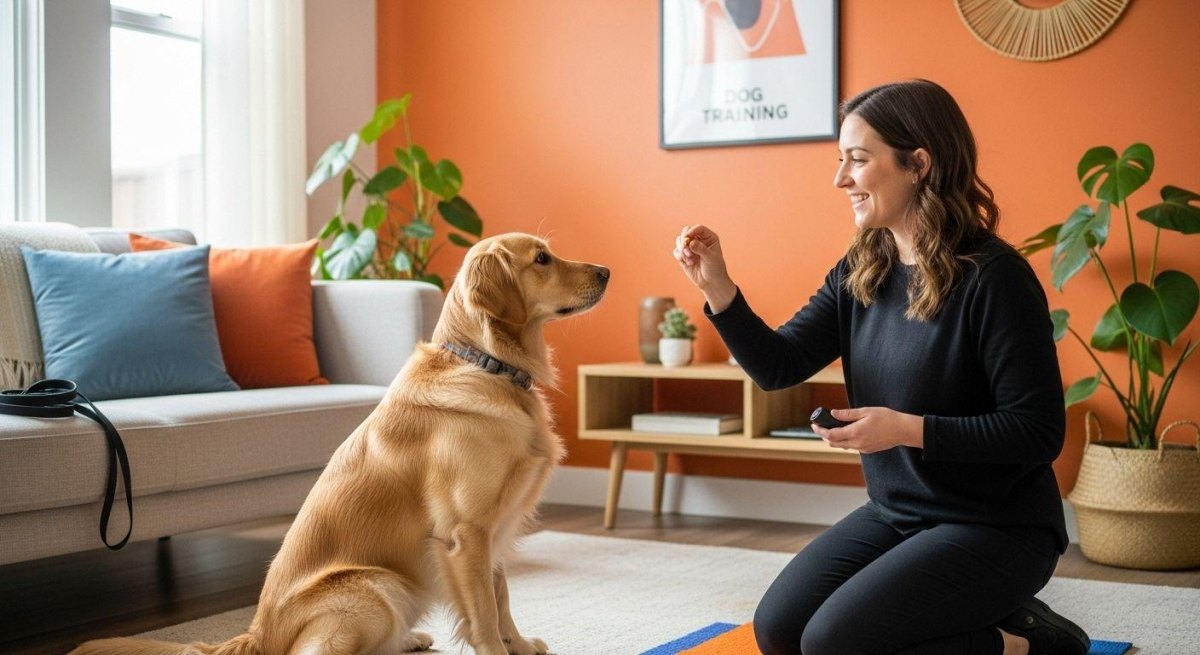
The front door is often where chaos begins. I like to rehearse calm leash clipping, waiting, turning, and checking in before a walk even starts. Home practice builds fluency without the pressure of distractions.
A realistic timeline is weeks to months, not a weekend transformation. Plateaus happen. A bad walk after three good ones is not proof that the plan failed; it is part of behaviour work.
Reward Calm Behavior on Every Walk
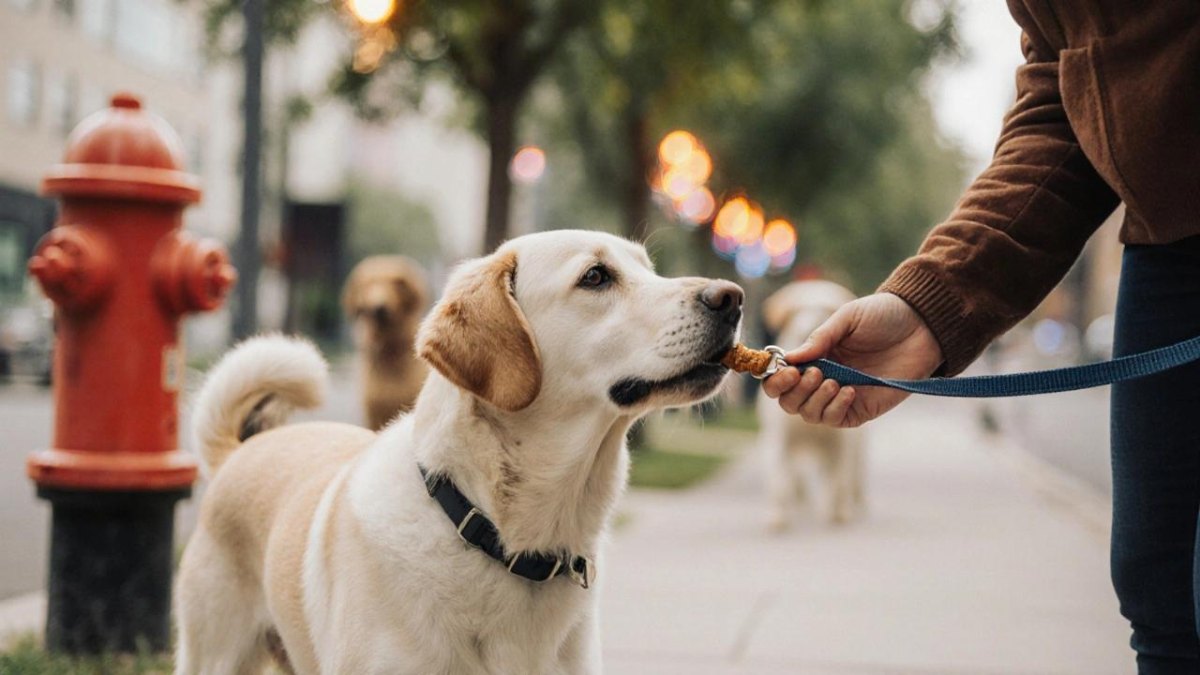
I reward the moments people often miss: the glance away from a dog, the loose leash, the relaxed sniff, and the choice to stay calm. Quiet decisions count just as much as obvious obedience.
Reward-based training works by strengthening behaviours we want to see more often. I am always looking for the answer my dog can give me, not just waiting for mistakes.
Avoid Punishment During Reactive Moments
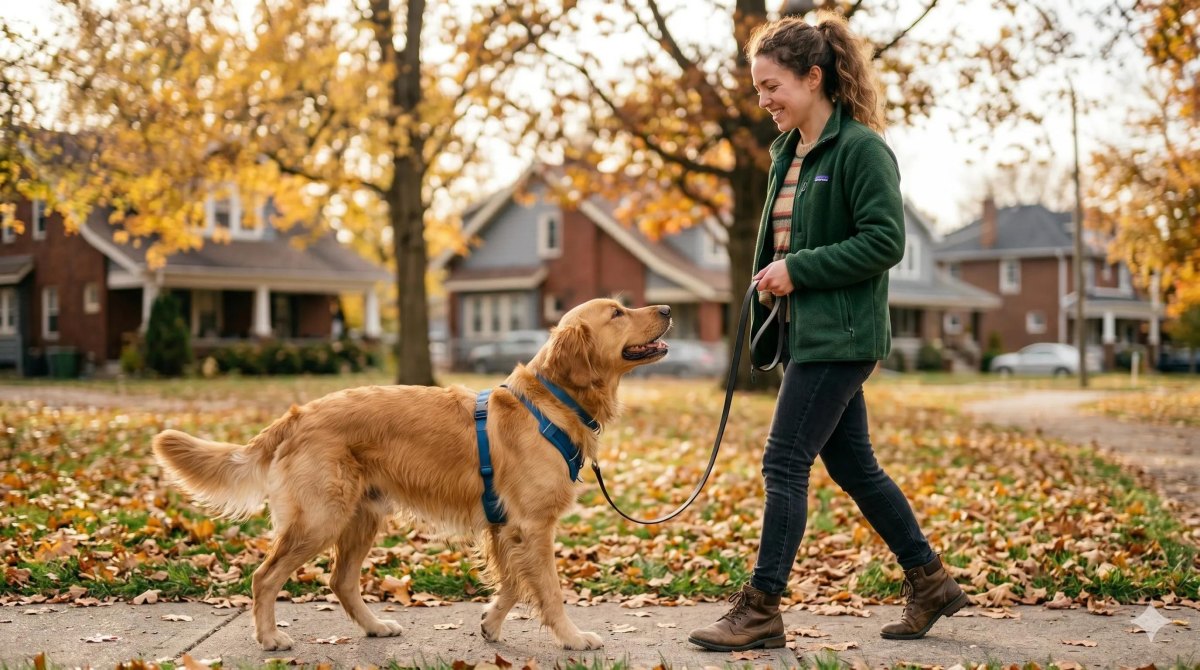
Avoid adding pressure
Punishing barking or lunging can increase fear and stress for some dogs. Focus on safety, distance, and changing the situation instead.
I grew up seeing old-school corrections used, and I learned differently through my own dogs and my work. Fear-based reactions need support, not a bigger emotional storm from the person holding the leash.
Use Emergency U-Turns and Escape Strategies
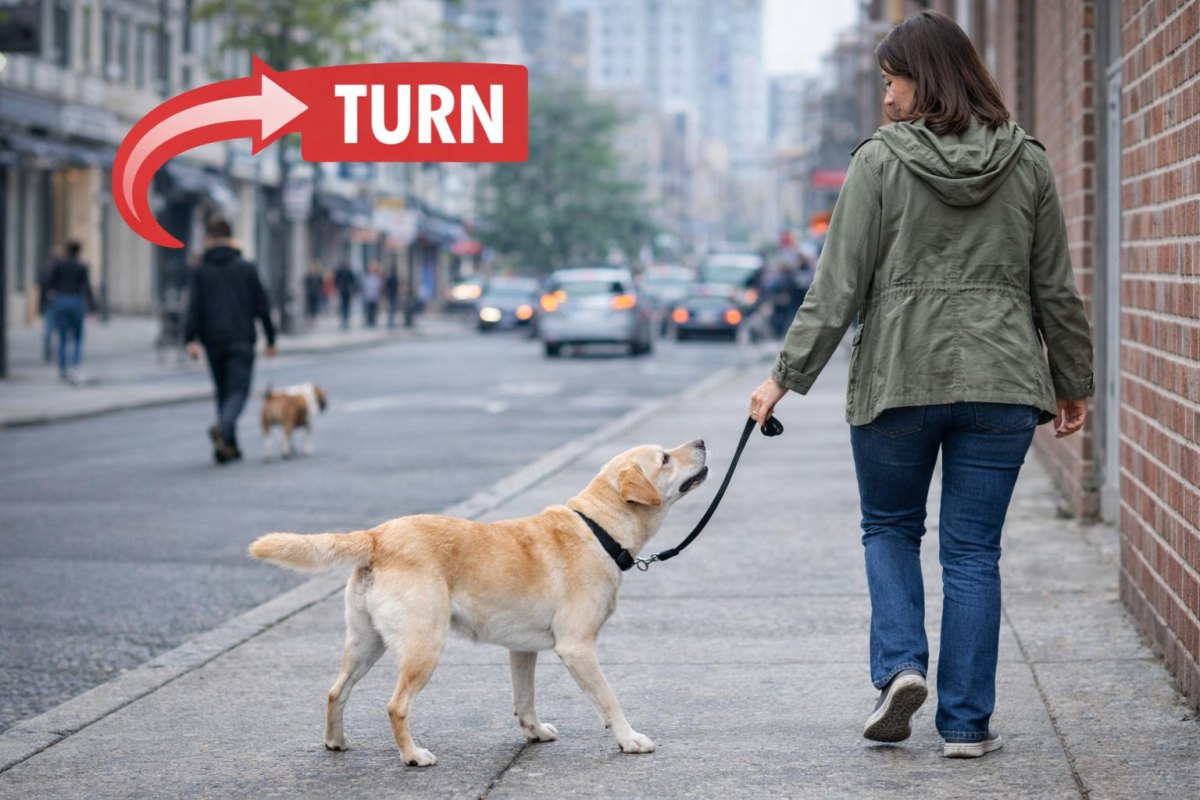
- Notice. Spot the trigger before your dog reaches the reaction point.
- Turn. Use your practiced cue and move away calmly.
- Reward. Pay your dog for following you.
I teach escape plans because nobody has perfect timing every day. A planned exit route prevents panic and keeps everyone safer.
Build Confidence Through Controlled Exposure
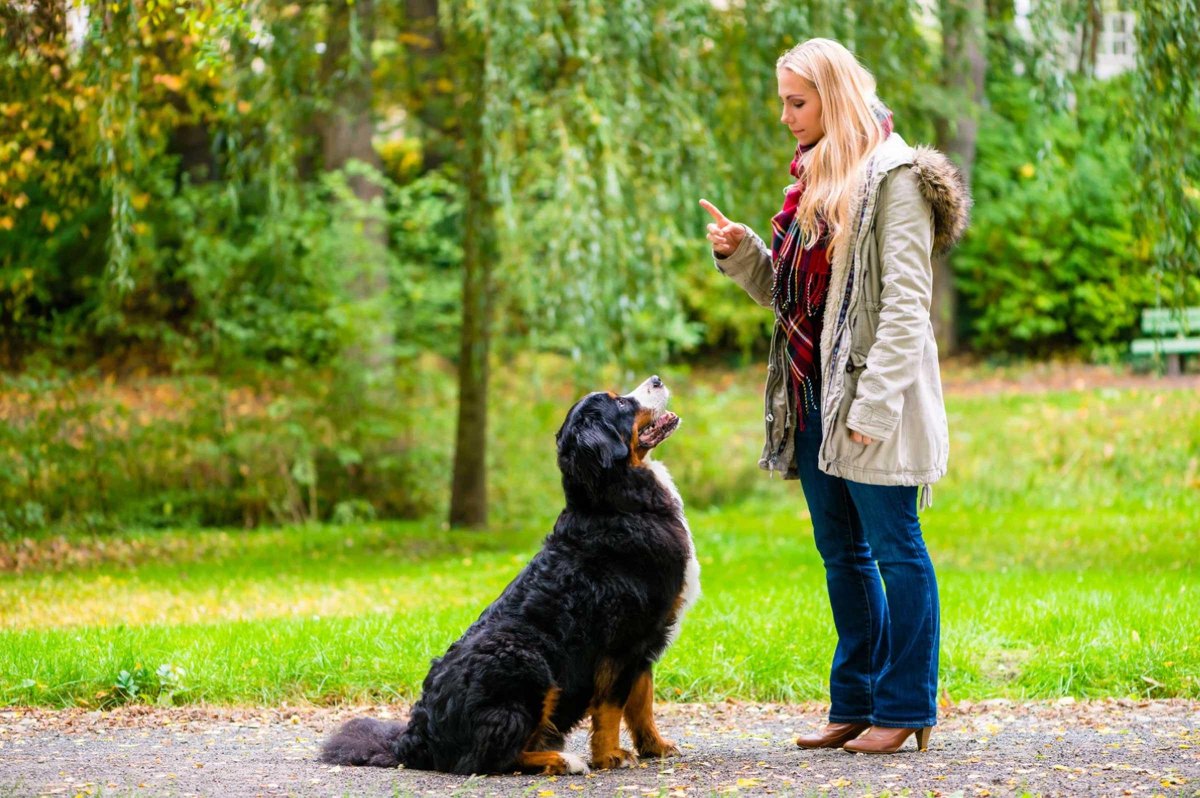
Exposure only helps when it is controlled. I do not flood dogs with the thing they fear and hope they adjust. Gradual exposure matters because the dog needs to feel safe enough to learn.
If a dog has bitten, is a danger to people, or the reactions feel beyond what you can safely manage, this is the point where I recommend working with a qualified professional in person and involving your vet when appropriate.
Stay Consistent and Track Progress
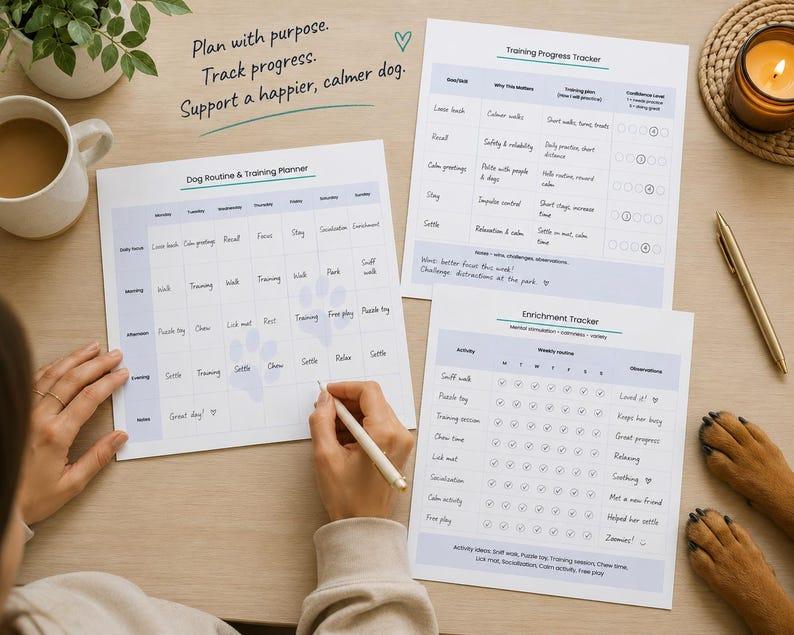
- Record triggers and distances that worked
- Notice small improvements, not only big milestones
- Adjust plans when stress, pain, or health changes appear
I keep notes because memory is unfair on hard days. A dog who barked at every dog last month and now notices one calmly has made progress. Small changes add up when the plan stays consistent.
With Bruno, success never meant taking him everywhere. It meant understanding him well enough to give him a good life. A managed dog can be a happy dog, and that is a goal worth chasing.

More Pinterest Visuals