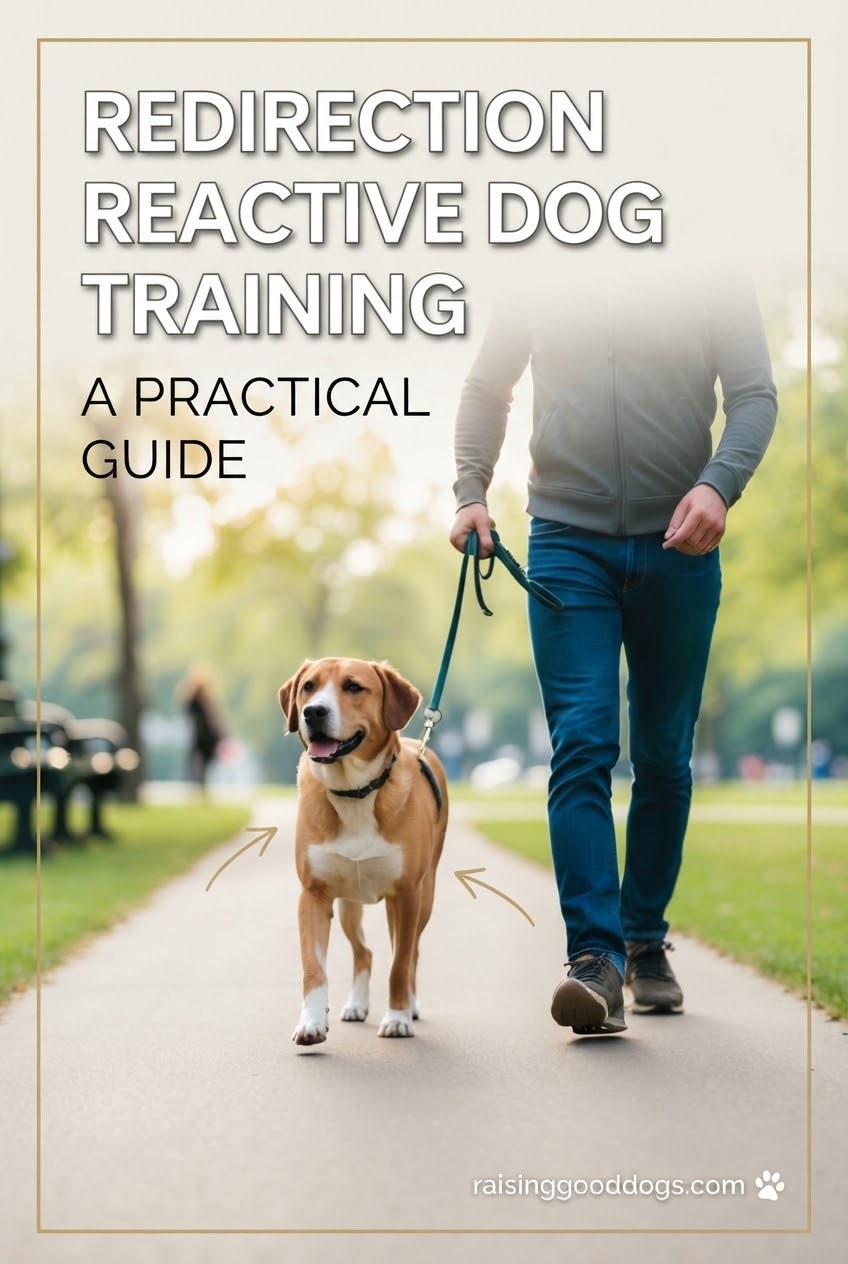
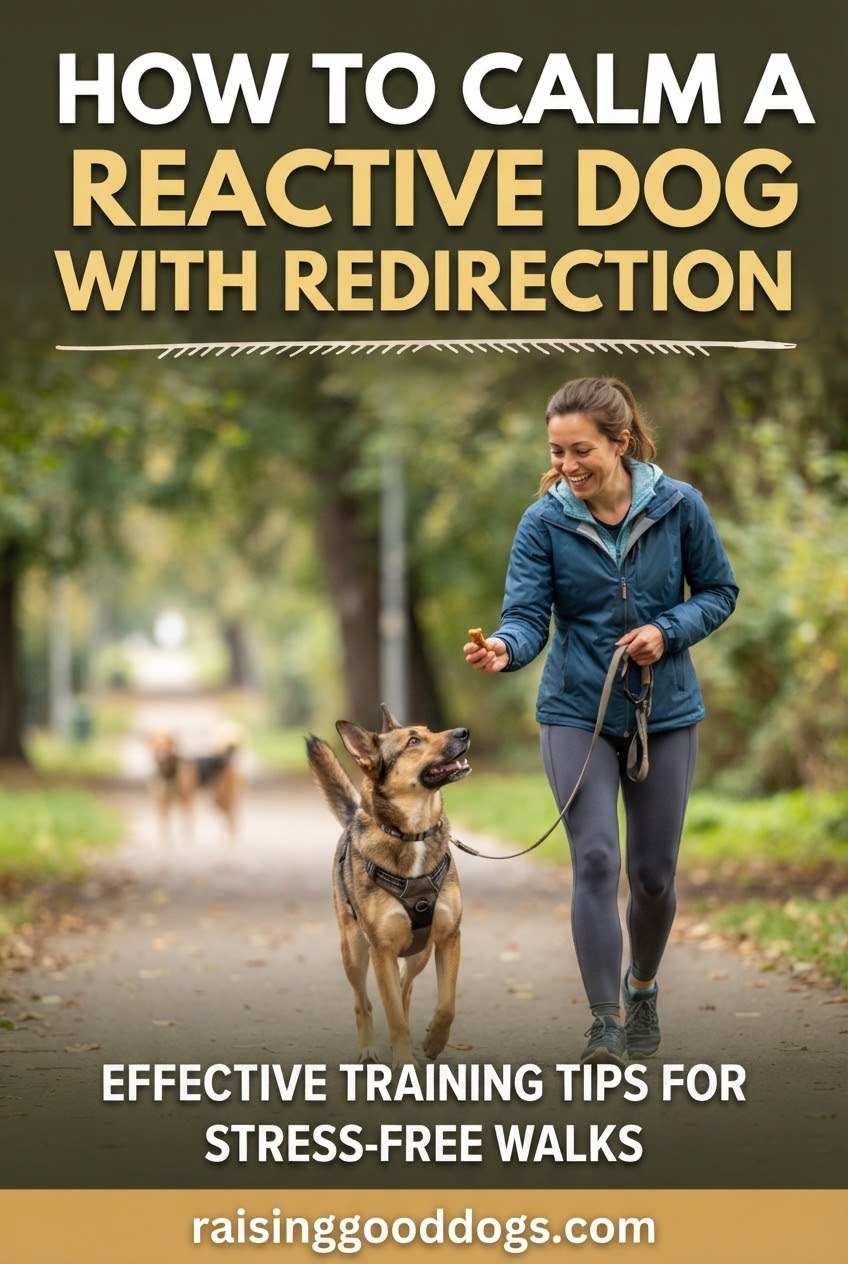
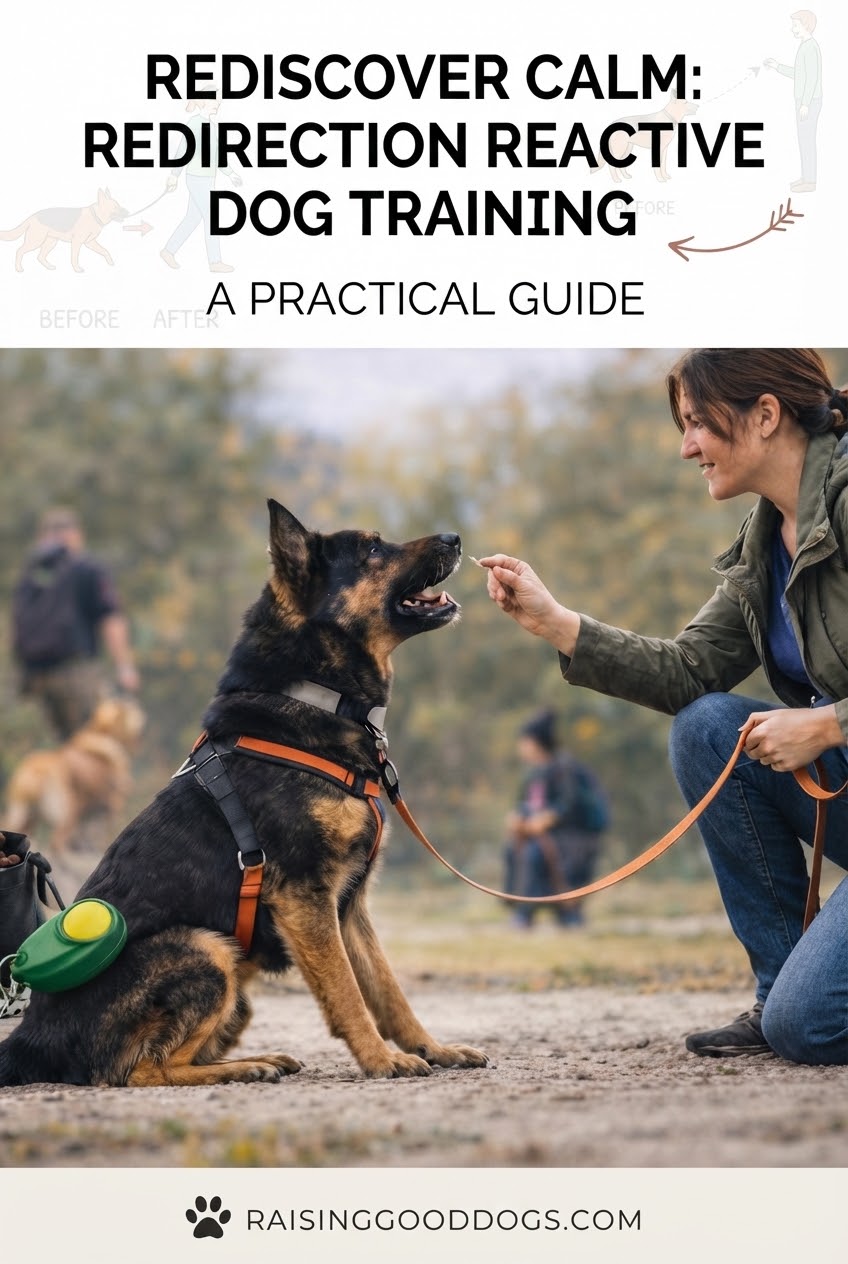
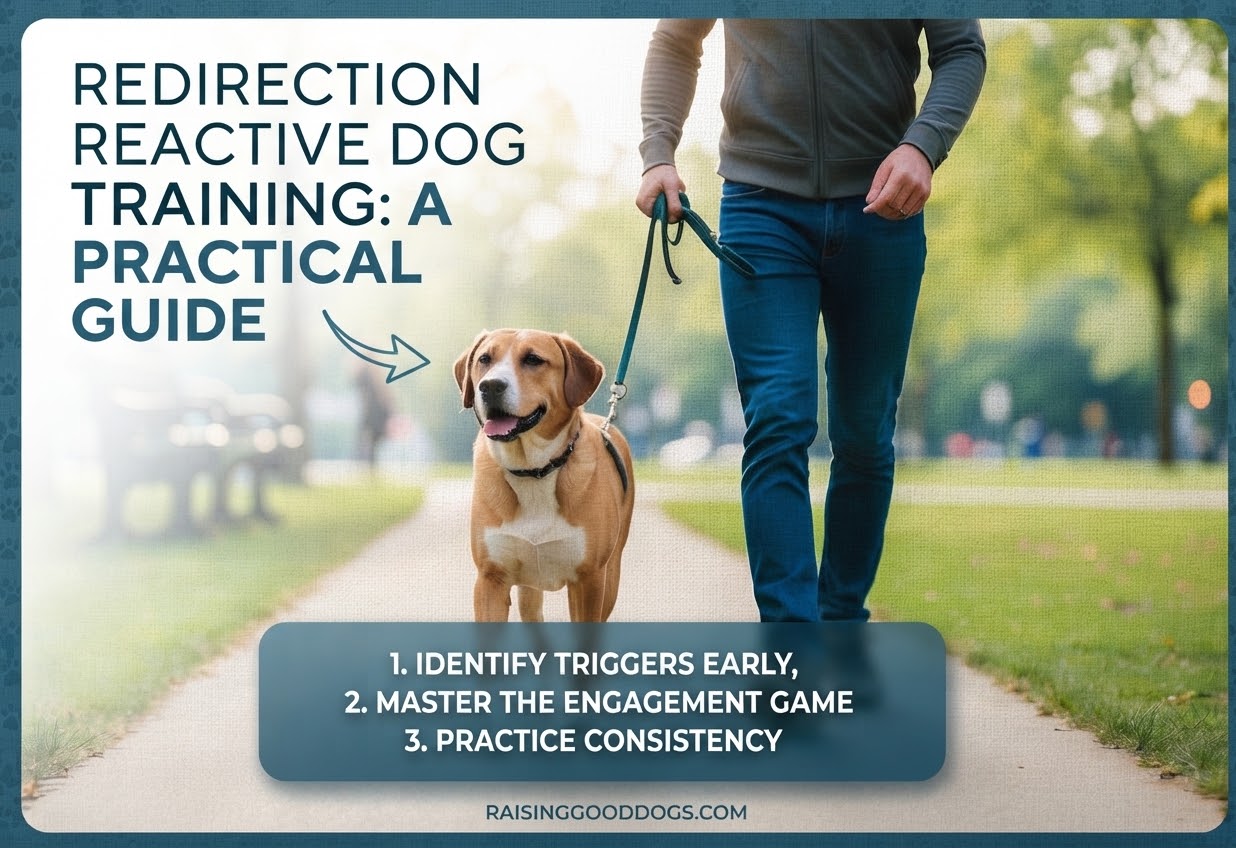
A reactive dog does not need a louder owner, a stronger correction, or a magic command. What they need is a plan that helps them notice the world without feeling like they have to handle every scary or exciting thing themselves. I learned this the hard way with Bruno, my own German Shepherd, because there was a time when my professional training knowledge disappeared the second another dog appeared on our walk. Redirection reactive dog training is about giving your dog a better job to do before the barking, lunging, or panic takes over.
Understanding Redirection in Reactive Dog Training
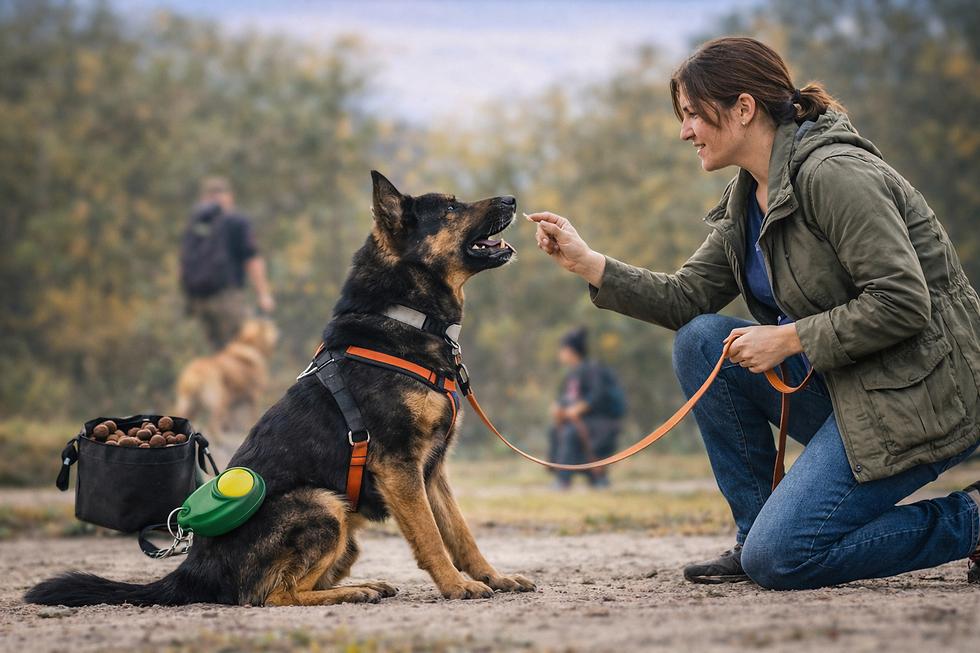
Redirection is the skill of helping a dog move away from an unwanted emotional response and toward a behaviour we can reinforce. In reactive dog training, I am not trying to stop a dog from having feelings. I am teaching the dog that there is another option besides staring, barking, pulling, or exploding at the end of the leash.
The first piece I look at with every client is management. A dog cannot learn a new response while rehearsing the old one every day. That means creating enough distance from triggers, choosing quieter walking routes, and arranging the environment so your dog can think.
What effective redirection includes
- Recognising the trigger before your dog reaches their limit
- Using a trained behaviour your dog already understands
- Rewarding calm choices instead of waiting for mistakes
- Practising in situations where your dog can still learn
I often tell people that redirection is not a distraction trick. A handful of treats waved in front of a terrified dog is not training. Real redirection changes the pattern over time by helping the dog feel safer and more confident.
Why Reactive Dogs Need Redirection Instead of Punishment
When a dog reacts, many owners naturally want the behaviour to stop immediately. I understand that feeling. Standing on a sidewalk while your dog barks at a neighbour's dog is uncomfortable, especially when you feel like everyone is watching. But punishment often adds more stress to a situation that is already emotionally difficult.
What to avoid
Corrections that rely on pain, fear, or intimidation can suppress warning signals without changing the underlying emotion. I do not recommend prong collars, shock collars, or dominance-based techniques for reactive dogs.
My years working in a veterinary clinic showed me how often fear and stress sit underneath behaviour problems. A dog who growls is communicating. If we only remove the communication, we may miss the reason it appeared.
- Redirection: Gives the dog a clear alternative behaviour and builds skills.
- Punishment: May stop a visible behaviour temporarily without teaching what to do instead.
Redirection takes patience. Most behaviour change happens over months, not a weekend, and setbacks are part of the process rather than proof that your dog has failed.
Identifying Your Dog’s Triggers Before Redirecting Behavior
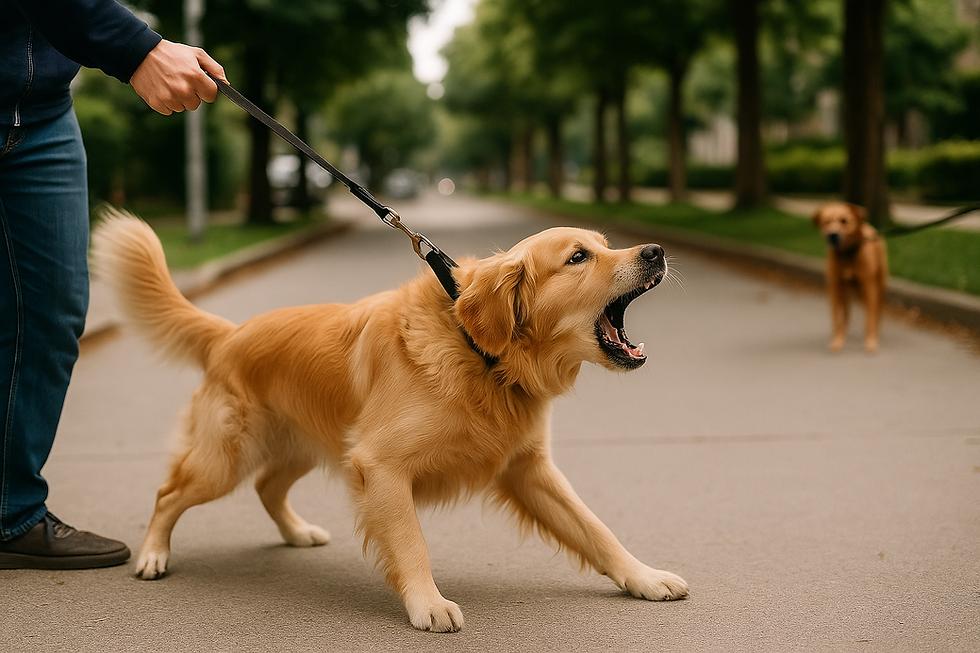
Before I teach any redirection plan, I want to know what actually flips the switch for the dog. A trigger might be another dog, a stranger approaching, bicycles, noises, handling, or even a particular environment.
- Observe. Watch your dog before the reaction starts. Look for weight shifting forward, a closed mouth, hard staring, tight ears, freezing, or a change in breathing.
- Record. Write down the trigger, distance, time of day, and what happened immediately before the reaction.
- Adjust. Change the setup so your dog can notice the trigger without going over threshold.
A prerequisite check matters here. If your dog's behaviour changed suddenly, especially with an older dog, I want a veterinary check before assuming it is purely training. Pain, illness, or physical discomfort can change behaviour.
Trainer tip
Spend a week collecting information before changing everything. Good training starts with understanding the dog in front of you, not guessing.
Teaching a Focus Cue for Fast Redirection
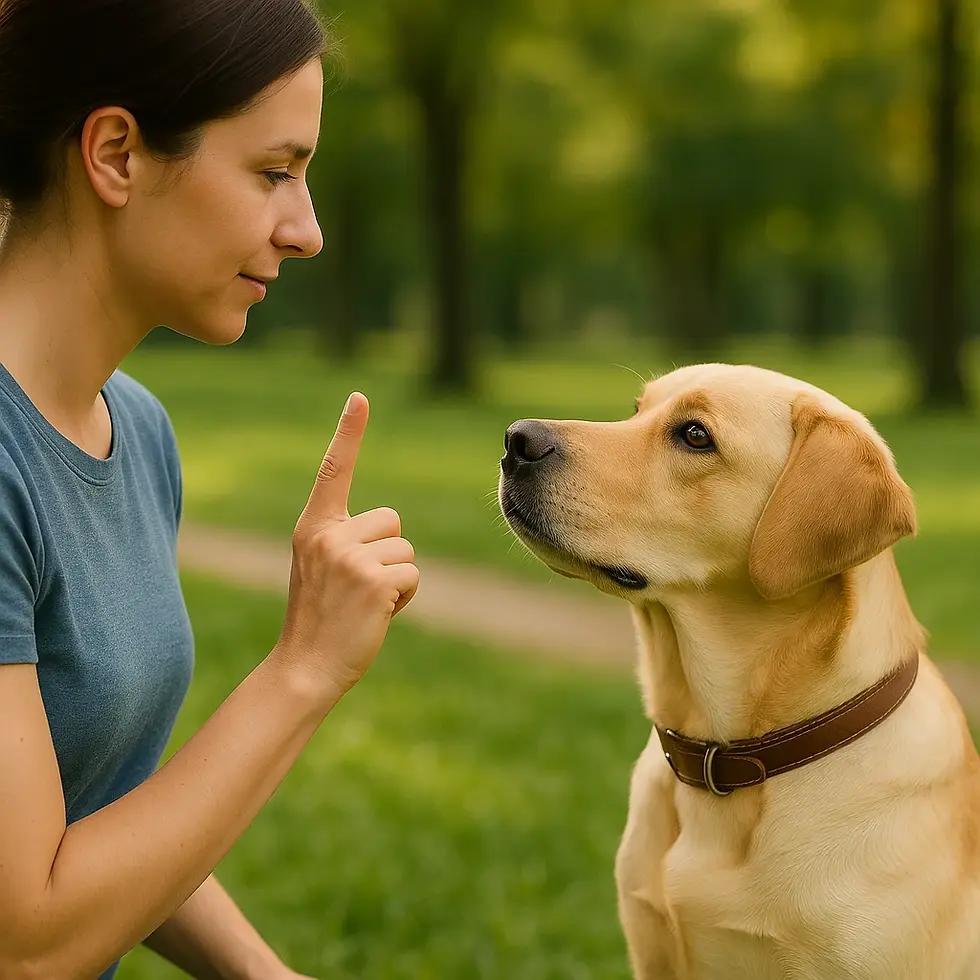
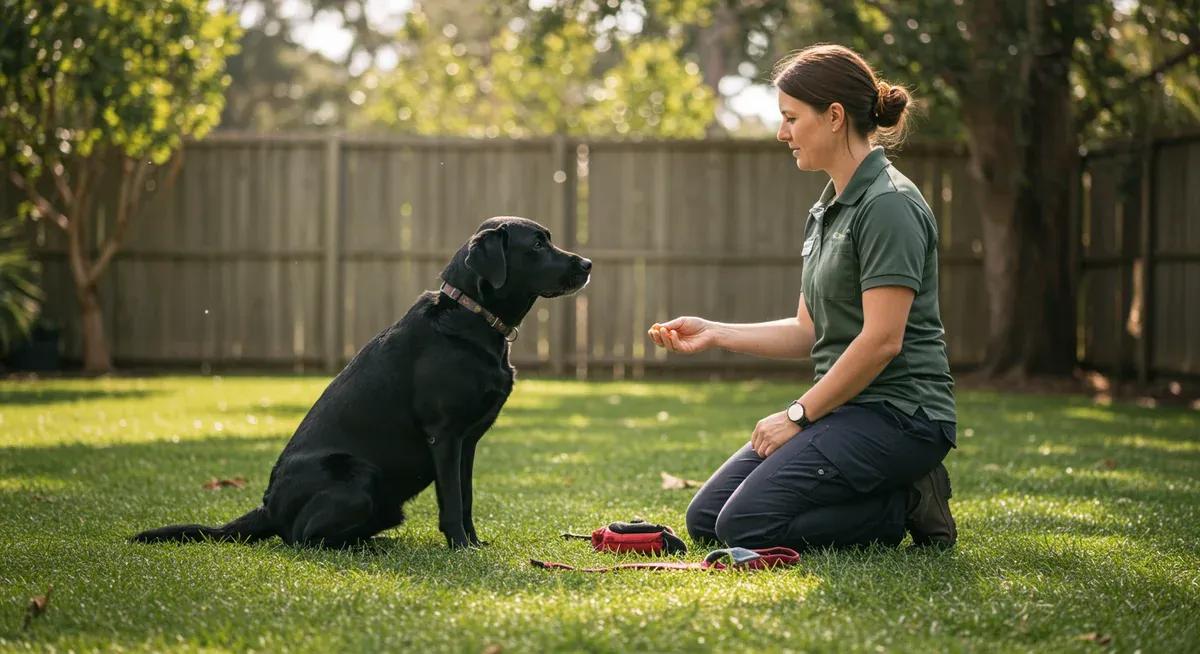
A focus cue gives your dog somewhere safe to put their attention. I usually teach this in the living room first, not beside the dog park where everything is already too difficult.
The cue might be a name response, a "look" cue, or checking in with you voluntarily. The exact word matters less than the history behind it. Your dog should learn that turning toward you predicts something worthwhile.
- Start in a quiet environment with few distractions.
- Reward quick eye contact immediately.
- Increase distractions slowly over many sessions.
- Practise before your dog needs the skill in an emergency.
The best redirection cue is the one your dog can still perform when the world gets interesting.
Marisa Cole, CPDT-KA
With Bruno, the difference came when I stopped expecting him to ignore triggers and started teaching him how to reconnect with me after noticing them.
Using Distance and Timing to Prevent Reactive Outbursts
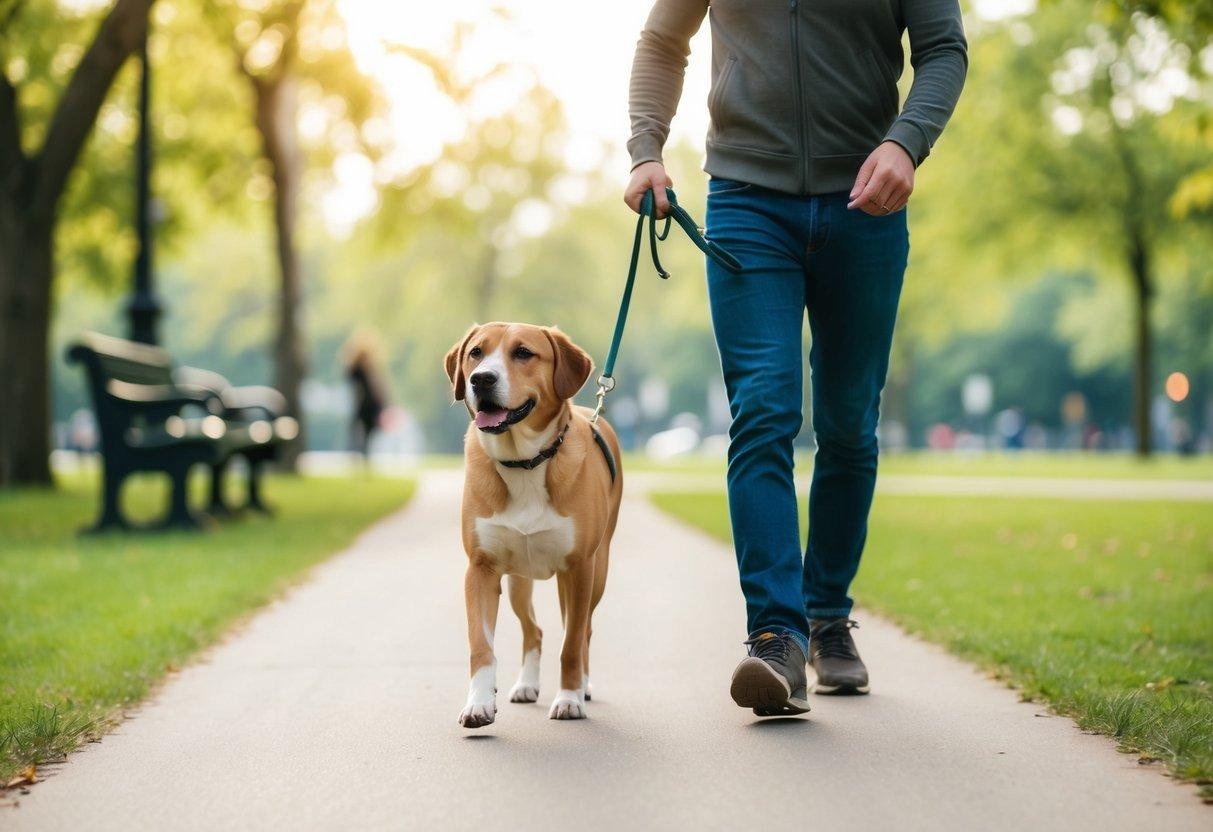
Distance is one of the most powerful training tools I have. It is not avoiding the problem; it is creating the conditions where learning can happen.
10 seconds
can be the difference between a dog who can learn and a dog who is already overwhelmed
I watch for the earliest signs of stress because the moment after a dog reacts is usually too late for teaching. A dog who is still able to take food, move their body, and respond to their handler is usually in a much better learning zone.
| Too close | Better setup |
|---|---|
| Dog is staring, stiff, and unable to respond | Dog notices trigger and can still check in |
| Owner waits for barking | Owner redirects early |
My 7 a.m. harbour path sessions exist for exactly this reason. Quiet environments give dogs the breathing room they need to practise.
Redirection Techniques for Barking, Lunging, and Growling
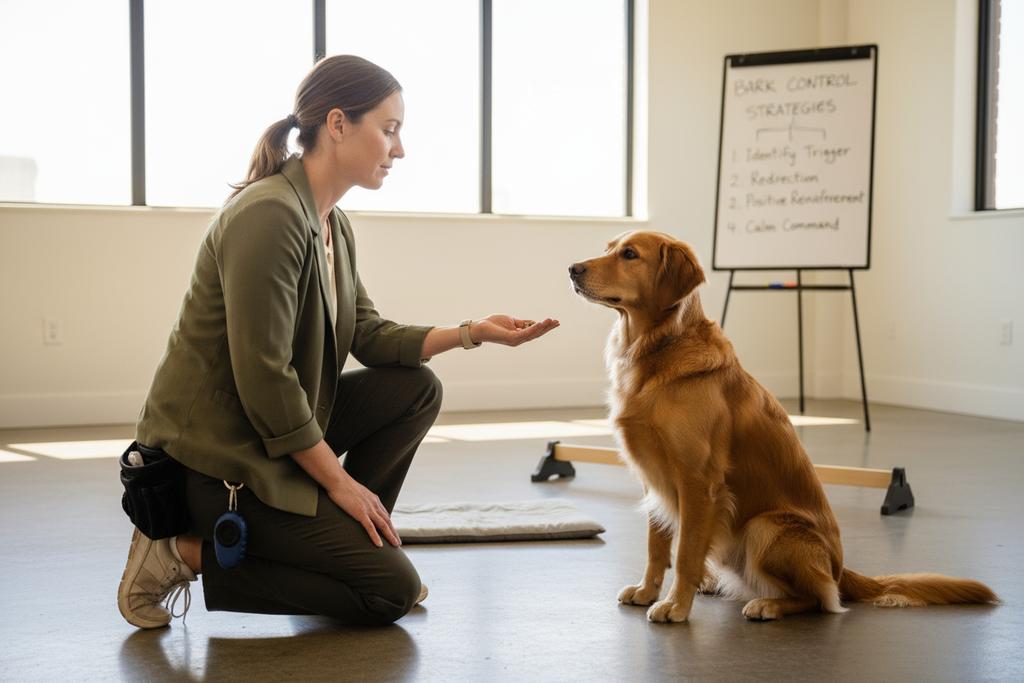
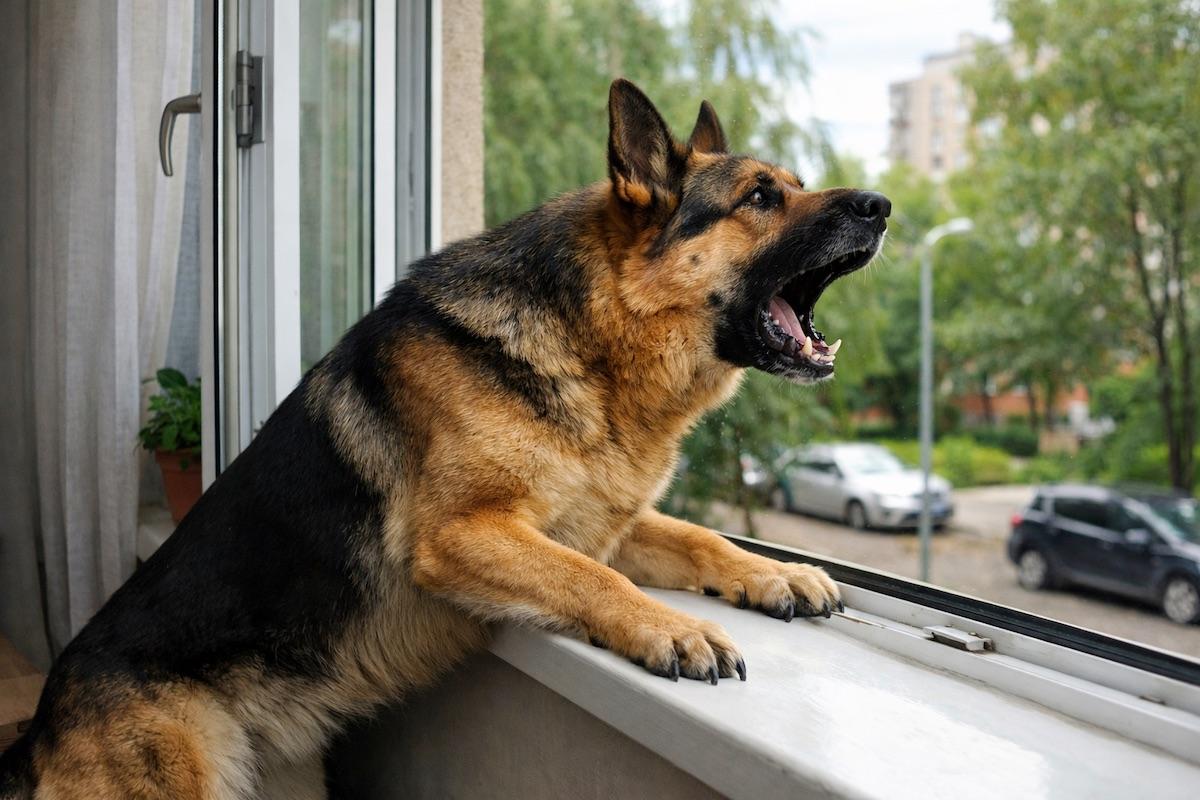
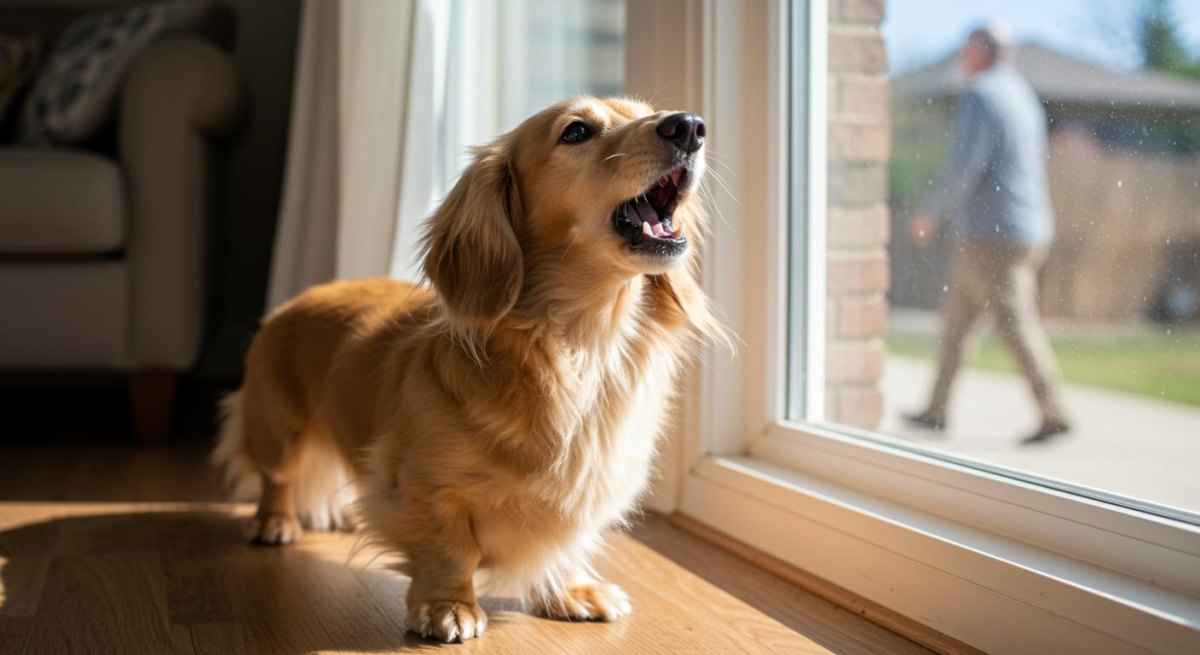
Barking, lunging, and growling are different behaviours with different meanings. I do not treat them as a simple obedience problem. I first ask what the dog is communicating and what happens before and after the reaction.
- Turn away: Teach your dog that moving with you is rewarding.
- Find it: Use a treat scatter when appropriate to encourage sniffing and lowering arousal.
- Pattern games: Repeat predictable sequences that help dogs know what comes next.
- Hand target: Teach a simple movement cue that guides your dog away.
A common mistake
Many people wait until the explosion starts before asking for a behaviour. By then, the dog's brain is busy surviving the moment. Earlier timing makes redirection far more successful.
If a dog has bitten and broken skin, has a history of aggression toward children, or presents a safety risk, this is the point where I recommend working with a certified professional in person and discussing a veterinary behaviourist referral with your vet.
Building Alternative Behaviors Through Reward-Based Training
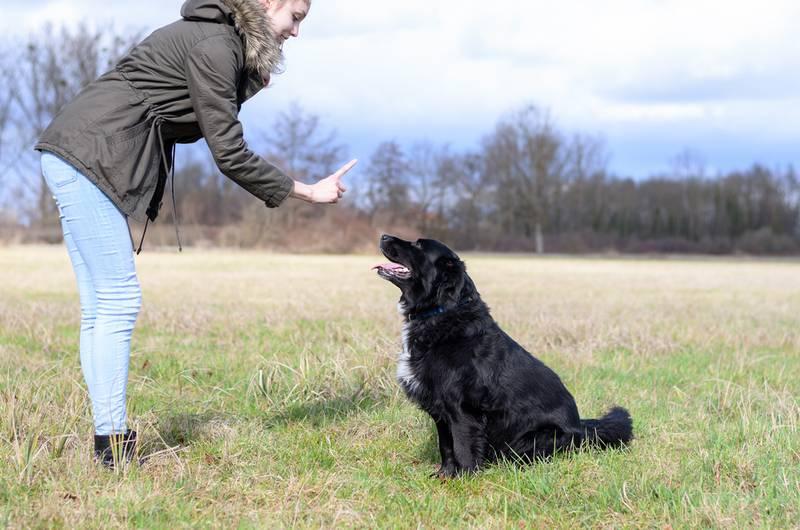
Reactive dogs need replacement behaviours. It is not enough to say "do not bark." Dogs learn best when we show them what works instead.
The behaviour I want to build
I want a dog who can notice a trigger, process that information, and choose a calmer response. That might look like looking back at the owner, walking away, sniffing the ground, or simply relaxing their body.
Reward-based training helps because
- It builds skills dogs can use everywhere.
- It improves trust between dog and handler.
Expect challenges because
- Progress is not perfectly linear.
- Triggers may need gradual practice.
I have worked with many owners who thought their dog needed to be "fixed." Usually, what they needed was a clearer communication system and realistic expectations.
Creating a Long-Term Redirection Plan for a Reactive Dog
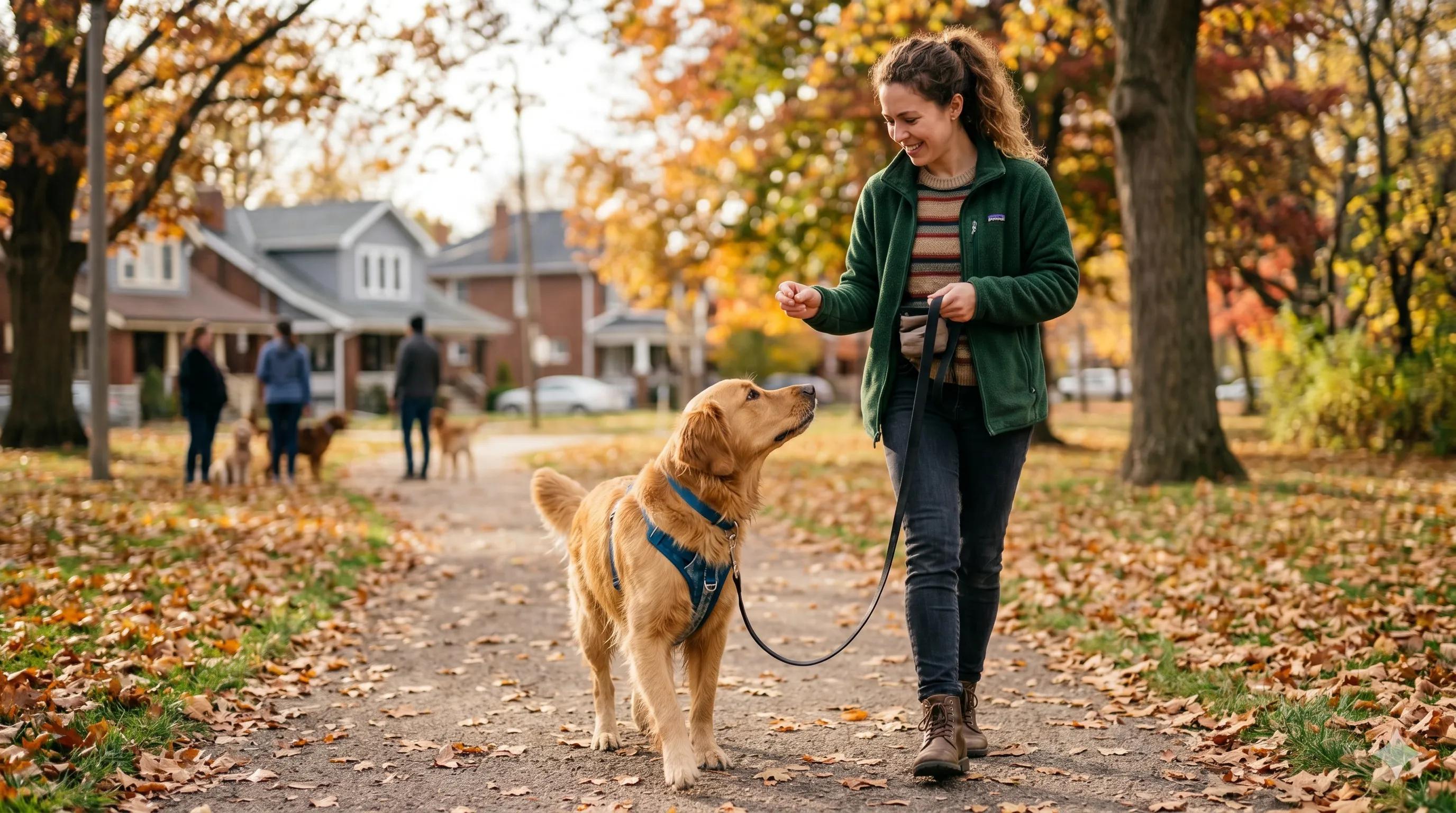
A good redirection plan fits real life. It has to work on rainy walks, busy mornings, and the days when everyone is tired. Perfect training plans are easy to write; practical ones are the ones people actually follow.
- Prevent. Reduce unnecessary rehearsals by managing routes, distance, and environments.
- Practise. Train small skills regularly when your dog is calm enough to learn.
- Progress. Increase difficulty slowly and expect plateaus.
- Review. Adjust the plan when your dog's needs change.
Remember
A reactive dog can improve enormously and still have limits. Bruno is twelve now, retired from most adventures, and I would never take him to a crowded festival. That does not erase the progress he made.
Redirection reactive dog training questions
Can redirection stop my dog from being reactive?
Redirection helps change responses, but it does not erase emotions overnight. It works best as part of a complete behaviour plan.
How long does reactive dog training take?
Most meaningful changes take weeks to months, with progress and setbacks along the way.
Should I redirect my dog after barking starts?
Whenever possible, redirect before the reaction reaches its peak by watching early body-language signs.
The goal is not a dog who never notices the world. The goal is a dog who can notice it and still come back to you.


More Pinterest Visuals