A dog barking at windshield wipers can turn a rainy drive into a noisy, stressful trip for everyone. I have worked with plenty of dogs who react to movement they cannot understand, and the fix is rarely about making the dog “obey” faster. It is about teaching a different response while keeping the dog below the point where fear or frustration takes over.
With Bruno, I learned that the smallest details matter. The timing of the trigger, the distance from it, and the first tiny body-language changes often tell us more than the barking itself. This plan is about helping your dog feel safe and giving you practical steps that work on an ordinary Tuesday drive.
Understand Why Your Dog Barks at Windshield Wipers
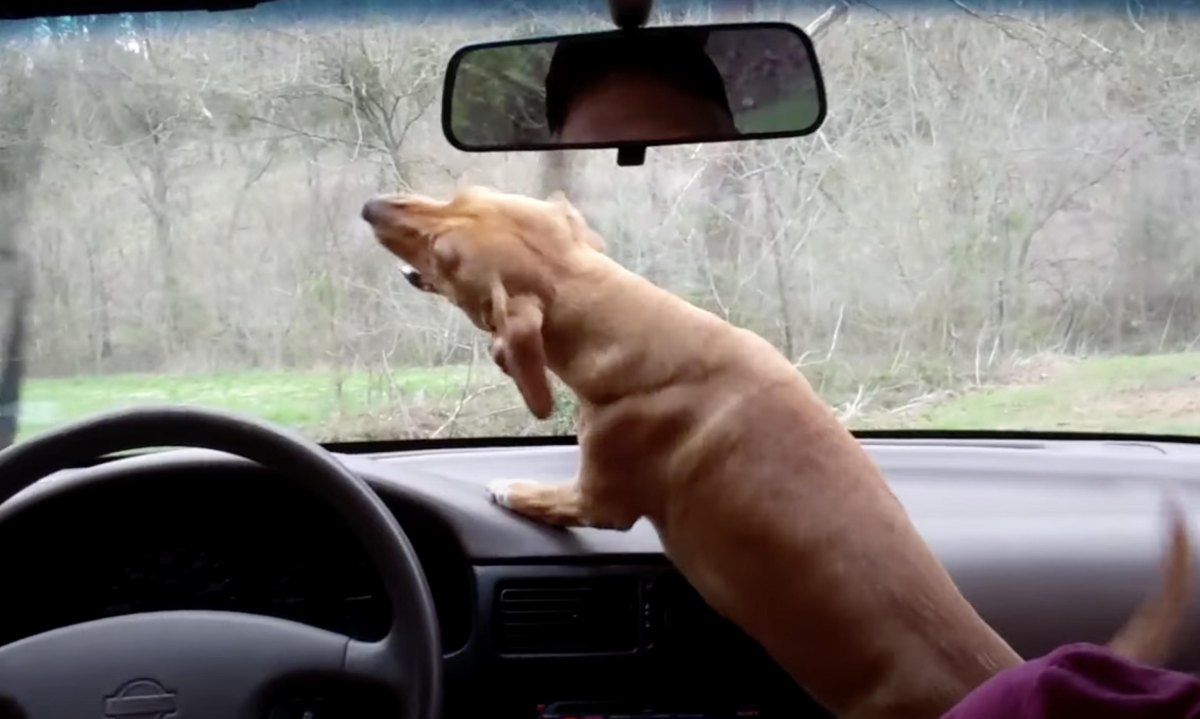
Before I change a behaviour, I want to know what the dog is experiencing. Windshield wipers are unusual because they move suddenly, cross the dog's visual field, and appear attached to the car. Some dogs are reacting from excitement, some from uncertainty, and some from a habit that has been practised on every rainy drive.
I look for the details before the barking starts. Early stress signals can include a closed tight mouth, lip licking, ears shifting back, a weight change, or a fixed stare. Those moments are where training begins, not after the dog is already shouting at the glass.
What I check first
- The dog's body language before the barking.
- Whether the wipers trigger fear, excitement, or frustration.
- Whether the dog can still eat treats and respond.
If this behaviour appeared suddenly, especially in an older dog, I would rule out pain or a medical issue with a veterinarian before assuming it is only training. Behaviour changes deserve that basic check.
Desensitize Your Dog to Moving Windshield Wipers
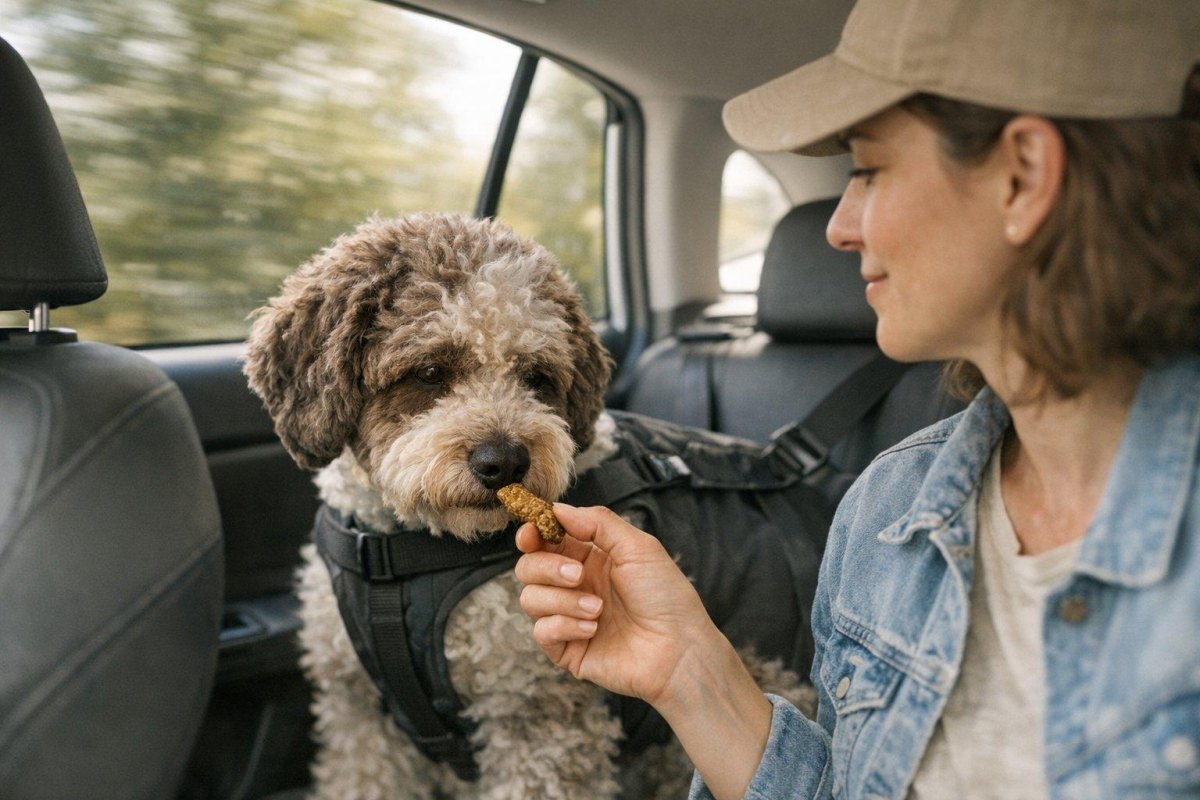
The goal is not to force a dog to “get used to it.” Flooding a dog with a scary trigger often creates a bigger reaction. I use gradual desensitisation by introducing the wipers at a level where the dog notices them but can still think.
In my sessions, I often start with the car parked and the wipers off. Then I build tiny steps: one slow movement, a pause, and a reward. The timeline is usually weeks rather than days, and a setback simply means the step was too large, not that the dog has failed.
- Start. Sit with your dog in a quiet parked car and practise calm behaviour.
- Introduce. Move the wipers briefly while your dog remains relaxed.
- Increase. Add more movement only when your dog can stay comfortable.
Training tip
Keep sessions short. Five calm minutes teaches more than twenty minutes that ends with barking.
Reward-based training is the approach I use because it builds confidence instead of adding fear. Veterinary behaviour organisations recommend reward-based methods for dog training and behaviour problems.
Use Positive Reinforcement to Reward Calm Behavior
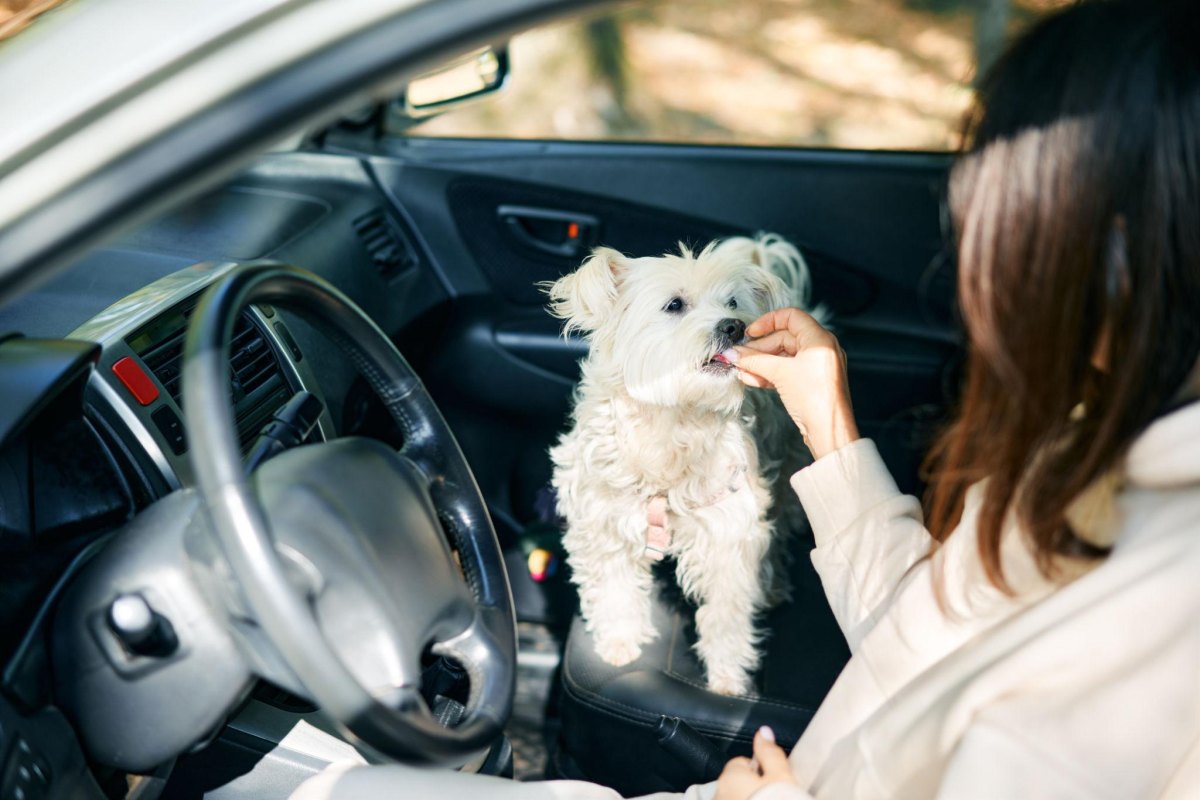
Many owners wait until the barking stops before they reward their dog. I prefer to catch the quiet moments before the explosion. A glance at the wipers followed by a relaxed body is exactly the behaviour I want to strengthen.
I use positive reinforcement with food, praise, or another reward the dog actually values. The reward needs to arrive quickly enough that your dog understands which choice earned it. Research and veterinary guidance support reward-based training as a welfare-friendly approach.
- Reward timing: Mark calm choices immediately after the trigger appears.
- Reward value: Use something your dog genuinely wants, especially early in training.
- Reward frequency: Pay often at the beginning, then gradually reduce rewards.
Why this helps
- Builds confidence around the trigger.
- Creates a clear alternative to barking.
What to avoid
- Waiting until your dog is overwhelmed.
- Punishing the reaction without teaching a replacement.
I do not recommend pain, startle, or fear-based tools for this problem. Studies have found welfare concerns associated with aversive training approaches.
Reduce Triggers Before Driving With Your Dog
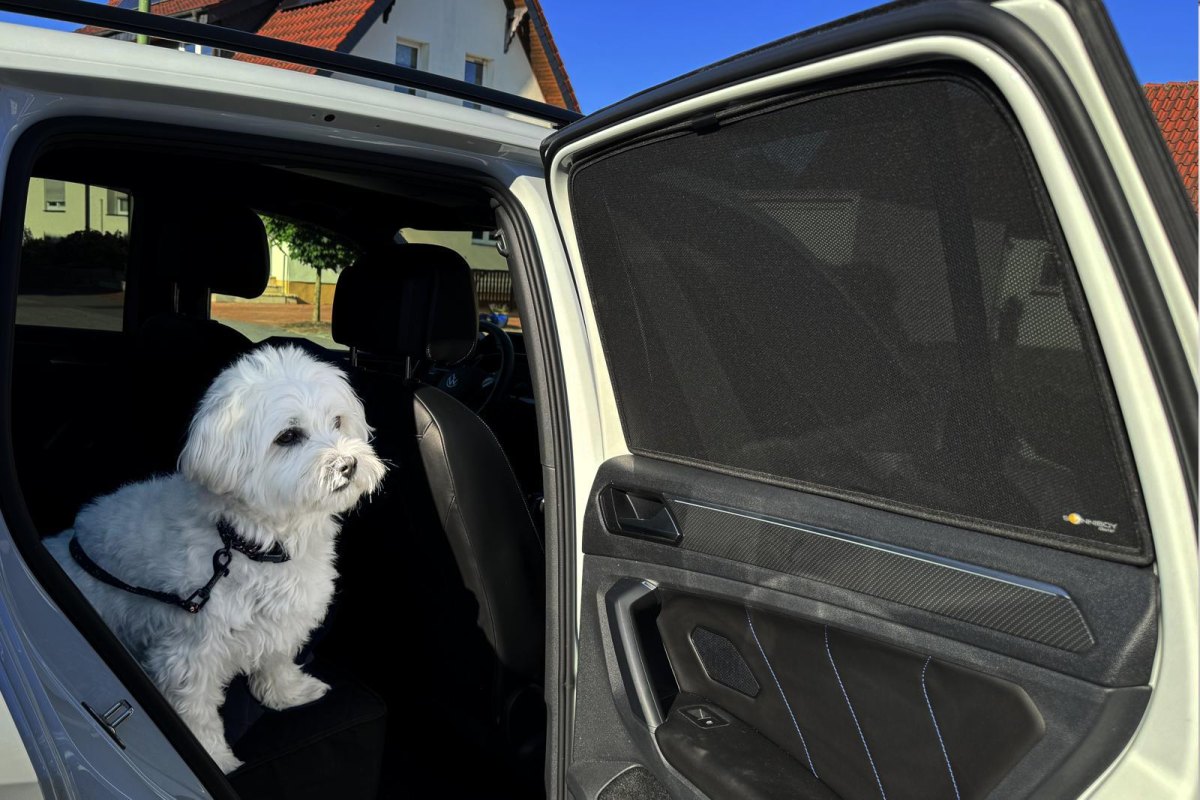
The most skipped step in behaviour work is the boring one: management. Before training changes anything, I want fewer opportunities for the dog to practise barking at the windshield every rainy afternoon.
Trigger management can mean changing the setup inside the car, choosing calmer routes, or adjusting when you travel. It is not giving up. It is creating enough calm repetitions for learning to happen.
| Trigger problem | Helpful adjustment |
|---|---|
| Dog watches every wiper movement | Reduce visual access while keeping the dog comfortable |
| Dog starts barking immediately | Practise before the dog reaches that reaction point |
- Use safe car restraint equipment.
- Keep the car environment predictable.
- Plan practice drives when conditions are easier.
This is the same principle I use with reactive dogs on the harbour path near my training space: make the right choice easier before asking for it.
Teach a Quiet Command for Car Rides
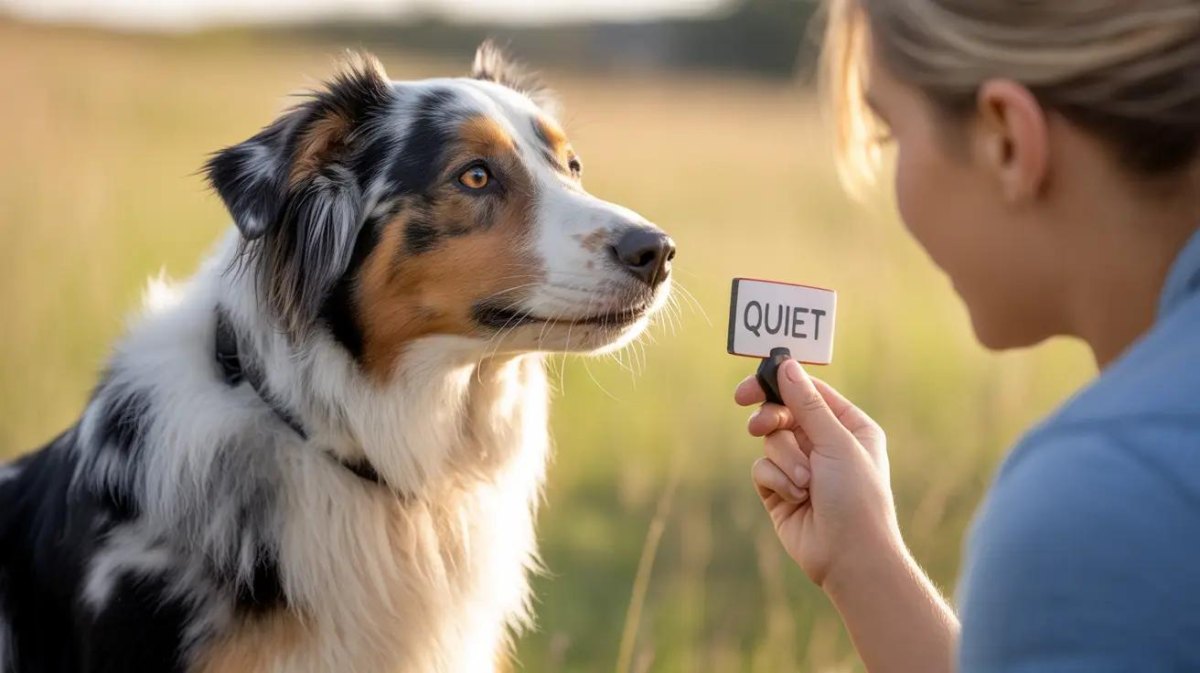
A quiet cue is useful, but it is not where I start. If a dog is panicking at the wipers, asking for silence skips the actual problem. First we build calm; then we name it.
I teach the quiet cue by rewarding natural pauses in barking. The dog learns that stopping and checking in with me has value. This takes repetition, and the occasional bad rainy drive is part of the process.
A common mistake
Do not repeat “quiet” louder and louder while your dog is already overwhelmed. The word can become background noise instead of a useful signal.
- Prerequisite: Your dog needs to be calm enough to notice you.
- Practice: Start outside the most difficult driving situations.
- Progress: Expect gradual improvement over weeks or months, not overnight.
If your dog's reaction includes attempts to escape, aggression, or a bite history, I would move this beyond a blog plan and work with a qualified professional in person. Safety comes before training goals.



More Pinterest Visuals