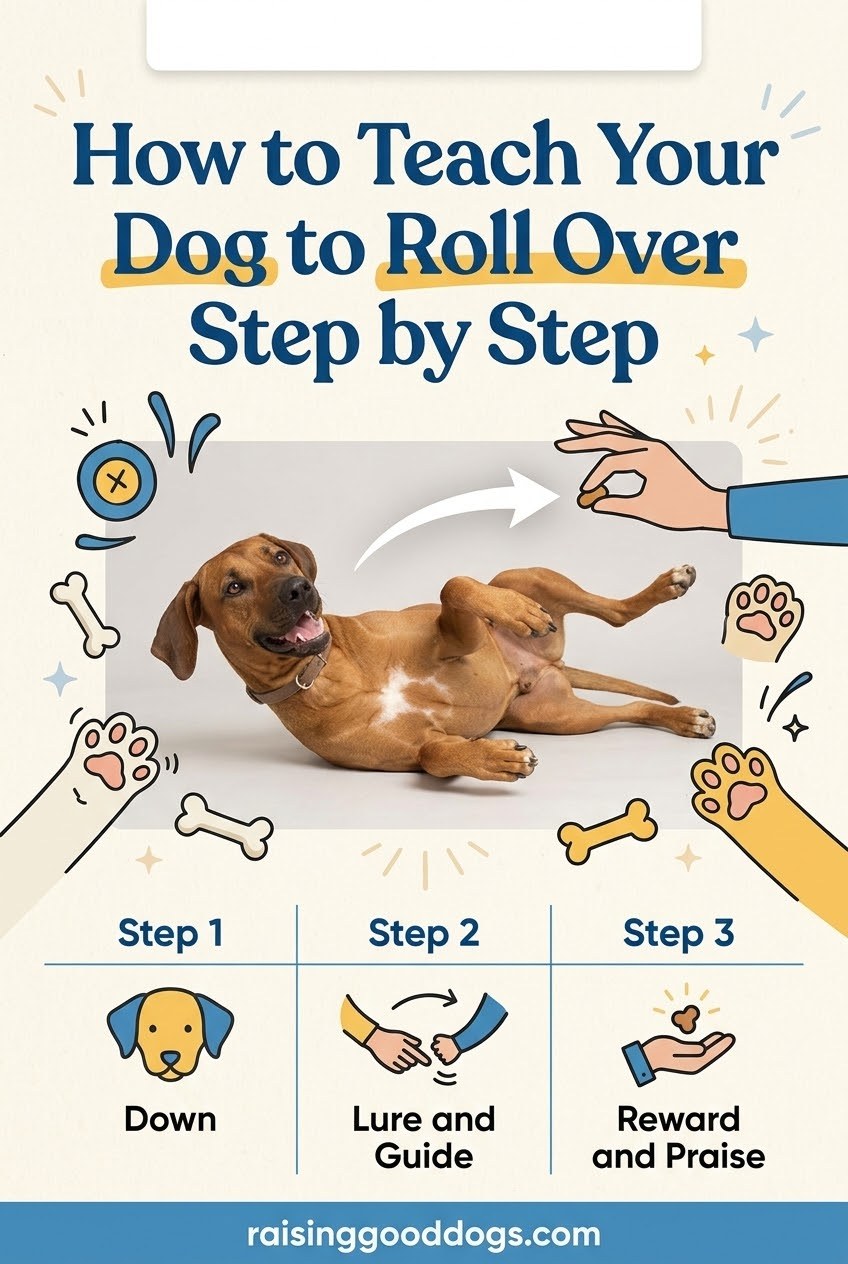
The first time a dog learns to roll over, it often looks less like a magic trick and more like a confused game of “what exactly do you want from me?” I love that stage. It tells me we need smaller steps, better timing, and a little patience.
I teach this trick with reward-based training because dogs learn best when they understand what earns them success. Before you begin, choose a quiet space where your dog can focus, make sure they are comfortable moving on the floor, and remember that some dogs simply need more time with body movements than others.
Teaching a dog to roll over
- Start with a reliable down position.
- Use small movement steps instead of forcing the roll.
- Reward effort and build the full trick gradually.
Teaching Your Dog the Basic Down Position
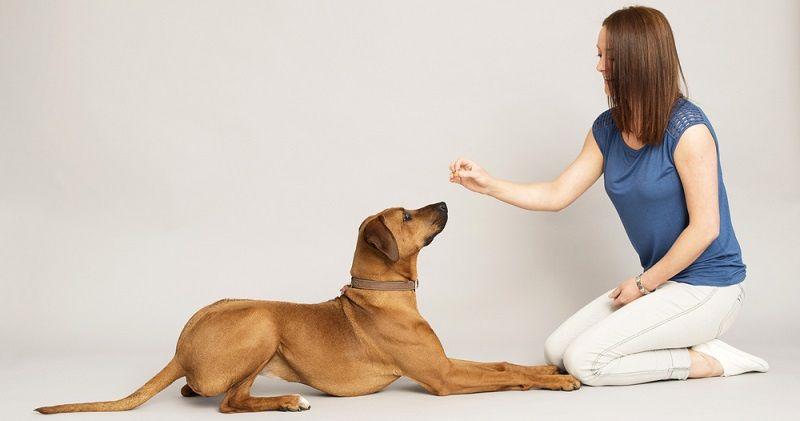
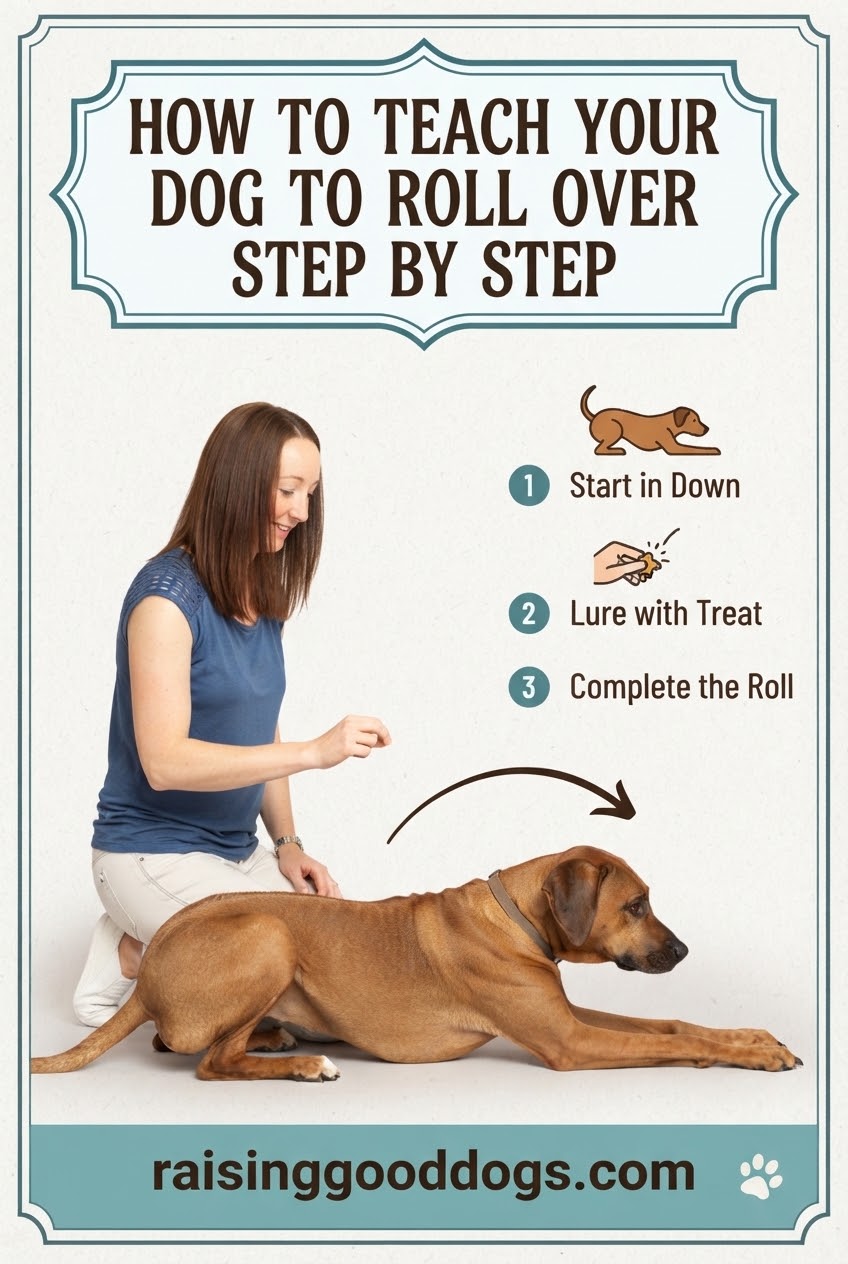
I always begin here because the roll over starts with your dog feeling comfortable lying down. If your dog pops up immediately, the rolling part will be much harder. Spend a few minutes making the down cue reliable before adding extra movement.
In my training room, I watch for tiny details before asking for more. Is your dog relaxed through the shoulders? Are their ears soft? Is their weight settled instead of leaning away? Those little body-language clues tell me whether they are ready.
Training tip
Keep sessions short. A few focused minutes usually beats a long session where your dog starts guessing.
Guiding Your Dog Into the Roll Over Motion
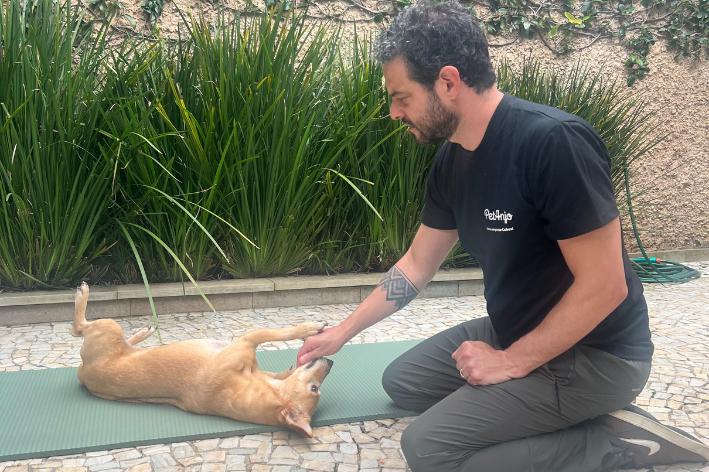
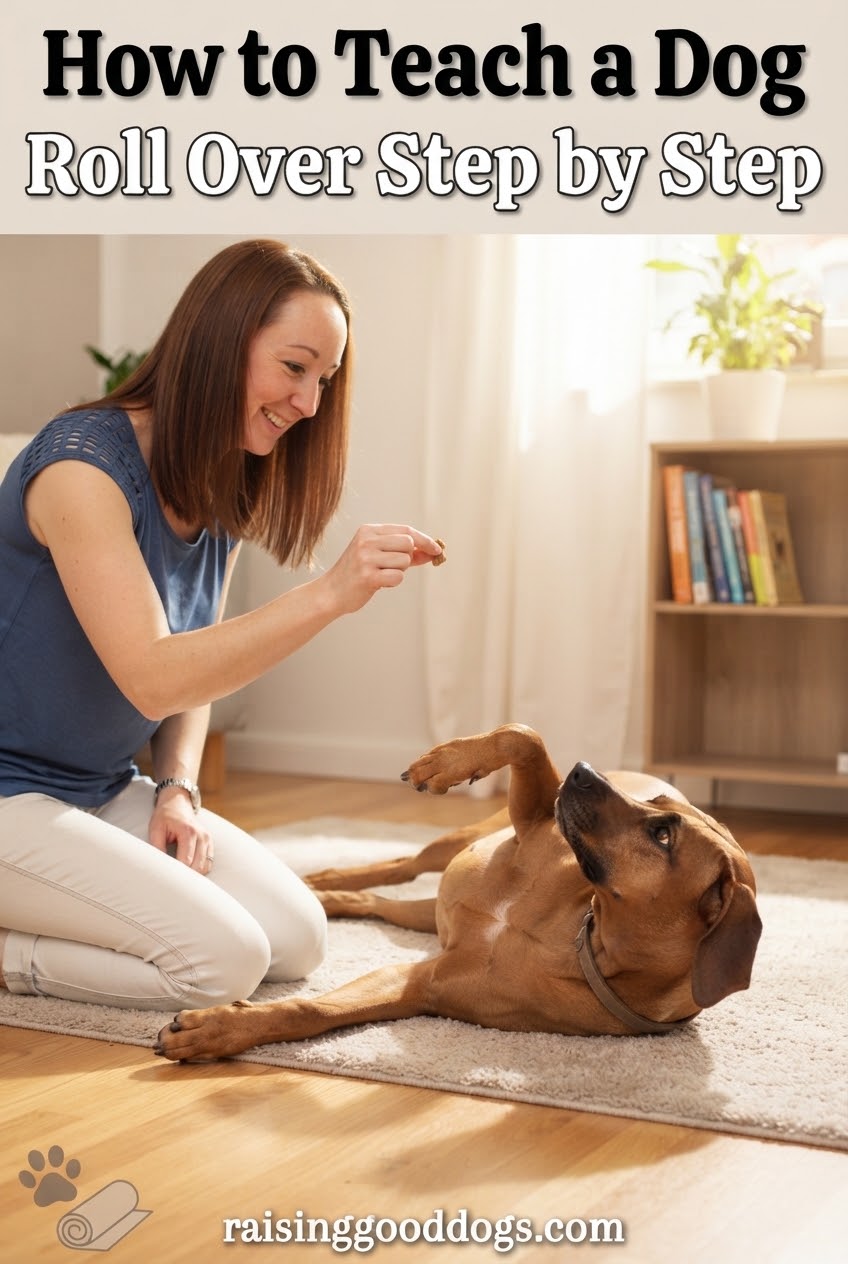
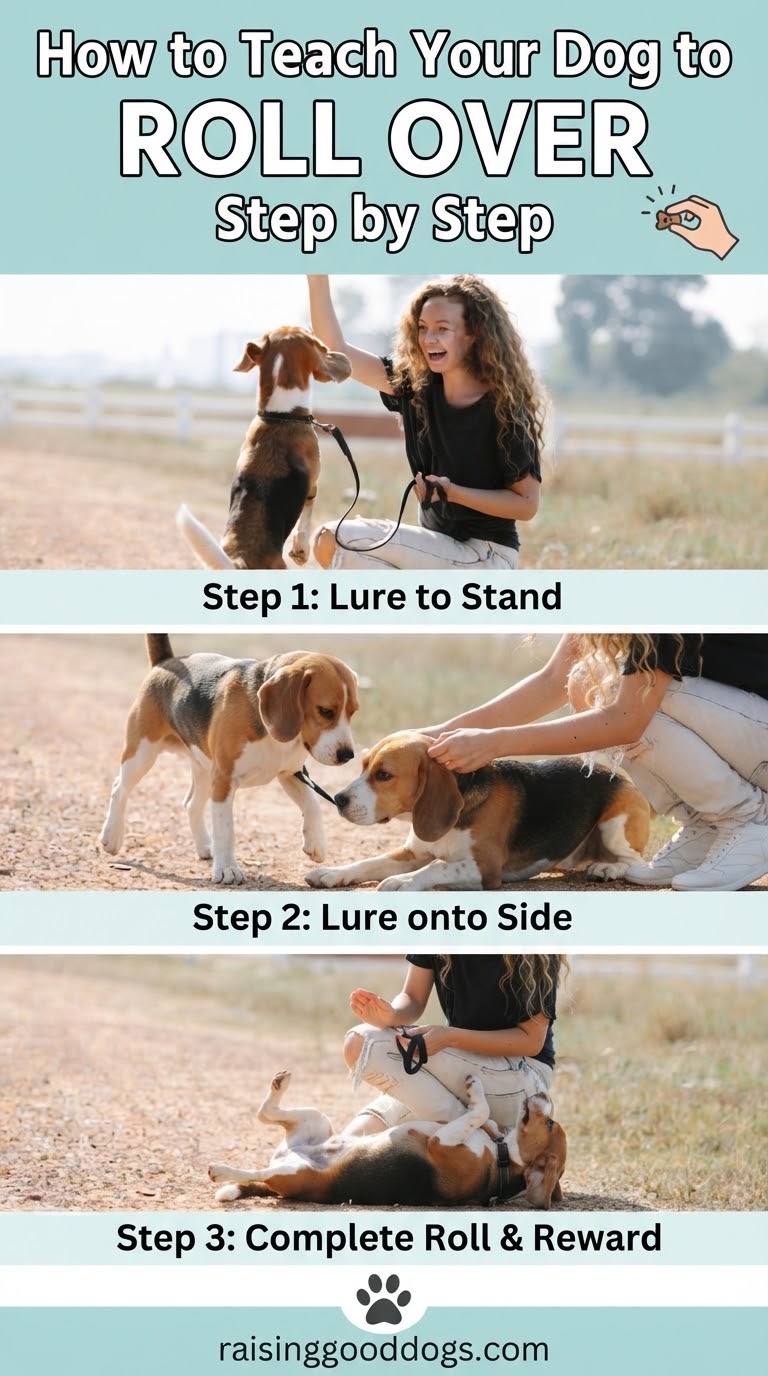
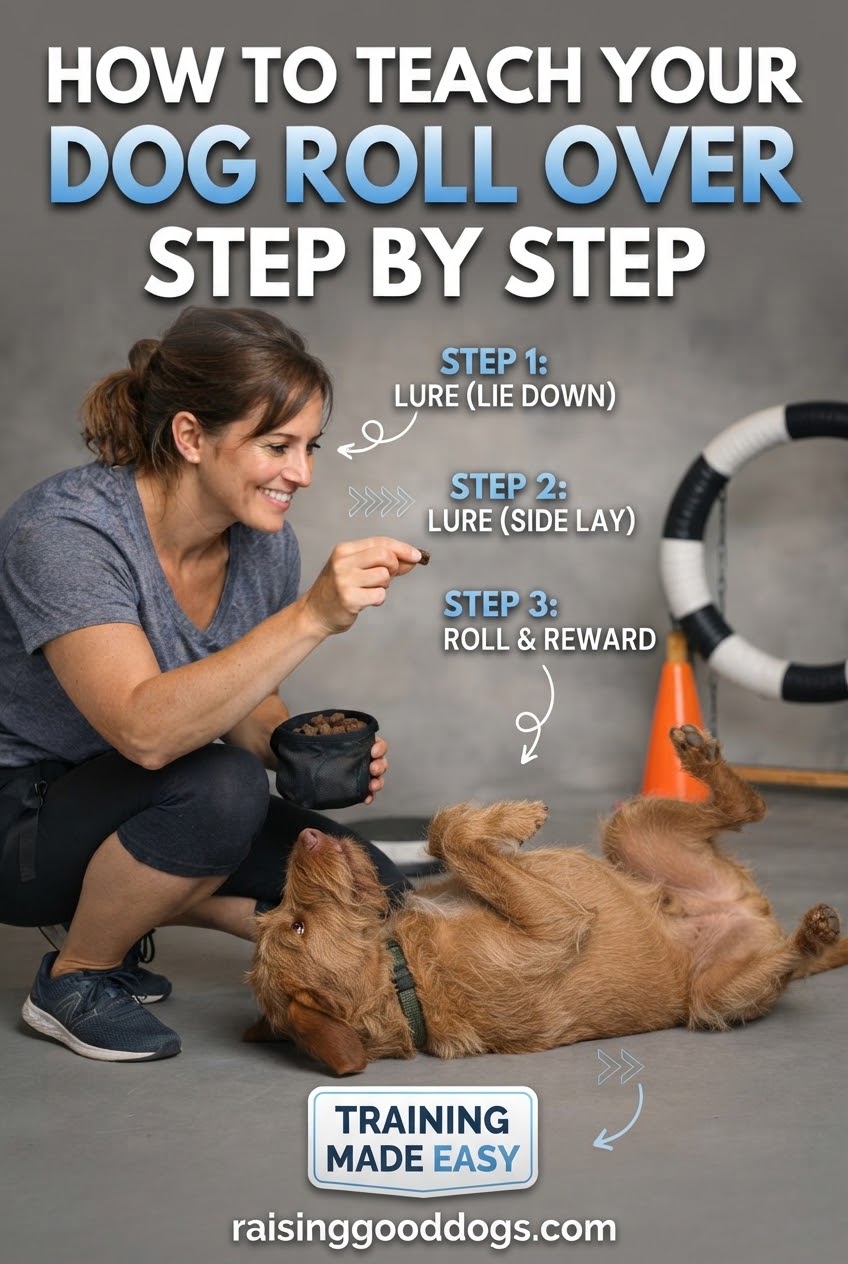
Once your dog is comfortable in a down position, I introduce the movement slowly. I use a treat near the nose and guide the head toward the shoulder so the body naturally follows. The goal is letting your dog choose the motion, not physically placing them into a roll.
Some dogs will glide through this quickly. Others will stop at their side and look at you like you have invented the strangest exercise class imaginable. That pause is useful information, not stubbornness.
Common mistake
Do not push your dog over or hold their legs in position. A dog who feels trapped may avoid the exercise entirely.
Using Treats and Rewards to Reinforce the Trick
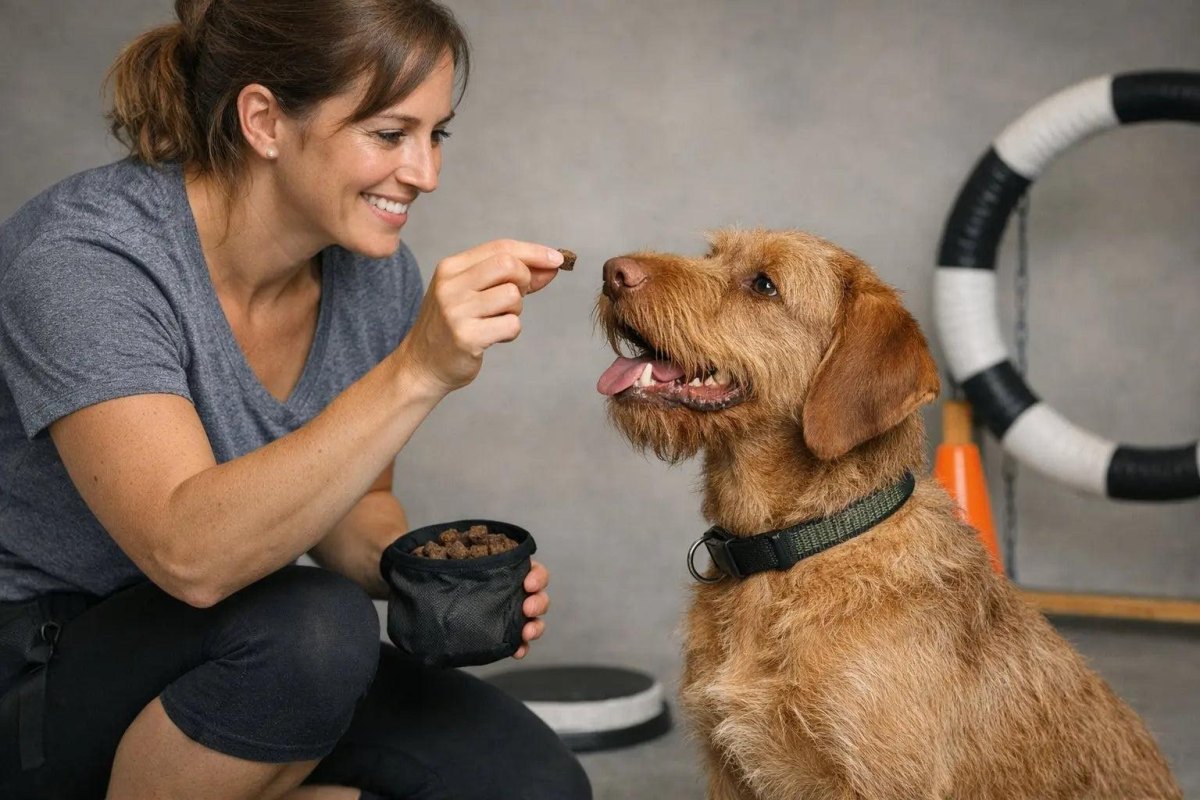
Treats are not a bribe when we use them properly. They are information. Your dog is learning, “That movement was the one that worked.” I have found the best results come from rewarding the exact moment the behaviour happens, especially with new tricks like roll over training.
Pick rewards your dog actually values. Bruno would have worked for almost anything when he was younger, while Pickle has always had very specific opinions about what qualifies as payment.
| Dog response | My adjustment |
|---|---|
| Moves easily | Reduce the lure gradually |
| Gets confused | Return to a smaller step |
| Loses interest | End the session and try later |
Reward the behaviour you want to see again.
My training approachPracticing the Roll Over Command Step by Step
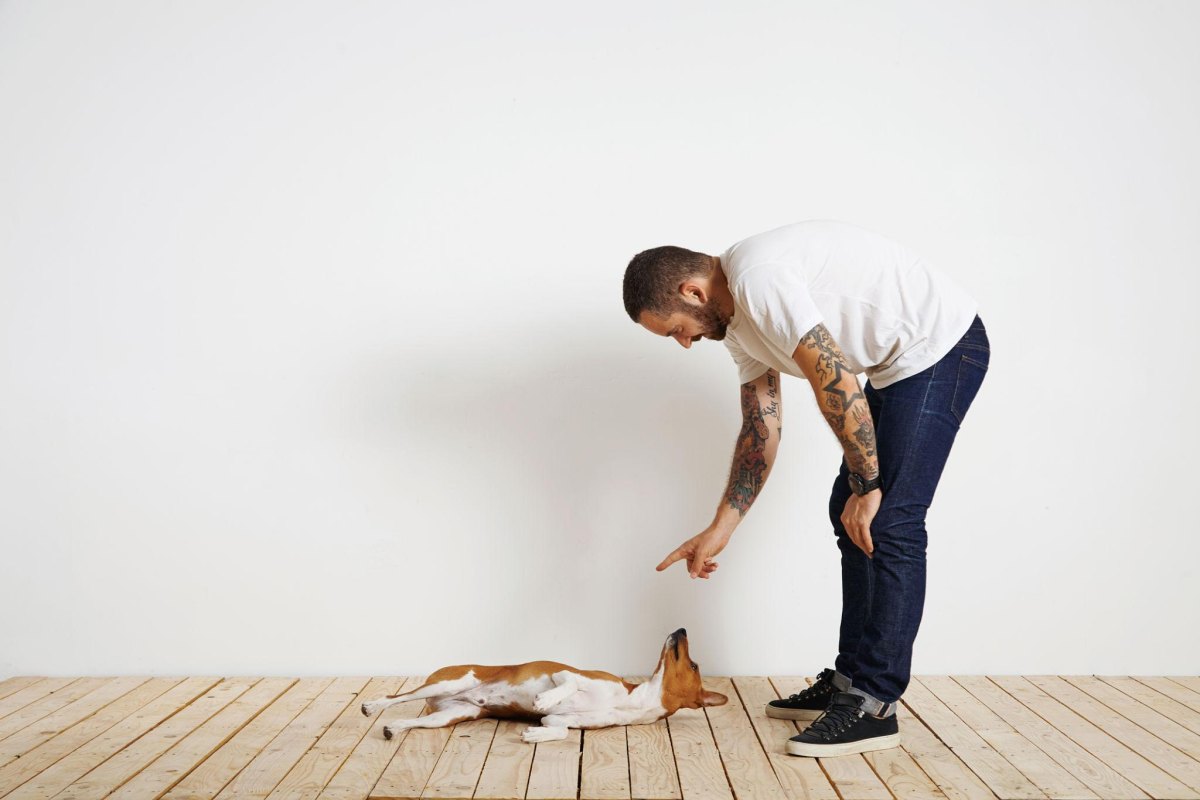
When the movement is happening consistently, I add the verbal cue. I do not rush this part. The word only becomes meaningful after your dog already understands the action. This is where many people accidentally repeat a cue while their dog is still figuring out the behaviour.
I usually practice in quiet places first, then slowly add normal household distractions. A dog who can roll over in your kitchen may not immediately understand the same request when the neighbour's lawn mower is running.
Remember
If your dog suddenly avoids the movement, seems uncomfortable, or shows signs of pain, stop and consider whether a veterinary check is needed.
Improving Your Dog’s Roll Over Skill With Practice
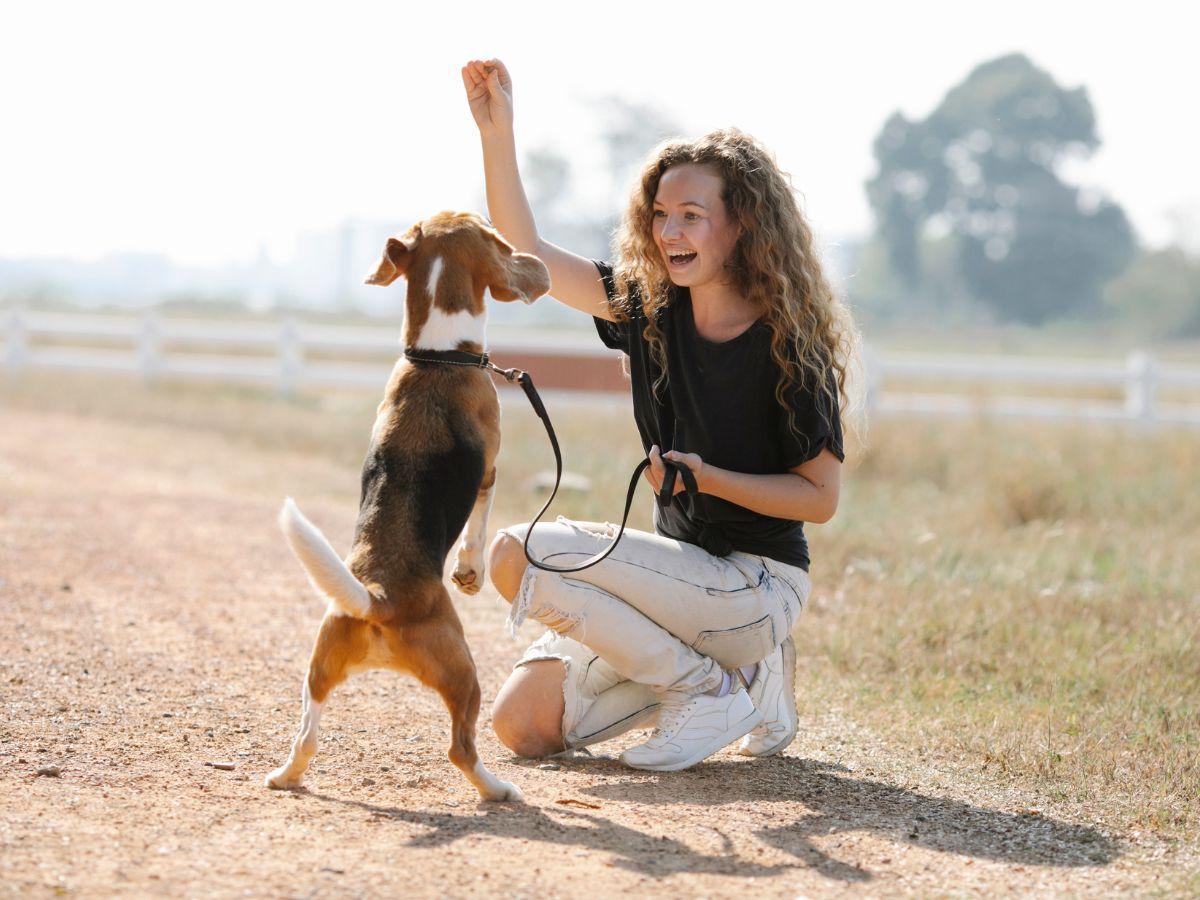
A finished trick is not built in one afternoon. I tell clients to expect a few weeks of casual practice for a reliable roll over, especially if their dog is learning other skills at the same time. Progress is usually uneven: one great session, one average session, then a surprising breakthrough.
The final stage is making the behaviour smoother while keeping your dog happy. Fade the treat lure, reward occasionally, and keep the game enjoyable. The best roll overs come from a dog who thinks training is worth showing up for.
Benefits of practicing
- Builds communication between dog and handler
- Improves body awareness
- Adds a fun enrichment activity
Things to watch
- Some dogs dislike rolling on hard surfaces
- Older dogs may need easier movement options
- Not every dog enjoys every trick
A small training win matters
I care less about a perfect performance and more about the dog who confidently tries. That willingness is where good training lives.


More Pinterest Visuals