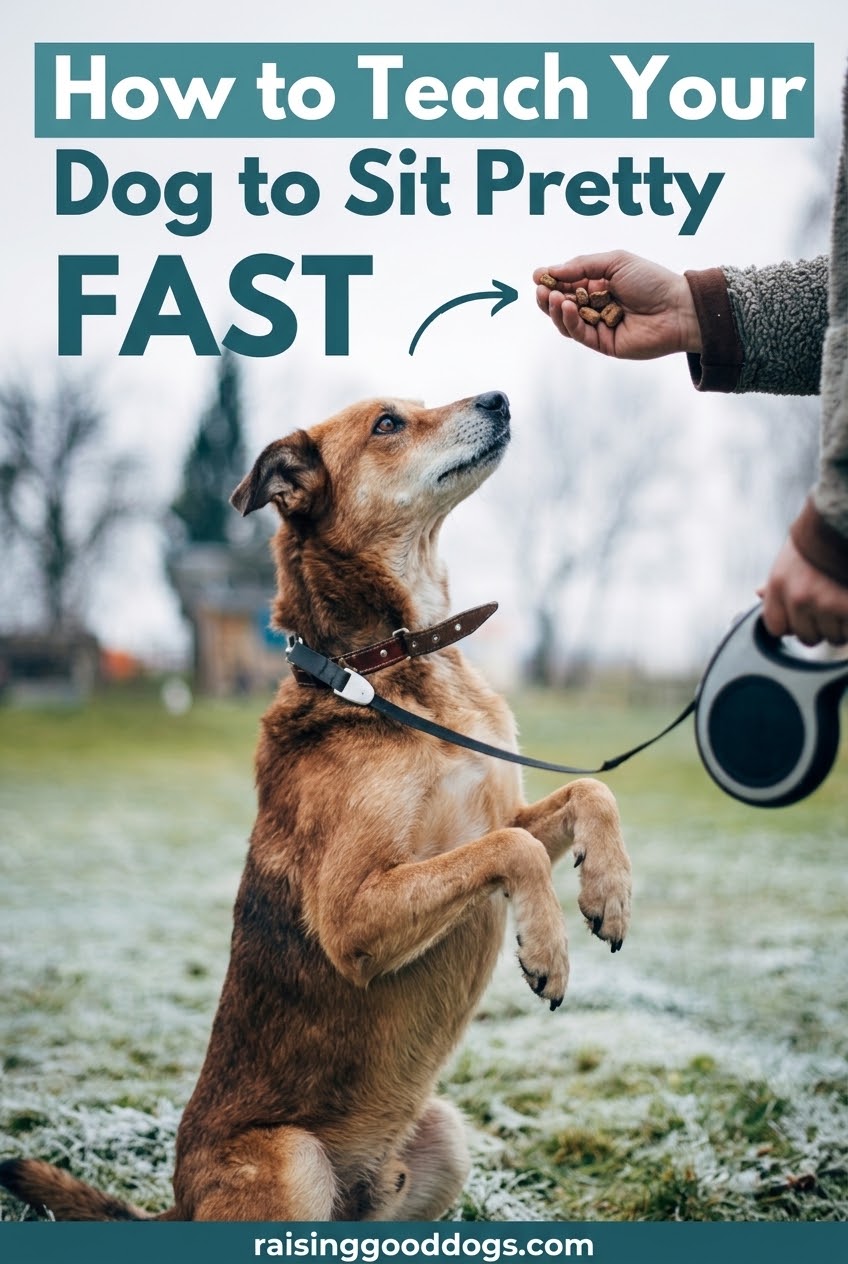
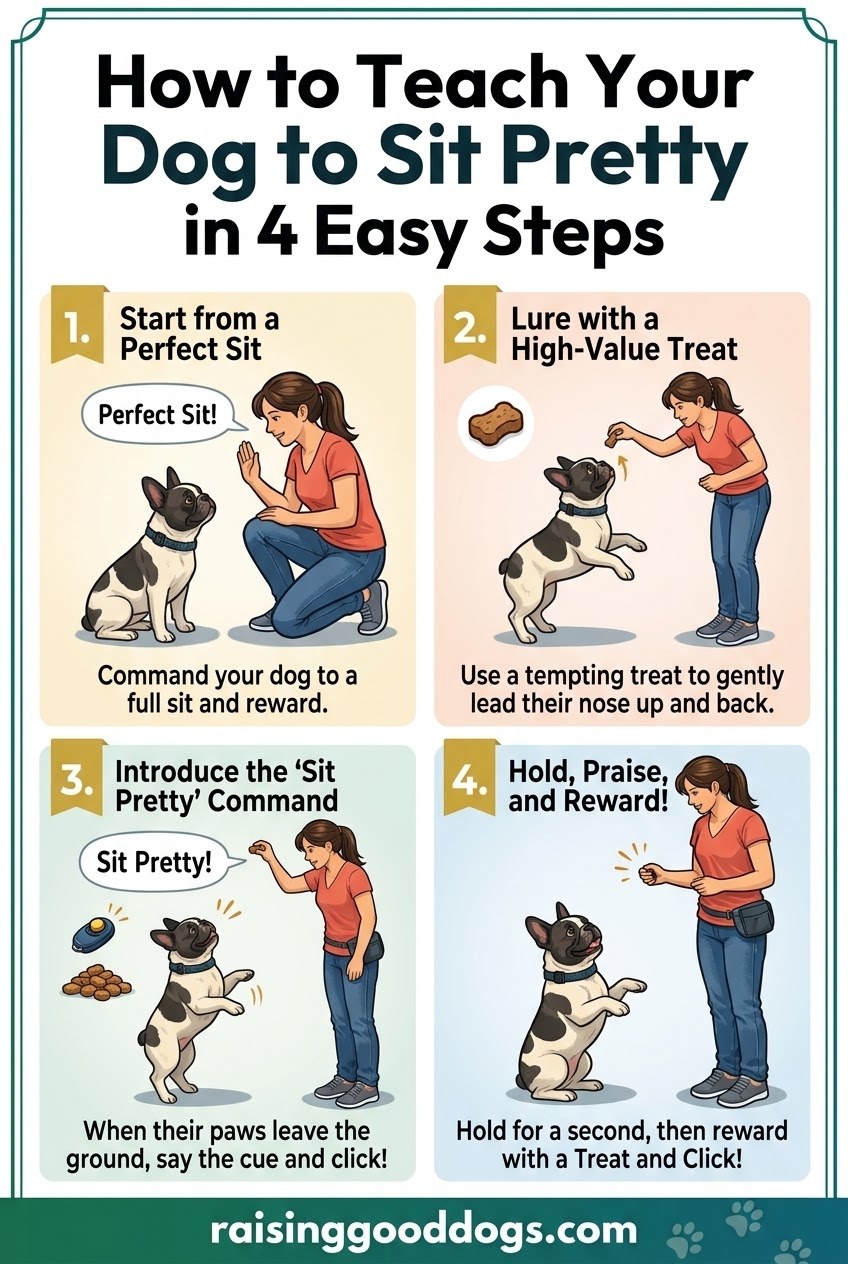
That little paws-up pose looks effortless in photos, but your dog is actually doing a small balance exercise that needs patience and good timing. I teach this trick by building tiny successes, not by asking a dog to suddenly hold a difficult position.
Teach the Sit Pretty Command Step by Step
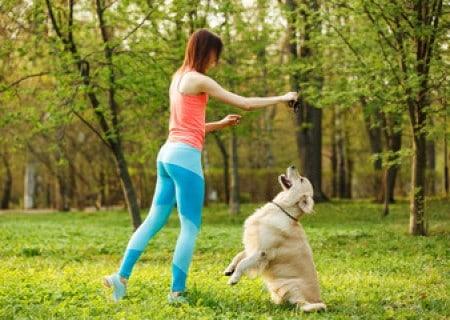
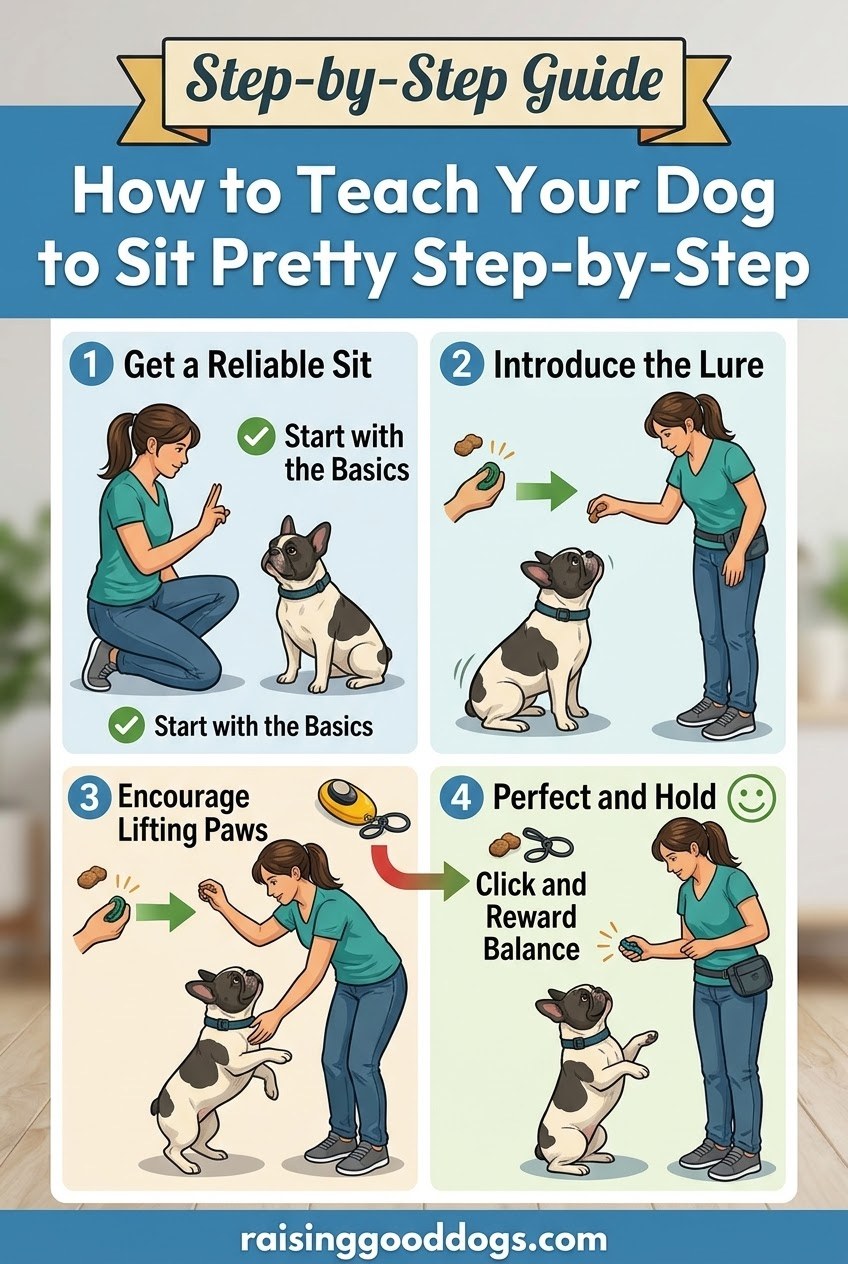
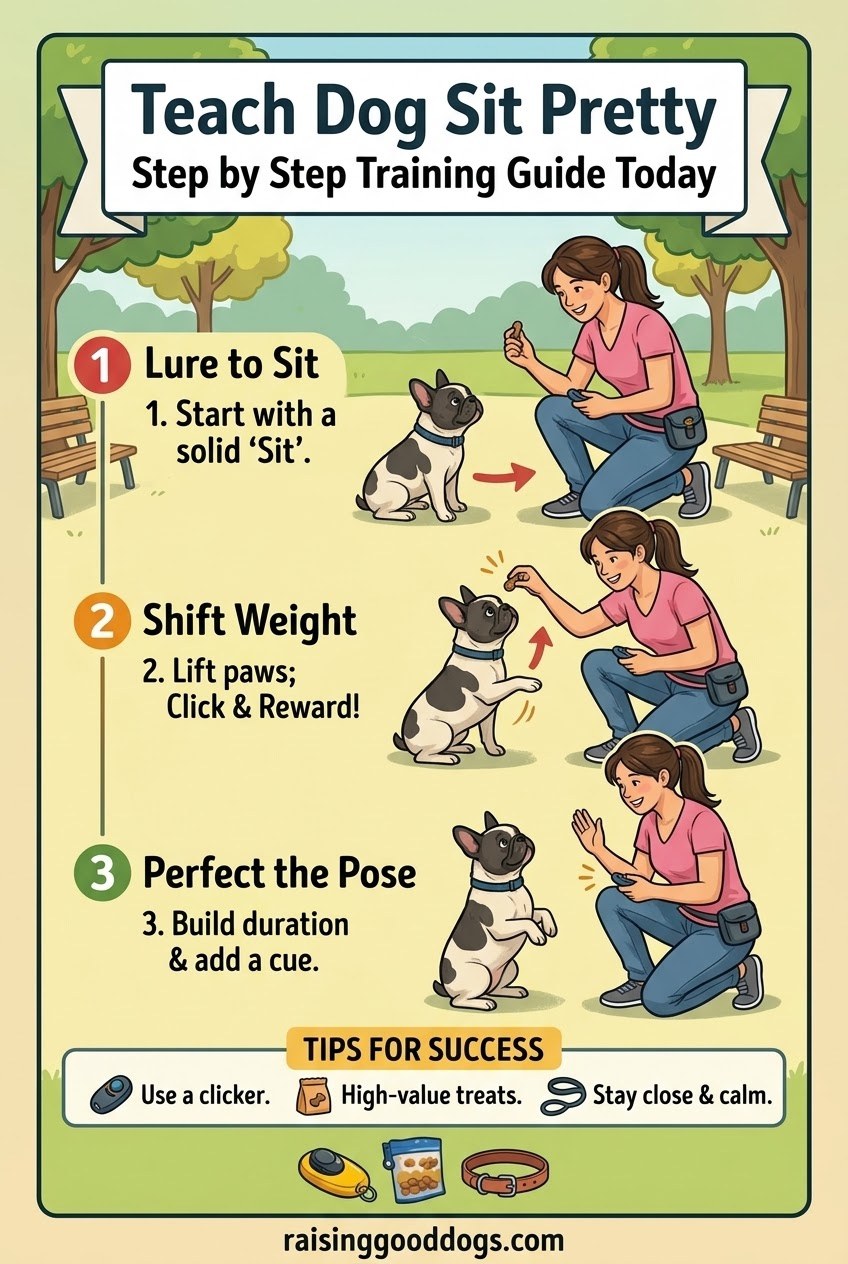
Before I teach the sit pretty cue, I make sure a dog has a comfortable, reliable sit. This trick starts from a seated position, then the dog shifts weight back onto the haunches while lifting the front paws.
I keep the first sessions short and reward the smallest correct movement. Small progress counts here because balance develops through repetition, not one perfect attempt.
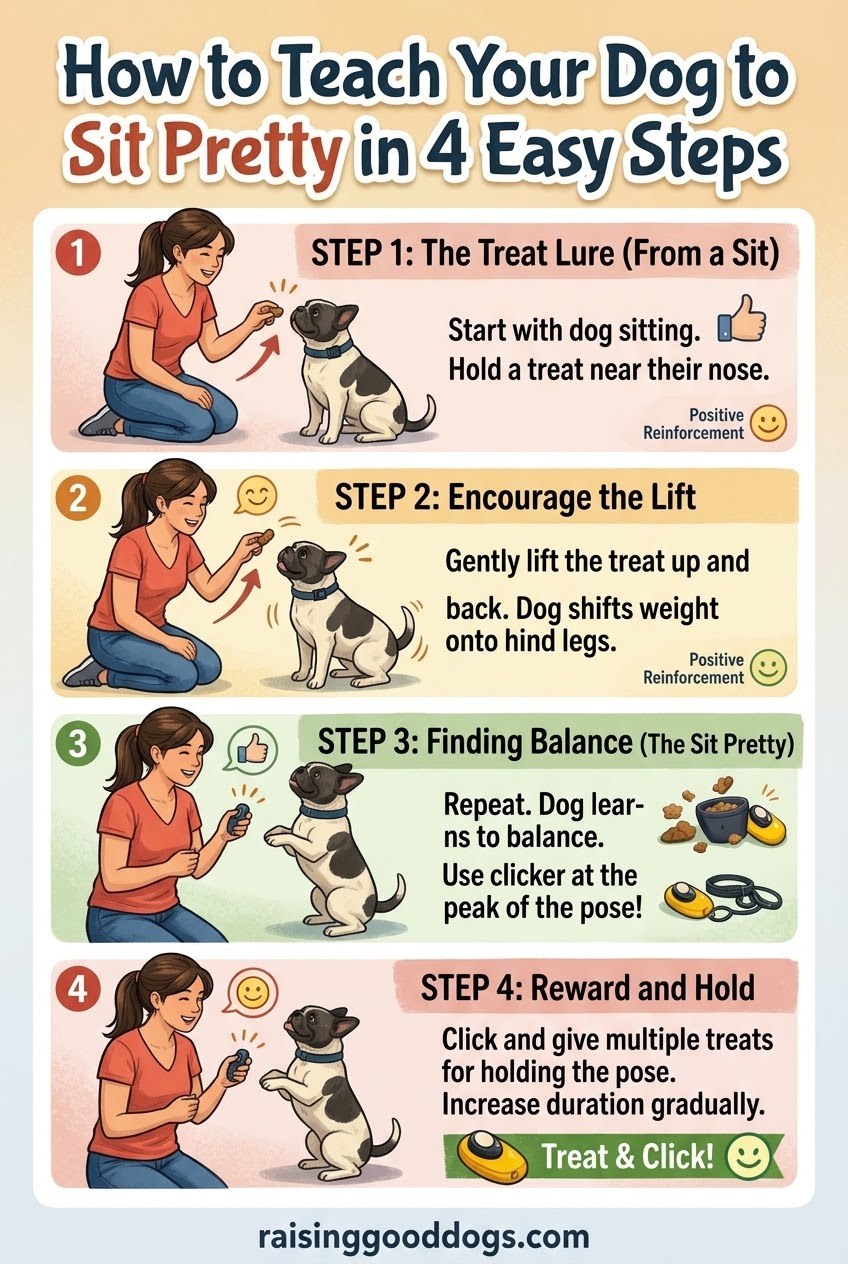
- Ask. Start with your dog's normal sit in a quiet space.
- Lift. Move a treat slowly upward so your dog follows it with their nose.
- Mark. Reward the instant the front paws begin to lift.
Training tip
Use a stable surface with good footing. A slippery floor makes this harder because your dog is trying to balance and avoid sliding at the same time.
Prepare Your Dog for Balance and Focus
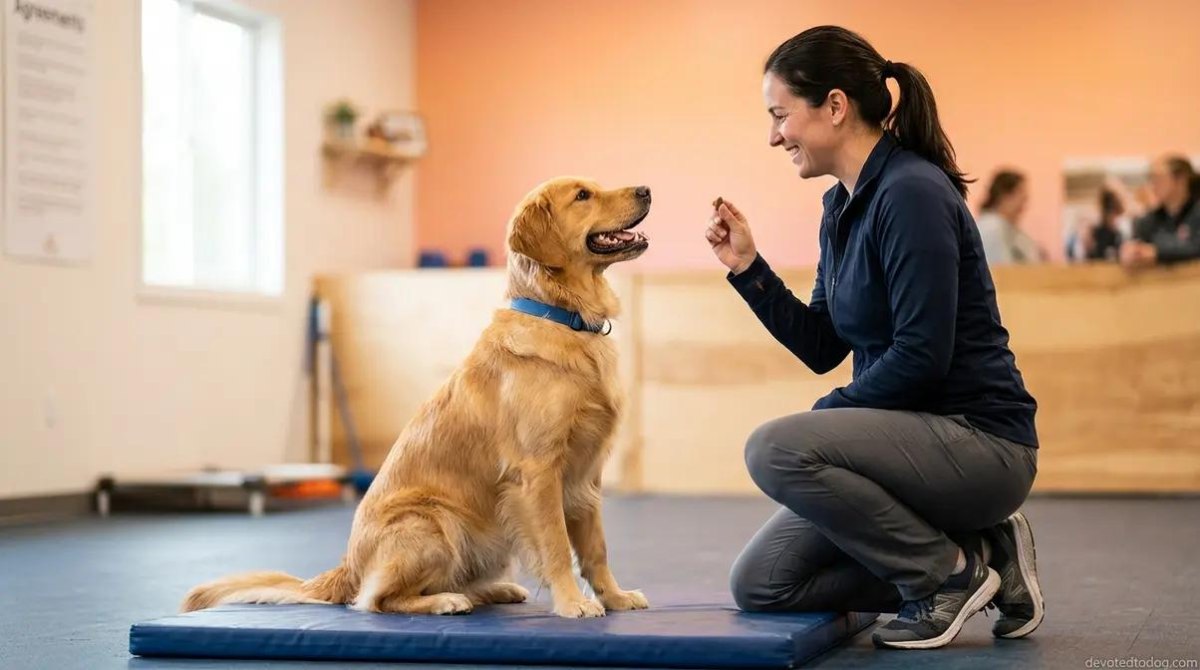
I don't start this trick when a dog is bouncing off the walls. A calm training setup gives your dog a fair chance to think, balance, and learn. Quiet spaces and supportive flooring are especially helpful when dogs are first learning the movement.
I also watch the details that many people miss: body language signals like weight shifting away, lip licking, looking away, or a tense posture can tell me the exercise is too difficult or the session needs a break.
Use Treats to Encourage the Upright Position
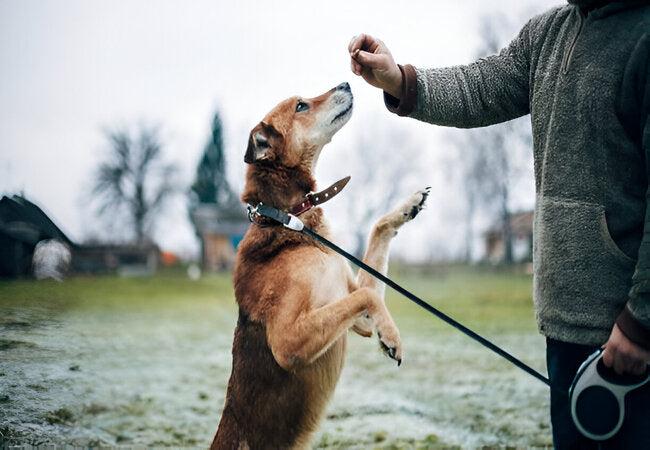
Treats are not a bribe in this process; they are information. I use them to show the dog exactly which movement earns a reward. Reward timing matters because dogs learn from what happens immediately after their action.
I start by rewarding a tiny paw lift, then a slightly higher lift, then the full pose. High-value rewards can make a tricky movement worth practicing, especially for dogs who are still figuring out their balance.
| Stage | What I reward |
|---|---|
| Beginning | Front paws leaving the floor |
| Middle | Stable upright posture for a moment |
| Advanced | Holding the pose after the cue |
Build Duration and Improve the Sit Pretty Pose
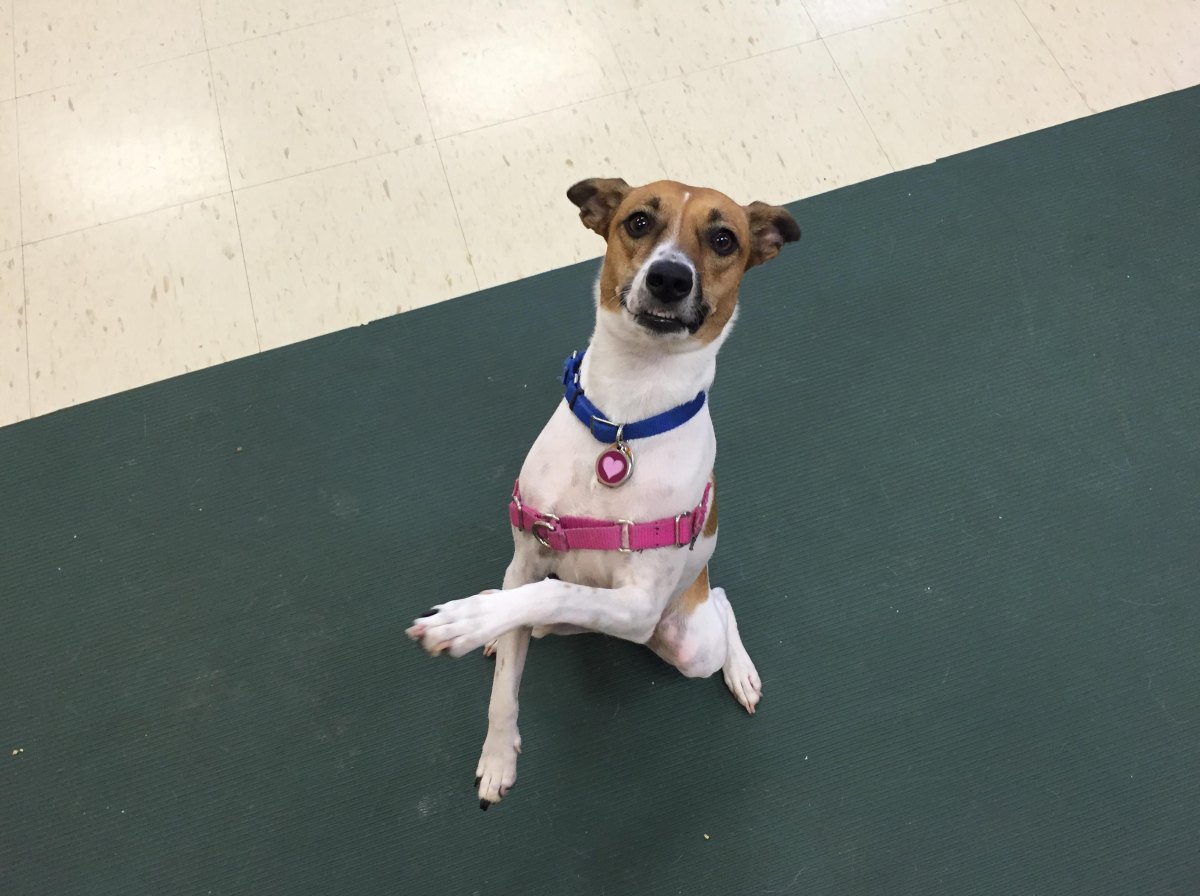
Once the movement is familiar, I stop chasing height and start building comfortable duration. A dog holding the pose for one second is already learning the skill; I can add time slowly from there.
I pay attention to posture because this trick asks dogs to use their core and balance. Short practice sessions are better than drilling until the dog is tired, especially for growing puppies, older dogs, or dogs with joint concerns.
Helpful habits
- Reward while your dog is still in position
- Practice a few repetitions at a time
Things to avoid
- Pulling the dog into position
- Repeating until your dog is frustrated
Troubleshoot Common Sit Pretty Training Problems
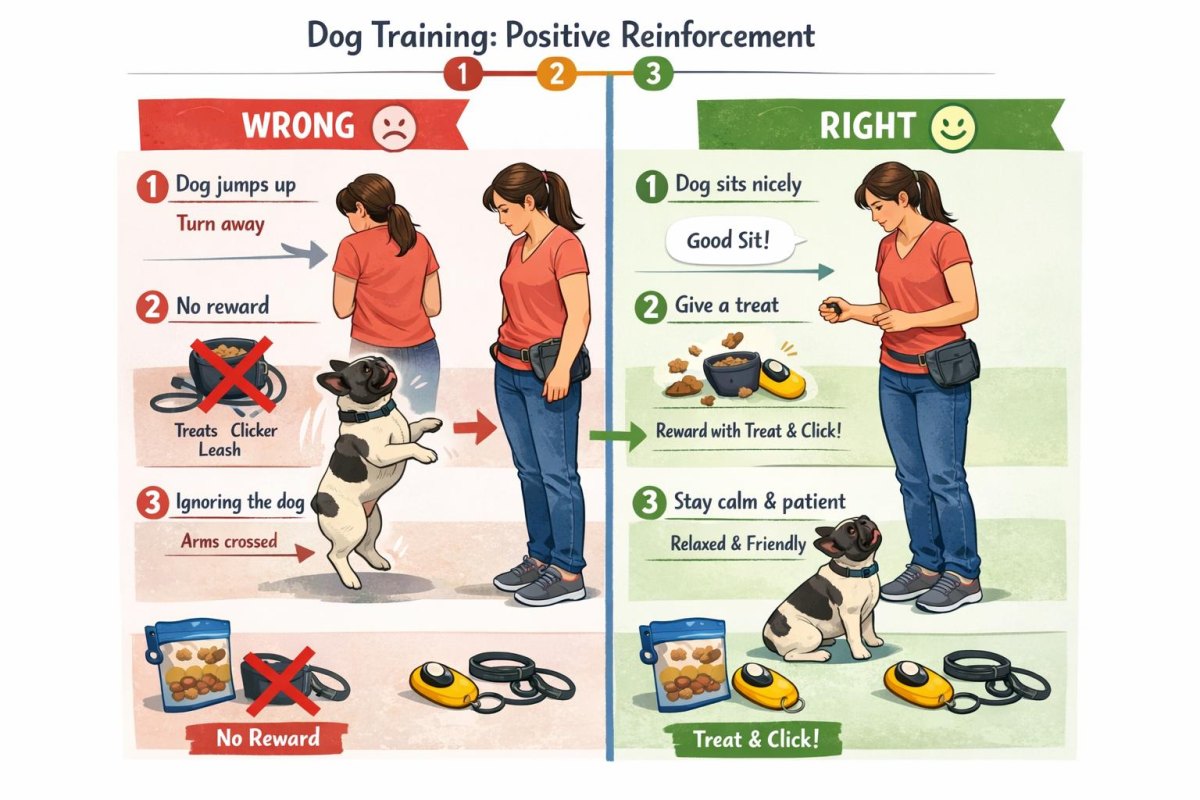
The most common problem I see is a dog standing up instead of staying seated. Usually the lure moved too high or too quickly, so I lower my hand and reward the earlier step again. Slowing down fixes many problems.
If your dog suddenly dislikes the trick, struggles physically, or shows signs of discomfort, I don't push through. Health comes first, and pain or physical changes deserve a conversation with your veterinarian before continuing training.
Important note
Not every dog needs every trick. A successful training plan respects the individual dog in front of you.


More Pinterest Visuals