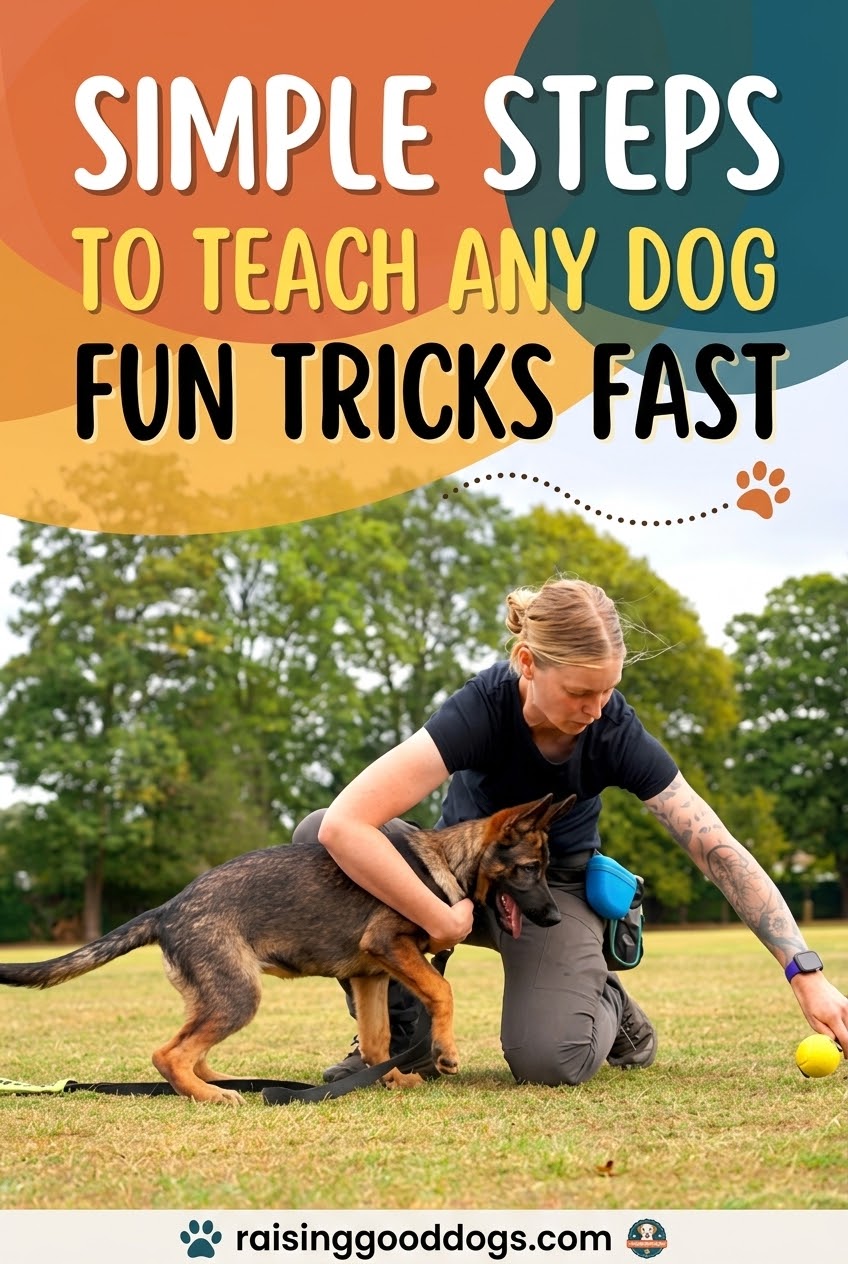
I have taught a lot of dogs tricks over the years, and the biggest lesson is this: small successful steps beat flashy performances every time. Whether you are working with a puppy, a senior like my Bruno, or a dog who needs extra patience, the goal is the same: make learning feel safe and rewarding.
I start every trick by checking the basics first. A tired, uncomfortable, or overwhelmed dog is not being stubborn; they are telling us the lesson needs adjusting. Good training sessions are short, clear, and built around what your dog can do today.
Teach Your Dog to Sit and Stay
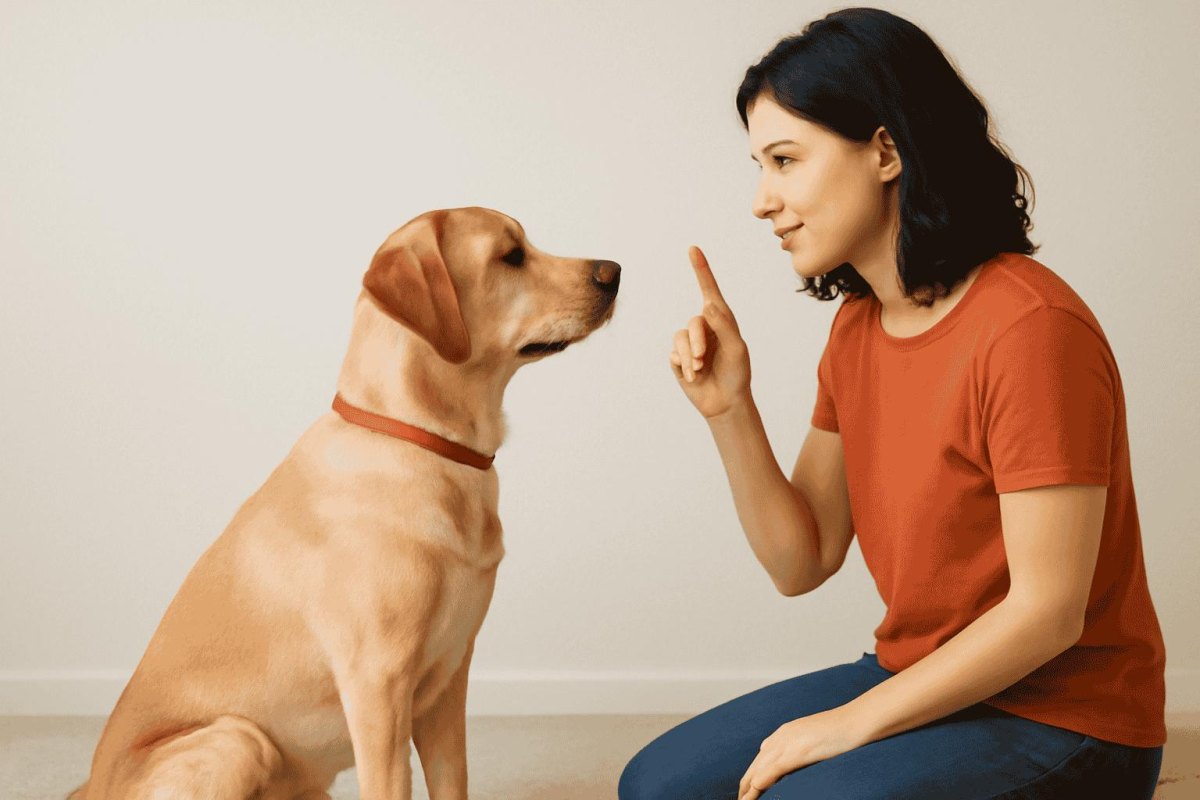
I begin with sit and stay because these cues teach a dog how to focus on me before we ask for anything more complicated. I reward the position I want and build duration slowly instead of expecting a long stay on day one. Reward-based practice creates a dog who wants to participate.
- Reward. Mark the moment your dog sits and offer a treat immediately.
- Build. Add one second at a time before releasing your dog.
- Practice. Change locations gradually while keeping success high.
The prerequisite here is simple: your dog should be comfortable and able to focus. If your dog suddenly stops responding to familiar cues, I look at health, stress, and environment before assuming a training problem.
Teach Your Dog to Come When Called
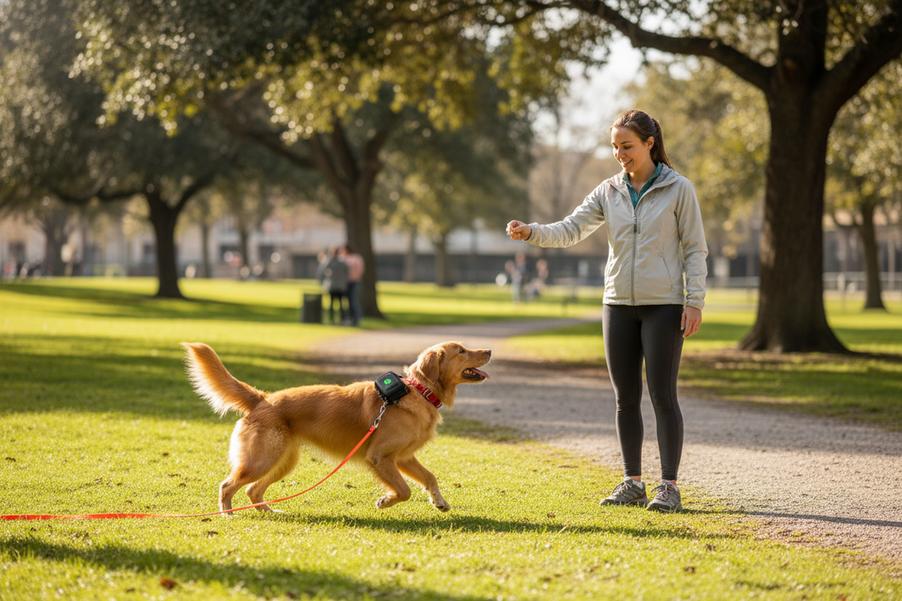
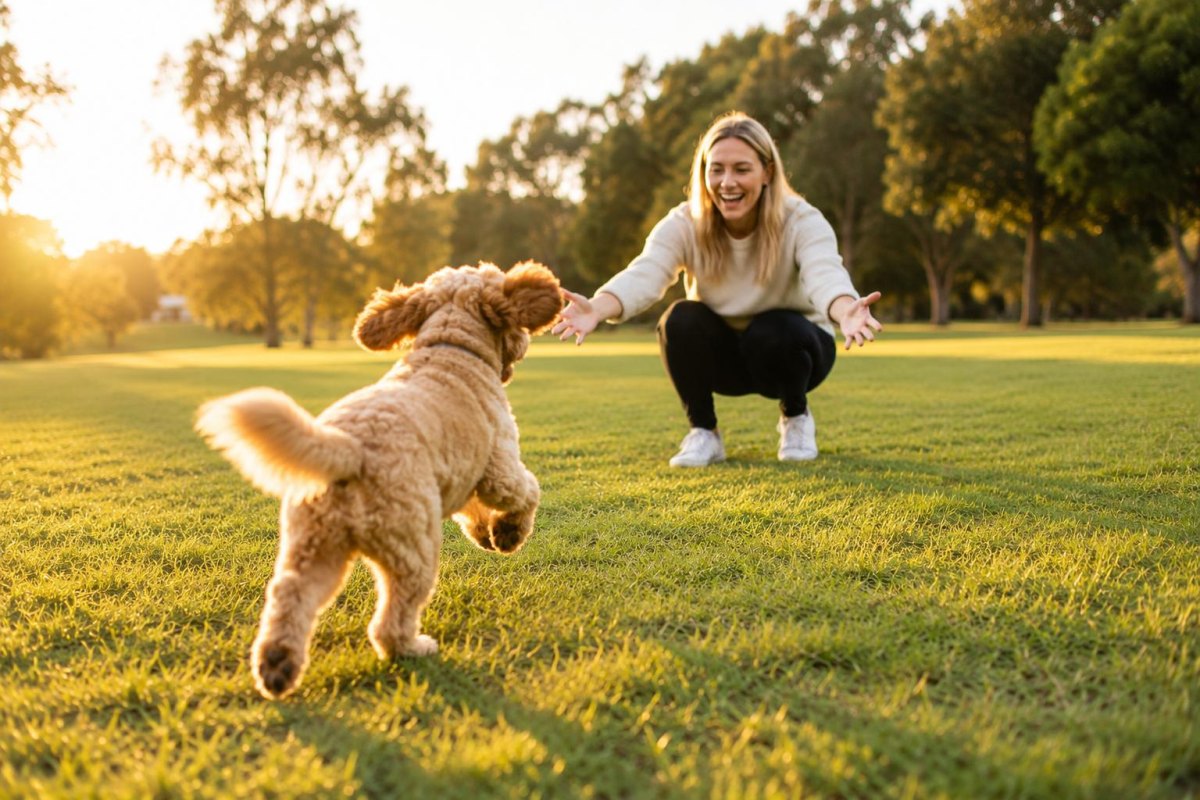
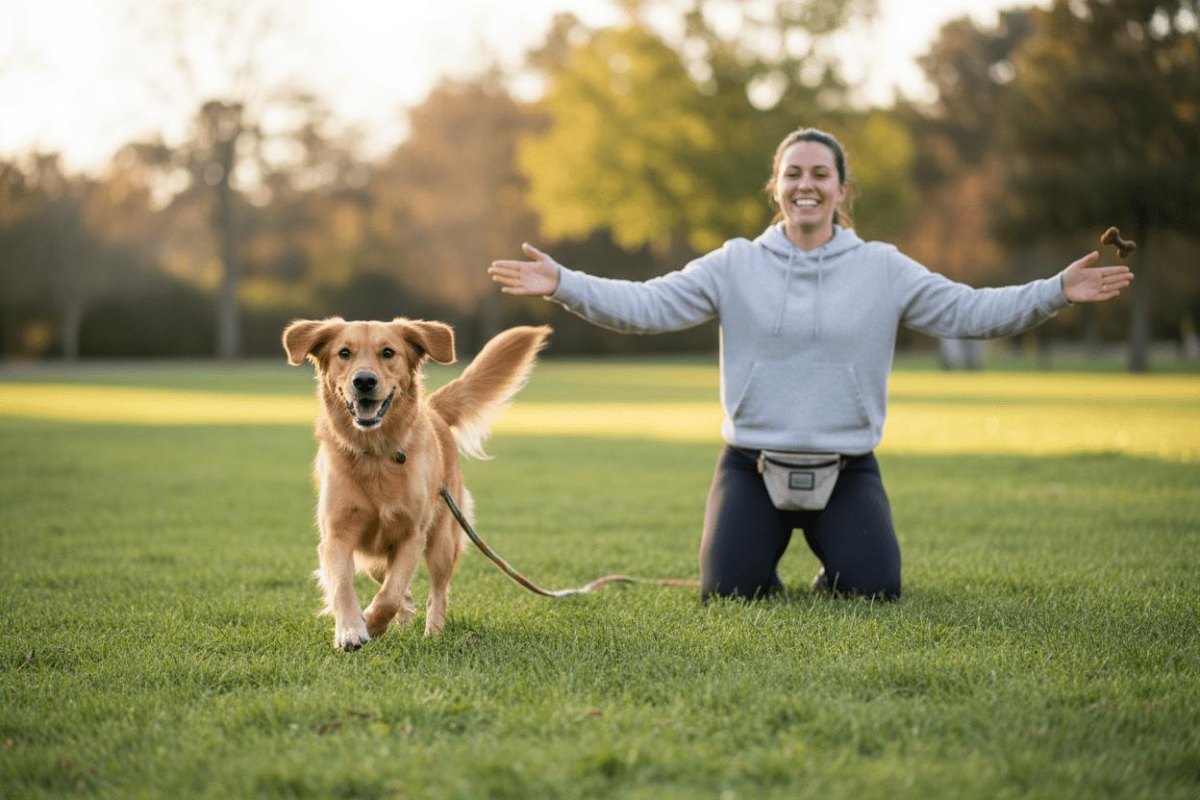
A recall is one trick I take seriously because it can become a safety skill. I do not start in a busy park; I start where the dog can win, then slowly add distance and distractions. Reliable recall comes from hundreds of easy repetitions, not one dramatic test.
My training tip
Never make coming to you predict something your dog dislikes every time. Keep the cue valuable with praise, play, and rewards.
- Start indoors or in a quiet area.
- Use a long line when practicing outside safely.
- Reward the return, even if it took longer than expected.
Teach Your Dog to Shake Paws
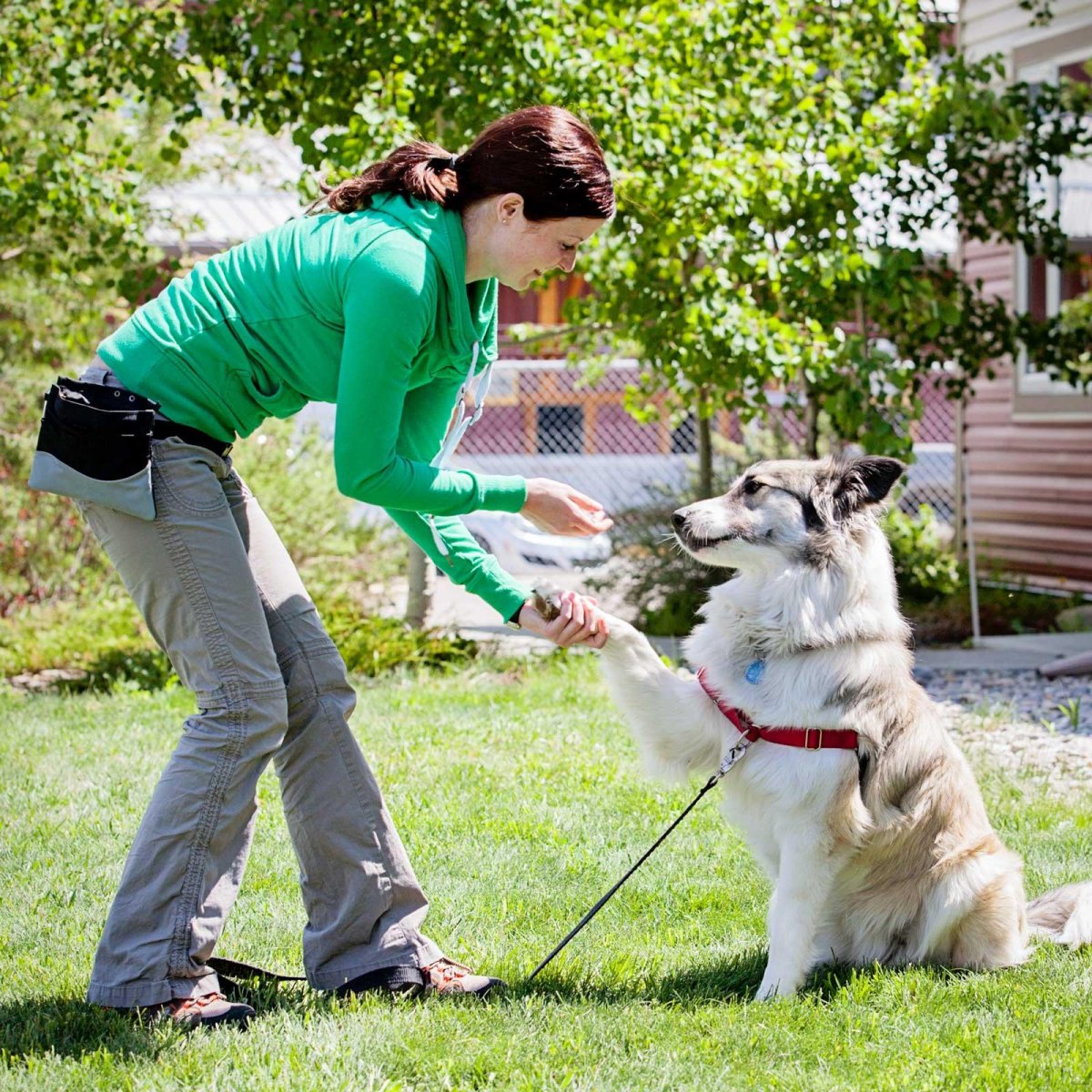
Shake is a charming trick, but I teach it by letting the dog offer the movement rather than grabbing a paw and placing it in my hand. Dogs learn faster when they understand which choice earned the reward. Voluntary paw movement is where I like to begin.
- Starting point: Reward any small paw lift your dog offers.
- Next step: Reward gentle paw contact with your hand.
- Final cue: Add the word "shake" after the behavior is predictable.
This trick usually comes together quickly, but I still watch body language. A dog who pulls away, freezes, or avoids my hand is asking for a slower approach.
Teach Your Dog to Lie Down and Roll Over
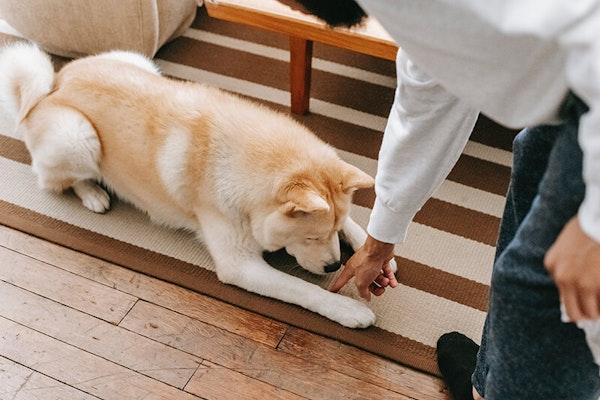
Roll over looks impressive, but it is really a chain of smaller skills. I first want a comfortable down position, then I reward tiny shifts of weight until the full movement makes sense. Breaking tricks apart prevents frustration and keeps confidence intact.
Important note
Watch comfort
I do not push a dog into a roll. If a dog seems uncomfortable moving onto their side, I stop and consider whether pain or physical limitations need checking.
Expect this one to take days or weeks depending on the dog. A slow learner is not failing; they are giving me information about the pace they need.
Teach Your Dog to Fetch Objects
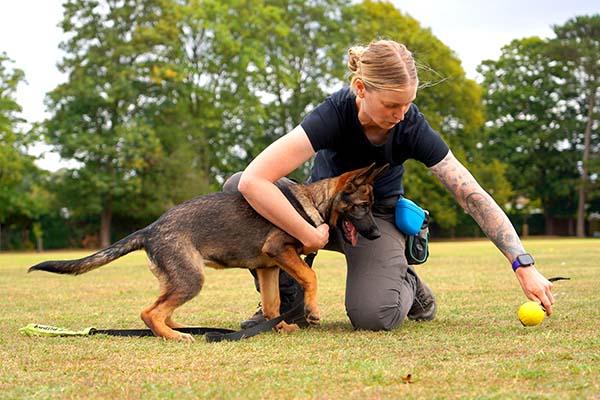
Fetch is not automatic for every dog. I have met plenty of wonderful dogs who looked at a thrown toy like I had personally misplaced my mind. I teach the pieces separately: interest, holding, carrying, and returning. Fetch is a learned skill, not a personality test.
| Stage | Goal |
|---|---|
| Interest | Dog investigates the toy |
| Hold | Dog keeps the toy briefly |
| Retrieve | Dog brings the object back |
I keep sessions short and stop before the dog loses interest. The best games end with the dog thinking, I want to do that again.
Teach Your Dog Fun Advanced Tricks
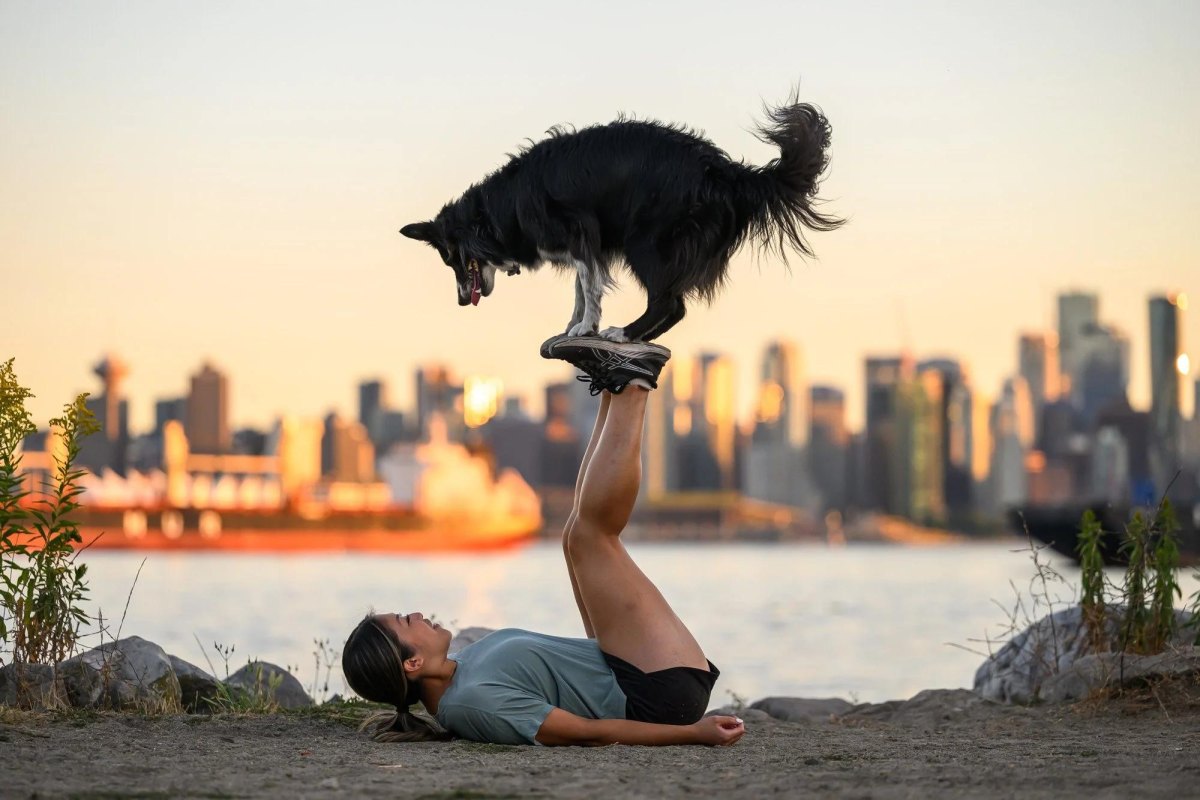
Advanced tricks are where I see dogs become creative problem-solvers. Once the basics are strong, I can teach behaviours like spins, weaving, or other trick combinations by shaping small pieces. Trick training builds teamwork and gives dogs a healthy mental outlet.
Keeping advanced tricks realistic
I always choose tricks that fit the individual dog. A senior dog with stiff joints, like Bruno now, may enjoy a different challenge than a young athletic dog.
Benefits
- Improves communication between dog and person.
- Provides enjoyable mental enrichment.
Remember
- Complex tricks require patience.
- Physical comfort comes before performance.
The best trick is not the one that gets the biggest reaction from people. It is the one that leaves your dog confident, engaged, and happy to train with you tomorrow.


More Pinterest Visuals