When a dog is barking at the window, the delivery person, another dog, or absolutely nothing you can see, the first thing I want you to know is this: barking has a reason. My job is not to silence a dog by force; it is to figure out what the dog is communicating and change the pattern underneath it.
I have worked with plenty of dogs who looked "stubborn" until we noticed the tiny details happening ten seconds before the noise started. The weight shift forward, the closed mouth, the ears suddenly locked on a sound — those clues matter. Reward-based training and thoughtful management are the approaches recommended by behaviour professionals because they teach dogs what to do instead of relying on fear or discomfort.
What helps stop barking quickly
- Prevent repeated barking rehearsals while you train.
- Find the trigger before choosing a technique.
- Reward calm behaviour and teach an alternative response.
Identify Why Your Dog Is Barking
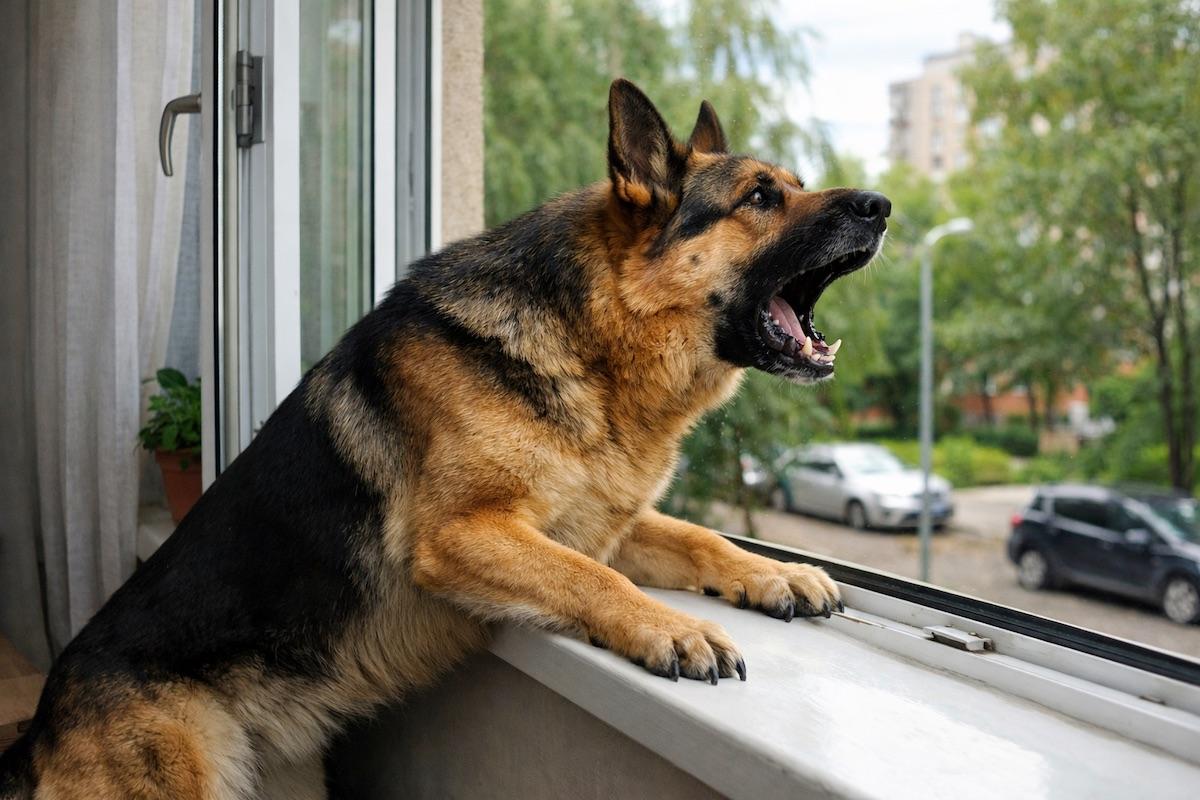
The fastest way I know to waste a week is to treat every bark the same. A dog barking at squirrels, a dog barking because guests arrive, and a dog barking because they are frightened are three different conversations. Finding the barking trigger comes before training.
I start by watching the whole dog. Is the tail high and loose, or tucked? Are the ears forward, pinned, or constantly moving? Is your dog able to take food and look back at you, or are they too overwhelmed? If this behaviour appeared suddenly, especially with an older dog, I want a veterinary check before assuming it is a training issue.
- Alert barking: Your dog noticed something and wants you involved.
- Fear barking: Distance and safety usually matter more than obedience.
- Frustration barking: Your dog wants access to something they cannot reach.
My Tuesday evening rule
Do not wait until your dog is already shouting. The best training moment is the first glance, not the tenth bark.
Use Quick Distraction Techniques

When people ask me how to stop dog barking fast, they often want the magic word. The closest thing I have found is not a word — it is interrupting early. If your dog is still thinking, you can redirect. If your dog is already over threshold, you are usually too late for a neat training moment.
I use simple alternatives: calling your dog away, tossing treats away from the trigger, asking for a hand target, or moving behind a visual barrier. These are not tricks to hide the problem forever; they create enough calm space for learning. Management strategies such as avoiding situations that trigger repeated barking are part of humane behaviour plans.
- Notice. Catch the first look, ear movement, or body change.
- Move. Increase distance before barking escalates.
- Reward. Pay your dog for choosing you over the trigger.
Teach the Quiet Command Fast
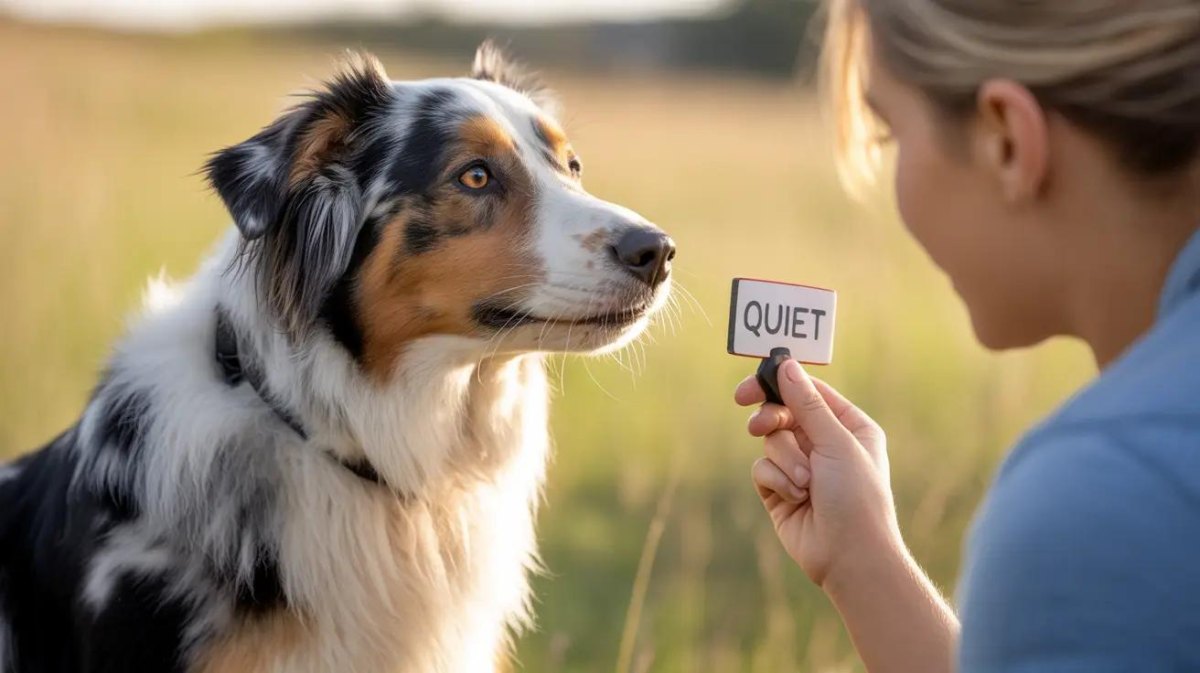
The quiet cue works best when I teach it as a reward for silence, not as a correction for making noise. I want the dog to discover that quiet earns rewards. Training organisations commonly recommend building the cue by rewarding pauses in barking and gradually increasing the expected silence.
Start somewhere easy, not during the biggest barking explosion of the week. My clients often practise in the kitchen first, then the hallway, then near a mild version of the real trigger. Behaviour change is measured in repetitions and weeks, not one dramatic afternoon.
| Stage | What I practise |
|---|---|
| Beginner | Reward one second of silence. |
| Growing skill | Add the quiet cue before rewarding. |
| Real life | Practise around manageable triggers. |
Avoid this mistake
Repeating "quiet, quiet, quiet" while your dog is barking usually teaches your dog that the word is background noise.
Reduce Triggers That Cause Barking

Training cannot compete with a dog practising the same barking habit fifty times a day. I spend a surprising amount of my work explaining that environment changes matter. Curtains closed, furniture moved away from windows, a different walking route, or a quieter training time can be the difference between progress and frustration.
Bruno taught me this lesson years ago. A plan looked wonderful on paper until I tried to walk him past another dog at the busiest time of day. The problem was not that he had forgotten his training; I had made the homework too hard.
- Block repeated views of high-interest triggers.
- Choose quieter times and locations for practice.
- Give your dog recovery time after stressful events.
Helpful management
- Creates calmer learning opportunities.
- Prevents the barking habit getting stronger.
What slows progress
- Waiting for a dog to "get over it" while repeatedly overwhelmed.
- Punishing the warning signs.
Keep Your Dog Calm and Mentally Stimulated

A dog who has nothing to do often finds a job, and sometimes that job is announcing every leaf, neighbour, and imaginary threat. I look at the whole picture: sleep, exercise, enrichment, and whether the dog has appropriate ways to use their brain. Veterinary behaviour resources also highlight the importance of physical activity, mental stimulation, avoiding unnecessary triggers, and reinforcing quiet behaviour.
I am not trying to create a robot who never makes a sound. Dogs bark. That is normal. I want a dog who can notice something, process it, and come back to you. Calm behaviour grows through hundreds of small choices.
A realistic timeline
You may see small changes within days when you manage triggers, but reliable improvement often takes weeks or months. A bad barking day is information, not proof that the plan failed.
When to get extra help
If barking involves bites, serious aggression, panic, or safety concerns, I would involve an experienced certified professional in person and discuss the behaviour with your veterinarian.



More Pinterest Visuals