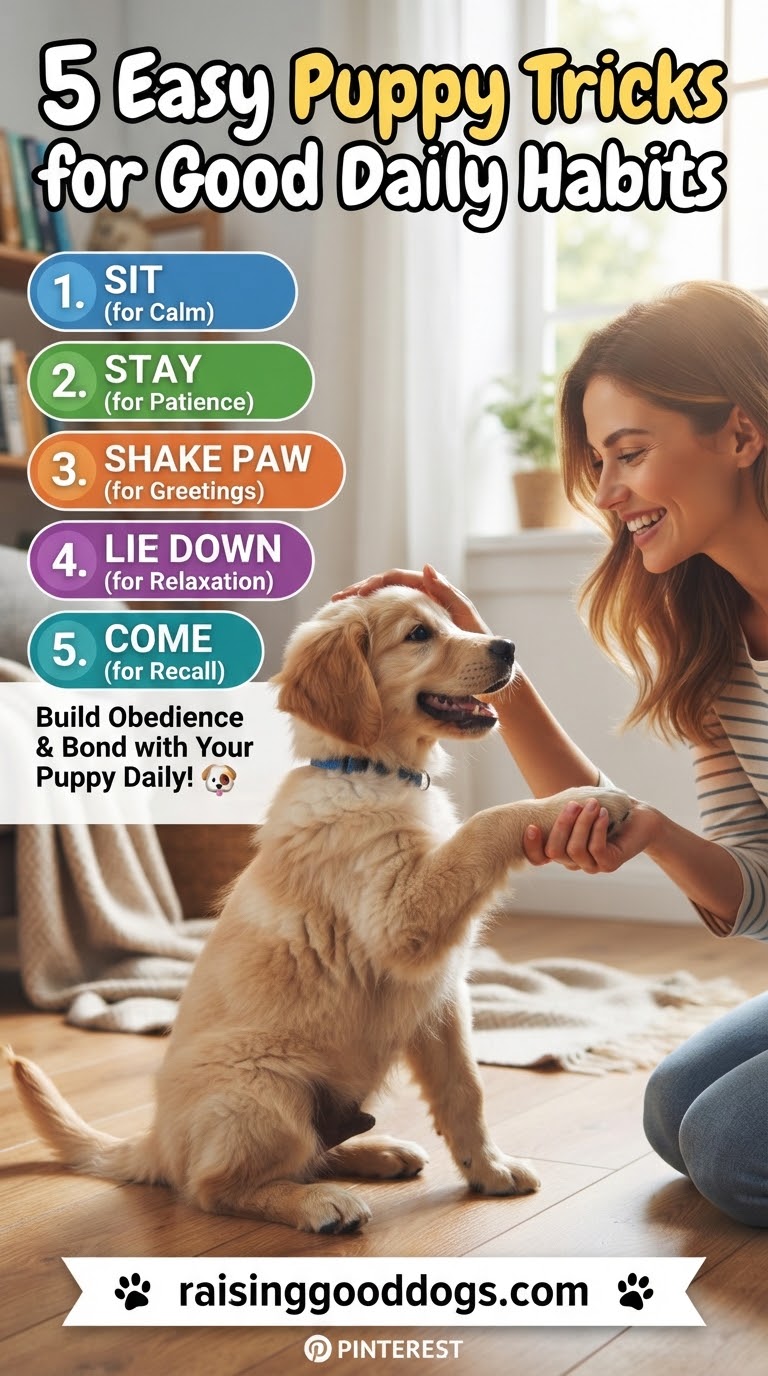
Easy puppy training starts with small wins
- Use rewards your puppy values and keep sessions short.
- Practice when your puppy is calm enough to learn.
- Repeat often because consistency builds reliable habits.
I have taught hundreds of dogs, and the puppies who progress fastest are not the ones with perfect attention. They are the ones whose people practice tiny training moments every day.
These tricks are designed for real life, not a competition ring. Your puppy will wobble, forget, and sometimes stare at you like you have suggested something ridiculous. That is normal.
Teach Your Puppy to Sit
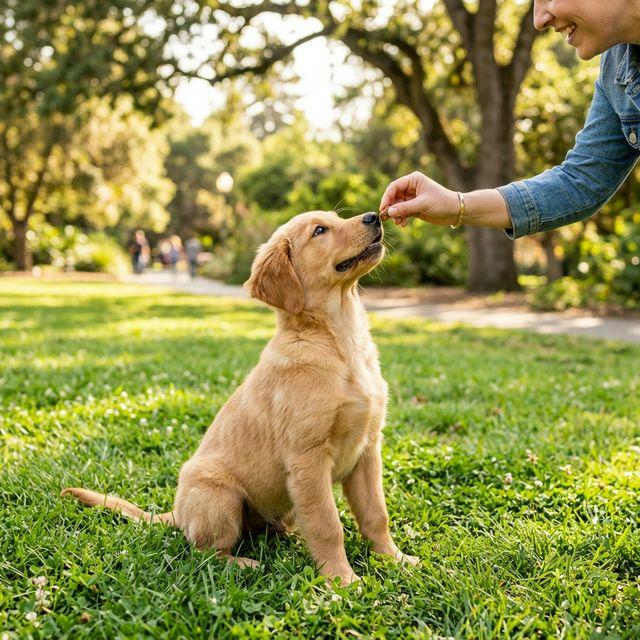
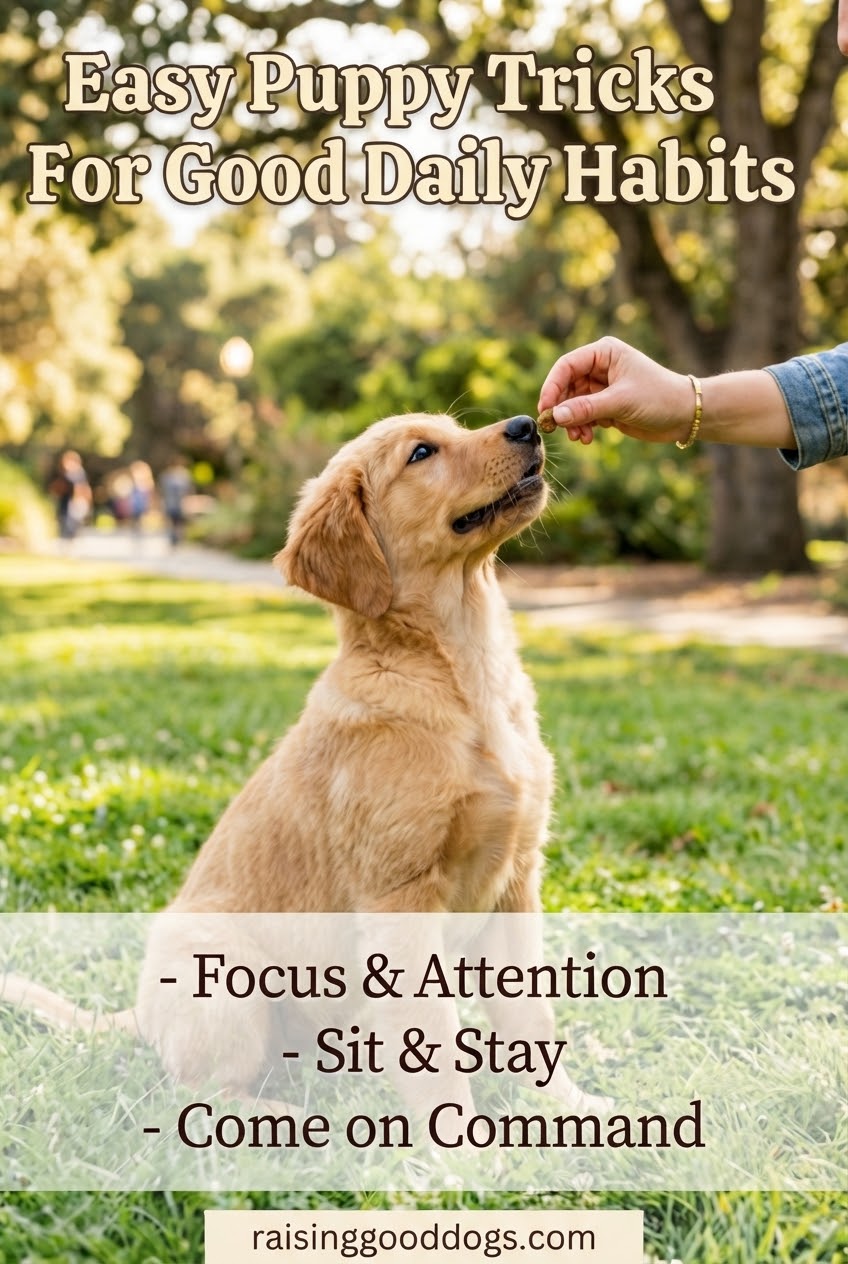
I start with sit because it gives puppies a useful default behaviour. Lure the nose upward with a treat, reward when the bottom touches the floor, and avoid pushing the body down. Reward the choice, not the position you force.
Teach Your Puppy to Stay
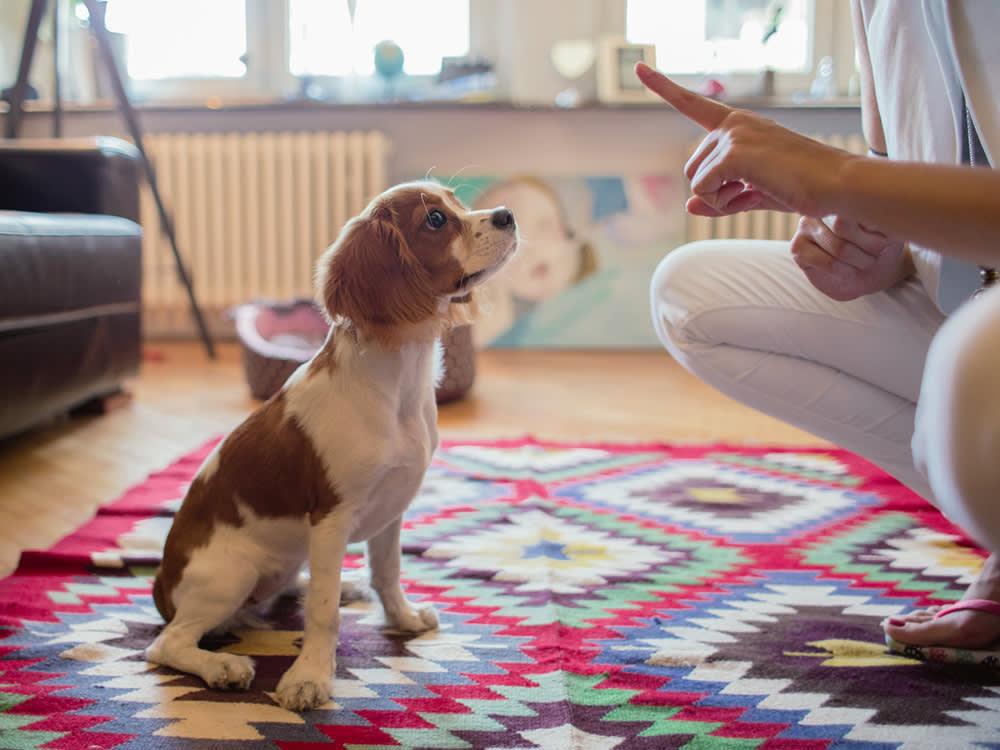
Stay is really a lesson in patience. I begin with one second, one step, and plenty of success because short practice sessions prevent frustration. Increase difficulty slowly rather than testing your puppy's limits.
Teach Your Puppy to Come When Called
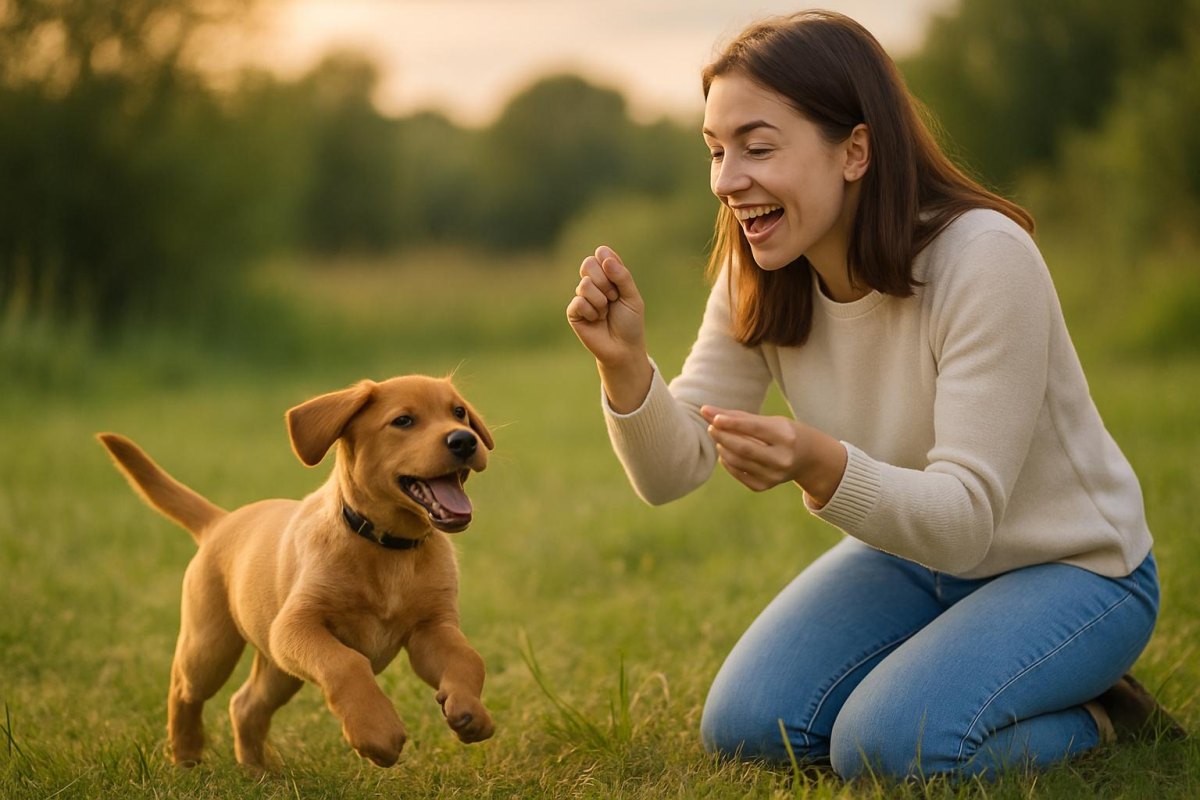
A reliable recall begins before your puppy has the chance to ignore you. Use a cheerful voice and reward every arrival. Coming to you should always feel like a good decision.
Teach Your Puppy to Lie Down
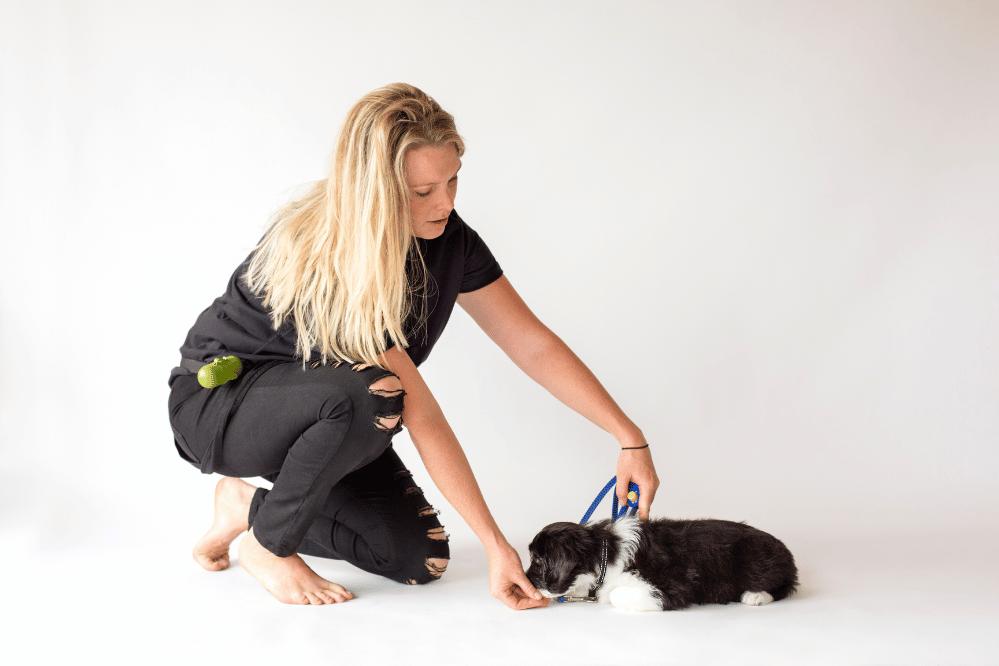
Down is easier when your puppy understands calm movement. Guide slowly with a treat and reward the moment the elbows reach the floor. Calm repetition matters more than speed.
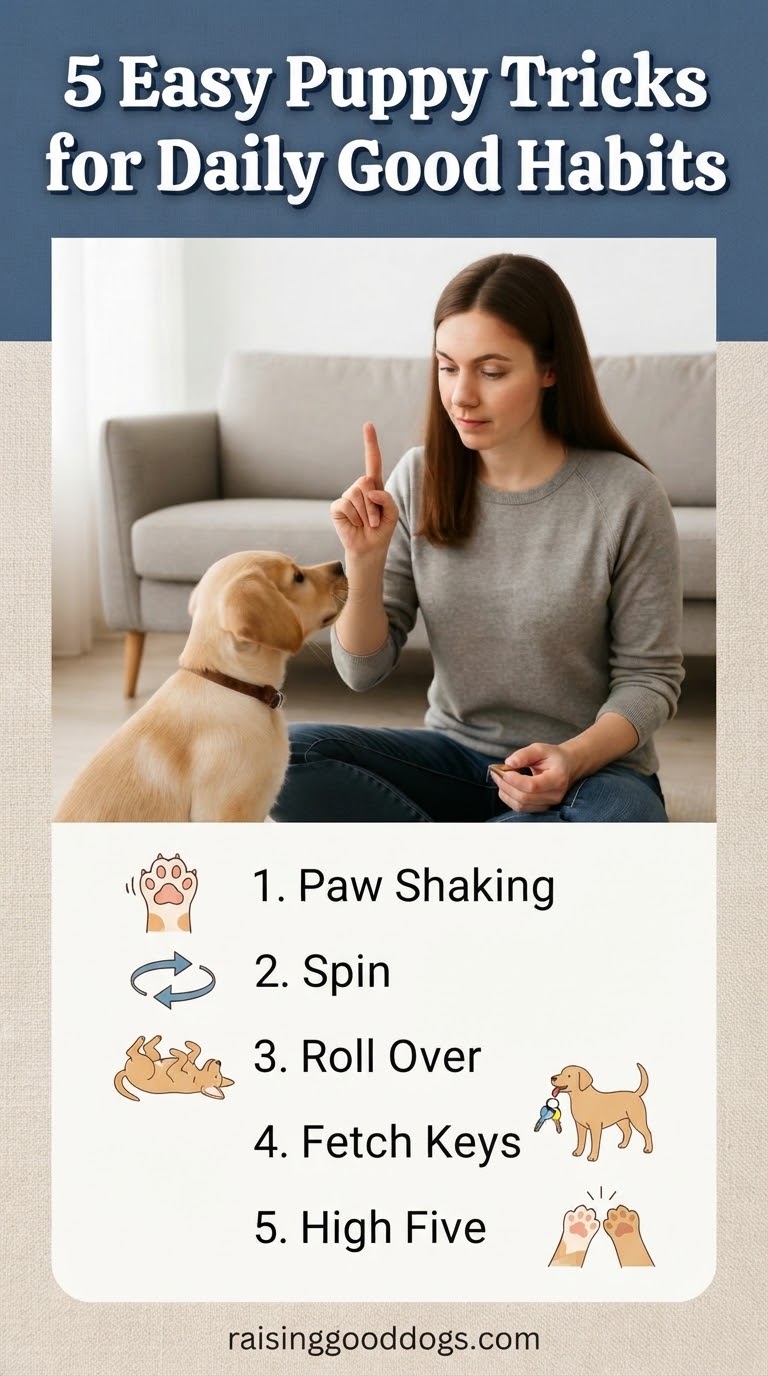
Teach Your Puppy to Shake Paws
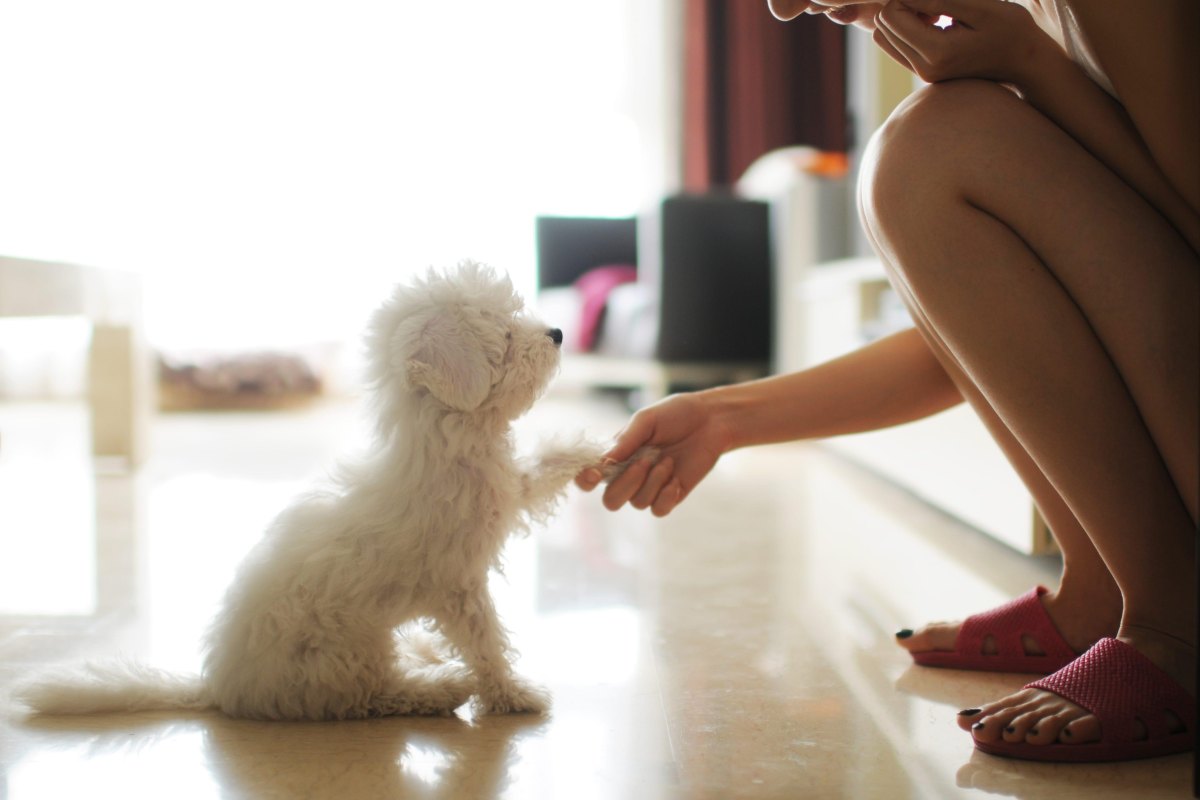
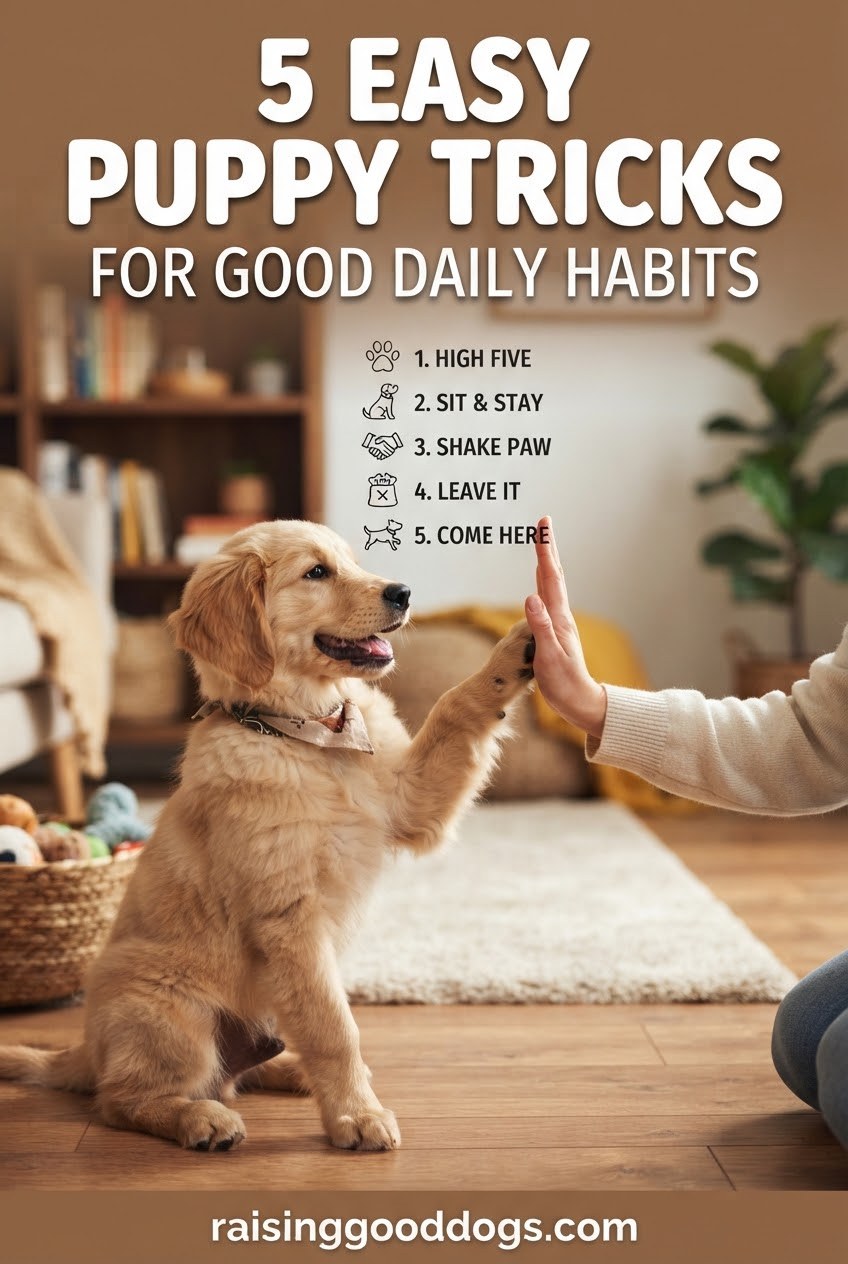
Shake is a fun trick after your puppy understands basic cues. Hold a treat nearby and reward natural paw movements. Fun tricks should stay easy and pressure-free.
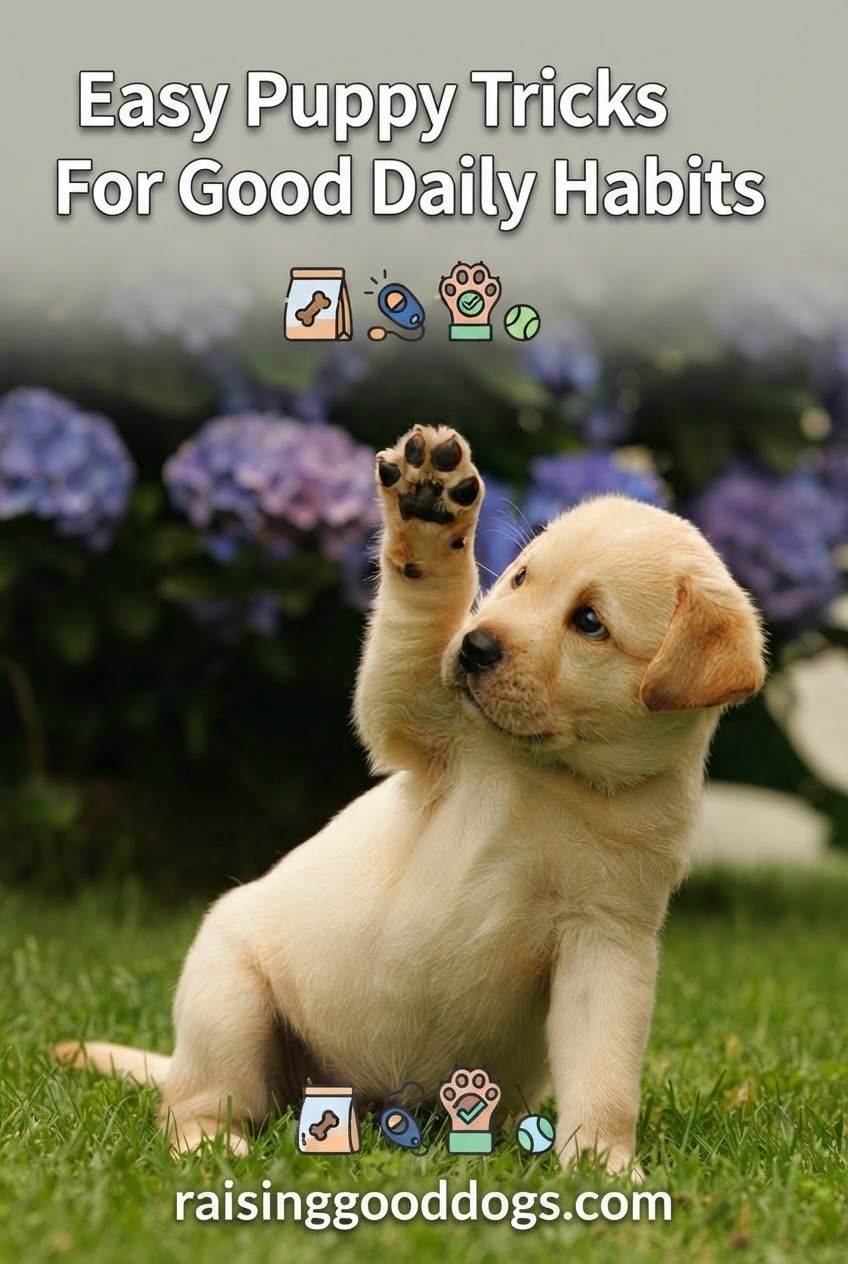
Teach Your Puppy to High Five
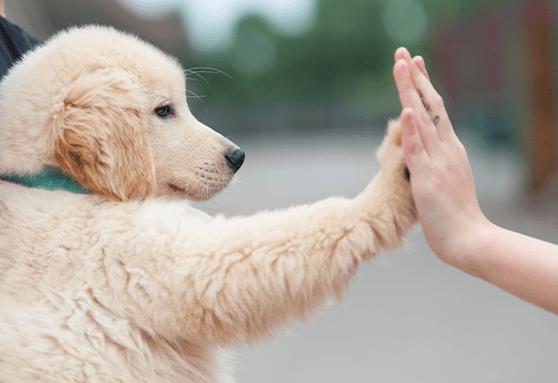
High five builds on shake by adding a raised hand target. Mark the paw lift and celebrate small progress. Clear timing helps puppies understand what earned the reward.
Teach Your Puppy to Roll Over
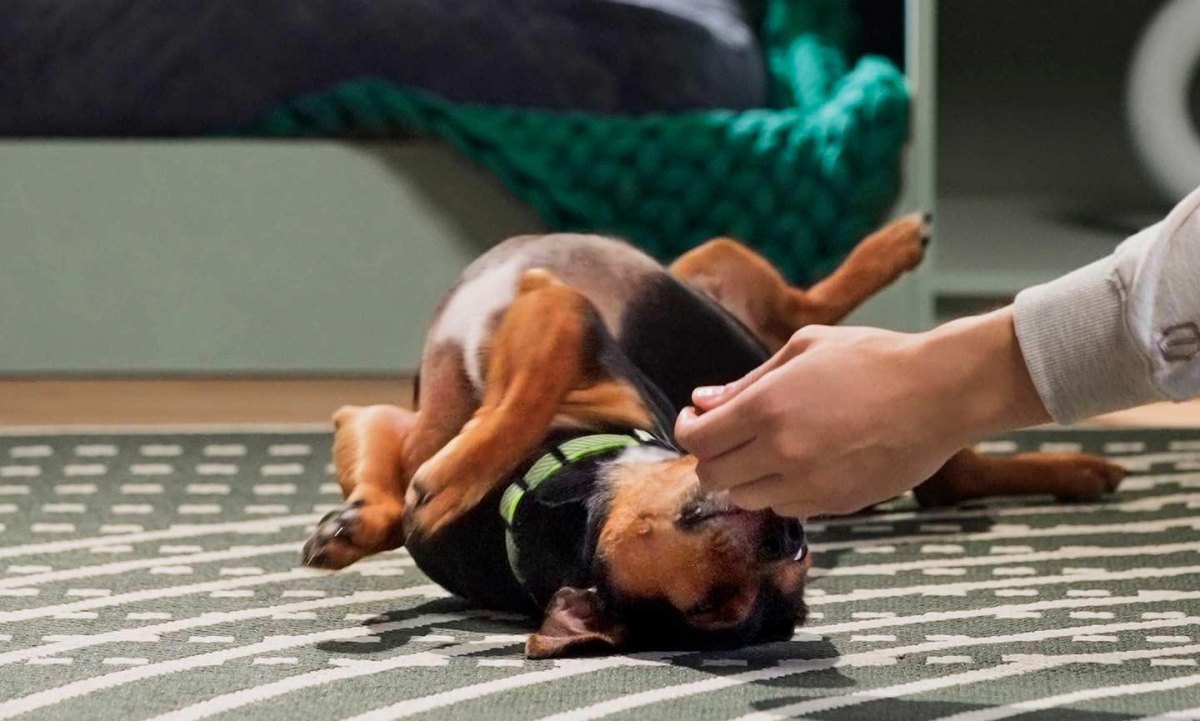
Roll over requires trust and comfort with handling. Teach it in small pieces and stop if your puppy seems unsure. Body comfort comes before performing the trick.
Teach Your Puppy to Spin in a Circle
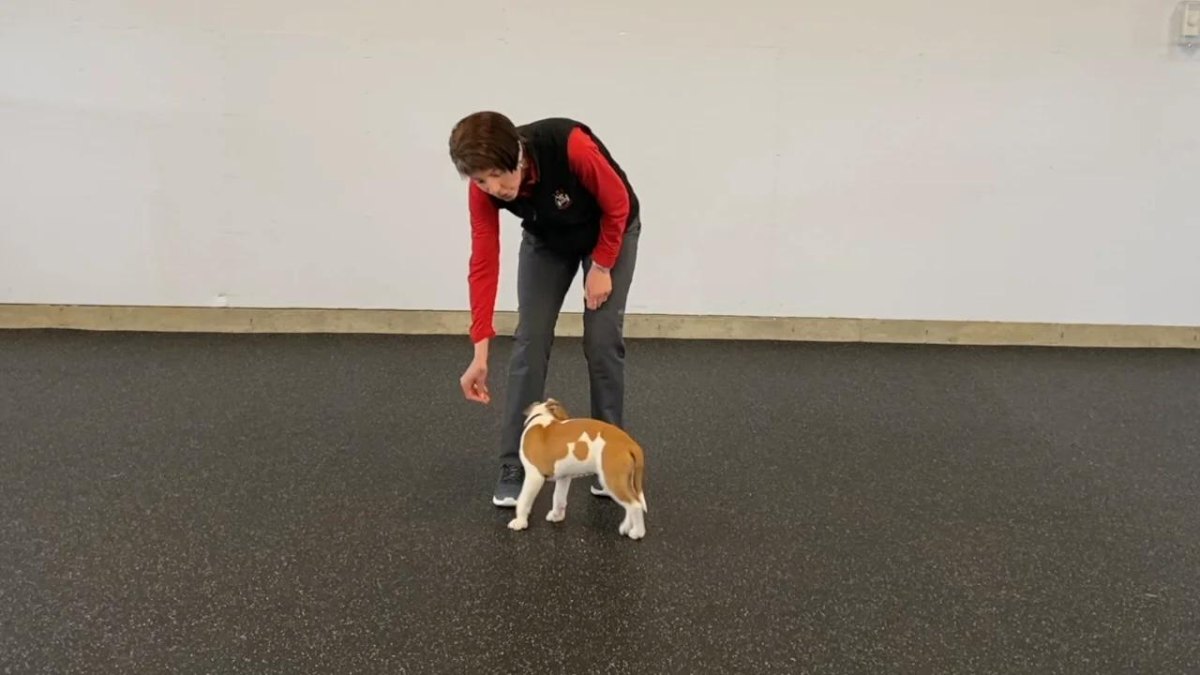
Spin is simple because puppies naturally follow movement. Guide with a treat and reward one complete circle. Keep sessions brief to protect focus.
Teach Your Puppy to Fetch a Toy
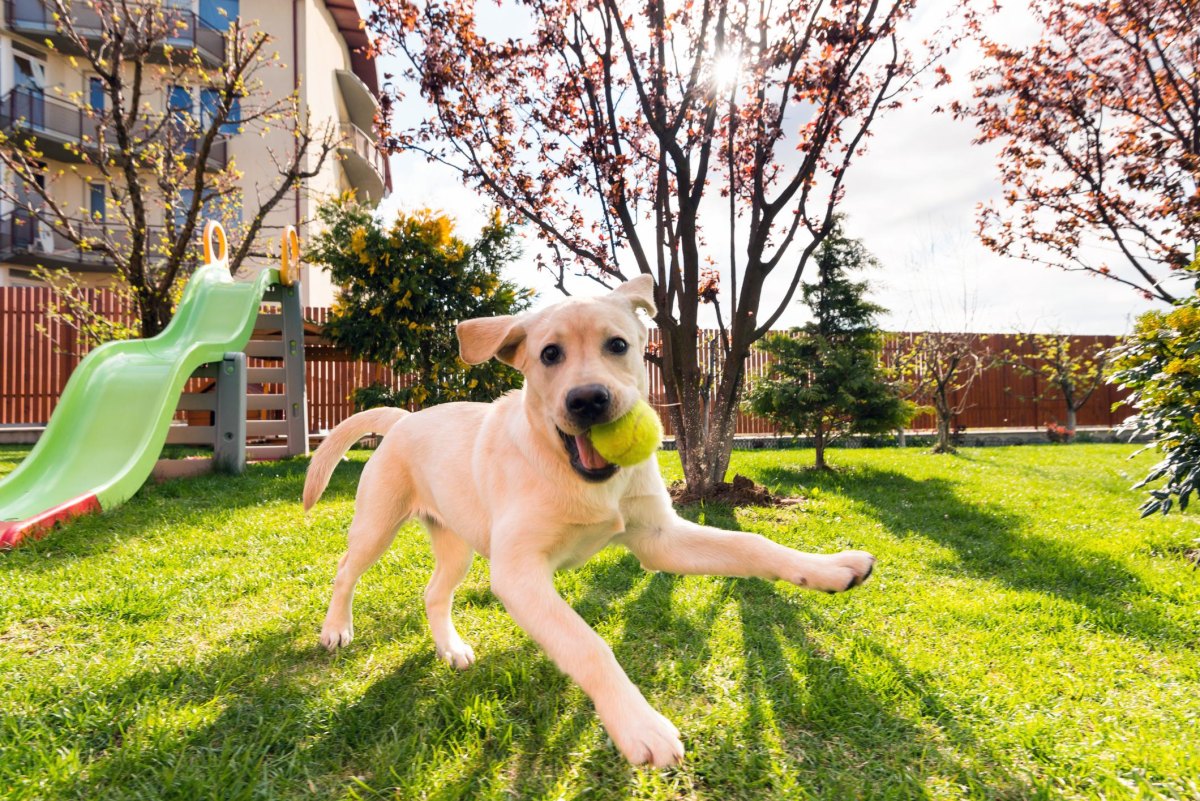
Fetch is not automatic for every puppy. Reward interest in the toy first, then movement toward you. Build the game one step at a time.
Teach Your Puppy to Drop It
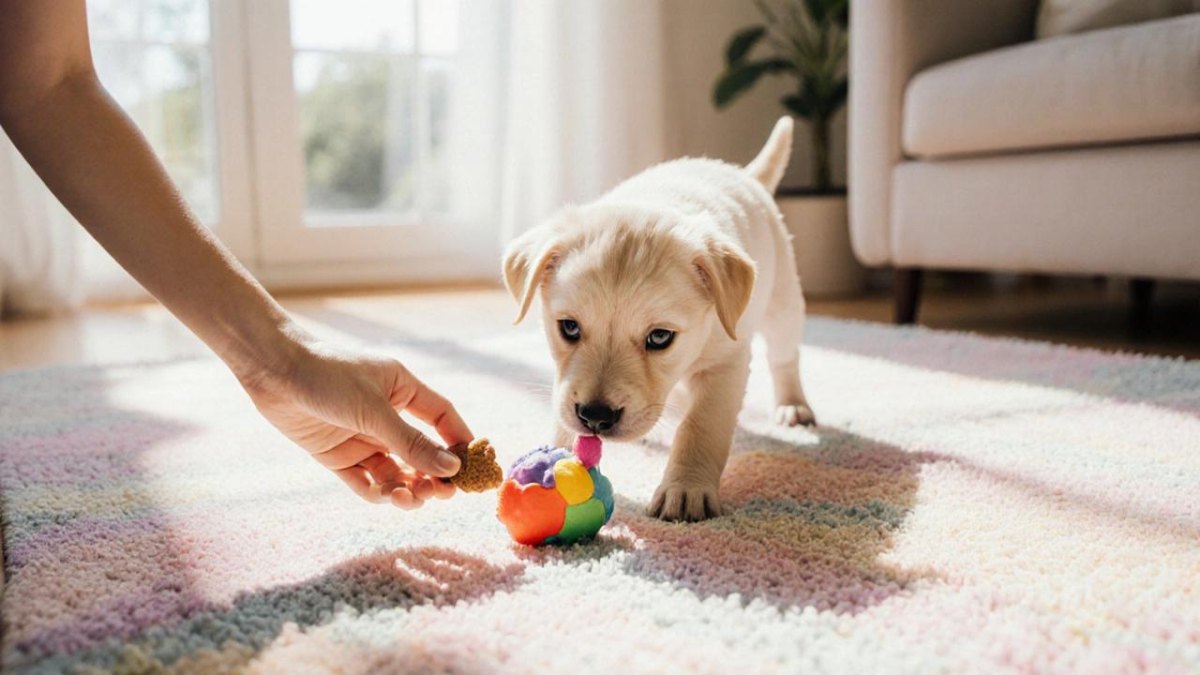
Drop it teaches cooperation, not a battle over objects. Trade for something better and reward releasing. Positive exchanges keep puppies willing to listen.
Teach Your Puppy to Leave It
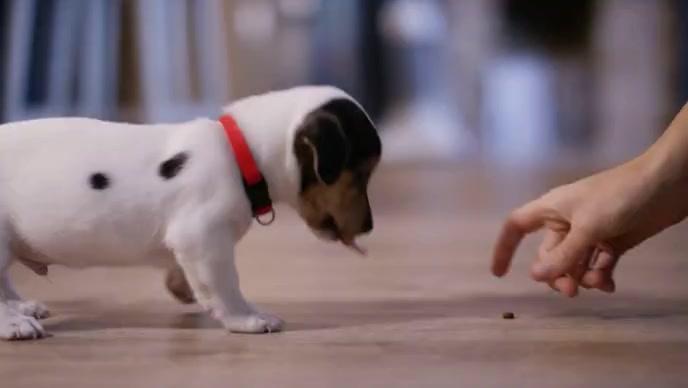
Leave it is a safety skill for curious puppies. Start with easy distractions before expecting success outdoors. Manage the environment while your puppy learns.
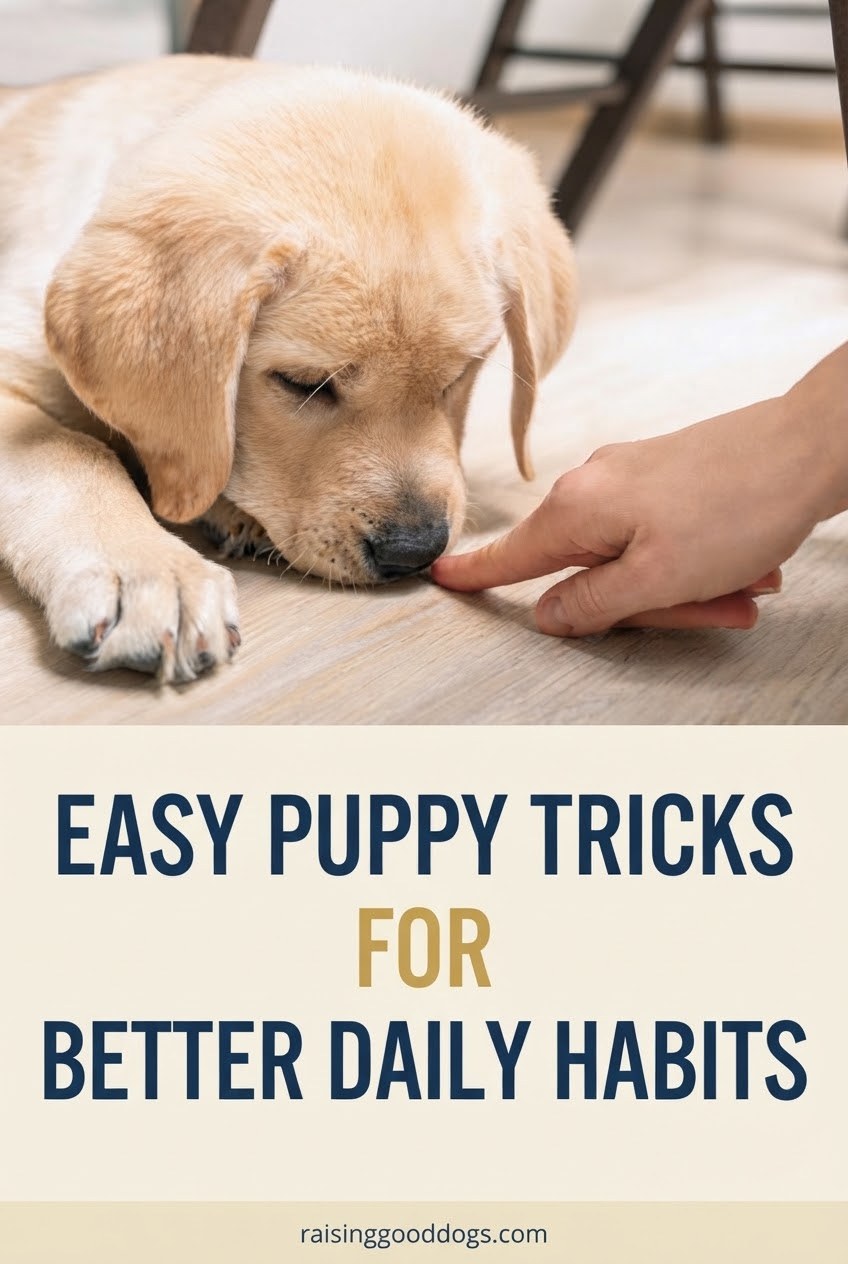
Teach Your Puppy to Touch Your Hand
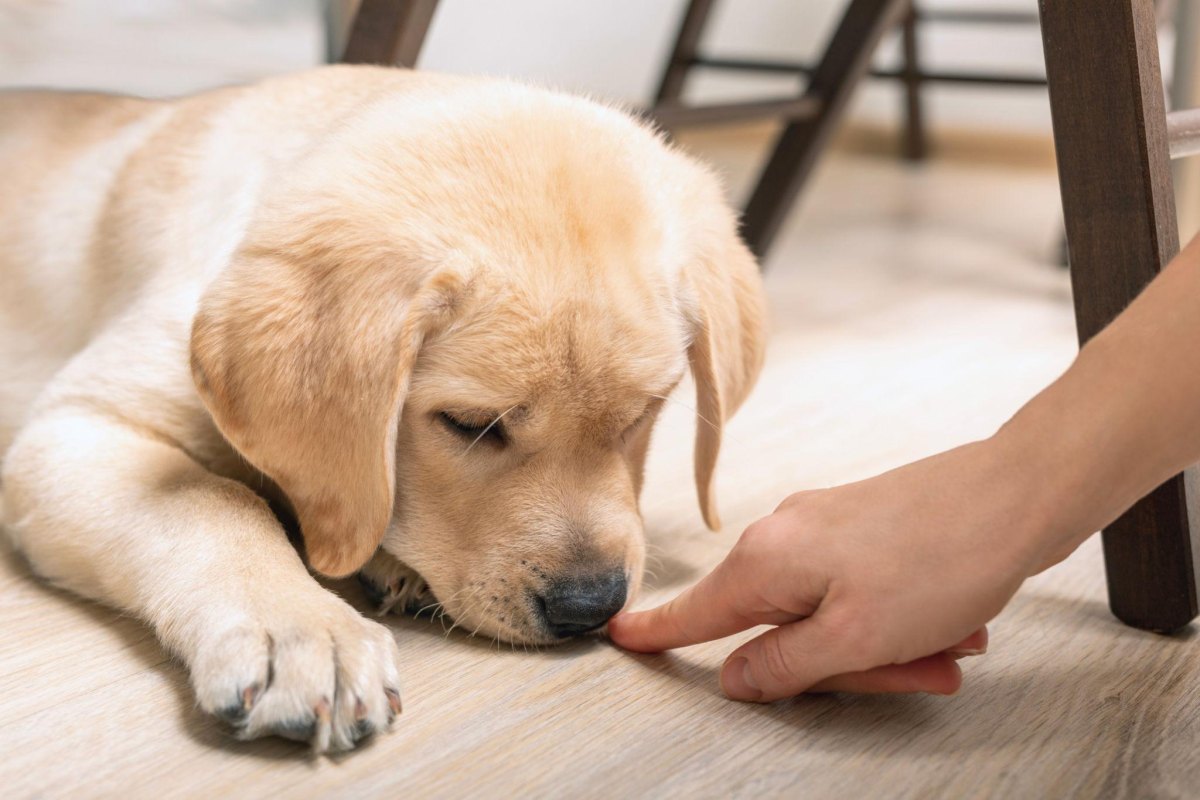
Hand targeting is one of my favourite beginner exercises because it creates communication. Reward the nose touch and use it gently for guidance. Simple signals make training clearer.
Teach Your Puppy to Wait for Food
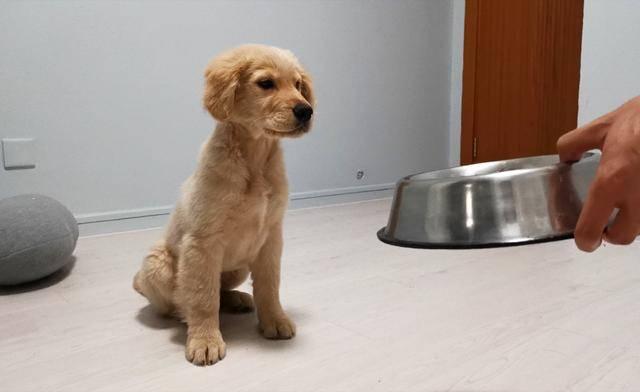
Waiting for food is about impulse control, not obedience perfection. Begin with tiny pauses and reward calm behaviour. Patience grows through repetition.
Teach Your Puppy to Go to Bed
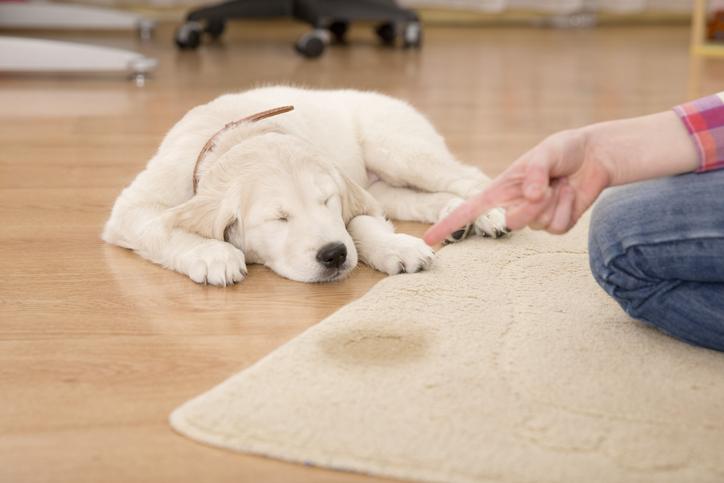
A bed cue gives puppies a predictable resting place. Reward every choice to settle there. A calm station is useful during busy household moments.
Teach Your Puppy to Walk Beside You
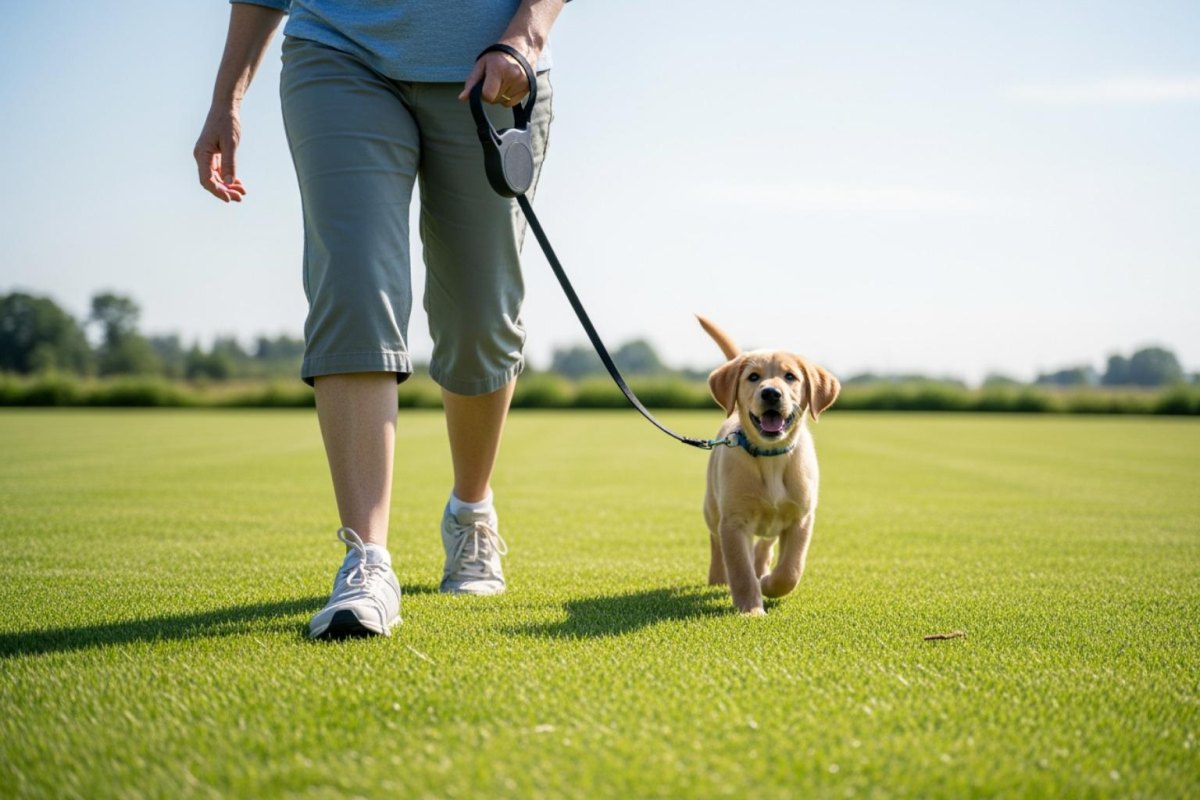
Walking nicely takes practice, especially outside with distractions. Reward the moments your puppy chooses your side. Loose leash habits are built gradually.
Teach Your Puppy to Speak
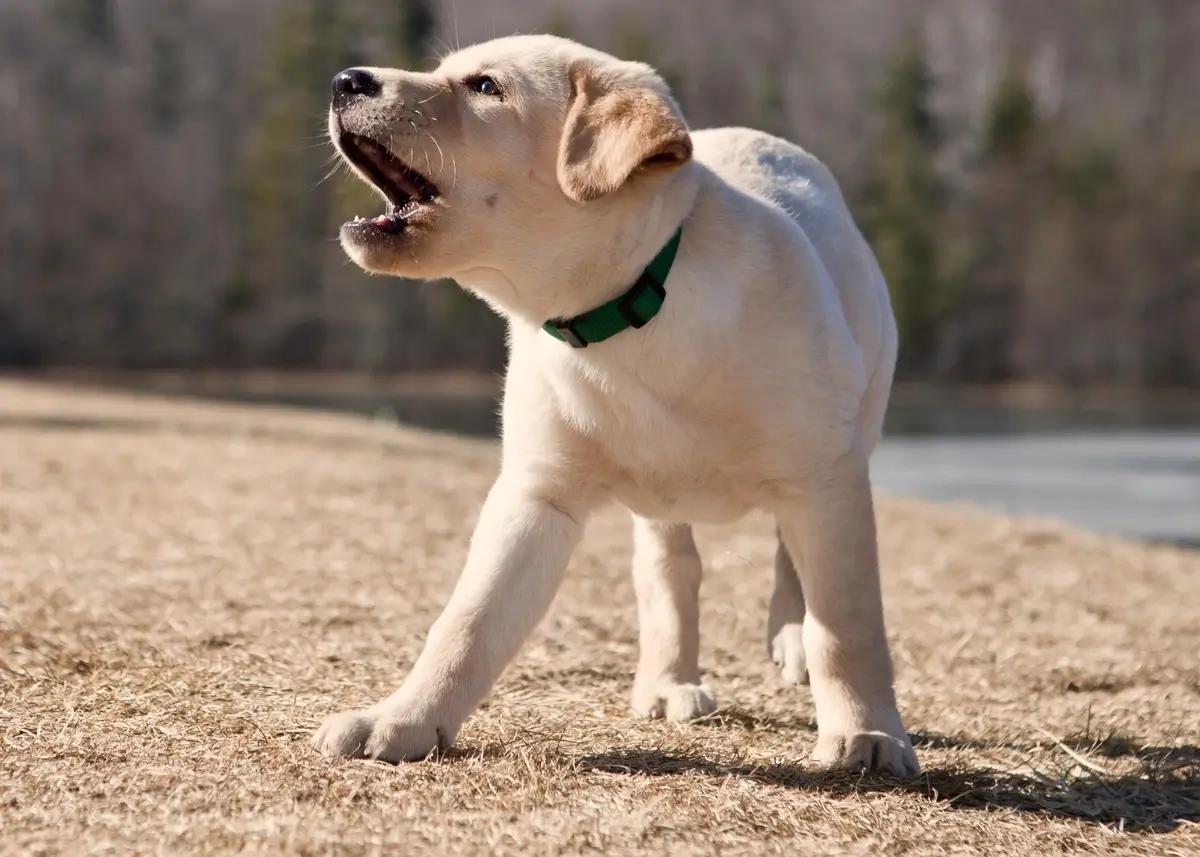
Teaching speak starts with capturing a natural bark, then adding a cue. Use this carefully with puppies who already bark often. Know the reason behind barking first.
Teach Your Puppy to Be Quiet
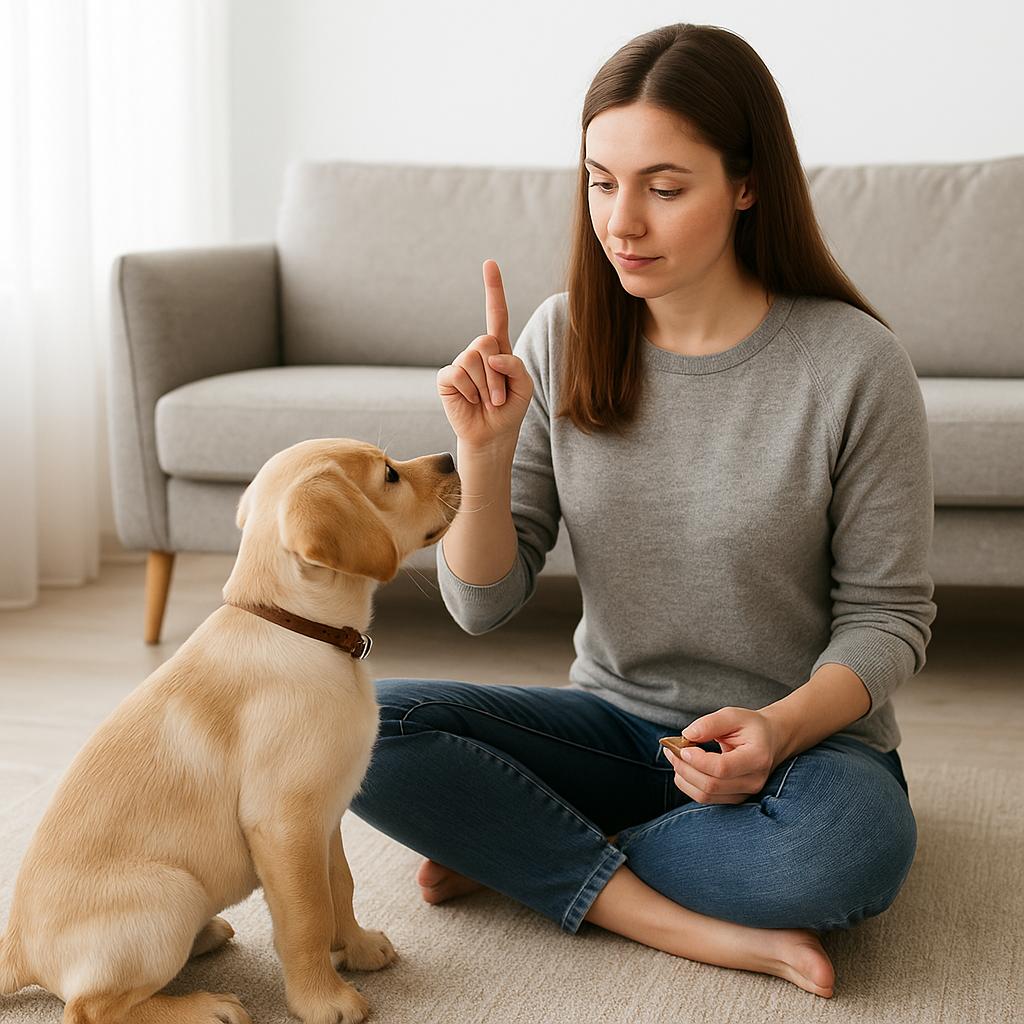
Quiet is easier when we teach what to do instead of simply stopping noise. Reward pauses and calm choices. Reward calm moments whenever they appear.
Teach Your Puppy to Find Hidden Treats
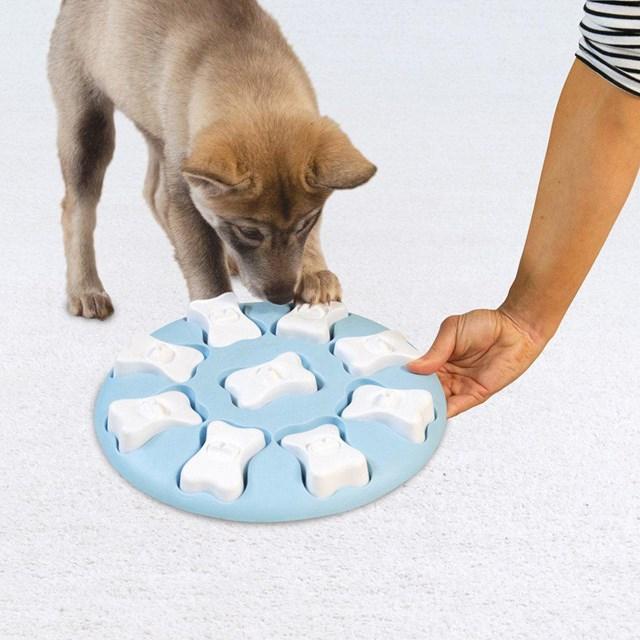
Nose games are wonderful enrichment for puppies. Hide easy treats first, then increase difficulty. Mental exercise can tire a puppy beautifully.
Teach Your Puppy to Jump Through a Hoop
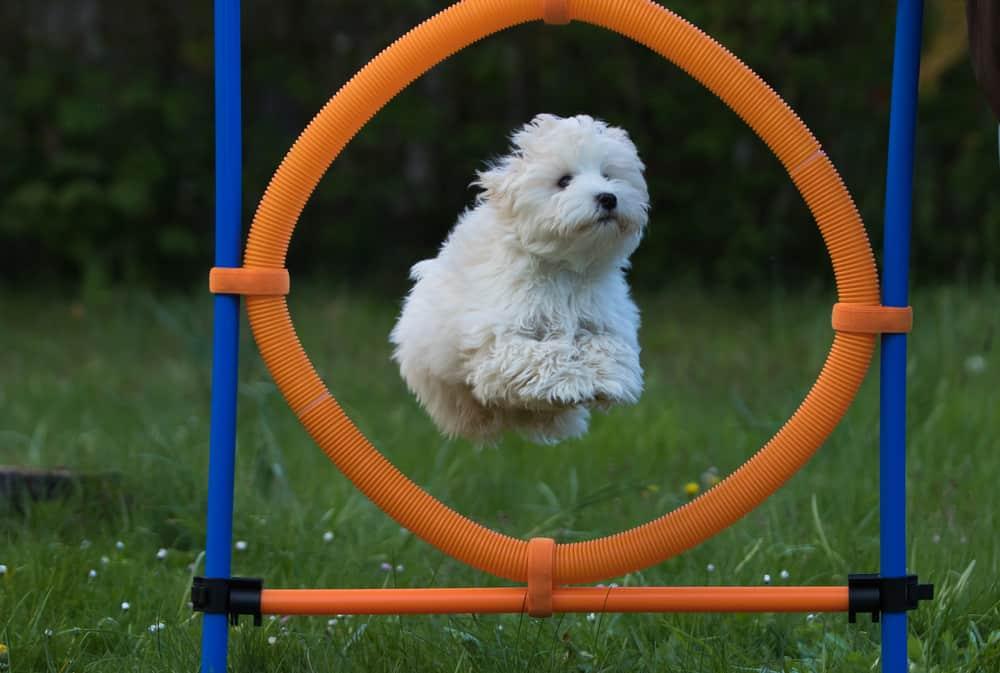
This trick needs confidence and physical readiness. Keep the hoop low and never rush growing puppies. Safe movement matters more than the impressive finish.
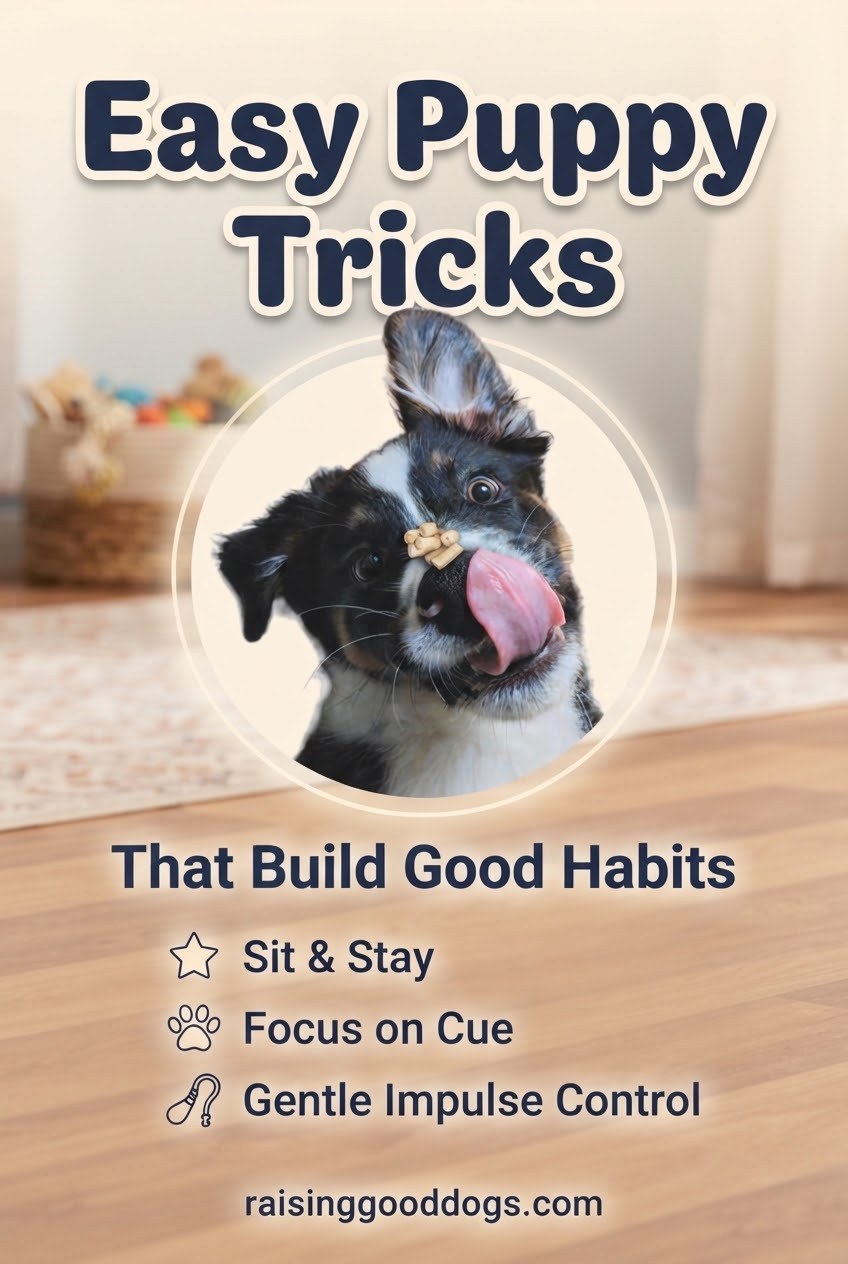
Teach Your Puppy to Balance a Treat
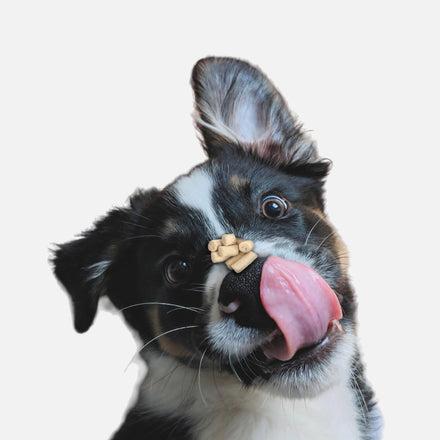
Treat balancing is a patience exercise. Teach stillness first and only add the treat when your puppy understands. Self control grows with gentle practice.
Teach Your Puppy to Wave Goodbye
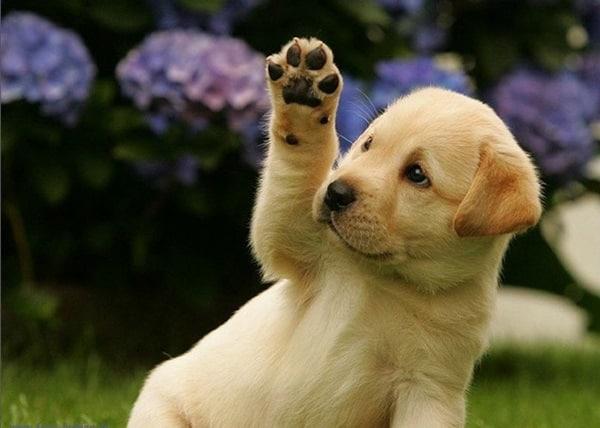
Wave is a cheerful variation of paw targeting. Reward the lifted paw and build the gesture slowly. Small movements become big tricks.
Teach Your Puppy to Clean Up Toys
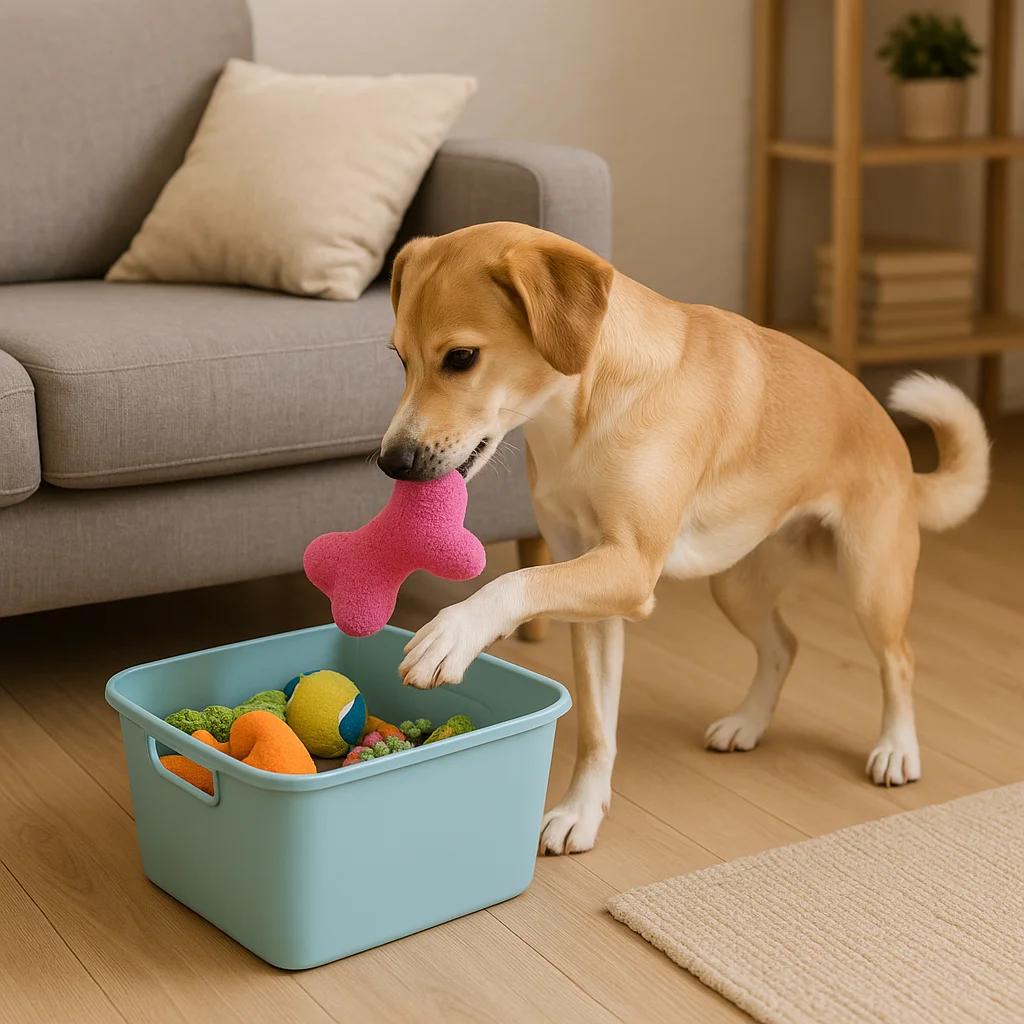
Cleanup combines fetch, drop it, and a little teamwork. Keep the basket close and celebrate every attempt. Useful tricks make daily life easier.
Teach Your Puppy to Take a Bow
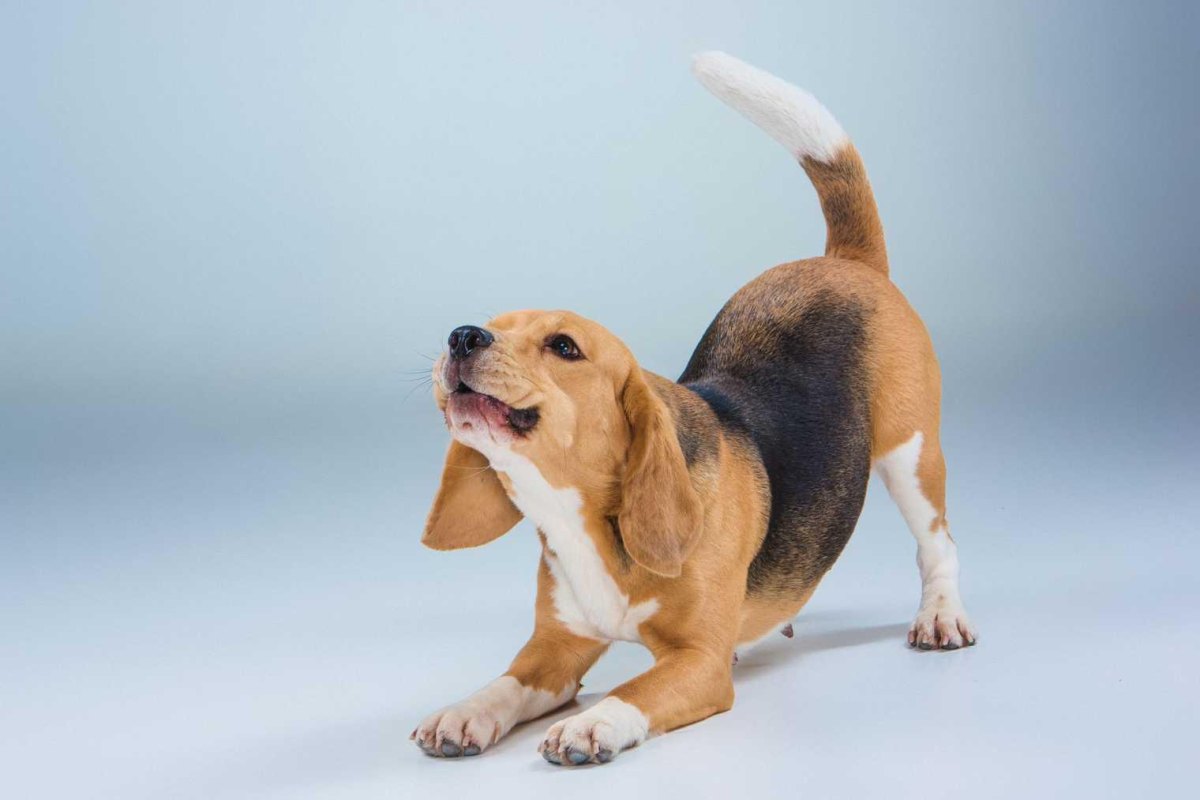
A bow is a lovely final trick because it rewards confidence and movement. Keep it playful and stop before your puppy loses interest. Happy training is built on trust.
How long should puppy trick sessions be?
Most puppies learn best with several short sessions instead of one long lesson. Five minutes can be plenty.
What if my puppy struggles?
Make the step smaller, reduce distractions, and check whether your puppy is tired or overwhelmed. Adjusting the plan is part of good training.




More Pinterest Visuals