I have watched plenty of lovely puppies become overwhelmed adults because the humans on the other end of the leash were given the wrong advice. Good socialization is not about dragging a puppy everywhere; it is about carefully building positive experiences at a pace that keeps the puppy feeling safe. Veterinary behaviour organizations emphasize that early, positive exposure matters, but it must be controlled and appropriate for the individual puppy.
After years of training dogs in real homes, parking lots, and those early-morning empty fields where nobody is judging your leash skills, I have found the same mistakes appearing again and again. Here are the ones I want every puppy owner to catch early.
Skipping Early Socialization During Puppyhood

The biggest mistake I see is waiting until a puppy is fully vaccinated before introducing the world. Early social experiences during a puppy’s sensitive developmental period can help build confidence when they are done safely and positively.
I am not talking about throwing a puppy into a busy street festival. I mean quiet introductions: different people, surfaces, sounds, handling, and places where your puppy can stay relaxed. Quality over quantity is the rule I use with my own clients.
What good early socialization looks like
- Short, positive experiences
- Choice and distance when a puppy feels unsure
- Rewards for calm curiosity
Overwhelming Your Puppy With Too Many New Experiences
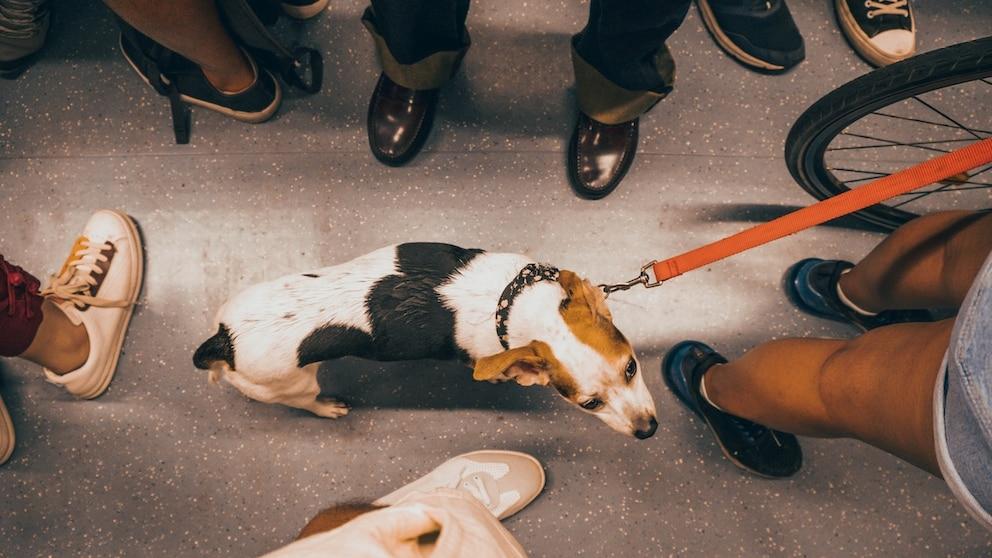
There is a difference between exposure and flooding. I have seen owners proudly count twenty new experiences in one afternoon while their puppy was quietly falling apart. A confident puppy is not created by maximum exposure; confidence comes from manageable wins.
I watch for tiny details: a puppy who stops taking treats, turns their head away, freezes, tucks their tail, or suddenly becomes frantic is giving information. Body language matters because the warning signs usually arrive before the bark or lunge.
Slow down if you notice this
A puppy who cannot recover after an experience needs less intensity, more distance, and easier sessions.
Avoiding Other Dogs Instead of Teaching Proper Interactions
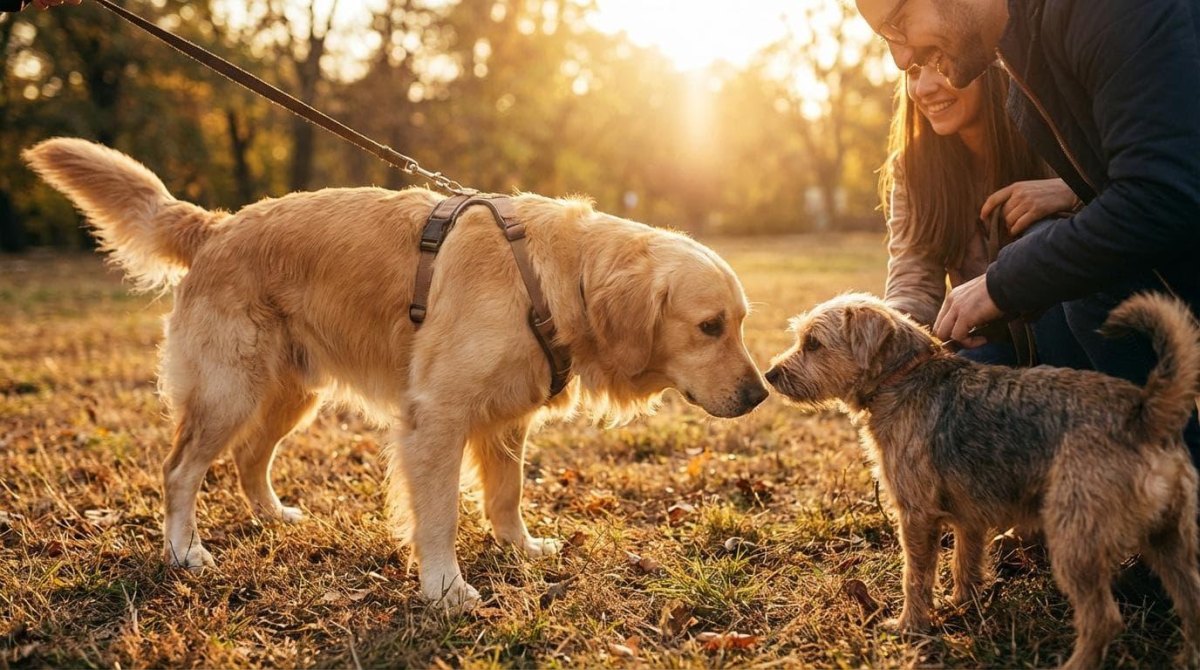
Many people swing between two extremes: no dog contact at all, or letting every dog rush over for a greeting. Neither teaches the skill we actually want. Healthy dog interactions involve appropriate matches, supervision, and the ability to walk away.
I often use calm adult dogs in training because puppies learn from good examples. Pickle, my tiny terrier mix, has opinions about this job, mostly that she deserves hazard pay, but her steady presence has helped many puppies learn that another dog does not always mean chaos.
Ignoring Fear Signals and Forcing Interactions
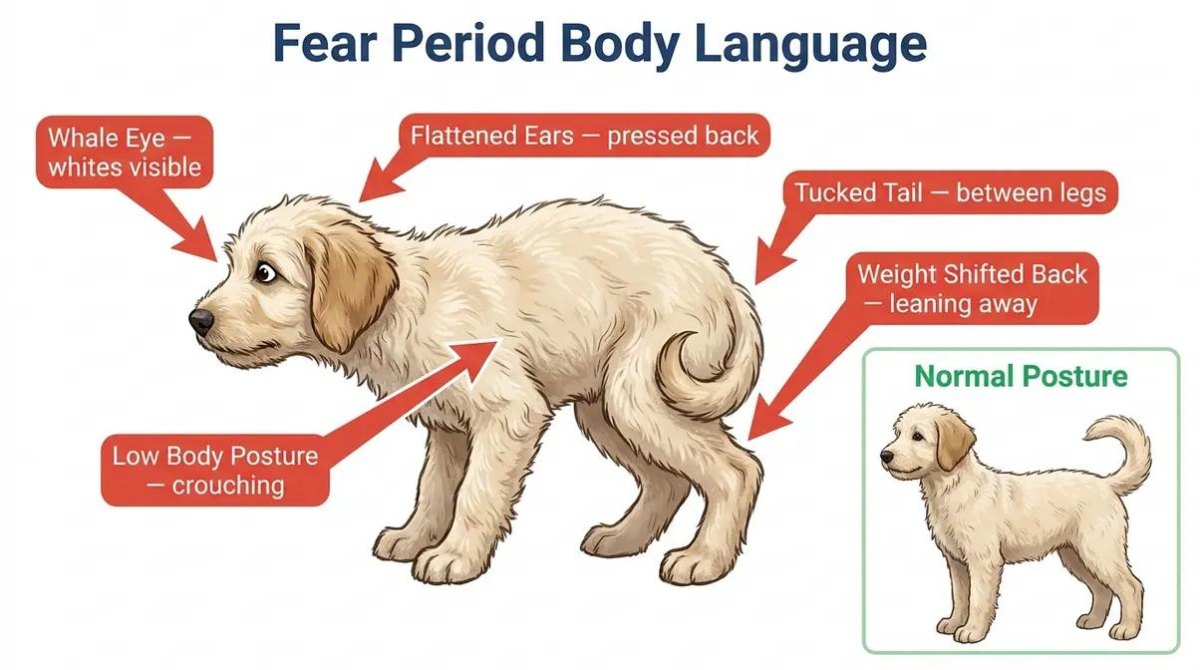
One of the hardest lessons for new puppy owners is learning that encouragement can become pressure. If your puppy backs away from a person, dog, or object, forcing contact can make that thing feel even scarier. Fear should be listened to, not challenged head-on.
Before changing behaviour, I check the basics: sleep, health, environment, and whether pain could be involved. A sudden behaviour change always deserves a conversation with your veterinarian before assuming it is a training issue.
Failing to Introduce Everyday Sounds and Environments
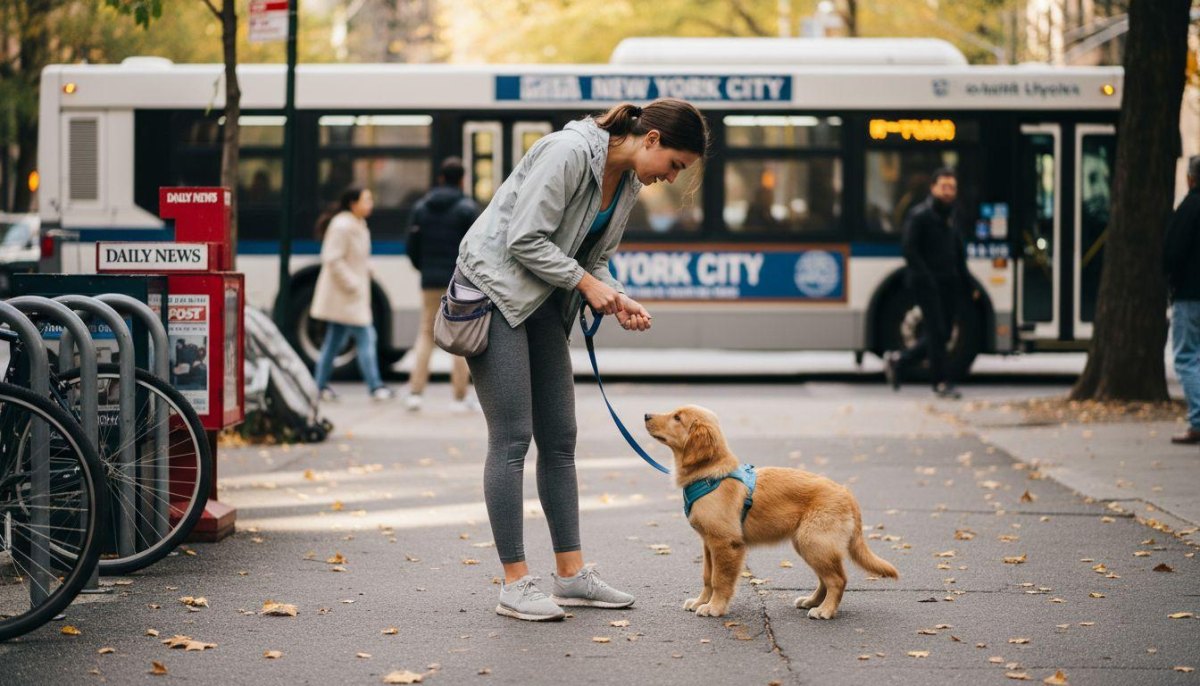
A puppy does not only need to meet people and dogs. They also need to learn that vacuum cleaners, traffic, elevators, rain, slippery floors, and strange noises are ordinary parts of life. Everyday confidence comes from many small experiences repeated over time.
I prefer a simple plan: introduce one challenge at a time, keep it easy enough that your puppy can think, and stop before they are overwhelmed. Small successful sessions beat one dramatic outing every time.
| Experience | Better approach |
|---|---|
| Traffic sounds | Watch from a comfortable distance |
| New surfaces | Allow investigation with rewards |
| Household noises | Start quietly and build gradually |
Using Punishment During Socialization Training
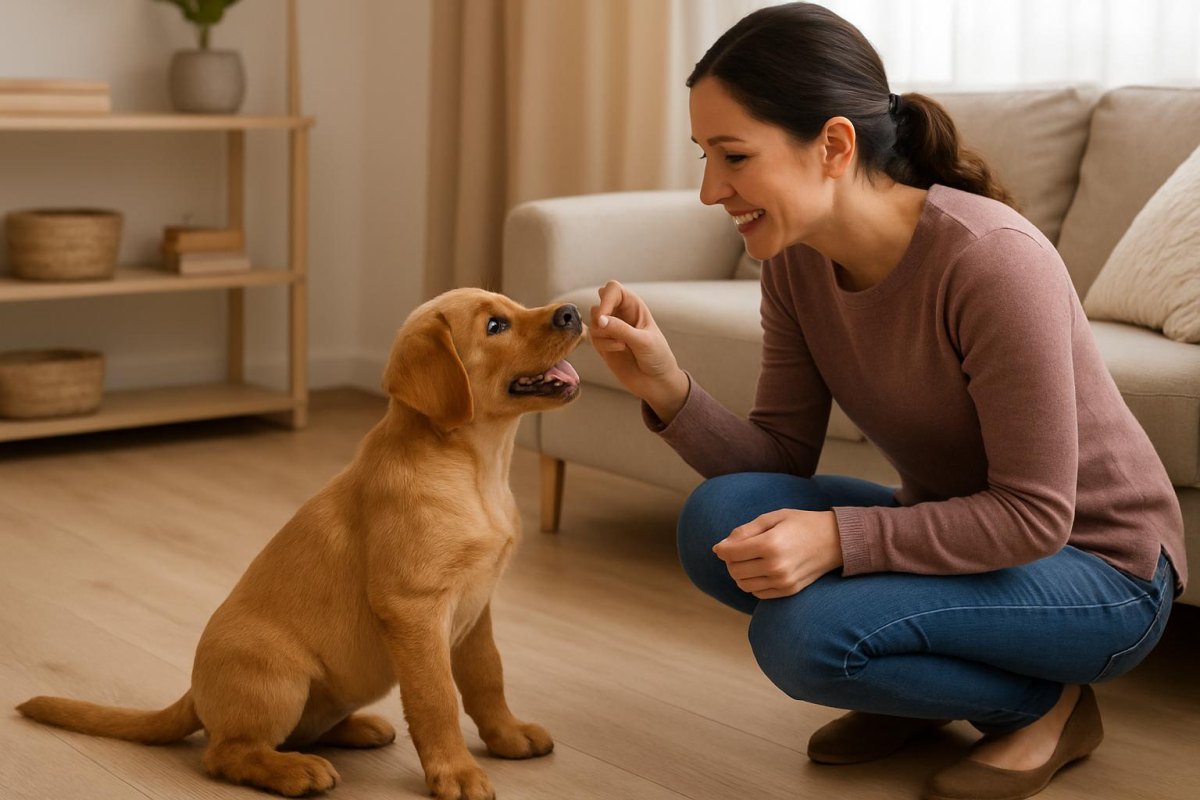
I understand why people reach for corrections. I grew up around dogs trained with a rolled newspaper, and nobody was trying to be cruel. We simply had different information. Today, we know that reward-based training is the better foundation for building trust and changing emotional responses.
Punishing a puppy for fear, barking, or hesitation can add another scary layer to an already difficult moment. My goal is always to teach the dog what to do instead, not make the dog afraid to communicate. Trust speeds learning more than intimidation ever will.
Reward-based approach
- Builds positive associations
- Encourages communication
- Supports confidence
Punishment approach
- Can increase fear
- May hide warning signals
- Can damage trust
Stopping Socialization After Puppy Vaccinations
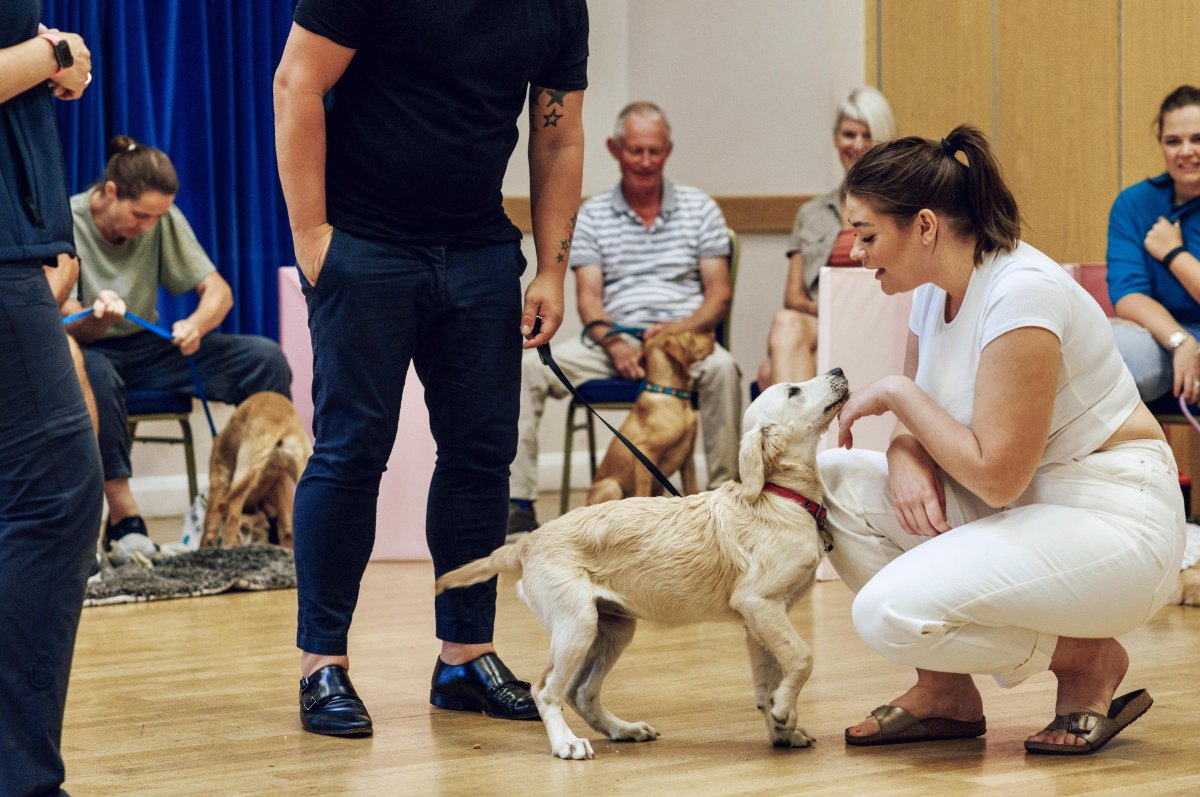
I see this one constantly: a puppy finishes vaccinations, the owner relaxes, and the socialization plan quietly disappears. But social skills are not a puppy homework assignment you finish once. Continued exposure helps dogs stay adaptable throughout life.
The goal changes as your dog grows. A young puppy may explore a new surface, while an adolescent dog may practice calm walks around distractions. Always follow your veterinarian’s advice about health risks in your area, but do not mistake avoiding all experiences for keeping a puppy safe. Safe ongoing practice is part of raising a stable dog.
A practical reminder
Your puppy does not need a packed calendar. They need regular chances to succeed.



More Pinterest Visuals