The puppy who cannot settle is usually not being difficult; they are often trying to cope with a world that is very loud, new, and exciting. I have spent years watching owners reach the end of their rope after a puppy has bounced off the walls all evening, and the first thing I look for is not obedience. I look for what the puppy is experiencing.
Calmness is a skill we build. It comes from preventing unnecessary rehearsals, teaching relaxation when the puppy is able to learn, and noticing the tiny body-language clues before the barking, jumping, or frantic behaviour arrives. Current behaviour guidance continues to support gradual exposure, reward-based learning, and avoiding overwhelming dogs during behaviour change.
What I cover in this puppy calm training guide
- How to recognise stress before your puppy tips over threshold
- How to create a home where relaxation is possible
- How to teach calm behaviour through rewards
- How to build patience around distractions
Understanding Puppy Triggers and Stress Signals
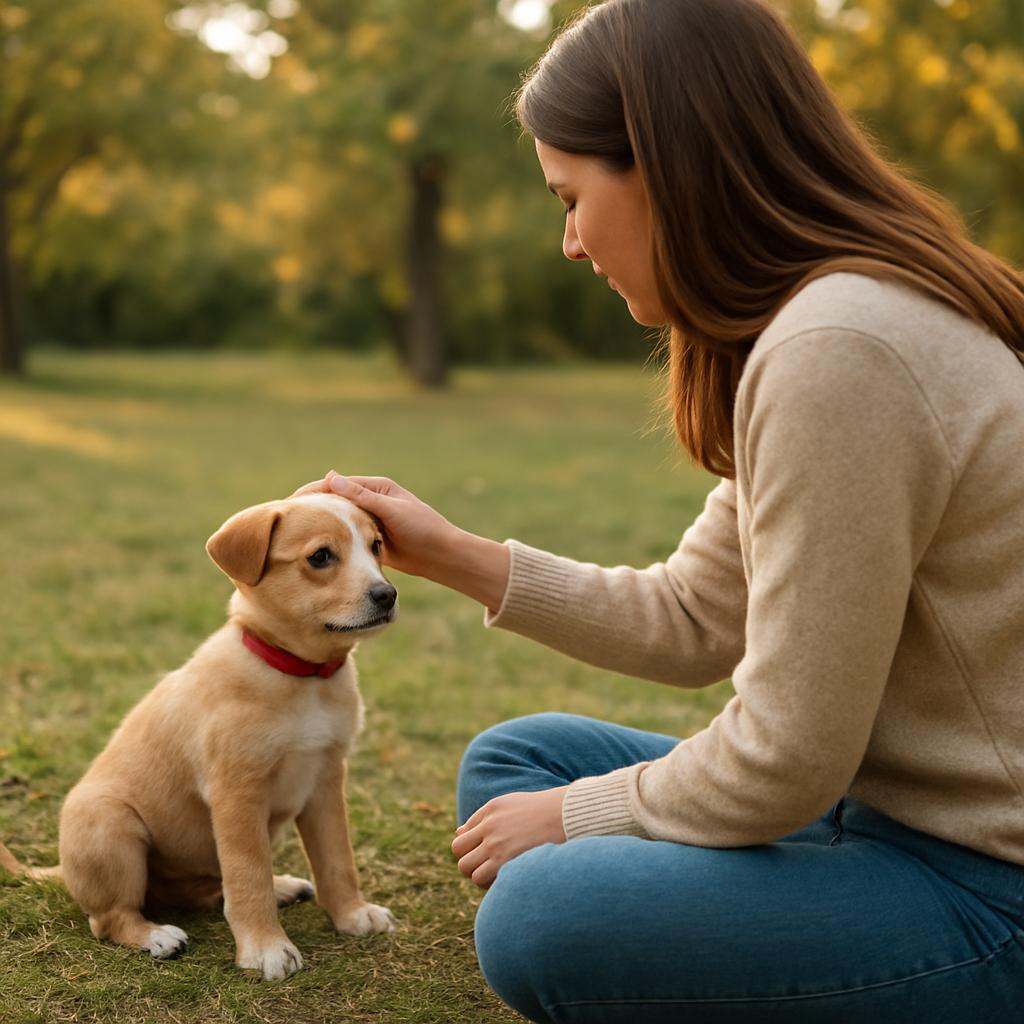
Before I teach a puppy to calm down, I teach the human on the other end of the leash what to notice. Dogs rarely go from relaxed to exploding with no warning. There is usually a quiet conversation happening first through body language signals.
I look at ears, eyes, mouth, tail carriage, weight shift, and breathing. A puppy who turns their head away, licks their lips, freezes, pants without exercise, or suddenly cannot take food is giving useful information. These signals need context, but they often appear before bigger reactions.
Trainer tip
If your puppy is already frantic, training is usually too late for that moment. Create distance, reduce the intensity, and teach calm skills when your puppy can actually think.
Creating a Calm Home Environment for Your Puppy

The easiest calm behaviour to reinforce is the behaviour your puppy has a chance to practise. I spend a lot of time helping families rearrange daily life before adding more training exercises. A puppy cannot learn relaxation in a home where every minute is a party.
A calm home does not mean a boring home. It means your puppy has predictable places to rest, appropriate outlets for chewing and play, and enough sleep. I also want owners to remember that socialisation means positive, controlled experiences, not overwhelming a puppy with everything at once.
Common mistake
People often add more exercise when a puppy is wild. Sometimes the puppy is not under-exercised; they are overtired and unable to switch off.
Teaching Relaxation Through Positive Reinforcement
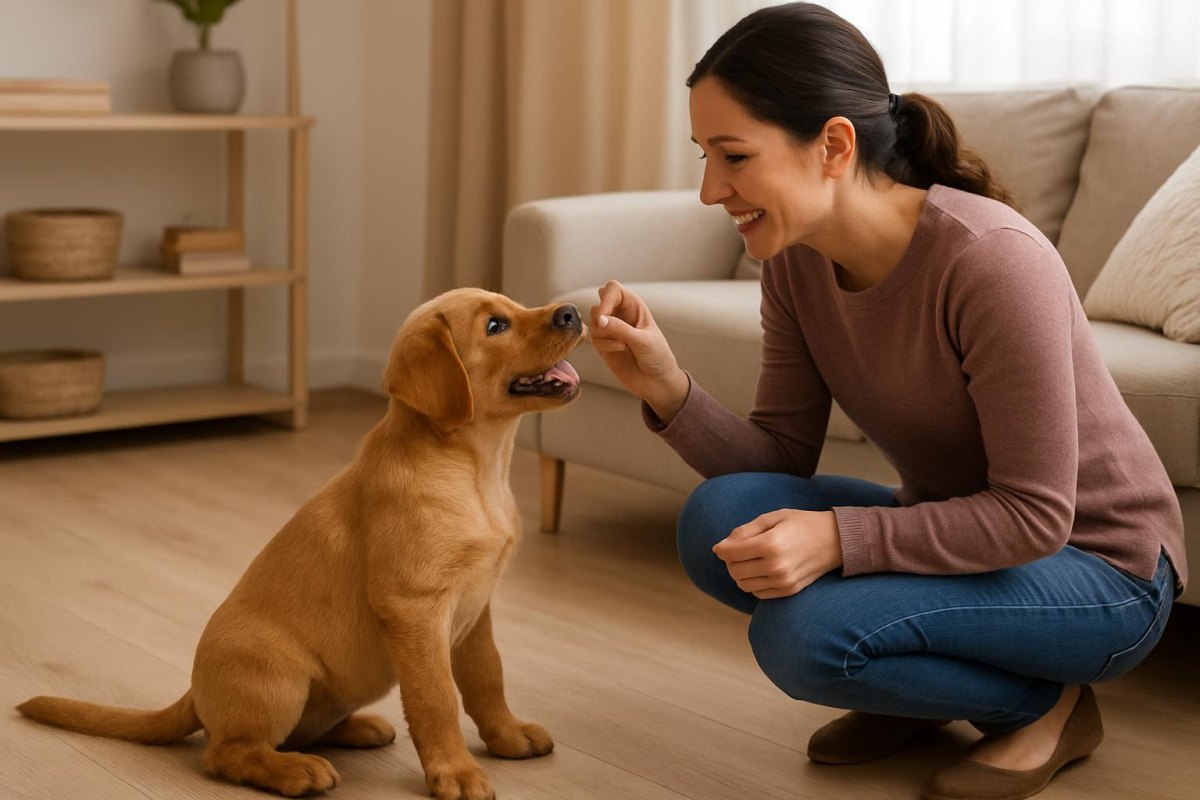
Relaxation is not something every puppy automatically understands. I teach it the same way I teach any other skill: I notice the behaviour I want and make it worthwhile. The puppy lying quietly beside me is not doing “nothing”; that is the exact moment I want to reward.
One of my favourite exercises is a settle on a mat. Start when your puppy is already calm, reward soft body language, and gradually build duration. Behaviour modification techniques such as shaping, desensitisation, and counterconditioning work best when the dog is below the point of panic or overload.
The calm moments are the training moments most people accidentally miss.
Marisa Cole, Raising Good DogsBuilding Impulse Control with Simple Training Exercises
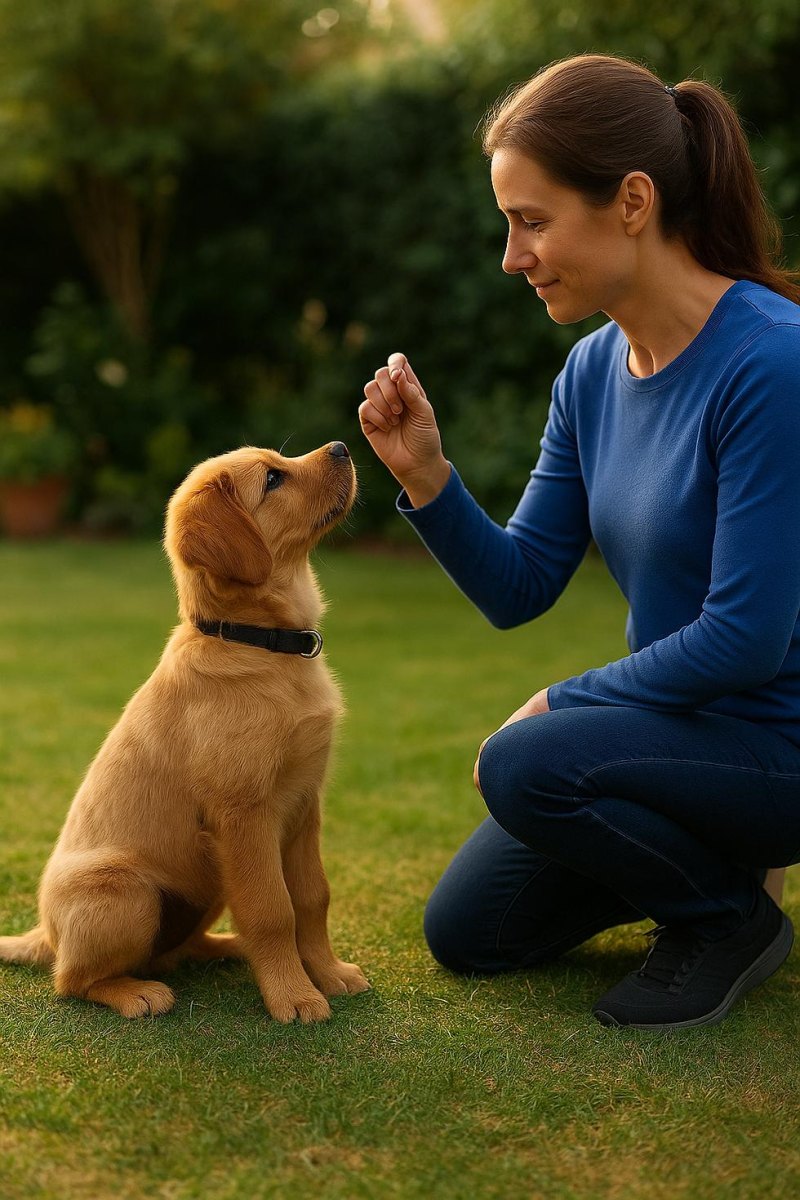
Impulse control is not about making a puppy wait because I said so. It is about giving them a way to succeed when excitement appears. I start with tiny moments: waiting for food, pausing before going through a door, or choosing a toy calmly.
I want these exercises to stay easy enough that the puppy can think. A puppy who is lunging, barking, or completely overwhelmed is not practising self-control; they are practising being overwhelmed. Small successful repetitions create the foundation.
| Exercise | Goal |
|---|---|
| Hand target | Teach attention and redirection |
| Mat settle | Build relaxation around activity |
| Wait at doors | Practise patience in daily life |
Remember
If a puppy suddenly struggles with behaviour they previously handled, especially alongside pain signs or other changes, I want a veterinary check before assuming it is a training problem.
Helping Your Puppy Stay Calm Around Distractions
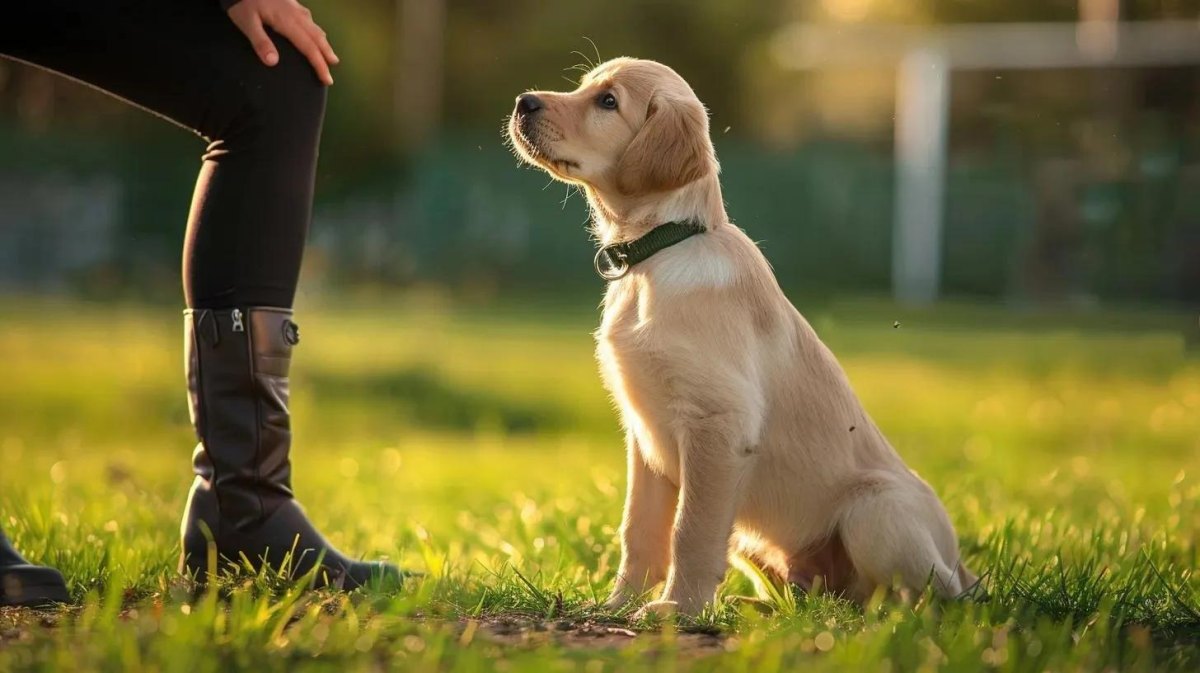
The outside world is where many puppies discover that calm is much harder than sitting in the kitchen. My first job is always management: choose distance, quieter times, and easier environments so the puppy is not repeatedly practising chaos.
For distractions that create fear or overexcitement, I use gradual exposure paired with something positive. The puppy should notice the distraction and still be able to eat, respond, and recover. Desensitisation and counterconditioning rely on keeping the experience at a level the dog can handle rather than flooding them.
Helpful approaches
- Increase distance from difficult triggers
- Reward calm observation
- Practise in easier locations first
Things I avoid
- Forcing greetings
- Flooding a puppy with scary situations
- Punishment for fear responses
Maintaining Long-Term Calm Behavior and Confidence
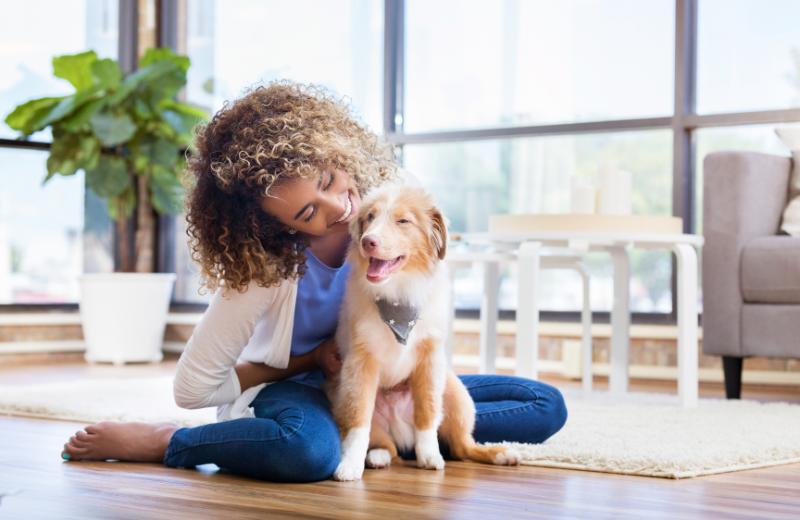
A calm puppy is not created in one weekend. Most families notice meaningful improvement over weeks and months, with plenty of ordinary setbacks along the way. I tell clients to measure progress by recovery: how quickly their dog returns to calm after excitement.
Confidence grows when puppies repeatedly experience success. Keep practising the skills your dog already knows, protect them from unnecessary overwhelm, and adjust expectations as they mature. Early positive experiences and thoughtful exposure can help build a more secure adult dog.
Months
is a realistic timeframe for many behaviour changes, not days.
I still think about Bruno when people ask me whether a dog can become calmer. He improved enormously, but he is also a dog with limits, preferences, and a retirement schedule that mostly involves comfortable naps. That is the goal I want for every puppy: not perfection, but a dog who feels safe enough to handle life.




More Pinterest Visuals