Those tiny puppy teeth have a way of finding the exact place you hoped they would not: your fingers, your socks, and the one pair of shoes you liked. I see this stage every week with young dogs, and the first thing I tell tired owners is that puppy biting is normal. Teething puppies are exploring, playing, and learning how to use their mouths, not plotting to become difficult dogs.
The goal is not to punish the teeth away. It is to show your puppy what belongs in their mouth, build calmer habits, and manage the moments when their little brains are running faster than their self-control. Most puppies improve with consistent practice over weeks and months, not overnight.
Provide Safe Teething Toys for Chewing
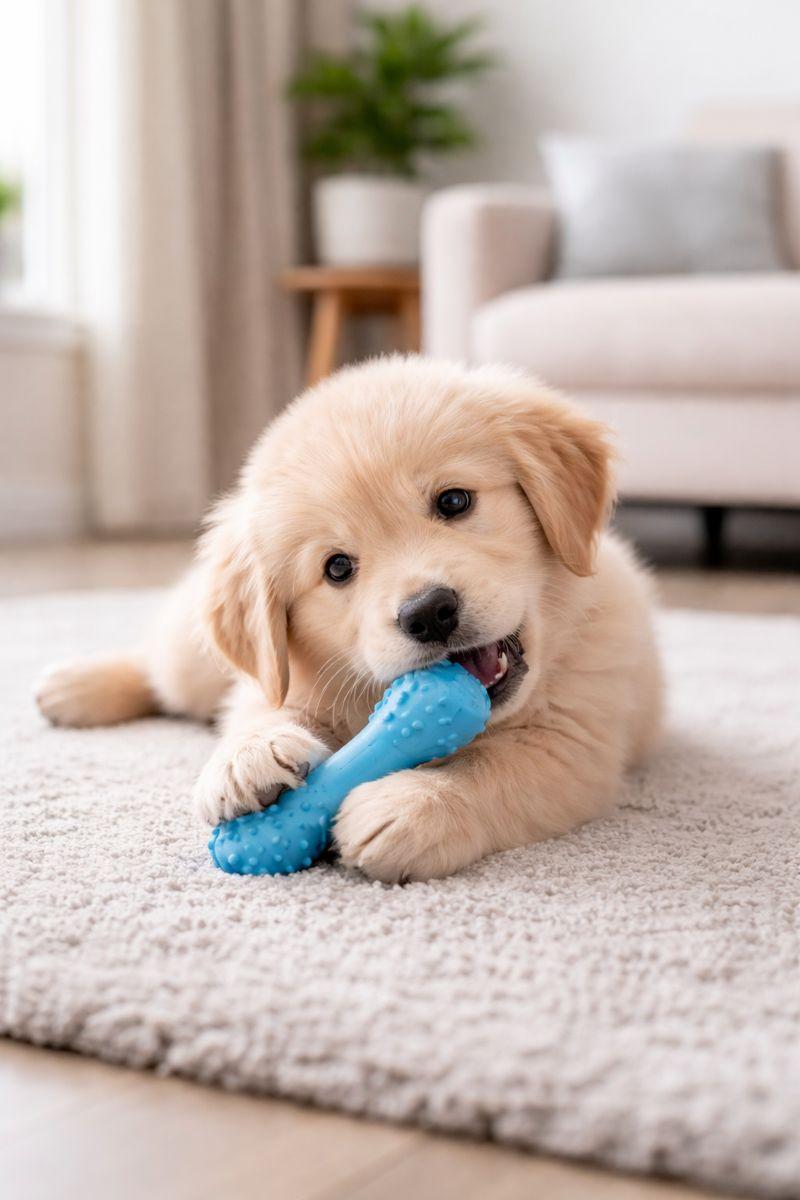
When a puppy is teething, I want the environment to do some of the teaching. I keep safe chew options nearby so the puppy has an easy answer when those gums need relief. Appropriate chew toys should match your puppy’s size, chewing style, and age, and I always supervise because no toy is completely risk-free.
My teething setup
- Rotate a few puppy-safe toys instead of leaving every option out at once.
- Choose flexible, size-appropriate toys and check them often for damage.
- Keep tempting household items out of reach while your puppy is learning.
I learned this lesson years ago with client puppies who had a full toy basket but still preferred chair legs. The problem was not a lack of toys; it was that the chair was always available and more interesting. Management comes first because every successful chew rehearsal strengthens the habit.
Redirect Biting Toward Appropriate Objects
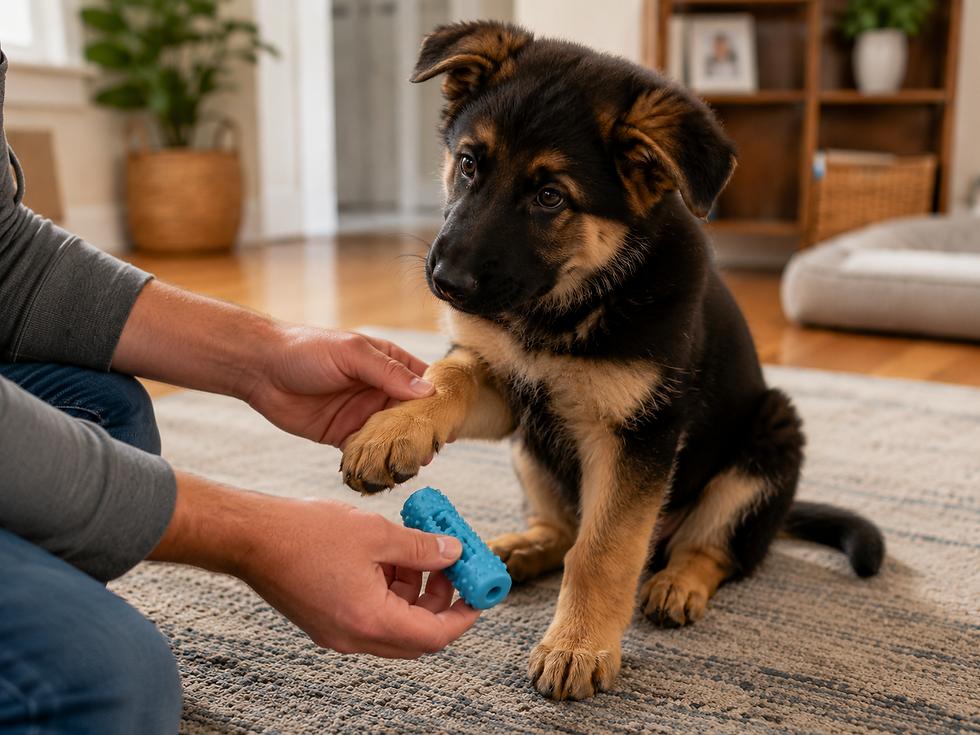
I do not wait until a puppy is hanging from my sleeve before I offer another option. The moment I see the signs — faster movement, pouncing, grabbing clothing, or that sudden sparkle that says “I have become a tiny shark” — I put a toy between the puppy and my skin. Redirection works best before the puppy is completely overexcited.
- Notice. Watch for the early body-language changes that come before the biting starts.
- Offer. Present a chew toy or tug toy calmly instead of wrestling with hands.
- Reward. Praise and continue play when your puppy chooses the toy.
If the biting continues, I quietly end the interaction for a short moment. I am not trying to scare the puppy; I am teaching that teeth change the game.
Use Positive Reinforcement During Teething
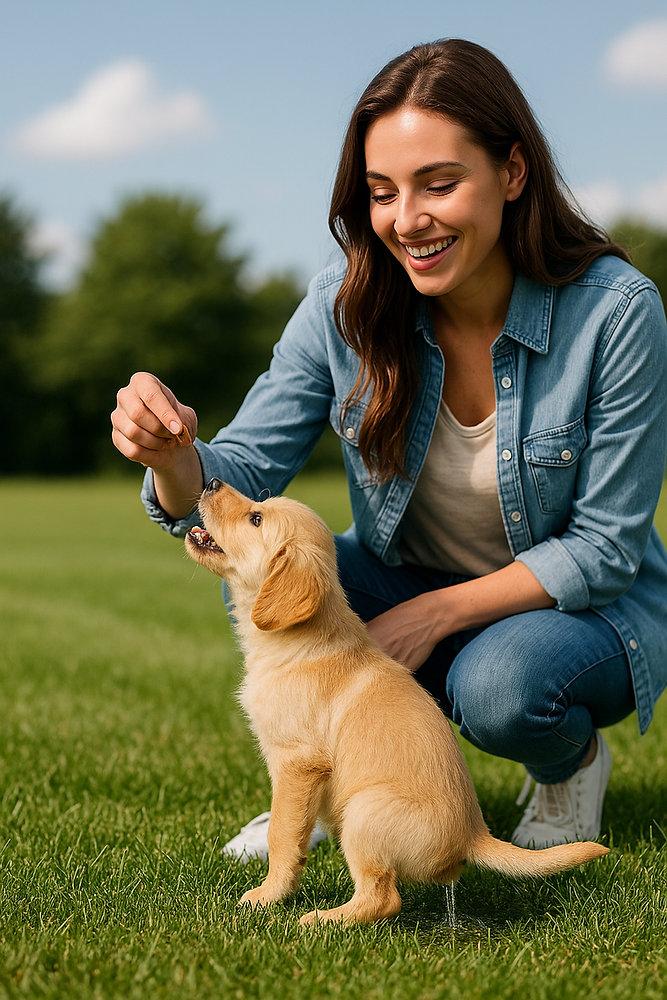
The puppies who improve fastest are not the ones who hear “no” the most. They are the ones who get a clear picture of what earns attention. I look for calm moments — sitting near me, chewing their own toy, relaxing after play — and I reinforce those choices. Reward the behaviour you want to see grow.
- Reward gentle play with praise or a small treat.
- Notice quiet behaviour instead of only reacting to chaos.
- Avoid using fear or physical corrections for normal puppy mouthing.
This approach takes patience. In week one, you may redirect your puppy twenty times in an afternoon. That does not mean the plan failed; it means you are teaching a very young animal a brand-new habit.
Offer Frozen Treats to Soothe Gums
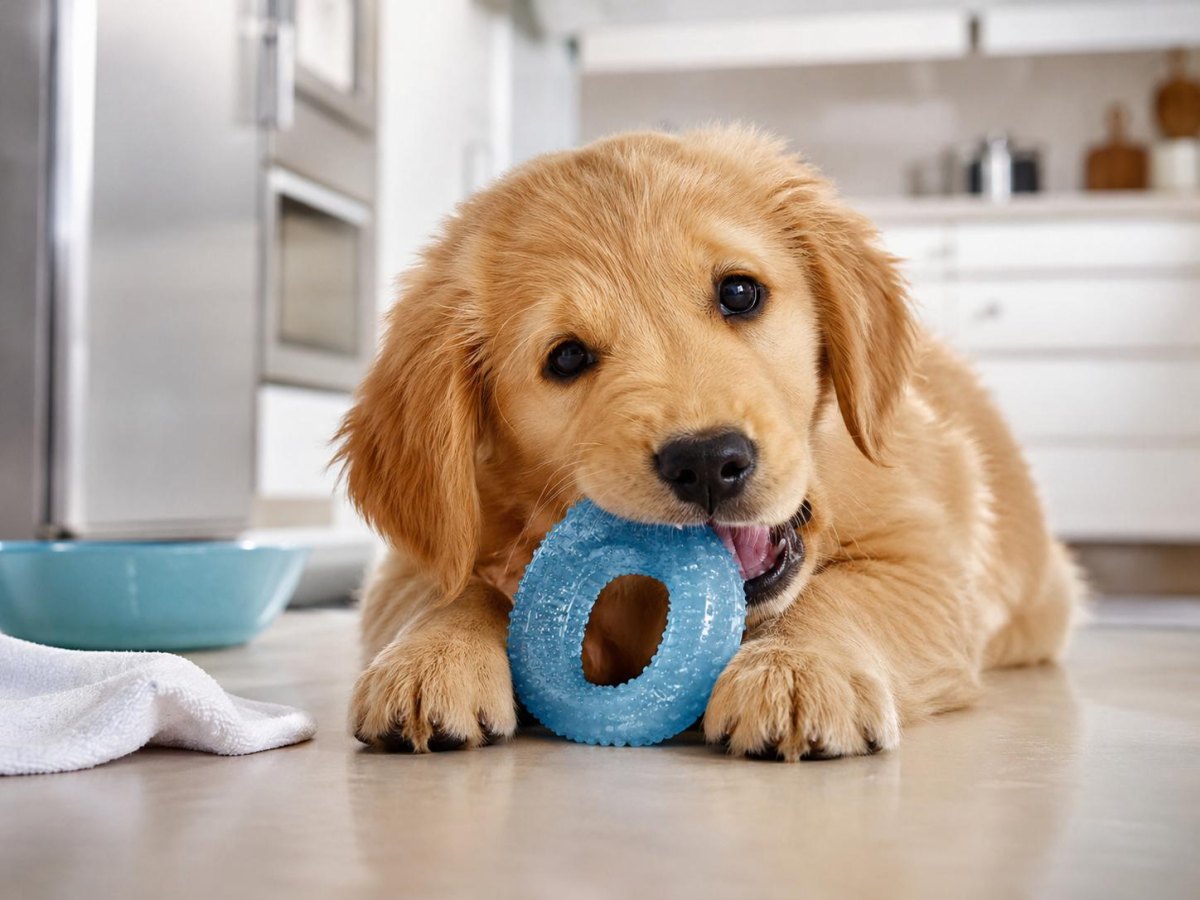
Cold textures can be helpful when puppy gums are uncomfortable, but I am careful about what I offer. I prefer options that are soft enough for a puppy mouth rather than rock-hard items that can damage teeth. Frozen enrichment can provide relief while giving your puppy something appropriate to focus on.
A note on frozen chews
I avoid very hard frozen items like ice cubes for determined chewers. If you are unsure what is suitable for your puppy, your veterinarian can help you choose options based on age and health.
I often pair a soothing chew with a quiet rest period. A puppy who is uncomfortable and exhausted is much more likely to turn your hands into a teething toy.
Teach Bite Inhibition With Gentle Training
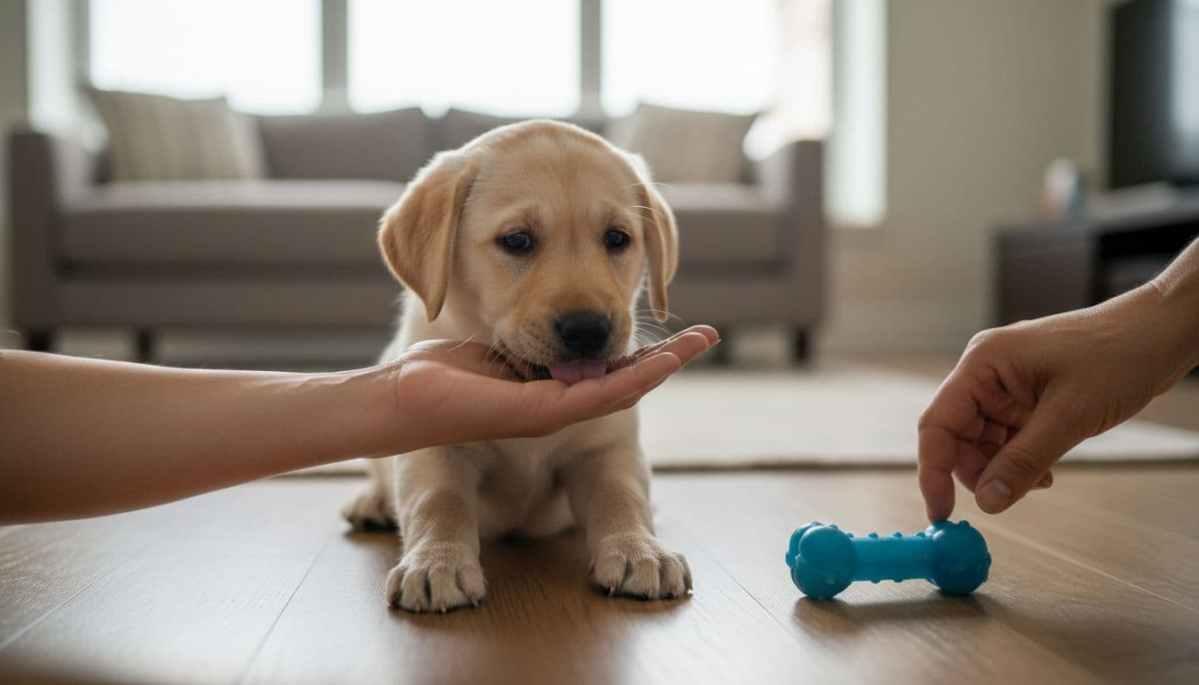
Bite inhibition is one of the most valuable lessons a puppy can learn: not simply “never use your mouth,” but “use your mouth gently.” Puppies naturally practice this while playing with littermates, and we continue that education in human homes. Soft mouth skills take repetition and calm feedback.
Helpful responses
- Pause play when teeth touch skin.
- Redirect to toys.
- Reward gentle interaction.
Avoid
- Rough hand games that encourage biting.
- Scaring or punishing a puppy for normal mouthing.
- Expecting instant results.
Some puppies get more excited when they hear a sharp “ouch,” so I adjust based on the individual dog. If a puppy becomes more frantic, I use a calmer approach: pause, create space, and restart when the puppy can think again. Training follows the puppy’s emotional state, not just the behaviour we see.
Manage Overstimulation and Teething Discomfort
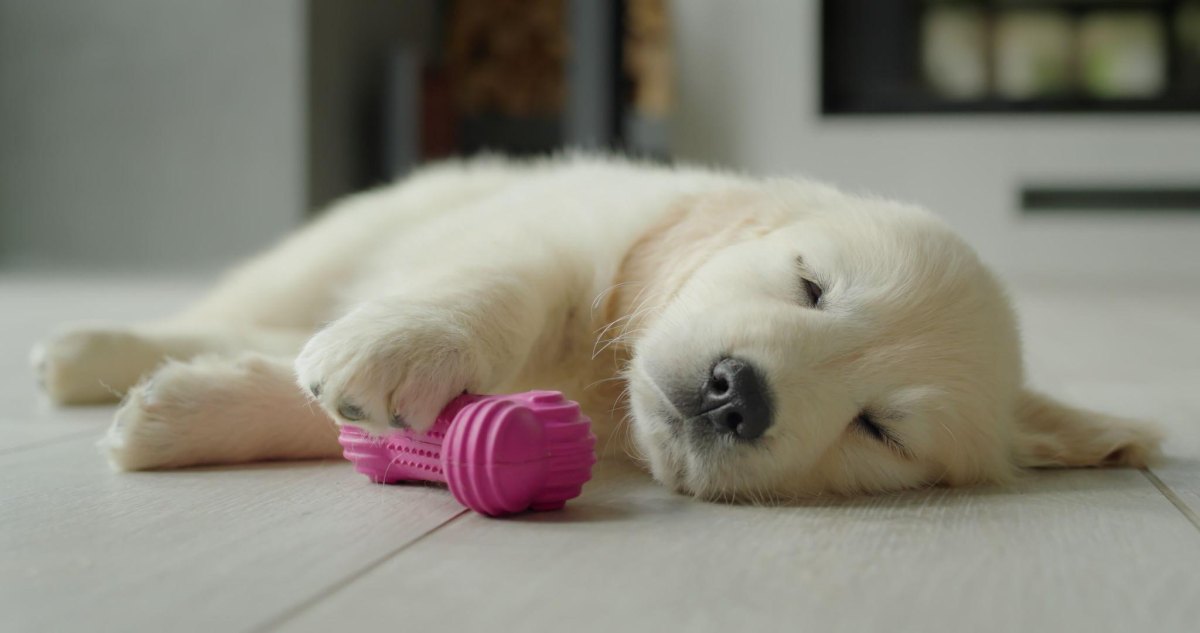
My favourite puppy-biting discovery is that many “wild” puppies are simply running on empty. A puppy who has been awake too long, played too hard, or had too much excitement often loses the ability to make good choices. Overstimulation looks like biting long before it looks like tiredness.
- Before biting: watch for frantic movement, grabbing, bouncing, or difficulty settling.
- During the moment: lower excitement, offer a calm activity, and create space if needed.
- Afterward: allow rest because puppies need substantial sleep during development.
My prerequisite check is simple: is this puppy rested, comfortable, and able to learn? If the answer is no, I do not add more training pressure. I change the environment. That small adjustment has saved many owners from feeling like they are failing when their puppy is simply overtired.
When to ask for help
If biting is causing injuries, involves fear, guarding, or seems unlike normal puppy play, I recommend speaking with your veterinarian and working with a qualified trainer in person.




More Pinterest Visuals