A puppy who loses their mind at every sound, person, or moving leaf is not being difficult. They are learning how to process a very loud world. I have worked with enough young dogs to know the goal is not a robot puppy; it is a dog who can notice distractions and still make a thoughtful choice.
I start with preventing overwhelm before asking for focus. A puppy cannot learn while their brain is busy surviving a scary or exciting moment. We build calm in small pieces, over weeks and months, not through flooding or forcing them to “get used to it.”
Teaching Focus Around Everyday Noises
What I look for first
- Can the puppy notice the sound and still eat?
- Can the puppy turn back toward me after hearing it?
- Is the volume low enough for learning?
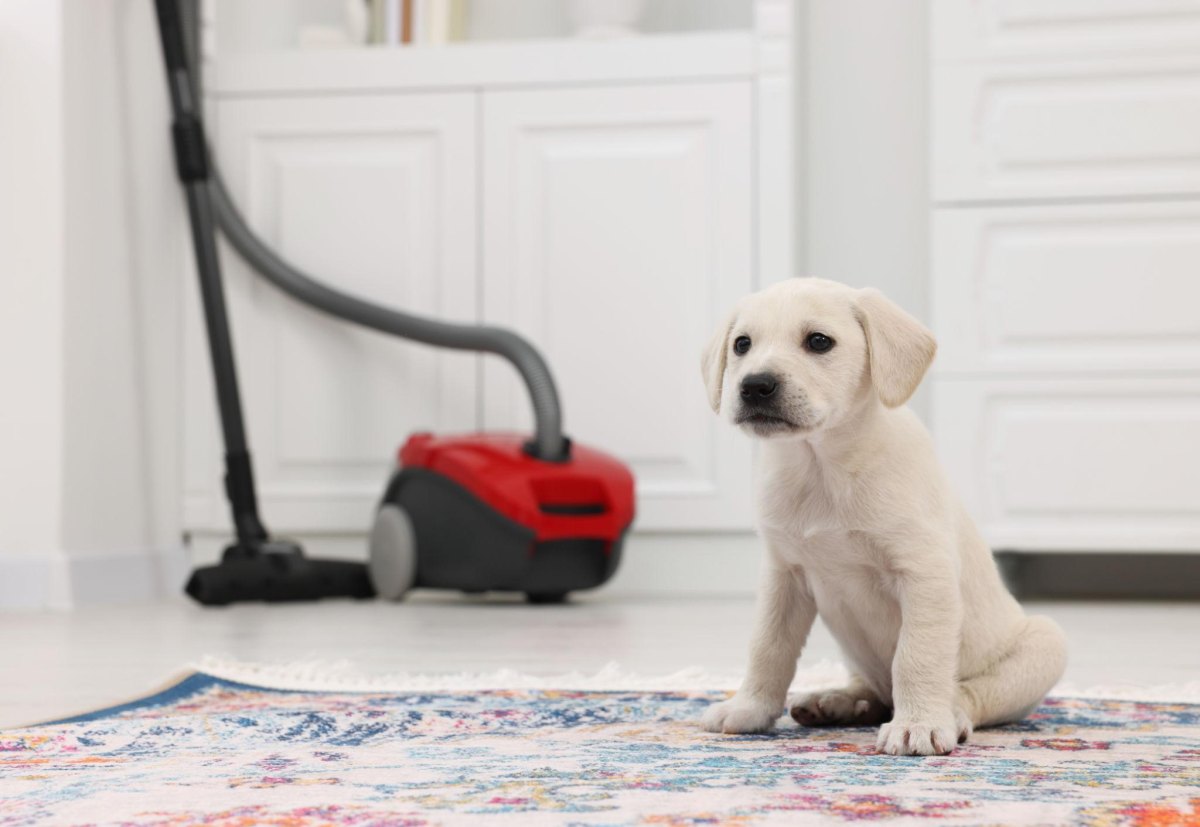
The vacuum, doorbell, blender, and delivery truck are not training enemies. They are opportunities to teach safe sound associations. I begin far away from the noise and pair it with something the puppy loves before fear or frantic excitement takes over. Gradual exposure to sights, sounds, and situations is a key part of puppy socialisation.
I watch the small signals that happen before a puppy is overwhelmed: a closed mouth, weight shifting backward, sudden stillness, or turning away. If those appear, I lower the difficulty rather than asking for more. Body language matters because the puppy is communicating long before a bark or retreat happens.
My practical tip
I keep sessions short. Three calm minutes around a quiet version of a scary sound teaches more than twenty minutes of panic.
Building Calmness During Outdoor Walks
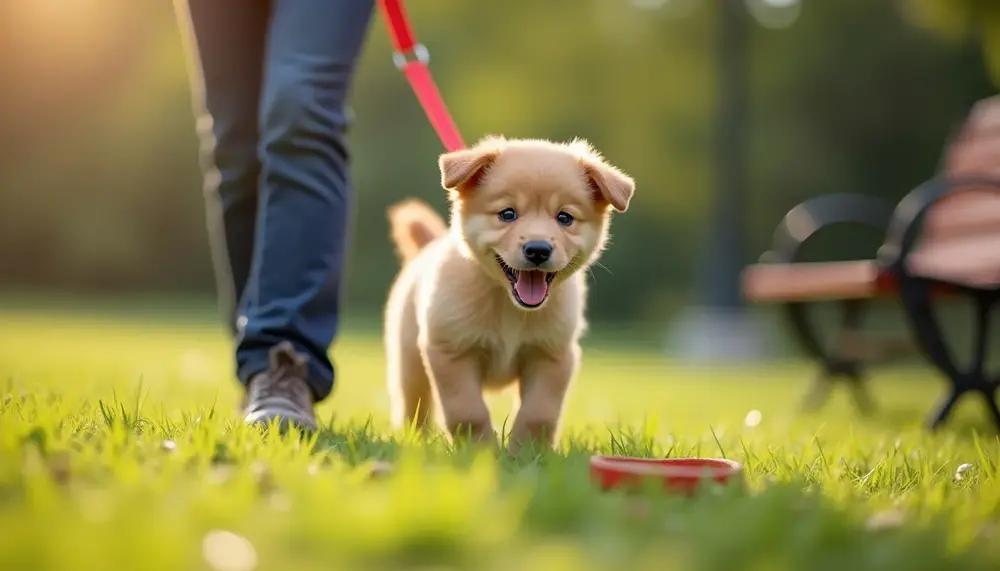
The first walks I see with puppies are often too ambitious. Owners head straight for the busiest path, then wonder why their puppy cannot focus. I prefer quiet training locations first, because calm behaviour needs a place to grow before distractions are added. Reward-based leash training focuses on reinforcing the puppy for staying near you and checking in.
- Choose. Start with a route where your puppy can think instead of just react.
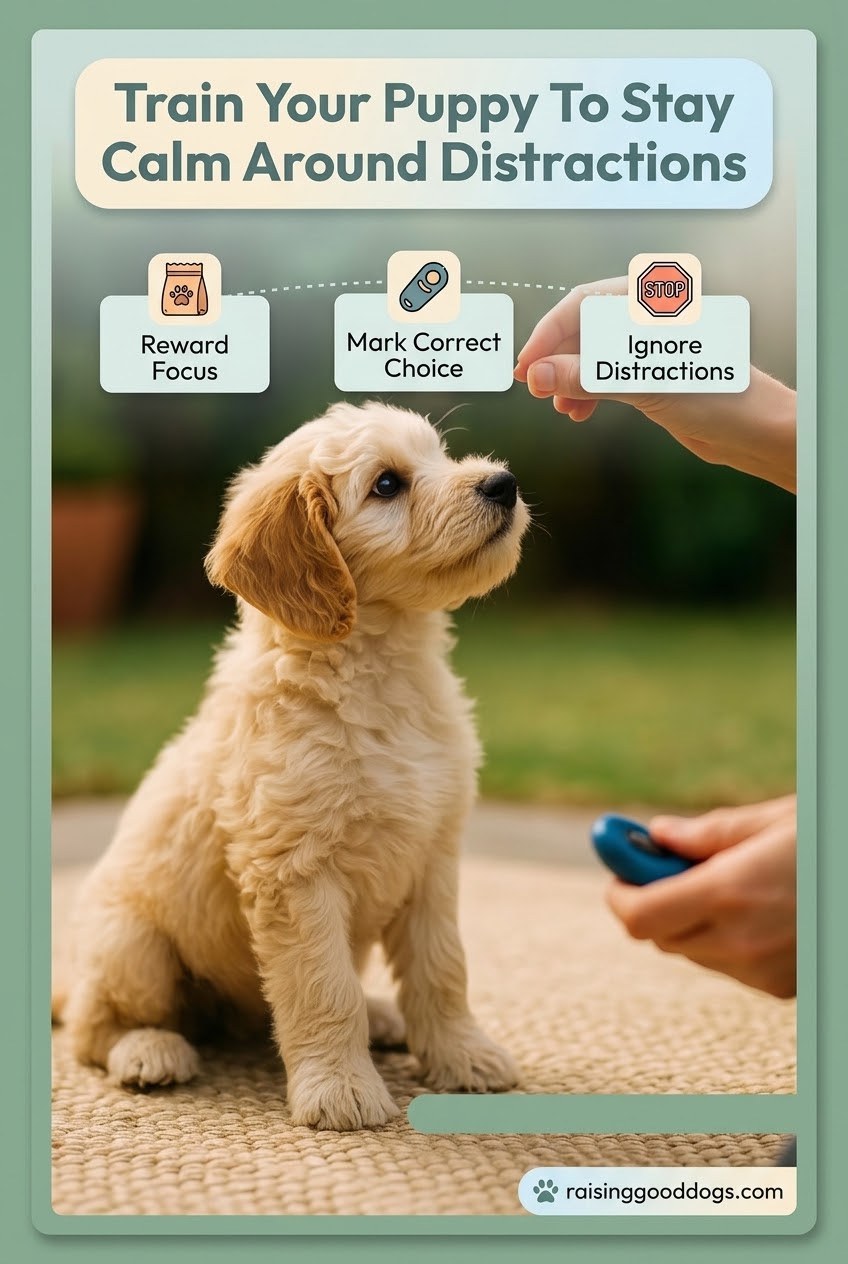
- Reward. Mark and reward voluntary attention before your puppy pulls or explodes.
- Increase. Add one new challenge at a time, such as more movement or more noise.
A realistic timeline is usually measured in months. Some puppies improve quickly, then hit a week where everything feels harder again. That is normal. I look for steady improvement, not a perfect walk every single day. Distraction training works best when difficulty increases gradually.
Helping Puppies Stay Relaxed Around People
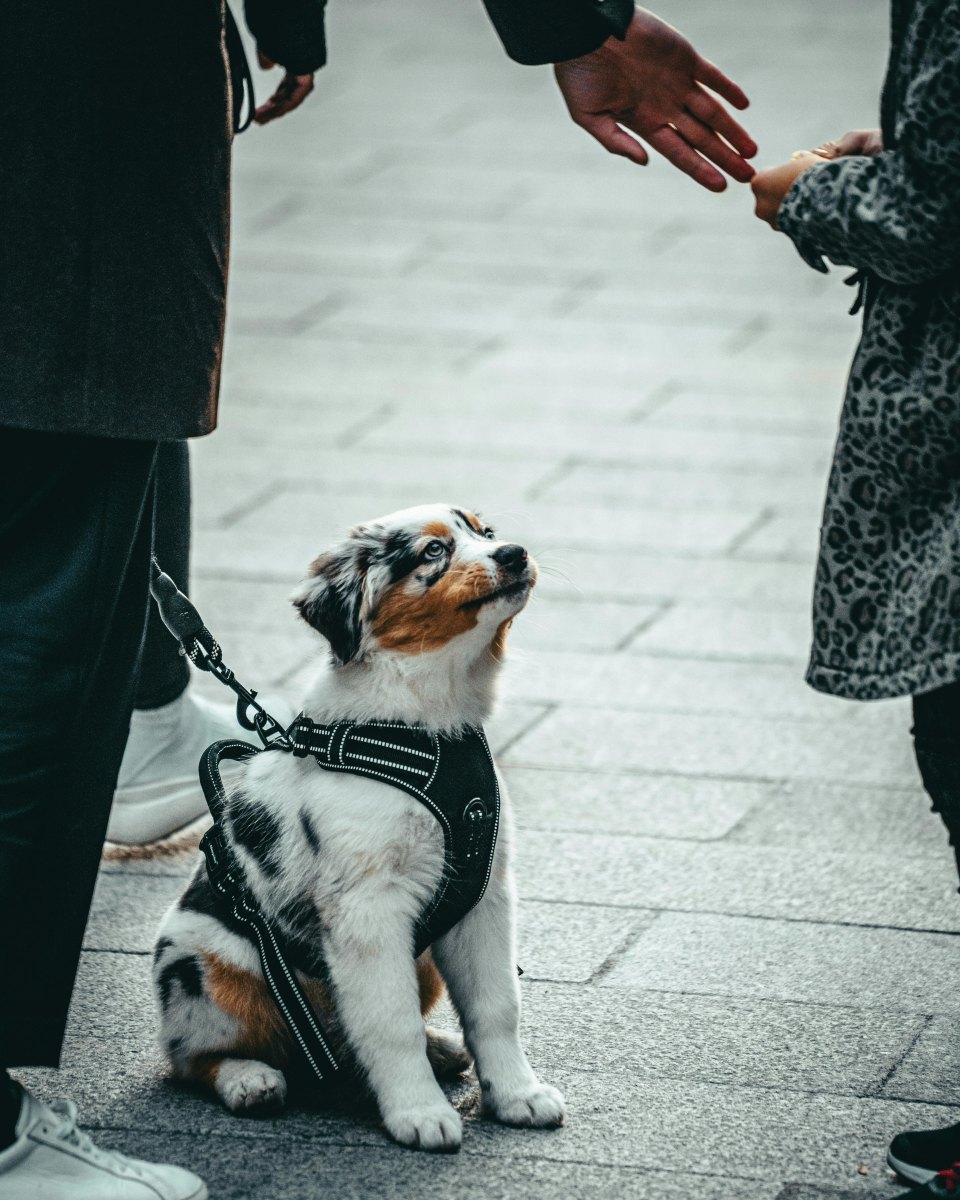
When puppies meet people, I want curiosity and choice, not forced greetings. A puppy who backs away from a stranger is giving useful information. I would rather reward a calm glance from a distance than have someone lean over and create social pressure.
Socialisation is not taking a puppy everywhere and hoping they cope. It is controlled, positive exposure to many experiences at a pace the puppy can handle. Quality experiences matter more than collecting a huge list of places visited.
A mistake I see often
Do not ask a nervous puppy to “say hello” repeatedly. Confidence grows when the puppy learns they can observe and choose.
Practicing Calm Behavior Around Other Dogs
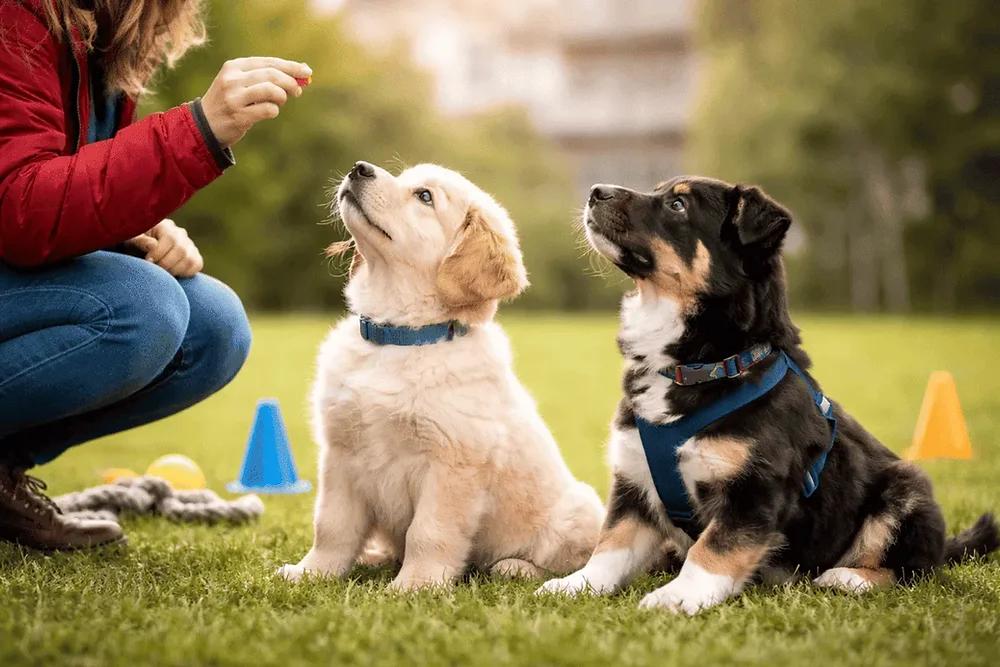
Not every puppy needs to greet every dog. My own approach after working with reactive dogs is simple: calm observation is a skill. I often begin with comfortable distance, where the puppy can see another dog without losing the ability to eat or respond.
I use dogs like Pickle, my elderly terrier mix, carefully in training sessions because the goal is not wild play. The goal is teaching a puppy that another dog can exist nearby without becoming the centre of the universe. Neutral behaviour is a wonderful outcome.
| Too difficult | Ready to learn |
|---|---|
| Staring, freezing, pulling, ignoring food | Looking away, sniffing, checking in |
| Repeated barking or lunging | Relaxed breathing and loose movement |
If your puppy has bitten, caused injury, or shows serious aggression, this is not a DIY project. I recommend working with a qualified professional in person and discussing veterinary behaviour support when appropriate.
Creating Focus During Exciting Environments
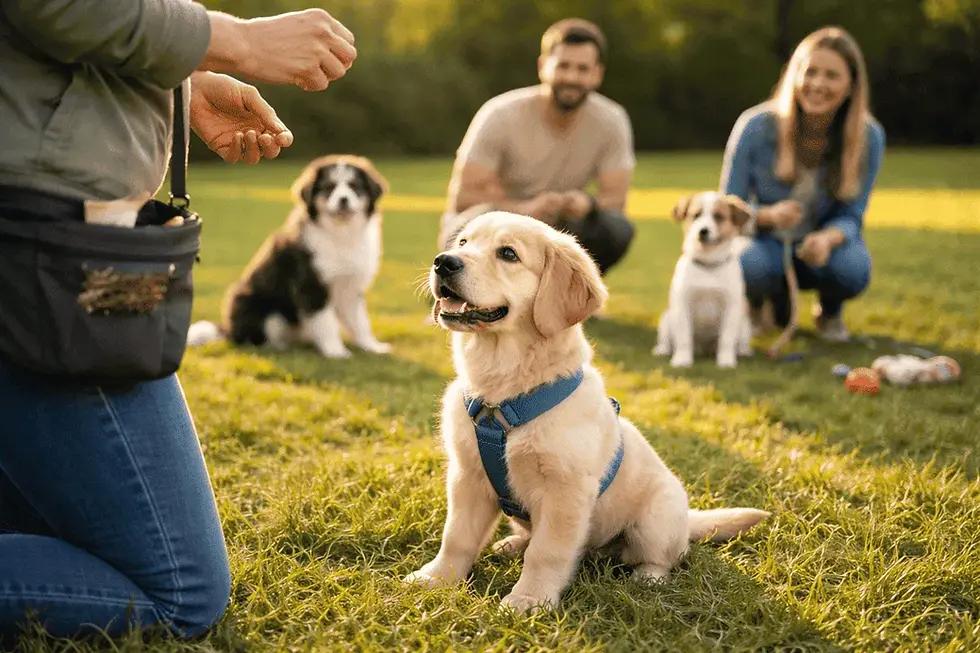
The park, school field, and busy street are advanced classrooms. I see many people skip straight there because the puppy knows “sit” at home. The missing piece is that distractions change the difficulty. Real-world focus must be trained like any other skill.
What helps
- Short sessions
- High-value rewards
- More distance from distractions
What hurts progress
- Too much too soon
- Repeating cues endlessly
- Training after the puppy is overwhelmed
I teach one challenge at a time: distance, duration, or distraction. Adding all three together too quickly is how puppies appear to “forget” training they actually understood. Small wins build reliability.
Rewarding Calm Responses to New Experiences
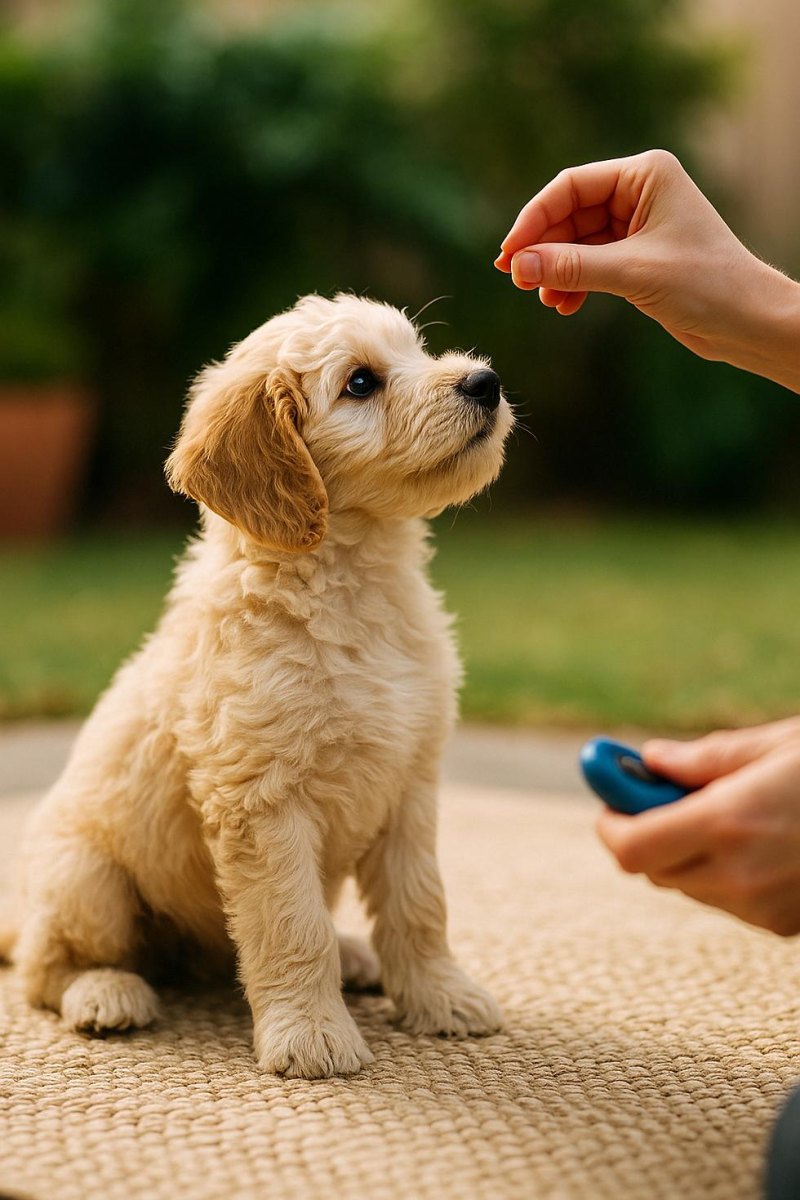
The moment I want to capture is often the quiet one: the puppy sees a cyclist, hears a noise, then looks back at me. That tiny choice is the beginning of calm decision making. I reward it because behaviours that pay well are the ones dogs are more likely to repeat.
I tell clients to expect progress with bumps. Bruno is twelve now, and while he became a much easier dog, he is still not my choice for a crowded festival. Good training is not creating a dog who handles everything; it is creating a dog whose needs you understand. Practical calmness is the goal.
The best training plan is the one your dog can succeed at today.
Marisa Cole




More Pinterest Visuals