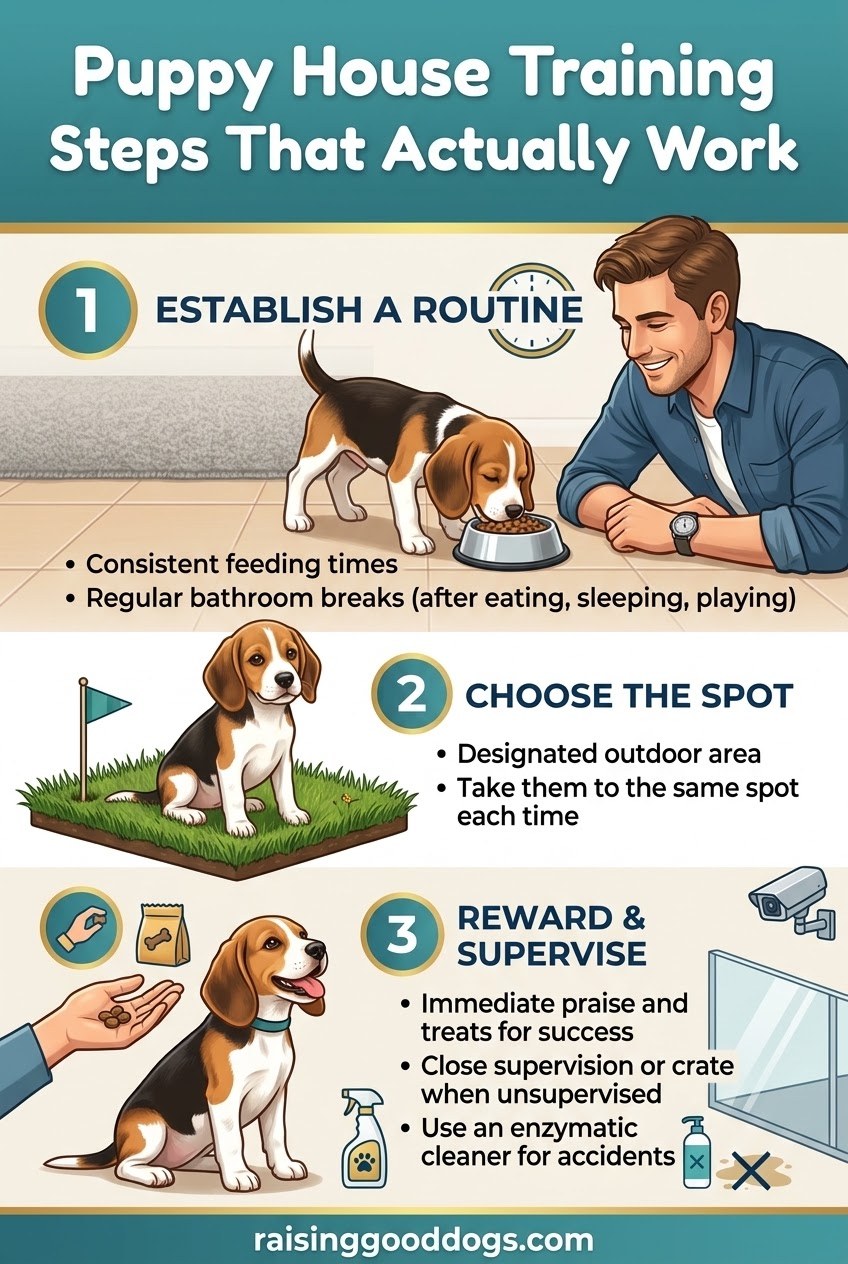
The first week with a puppy is usually a mix of sweet moments and standing in the doorway whispering, “Please just pee outside.” I’ve helped many families through this stage, and the biggest lesson is that house training is a routine, not a test of whether your puppy is being “good.” Puppies are still developing bladder control, so success comes from setting them up to get it right.
I’m going to walk you through the steps I use with clients: preventing unnecessary accidents, noticing the tiny signals puppies give us, and building habits that last beyond the adorable puppy phase.
What makes puppy house training work
- A predictable schedule that matches your puppy’s needs
- A consistent bathroom location and clear rewards
- Management that prevents repeated indoor mistakes
- Patience during the weeks when progress is uneven
Establish a Consistent Potty Schedule
The puppies I work with do best when the day has a rhythm. I don’t wait for accidents to tell me the schedule is wrong; I create a schedule that makes accidents less likely. Young puppies commonly need frequent opportunities, including after sleeping, eating, playing, and before settling down.
- Take. Bring your puppy to the bathroom area at regular times instead of waiting until they are desperate.
- Observe. Keep a simple note of meals, naps, and successful potty trips for the first couple of weeks.
- Adjust. Increase freedom slowly as your puppy shows reliable habits.
Trainer tip
If your puppy suddenly starts having accidents after doing well, I look at schedule changes first, but I also recommend checking with your veterinarian for any sudden regression or health concern.
Choose a Designated Bathroom Spot
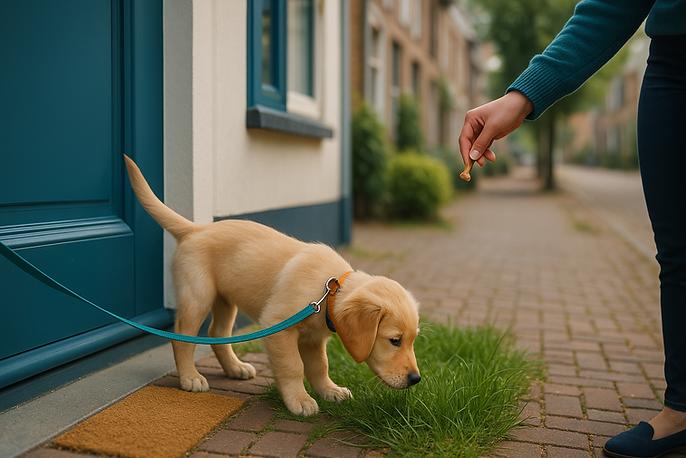
I like to make the correct choice easy. Taking a puppy to the same place each time helps them understand why they are outside, rather than turning every potty trip into an exciting neighbourhood tour. Consistency is one of the simplest house training tools we have.
- Location: Pick a quiet, easy-to-reach area where your puppy can focus.
- Routine: Use the same door, path, and cue words whenever possible.
- Timing: Let potty happen before play begins so the puppy learns the purpose of the trip.
My old terrier mix Pickle would probably argue that every patch of grass deserves a full investigation, but puppies need clarity more than adventure during this learning stage.
Recognize Your Puppy’s Potty Signals
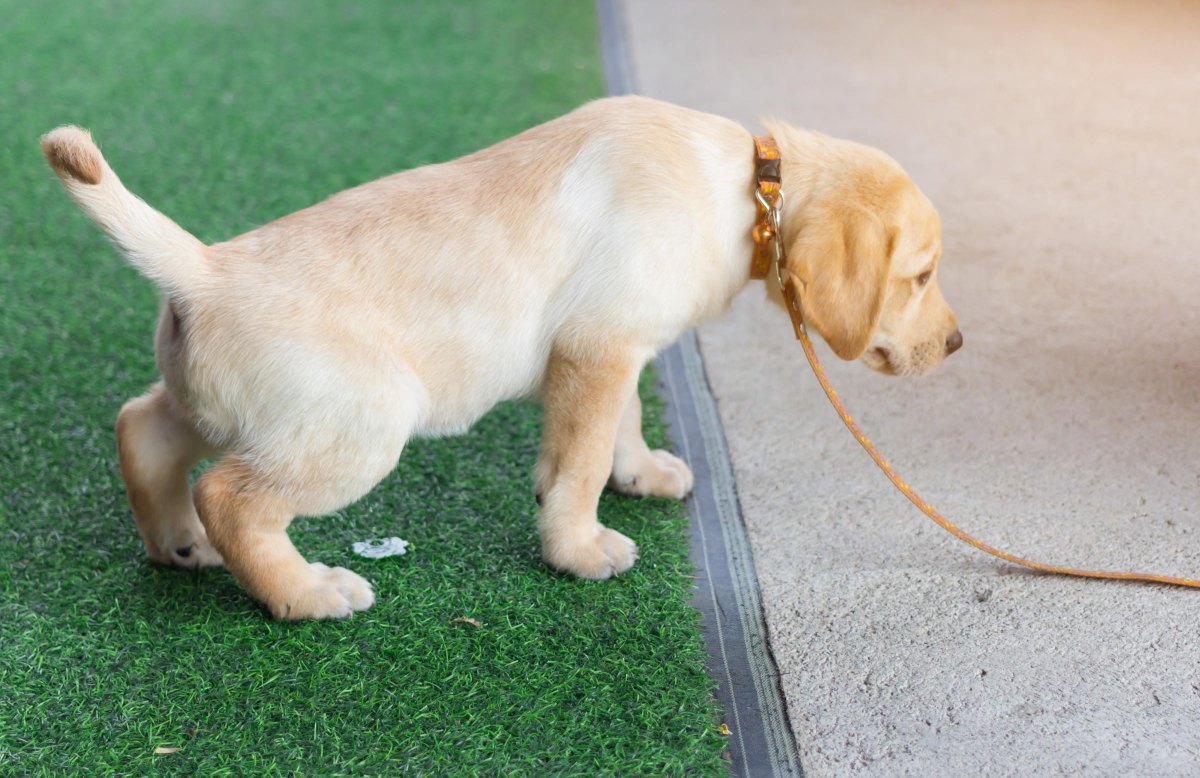
Most puppies do not walk over and politely announce, “I require the backyard now.” Their communication is much quieter. I watch for early potty signals like sudden sniffing, circling, wandering away, restlessness, or leaving play.
A small detail that matters
Body language changes can also mean stress, discomfort, or illness. If the behaviour appears suddenly or feels unusual, I would rule out medical causes with a veterinarian before assuming it is a training issue.
Reward Successful Potty Breaks
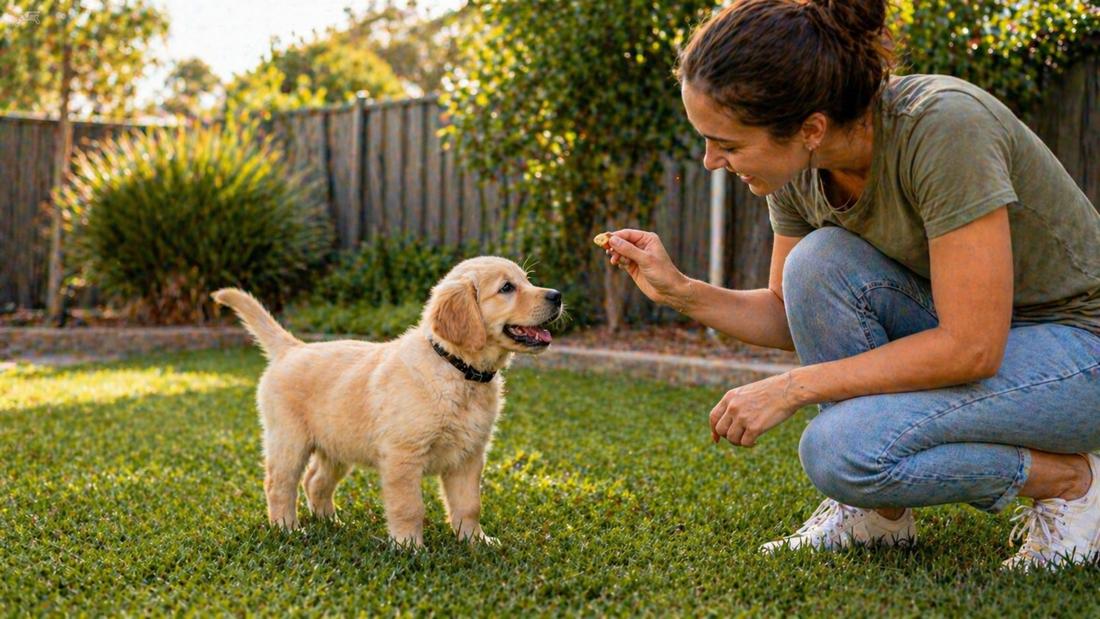
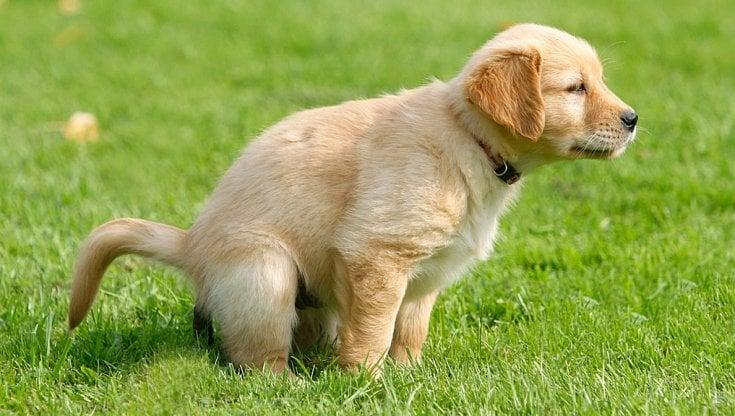
The moment after your puppy finishes outside is where learning happens. I want the puppy thinking, “That choice paid off.” Reward-based training builds the connection much faster than corrections after a mistake.
The timing I teach
Reward within a few seconds of the puppy finishing. A tiny treat, gentle praise, or a happy voice can all work if your puppy values them.
Helpful habits
- Reward outside immediately
- Use calm praise
- Repeat the same routine
Things to avoid
- Waiting until you are back inside
- Punishing accidents later
- Expecting perfection overnight
Manage Accidents Calmly and Effectively
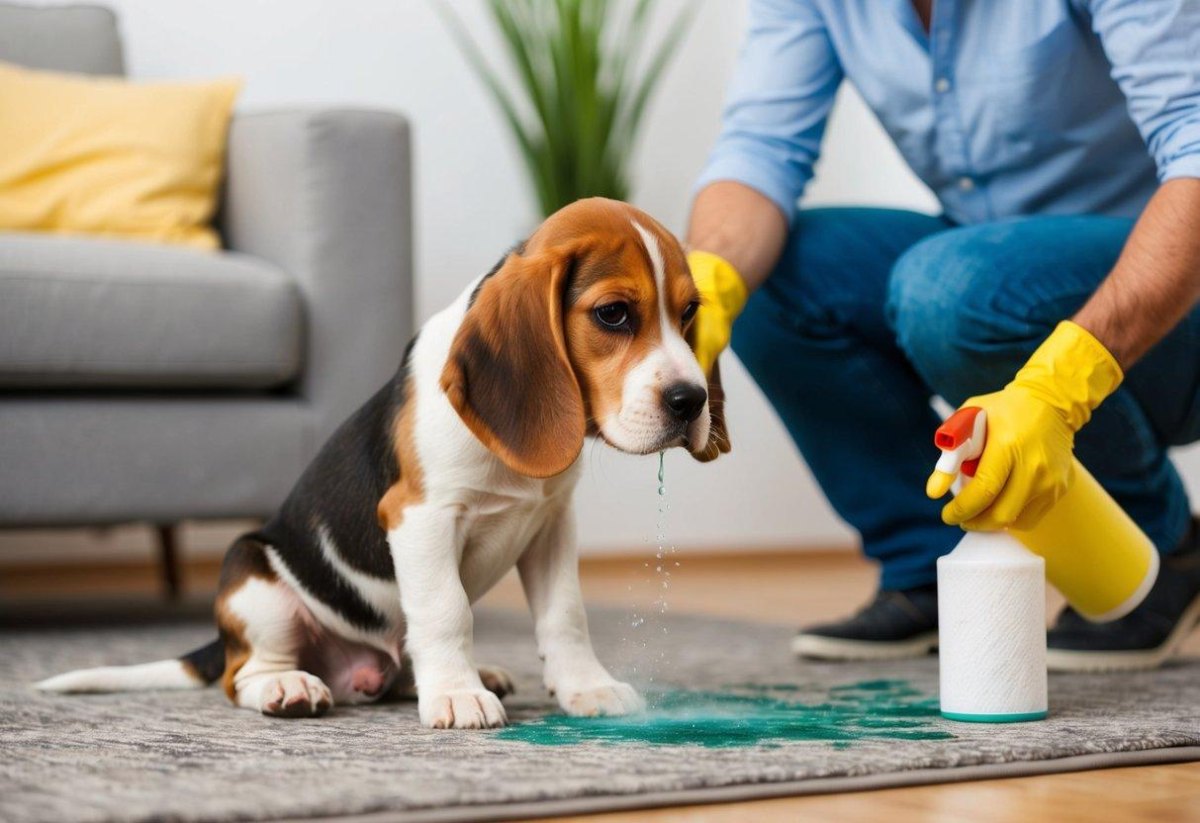
Accidents are part of puppy raising. I have never met a trainer whose puppies skipped this stage, and anyone claiming otherwise is making Tuesday morning puppy life sound much easier than it is. The goal is preventing rehearsal, not making a puppy afraid of getting caught.
Common mistake I see
Finding an accident hours later and scolding the puppy teaches nothing useful. Clean it thoroughly, adjust your supervision plan, and move forward.
| Situation | What I do |
|---|---|
| I catch the puppy starting | Interrupt gently and take the puppy outside. |
| I find an old accident | Clean it and change the management plan. |
Build Independence With Crate Training
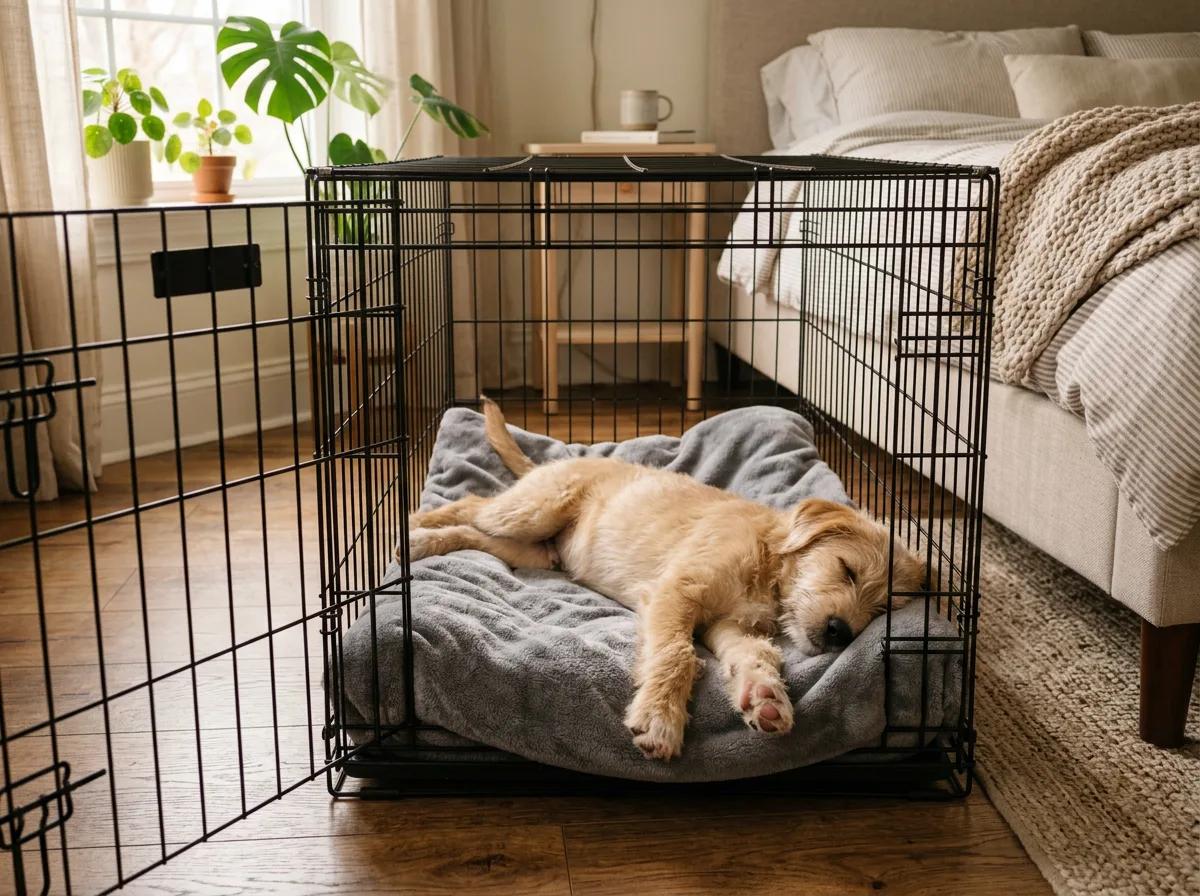
I use crates as management tools, not as punishment boxes. A puppy who enjoys their crate has a safe place to rest while I prevent them from wandering off and practising unwanted habits. Crate training should be gradual and built with positive associations.
- Introduce. Let the puppy explore the crate freely with rewards and an open door.
- Practice. Build short periods of calm time before expecting longer rests.
- Monitor. If the puppy shows distress, shorten the step and reassess rather than forcing it.
Important reminder
A crate is not the right answer for every dog. If a puppy panics, injures themselves trying to escape, or shows severe distress when alone, I recommend working with a qualified professional for a proper plan.
House training is usually measured in weeks, not days. The puppies who succeed are not the ones who never make mistakes; they are the ones whose people keep making the right choice easier.




More Pinterest Visuals