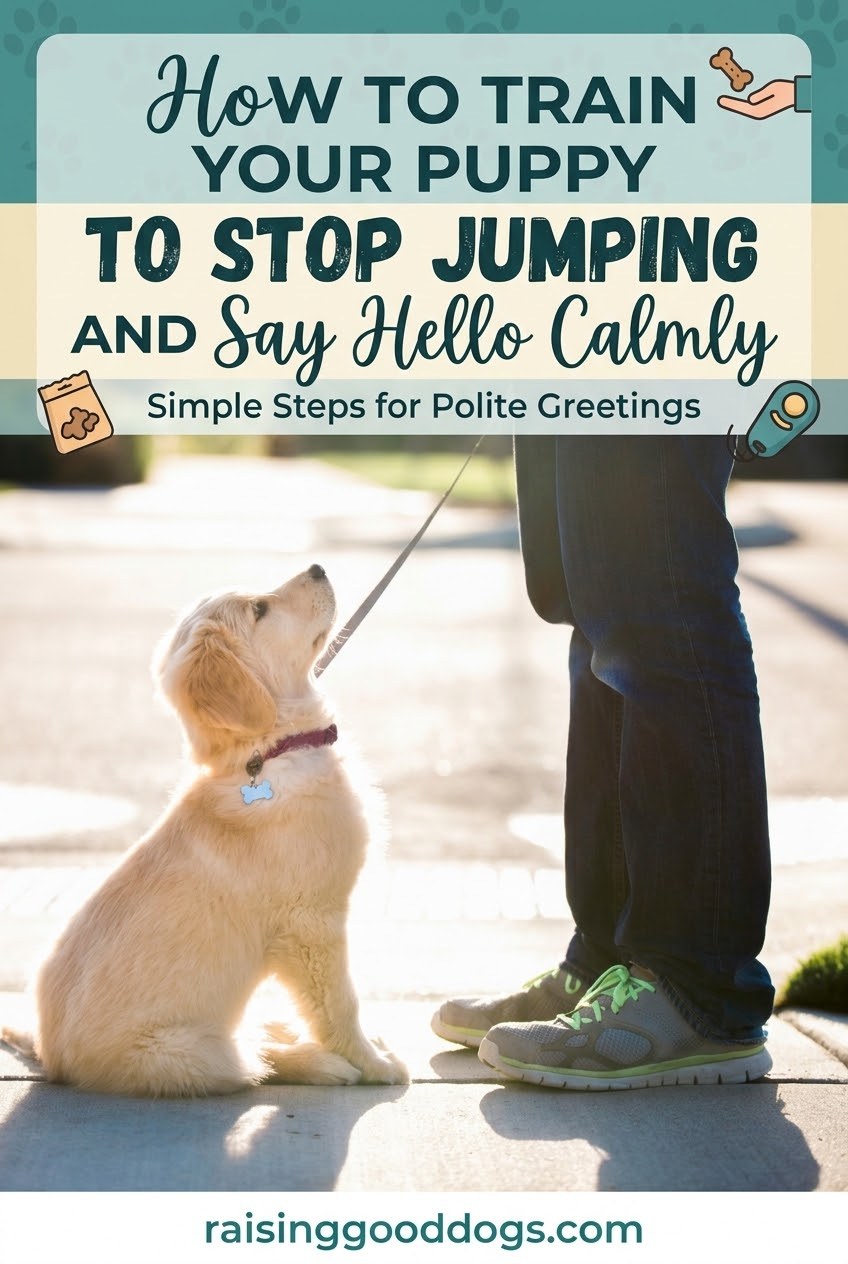
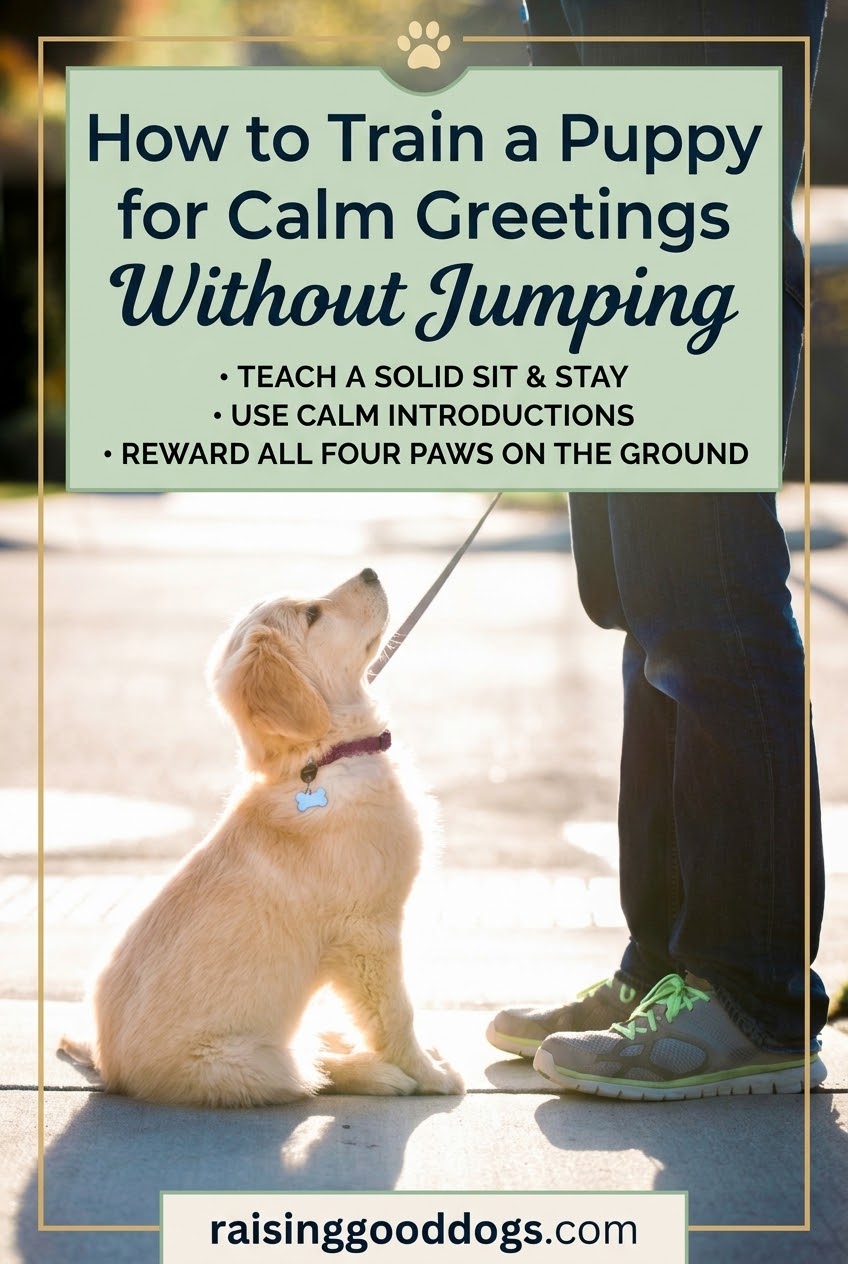
A puppy launching themselves at every person they meet is adorable for about three seconds, then someone spills coffee and your neighbour starts avoiding your doorway. I have worked through this with plenty of young dogs, and the goal is not a robot puppy. It is a puppy who can choose calm behaviour when the world gets exciting.
The biggest mistake I see is letting a puppy practise frantic greetings over and over. Before training, I change the setup so the puppy can succeed. Management comes first, then we teach the skill underneath it. Reward-based training is recommended by behaviour organizations including AVSAB for canine training.
Teaching a Puppy to Stay Calm When Greeting People
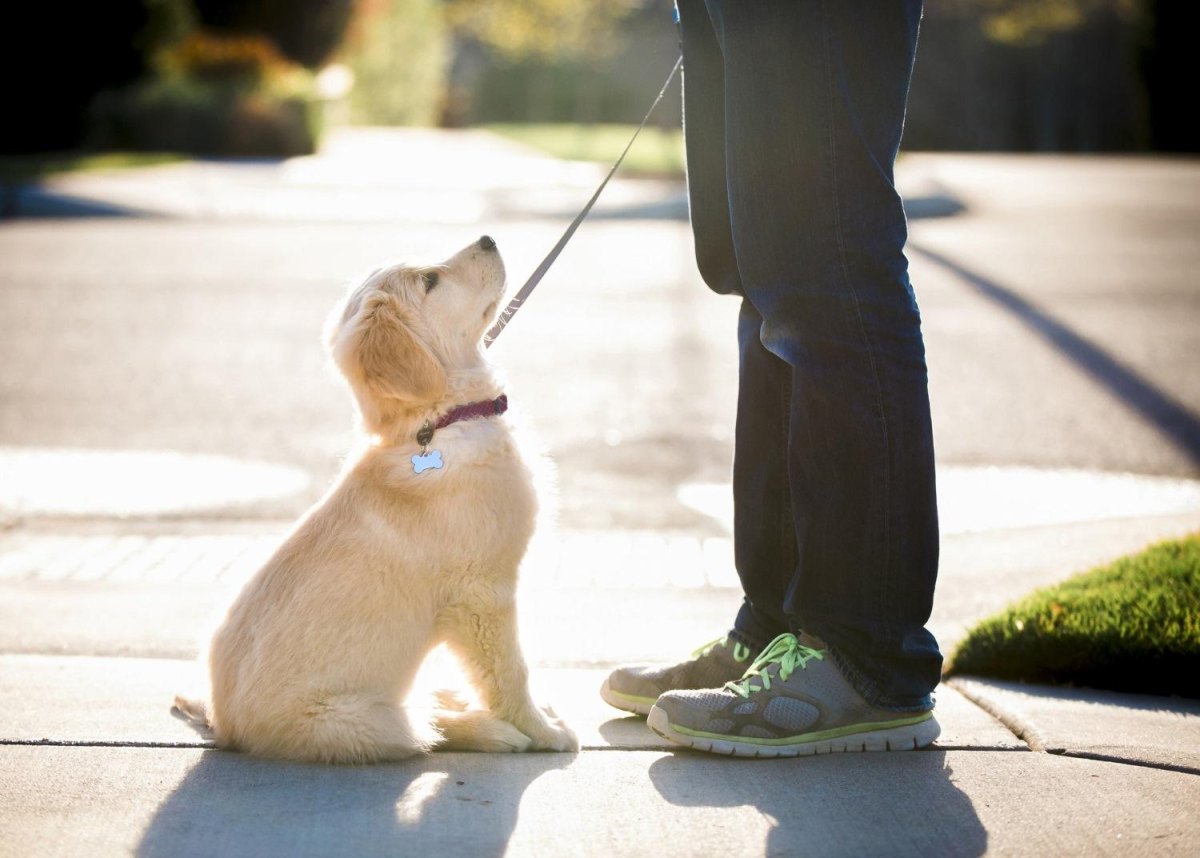
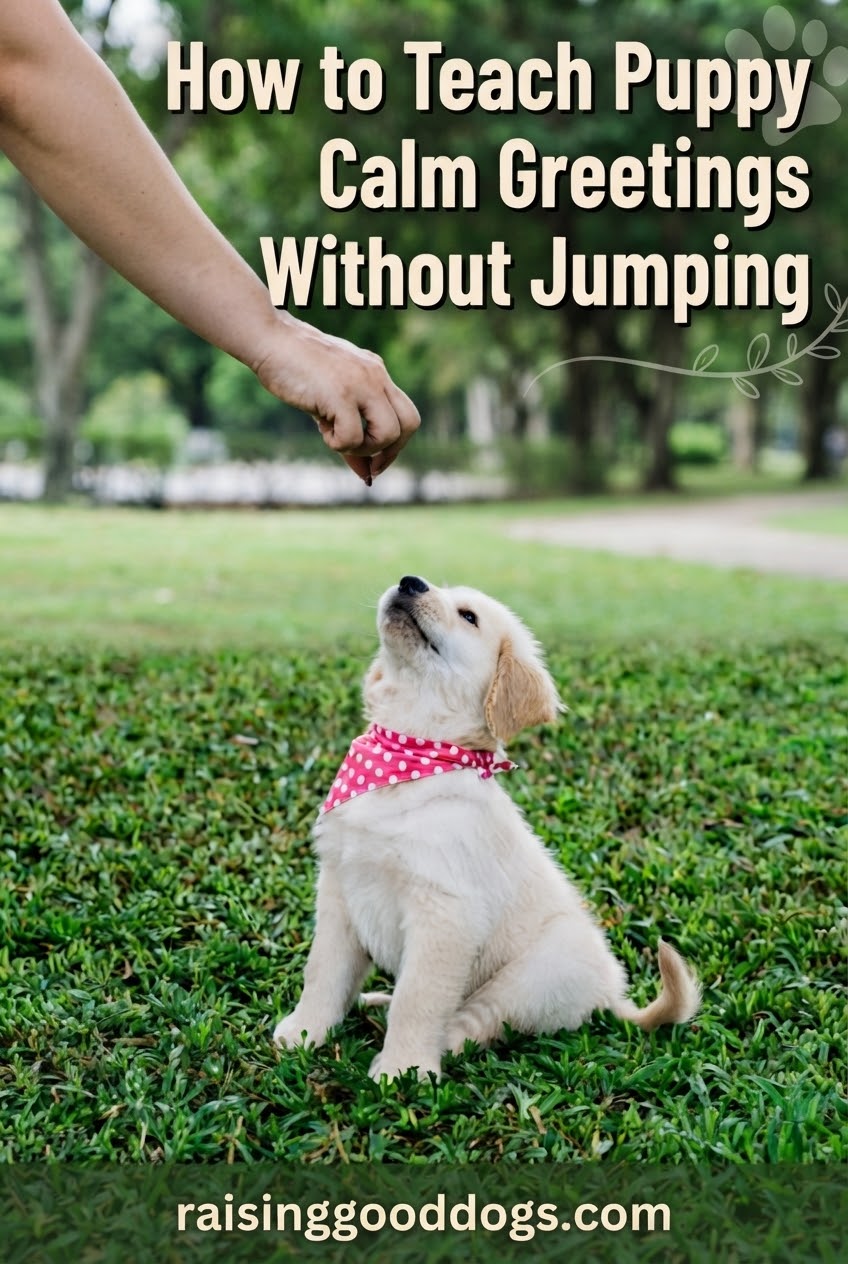
The first thing I look at is not the greeting itself but what happens ten seconds before it. If your puppy is already pulling, barking, whining, or spinning, they are probably too excited to learn. I start by creating enough distance from the person so the puppy can notice them without losing their brain.
My starting point
- Choose a distance where your puppy can still eat treats and respond to you.
- Reward looking calmly at people before asking for closer greetings.
- Expect progress over weeks, not one perfect afternoon.
I also watch body language closely. A tight mouth, frozen posture, weight shifting forward, frantic tail movement, or inability to take food tells me the puppy needs more space. A calm greeting is built from many small successful repetitions.
Training tip
Do not rush the hello. A puppy who learns that calm behaviour opens the door gets a much clearer lesson than a puppy who rehearses chaos.
Building a Reliable Sit-and-Wait Greeting Routine
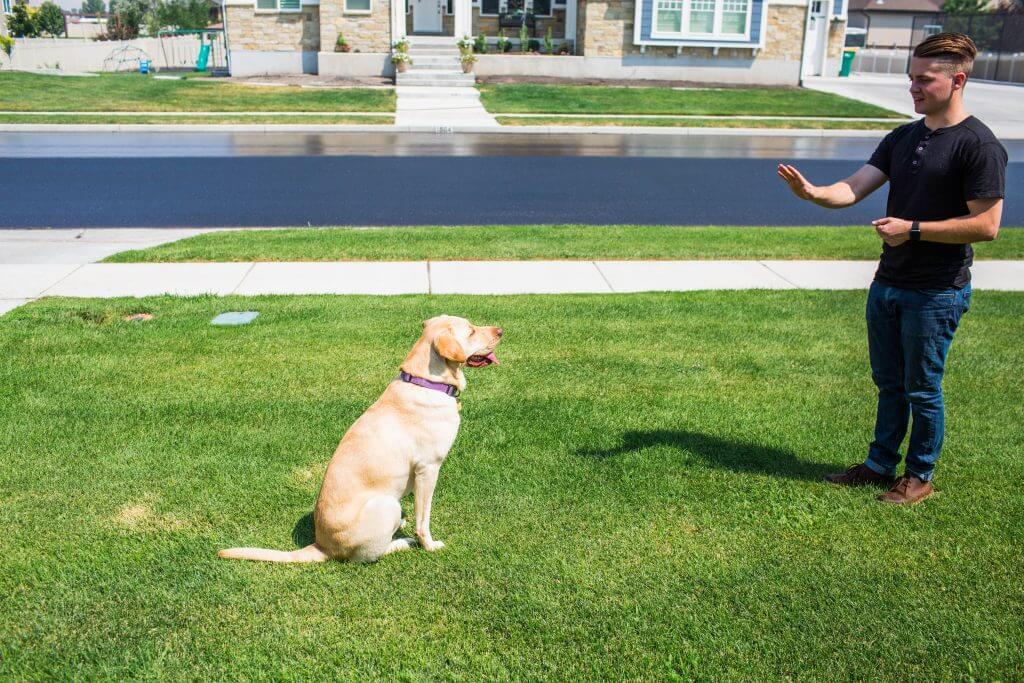
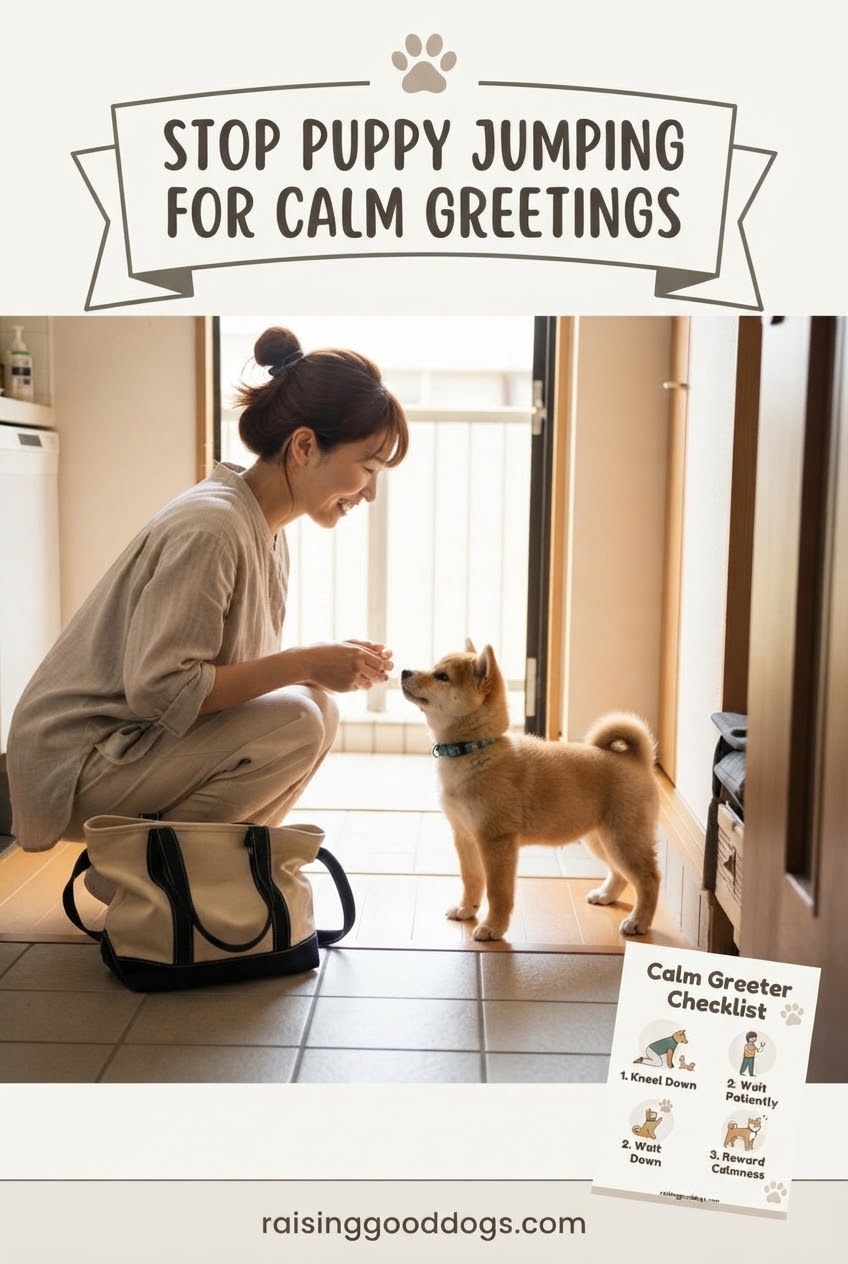
I like teaching greetings as a predictable little routine: see person, pause, offer a behaviour, then earn access. A sit is useful, but the real skill is waiting politely while excitement is happening nearby.
- Practise. Teach sit and short waits in a quiet room before adding visitors.
- Reward. Mark the moment your puppy stays settled and offer a treat.
- Increase. Slowly add movement, distance, and distractions.
I never expect a six-month-old puppy to hold a perfect greeting around a crowd. Training develops gradually, and a puppy who gets easier choices will usually make better choices. Teaching stay and wait behaviours is also commonly used for polite household manners.
| Situation | My goal |
|---|---|
| Person approaches | Puppy notices without rushing |
| Person says hello | Puppy keeps four paws down |
Using Positive Reinforcement for Calm Behavior
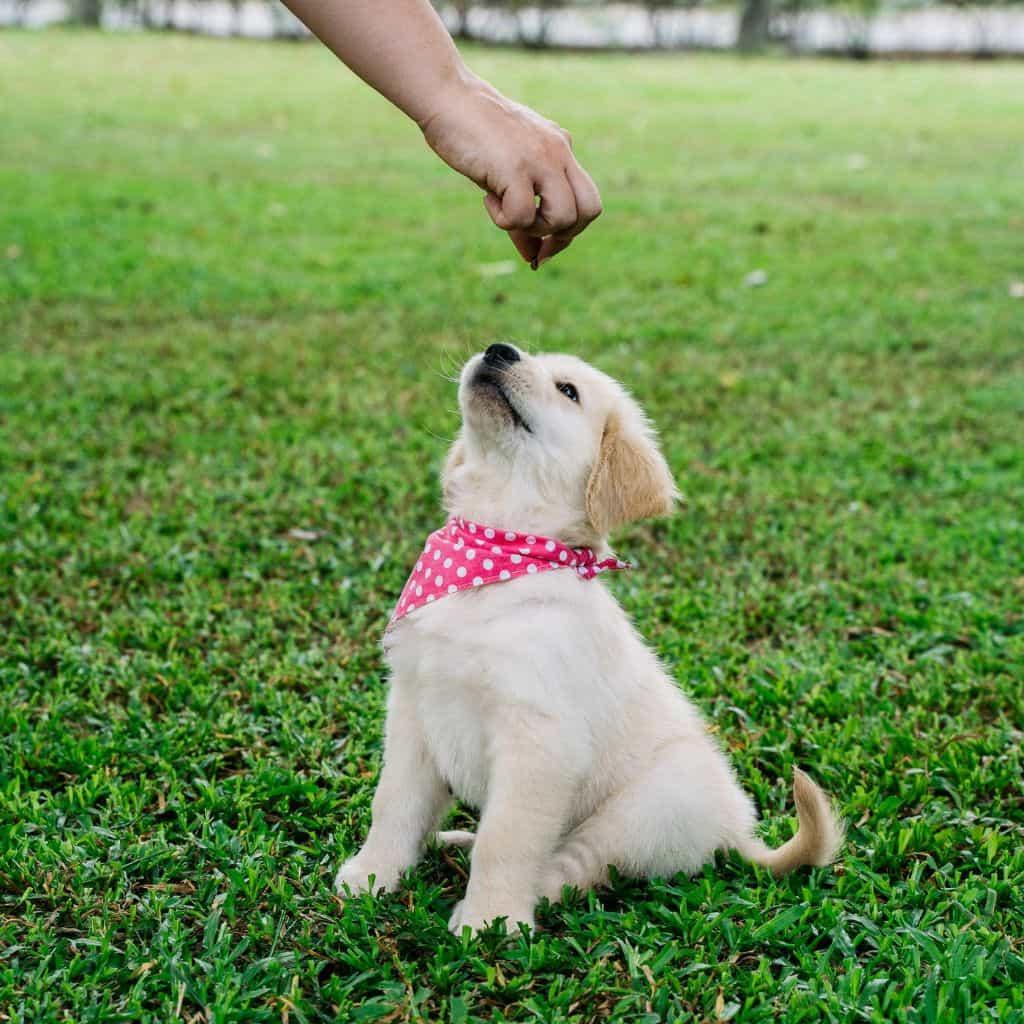
When people hear positive reinforcement, they sometimes imagine handing out treats forever. What I actually mean is much simpler: I make the behaviour I want worth repeating. Calm choices get attention, food, play, or whatever reward matters to that individual dog.
- Reward timing: Mark the calm moment quickly so your puppy understands what worked.
- Reward value: Use something your puppy genuinely cares about, especially around distractions.
- Consistency: Everyone in the home follows the same greeting rules.
Modern guidance supports reward-based training because it focuses on learning without fear or pain. I do not use prong collars, shock collars, or intimidation methods. Clear communication works better than making a puppy worried about getting something wrong.
Reward-based approach
- Builds a positive association with people.
- Helps puppies practise useful choices.
Common mistake
- Rewarding excitement instead of calm.
- Changing rules between family members.
Preventing Jumping During Puppy Greetings
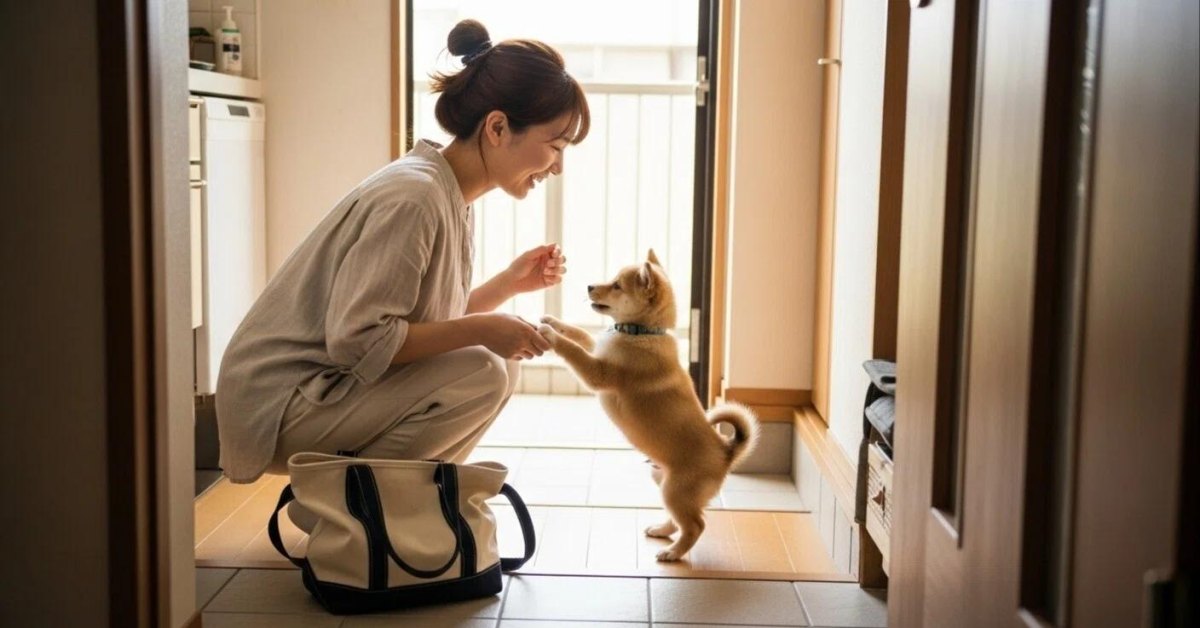
Jumping is one of those behaviours that gets accidentally trained every day. A puppy jumps, a person looks down, touches them, talks to them, and suddenly the puppy has learned that jumping gets results.
A mistake I see often
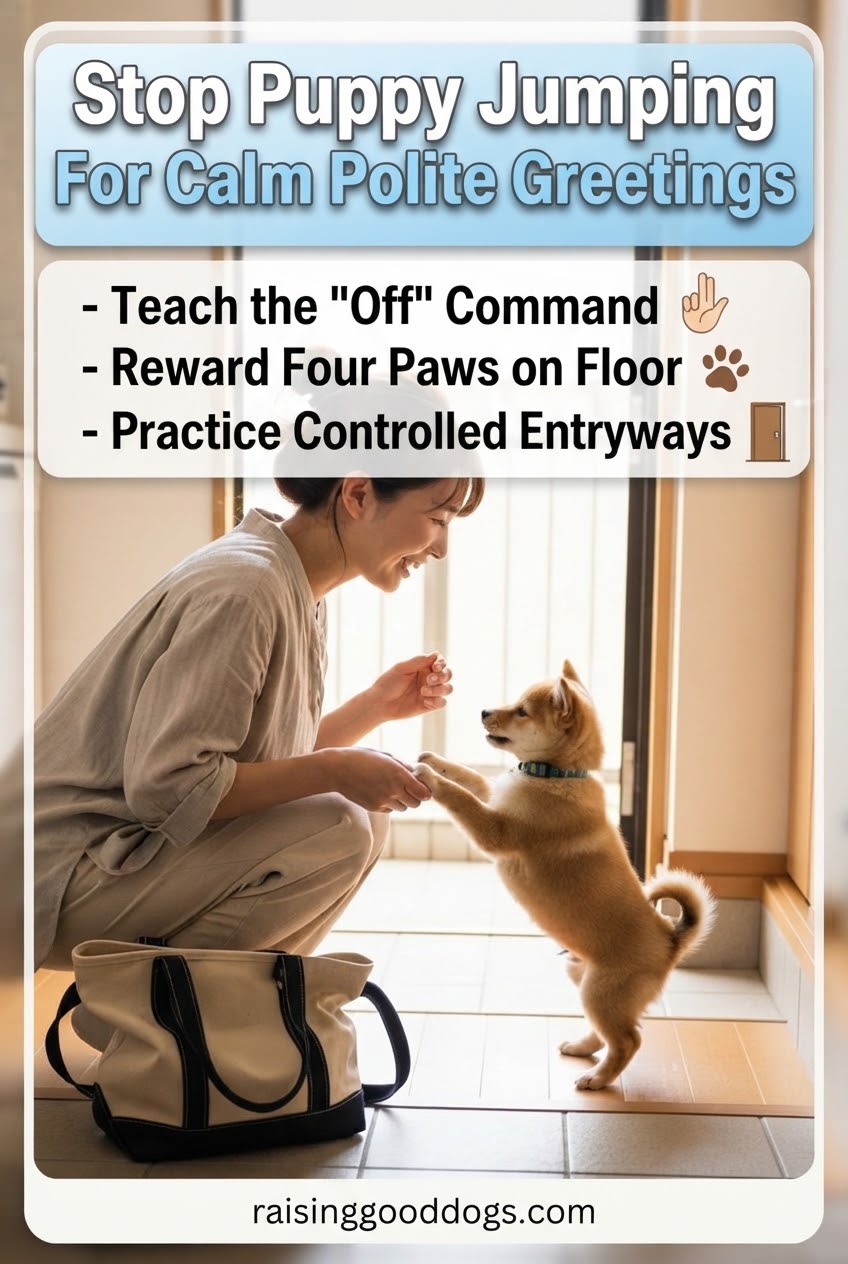
Pushing a puppy down or kneeing them away may add excitement or confusion. Instead, I teach the puppy that four paws on the floor are what bring attention.
My plan is simple: prevent rehearsals with a leash, gate, or distance when needed, then reward the behaviour I want. If the puppy jumps, attention pauses. When paws return to the ground, the greeting continues. Reward-based approaches for jumping follow this same principle.
Practicing Calm Greetings With Visitors
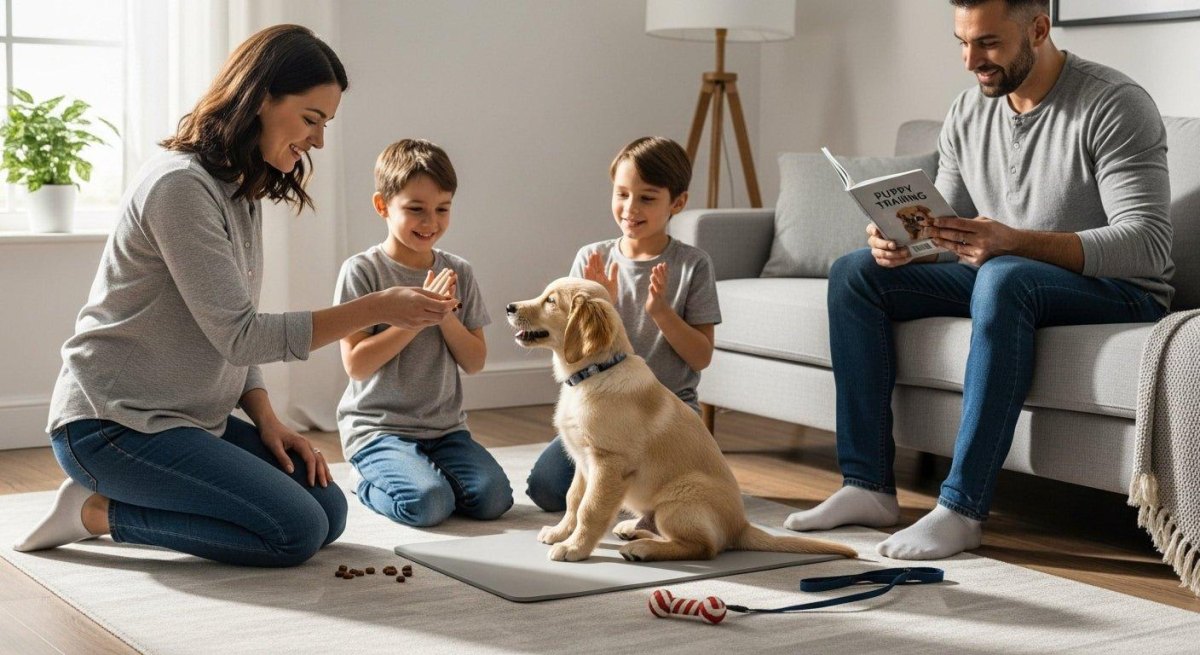
Real visitors are harder than training sessions because nobody arrives like a pretend guest in a living room exercise. Coats come off, keys jingle, voices rise, and the puppy thinks the Olympics have started. I practise with controlled setups first so the puppy can learn before the excitement peaks.
- Exercise and toilet needs are handled before visitors arrive.
- The puppy has a quiet space available if they need a break.
- Visitors avoid overwhelming greetings at the door.
- Calm behaviour earns access to people.
This usually takes several weeks of repetition, sometimes longer for very social or easily overwhelmed puppies. If a puppy shows fear, freezing, snapping, or escalating distress, I stop guessing and involve a qualified professional or veterinary guidance where appropriate.
Helping Puppies Stay Relaxed Around Other Dogs
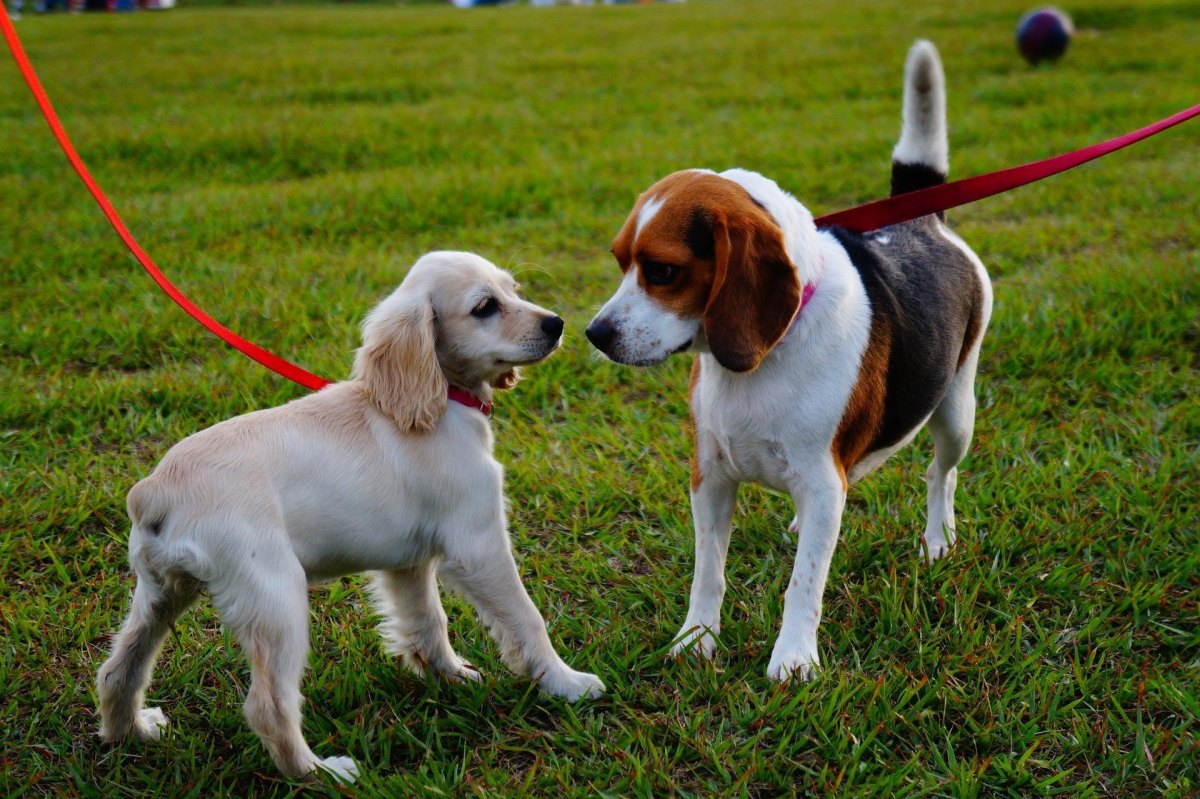
Dog-to-dog greetings deserve the same patience as human greetings. Not every puppy needs to say hello to every dog they see. I prefer teaching puppies that another dog can exist nearby without automatically becoming an invitation to rush over.
The skill I want
A puppy who can notice another dog, check in with their person, and remain comfortable has learned something far more useful than simply playing with every dog.
Socialisation is about positive, controlled exposure at the puppy’s pace, not flooding them with every possible experience. Early experiences should be safe and appropriate, and puppies showing fear should get professional guidance.
Weeks to months
A realistic timeframe for building reliable calm greetings
My favourite training moments are the quiet ones: the puppy who used to drag their person toward every dog now pauses, breathes, and checks in. That tiny pause is where the real learning happens.




More Pinterest Visuals