A puppy who ignores you in the kitchen may suddenly find you fascinating when the neighbour’s cat appears. I see this every week with young dogs, and the answer is rarely “more obedience.” It is usually about building attention skills gradually in places where your puppy can actually succeed.
I use these focus exercises with real dogs, not imaginary perfect puppies. Start in quiet environments, prevent your puppy from rehearsing unwanted habits, and expect progress over weeks and months, not one afternoon. Reward-based attention games help create a dog who chooses to check in with you.
Name Recognition and Attention Games
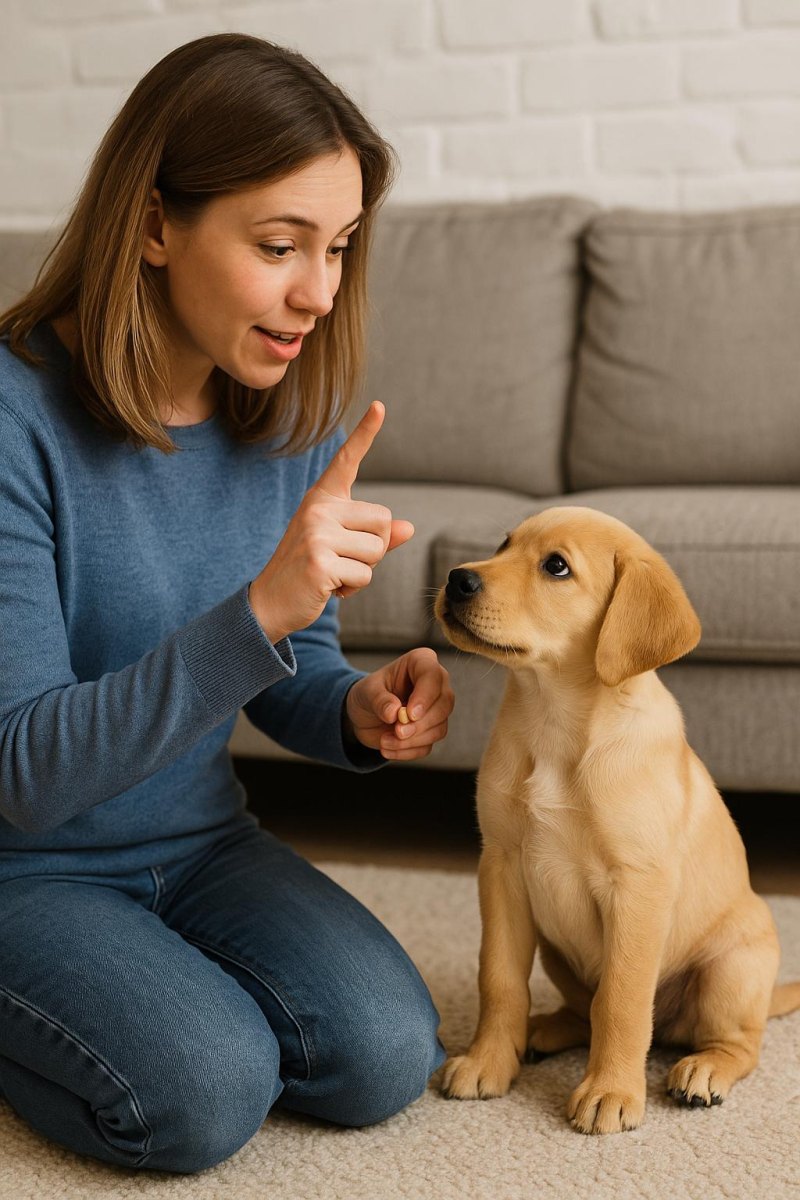
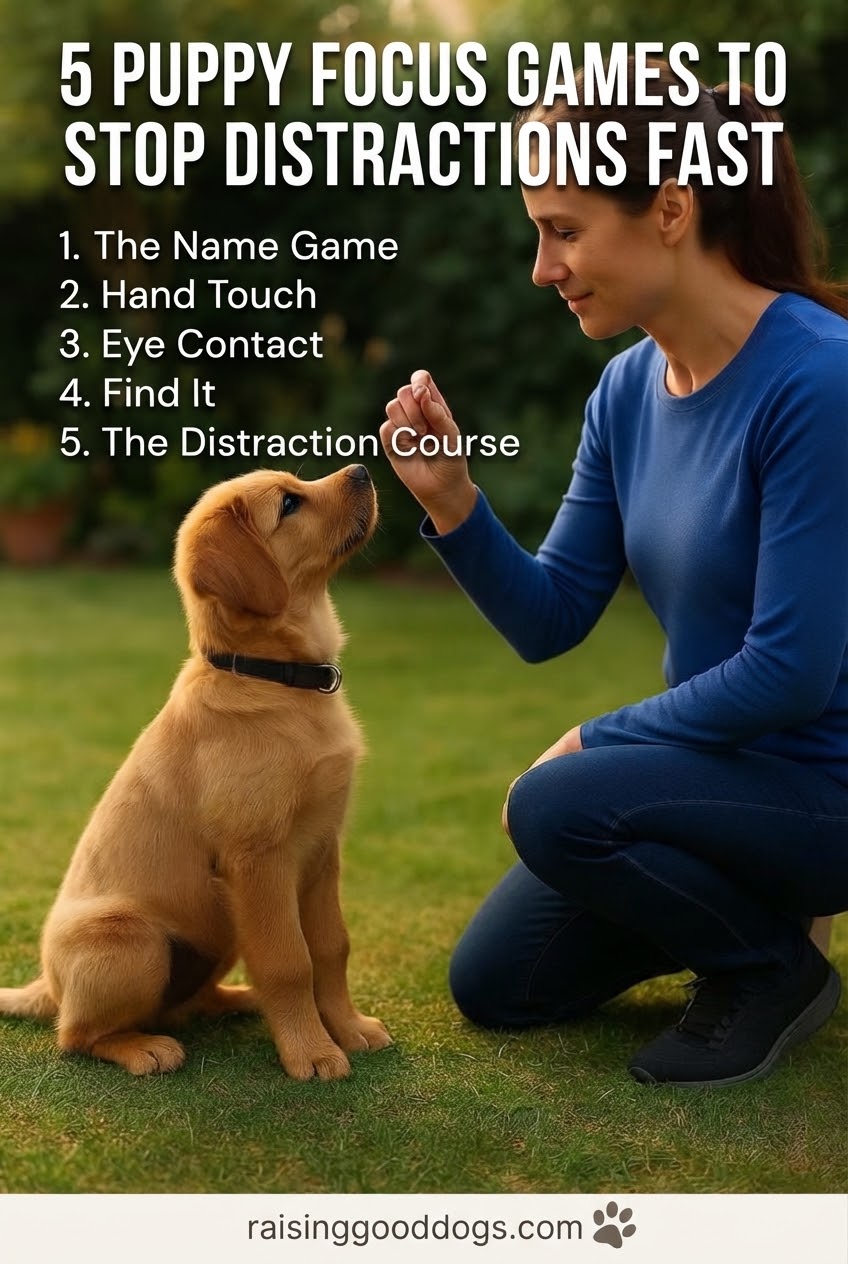
The first focus exercise I teach is simple: your puppy hears their name, turns toward you, and something good happens. A name is not a remote control; it is an invitation to connect. Positive reinforcement is commonly recommended for teaching name response because it builds a pleasant association with the word.
I start indoors with tiny sessions, often just a few minutes. If your puppy stops responding, I lower the difficulty rather than repeating their name ten times. That repetition teaches them that ignoring you is an option.
- Say. Say your puppy’s name once in a cheerful voice.
- Reward. Mark the moment they look toward you and offer a small reward.
- Repeat. Practice in slightly different rooms before adding distractions.
Training tip
Do not use your puppy’s name only when something ends or when you need them to stop. Keep it valuable.
Eye Contact Focus Training
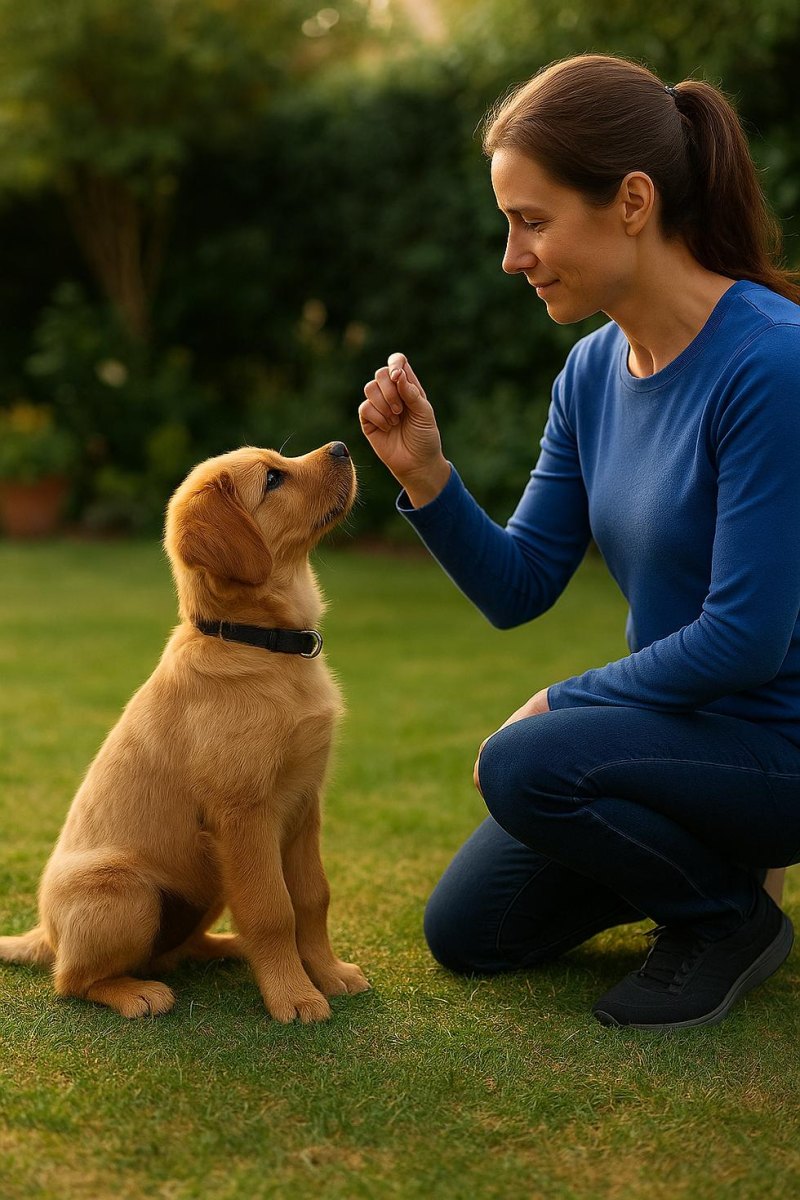
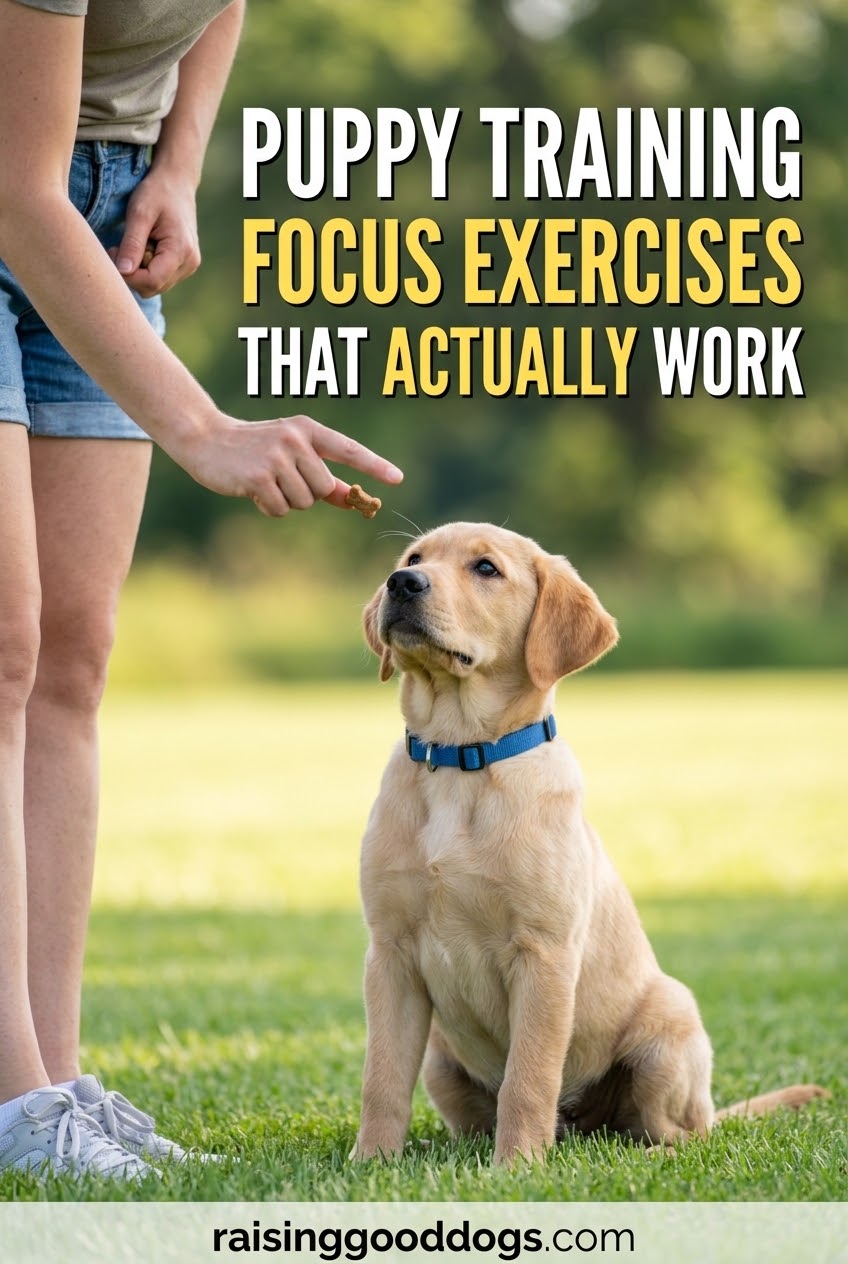
Eye contact is not about forcing a puppy to stare at you. I teach it as a voluntary check-in: “looking at my person makes good things happen.” Reward-based watch cues can help build attention and are useful when a dog needs to reconnect with their handler.
With easily distracted puppies, I practise this before walks, before meals, and in quiet outdoor spaces. I watch the whole dog too: a tight mouth, frozen posture, weight shifting forward, or suddenly scanning the environment tells me I have made the exercise too difficult.
- My puppy can respond in the current environment
- I am rewarding offered attention, not demanding it
- I am increasing distractions slowly
Impulse Control Exercises
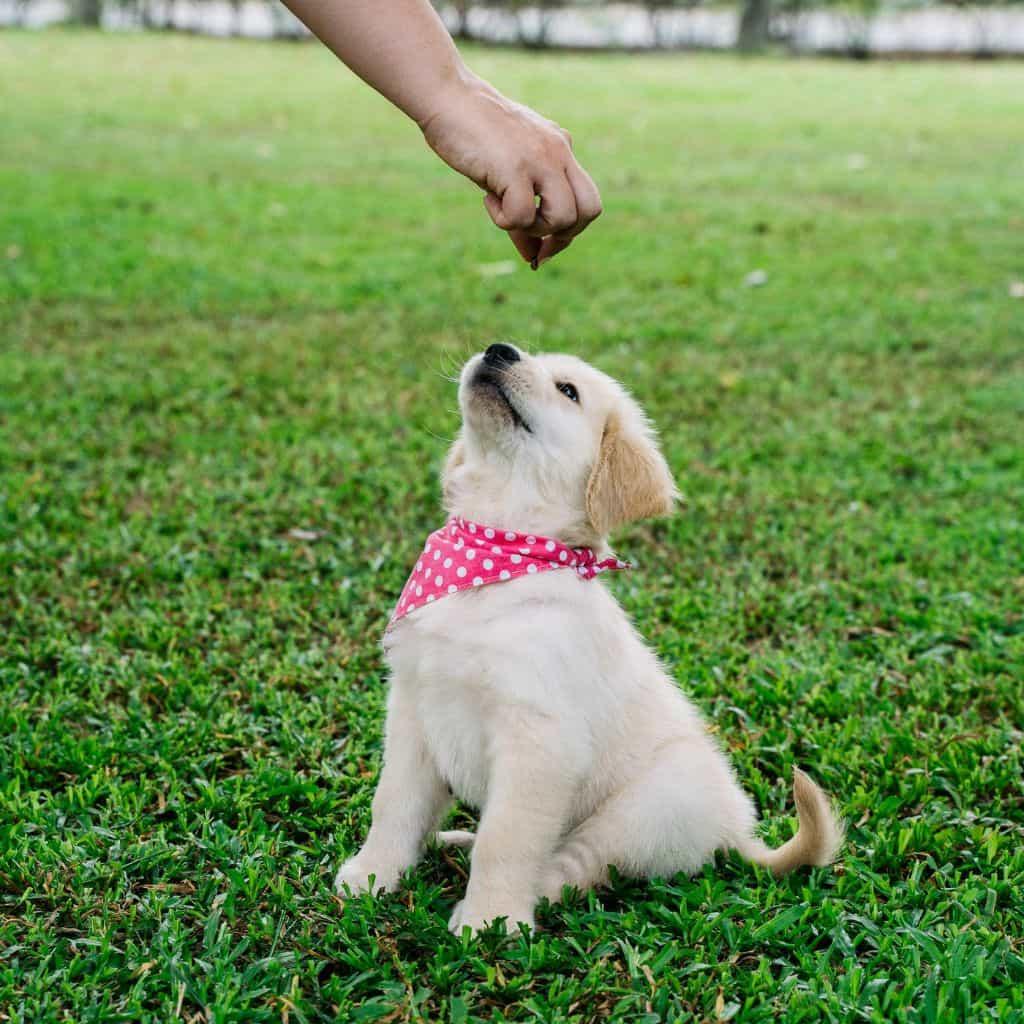
Impulse control is the skill behind waiting at doors, leaving dropped food alone, and pausing before rushing into excitement. I do not ask puppies to have self-control without teaching it first. We build the pause in tiny pieces. Exercises such as waiting for food or learning “leave it” are common self-control foundations.
I usually start this when the puppy is rested enough to think. A tired, overstimulated puppy is not being stubborn; their brain is simply not available for complicated choices.
| Exercise | Goal |
|---|---|
| Food bowl wait | Pause before excitement takes over |
| Hand target pause | Think before moving |
Recall Practice and Focus Building
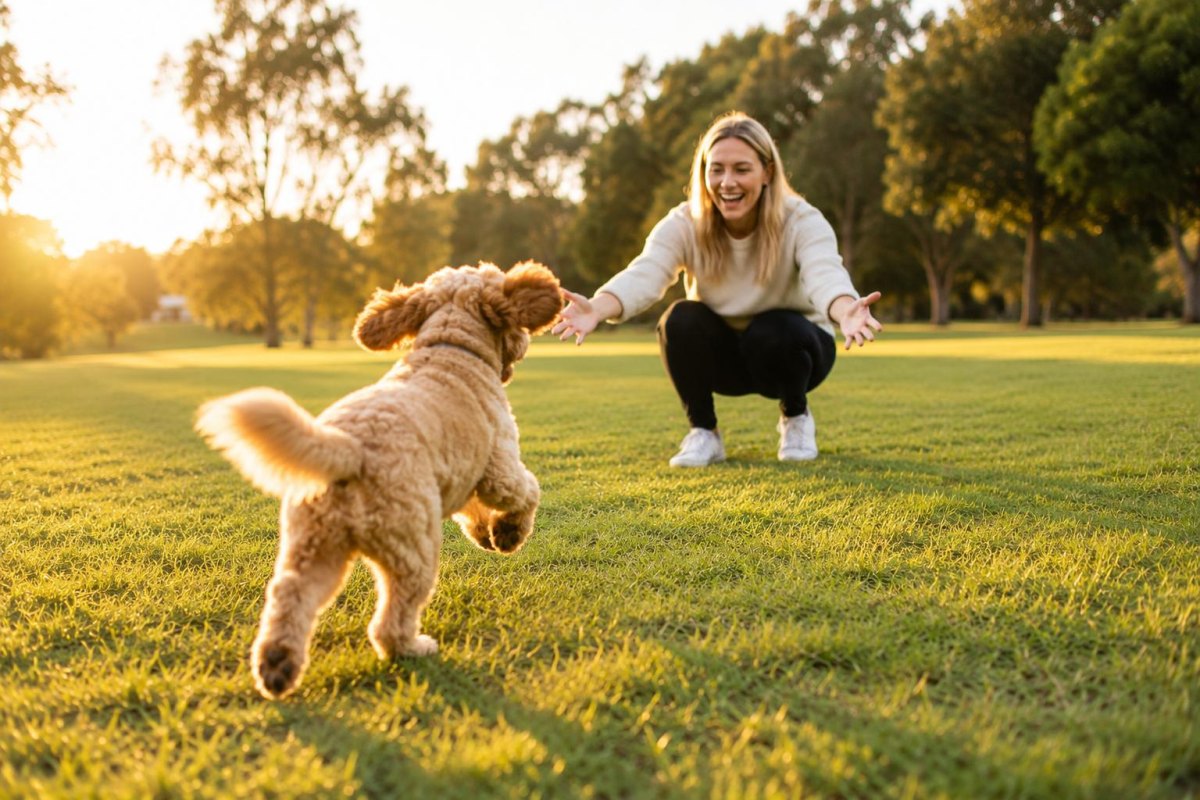
A reliable recall starts long before you call your puppy away from something exciting. I build a history where coming to me predicts good things, then gradually add distance and distractions. Safe recall training often begins in controlled spaces before moving into more challenging environments.
I still use long lines with many young dogs. That is not a failure; it prevents them from practising the opposite habit. Bruno taught me this lesson years ago when my professional confidence was much bigger than my actual walk in a busy world.
Important
Do not call your puppy only when fun ends. Sometimes call them, reward them, and release them back to play.
Target Touch Concentration Exercises
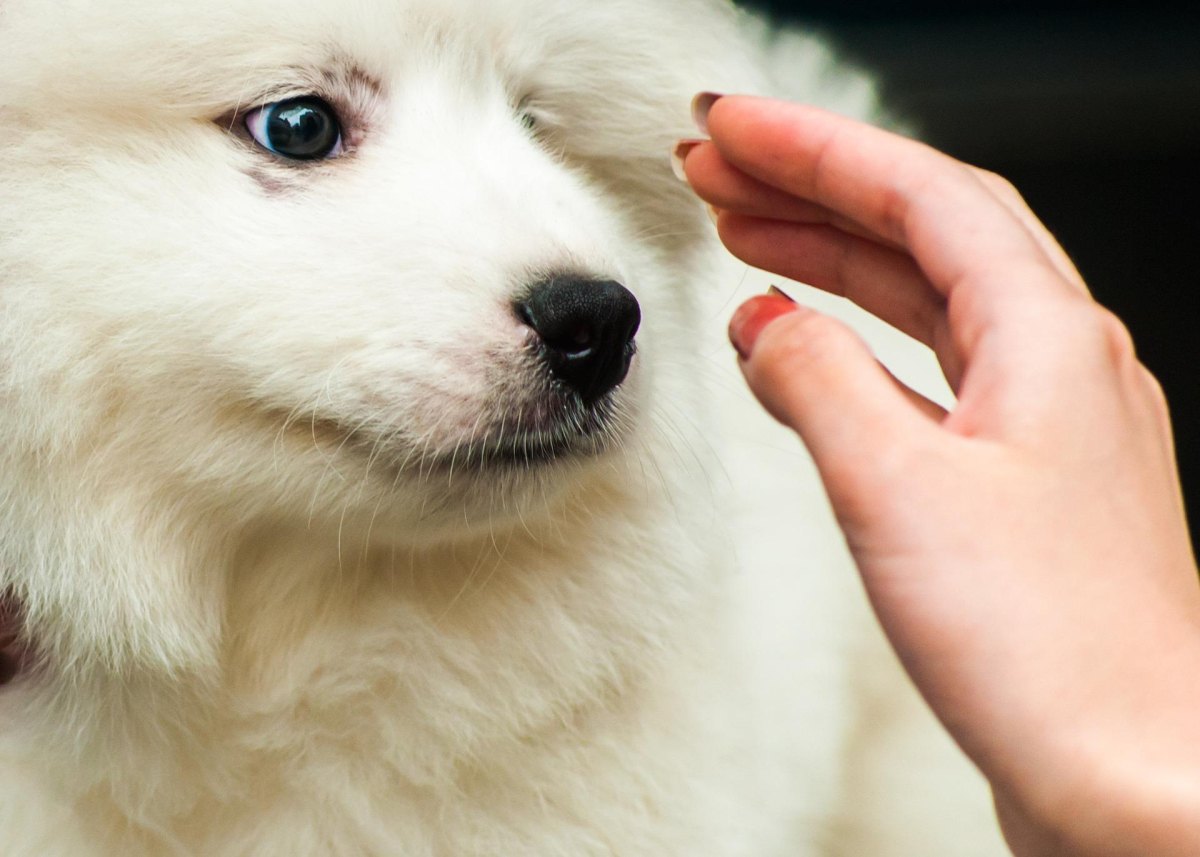
Hand targeting is one of my favourite beginner focus exercises because it gives a puppy a clear job. Instead of asking for attention vaguely, I teach them exactly where their nose should go. This skill can later support handling, movement, and confidence-building.
I keep the criteria small: one nose touch, one reward. If the puppy starts pawing, biting, or getting frustrated, I have probably raised the difficulty too quickly.
Why I use target work
A simple nose-to-hand behaviour gives many puppies a predictable way to interact with their person, especially when the world feels busy.
Puzzle Toys for Mental Focus
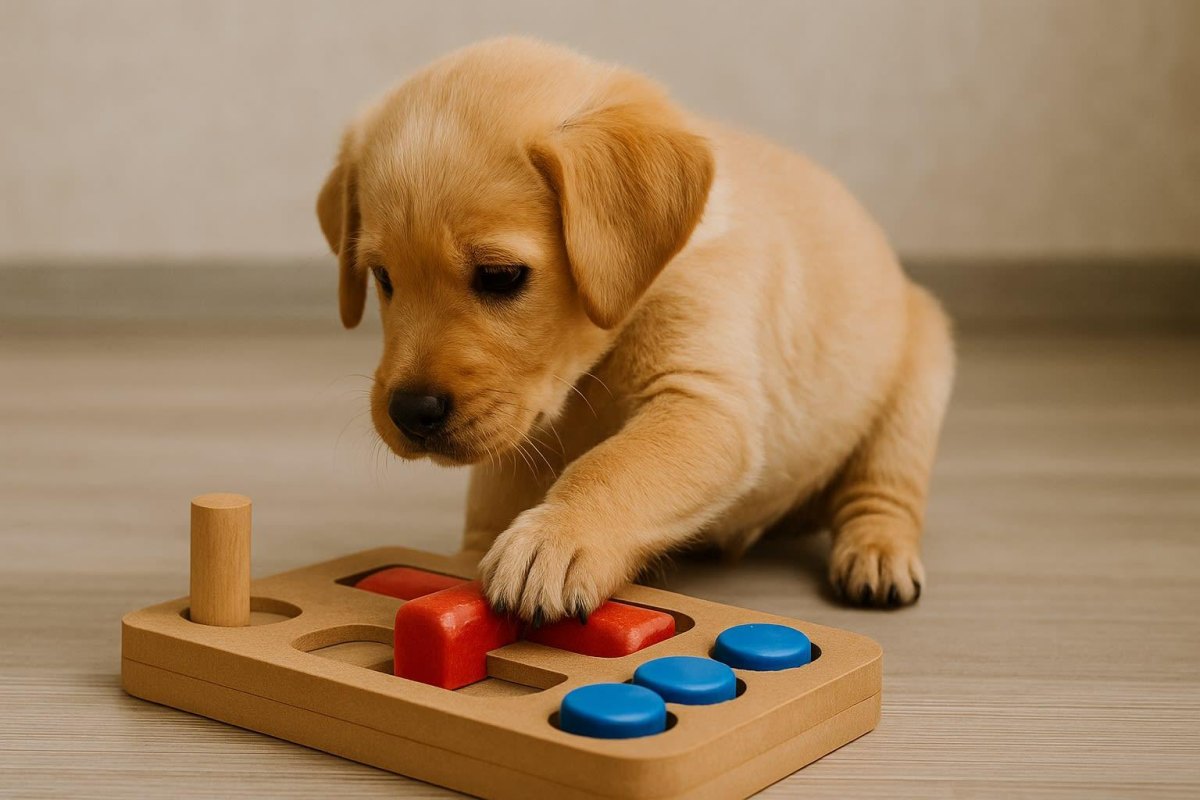
Mental enrichment is not a replacement for training, but it is a powerful partner. Puzzle toys encourage puppies to investigate, problem-solve, and use natural behaviours in appropriate ways. Enrichment activities are widely used to provide mental stimulation and reduce boredom.
I choose puzzles based on the individual puppy. A frustrated beginner needs an easier win, not a toy that leaves them barking at the plastic. Supervision matters, especially with enthusiastic chewers.
Benefits
- Builds problem-solving habits
- Adds variety to daily routines
Watch for
- Frustration from excessive difficulty
- Unsafe chewing behaviour
Leash Walking Focus Exercises
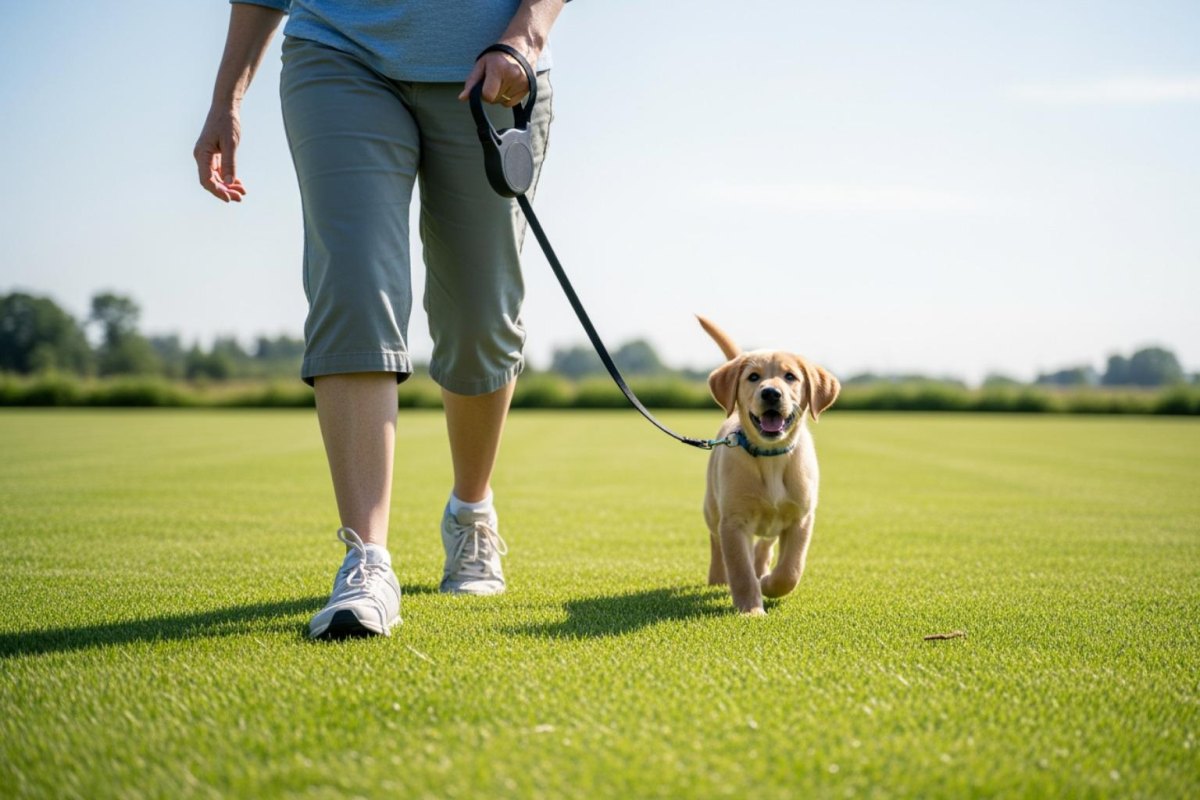
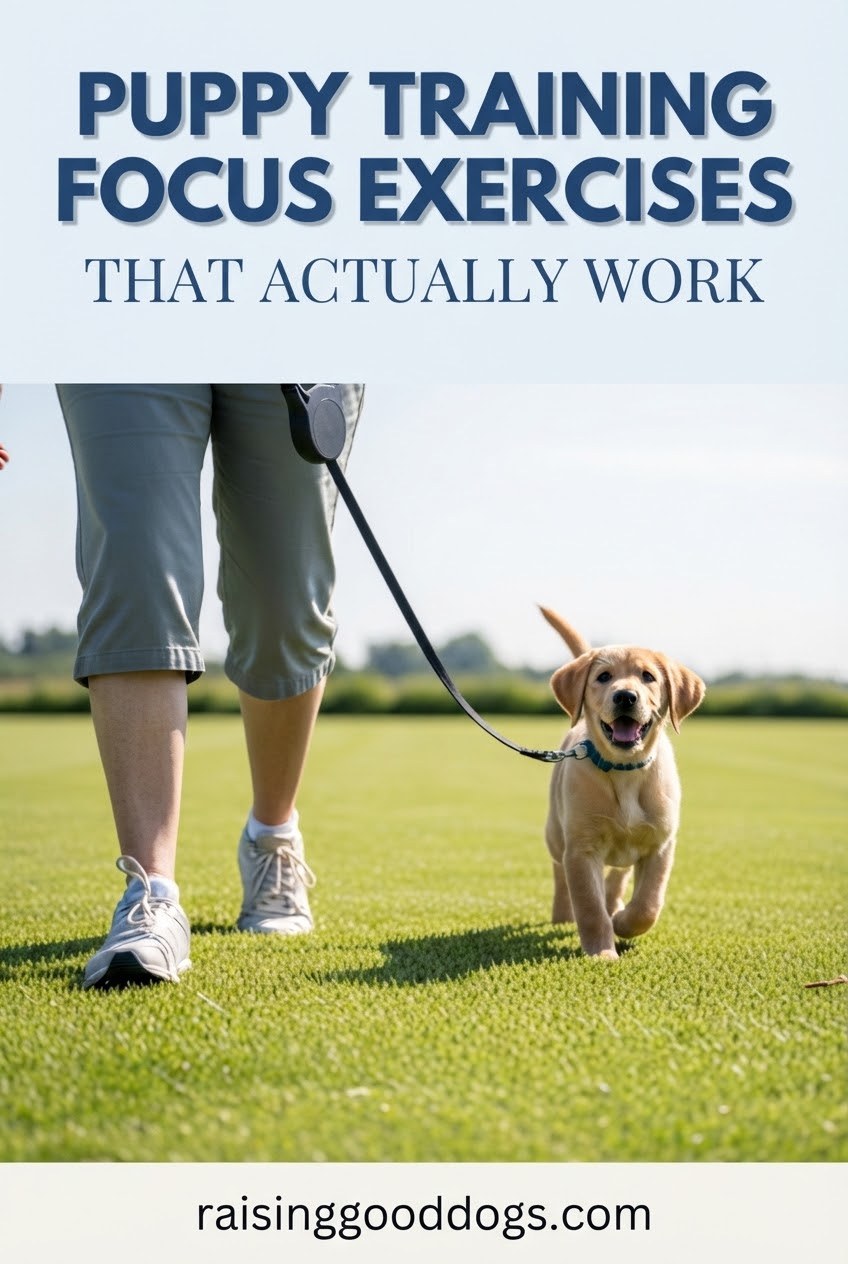
Leash focus is not about making a puppy march beside your leg for an entire walk. I want a dog who can explore and also remember that I exist. Rewarding moments of loose leash walking and attention helps build that habit over time.
My first sessions often happen in boring places: an empty parking area, a quiet path, or a calm corner of the training room. Seven a.m. sessions work well because fewer distractions are competing for a puppy’s attention.
- Notice. Catch your puppy choosing to look back at you.
- Reward. Pay for the behaviour you want repeated.
- Expand. Add movement and distractions slowly.
Calm Settle Training Exercises
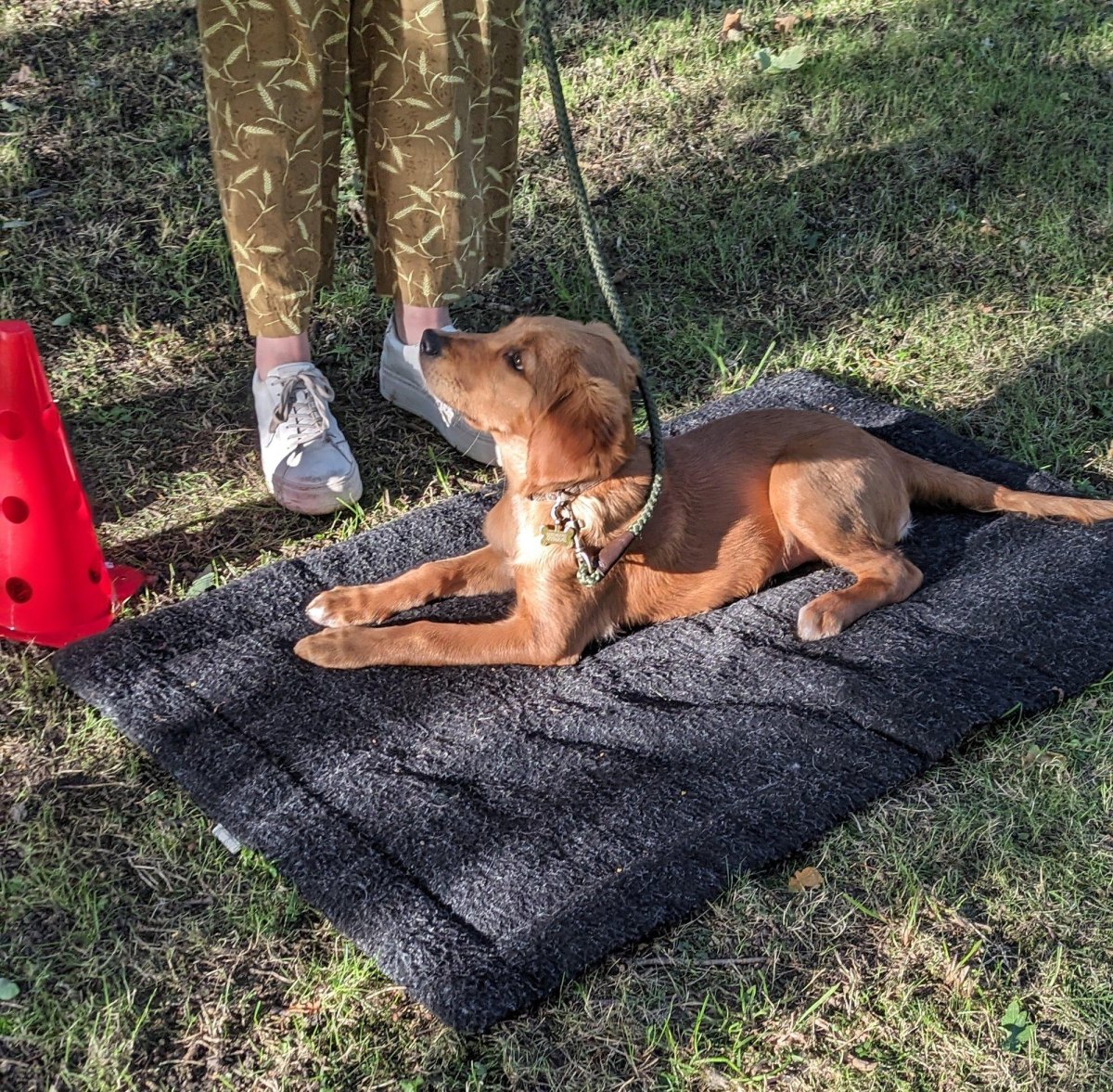
Focus is not only about doing something. Puppies also need to learn how to switch off. A settle exercise teaches a dog that relaxing on a mat or bed can be rewarding, rather than expecting constant entertainment.
I start with calm moments that are almost too easy. Then I build duration, movement, and everyday distractions. If a puppy cannot settle, I look at sleep, exercise balance, stress, and the environment before assuming there is a training problem.
Settle training basics
- Reward relaxed body language
- Increase difficulty slowly
- Expect setbacks during new situations




More Pinterest Visuals