The puppy in front of you does not know he is supposed to perform a perfect sit while the kettle whistles, the neighbour closes a car door, and your coffee goes cold. I train for those ordinary moments. Treat-based puppy training works because it gives your dog clear information about what you want, instead of leaving him guessing.
I have used food rewards with puppies for years, and I still keep sessions short, practical, and kind. The goal is not a dog who works only for snacks; the goal is a dog who understands the game and enjoys learning.
Choosing the Right Treats for Puppy Training
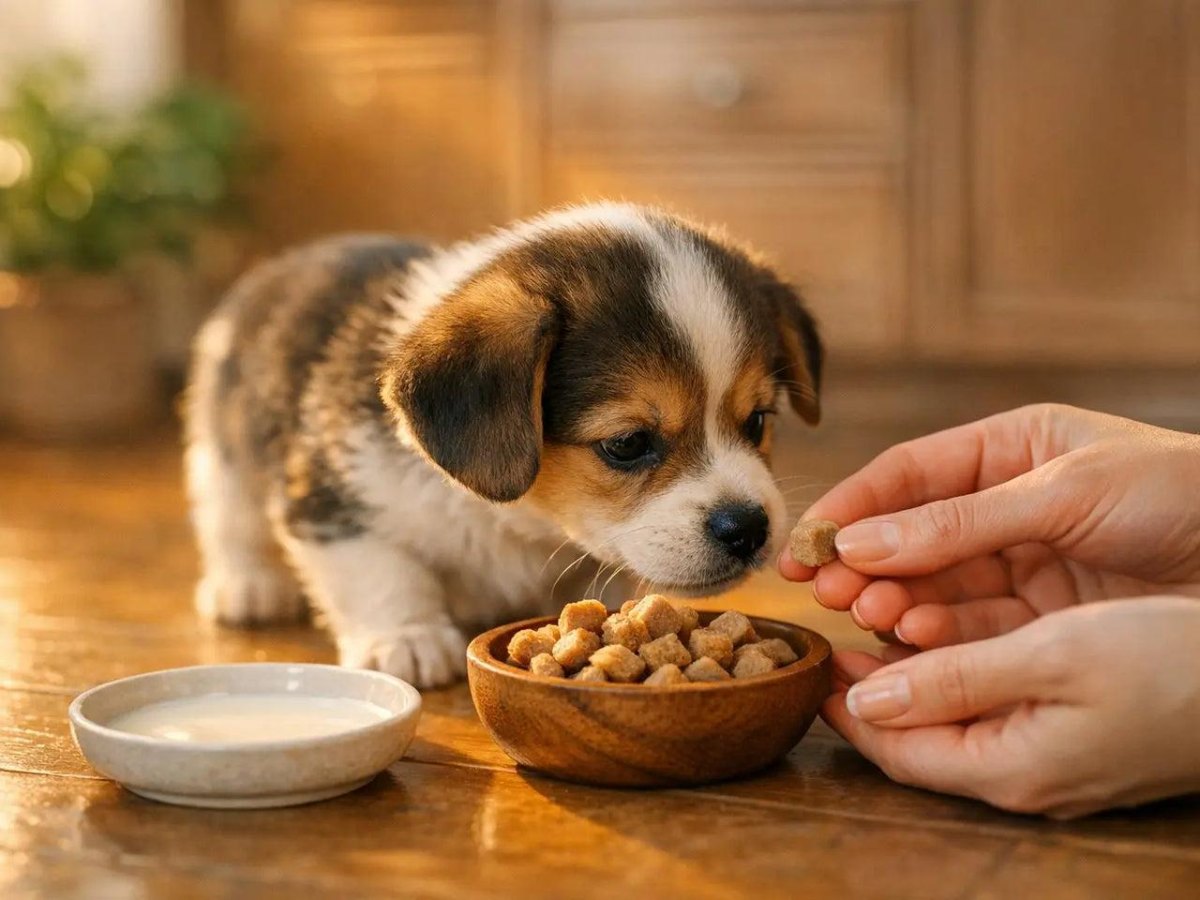
When I choose training treats, I am not looking for the fanciest bag on the shelf. I want something my puppy can eat quickly, something safe for the individual dog, and something worth working for. Small soft treats are usually easier during repetition-heavy sessions because the lesson can continue without long chewing breaks.
Reward-based training is recommended by behaviour organisations including AVSAB, which supports reward-based methods for dog training. I also remember that the best treat is the one your own dog actually values. Motivation matters more than the price tag.
- Everyday rewards: Small treats for easy skills practiced at home.
- High-value rewards: More exciting food for distractions or difficult new behaviours.
- Backup rewards: Praise, play, and access to something your puppy enjoys.
Teaching Basic Commands with Treat Rewards
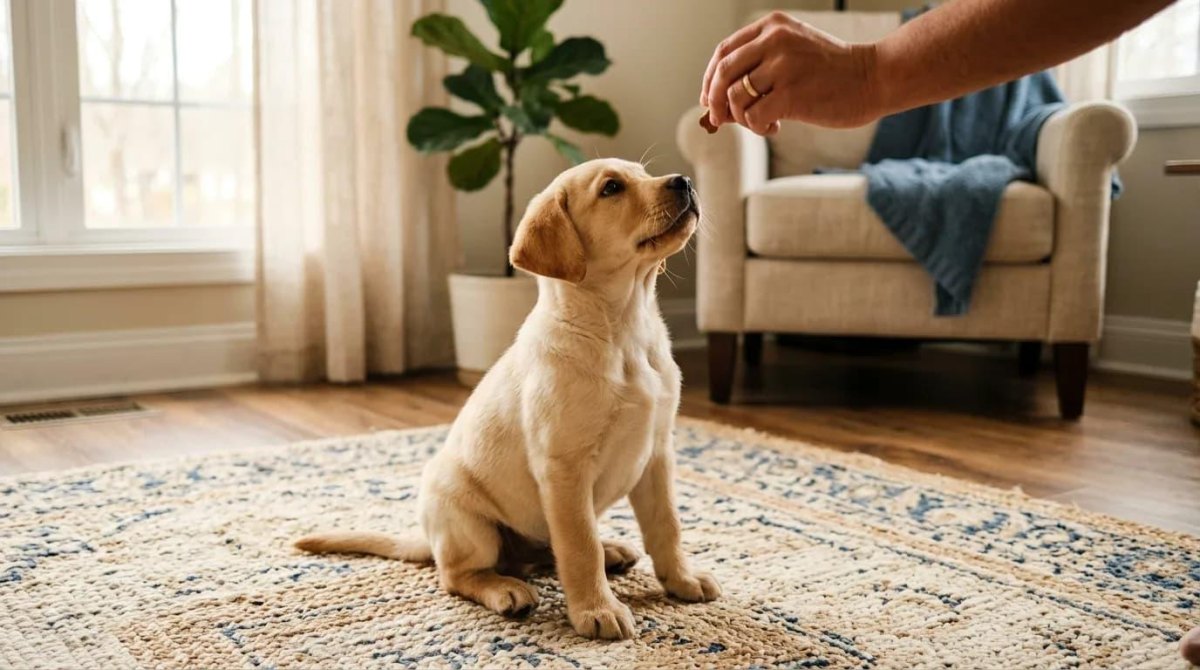
My first training sessions are almost comically simple. I am not asking a puppy for a ten-minute obedience routine; I am building tiny moments of understanding. Reward the behaviour you want as soon as it happens, whether that is looking at you, sitting, or coming closer.
I usually start somewhere boring, because a puppy who can focus in the kitchen is more prepared to learn in the garden later. Short training sessions prevent frustration and help puppies succeed. Reward-based approaches focus on reinforcing correct choices rather than relying on punishment.
- Mark. Use a consistent word such as “yes” when your puppy does the right thing.
- Reward. Deliver the treat quickly so your puppy connects the action and consequence.
- Repeat. Practice several easy successes before increasing difficulty.
Using Treats to Encourage Positive Behavior
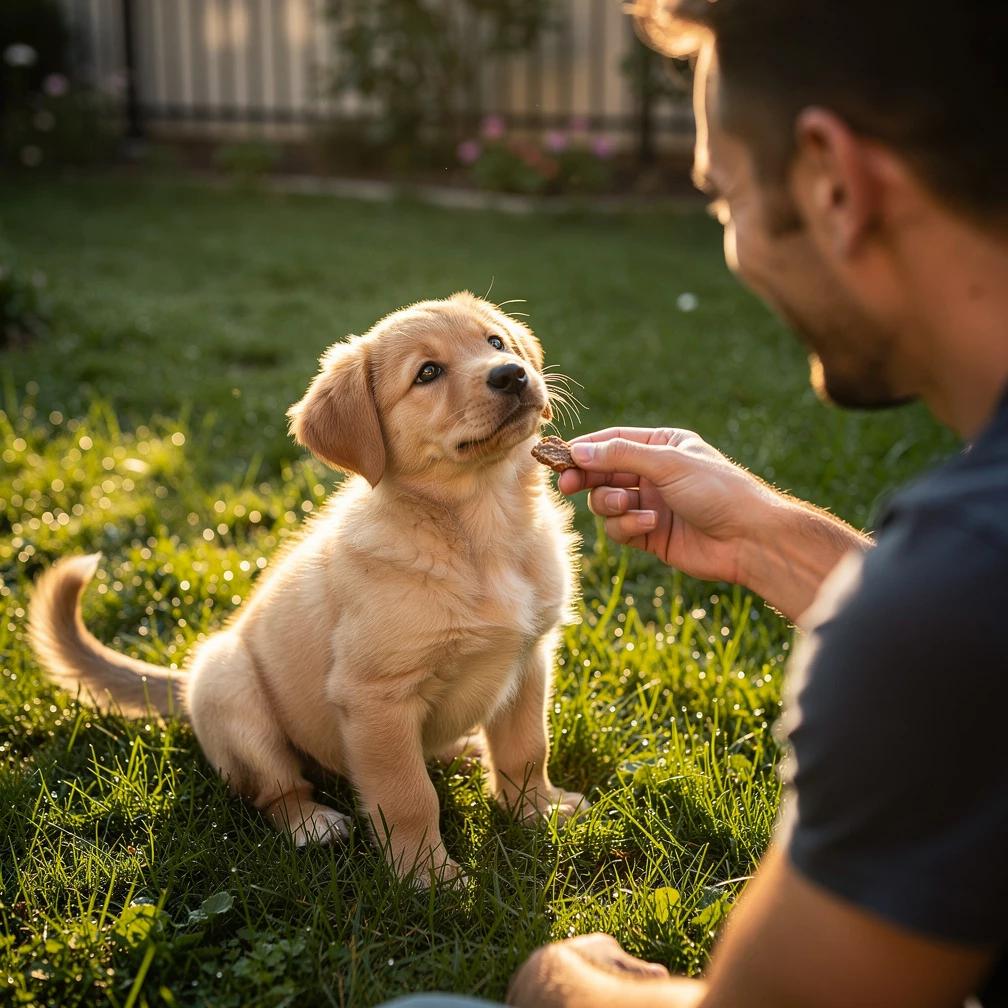
The easiest behaviour to train is often the one we notice before it becomes a problem. If your puppy lies quietly while you answer the door, I want that moment to count. Catch good choices instead of waiting only for mistakes.
This is where many owners feel a shift. They stop thinking about controlling every movement and start looking for opportunities to reward the dog they want to live with. Positive reinforcement helps create a clearer conversation between you and your puppy.
Trainer tip
Keep treats handy during predictable puppy moments, such as settling after play or choosing to check in with you.
Building Recall Skills with Treat-Based Training
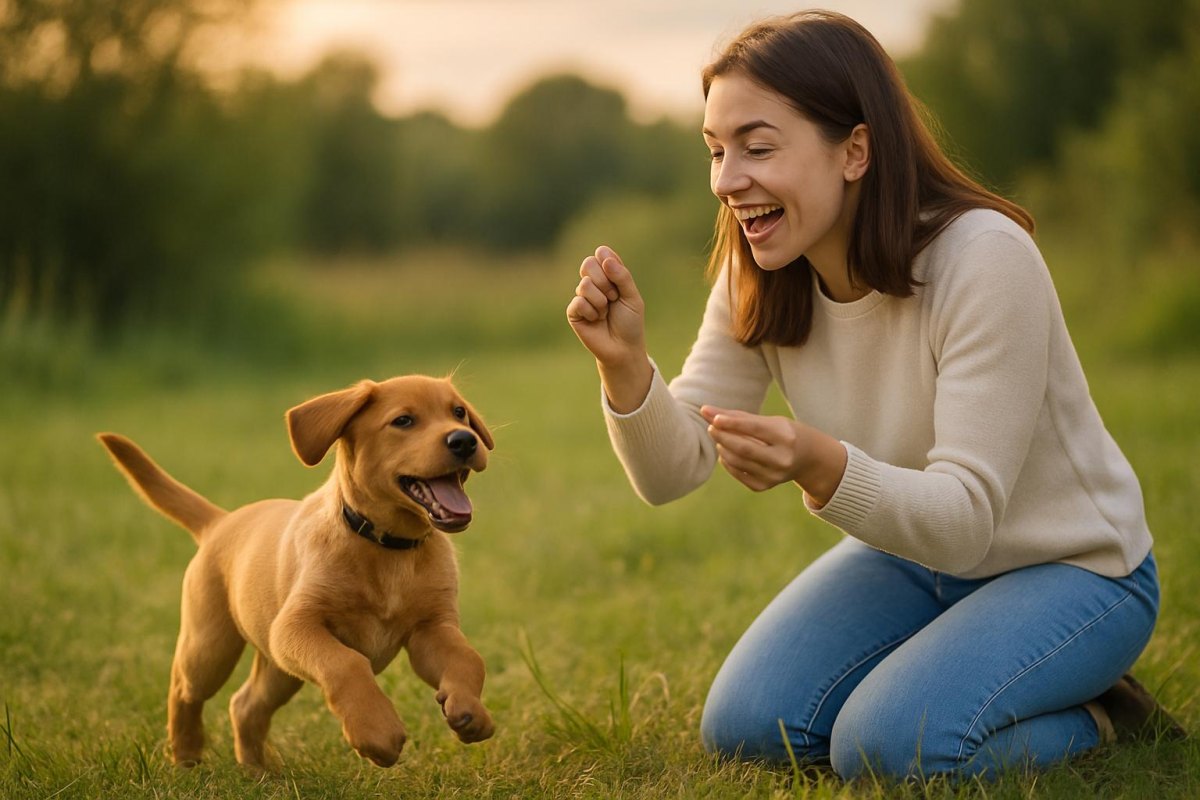
A recall is one of the skills I take seriously because it can become a safety tool. I never start by calling a puppy away from the most exciting thing in the world. I begin somewhere easy and make coming to me feel worthwhile. Build recall slowly before adding distractions.
Guidance from training resources such as the American Kennel Club recommends starting recall practice in low-distraction spaces and rewarding your dog for moving toward you. I also avoid using recall only when the fun ends. Coming back should not always mean the party is over.
- Practice indoors before busy outdoor areas.
- Use a reward your puppy genuinely loves.
- Increase distance and distractions gradually.
Preventing Overfeeding During Treat Training
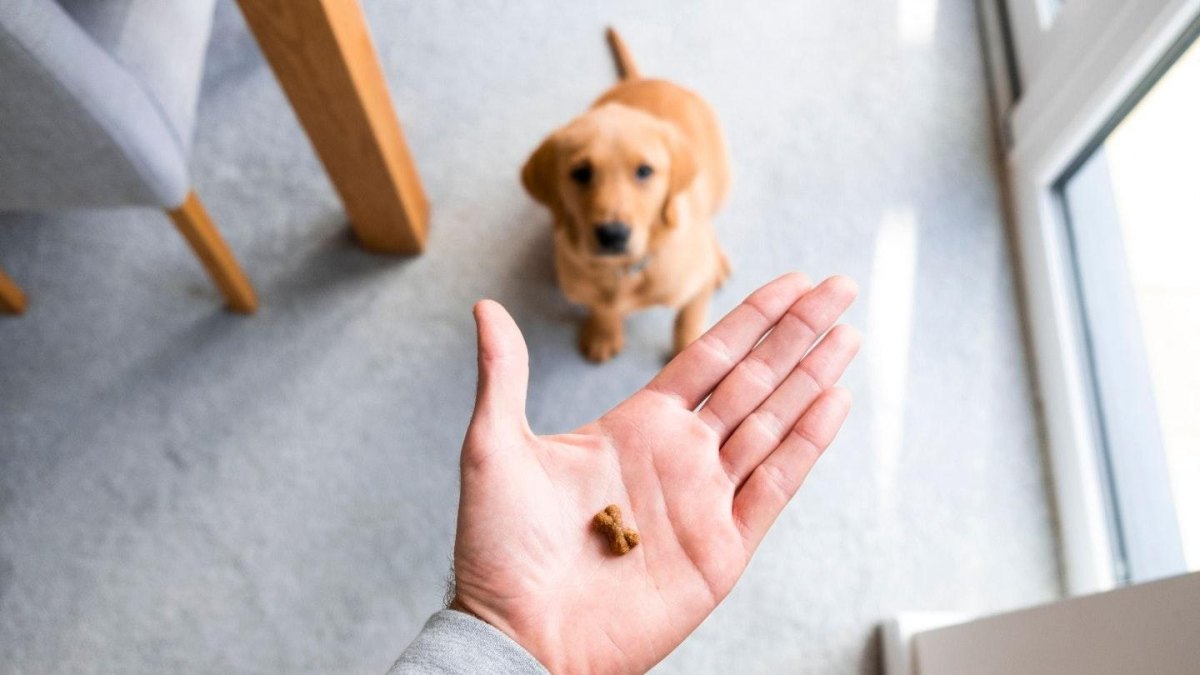
Treat training does not mean feeding handfuls of snacks all day. I often use pieces smaller than people expect because the repetition is the reward. Tiny training pieces can add up, so I plan them as part of the puppy’s daily food picture.
Veterinary nutrition guidance commonly recommends keeping treats and snacks to a limited portion of daily calories, with VCA noting the general guideline of about 10 percent of daily calories from treats. If weight, appetite, or health changes are a concern, I involve a veterinarian rather than guessing.
| Training moment | Treat approach |
|---|---|
| Easy home practice | Small everyday rewards |
| New distraction | More valuable rewards |
| Many repetitions | Tiny pieces or part of meals |
Gradually Reducing Treat Dependence in Training
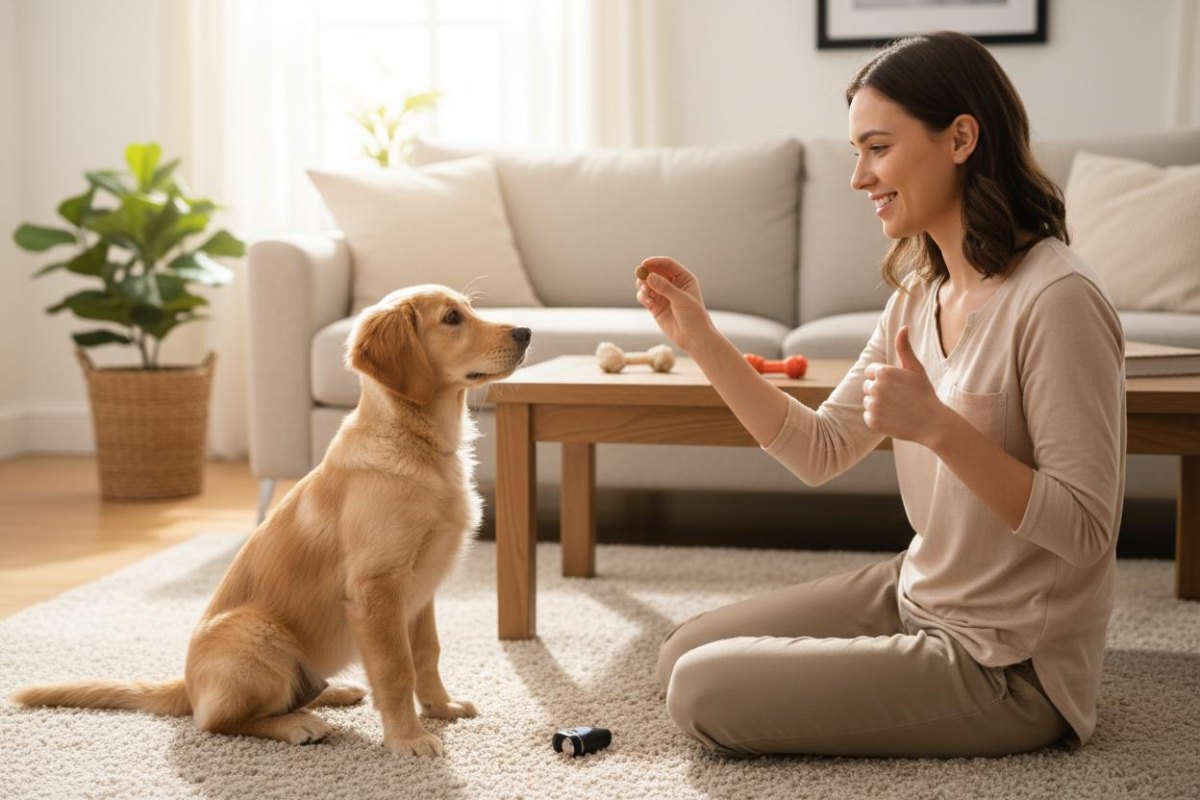
A common worry I hear is, “Will my dog only listen if I have food?” The answer is that good training changes over time. At first, treats are information. Later, the behaviour itself, praise, play, and life rewards become part of the picture. Fade rewards gradually rather than removing them overnight.
I do not want a puppy who thinks I am a vending machine. I want a dog who understands the habit we built together. Training guides such as Dogs Trust describe moving away from constant food rewards while continuing occasional reinforcement to maintain behaviour. Keep rewarding wisely when a skill is still developing.
Benefits of fading treats
- Builds more flexible behaviour.
- Encourages confidence.
Mistakes to avoid
- Stopping rewards too soon.
- Making training harder too quickly.




More Pinterest Visuals