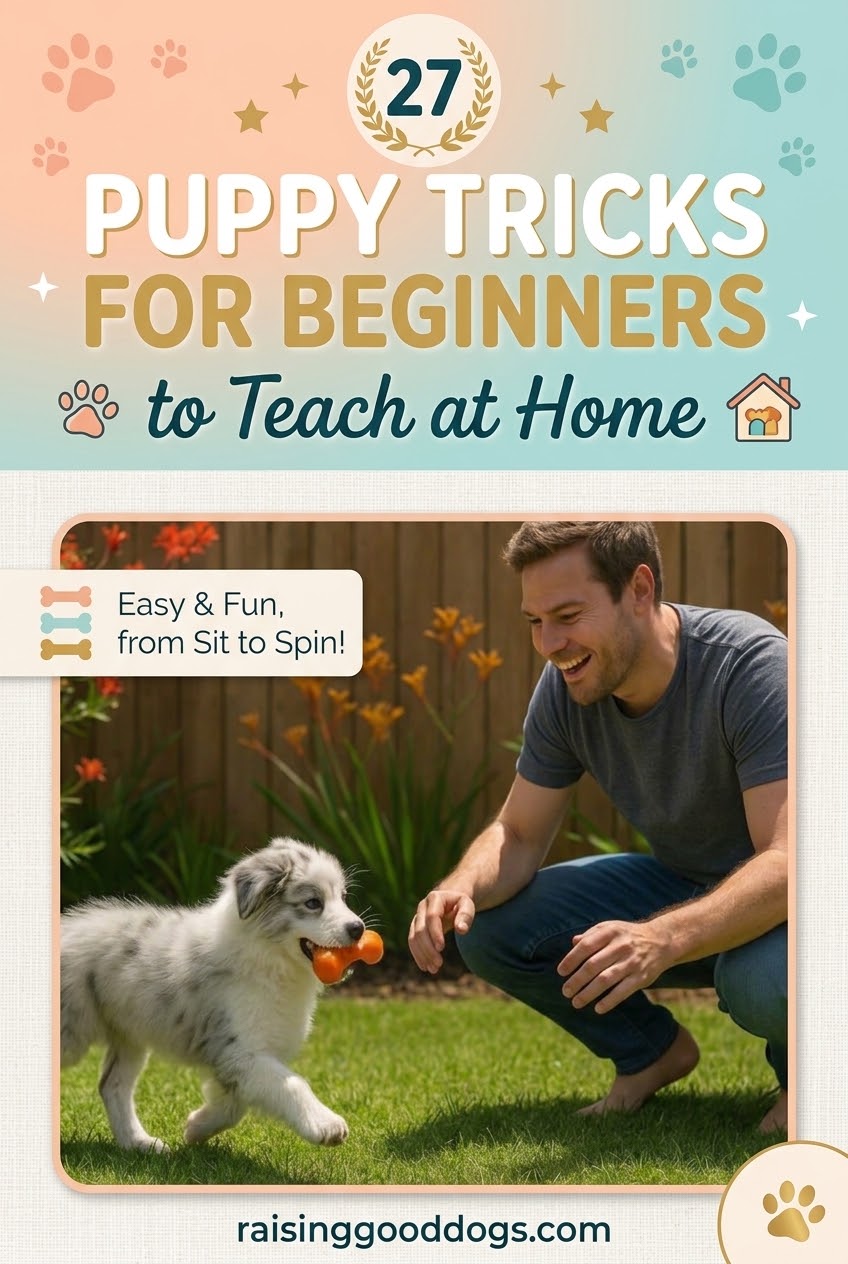
I love teaching puppy tricks because they are not really about showing off. They are about building a shared language with a little dog who is still figuring out why the vacuum is suspicious and why socks are not a food group. I start with simple reward-based training, short sessions, and realistic expectations because puppies learn best when they feel safe and successful.
Before any trick, I look at the basics: is the puppy rested, comfortable, and able to focus? If a behaviour changes suddenly or seems connected to pain, I want a vet involved before we assume it is a training problem.
Teach Your Puppy to Sit
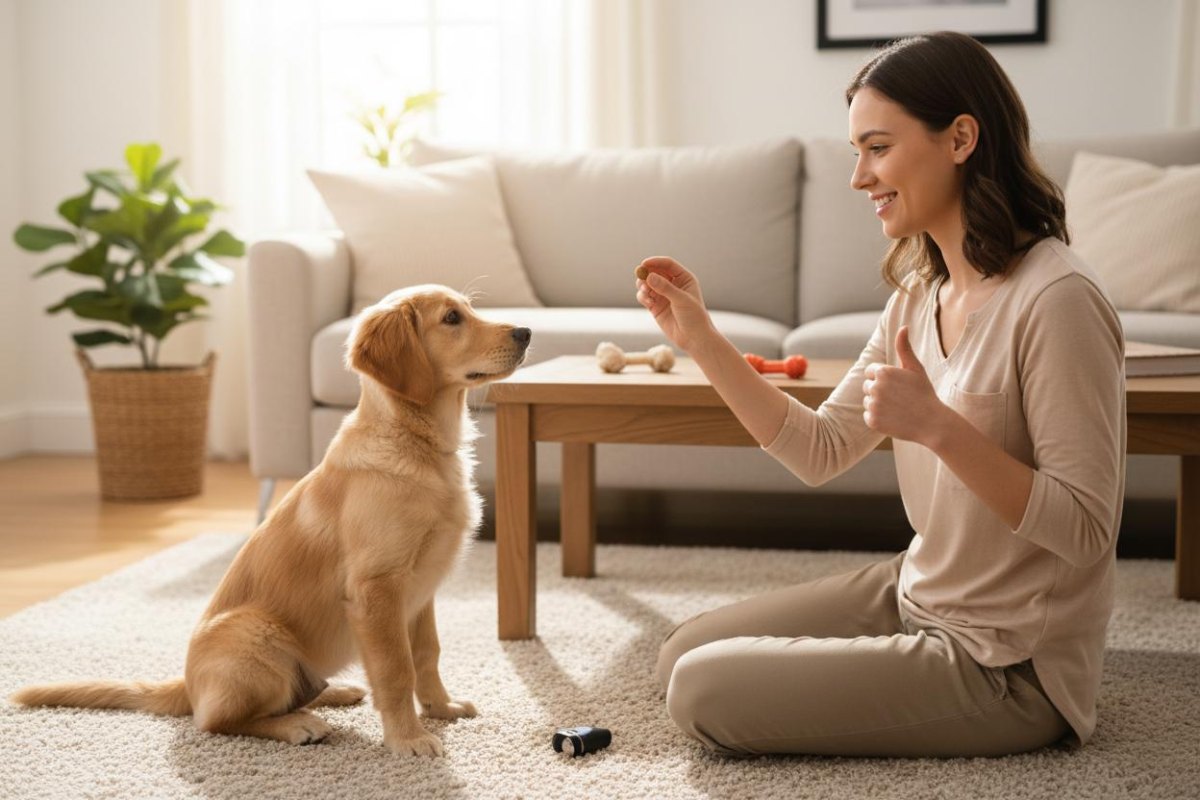
I usually begin with sit because it gives puppies an easy win. Hold a treat near the nose, move it upward, and reward when the bottom hits the floor. Timing matters here; the reward needs to arrive while your puppy is still connecting the action with the word.
Keep sessions under a few minutes at first. A tired puppy is not a stubborn puppy; they are often just done learning.
Train the Basic Down Command
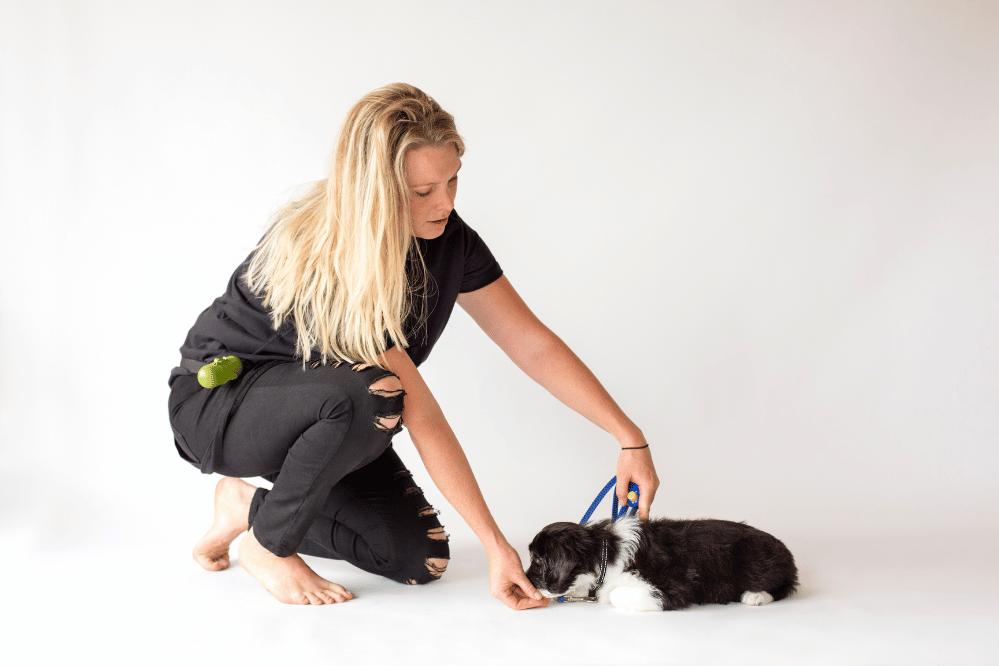
Down is a lovely calm behaviour, especially for puppies who have discovered that bouncing is a lifestyle. I lure slowly from the nose toward the floor and reward relaxed movement. Go slowly if your puppy finds the position uncomfortable.
I never force a puppy into a down. Trust makes training much easier.
Practice Coming When Called
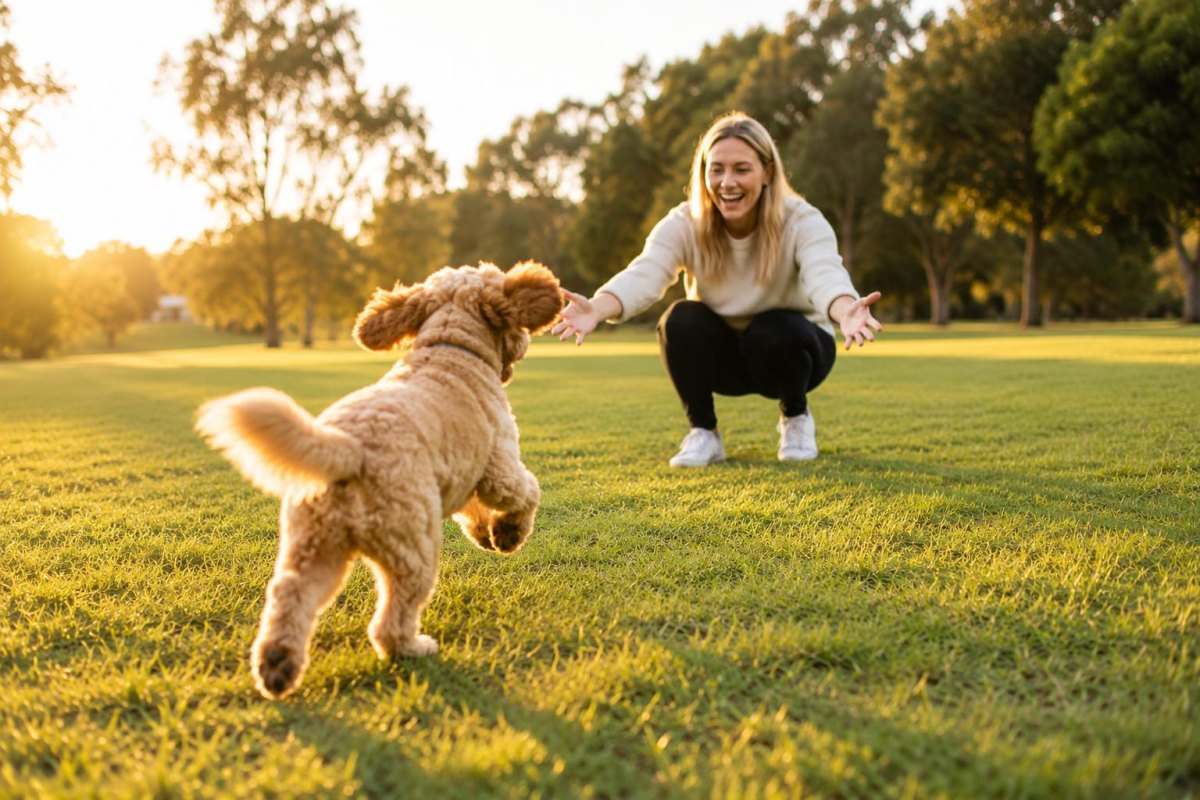
A recall is one of the most useful tricks I teach. I start indoors where success is likely, then add distractions gradually. Make coming valuable so your puppy believes reaching you is always a good choice.
Never call your puppy to punish them. That is how a great cue becomes a word they ignore.
Teach Your Puppy to Stay
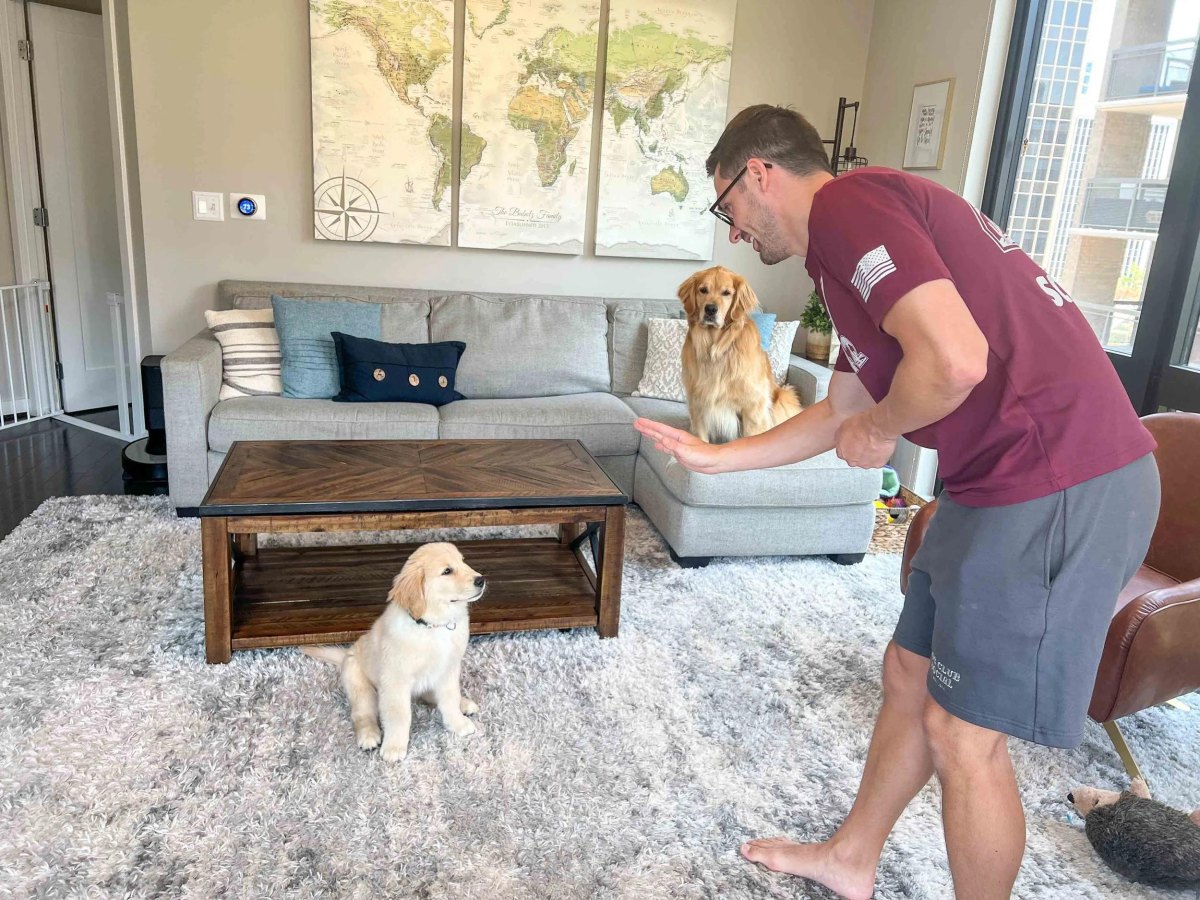
Stay is not about making a puppy freeze forever. It is about teaching patience one second at a time. Build duration slowly and return before your puppy fails.
Most puppies struggle because we ask for too much too soon, not because they are refusing.
Train the Leave It Trick
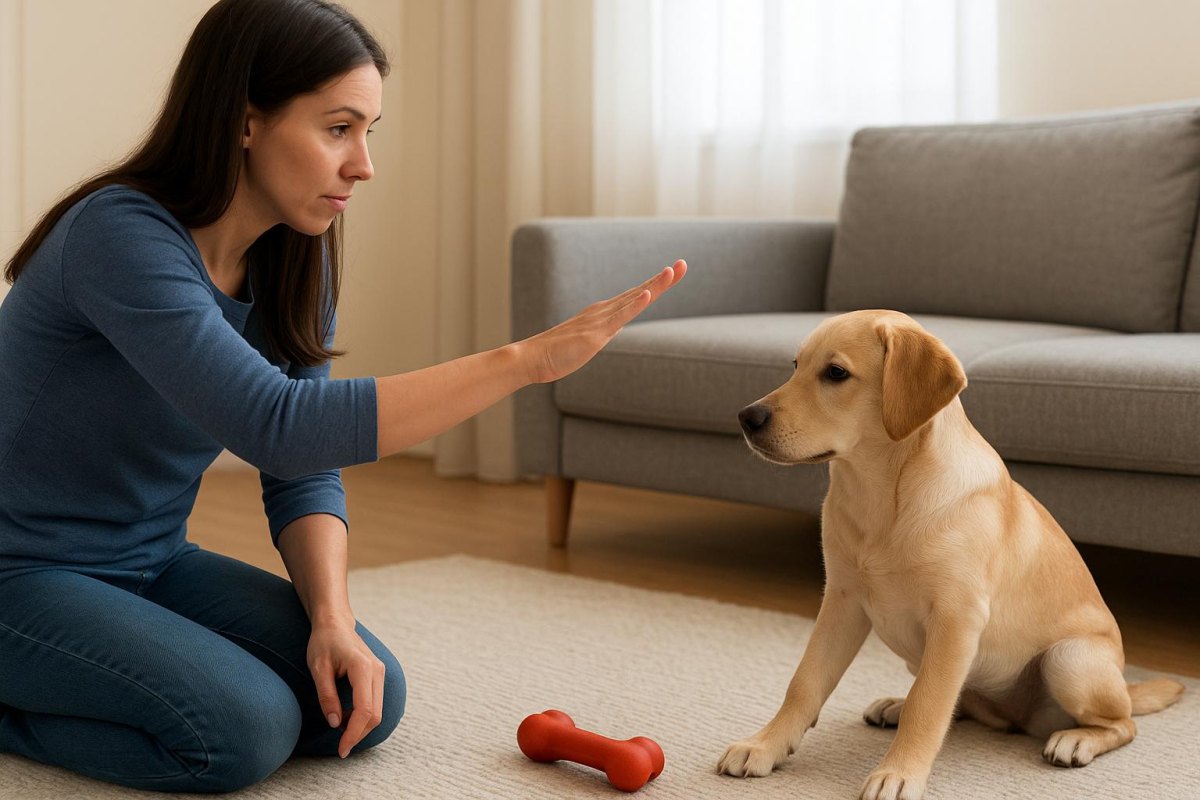
Leave it helps puppies make safer choices around tempting things. I reward the moment they turn away from an item. Reward the choice instead of creating a battle over the object.
Management still matters; I do not leave dangerous items available and hope training saves the day.
Teach Your Puppy to Drop It
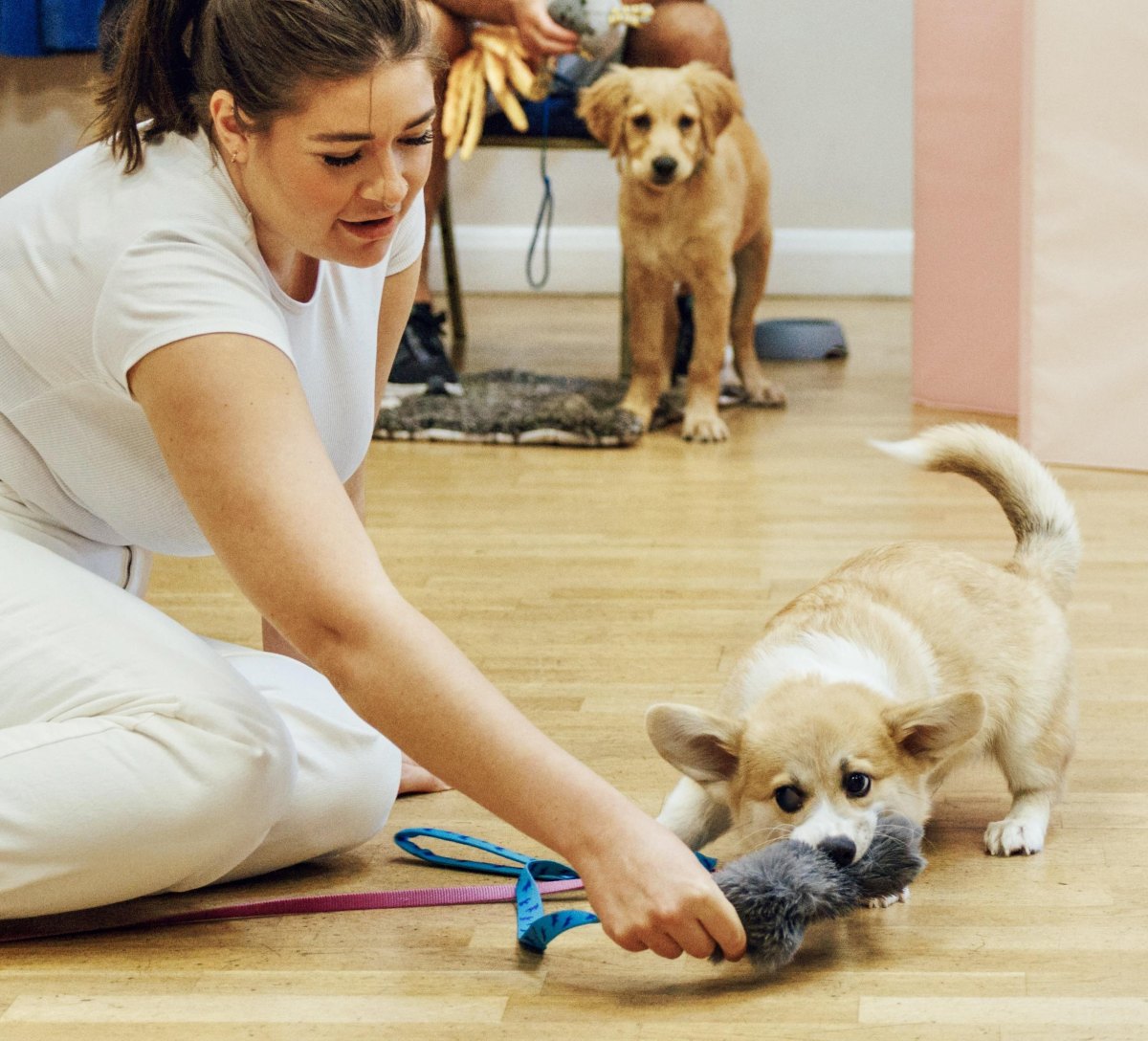
Drop it is a trade game. I offer something better than the toy and reward releasing. Keep your hands gentle because grabbing creates a puppy who runs away with treasures.
This trick is especially useful during the sock-stealing months.
Introduce the Shake Hands Trick
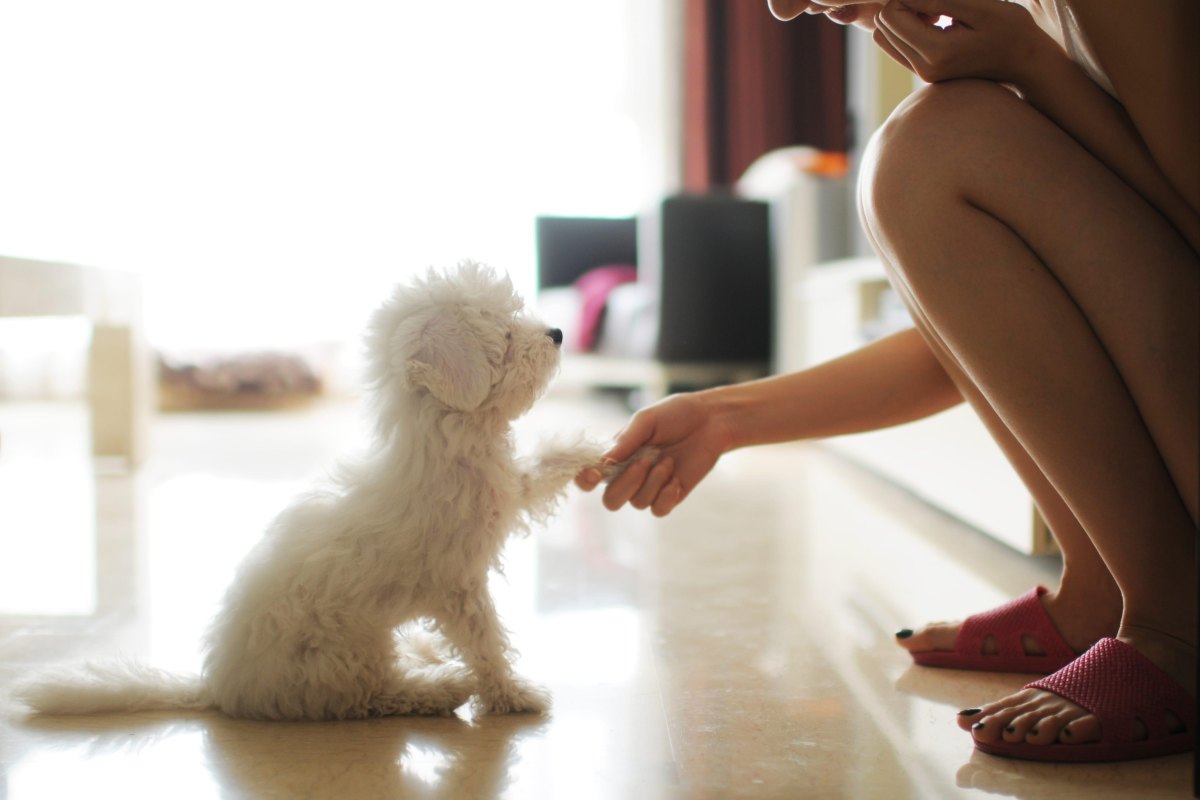
Shake is a fun confidence-building trick. I wait for a paw movement and mark it rather than pulling the paw toward me. Let the puppy offer behaviour because that builds problem-solving skills.
Some puppies adore this trick; others think paws are private business.
Teach Your Puppy to High Five
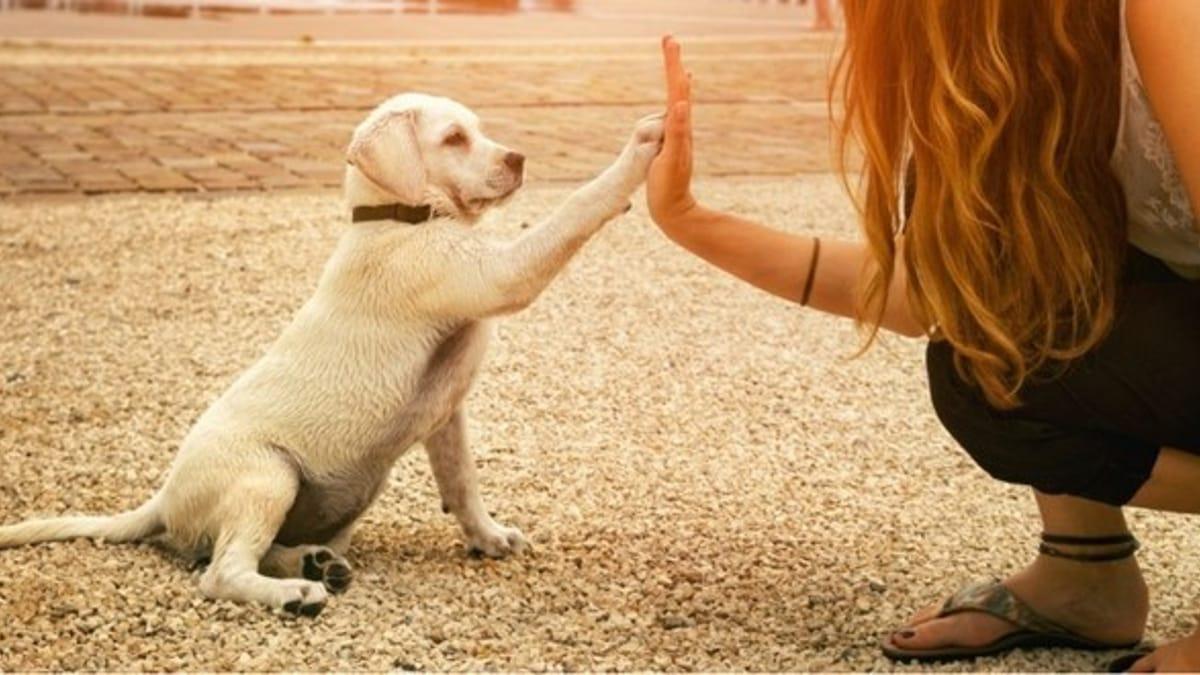
High five is a variation of paw targeting. Once your puppy understands paw movement, raising the hand cue is simple. Reward small attempts and shape the final behaviour.
Short practice keeps this trick playful.
Train Your Puppy to Spin Around
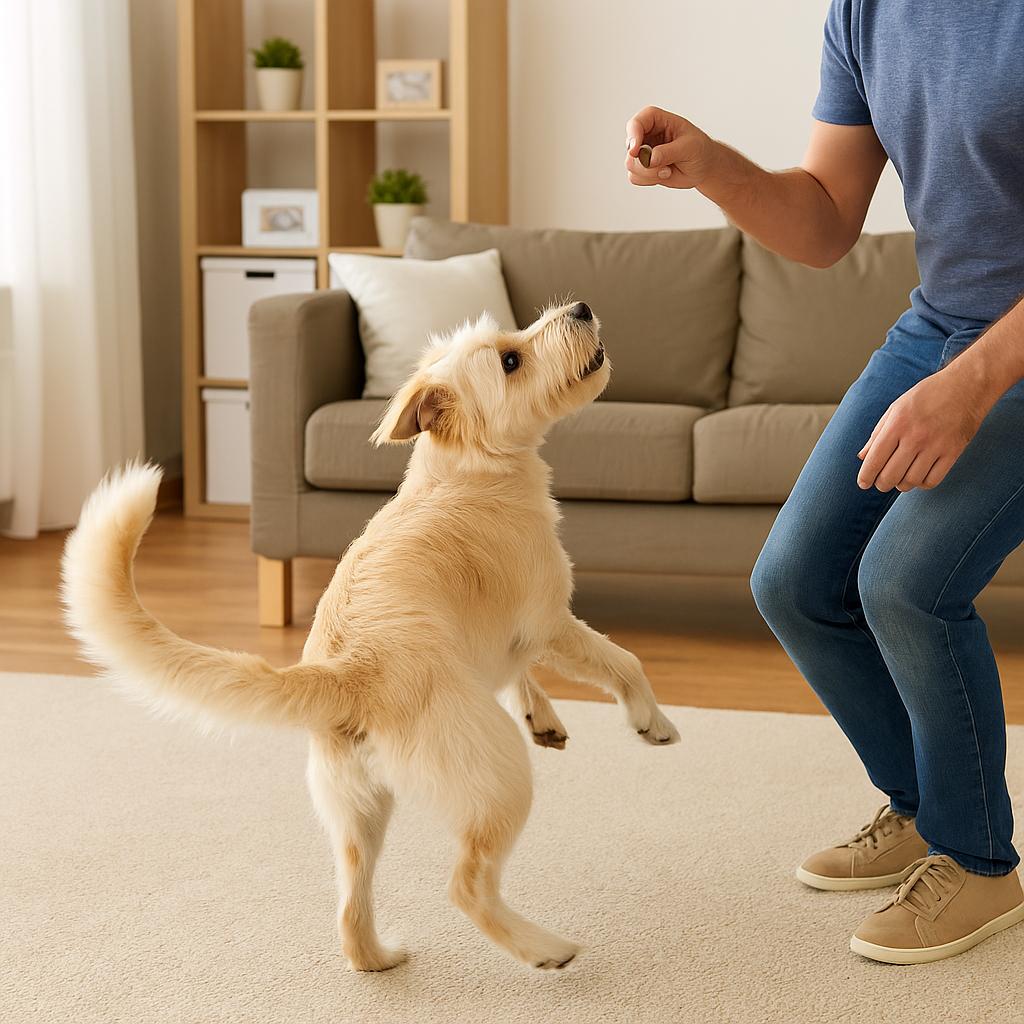
Spin is a beginner-friendly trick that uses natural movement. Guide your puppy in a circle with a treat and reward completion. Protect growing joints by keeping sessions gentle.
I avoid repetitive spinning for puppies who show discomfort or fatigue.
Teach Your Puppy to Roll Over
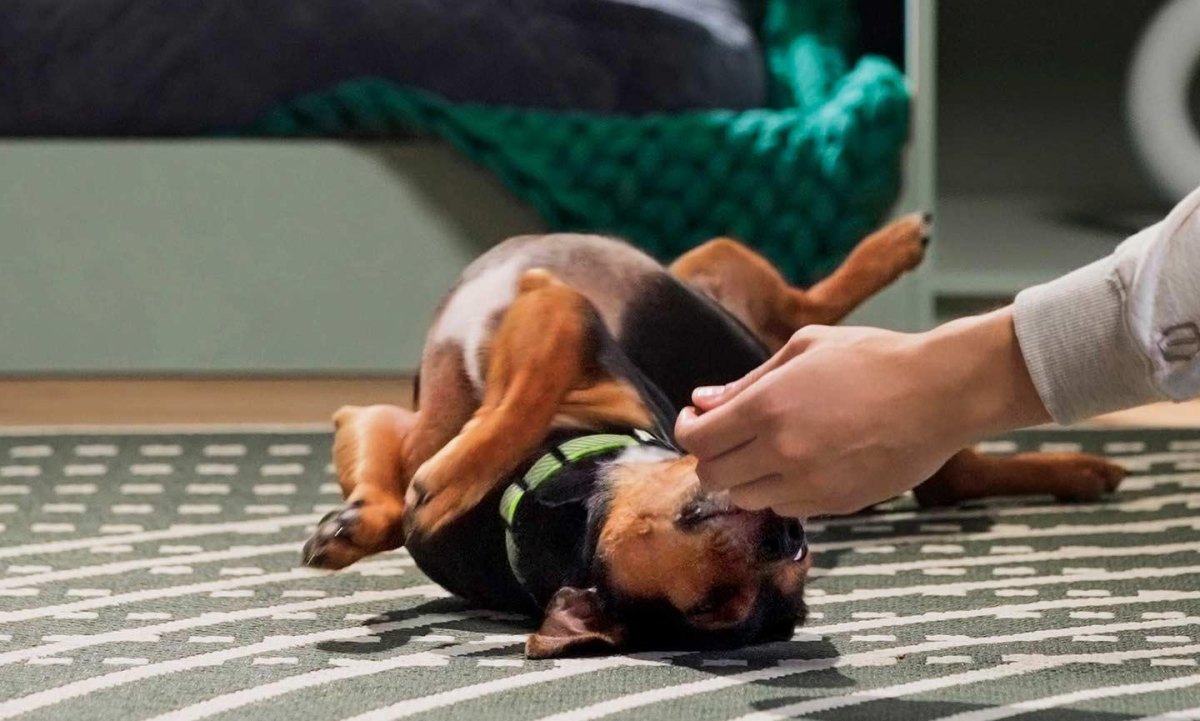
Roll over takes more body awareness than many puppies have. I break it into tiny pieces and stop before frustration appears. Small steps win with physical tricks.
A puppy who cannot do this today is not behind. They are learning.
Teach the Play Dead Trick
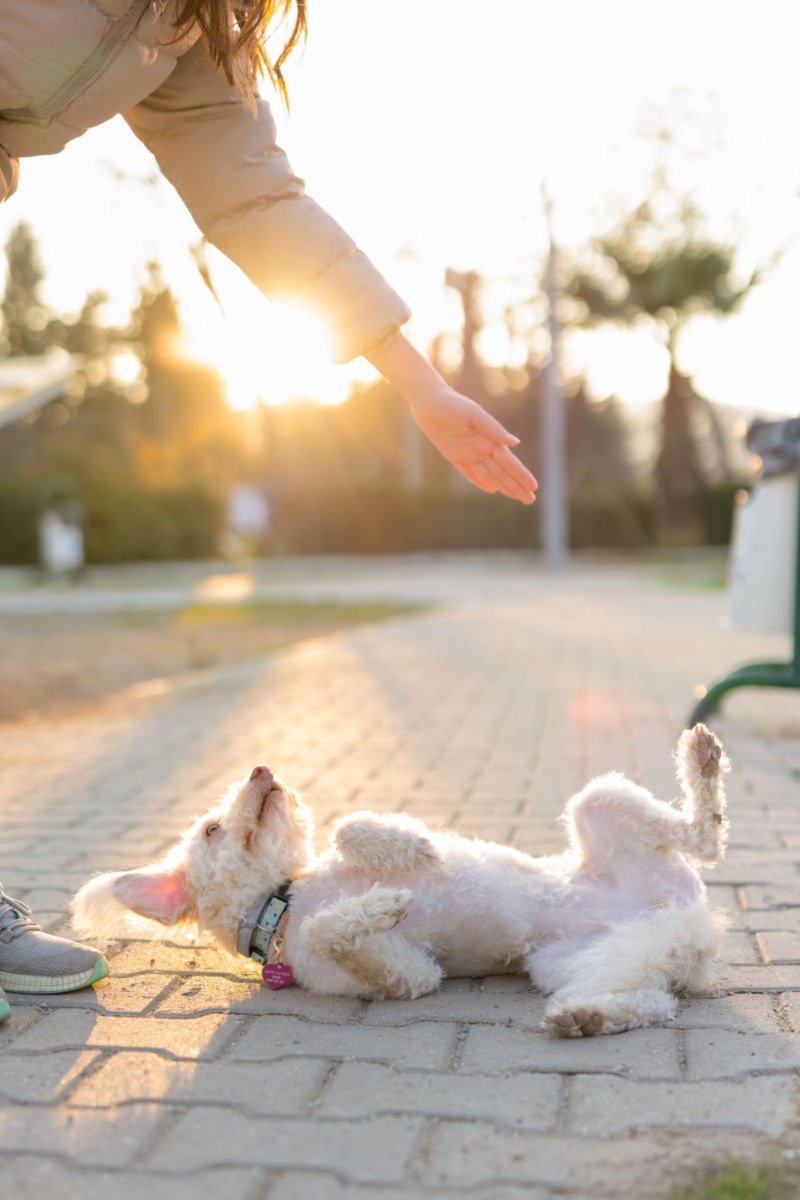
Play dead is a fun party trick built from calm positions like down. I reward relaxation rather than physically placing the puppy. Comfort comes first with any handling exercise.
If a puppy dislikes being on their side, I choose another trick.
Train Your Puppy to Fetch
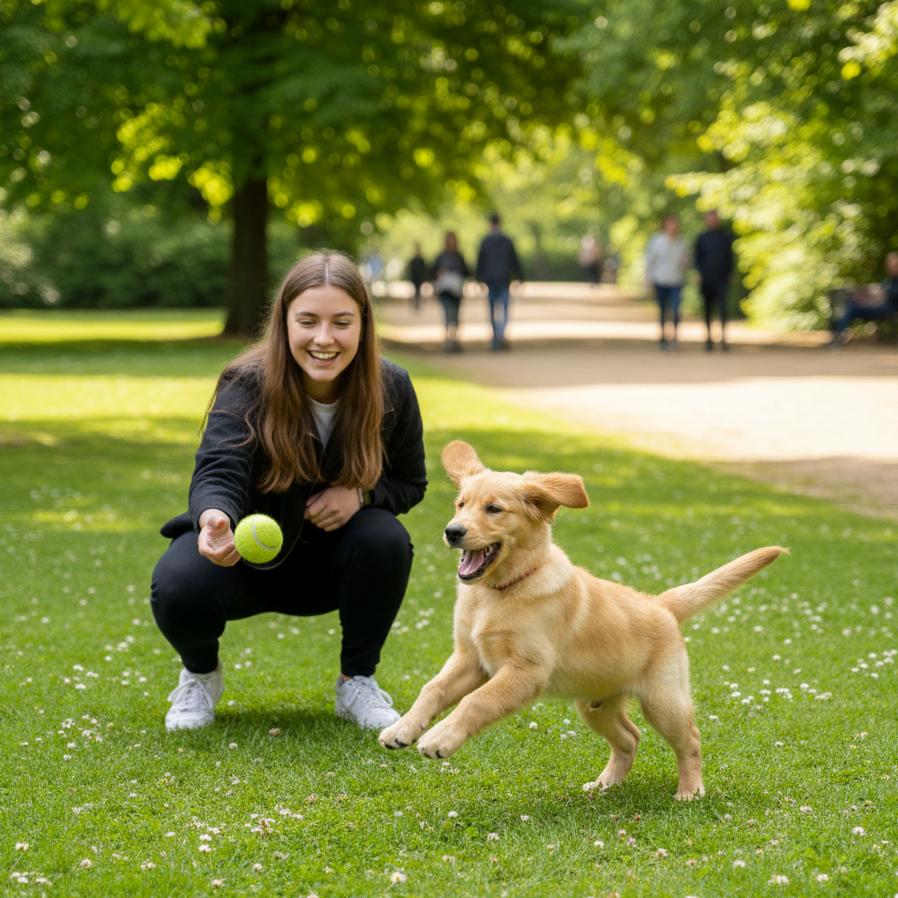
Fetch is often easier when I teach the return before the throw. I celebrate bringing the toy back. Make the return rewarding instead of chasing the puppy for the item.
Not every dog loves fetch, and that is perfectly fine.
Teach Your Puppy to Bring Toys Back
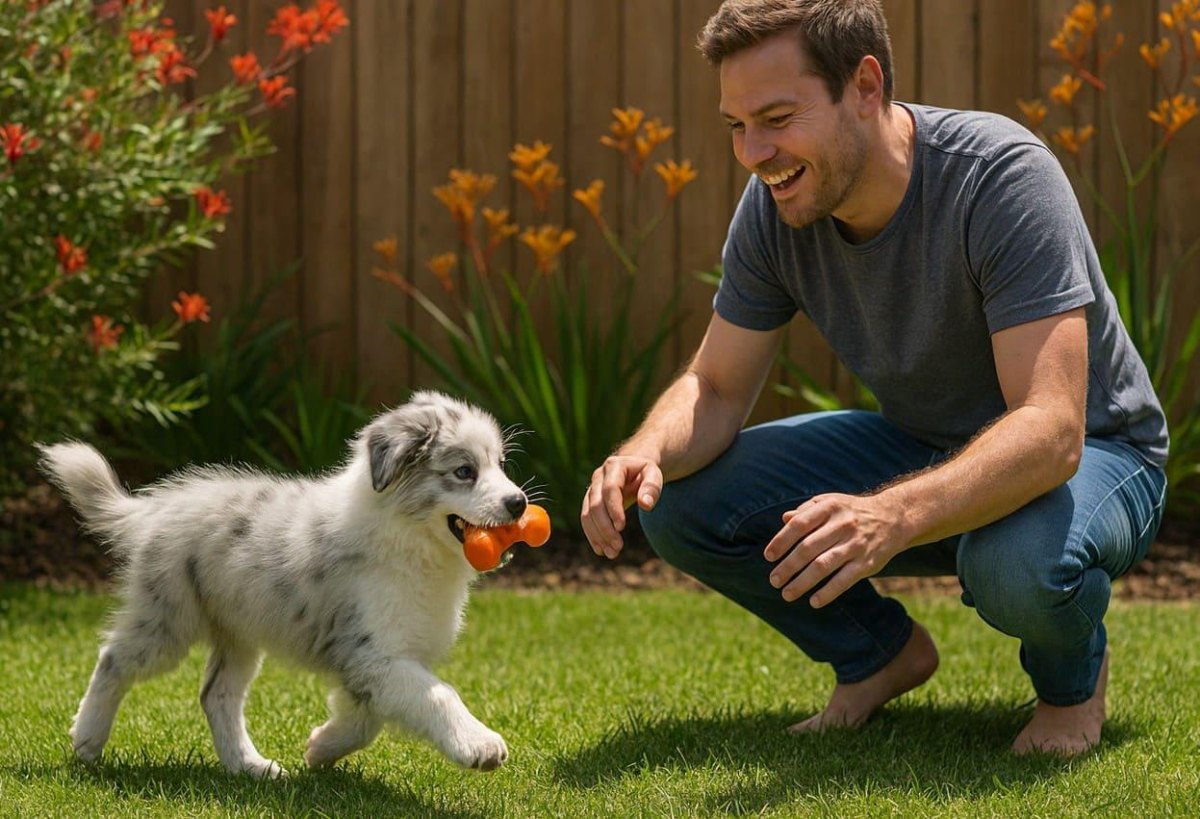
Bringing toys back is a practical version of fetch. I practice close distances first. Reward cooperation and avoid turning it into a keep-away game.
This is a great indoor activity on rainy Maine mornings.
Teach Your Puppy to Wait
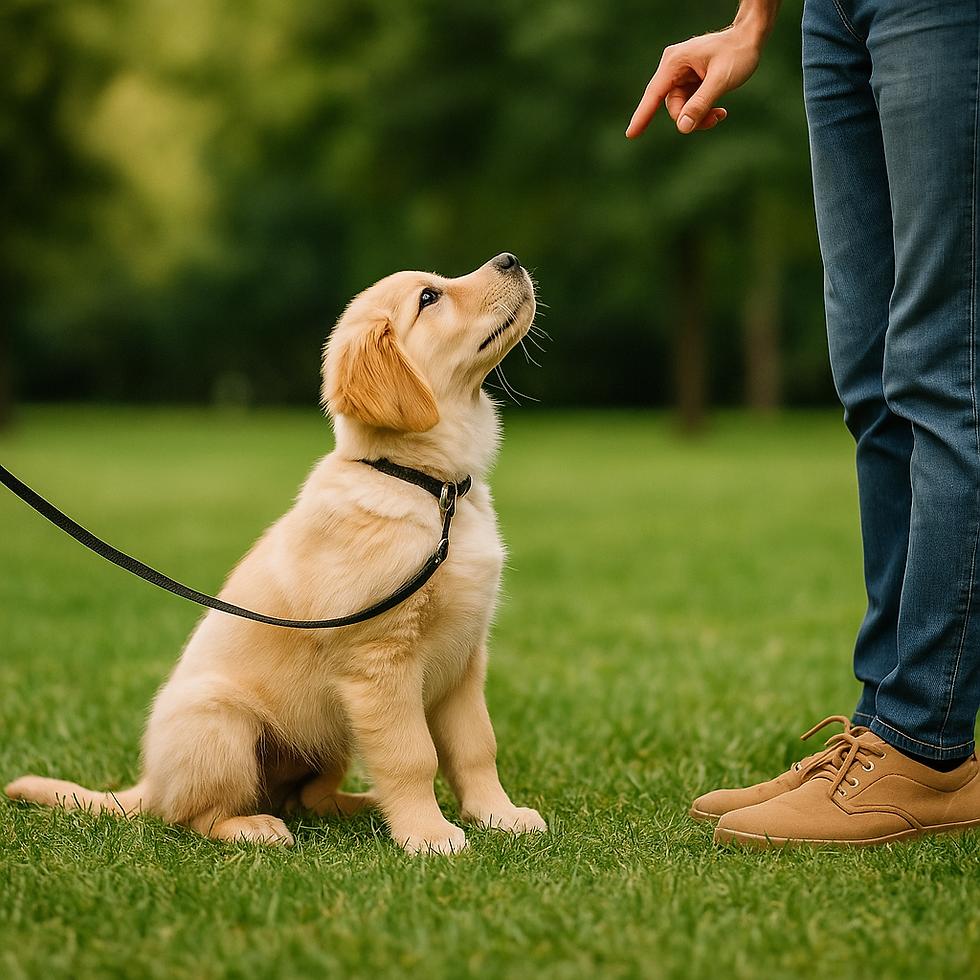
Wait teaches impulse control around doors, food, and exciting moments. I begin with one second and build gradually. Patience is trained, not expected.
A puppy who succeeds at one second is ready for two, not twenty.
Train Your Puppy to Touch a Target
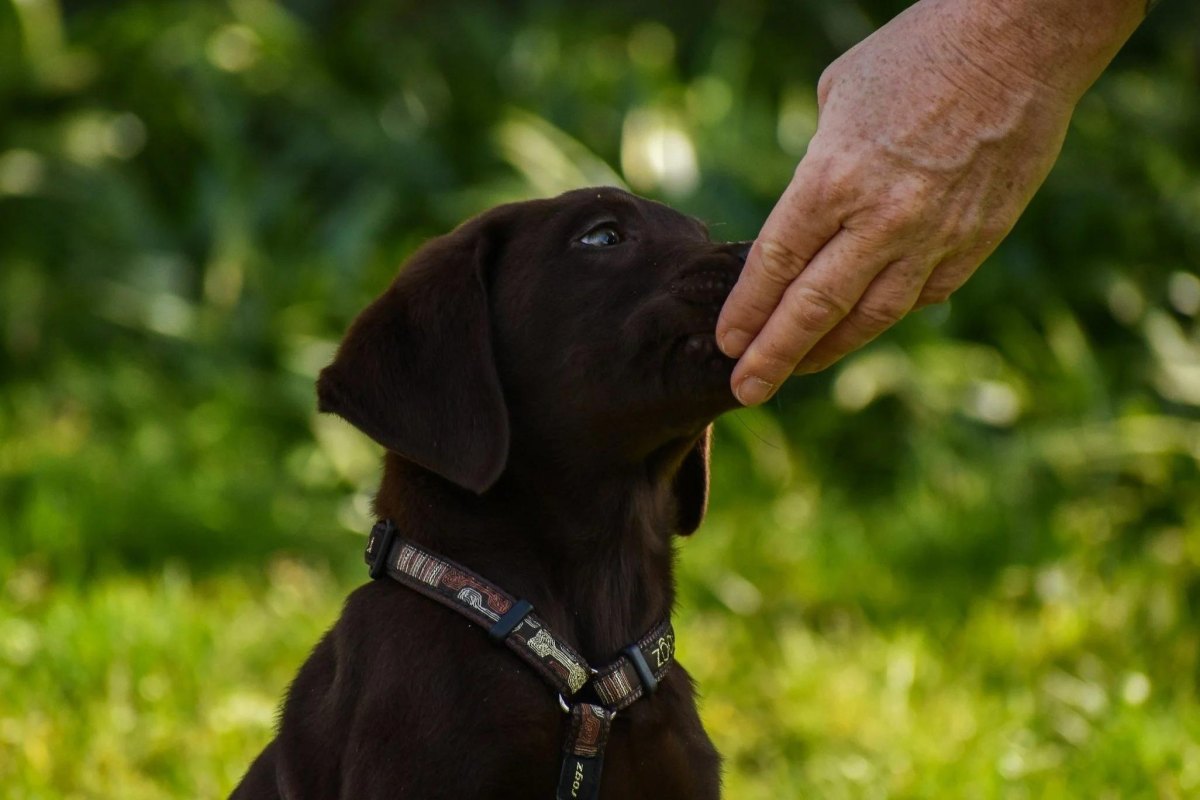
Targeting is one of my favourite foundation skills. A puppy learns to touch my hand or an object with their nose. Target training creates communication for many future behaviours.
It is also wonderfully confidence-building for shy puppies.
Teach Your Puppy to Walk Backward
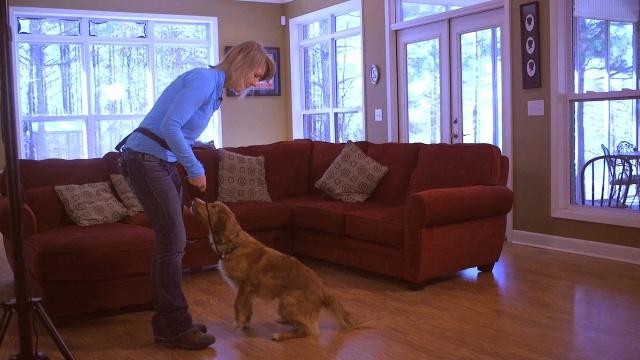
Backing up is a body-awareness trick. I reward tiny backward steps and avoid pulling the puppy into position. Slow movement builds control.
This is more advanced than sit, so patience matters.
Teach Your Puppy to Bow
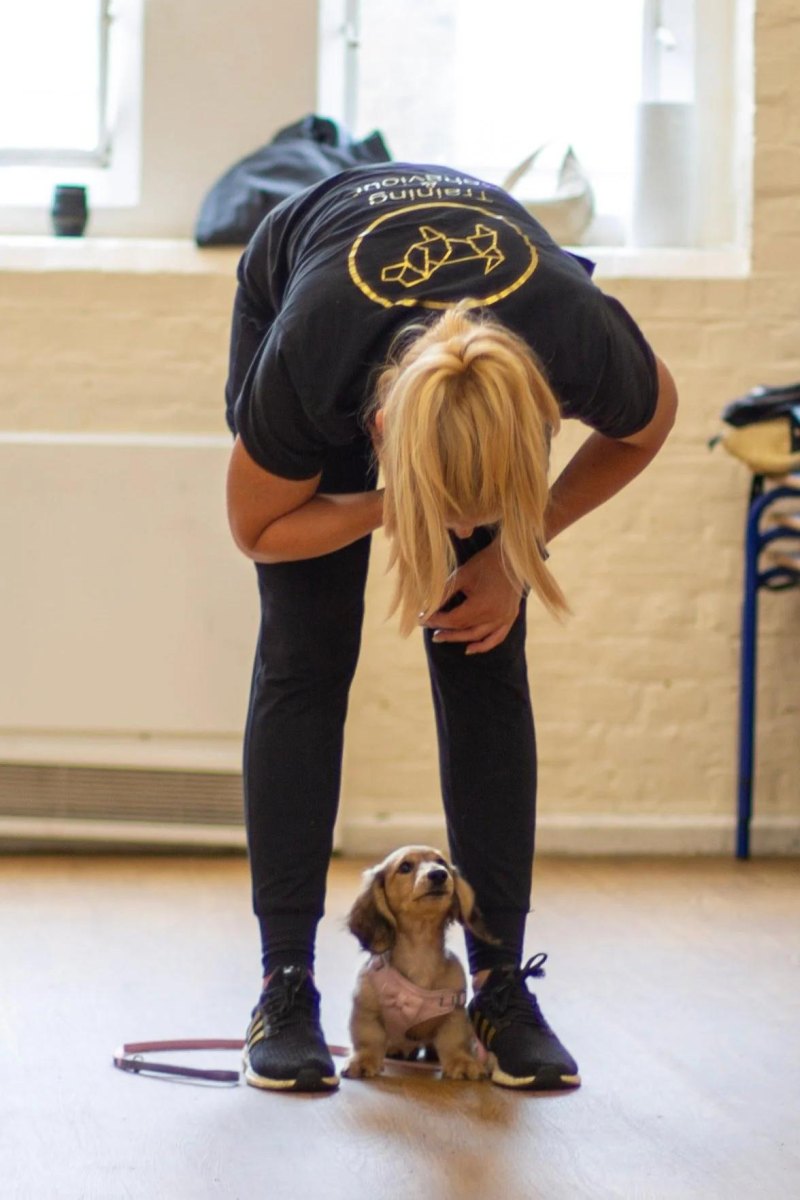
A bow is adorable, but it should stay comfortable. I capture the natural stretch puppies already do. Reward natural movement instead of forcing posture.
Always stop if your puppy seems unsure.
Train Your Puppy to Speak
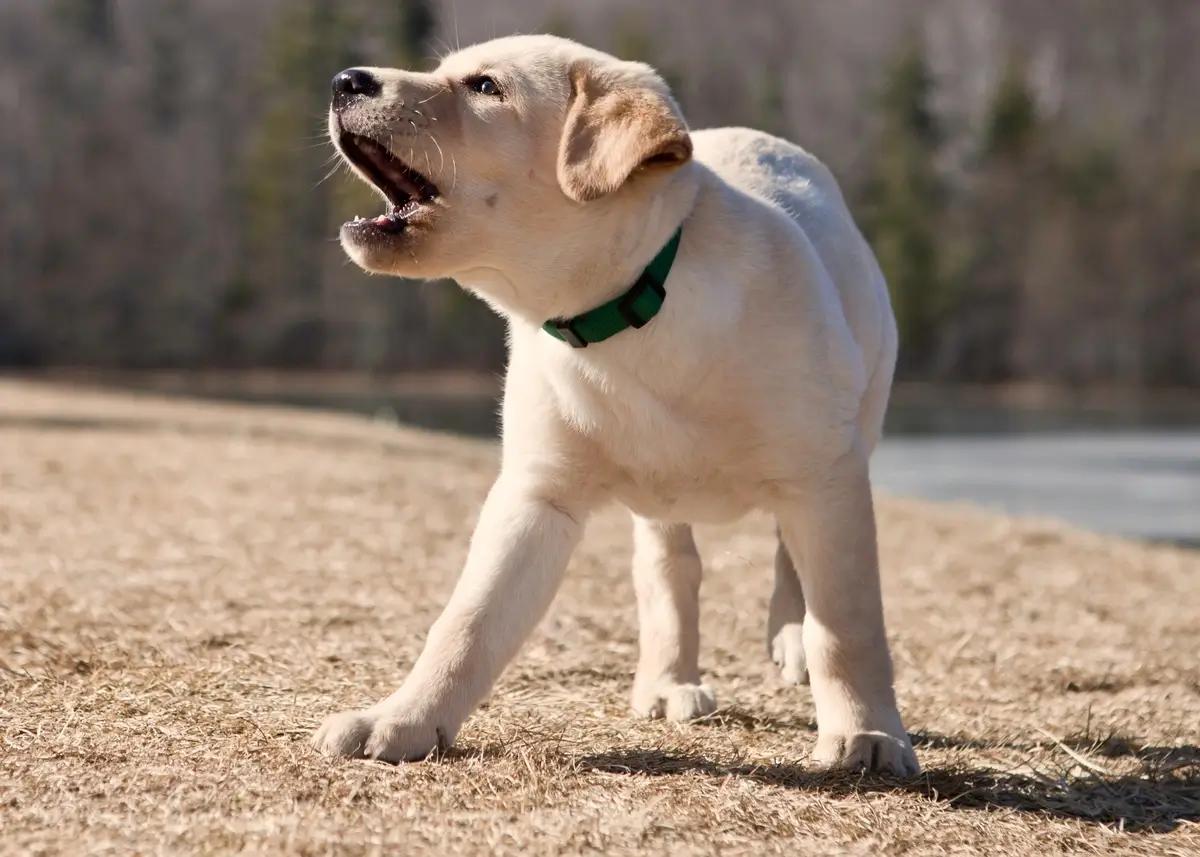
Teaching speak can be useful, but I pair it carefully with quiet training. I want a cue, not a puppy who discovers barking is a career. Control comes after understanding.
Frequent barking changes should be explored for the reason behind them.
Teach Your Puppy to Be Quiet
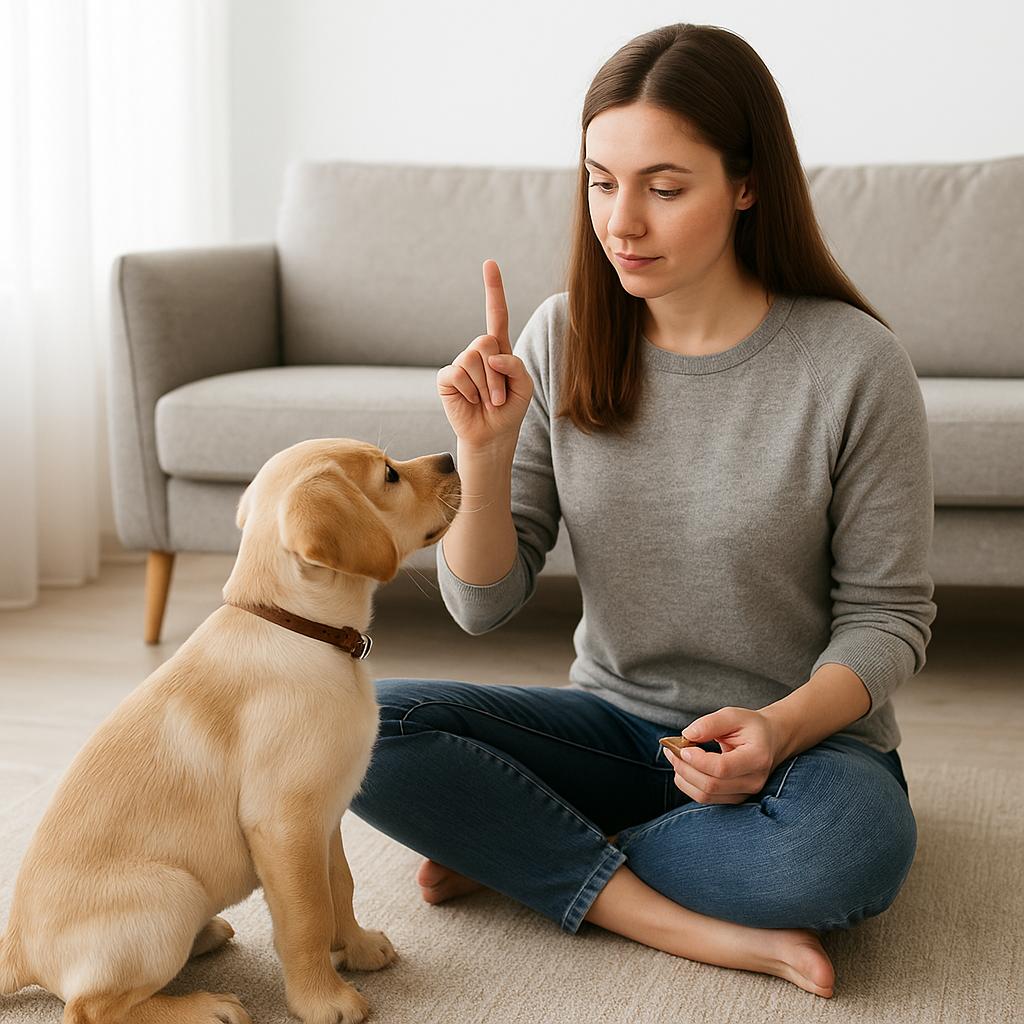
Quiet is easier when I know why the barking happens. Alert barking, boredom, and frustration need different solutions. Find the cause first.
I reward calm moments because that is the behaviour I want repeated.
Teach Your Puppy to Find Hidden Treats
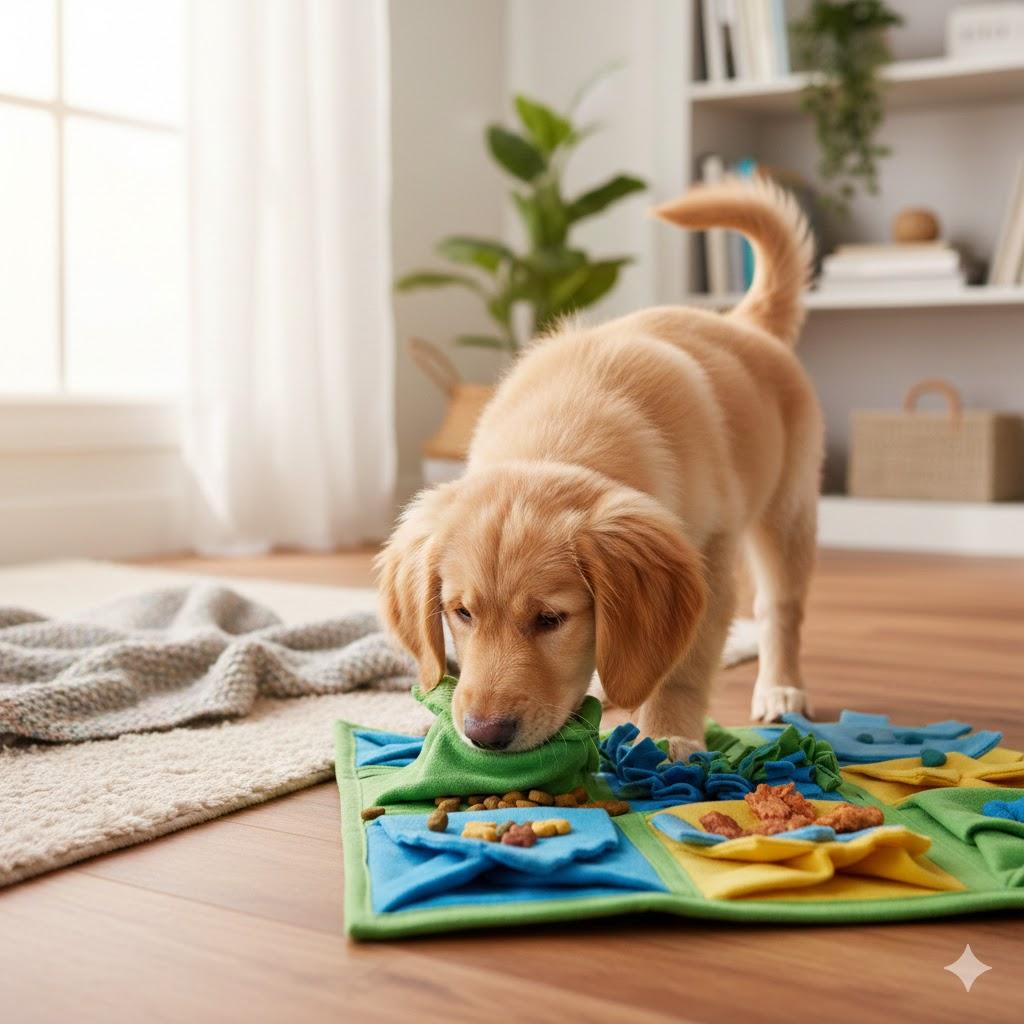
Nose games are brilliant enrichment. I hide treats in easy places and let the puppy search. Mental exercise matters just as much as physical play.
These games are especially helpful on days when weather ruins outdoor plans.
Train Your Puppy to Go to Their Bed
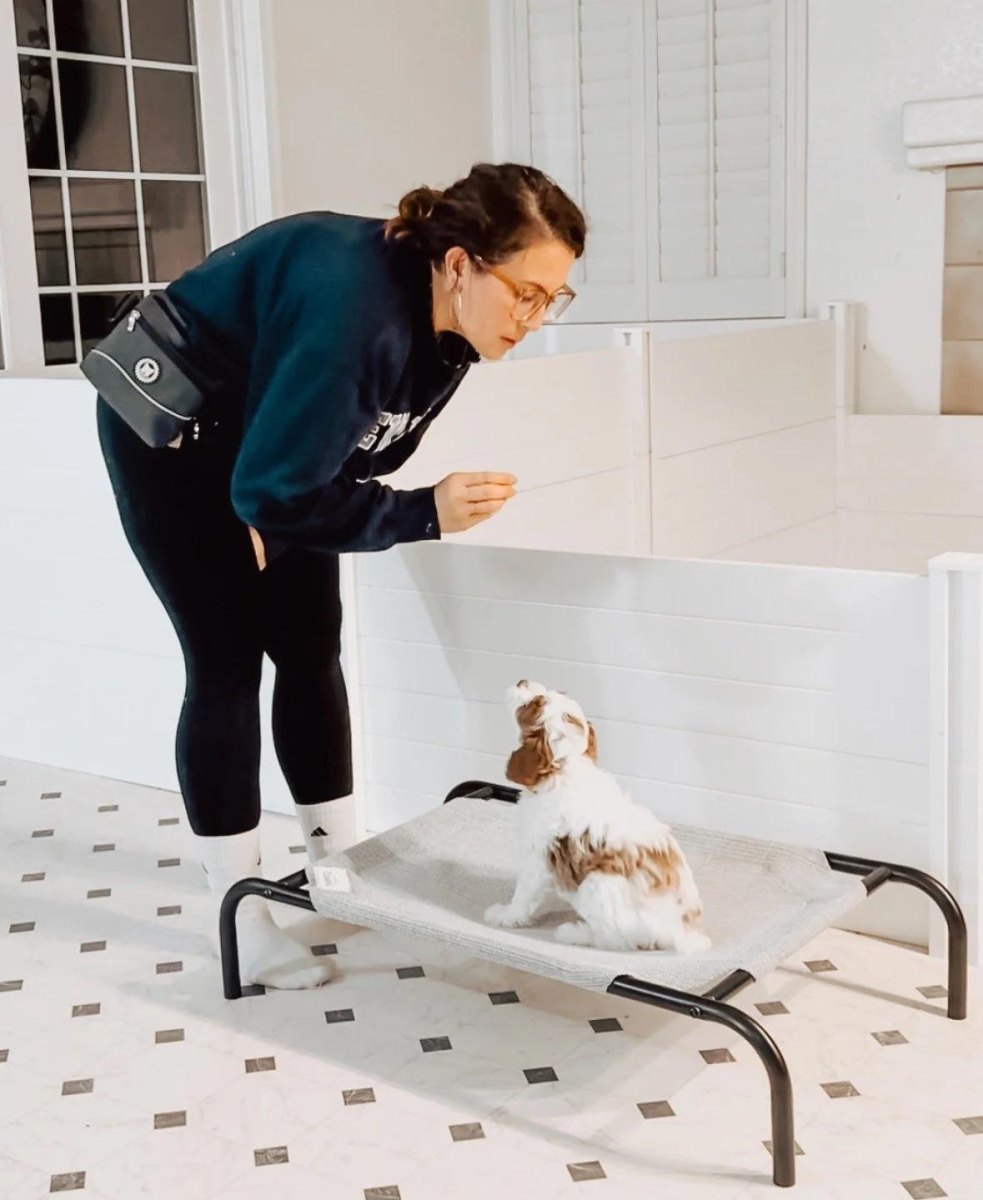
A bed cue gives puppies a predictable place to settle. I reward stepping onto the bed before asking for longer stays. Create a relaxing space, not a punishment spot.
Many busy households benefit from this simple skill.
Teach Your Puppy to Crawl
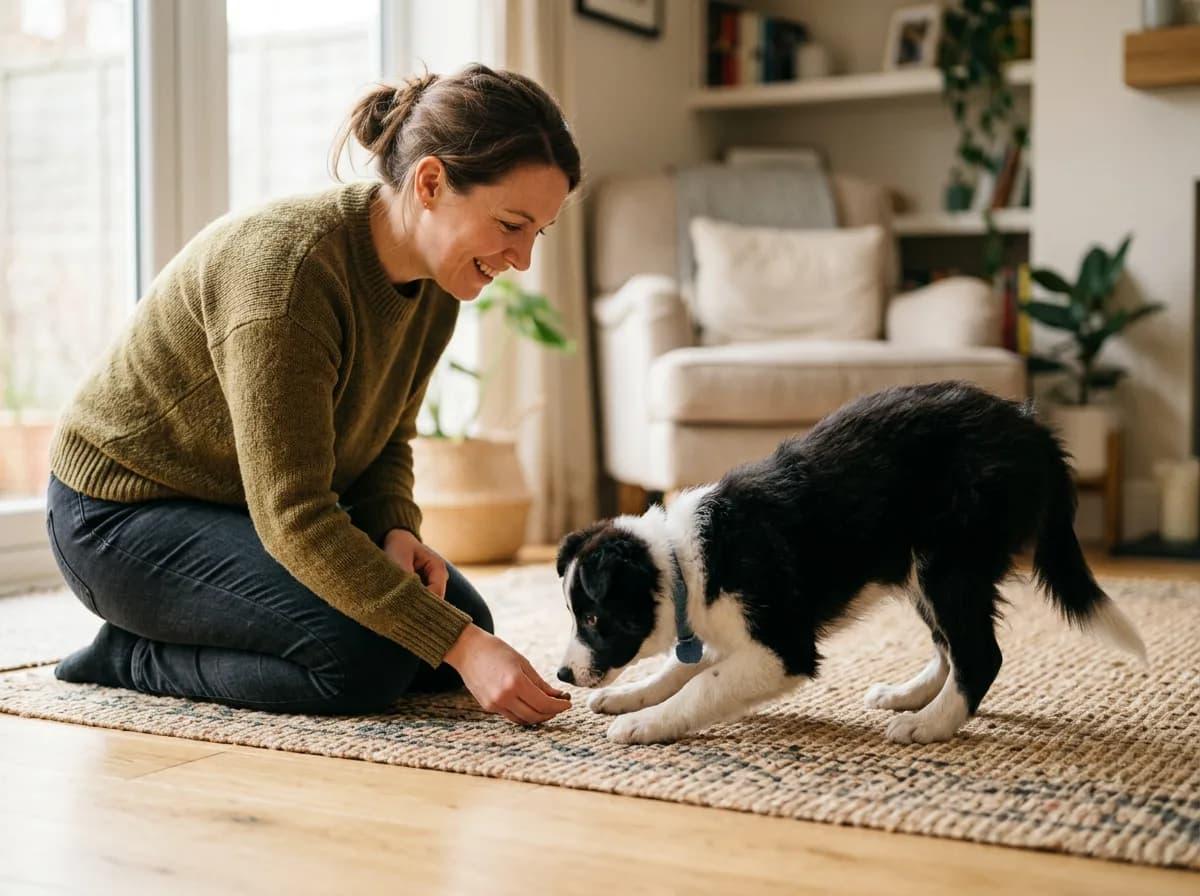
Crawling is a trick for puppies who enjoy close guidance. I reward tiny movements forward while keeping the session easy. Comfortable movement matters.
I skip this trick for puppies who seem physically uncomfortable.
Teach Your Puppy to Jump Through a Hoop
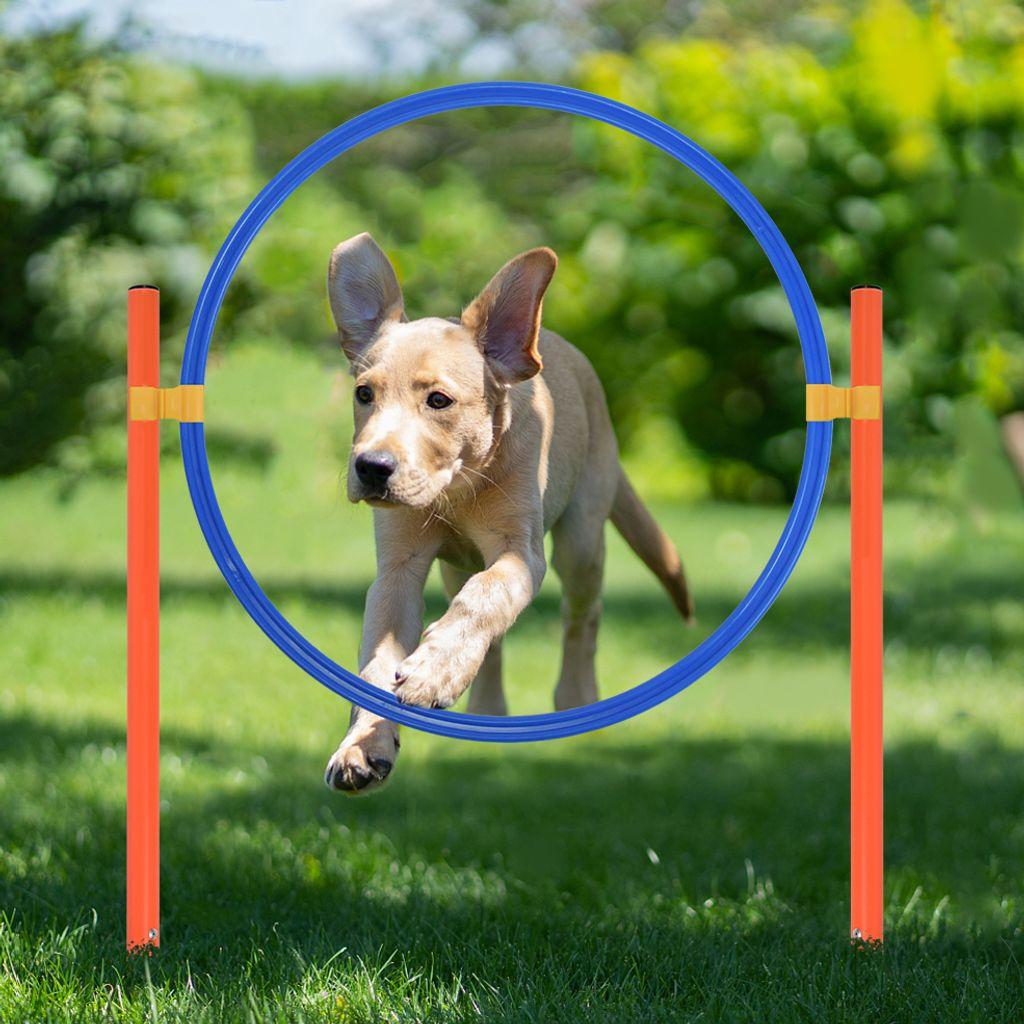
Hoop tricks should wait until a puppy has good coordination and physical maturity. I start with stepping through, not jumping. Safety beats spectacle.
Growing bodies need thoughtful exercise.
Teach Your Puppy to Balance Treats
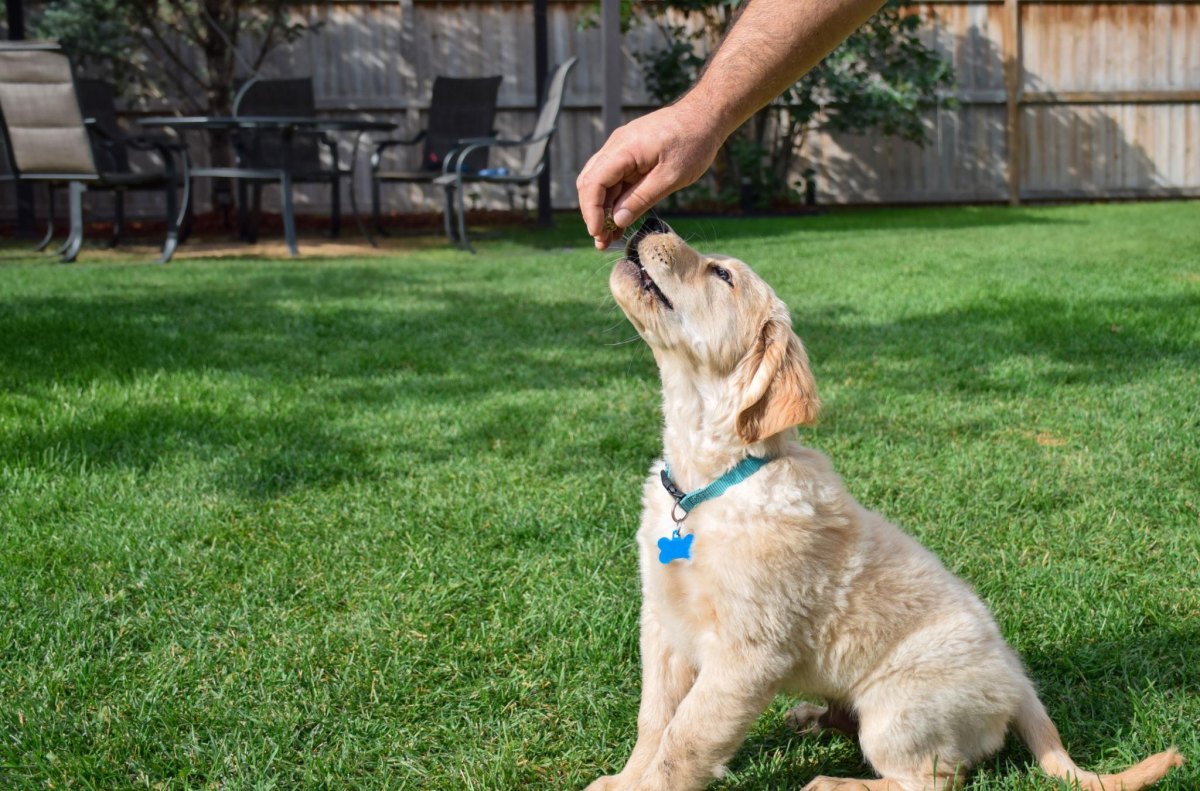
Balancing treats is mostly a patience exercise. I reward calm stillness and keep expectations realistic. Impulse control grows slowly.
The final photo is cute; the process is the real lesson.
Practice Simple Puzzle Tricks
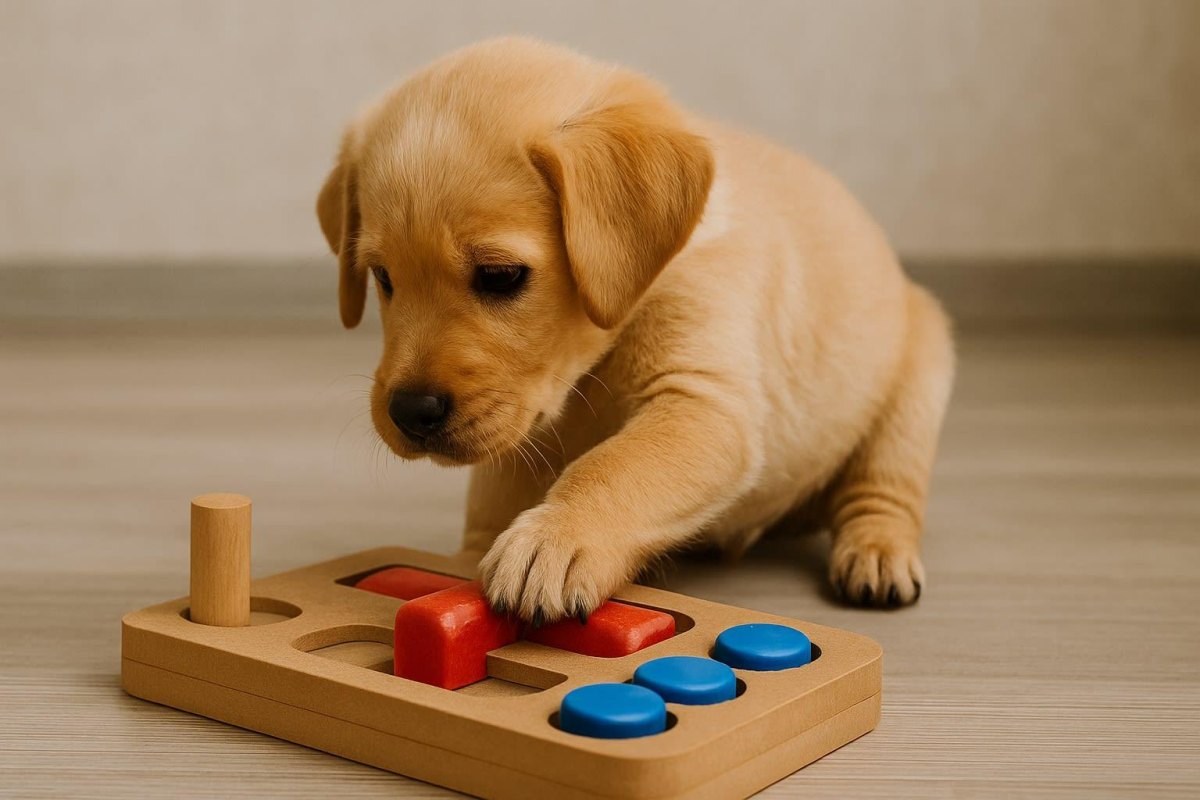
Puzzle tricks encourage puppies to think. I choose activities where the puppy can succeed without becoming frustrated. Problem solving builds confidence.
Enrichment should leave a puppy satisfied, not overwhelmed.
Combine Tricks Into a Puppy Routine
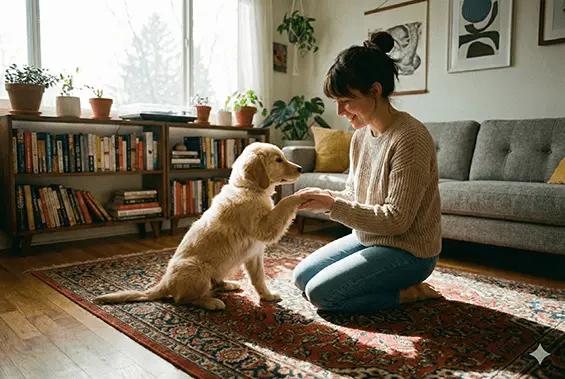
Once individual skills are reliable, I connect them into a short routine. Sit, paw, spin, and down become a conversation rather than a performance. Keep routines short and fun.
This is where many owners notice how much their puppy has learned.
Reward and Reinforce Puppy Trick Training
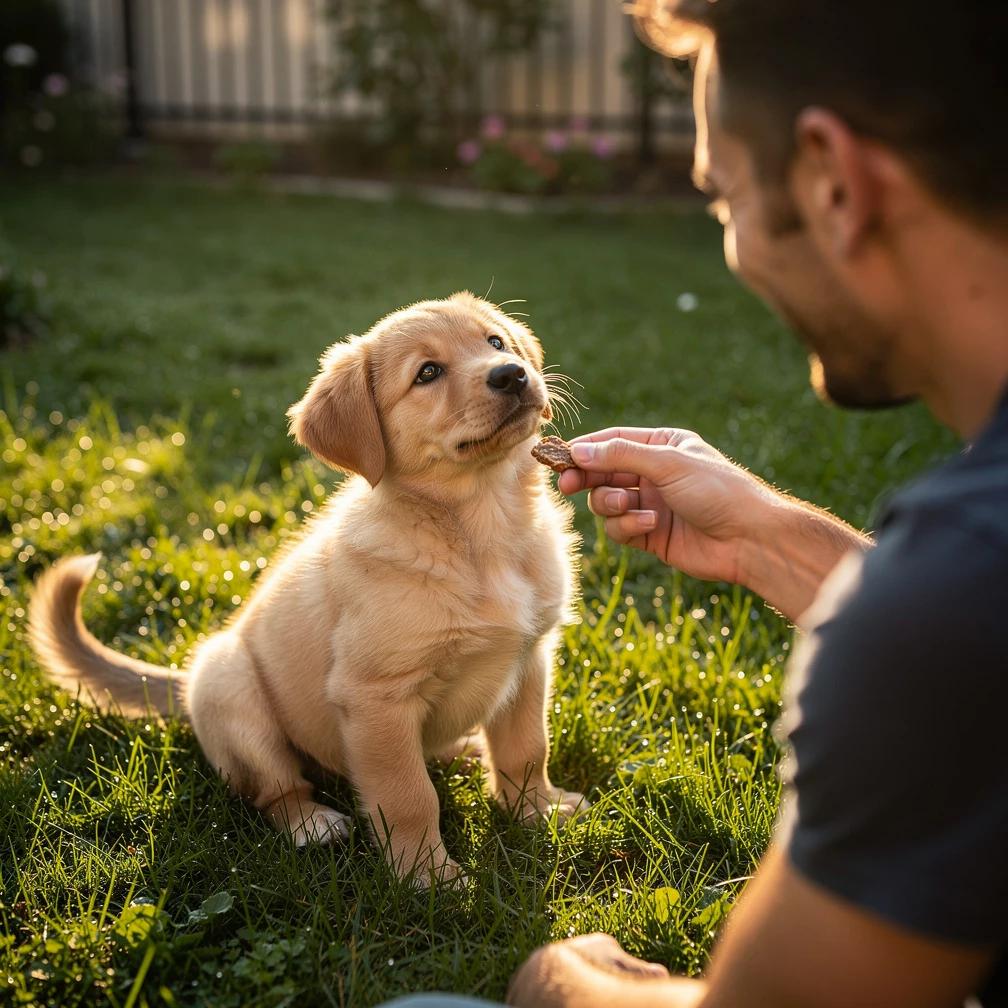
The reward is not just the treat. It is the relationship built through hundreds of tiny successful moments. Consistency creates reliability.
I still train Bruno at twelve because learning does not stop when puppyhood ends. It simply changes shape.




More Pinterest Visuals