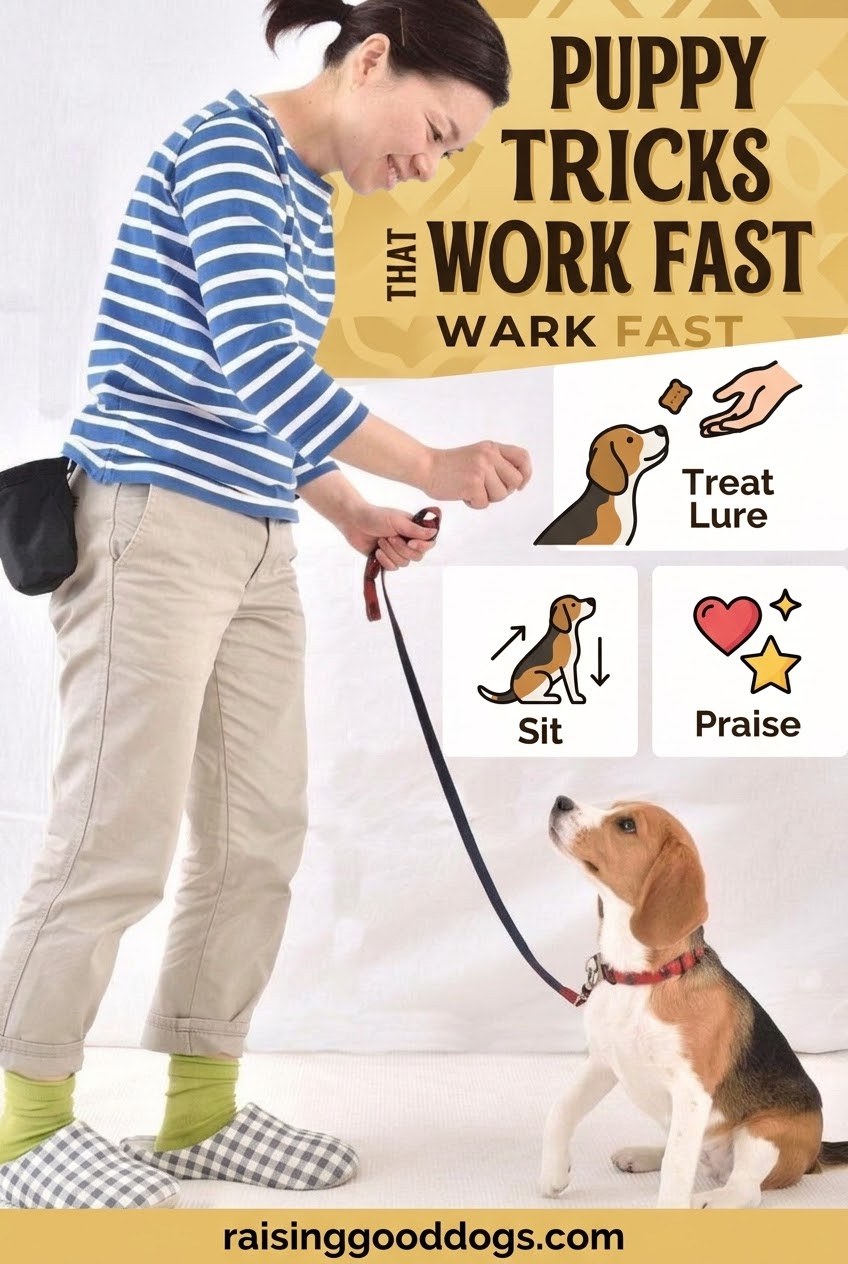
A puppy does not arrive knowing our house rules, and that is actually good news. I have found that the dogs who struggle most are often the ones asked to guess what humans want. My approach is simple: prevent rehearsing unwanted habits, teach clear alternatives, and reward the choices we want repeated.
These puppy training tricks are the same kind of small skills I use in real homes, where the floor is messy, the weather is awful, and the puppy has other ideas.
Teach Your Puppy to Sit on Command
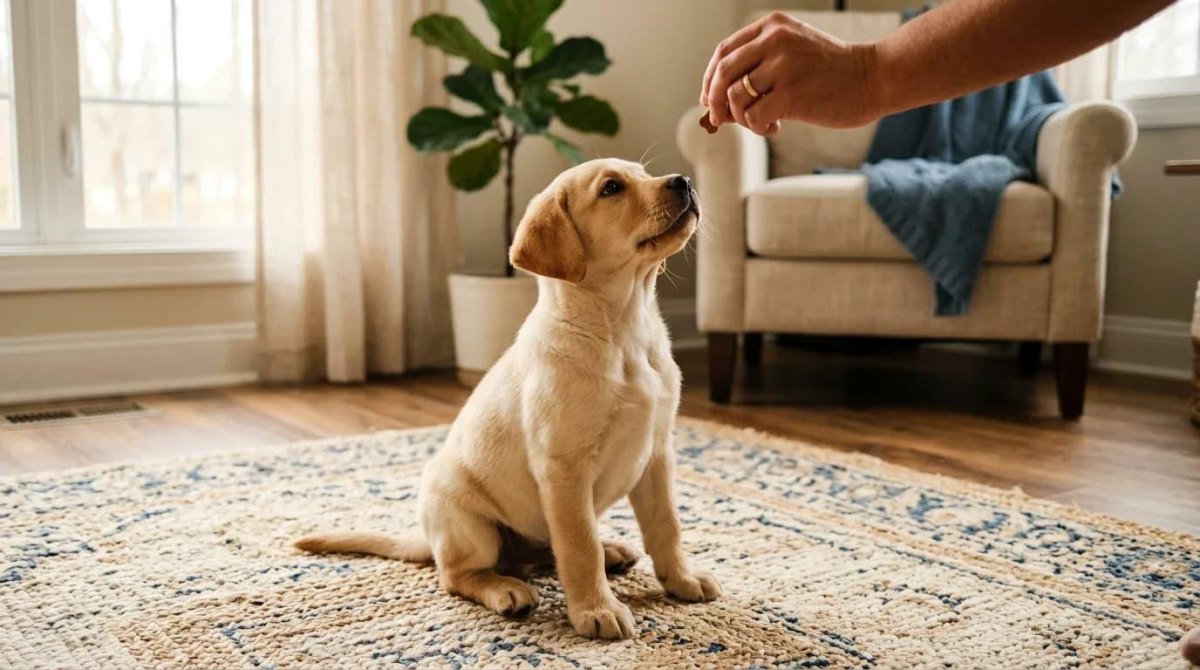
I start sit training in a quiet room where the puppy can think. The goal is not perfection; it is building a clear communication habit with tiny rewards.
Practice a few repetitions, then stop while your puppy still wants more.
Practice the “Stay” Training Trick
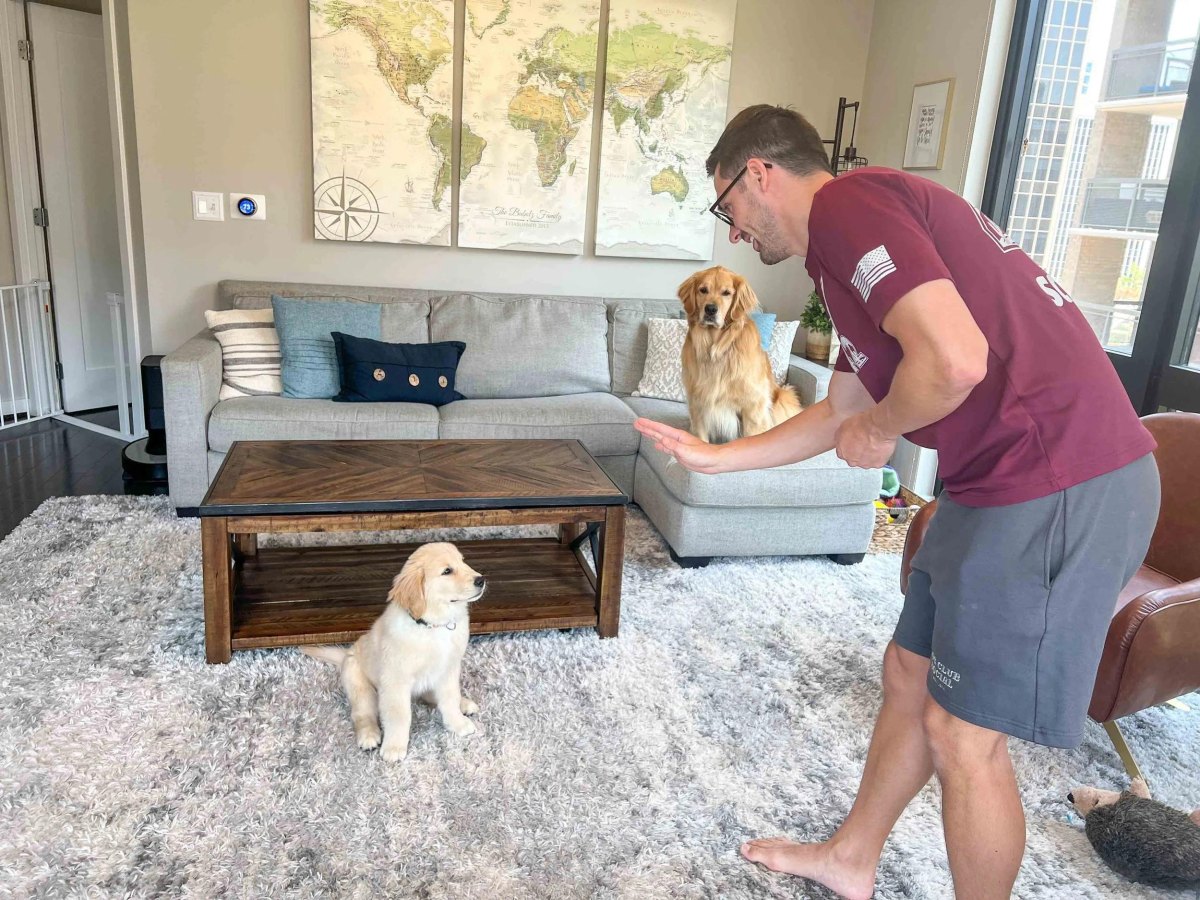
Stay begins with one second, not ten minutes. I reward calm waiting behavior before slowly adding distance, distractions, and time.
If your puppy gets up, I simply make the exercise easier instead of turning it into a battle.
Train a Reliable Recall Cue
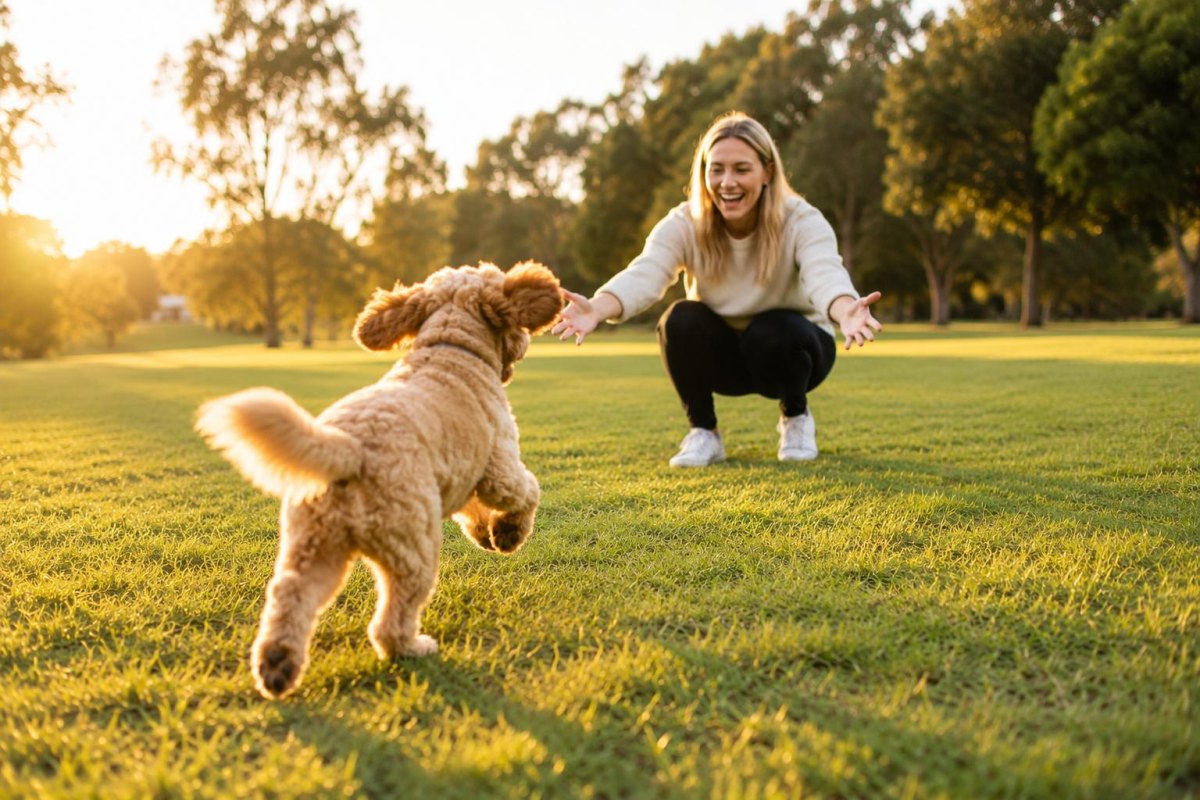
A recall cue is built when coming to you always feels worthwhile. I protect the word by avoiding situations where the puppy repeatedly ignores the come signal.
Short games at home often create the foundation for outdoor success.
Use Positive Reinforcement Effectively
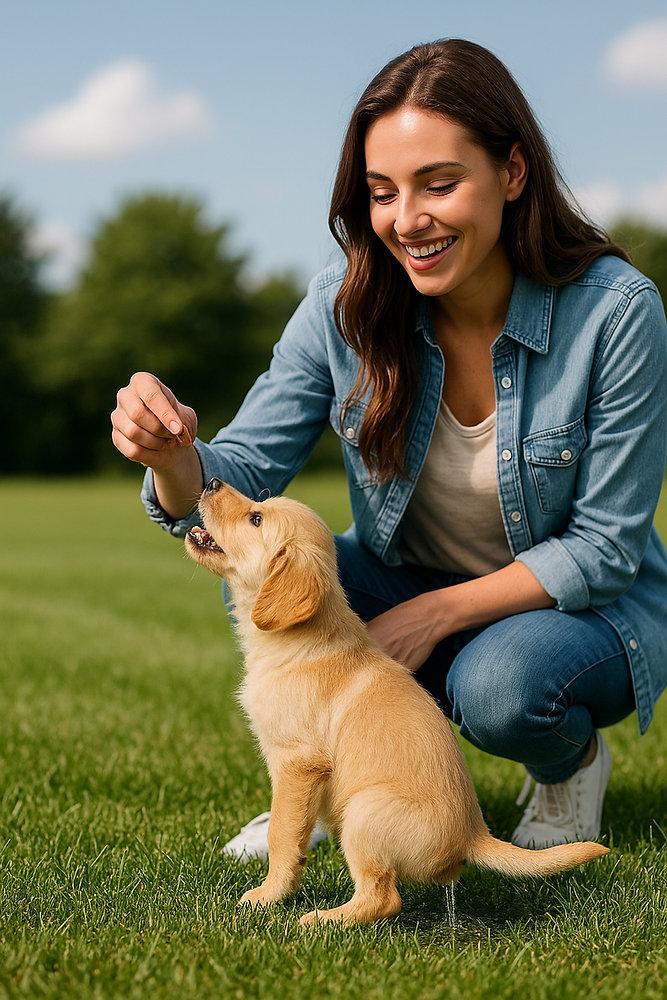
Reward-based training works because puppies repeat behaviors that pay off. I look for the exact moment of good puppy choices and mark it clearly.
Treats, play, praise, and access to fun can all become rewards.
Teach Your Puppy to Come When Called
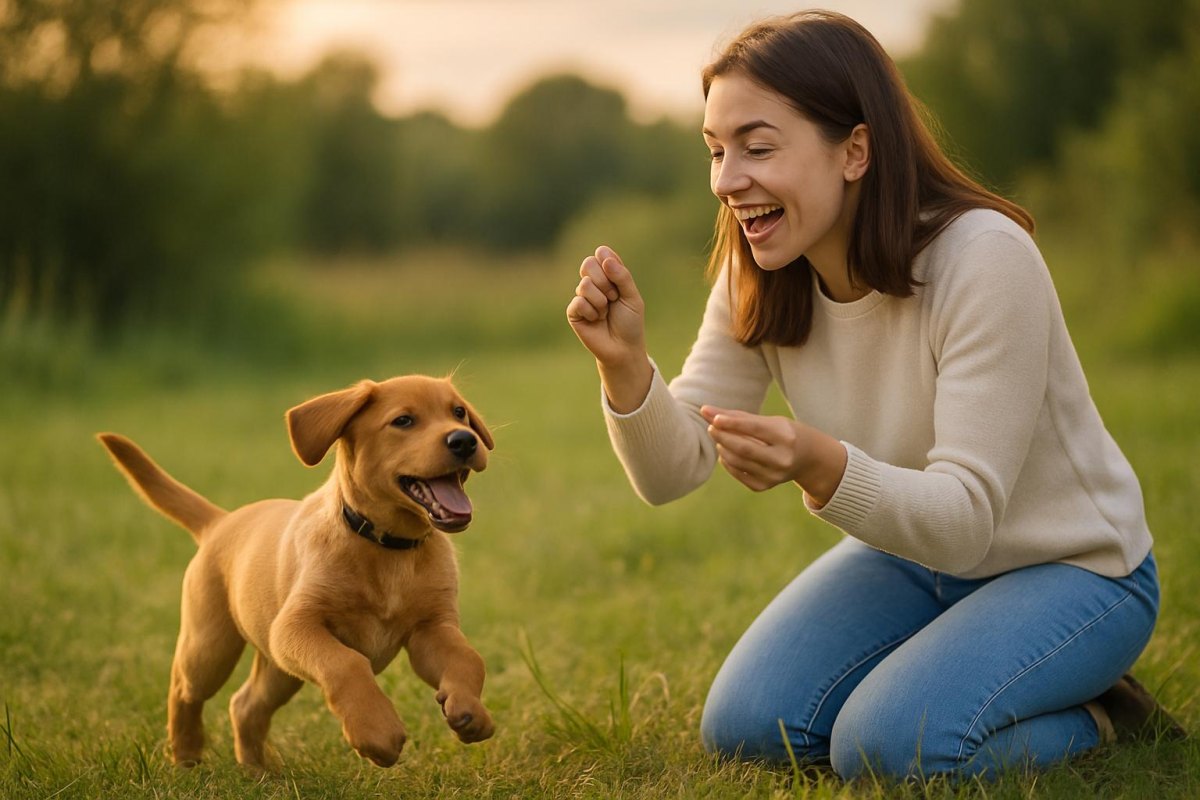
I separate recall practice from emergency recall situations. A puppy learns faster when coming back feels safe, not when the cue predicts the end of every adventure.
Build the behavior indoors before expecting it outdoors.
Master Leash Walking Skills
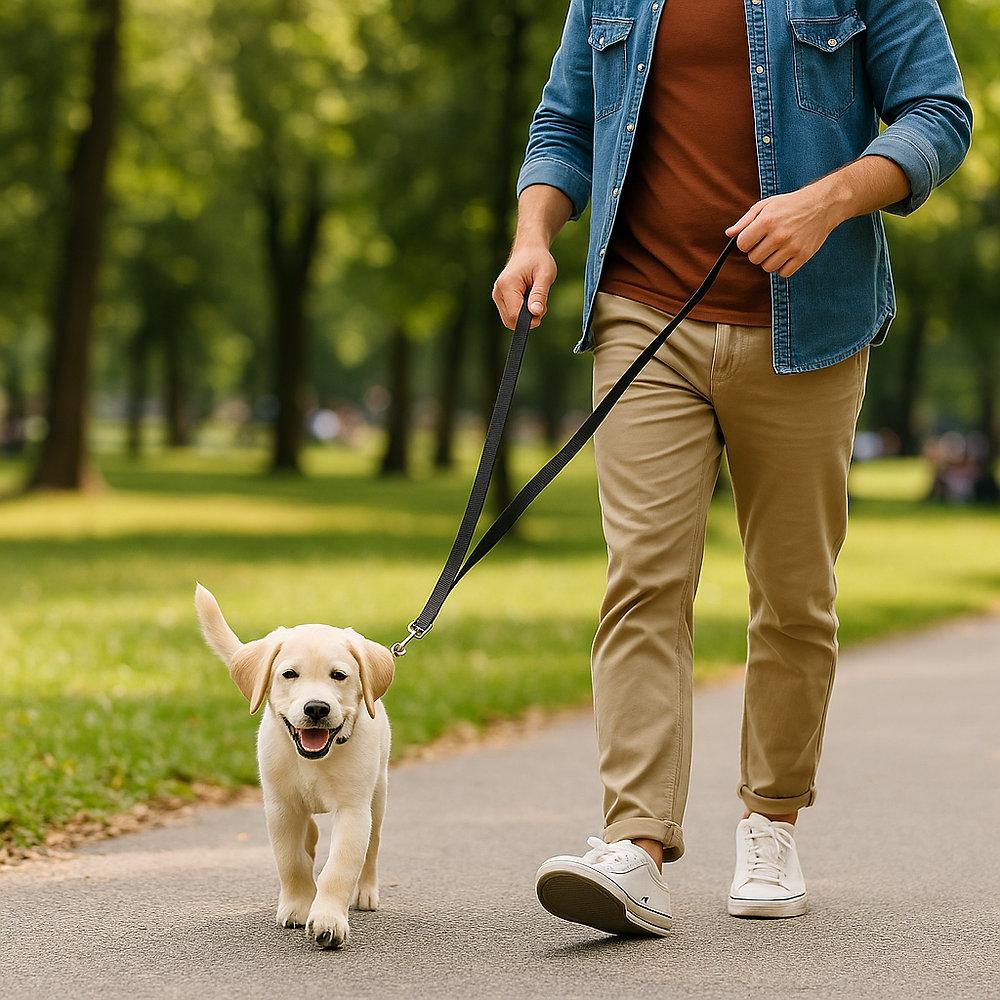
The first walks are usually slow, and that is normal. I reward the moments when the leash is loose and teach the puppy that walking beside you brings good things.
Management matters too: quieter routes help puppies learn.
Stop Puppy Biting During Play
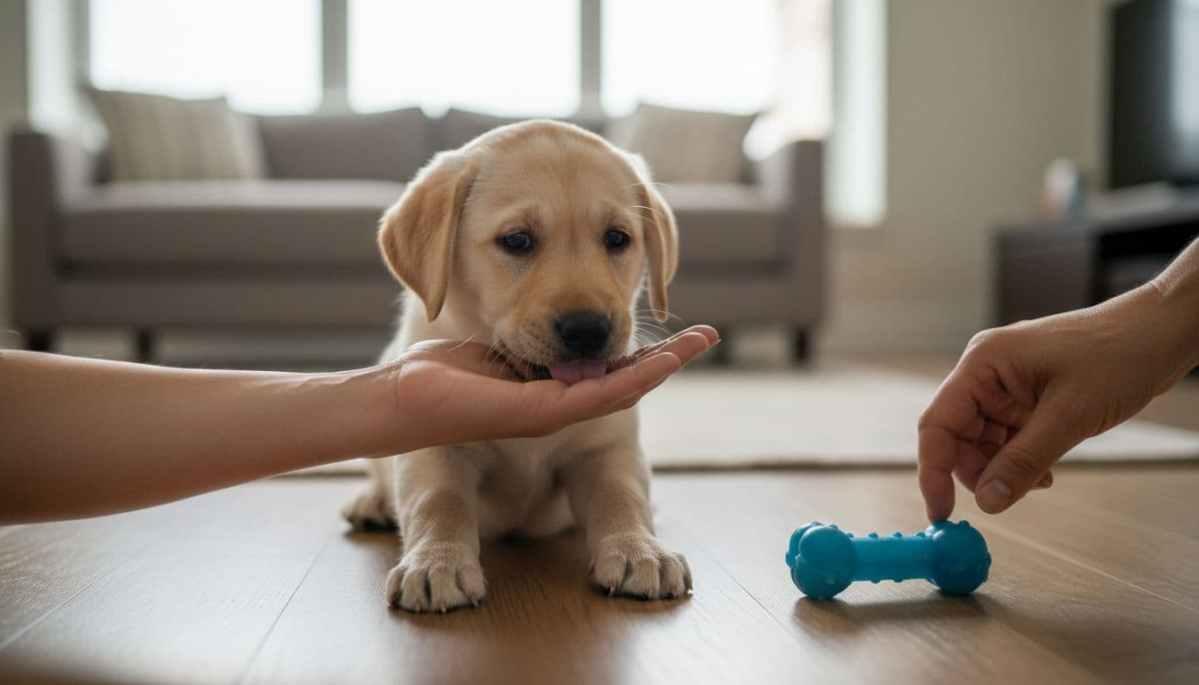
Puppy biting is usually exploration and play, not aggression. I redirect toward toys and teach appropriate mouth behavior rather than punishing normal development.
Overtired puppies often bite more, so naps are part of training.
Introduce Crate Training Gradually
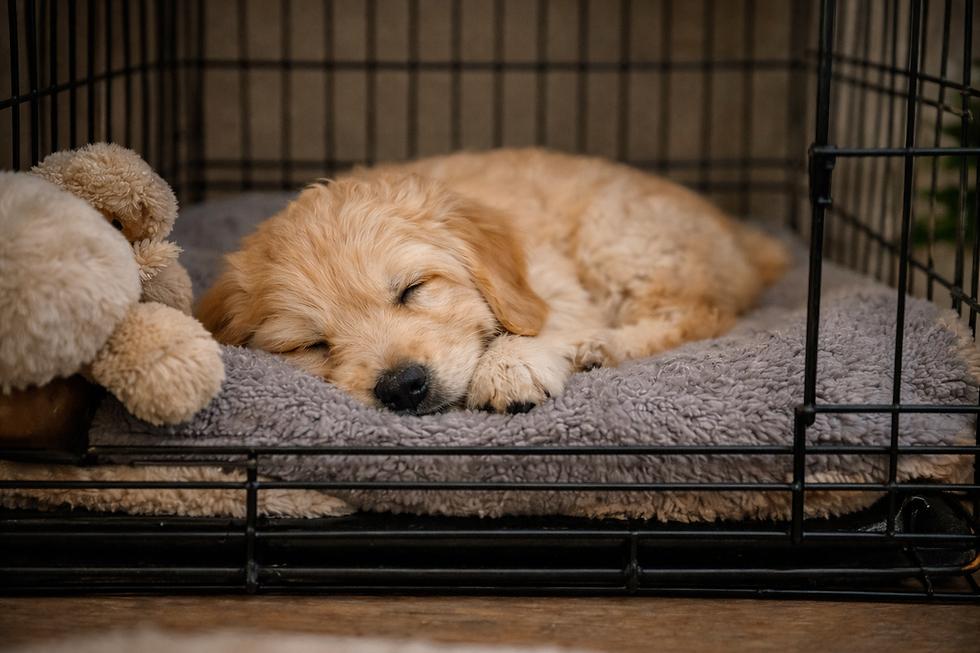
A crate should become a comfortable resting place, never a punishment box. I build positive associations through slow crate practice and respect signs of distress.
Some dogs prefer other safe spaces, and that is completely fine.
Build Good Potty Training Habits
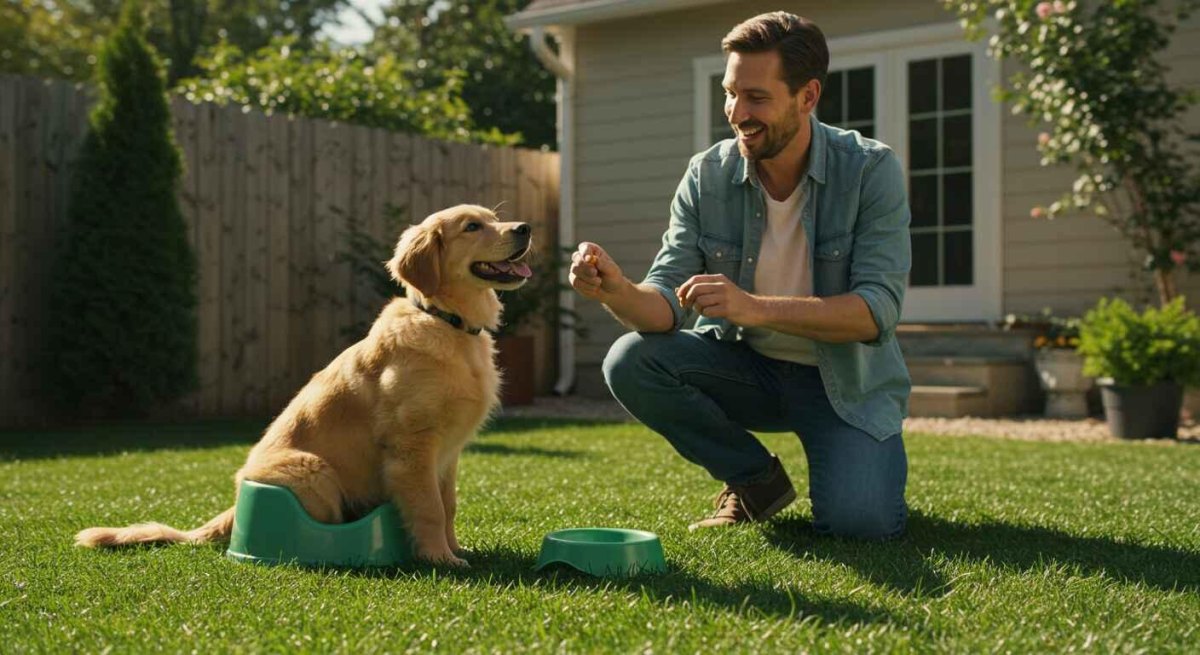
Potty training improves when the environment prevents mistakes. I use schedules, supervision, and rewards for successful bathroom trips.
Sudden accidents after reliable training deserve a veterinary check.
Teach the “Leave It” Command
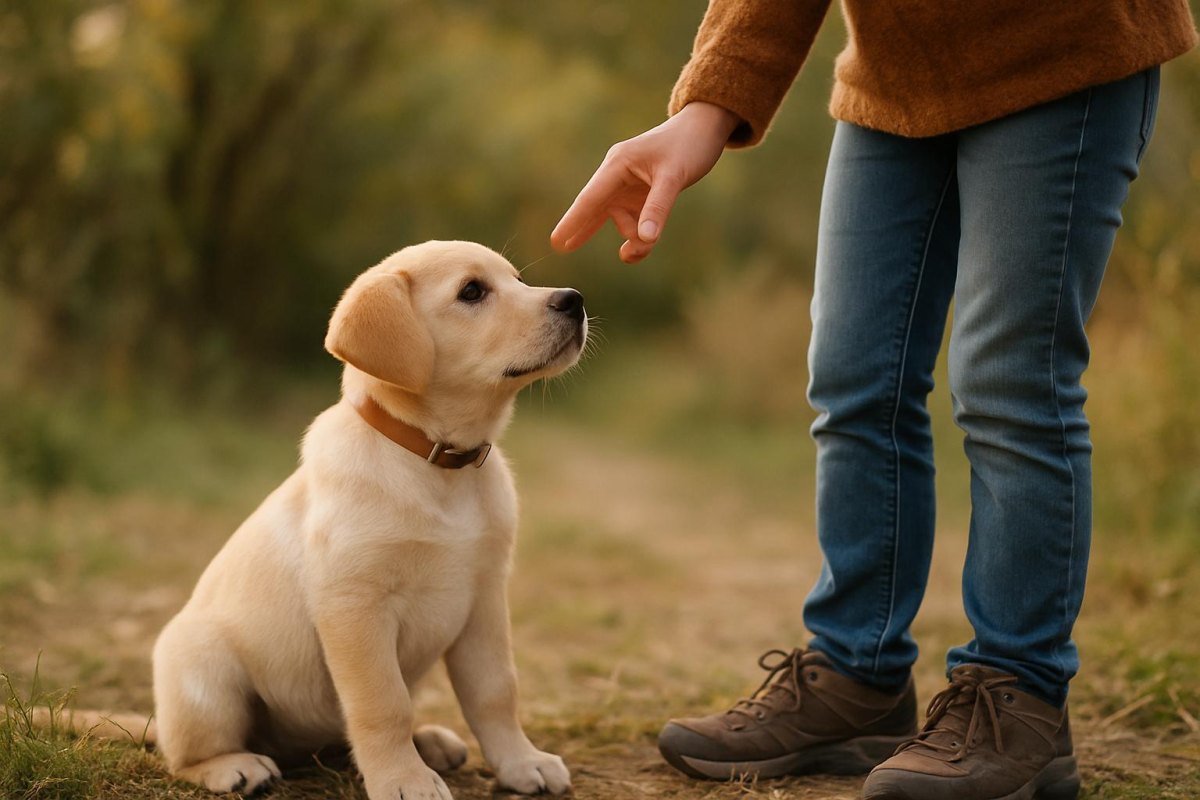
Leave it is not about taking things away after the puppy grabs them. I teach choosing something better before the unwanted item becomes a habit.
Start with easy objects and increase difficulty gradually.
Train Your Puppy to Drop Objects
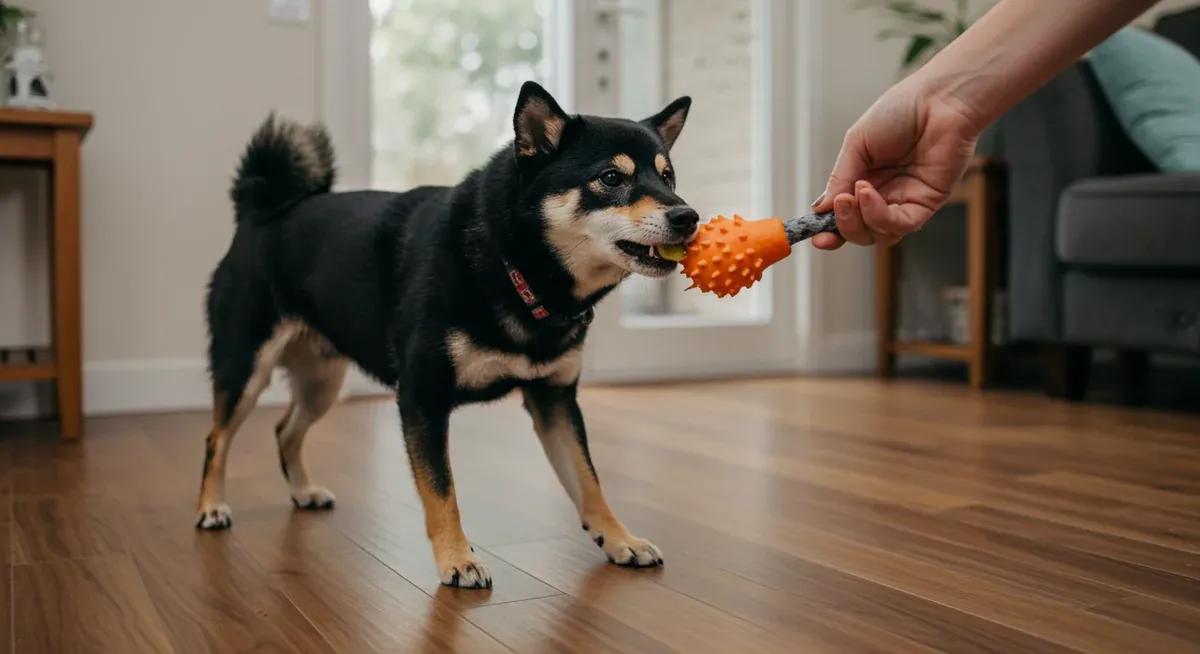
Drop training prevents many future struggles over toys and household items. I trade for rewards and create cooperative behavior instead of chasing the puppy.
A puppy that trusts the exchange gives up items more easily.
Encourage Calm Greetings
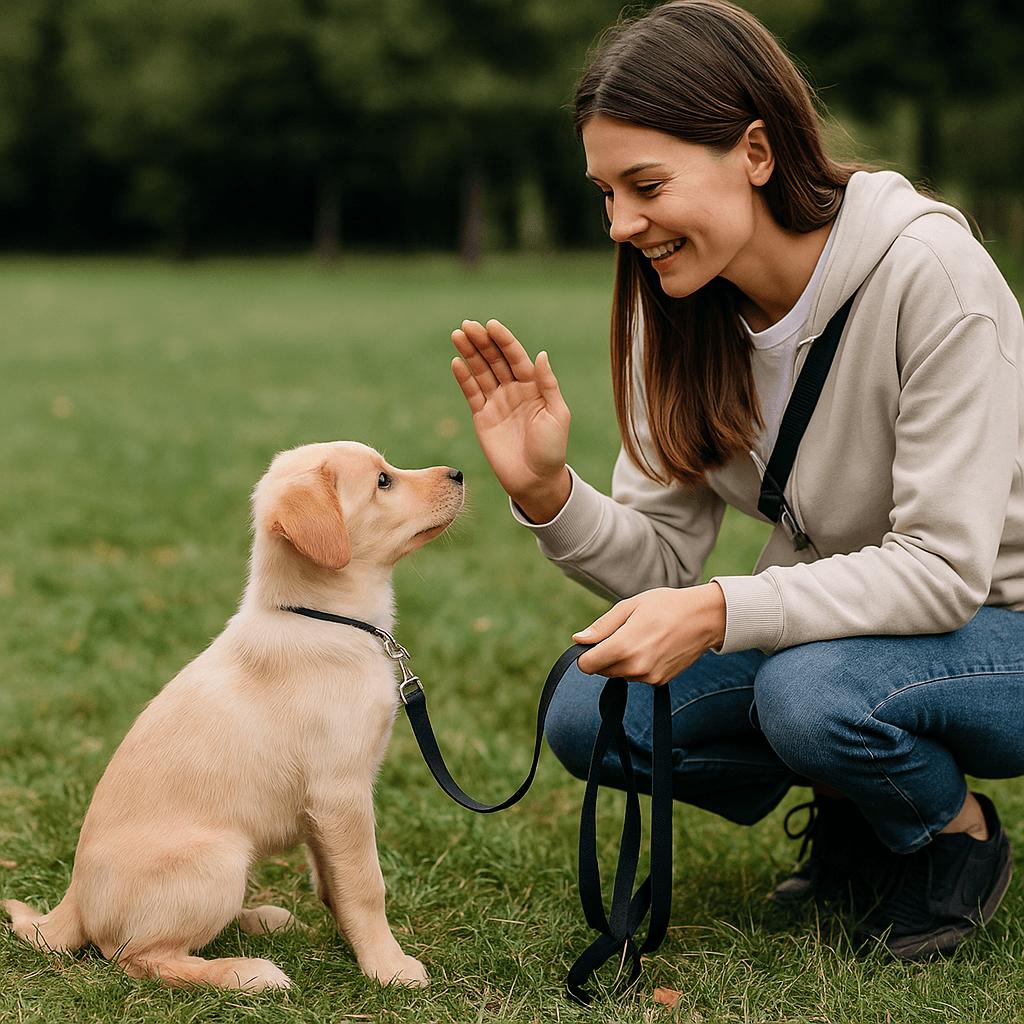
Jumping greetings are often excitement, not stubbornness. I reward four paws on the floor and ask visitors to avoid creating chaos.
Calm greetings take repetition, especially with social puppies.
Socialize Your Puppy Safely
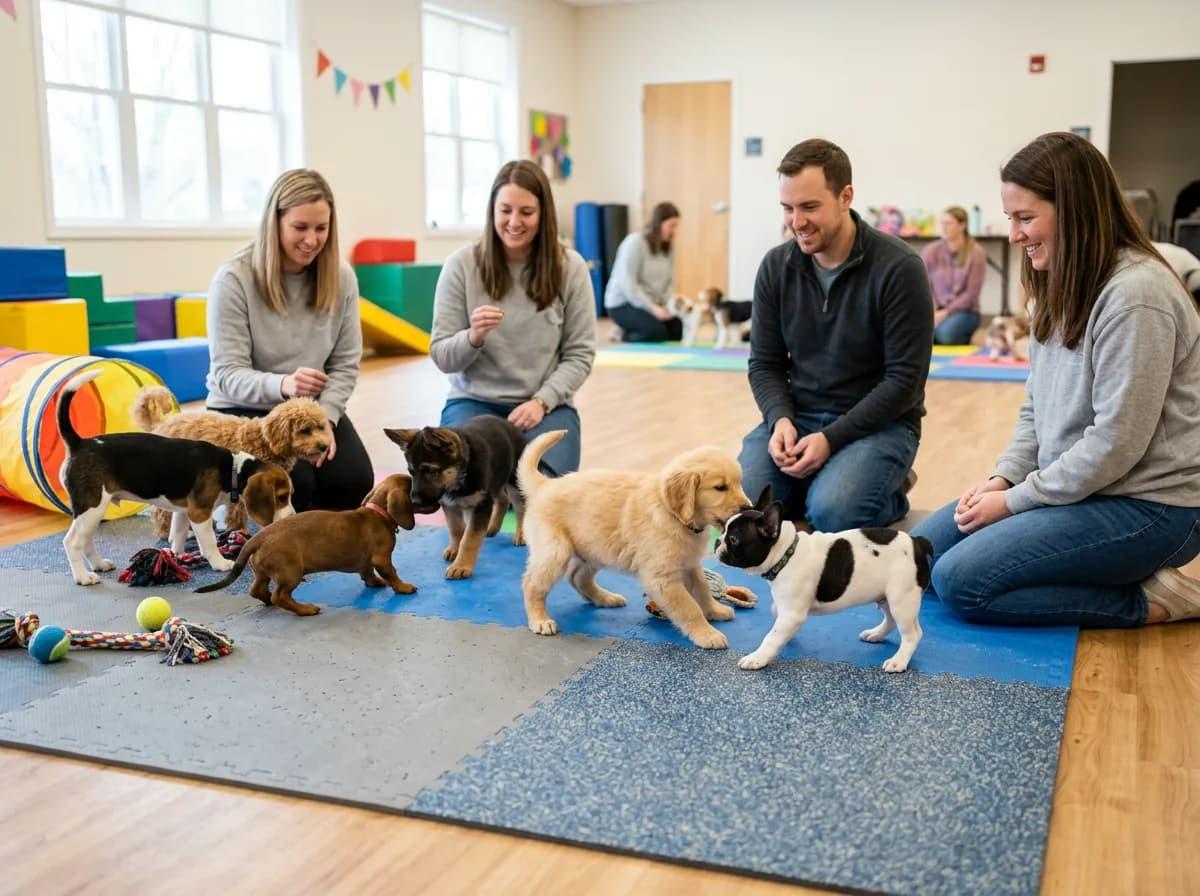
Good socialization means positive experiences, not forcing a puppy into every situation. I watch body language and protect comfortable exposure.
A puppy who can leave a scary situation learns confidence.
Teach the “Down” Position
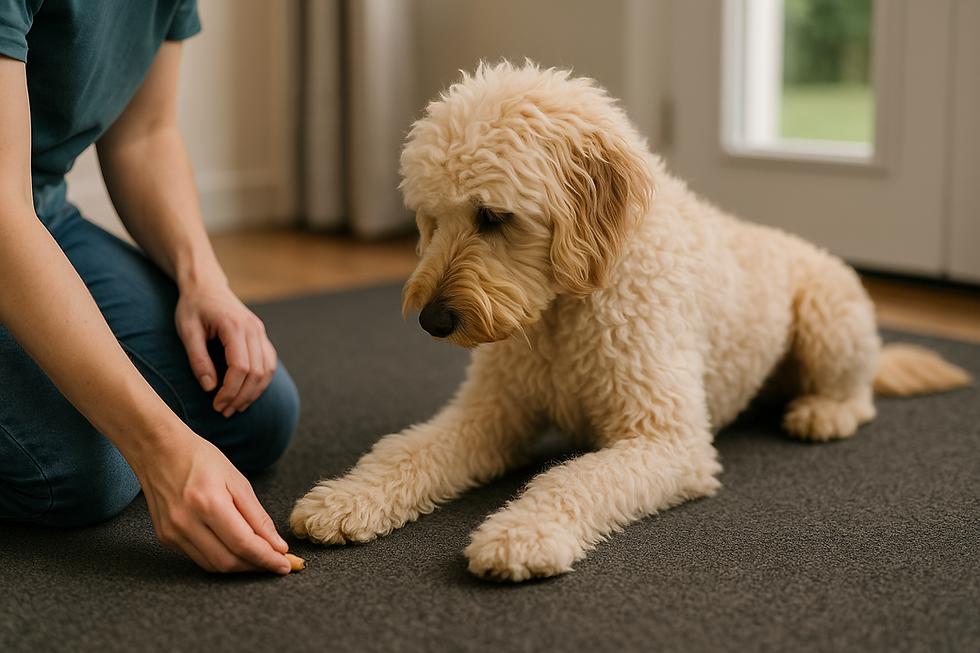
Down is easier when the puppy understands that relaxing earns rewards. I build settled body language rather than pushing the puppy into position.
Short sessions create better learning.
Practice Name Recognition Training
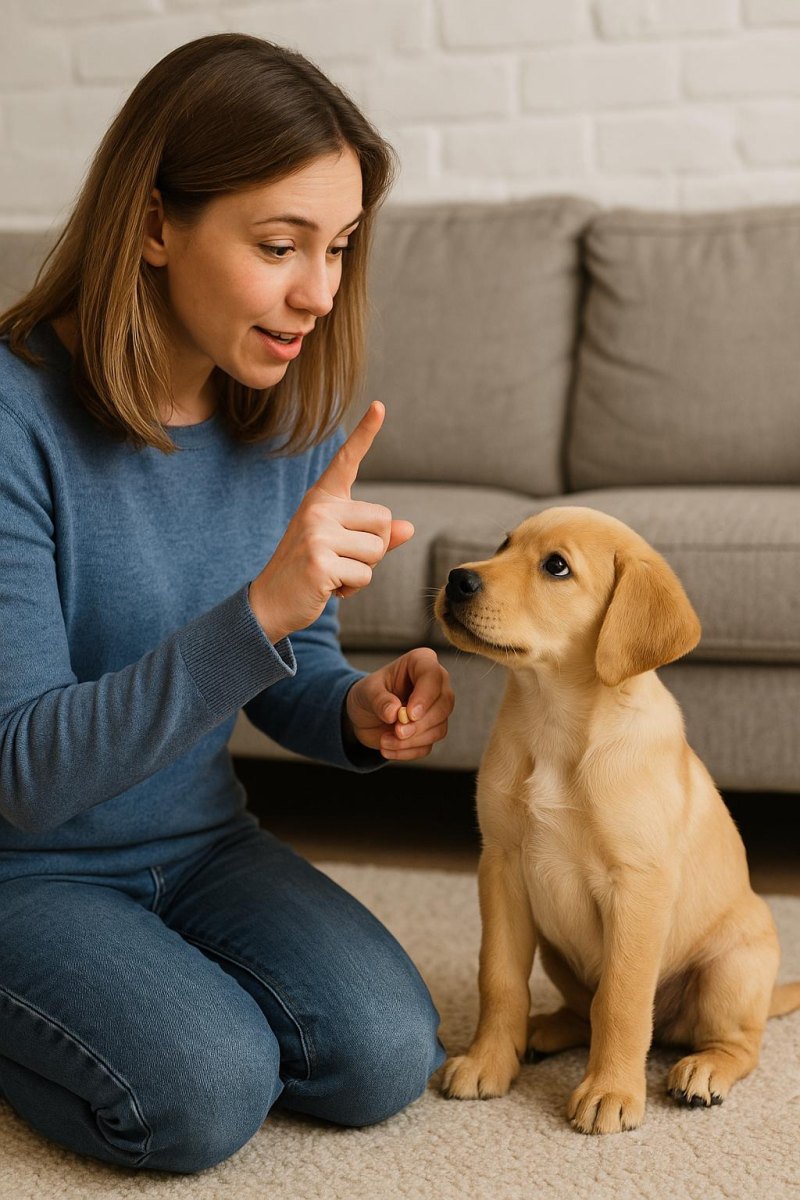
Your puppy’s name should mean something wonderful. I reward attention after hearing it so the name becomes a positive attention cue.
Practice before you need it in distracting places.
Use Clicker Training Techniques
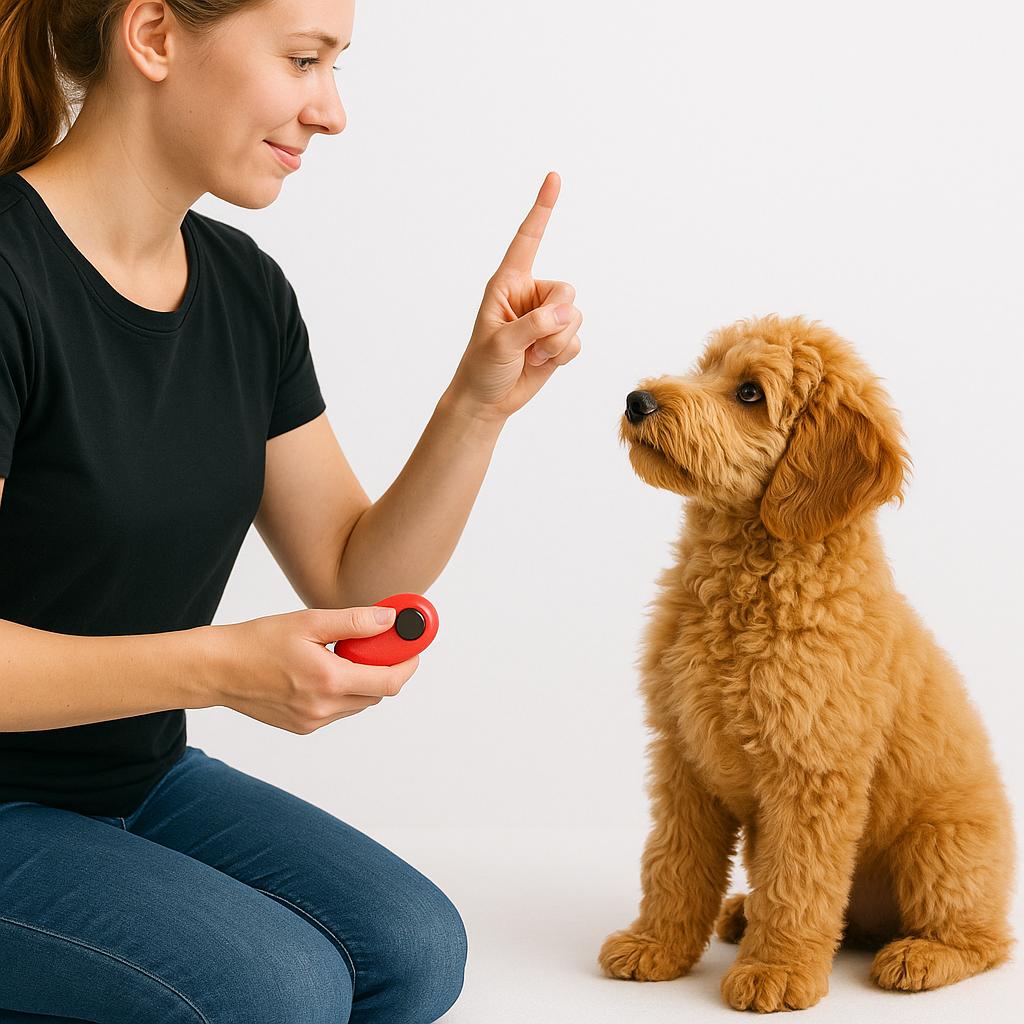
A clicker is simply a precise way to mark behavior. I use it to capture tiny training moments that might otherwise pass unnoticed.
The reward after the click is what gives the sound meaning.
Prevent Excessive Barking
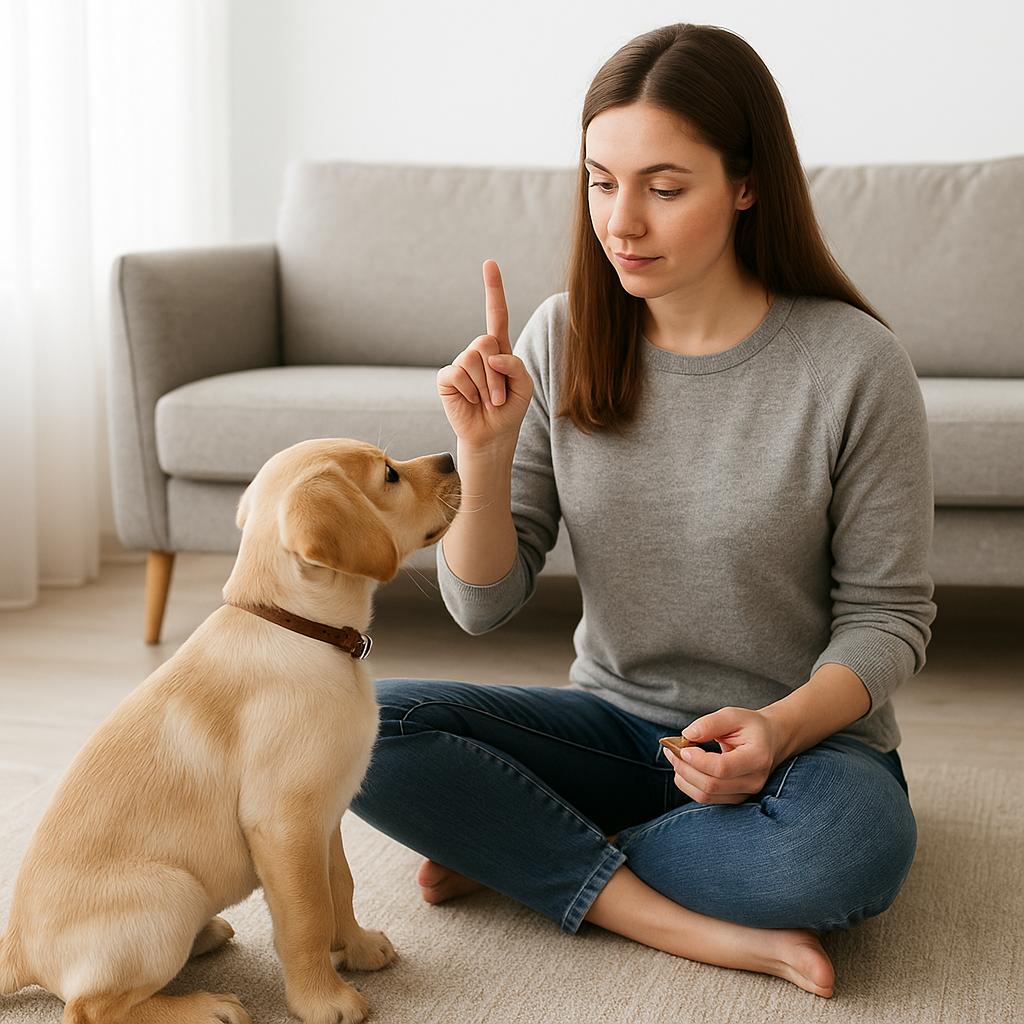
Barking tells me something about the puppy’s needs. I first identify the cause, then teach alternative behaviors instead of only trying to stop noise.
Sudden changes in barking patterns should be discussed with a vet.
Teach Your Puppy Fun Tricks
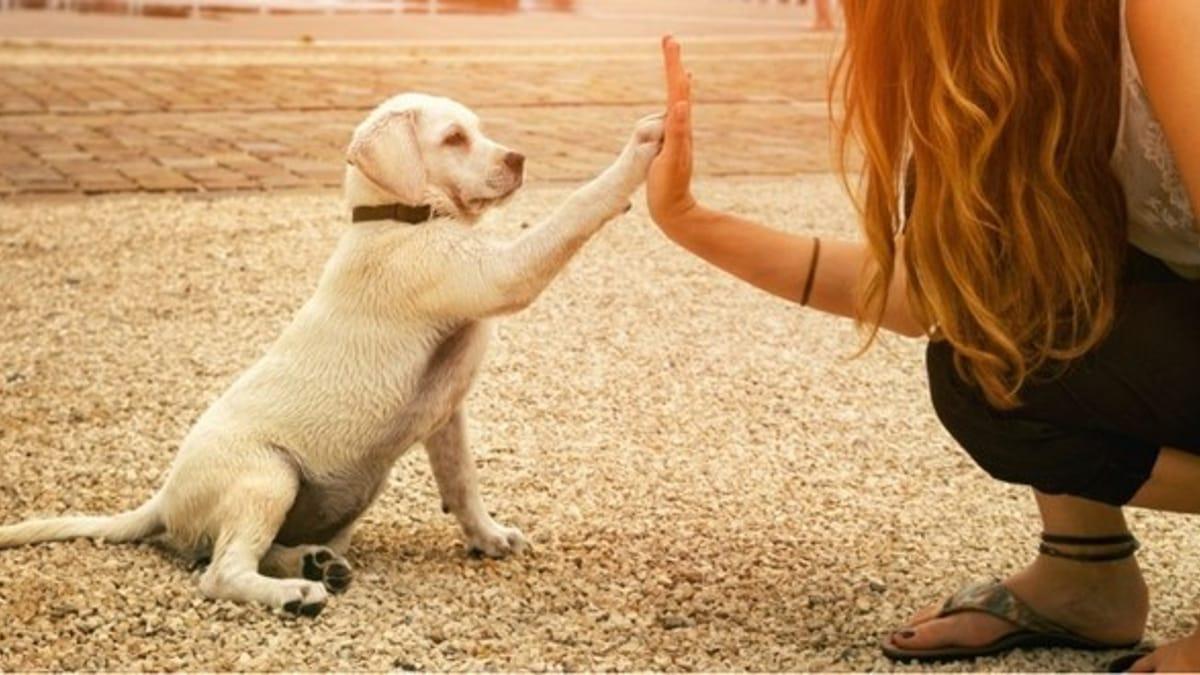
Tricks are not just entertainment; they build teamwork. Shake, spin, and other games strengthen training confidence.
I keep tricks optional and focused on enjoyment.
Train Better Focus and Attention
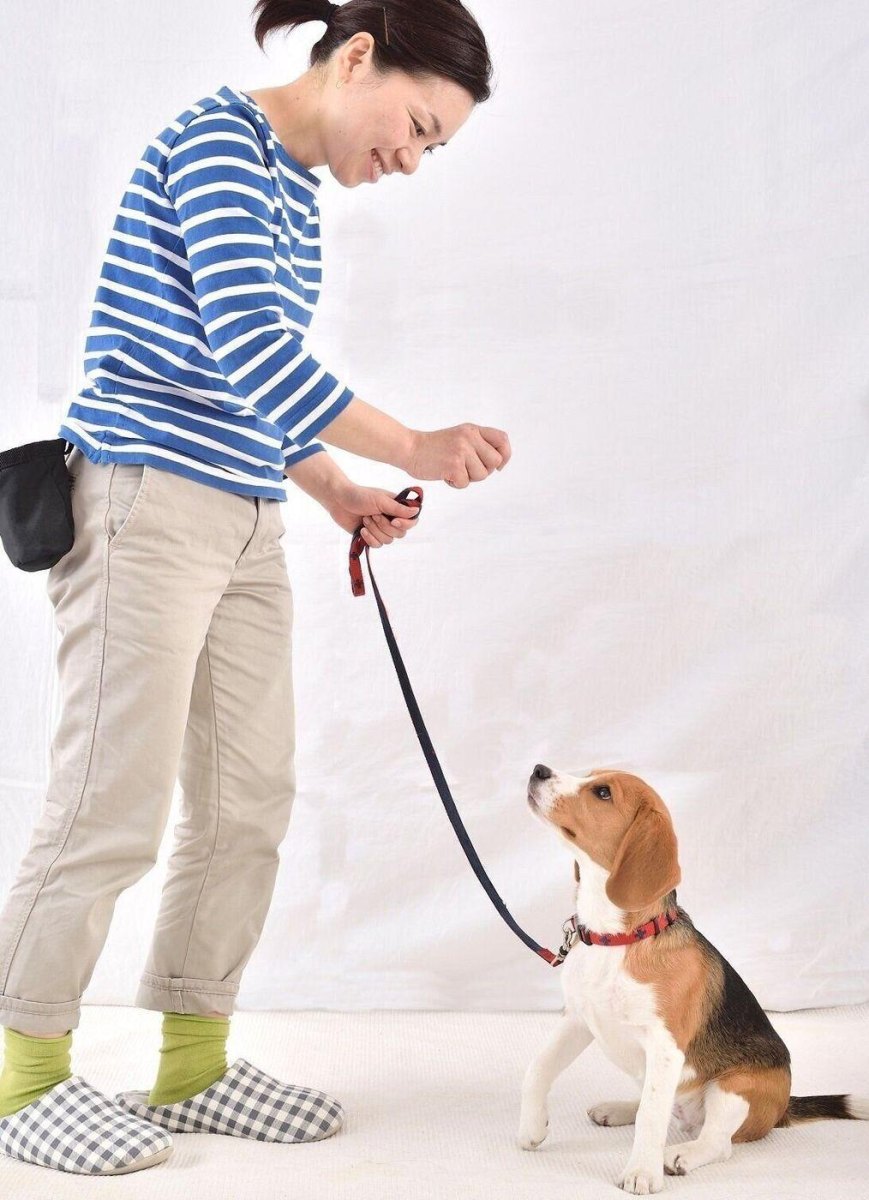
Attention is a skill that grows slowly. I reward eye contact and teach voluntary focus before expecting concentration around distractions.
A tired, overstimulated puppy cannot learn well.
Reward Good Chewing Behavior
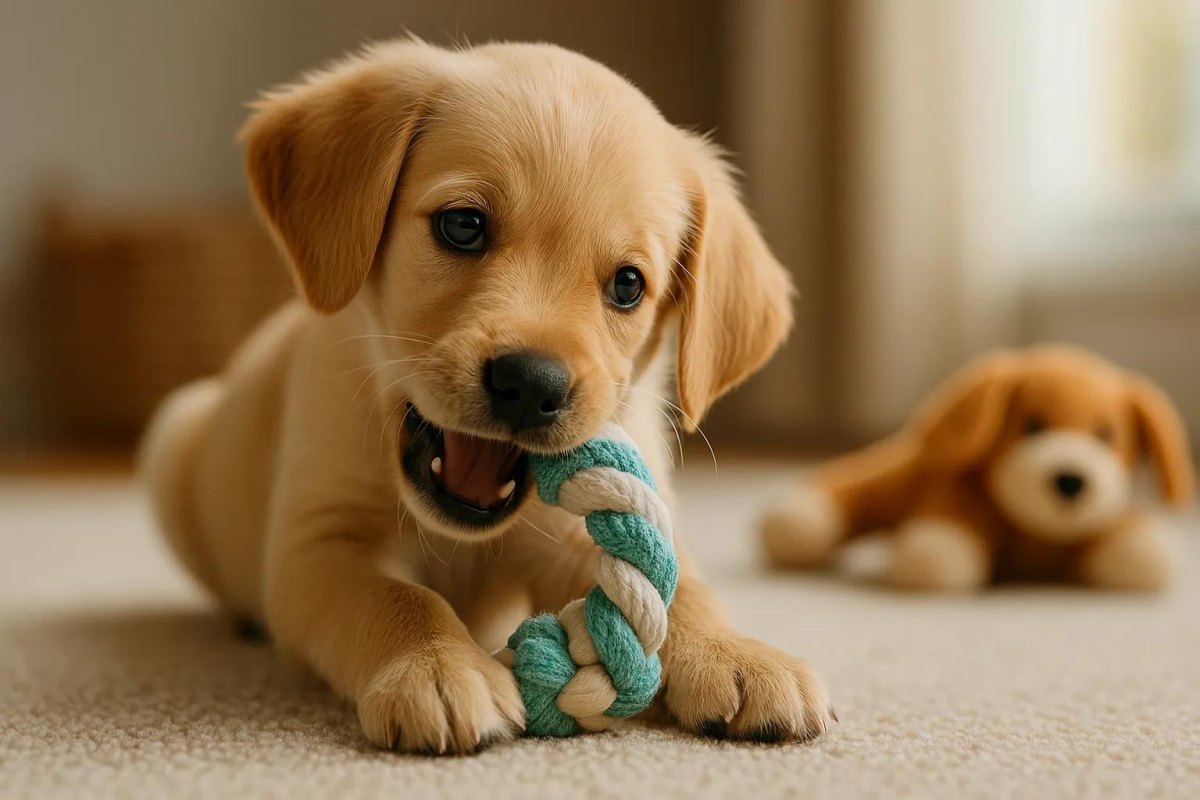
Chewing is a puppy need, not a moral failure. I provide legal outlets and reward appropriate chewing choices.
Management keeps shoes and furniture out of the training plan.
Teach Impulse Control Games
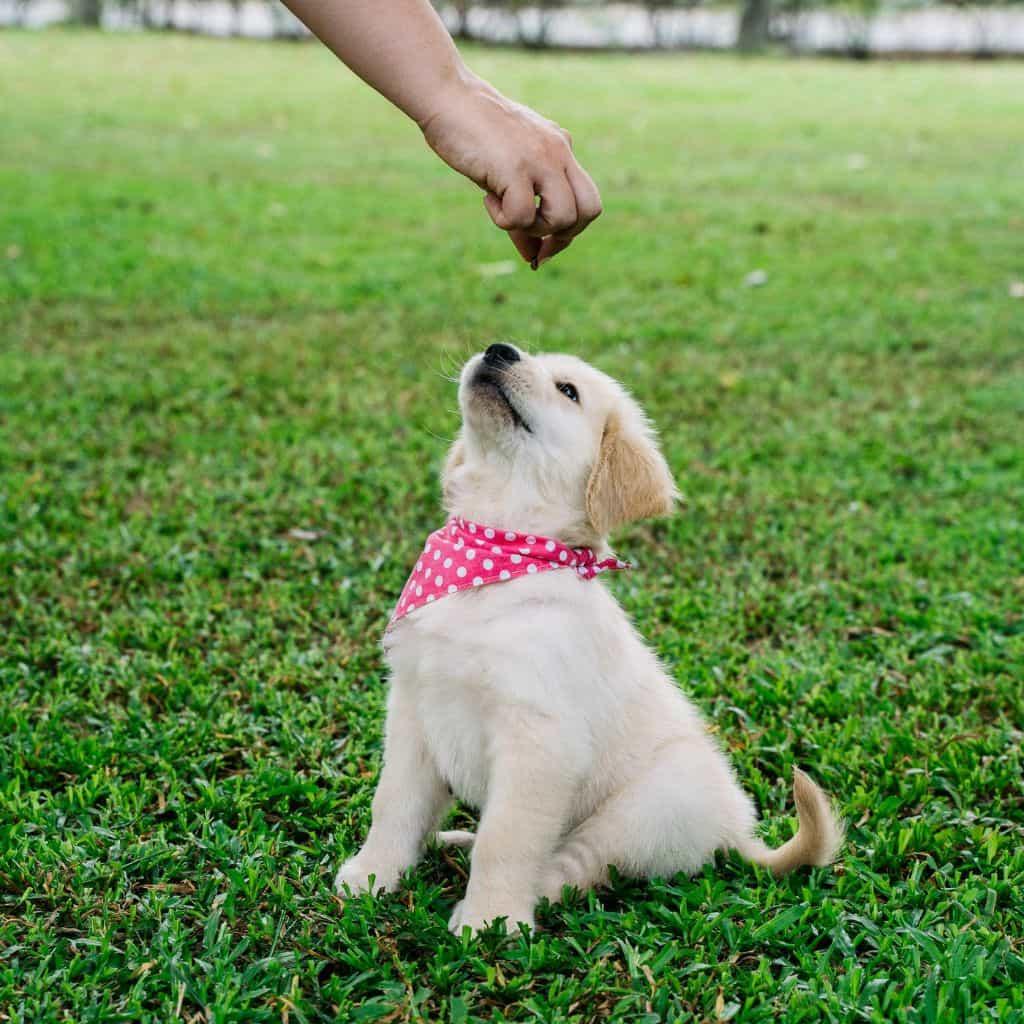
Impulse control grows through practice, not frustration. Games like waiting for food teach self-control skills in a way puppies understand.
Keep the difficulty low enough that success is common.
Make Grooming More Comfortable
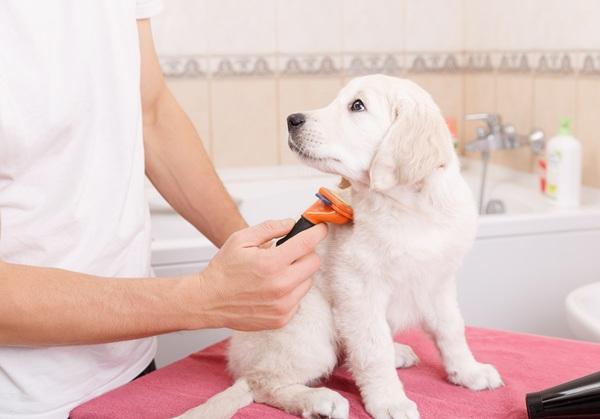
Handling practice prevents many future struggles. I pair brushing, paws, and ears with positive associations from the beginning.
Watch for freezing, pulling away, or stress signals.
Train Your Puppy Around Distractions
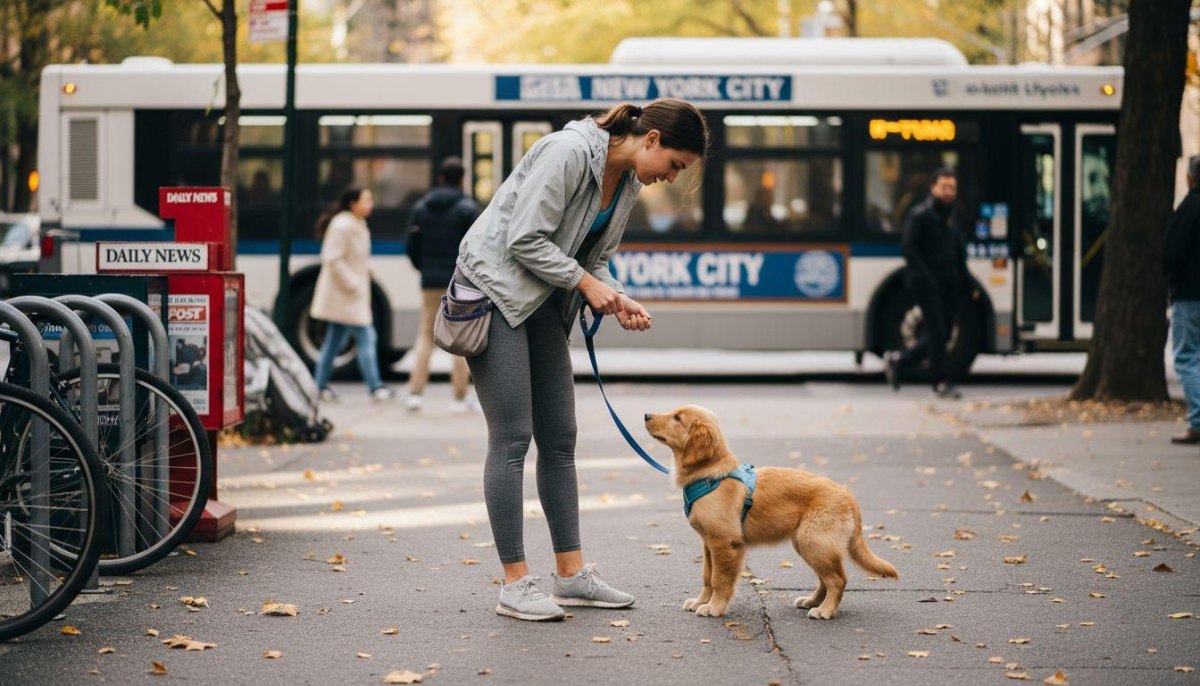
Dogs do not automatically understand a cue everywhere. I start easy and gradually add real world distractions.
The goal is reliability, not overwhelming the puppy.
Build Confidence With New Experiences
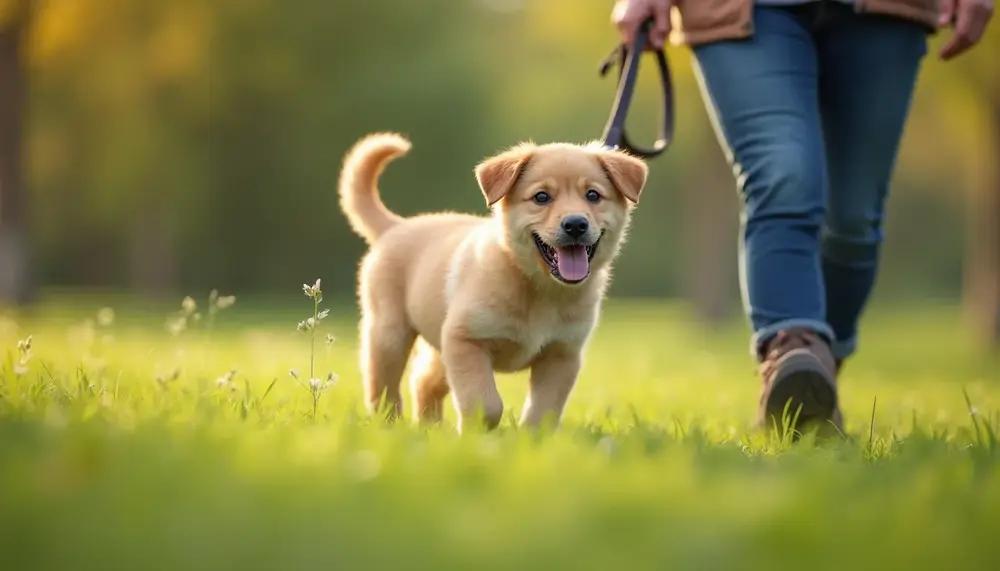
Confidence comes from controlled success. I let puppies explore new sights, sounds, and surfaces at their own pace.
Flooding a worried puppy usually creates more problems.
Teach Door Manners and Waiting
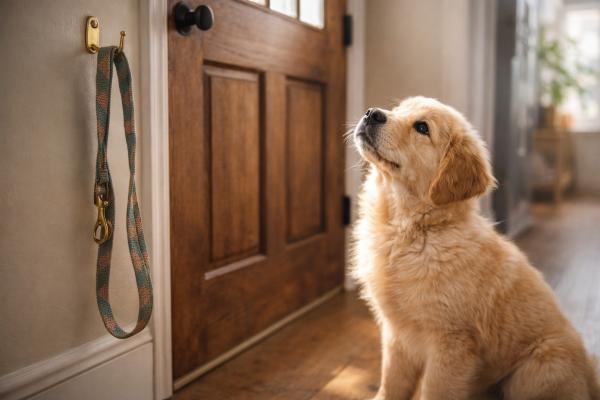
Doors are exciting, which makes them excellent practice. I reward calm waiting behavior before opening the door.
This skill improves safety and everyday manners.
Practice Daily Obedience Routines
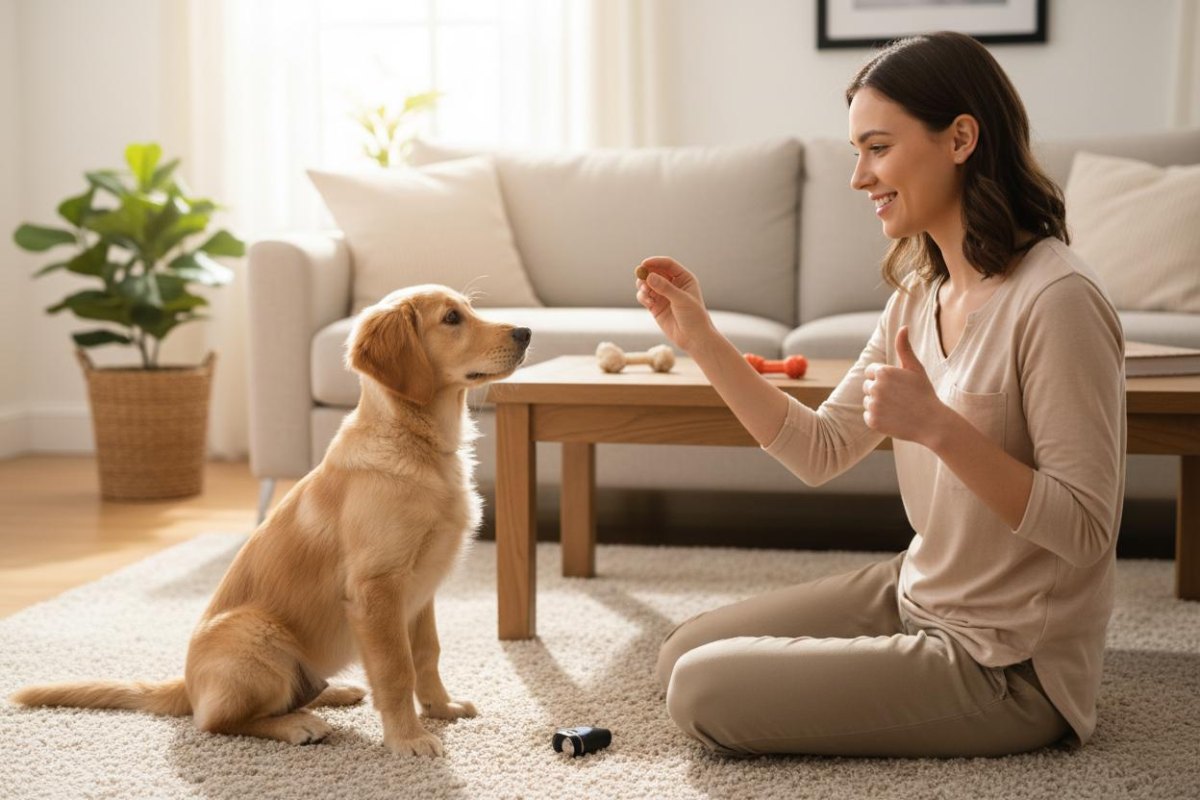
Training does not need a long formal session. I weave daily life practice into meals, walks, and quiet moments.
Consistency beats occasional marathon sessions.
Keep Training Sessions Fun and Short
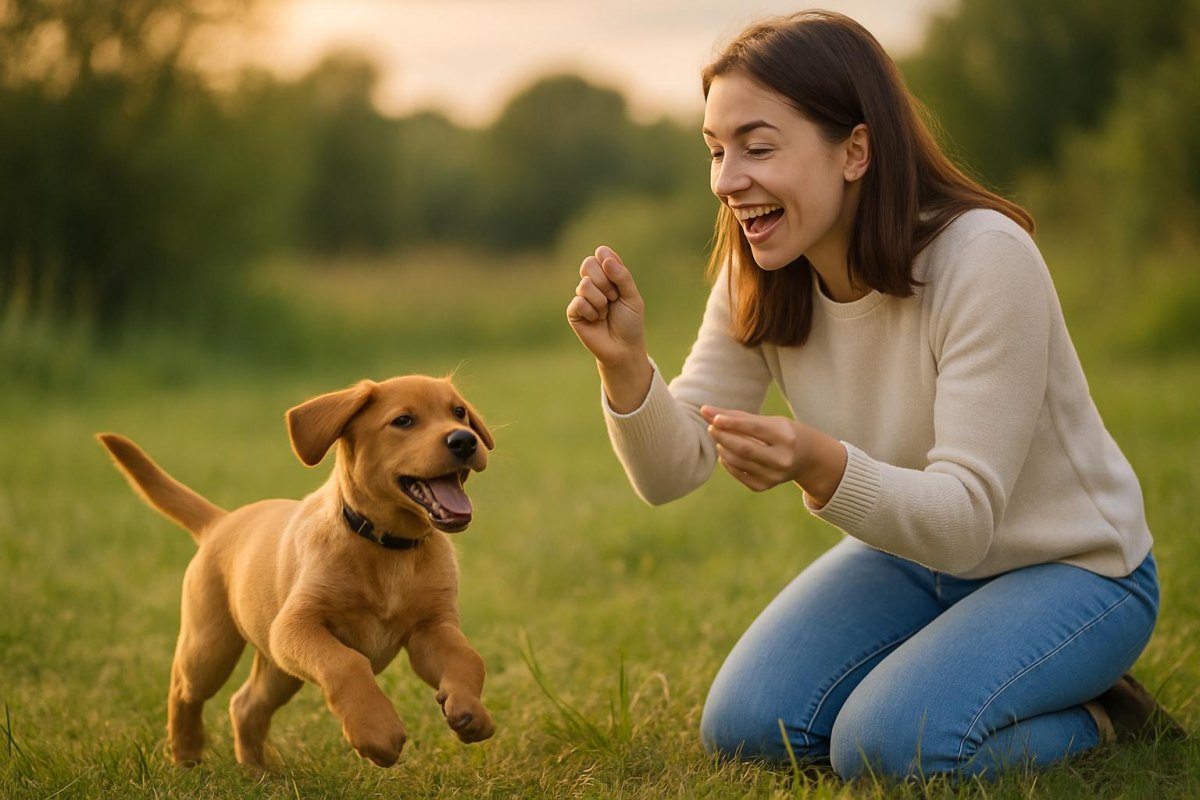
Puppies have limited attention spans, and I plan around that reality. Several short sessions create better learning results than exhausting a puppy.
End with success so your puppy is excited for tomorrow’s practice.




More Pinterest Visuals